
Destination Guide · Bolivia · Updated 2025
The Complete Bolivia Travel Guide 2025:
Cities, Weather, Food, Hotels and Everything You Need
Introduction
Why Bolivia Will Rewire Your Brain
I am going to tell you something that most travel guides are too polished to admit: Bolivia is the most disorienting, challenging, humbling and magnificent country in South America. Not the easiest. Not the most comfortable. Not the most convenient. But if you are the kind of traveller who measures a journey by how deeply it changes you rather than how smoothly it goes, Bolivia will give you more per square kilometre than anywhere else on this continent.
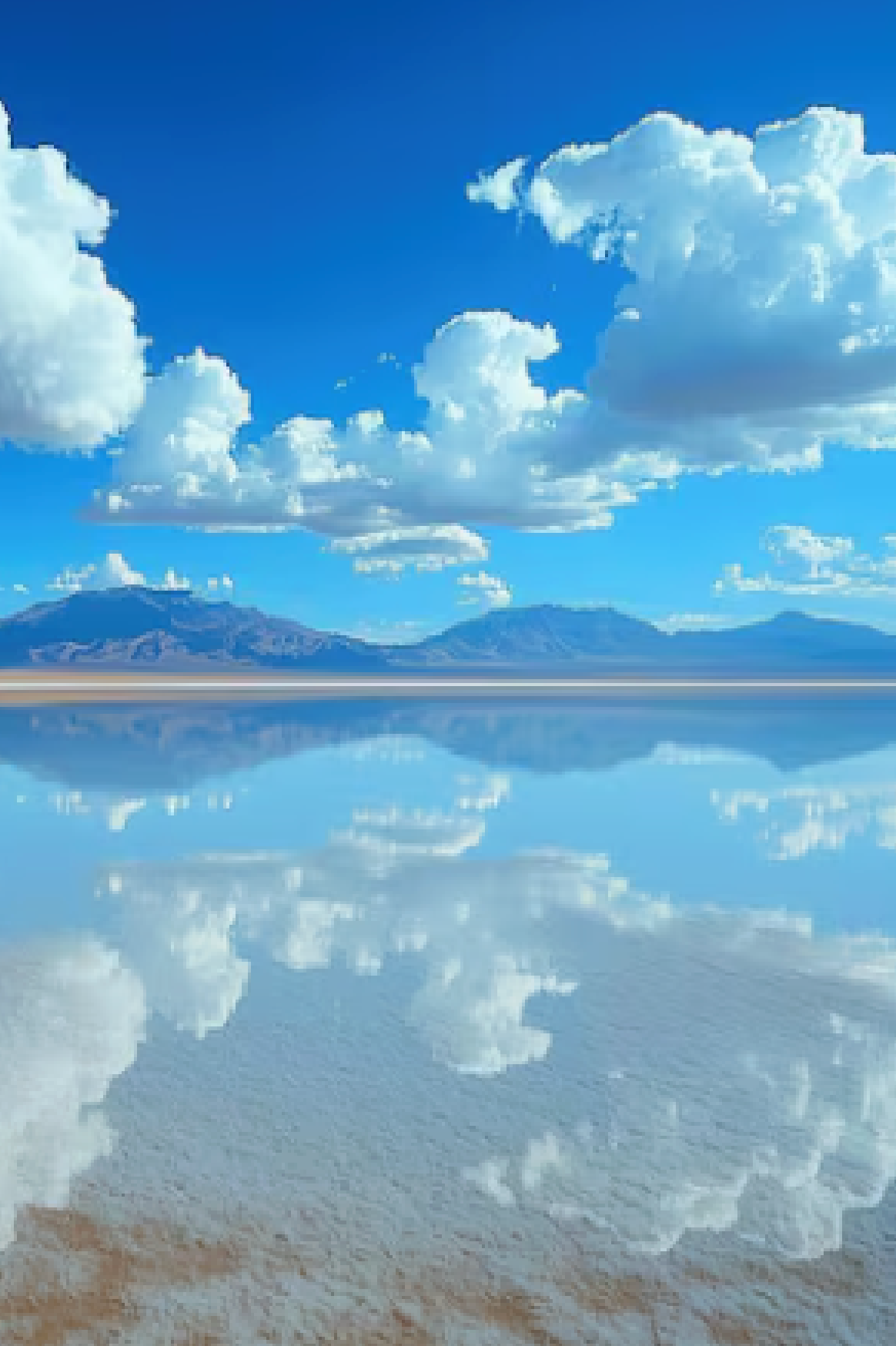
I was born in La Paz. I grew up at 3,600 metres above sea level, where the air is thin, the light is blinding, and the landscape makes you feel simultaneously tiny and electrified. The Altiplano — the vast high plateau that stretches between the Andes mountains across western Bolivia — is one of the most extraordinary environments on the surface of the earth. And when you step onto the Salar de Uyuni, the world’s largest salt flat, and watch the horizon blur into a perfect mirror of sky, you will understand immediately why people board 16-hour overnight buses just to get there.
“Bolivia does not seduce you slowly. It grabs you by the collar at 4,000 metres, slaps the altitude into your lungs, and forces you to look at the world differently. You never quite recover. That is the point.”
Bolivia is the poorest country in South America by many economic measures, and simultaneously one of the most culturally rich and visually staggering places on earth. Indigenous Aymara and Quechua traditions are not museum pieces here — they are living, breathing, market-filling, festival-exploding realities. The food is honest and hearty. The people are reserved at first and deeply warm once trust is established. The landscapes range from tropical Amazon lowlands to frozen 6,000-metre volcanic peaks within the same country. And the prices — even by South American standards — are extraordinarily low, making Bolivia one of the last truly affordable frontiers for international travellers.
This guide was written by someone who knows Bolivia from the inside — its altitude, its frustrations, its bureaucracy, its festivals and its breathtaking, irreplaceable soul. Use it well.
Find Your Flight
Fly to Bolivia — Compare Every Airline
La Paz and Santa Cruz are the main entry points. Compare 1,200+ airlines on Skyscanner right now — zero booking fees, real-time prices, direct and connecting routes.
Entry Requirements and Migración Bolivia
Bolivia’s entry requirements are more varied than most South American countries and depend significantly on your nationality. Read this section carefully before you book — a small number of nationalities require visas that others do not.
Passport and Visa Requirements
Citizens of most European Union countries, the United Kingdom, Canada and Australia do not require a visa to enter Bolivia as tourists and receive a free 30-day stamp on arrival, extendable to 90 days. United States citizens previously required a visa fee of $160 USD, but this requirement has fluctuated with diplomatic relations — always verify the current status at the Bolivian consulate or official immigration website before travel, as this policy has changed multiple times in recent years.
Most Latin American nationals (Colombia, Peru, Argentina, Chile, Brazil, Ecuador) enter Bolivia visa-free with either a passport or national identity card for stays of up to 90 days.
Always verify before travelling: Bolivia’s visa policies have changed more frequently than most countries in the region due to shifting diplomatic relationships. Check the current requirements at the official Bolivian Direccion General de Migracion website or your country’s embassy at least 4 weeks before departure.
The 90-Day Stay Rule
Most tourists are permitted to stay for up to 90 days per calendar year in Bolivia. Unlike some neighbouring countries, Bolivia’s 90-day limit is a total for the entire year — not per entry. This means if you enter, leave and re-enter within the same calendar year, your previous days count toward the 90-day total. Extensions beyond 90 days require application at a Migración Bolivia office in person.
The Migration Card (Formulario de Ingreso)
On arrival you will complete a migration entry form — a paper card available at the border or on the aircraft. You receive a tear-off portion to keep. This is your proof of legal entry and must be retained until departure. Losing it creates complications at exit — replacements must be obtained from Migración offices, which costs time and a small fee.
Other Entry Requirements
- Yellow Fever Vaccination: Required if arriving from an endemic country or if travelling to Bolivia’s tropical lowland departments (Beni, Pando, Santa Cruz lowlands). Carry your international vaccination certificate.
- Return or Onward Ticket: Immigration officers at El Alto International Airport and land borders routinely ask for proof of departure. Have your return booking accessible.
- Proof of Funds: Technically required. Bolivia asks for evidence of sufficient funds for your stay — approximately $60 USD per day. Rarely enforced but good to have a bank statement or card accessible.
- Travel Insurance: Mandatory in spirit if not always in law. Medical evacuation from remote Bolivian locations — the Salar de Uyuni, the Yungas jungle roads, high-altitude trekking areas — can cost enormous sums without coverage.
| Nationality | Visa Required? | Max Stay | Cost | Notes |
|---|---|---|---|---|
| USA | Verify current policy | 30–90 days | Varies | Policy has changed — always verify |
| Canada / Australia | No | 30 days (ext. to 90) | Free | Extension at Migracion office |
| UK / EU | No | 90 days/year | Free | Passport valid 6+ months required |
| Colombia / Peru | No | 90 days/year | Free | ID card may be accepted |
| China / India | Yes | Varies | Varies | Apply at Bolivian embassy |
The Most Important Cities in Bolivia
Bolivia is a country of jaw-dropping geographic diversity — from the world’s highest capital cities to the Amazon basin, from colonial silver-mining towns to modern lowland metropolises. Each city is a completely different world.

La Paz — The City in the Sky
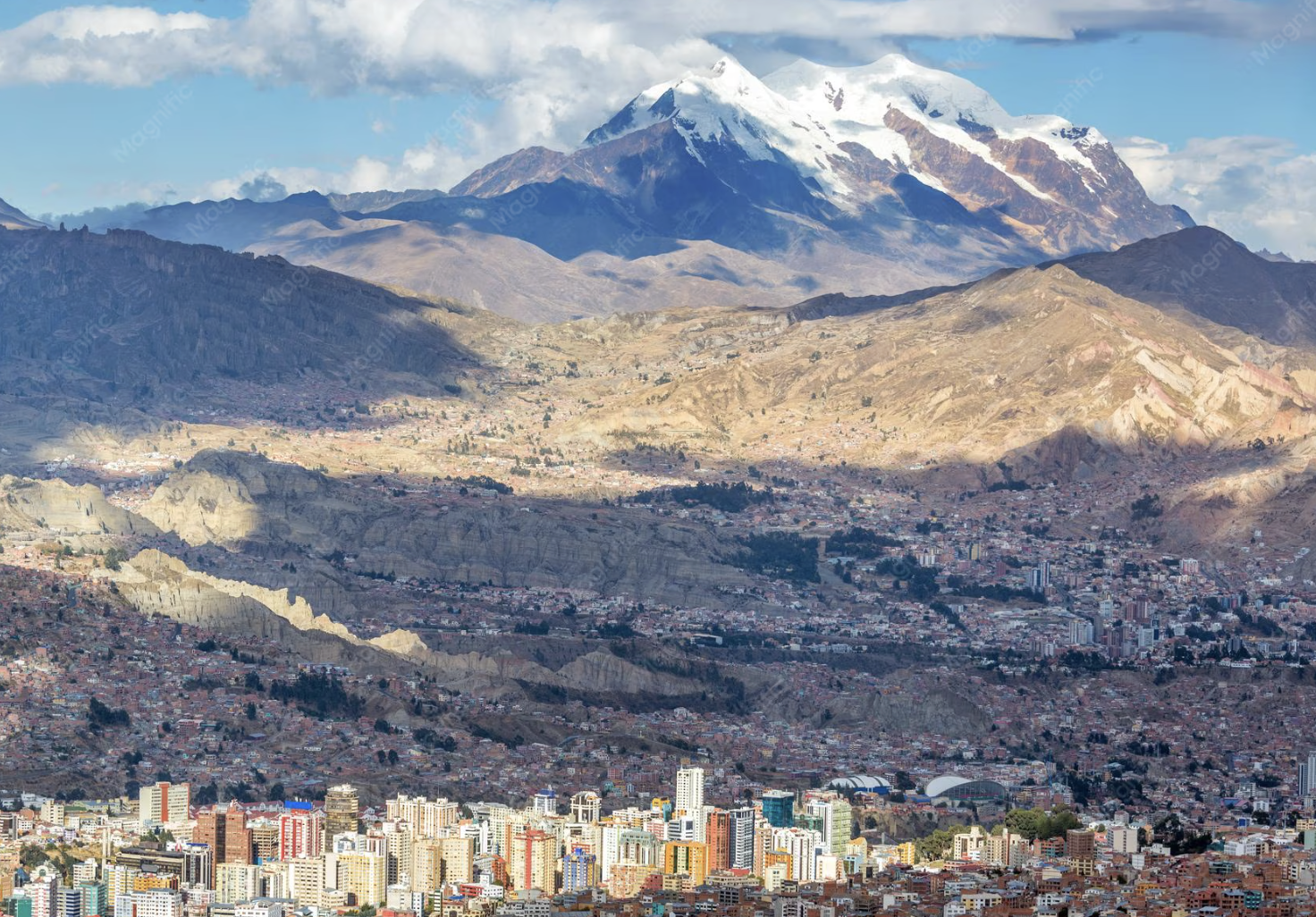
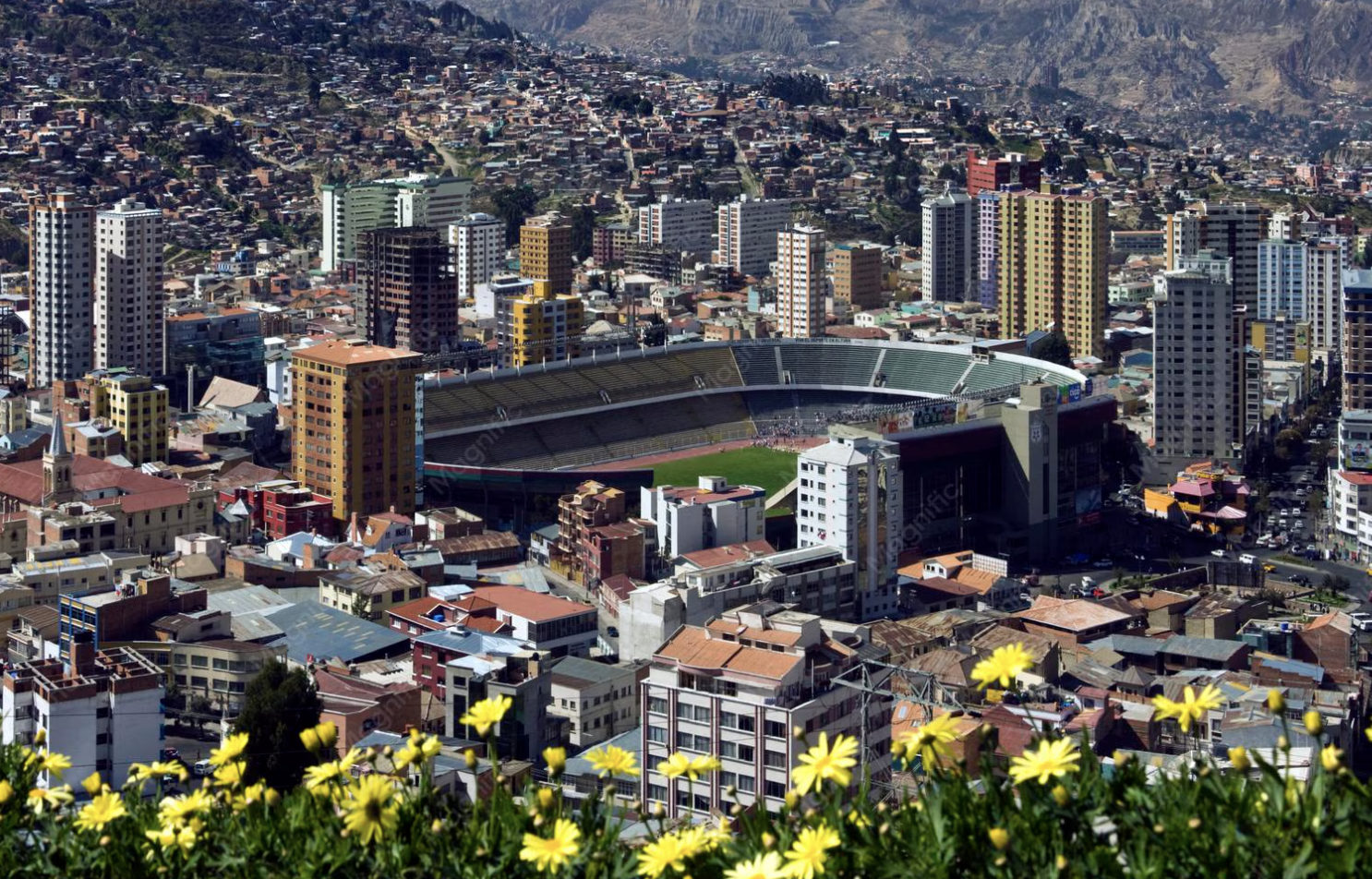
La Paz is the seat of government and the beating heart of Bolivian daily life, sprawling across a canyon at an average altitude of 3,600 metres above sea level, surrounded by the snow-capped peaks of the Cordillera Real. The city immediately above La Paz — El Alto, on the canyon rim — sits at 4,150 metres and is where the international airport is located. La Paz is chaotic, colourful, occasionally maddening and utterly fascinating. The Witches’ Market (Mercado de las Brujas) sells llama foetuses, dried herbs and magical remedies alongside everyday produce. The Mi Teleférico cable car system — the world’s largest urban cable car network — connects the city across its dramatic vertical topography and offers extraordinary aerial views. The historic centre around the Plaza Murillo is lined with colonial architecture, and the bohemian neighbourhood of Sopocachi has excellent restaurants and a genuine local café culture.
Sucre — The Constitutional Capital and White City
While La Paz functions as Bolivia’s seat of government, Sucre holds the distinction of being the country’s constitutional capital — and it may be the most beautiful city in Bolivia. Built almost entirely in white-painted colonial architecture and sitting at a more breathable 2,750 metres above sea level, Sucre is a UNESCO World Heritage City with an elegant, European feel completely unlike the rawness of La Paz. The Universidad Mayor de San Francisco Xavier, founded in 1624, is one of the oldest universities in the Americas. The food scene is excellent, the climate is mild and pleasant, and the nearby Cretaceous Park at Cal Orcko — where you can see hundreds of dinosaur footprints preserved in a near-vertical cliff face — is one of the most surreal natural attractions in South America.
Potosí — The Mountain That Ate Men
At 4,090 metres above sea level, Potosí is one of the highest cities in the world and carries one of the most haunting histories of any city in the Americas. In the 16th and 17th centuries, the silver extracted from the Cerro Rico mountain (the “Rich Mountain” that towers over the city) essentially funded the entire Spanish Empire and came at the cost of an estimated 8 million indigenous and enslaved African lives. The mines of Cerro Rico are still operating today — you can tour them with a local miners’ cooperative, an experience that is confronting, deeply moving and unlike anything else in South America. The colonial architecture in the city centre is extraordinary, and the Casa de la Moneda (Royal Mint) museum is one of the finest in Bolivia.
Santa Cruz de la Sierra — The Economic Engine
Bolivia’s largest city by population (over 2 million) and its economic powerhouse sits in the lowland tropical east at just 416 metres above sea level — a completely different Bolivia from the highlands. Santa Cruz is modern, warm, cosmopolitan and growing rapidly. It is the country’s business hub and the gateway to Bolivia’s Amazon and Pantanal regions. The city itself has excellent restaurants, a relaxed Latin atmosphere and a beautiful historic centre around the Plaza 24 de Septiembre. From Santa Cruz you access the Jesuit Missions of Chiquitos — a UNESCO World Heritage Site of extraordinary baroque churches built in remote jungle communities by Jesuit missionaries and indigenous craftsmen in the 17th and 18th centuries.
Copacabana and Lake Titicaca — The Sacred Shore
Copacabana is a small pilgrimage town on the Bolivian shores of Lake Titicaca — the highest navigable lake in the world at 3,812 metres above sea level. The town itself is charming and low-key, dominated by the magnificent Baroque basilica of the Virgen de Copacabana and the constant comings and goings of pilgrims, backpackers and trout fishermen. The real draw is the lake itself — vast, impossibly blue, sacred to both Aymara and Inca cosmology — and the nearby Isla del Sol (Island of the Sun), where Inca legend places the birthplace of the sun and moon. A boat to the Isla del Sol and a walk across its ancient Inca ruins and terraced hillsides is one of the finest half-days in Bolivia.
Uyuni — Gateway to the Salt Flats
The town of Uyuni itself is small, functional and not particularly beautiful — a frontier settlement on the edge of the Altiplano that exists primarily as the launching pad for tours of the Salar de Uyuni. The salt flat covers 10,582 square kilometres, making it the world’s largest, and during the rainy season (November–March) a thin layer of water transforms it into the world’s largest natural mirror — a phenomenon so extraordinary it must be seen to be believed. Beyond the salt flat, the surrounding Reserva de Fauna Andina Eduardo Avaroa contains coloured lagoons (including the stunning Laguna Colorada and Laguna Verde), flamingo colonies, fumaroles and some of the most otherworldly high-altitude scenery on the planet.
| City | Altitude | Population | Vibe | Best For |
|---|---|---|---|---|
| La Paz | 3,600 m | 900,000 | Intense / Chaotic | Culture, markets, cable cars, day trips |
| Sucre | 2,750 m | 370,000 | Elegant / Relaxed | Colonial architecture, food, history |
| Potosí | 4,090 m | 230,000 | Historic / Sobering | Silver mines, colonial history, altitude |
| Santa Cruz | 416 m | 2 million | Modern / Tropical | Gateway to Amazon, Jesuit Missions |
| Copacabana | 3,812 m | 15,000 | Peaceful / Sacred | Lake Titicaca, Isla del Sol, pilgrimage |
| Uyuni | 3,656 m | 20,000 | Frontier / Essential | Salt flats, Laguna Colorada, flamingos |
Main Airports and Transit Hubs
Bolivia has two main international airports and a network of smaller domestic airports. Understanding which city to fly into — and the peculiarities of each — will save you significant time and confusion.
El Alto International Airport, La Paz (LPB)
This is Bolivia’s main international gateway, sitting at a remarkable 4,061 metres above sea level — making it one of the highest commercial airports in the world. The altitude affects aircraft performance: planes require longer runways, carry reduced passenger loads in some configurations, and pilots must follow specific high-altitude procedures. The airport handles international routes from Miami (with connections), Bogotá, Lima, Santiago, Buenos Aires and São Paulo. Important: the airport is located in the city of El Alto, not La Paz itself — getting down into La Paz from El Alto involves a 45-minute to 1-hour drive descending 500 metres in altitude, either by taxi or the Mi Teleférico cable car. Factor this into your arrival plans, especially late at night.
Viru Viru International Airport, Santa Cruz (VVI)
Santa Cruz’s airport is Bolivia’s second international hub and in many ways a more straightforward entry point — located at low altitude, with a modern terminal and efficient operations. It handles direct flights from Miami, Panama City, Bogotá, Lima, São Paulo and Buenos Aires. For travellers primarily interested in the Amazon lowlands, the Jesuit Missions or the eastern part of the country, flying into Santa Cruz is preferable to La Paz and avoids altitude acclimatisation entirely.
Domestic Airports
- Sucre (SRE): Daily connections from La Paz and Santa Cruz. About 45 minutes flying from either city.
- Cochabamba (CBB): Bolivia’s third-largest city, well connected domestically. A useful hub for accessing the central highlands.
- Oruro (ORU): Small airport, primarily used during the famous Carnaval de Oruro. Regular connections from La Paz year-round.
- Trinidad (TDD): Gateway to the Bolivian Amazon’s Beni department. Daily flights from La Paz and Santa Cruz.
Altitude warning on arrival: If you fly directly into La Paz from sea level, you will arrive at 4,061 metres and then descend to 3,600 metres in the city. Almost every first-time visitor experiences some degree of altitude sickness on arrival. Do not plan strenuous activity, alcohol consumption or heavy meals for your first evening. Coca tea is your friend. Acetazolamide (Sorojchi pills, available at any Bolivian pharmacy) is very effective if taken the day before arrival.
Guided Experiences
Book Your Bolivia Tours Before They Sell Out
Uyuni salt flat tours, Isla del Sol boat trips, Cerro Rico mine tours in Potosi and Death Road cycling — all with vetted local guides through GetYourGuide.
Weather and Best Time to Visit by Region
Bolivia’s climate is determined almost entirely by altitude and geography rather than latitude. The country has three major climate zones — the Altiplano, the Valleys (Valles) and the Lowlands (Llanos) — and each behaves completely differently. Planning your trip around these distinct zones is essential.
The Altiplano (La Paz, Oruro, Potosí, Uyuni)
The high plateau experiences a classic Andean two-season pattern. The dry season (April to October) brings clear skies, intense sunshine, cold nights (temperatures can drop to -15°C on the Salar) and reliable conditions for travel and trekking. The rainy season (November to March) brings afternoon thunderstorms, dramatic cloud formations and — crucially for the Salar de Uyuni — the thin layer of water that creates the famous mirror effect. The debate about when to visit Uyuni is genuine: dry season gives you the geometric hexagonal salt patterns and easier 4×4 access; rainy season gives you the mirror. Both are extraordinary — it depends entirely on what you want to see.
The Valleys (Sucre, Cochabamba, Tarija)
The intermediate valley cities sit between 2,000 and 3,000 metres and enjoy Bolivia’s most temperate climate. Sucre and Cochabamba in particular are often called the “cities of eternal spring” — temperatures ranging from 10°C at night to 22°C during the day, year-round. The rainy season (November–March) brings more precipitation but rarely disrupts travel plans significantly. This is genuinely the most comfortable climate zone in Bolivia for visitors.
The Lowlands (Santa Cruz, Beni, Pando)
The eastern lowlands are hot and humid year-round (25–38°C), with a pronounced wet season from November through March. The dry season (April–October) is the most comfortable time to visit the Amazon regions, with lower humidity and better wildlife viewing conditions. However, even the dry season in the Bolivian Amazon is warm — pack accordingly.
| Region | Best Season | Months | Temperature Range | Special Notes |
|---|---|---|---|---|
| La Paz / Altiplano | Dry Season | Apr – Oct | -5°C to 18°C | Clear skies, cold nights, best trekking |
| Salar de Uyuni | Rainy for mirror | Nov – Mar | -10°C to 15°C | Mirror effect Nov–Mar; patterns Apr–Oct |
| Sucre / Valles | Any time | Apr – Oct best | 10°C to 22°C | Comfortable year-round |
| Potosí | Dry Season | Apr – Oct | -5°C to 17°C | Extremely cold at night year-round |
| Santa Cruz / Lowlands | Dry Season | Apr – Oct | 20°C to 38°C | Hot and humid even in dry season |
| Lake Titicaca | Dry Season | May – Oct | 5°C to 20°C | Cold nights, clear days, stunning light |

Bolivian Food: The Honest Truth
Let me be straightforward with you: Bolivian cuisine will not appear on a World’s 50 Best list anytime soon. It is not the sophisticated, internationally-recognised food of Peru or the emotionally charged street food of Colombia. What it is, however, is deeply honest, extremely filling, historically rooted and surprisingly varied once you leave the tourist trail. At altitude, your body craves carbohydrates and warmth — Bolivian food delivers both with absolute conviction.
Dishes You Must Eat
- Salteña: Bolivia’s most beloved street food — a baked pastry filled with a juicy stew of chicken or beef, potatoes, olives, eggs and a slightly sweet, spiced broth. Eating a salteña without spilling its liquid filling on yourself is a skill that Bolivians develop in childhood and tourists never quite master. Eaten as a mid-morning snack between 9am and noon — never as a meal. If you see a salteña stall with a line of locals, join it immediately.
- Pique Macho: La Paz’s great contribution to world food culture — a mountain of boiled then fried beef chunks, sausage, boiled eggs, onions, tomatoes, peppers and french fries, served on a communal platter and eaten with toothpicks. It is enormous, anarchic, delicious and a perfect hangover cure. Named “macho” because finishing it is considered a feat of endurance.
- Sopa de Mani: A rich, thick peanut soup with beef, vegetables and noodles, unique to Bolivian highland cuisine. Warming, substantial and completely addictive on a cold La Paz evening.
- Anticuchos: Grilled beef heart skewers marinated in vinegar and spices, sold from street carts in the evenings throughout La Paz and other cities. The smell of anticuchos grilling over charcoal is one of the defining sensory memories of Bolivia.
- Silpancho: A Cochabamba specialty that has spread nationwide — a flattened, breaded beef cutlet served over rice and potatoes, topped with a fried egg, sliced tomatoes and onions. It is enormous and costs almost nothing.
- Api with Pastel: A hot purple corn drink spiced with cinnamon and cloves, served alongside deep-fried pastries filled with cheese. Bolivia’s quintessential cold-morning breakfast, sold at market stalls from dawn and consumed standing up.
Regional Food Differences
In Santa Cruz and the lowlands, the cuisine shifts dramatically toward tropical ingredients — fresh river fish, yuca, plantains and rice dominate. The majao (dried beef with rice, eggs and plantain) and locro (a soup of beef and corn) are local classics. In Sucre, the food is considered refined by Bolivian standards — the city has excellent restaurants and a strong café culture. In the Lake Titicaca region, fresh trout from the lake — grilled, fried or baked — is the undisputed star of every menu and is genuinely exceptional.
Budget eating: Bolivia may be the cheapest country in South America for food. A full set lunch (almuerzo) — soup, main course and juice — costs between 15 and 25 Bolivianos (approximately $2–3.50 USD) at a local market or neighbourhood restaurant. Eating where locals eat is not just economical here — it produces dramatically better food than tourist-facing restaurants at any price point.
Find Your Perfect Stay
Hotels in La Paz, Sucre and Uyuni — Best Prices
From boutique colonial guesthouses in Sucre to Uyuni salt hotel experiences and La Paz viewpoint lodges. Compare hundreds of properties on Booking.com with no hidden fees.
Currency, Exchange Rates and Money Tips
Bolivia’s currency is the Boliviano (BOB), divided into 100 centavos. As of mid-2025, the exchange rate is approximately 1 USD = 6.90–7.00 BOB. Bolivia is unquestionably the cheapest country in South America for travellers — budget travellers can live very comfortably on $25–35 USD per day, and even mid-range travellers rarely need to spend more than $80–100 USD per day outside of luxury lodge situations.
Accessing Money in Bolivia
ATMs are available in all major cities but become increasingly scarce in smaller towns and remote areas. In Uyuni, ATMs exist but frequently run out of cash — bring sufficient Bolivianos from La Paz or Santa Cruz before heading to the salt flats. In truly remote areas, cash is the only option. Exchange houses (casas de cambio) offer good rates in La Paz (particularly along Calle Colón) and Santa Cruz. USD and EUR are the most widely accepted foreign currencies for exchange. The airport exchange counters offer noticeably worse rates than city centre exchange houses.
| Currency | Approx. Rate (2025) | Notes |
|---|---|---|
| 1 USD | 6.95 BOB | Bolivia is exceptional value for US visitors |
| 1 EUR | 7.60 BOB | Strong buying power throughout the country |
| 1 GBP | 8.80 BOB | Excellent value for British travellers |
| 1 CAD | 5.10 BOB | Good value for Canadians |
Tipping Culture in Bolivia
Tipping is not deeply embedded in Bolivian culture but is genuinely appreciated. A rough guide: 10% in tourist-facing restaurants (local market restaurants do not expect tips), $5–10 USD per day for guides on tours, and $3–5 USD per day per driver on multi-day 4×4 Salar tours. For Cerro Rico mine tours in Potosí, bringing gifts for the miners (coca leaves, pure alcohol, cigarettes — items they use ritually in the mines) is traditional and deeply appreciated.
Safety: Safest, Wildest and Quietest Cities
Bolivia’s safety profile is broadly better than many travellers expect given its economic challenges. Violent crime targeting tourists is rare. Petty theft, pickpocketing and scams are the primary risks, concentrated in specific areas and situations. Political protests (known as bloqueos) that block roads and occasionally turn confrontational are a uniquely Bolivian consideration — particularly in La Paz and along highland routes — and require some flexibility in travel planning.
| City | Safety Level | Main Risks | Safe Areas | Take Care |
|---|---|---|---|---|
| La Paz | Moderate | Pickpocketing, fake taxi robberies, protests | Sopocachi, San Miguel, Calacoto | El Alto at night, crowded markets |
| Sucre | Safer | Petty theft in markets, tourist scams | Historic Centre, Recoleta | Outskirts after dark |
| Potosí | Safer | Altitude illness, cold, mine tour risks | Historic Centre | Altitude — acclimatise before touring |
| Santa Cruz | Moderate | Phone theft, express kidnapping risk in some zones | Plan 3000, Equipetrol, Urbarí | Downtown market area at night |
| Copacabana | Safer | Minor theft, overcharging tourists | Lakefront, town centre | Isla del Sol — go with a reputable operator |
| Uyuni / Salar | Safer | 4×4 accidents, extreme cold, altitude | Tour operators in town | Unreputable operators — verify safety record |
Essential Safety Rules for Bolivia
- Fake taxis are a serious risk in La Paz: Never hail a taxi from the street in La Paz. Use only radio taxis (identifiable by the illuminated dome light and company logo) or app-based services. Express kidnappings involving fake taxis do occur — this is not theoretical.
- Bloqueos (road blockades): Political protests in Bolivia frequently involve blocking major roads for hours or days. Stay informed about local political situations, especially if you have fixed onward transport. Flexibility in your schedule is a genuine travel necessity in Bolivia.
- Uyuni tour operator safety: The Salar de Uyuni is in an extremely remote, extreme-weather environment. Choose your tour operator carefully — the cheapest options sometimes have poor vehicle maintenance records. Ask to see the vehicle before departing and verify the operator has emergency communication equipment.
- Death Road (Camino de la Muerte) cycling: The famous downhill bike ride on the world’s most dangerous road is a popular tourist activity from La Paz. It is genuinely exhilarating and manageable with a reputable operator. Do not choose the cheapest option — equipment quality and guide experience matter significantly here.
- Altitude medicine: Carry acetazolamide (Diamox) or Bolivian Sorojchi Pills. Know the symptoms of severe altitude sickness (HACE and HAPE) and descend immediately if they occur. These are genuine medical emergencies at altitude.
Best Hotels by City — With Real Prices
Bolivia offers exceptional value for accommodation at every level. Even luxury properties are dramatically cheaper than comparable options in Peru or Colombia. Prices below are approximate mid-season rates — the Salar de Uyuni region is the notable exception where unique experiences command premium pricing.
La Paz — Best Hotels
| Hotel | District | Category | Price/Night (USD) | Highlights |
|---|---|---|---|---|
| Atix Hotel | Sopocachi | 5-Star Boutique | $180–280 | Contemporary design, rooftop views of Illimani, spa |
| Casa Grande Hotel | Calacoto | 5-Star Classic | $150–240 | La Paz’s most established luxury hotel, excellent service |
| Hotel Europa | City Centre | 4-Star Superior | $80–140 | Central location, reliable quality, excellent breakfast |
Sucre — Best Hotels
| Hotel | District | Category | Price/Night (USD) | Highlights |
|---|---|---|---|---|
| Hotel Parador Santa Maria La Real | Historic Centre | 5-Star Boutique | $120–200 | Restored colonial mansion, courtyard, exceptional atmosphere |
| NH Collection Sucre | Historic Centre | 4-Star Superior | $90–150 | Rooftop pool with city views, modern amenities, central |
| Casa Verde Hostel | Historic Centre | Boutique Hostel | $25–55 | Beautiful colonial courtyard, excellent traveller community |
Uyuni — Best Hotels
| Hotel | Location | Category | Price/Night (USD) | Highlights |
|---|---|---|---|---|
| Palacio de Sal | On the Salar | 5-Star Salt Hotel | $200–350 | Built from salt blocks, on the actual salt flat, unique experience |
| Luna Salada Hotel | Salar edge | 4-Star Boutique | $130–220 | Salt construction, stunning views, excellent restaurant |
| Hotel Jardines de Uyuni | Uyuni Town | 3-Star Comfortable | $55–90 | Best mid-range option in town, reliable, warm rooms |
Salt hotels: The Palacio de Sal and Luna Salada on and near the Salar de Uyuni are genuine one-of-a-kind experiences — the floors, walls and some furniture are constructed from salt blocks. They are more expensive than anything else in the region but represent a truly unique accommodation experience that cannot be replicated anywhere else on earth.
Cost of Travel and Budget by City
Bolivia is the most affordable country in South America for travellers. The combination of low prices and extraordinary experiences makes it extraordinary value — a budget traveller can live extremely well here on sums that would barely cover a single night’s accommodation in Buenos Aires or Lima’s luxury zones.
| City | Budget/Day (USD) | Mid-Range/Day (USD) | Luxury/Day (USD) | Most Expensive Item |
|---|---|---|---|---|
| La Paz | $20–35 | $60–120 | $180–350 | Luxury hotel with Illimani views |
| Sucre | $18–30 | $55–110 | $150–280 | Colonial boutique hotels |
| Potosí | $15–28 | $45–90 | $120–200 | Guided mine tours |
| Santa Cruz | $22–38 | $65–130 | $180–320 | Tropical resort hotels |
| Uyuni / Salar | $35–60 | $90–180 | $250–450 | Salt hotel stays, 4×4 tours |
| Copacabana | $18–30 | $50–100 | $130–220 | Isla del Sol private tours |
Top Festivals and Celebrations in Bolivia
Bolivia’s festivals are among the most extraordinary in the world — raw, ancient, spiritually complex events that blend Catholic colonial traditions with deep pre-Columbian Andean beliefs in ways that produce something entirely unique. These are not performances for tourists. They are living cultural expressions of identity that have been evolving for centuries.
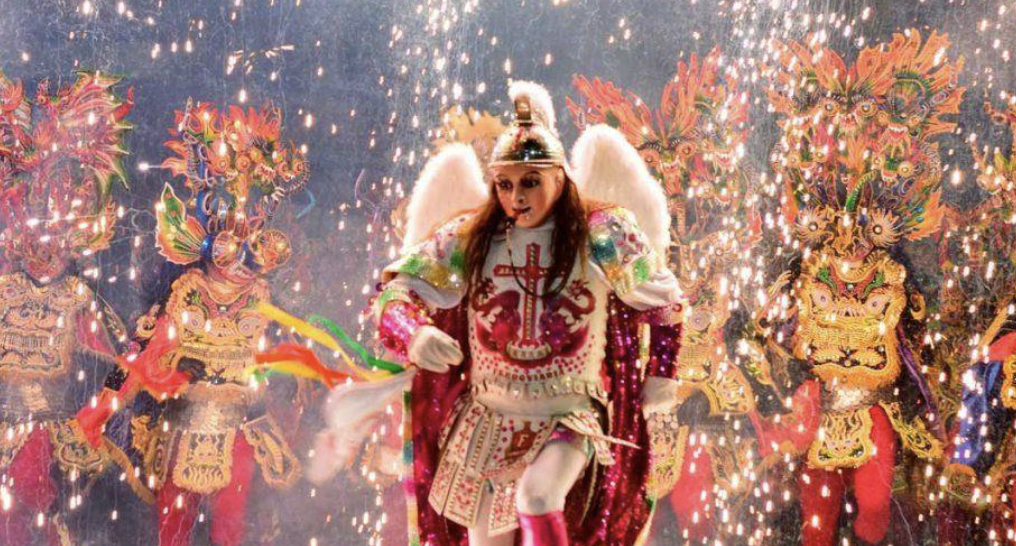
Carnaval de Oruro · Oruro · February/March (46 Days Before Easter)
This is the single most important cultural event in Bolivia and one of the most extraordinary festivals in the world. The Carnaval de Oruro was declared a UNESCO Masterpiece of the Oral and Intangible Heritage of Humanity in 2001 — one of the first events in the world to receive this designation. Over 48 dance groups and 28,000 performers participate in a procession that lasts nearly 20 hours, featuring the most elaborate handmade costumes you will ever see — towering headpieces, sequined suits and intricate masks that take entire families a full year to construct. The central mythological figure is the Diablada — the dance of the devils — in which elaborately costumed devil characters enact the battle between good and evil. The festival begins at 4am on the Saturday before Ash Wednesday and does not stop until dawn on Sunday. The city of Oruro (population 300,000) receives over 400,000 visitors for Carnaval. Book accommodation at least 4–6 months in advance — the entire city fills completely.
Alasitas — Festival of Abundance · La Paz · January 24
Alasitas is one of the most distinctive and genuinely moving festivals in Bolivia — an Aymara celebration centred on the figure of Ekeko, a small, smiling deity who carries miniature items on his person and grants wishes for abundance in the coming year. On January 24 (the Feast of Our Lady of Peace), Bolivians flood the markets of La Paz to buy miniature versions of everything they wish for in the coming year — miniature houses, cars, university diplomas, US dollar bills, airline tickets, business licences. These miniature desires are then blessed by a yatiri (Aymara spiritual specialist) or a Catholic priest, and carried throughout the year as a spiritual intention for what one wishes to manifest. It is simultaneously deeply spiritual, wildly commercial, charming and unique to Bolivia. Attending the morning market at Plaza del Estudiante in La Paz on January 24 is an experience you will describe for the rest of your life.
Gran Poder — Festival of the Great Power · La Paz · May/June (60 Days After Easter)
The Fiesta del Gran Poder is La Paz’s greatest annual celebration — a massive procession through the streets of the city featuring over 30,000 dancers and 10,000 musicians from more than 80 dance fraternities. Unlike Oruro’s Carnaval, which draws national and international visitors, Gran Poder is primarily a La Paz event — a celebration of the city’s identity, its blend of Andean and urban culture, and the extraordinary community spirit of its neighbourhoods. The costumes rival anything at Carnaval de Oruro, and the energy and noise in the streets — the thundering of brass bands, the synchronised stomping of thousands of dancers — is overwhelming in the best possible sense. If you are in La Paz in late May or early June, do not miss it.
Tinku — Ritual Combat Festival · Macha, Potosí Department · May
The Tinku is one of the most confronting and culturally fascinating festivals in Bolivia — an ancient Aymara ritual in which members of rival communities engage in ceremonial combat. Tinku means “encounter” or “meeting” in Quechua, and the festival involves communities from opposing ayllus (traditional Andean community units) meeting to fight hand-to-hand as a form of ritual offering to Pachamama (Mother Earth). Blood spilled is considered a sacred offering. The event takes place in the small mining town of Macha and surrounding communities in the Potosí department every May, and draws increasing numbers of visitors who observe with a combination of fascination and discomfort. It is absolutely not a tourist-friendly, sanitised experience — it is a living piece of Andean cultural history that pre-dates the Spanish conquest.
Fiesta de la Virgen de Copacabana · Copacabana · August 5–6
The feast of the Virgen de Copacabana — Bolivia’s most revered religious image — draws pilgrims from across Bolivia and neighbouring Peru to the lakeside town every August 5–6. The festivities include processions, traditional dances, the blessing of vehicles (a uniquely Bolivian tradition in which new cars, buses and taxis are adorned with flowers and streamers and blessed by the priest — a practice taken extremely seriously), fireworks over the lake and an extraordinary atmosphere of communal devotion. The Virgen de Copacabana is considered the patron of Bolivia and her image is one of the most reproduced in the country.
| Festival | Location | Dates | Why It Matters |
|---|---|---|---|
| Carnaval de Oruro | Oruro | 46 days before Easter | UNESCO heritage, 28,000 performers, 20-hour procession |
| Alasitas | La Paz | January 24 | Unique Aymara abundance festival, Ekeko miniature market |
| Fiesta del Gran Poder | La Paz | 60 days after Easter | 30,000 dancers through La Paz streets, city’s biggest celebration |
| Tinku | Macha, Potosí | May | Ancient Aymara ritual combat, pre-Conquest living tradition |
| Virgen de Copacabana | Copacabana | August 5–6 | Bolivia’s most important religious pilgrimage, lakeside setting |
| Día de los Muertos | Nationwide | November 1–2 | Bolivian tradition of bringing food and gifts to the deceased |
Essential Traveller Tips for Bolivia
Altitude Is Not Optional — It Is the Context for Everything
Nearly everything distinctive about Bolivia — its landscape, its food, its culture, the way its cities are built, the pace of daily life, the festivals, the physical sensation of simply existing in it — is shaped by altitude. You must take acclimatisation seriously if you are arriving from sea level. Give yourself a full day of rest on arrival in La Paz. Do not schedule the Death Road bike ride, a trek or a visit to Potosí on your first day. Drink enormous quantities of water. Eat light meals. Accept that you will breathe harder walking up stairs than you ever have in your life. After 48 hours your body will adapt and you will feel the extraordinary clarity and energy that comes with living at altitude.
Coca Leaves — Tradition and Practical Medicine
Coca leaves are legal, widely available and genuinely effective at reducing altitude sickness symptoms in Bolivia. They are sold in every market and most small shops for a few Bolivianos per bag. Chewing a small wad of leaves (removing the central stem, rolling them into a ball and holding them in the cheek) or drinking coca tea are both effective — the leaves contain mild alkaloids that improve oxygen absorption at altitude. Coca leaf use is a deeply traditional Andean practice with thousands of years of history. It is not cocaine and it does not produce a high — it produces mild stimulation similar to strong coffee. Note: carrying coca leaves out of Bolivia is illegal in most countries including the United States.
Road Travel and The World’s Most Dangerous Roads
Bolivia’s road infrastructure is improving but remains challenging by international standards. The famous Yungas Road (Death Road) between La Paz and Coroico was historically the most dangerous road in the world — the cycling tours now use a new, safer road while cyclists descend the old one. However, many other Bolivian mountain roads are genuinely hazardous, particularly in the rainy season when landslides and washouts are common. Never travel long distances by road at night in Bolivia unless the route is well established and your operator has a strong safety record.
Language and Culture
Spanish is Bolivia’s official language but Aymara and Quechua are co-official languages and are the first languages of large portions of the population, particularly in La Paz, the Altiplano and the valleys. In rural and market settings, you will encounter people who speak limited Spanish. Learning a few words of Aymara — Kamisaraki (how are you) and Waliki (I’m fine, it’s good) — will produce reactions of genuine warmth and surprise that no amount of Spanish can match.
Bolivia Is Not For Everyone. It Is For You.
Bolivia will test your patience. It will give you altitude headaches and make you question why you didn’t just go to the beach. It will strand you behind a bloqueo on a mountain road and serve you the best trout of your life at 3,800 metres and show you a salt flat so vast and so silent that it rearranges something fundamental inside your understanding of the world. It is the last great undiscovered country of South America — not because it is hidden, but because it demands something from you that not every traveller is willing to give. If you are willing — if you want the real thing, the raw thing, the thing that stays with you for decades — Bolivia is waiting. It has always been waiting. Book the flight. Go now, while it is still this Bolivia.
Find My Flight to BoliviaPlan Your Bolivia Trip
Trusted Partners We Recommend
Viator Bolivia Tours
Uyuni salt flat 3-day tours, Death Road cycling, Lake Titicaca island trips and Potosi mine visits — all with vetted operators and flexible cancellation.
Book toursAirHelp — Flight Claims
Flights into El Alto airport are subject to weather cancellations and delays. If your flight is disrupted, AirHelp fights for your compensation — up to 600 EUR automatically.
Claim nowIATI Travel Insurance
Altitude sickness cover, emergency medical evacuation from remote Bolivian locations, Death Road cycling protection. Bolivia demands proper insurance — don’t skip it.
Get insuredAffiliate Disclosure: This article contains affiliate links. When you book through our links, Uncover the Andes may earn a small commission at no additional cost to you. We only recommend services we genuinely believe serve our readers well. All opinions are our own.