

Bolivia is South America in its rawest, most concentrated, and structurally extreme form. While neighboring nations have polished their tourism pipelines into predictable, packaged experiences, Bolivia remains beautifully uncompromised—a land defined by sheer geographical magnitude, intense atmospheric pressure, and ancient civilizations that refuse to be relegated to history books.
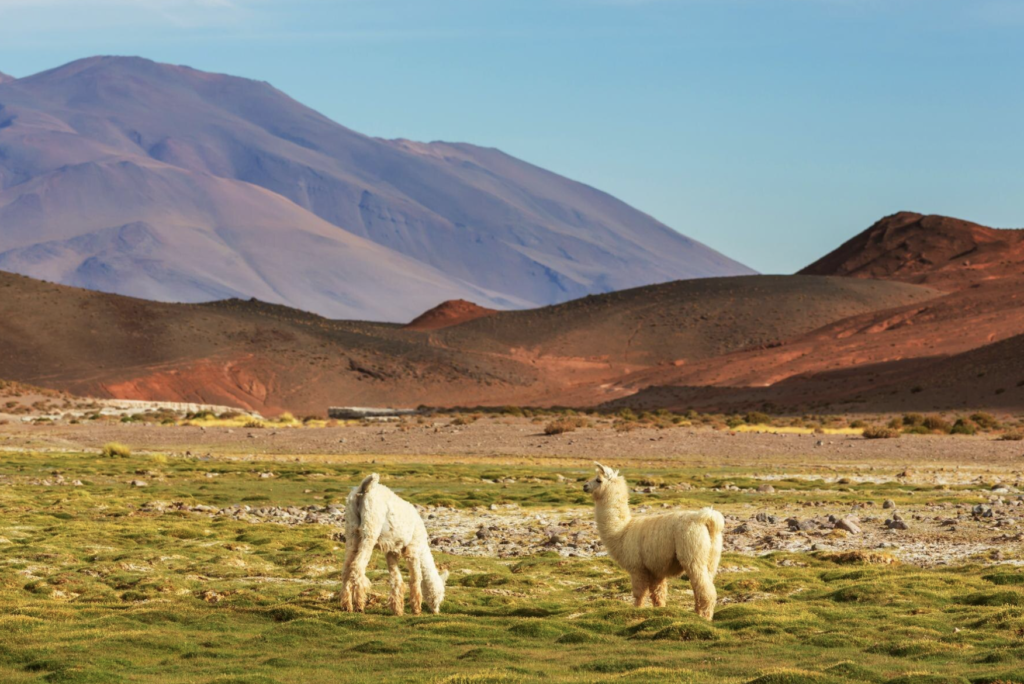
Stretching across the massive Altiplano (high-altitude plateau) and plunging down into dense Amazonian cloud forests, Bolivia operates on an environmental scale that challenges both human physiology and technical gear. Here, you will find yourself navigating the highest administrative capital on Earth, traversing the largest salt flat on the planet, and crossing high-altitude mountain ranges where the air is thin but the cultural identity is indestructible.
To conquer Bolivia, a traveler cannot rely on casual, copy-pasted itineraries. The sheer altitude, infrastructure gaps, and microclimates require an analytical approach and an ironclad logistical strategy. This comprehensive guide serves as your definitive, unfiltered high-altitude blueprint to master Bolivia.

1. Entering the Altiplano: Immigration, Entry Requirements, and Financial Logistics
Navigating Bolivian border controls requires precise planning, though entry logistics have recently become significantly more seamless for international travelers.
The New Visa-Free Era for US Citizens
For nearly two decades, entering Bolivia as a American traveler meant navigating a complex, expensive Group 3 bureaucratic maze. However, the legal landscape has completely shifted:
- The Visa Waiver Policy: Effective December 1, 2025, the Bolivian government officially eliminated tourist and business visa requirements for citizens of the United States (alongside nations like Israel and South Korea).
- Zero Fees: You no longer need to pay the historical $160 USD reciprocity fee, schedule pre-trip consular appointments, or process paperwork at the border. US citizens are officially placed in Group 1 (Visa-Free).
- Duration of Stay: You can enter Bolivia completely visa-free for tourism or short-term business for up to 90 days within a one-year period.
- The Baseline Entry Checklist: While the visa is gone, immigration officers at major entry points (like El Alto or Viru Viru) still require standard safety and routing verification. You must present:
- A valid U.S. passport with at least 6 months of remaining validity from your date of entry.
- The declared address of your stay (hotel booking or host invitation).
- An International Certificate of Yellow Fever Vaccination (strictly enforced if you are catching regional connections into tropical/lowland endemic zones like Rurrenabaque or parts of Santa Cruz).
Financial Logistics: Mastering the Boliviano (BOB)
Bolivia’s economic landscape runs almost entirely on physical cash. Outside of high-end hotels in La Paz and Santa Cruz, credit cards are virtually useless. Small towns, market stalls, regional buses, and salt flat operators deal exclusively in Bolivianos (BOB).
- Understanding the Rates: The official exchange rate historically hovers near 6.9 BOB to 1 USD. However, due to a dynamic parallel cash market (“mercado negro”), you may encounter divergent local yields for physical paper bills.
- ATM Strategy: ATMs in Bolivia have low structural withdrawal limits, often capping single transactions between 1,400 BOB to 2,000 BOB (~$200–$300 USD) and charging high out-of-network fees. Use trusted institutional ATMs like Banco Nacional de Bolivia (BNB) or Banco Mercantil Santa Cruz.
- The Conversion Strategy: Always choose to be charged in the local currency (BOB) if an ATM or premium card terminal presents a dynamic conversion option. Let your home bank handle the backend conversion to avoid inflated local retail margins.
2. Flight Logistics: Navigating Entry Hubs from the US
Flying into Bolivia requires an understanding of its unique airport topography, as your arrival city dictates how your body adapts to the extreme altitude.
Flight Hub Breakdown: NY, Newark, and Miami
| Departure Hub | Average Flight Duration | Typical Economy Price Range | Major Airlines Operating the Route | Primary Destination Hubs |
| New York (JFK) | 8.5 to 11 Hours (1 stop) | $600 – $950 USD | LATAM, Avianca, Copa Airlines | Santa Cruz (VVI), La Paz (LPB) |
| Newark (EWR) | 9 to 12 Hours (1 stop) | $650 – $1,000 USD | United (to connection), Copa, Avianca | La Paz (LPB), Santa Cruz (VVI) |
| Miami (MIA) | 6.5 to 7 Hours (Direct/1 stop) | $450 – $800 USD | BoA (Boliviana de Aviación), LATAM | Santa Cruz (VVI), La Paz (LPB) |
Analyzing the Carriers
- Boliviana de Aviación (BoA): The state-owned flagship carrier offers the only direct flights from the US (Miami to Santa Cruz). While prices are consistently the most competitive, BoA is frequently critiqued for older aircraft configurations, spartan service levels, and structural delays.
- Copa Airlines: Operating through the Hub of the Americas in Panama City, Copa is highly favored by frequent travelers for its exceptional operational reliability, modern fleet, and smooth transitions into Santa Cruz.
- LATAM & Avianca: Both carriers require routing through Lima (LIM) or Bogotá (BOG). They provide excellent networks for travelers looking to combine a trip to Bolivia with neighboring Andean nations.
Buy your Tickets at 50% off Now
3. Domestic Infrastructure: Traveling Inside Bolivia
Navigating between Bolivia’s mountain towns and lowland jungles requires balancing rapid regional aviation against the intense terrain of long-haul overland travel.
Domestic Aviation: Flying Over the Peaks
Because driving across the Andes involves navigating treacherous, unpaved switchbacks, domestic flights are highly practical for major distance jumps.
- The Key Carriers: BoA and EcoJet.
- Typical Pricing: One-way tickets between major cities (e.g., La Paz to Uyuni or La Paz to Santa Cruz) are highly economical, usually costing between $40 to $100 USD.
- The Airport Altitude Warning: Flying from sea level directly into El Alto International Airport (LPB)—sitting at a staggering 4,061 meters (13,323 feet)—poses a severe risk of acute mountain sickness (soroche). Many tactical travelers fly into Viru Viru International (VVI) in low-altitude Santa Cruz (416 meters) first to gradually acclimate before ascending to the Altiplano.
Intercity Buses: The “Flotas” Experience
The intercity bus system (flotas) is incredibly cheap and reaches every corner of the country, but it requires stamina.
- The Route Example (La Paz to Uyuni): This route is now fully paved, reducing transit times to roughly 8 to 10 hours overnight. Tickets cost between $10 to $25 USD ($70 to $170 BOB).
- Comfort Parameters: Always book a “Cama” (Full Sleeper) or “Semi-Cama” tier with premium operators such as Todo Turismo (highly optimized for international travelers) or Trans El Inca. Cama buses feature wide seats that recline up to 160–180 degrees, heating (critical, as Altiplano night temperatures drop well below freezing), and chemical restrooms.
- The Realities on the Ground: Road blockades (bloqueos) are a common form of social protest in Bolivia and can halt highway traffic for days without warning. Always monitor local news and consult your hostel or hotel desk before embarking on a long-haul bus journey.
4. The Altitude & Climate Matrix: The Reality of the Altiplano
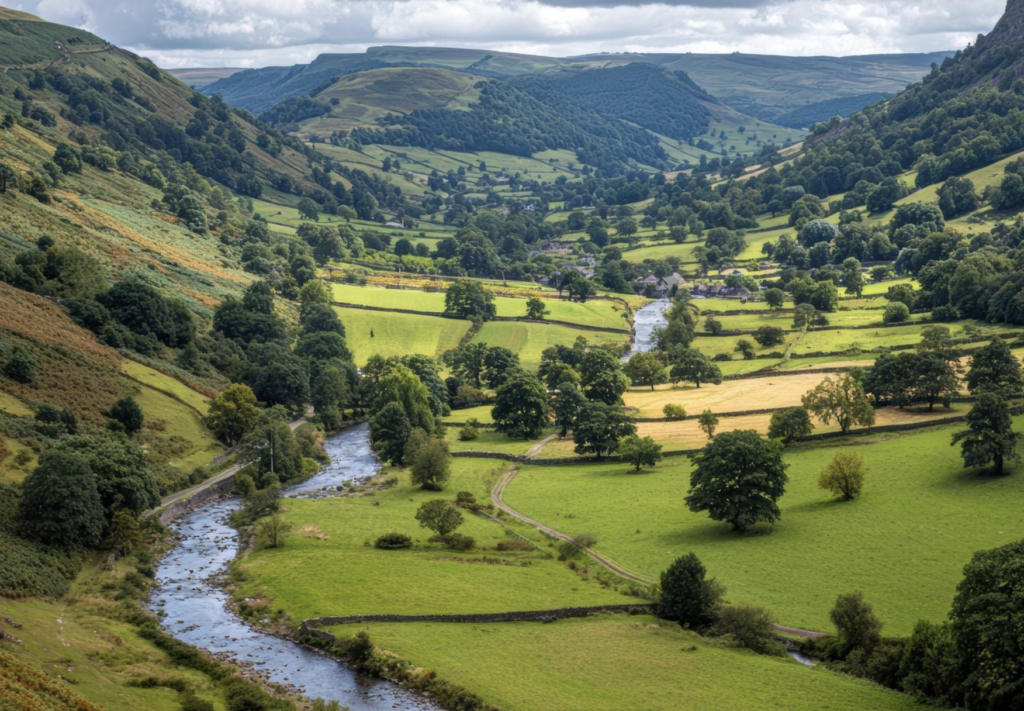
Bolivia’s climate is governed by altitude rather than traditional calendar seasons. However, Bolivia’s high Altiplano region is structurally drier, colder, and more arid than the northern Andes. Packing requires a technical understanding of the country’s two main seasons: the Dry Season (Winter) and the Wet Season (Summer).
- The Dry Season (May to October): Clear skies, intense sun during the day, and virtually zero rainfall. This is the optimal time for technical trekking and driving deep across the Salt Flats. However, temperatures on the Altiplano freeze at night, often plummeting to 14°F to -4°F (-10°C to -20°C) in June and July. High-fill power down jackets and technical thermal layers are mandatory.
- The Wet Season (November to April): Warmer temperatures but heavy afternoon downpours. In the lowlands, roads turn to deep mud. On the Salar de Uyuni, rainwater accumulates to create a shallow, few-inch-deep lake, transforming the salt flat into the world’s largest natural mirror. While visually stunning, it makes driving deep into the desert impossible due to saltwater corrosion on 4×4 engines.
5. The Ultimate Bolivian City & Hub Comparison Matrix
Every urban center and transit outpost in Bolivia presents a wildly divergent profile for safety, cost, and infrastructure connectivity.
Bolivia’s Major Hubs Evaluation Matrix
| Hub Location | Primary Air Hub | Altitude / Climate Profile | Digital Nomad Score (Internet/Cafés) | Safety Profile & Vigilance Level | Cost of Living Index | Distinct Cultural Vibe |
| La Paz | El Dorado / El Alto (LPB) | 3,640m – 4,060m / Cold Alpine 52°F (11°C) | 7.5/10 (Fiber expanding in Sopocachi; cafes growing) | Medium (High pickpocketing, scams in markets; violent crime low) | Low (Incredibly affordable urban living) | Chaotic, indigenous, dramatic, steep, Andean heart. |
| Santa Cruz | Viru Viru Intl (VVI) | 416m / Tropical & Humid 82°F (28°C) | 8.0/10 (Corporate networks, modern infrastructure) | Moderate (Standard urban security awareness required) | Medium (Commercial capital pricing) | Cosmopolitan, industrial, warm, agricultural, lowland. |
| Sucre | Juana Azurduy de Padilla (SRE) | 2,810m / Temperate & Mild 68°F (20°C) | 7.0/10 (Solid coverage in historic center) | High (One of the safest cities in South America) | Very Low (Exceptional value for long stays) | Colonial, serene, academic, white-washed architecture. |
| Uyuni | Uyuni Airport (UYU) | 3,670m / Arid & Freezing Desert 45°F (7°C) | 3.0/10 (Very spotty; relies on basic LTE/satellite) | High (Small, tightly-knit tour outpost) | Low (Basic supply pricing; tours premium) | Windswept, industrial, rustic, expedition-focused. |
6. Characterizing Bolivia’s Cities and Regions
The Safest Hubs
- Sucre: The constitutional capital of Bolivia is widely recognized as its safest urban environment. Its historic center is pristine, highly illuminated, and heavily populated by university students and international language learners. Violent crime is virtually non-existent here.
- Tupiza: Located in the southern highlands, this dramatic, red-rock canyon town offers a laid-back, highly secure atmosphere, serving as an alternative jumping-off point for the Salt Flats.
The Wildest and Most Vibrant Hubs
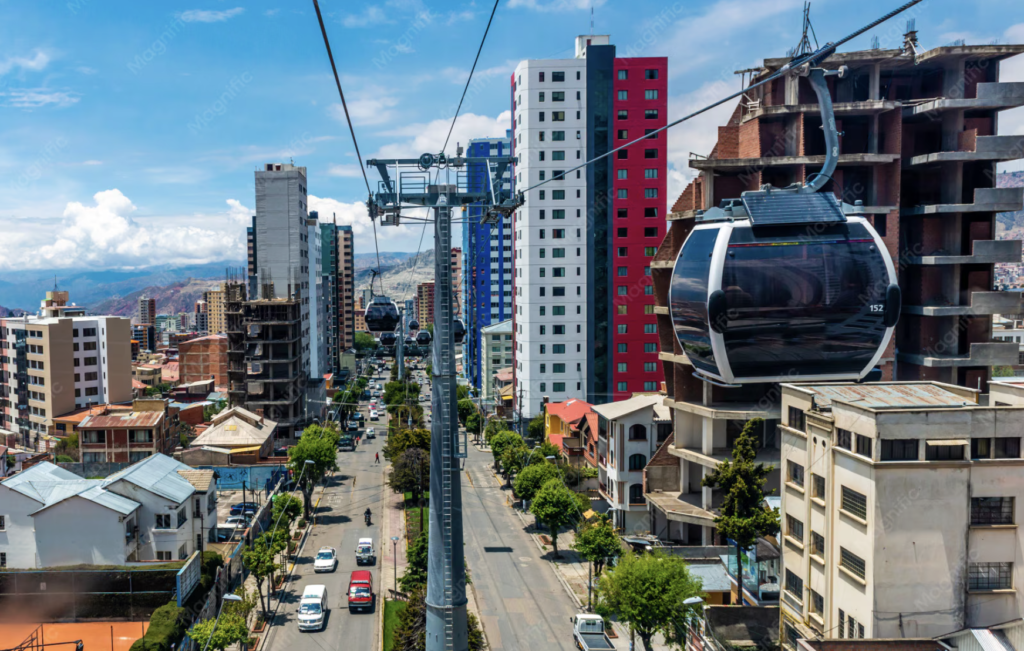
- La Paz (El Alto Market & Nightlife): The sheer sensory overload of La Paz is unmatched. Navigating the Mercado de las Brujas (Witches’ Market) or riding the Mi Teleférico cable car system over the canyon rim feels otherworldly. El Alto’s sprawling open-air market is one of the largest on Earth—vibrant, chaotic, and requiring sharp street awareness.
- Santa Cruz de la Sierra: The economic engine of Bolivia. This city trades traditional Andean wear for tropical attire, hosting a massive upscale nightlife scene, modern culinary concepts, and high-energy music clubs in the Equipetrol district.
The Quiet Retreats
- Copacabana (Lake Titicaca): Nestled on the shores of the highest navigable lake in the world (3,812 meters). Life here slows to a crawl. Taking a passenger boat out to the Isla del Sol reveals an island completely devoid of motorized vehicles, terraced by ancient Incan agricultural lines, and wrapped in deep silence.
- Samaipata: A serene, lush mountain village a few hours from Santa Cruz, populated by organic farmers, artisans, and hikers seeking a mild, low-altitude cloud forest climate.
The Most Expensive Sectors
- Zona Sur (La Paz): The lowest-altitude valley of La Paz is where the city’s wealthy elite reside. Neighborhoods like Calacoto and San Miguel feature premium international dining, luxury retail boutique stores, and real estate prices that deviate dramatically from the rest of Bolivia’s economic baseline.

7. Neighborhood Intelligence: Where to Stay & Real Price Breakdowns
🏙️ La Paz: The High-Altitude Metropolis
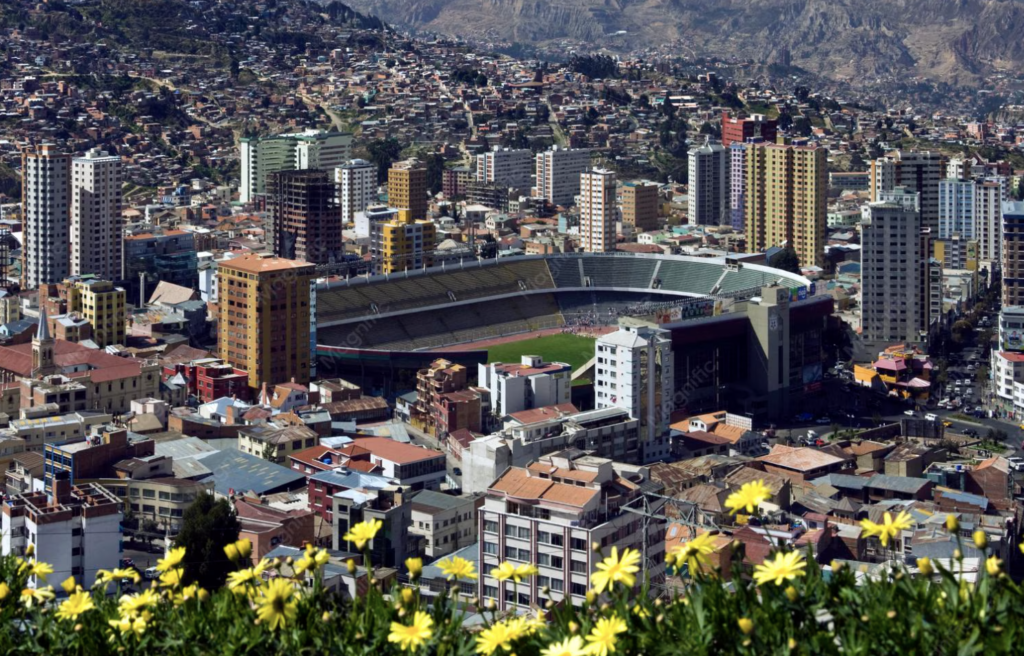
La Paz sits inside a massive, jagged volcanic bowl, with its buildings clinging precariously to mountain walls under the gaze of Mt. Illimani (6,438 meters). It is an urban labyrinth linked by the world’s highest and most extensive urban cable car network.
Best Neighborhood Locations for Hotels
- Sopocachi: The bohemian, upper-middle-class enclave. It is safe, green, walkable, and houses the city’s best selection of international embassies, third-wave espresso bars, and digital nomad friendly bistros.
- Centro / Sagárnaga: Ideal for short-stay expeditionists. Located right next to the historic core and San Francisco Church, this area keeps you steps away from tour operators, transport links, and markets, though it is noisy and prone to heavy vehicle exhaust congestion.
Hotel Price Breakdown (3 Real Baseline Examples)
- Budget Tier: The Wild Rover Hostel (Centro) — Globally famous for its high-energy social scene, Irish bar, and highly secure, insulated dorm setups. Average Price: $10 – $18 USD/night (Dorm) | $40 – $55 USD/night (Private).
- Mid-Range Tier: Stannum Boutique Hotel (Sopocachi) — A sleek, highly modern design property built directly inside a high-rise commercial tower in Sopocachi. Features spectacular views of the canyon and excellent, stable corporate Wi-Fi. Average Price: $75 – $110 USD/night.
- Luxury Tier: Atix Hotel (Zona Sur – Calacoto) — A stunning architectural masterpiece constructed out of native Bolivian wood and Comanche stone. Features a world-class rooftop pool and showcases fine art by native artists. Average Price: $140 – $210 USD/night.
🏛️ Sucre: The White Colonial Sanctuary
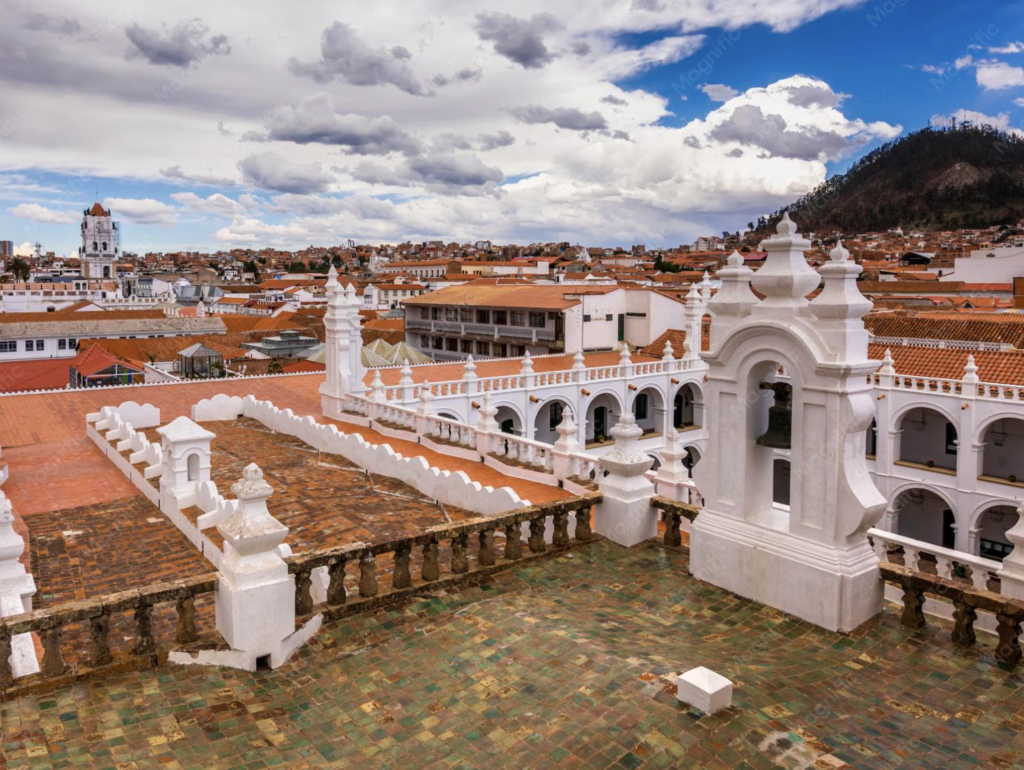
Sucre is a visually stunning Spanish colonial monument. By local decree, every building within the historic core must maintain an immaculate coat of white paint and traditional red clay roof tiles. The climate is warm, the air is thick enough to breathe comfortably, and the pace of life is relaxed.
Best Neighborhood Locations for Hotels
- Plaza 25 de Mayo (Historic Core): Staying within a 4-block radius of the main central square guarantees access to historic architecture, high-end patios, safe pedestrian walks, and exceptional local police presence.
The Hotel Price Breakdown
- Budget Tier: Villa Oropeza Hostel — A relaxing, garden-centric oasis popular among long-term travelers and digital nomads studying Spanish. features vast open courtyards and reliable community workspaces. Average Price: $9 – $14 USD/night (Dorm) | $25 – $35 USD/night (Private).
- Mid-Range Tier: Hotel Mi Pueblo Samary — A beautiful boutique hotel honoring native ethnic roots mixed with colonial design. Staff dress in traditional native textiles, and the architecture features beautiful interior aqueducts. Average Price: $50 – $75 USD/night.
- Luxury Tier: Parador Santa María La Real — A painstakingly restored 18th-century luxury manor house. Features vaulted brick ceilings, underground spa chambers, and an rooftop terrace overlooking the city’s iconic white church steeples. Average Price: $110 – $160 USD/night.
- Hotel Price Breakdown (Continued)
Luxury Tier: Parador Santa María La Real — A painstakingly restored 18th-century luxury manor house. Features vaulted brick ceilings, underground spa chambers, and a rooftop terrace overlooking the city’s iconic white church steeples. Average Price: $110 – $160 USD/night.
8. Tactical Expedition Blueprint: Core Bolivian Adventures
To experience Bolivia’s true geographical power, your logistics must extend into the remote wilderness, requiring specific transit arrangements and sharp seasonal awareness.[ LA PAZ ] (3,640m) │ ┌─────────────┴─────────────┐ ▼ ▼ [ LAKE TITICACA ] [ SALAR DE UYUNI ] (3,812m / North) (3,670m / South) │ │ ▼ ▼ [ ISLA DEL SOL ] [ EDUARDO AVAROA RESERVE ] - Laguna Colorada (Red) - Sol de Mañana Geysers (4,900m)
🏜️ The Salar de Uyuni & Southwest Circuit
The world’s largest salt desert spans over 10,000 square kilometers of blinding, geometric white salt crust. It is a highly remote, high-altitude landscape that demands reliable planning.
The Tour Framework: Casual day tours from the town of Uyuni only show you the edge of the flats. To truly experience the region, book a 3-Day/2-Night 4×4 Jeep Expedition. These journeys cross the entire salt flat and head deep into the high-altitude Eduardo Avaroa Andean Fauna National Reserve.
Logistical Checkpoints:
The Route: You will explore the surreal Train Cemetery, climb the giant cacti-covered Incahuasi Island, and witness the deep crimson waters of Laguna Colorada, home to thousands of Andean flamingos.
The Apex Altitude: The circuit reaches its highest point at the Sol de Mañana Geysers, boiling mud pools sitting at a staggering 4,900 meters (16,076 feet).
The Luxury Upgrade: For a premium experience, choose a high-end operator like Joker Expedition or Signature DMC. Instead of basic, unheated concrete refuges, you will stay in boutique properties built completely from pressed salt blocks—like the famed Palacio de Sal or Luna Salada—featuring internal heating, hot water, and private bathrooms.
Estimated Costs: Standard shared group tours range from $190 to $240 USD per person. Private 4×4 expeditions with premium salt hotel accommodations run between $450 to $1,000+ USD per vehicle setup.
🌊 Lake Titicaca & Isla del Sol
Sitting on the border of Peru and Bolivia, this historic body of water is revered as the birthplace of Incan creation mythology.
The Transport Loop: Take a morning bus from La Paz to the lakeside outpost of Copacabana (~3.5 to 4 hours). From the main pier, catch a traditional wooden passenger ferry directly out to Isla del Sol (Sun Island).
The Island Experience: The island is completely free of cars and modern motorized noise. You will hike across ancient stone Incan pathways, explore the agricultural terraces of Yumani, and look out over deep blue waters that resemble an open ocean at 3,812 meters altitude. Spend at least one night on the island to experience its profound, silent stargazing.
🚴 The Yungas Road (The “Death Road”)
For adrenaline seekers, this iconic cycling route drops from the freezing mountain peaks of the Altiplano down into the humid, subtropical Amazon basin.
The Descent Profile: You start at the high-alpine La Cumbre Pass (4,700 meters) and descend down narrow, cliffside dirt paths with sheer 600-meter drops, finishing in the warm jungle town of Coroico (1,200 meters).
The Safety Mandate: Since a modern asphalt highway opened for heavy vehicle traffic, the original shelf road is used almost exclusively by mountain biking tours. Never cut corners on price here. Book only with premier, top-tier operators like Gravity Bolivia or Barracuda Biking. They provide highly maintained full-suspension hydraulic disc-brake mountain bikes, professional bilingual guides, and trailing safety vehicles. Expect to pay $80 to $130 USD for an authorized, fully insured trek.
9. Connectivity, Remote Work, and Cellular Logistics
For digital nomads, remote analysts, and content creators, staying connected in Bolivia requires clear strategy, as high-speed infrastructure is concentrated in specific areas.
The Local SIM Setup: Do not rely on international roaming plans, which drop to slow speeds outside major cities. Buy a local SIM card immediately upon arrival. Entel is the state-owned provider and has the best coverage across rural areas, mountain passes, and Altiplano highways. Tigo is a strong alternative for faster speeds inside major urban centers.
Cost Structure: A physical SIM card costs roughly 10 to 15 BOB ($1.50 – $2.20 USD). You can easily load data packages directly through scratch-off cards or digital top-up points (puntos de recarga) found in neighborhood kiosks. A generous 10GB data bucket costs less than $10 USD.
The Wi-Fi Reality: While fiber-optic connections are growing rapidly in upscale neighborhoods like Sopocachi (La Paz) and Equipetrol (Santa Cruz), rural hotels and hostels often rely on spotty, slow satellite connections. If your work involves handling large datasets or streaming video content, plan to complete your heavy uploads while based in the major city hubs before heading out to remote locations like Uyuni or Lake Titicaca.
10. Ultimate Bolivia Packing Checklist
Because you will experience everything from freezing desert nights to humid jungle afternoons, your gear must be versatile and technical.
🧥 High-Altitude Thermal Layering
[ ] Heavyweight Down Parka: Essential for nighttime temperatures in Uyuni and Potosí.
[ ] Windproof Gore-Tex Shell: Crucial for blockading alpine winds on open 4×4 roofs.
[ ] Merino Wool Base Layers: Top and bottom sets for sleeping in unheated desert outposts.
[ ] Fleece Mid-Layers: For active hiking during crisp mornings.
🥾 Rugged Footwear & Trail Gear
[ ] Waterproof Hiking Boots: Broken-in, high-ankle support for rocky terrain.
[ ] Polarized Sunglasses: Absolute protection against the intense sun reflection on the salt flats.
[ ] UV 50+ Sunscreen & Lip Balm: The thin Altiplano atmosphere accelerates sunburns.
[ ] Technical Daypack (25L–35L): With an integrated waterproof rain cover.
🔌 Tech, Security, & Power Infrastructure
[ ] High-Capacity Power Bank (20,000mAh+): Intense cold drains phone and camera batteries rapidly.
[ ] Crisp, Mint-Condition US Dollar Bills: Unblemished $20, $50, and $100 bills for seamless emergency cash exchanges.
[ ] Universal Travel Adapter: Bolivia utilizes a mix of Type A, B, and C outlets.
[ ] Dry Bags: To protect your laptops and cameras from fine salt dust and unexpected rainstorms.
11. Gastronomic Architecture: Culinary Heritage & Master Dishes
Bolivian cuisine is defined by high-altitude necessity, rich carbohydrates, and slow-braised proteins. Geography splits the gastronomy into two distinct culinary traditions: the Andean Highlands, focusing on thick stews, ancient grains, and freeze-dried potatoes, and the Eastern Tropical Lowlands, featuring fresh cassava (yuca), rice, and grilled meats.
Regardless of where you dine, every table in the country features a small bowl of Llajwa—a fresh, fiery salsa made by grinding spicy locoto peppers and tomatoes on a traditional stone mortar (batán).
                      [ B O L I V I A N   G A S T R O N O M Y ]
                                       │
                ┌──────────────────────┴──────────────────────┐
                ▼                                             ▼
       [ ANDEAN HIGHLANDS ]                          [ TROPICAL LOWLANDS ]
  - Focus: Starches, Slow-Braiess, Umami        - Focus: Fresh Yuca, Rice, Citric Meats
  - Icon: Sopa de Maní (Peanut Base)            - Icon: Majadito (Crisp Charque & Rice)
  - Snack: Salteña (Mid-morning Broth)          - Snack: Cuñapé (Cassava & Cheese Bread)
The Elite National Icons
- The Salteña: Bolivia’s ultimate mid-morning culinary art form. Unlike dry empanadas found elsewhere in Latin America, a salteña is filled with a rich, savory, gelatinous meat or chicken broth, sweet peas, potatoes, and hard-boiled eggs inside a slightly sweet, braided pastry shell.
- The Technical Protocol: Eating a salteña without spilling a single drop of broth is a local rite of passage. Hold it horizontally, bite off the top corner, sip the hot broth down carefully, and then finish the solid pastry shell. Never use a fork or knife—doing so marks you instantly as an outsider.
- Sopa de Maní (Peanut Soup): A masterpiece of Bolivian comforting cuisine. Made from a rich base of white, skinless raw ground peanuts slow-simmered with beef ribs or chicken, fresh peas, and potatoes. It is served steaming hot, featuring a unique velvety texture, and topped with a mountain of crispy, thin-cut french fries and fresh parsley.
- Pique Macho: Invented in Cochabamba as a late-night, high-protein shareable platter. It consists of a mountain of seasoned, stir-fried beef chunks, sliced spicy hot dogs or chorizos, fried potatoes, fresh onions, tomatoes, and hard-boiled eggs. The entire platter is heavily doused with sliced locoto peppers and a light splash of local beer broth.
Regionally Specific Delicacies
- Majadito (Eastern Lowlands): A staple of Santa Cruz. It features golden toasted rice colored with urucú (achiote), mixed with shredded charque (sun-dried, dehydrated beef jerky), and served with sweet fried plantains and a fried egg.
- Plato Paceño (La Paz): A simple, deeply satisfying vegetarian harvest assembly featuring large ears of sweet Andean corn (choclo), broad fava beans, boiled native potatoes, and a thick slice of salty, pan-seared local white cheese.
- Silpancho (Cochabamba Valleys): A massive plate featuring a base of white rice and pan-fried potato rounds, topped with an incredibly thin, heavily pounded, breaded beef cutlet that stretches across the entire plate, finished with a fried egg and fresh pico de gallo.
🧳 Resources for your Travel
Reserva con los mismos servicios que yo utilizo para mis proyectos. ¡Ahorra tiempo y dinero!
* Al reservar a través de estos enlaces ayudas a mantener este blog sin costo adicional para ti.
12. Health, Safety, and High-Altitude Contingency Management
Executing a flawless trip through Bolivia requires proactive health management. The combination of intense altitude and highly local water lines requires careful attention.
Tactical Altitude Management (Soroche)
Ascending directly into La Paz or Uyuni subjects your cardiovascular system to a massive reduction in available oxygen molecules.
- The Pharmaceutical Defense: Purchase Sorojchi Pills (a local over-the-counter compound of aspirin, salophen, and caffeine) or Diamox at any Farmacia Chávez immediately upon crossing the border.
- The Indigenous Solution: Drink Mate de Coca (coca leaf tea) or chew whole coca leaves with an alkaline activator (lejía) just like the locals. It acts as a mild stimulant that naturally dialates blood vessels and alleviates altitude-induced headaches.
- The First 48 Hours Protocol: Keep physical exertion to an absolute minimum. Avoid heavy proteins, red meat, and alcohol during your first two nights, as your digestive system operates significantly slower at high altitudes.
Water and Food Hygiene Control
- Water Vector Security: Never consume tap water in Bolivia, even in luxury hotels. Use bottled water for brushing your teeth and avoid raw, unpeeled salads or ice cubes in budget local establishments.
- Street Food Selection: Bolivia’s street food scene is phenomenal, but requires vetting. Only purchase food from vendors who have a continuous, high-volume queue of local families and professionals—this ensures a rapid, fresh ingredient turnover rate.
✈️ Encuentra vuelos baratos
Compara precios y consigue vuelos económicos en tiempo real con las mejores aerolíneas y buscadores del mercado.
Buscar vuelos baratos13. Currency Conversion Reference (COP to BOB)
For travelers monitoring budgets across multiple South American operations, tracking the financial conversion bridge between the Colombian Peso (COP) and the Bolivian Boliviano (BOB) is highly useful for managing ground expenses.
Quick Approximation Table
The values below outline standard, real-world spending power equivalents across both economies:
| Ground Expense Metric | Price Value in Colombian Pesos (COP) | Price Value in Bolivian Bolivianos (BOB) | Real-World Purchasing Equivalent |
| Micro-Transaction | $6,000 COP | 10 BOB | One premium street Salteña or a hot Api con Pastel. |
| Transit Ticket | $15,000 COP | 25 BOB | A long-distance taxi ride across La Paz or 10 cable car hops. |
| Mid-Tier Dine | $45,000 COP | 75 BOB | A full traditional lunch for two with premium Sopa de Maní. |
| Night’s Stay | $90,000 COP | 150 BOB | A private en-suite room in a comfortable boutique hostel. |
14. Final Operational Takeaway: The Bolivian Mindset
Bolivia does not bend its infrastructure to cater to passive tourists; instead, it demands that travelers adapt to its ancient, unhurried, and dramatic rhythms.
If you show up with technical preparation, a flexible timeline that can absorb unexpected road blockades, and a deep respect for indigenous traditions, Bolivia rewards you with the most raw, cinematic, and culturally intact travel experience found anywhere in the Western Hemisphere. Pack high-quality thermal gear, double-check your passport’s expiration date, and step boldly onto the roof of the Americas.