
Destination Guide · Peru · Updated 2025
The Complete Peru Travel Guide 2025:
Cities, Weather, Food, Hotels & Everything You Need
Introduction
Why Peru Will Change You Forever
Let me be completely honest with you: Peru is not just a destination. It is a full sensory overload, a civilisation layered on top of a civilisation, a country that grabs you by the soul and refuses to let go. From the moment the plane descends into Jorge Chávez International Airport in Lima and you catch your first glimpse of the Pacific coastline glittering in the haze, something shifts. You feel it. A low hum of anticipation. A sense that what you are about to experience is genuinely unlike anything else on this planet.
I have spent years navigating the Andes, and Peru never — not once — fails to deliver. This is a country where you can have breakfast overlooking the Pacific Ocean in Lima, lunch surrounded by Incan ruins at 3,400 metres in Cusco, and fall asleep listening to the Amazon rainforest breathe around you in Puerto Maldonado. All within the same week. Peru is not a single experience. It is dozens of worlds compressed into one extraordinary country.
“Peru is the kind of place that ruins you for everywhere else. You leave changed. You leave with altitude dust in your lungs and ancient history burned into your eyes — and you spend the rest of your life trying to get back.”
This guide was written for the traveller who wants more than a list of Instagram spots. We go deep. Entry requirements, Migración controls, real hotel prices, honest safety assessments, festival dates, currency exchange realities, food you must not miss, and the cities that most travel blogs never bother to mention. Whether this is your first time or your fifth, this is the guide you actually need.
Before You Read Further
Lock In Your Flight to Lima Today
Flights to Peru from the US can jump 40–60% in the final weeks. Compare 1,200+ airlines right now on Skyscanner — zero booking fees, real-time prices.
Entry Requirements & Migración Peru
One of the most common questions we receive is: what do I actually need to enter Peru? The good news is that Peru is one of the most accessible countries in South America for international travellers. Here is what you need to know before you pack.
Passport & Visa Requirements
Citizens of the United States, Canada, United Kingdom, European Union countries, and Australia do not need a visa to enter Peru as tourists. You simply arrive, present your passport, and Migración Peru stamps you in. Your passport must be valid for at least six months beyond your intended departure date — airlines will not board you otherwise.
How Long Can You Stay? The 90-Day Rule
Tourists are officially permitted to stay for up to 90 days per calendar year in Peru. Migración officers at the border will typically stamp you for 30, 60 or 90 days at their discretion — if you want the full 90, politely ask for it when you arrive. The 90 days reset with each new calendar year, though consecutive tourism stays may draw scrutiny.
Important: Overstaying your permitted days results in a fine of approximately $1 USD per day overstayed, paid at the airport upon departure. Don’t ignore it — unpaid fines can result in being denied re-entry in the future.
The Tarjeta Andina de Migración (TAM)
When you land in Peru, you will be handed a Tarjeta Andina de Migración (TAM) — a paper migration card you must complete on the plane or at the border. Keep the carbon copy they give you back. You will need to present it when you leave the country. Losing it is not the end of the world — you can get a replacement at Migración offices — but it causes delays. Keep it safe, preferably photographed on your phone as a backup.
Other Entry Requirements
- Yellow Fever Vaccination: Required if you are arriving from or travelling to the Amazon jungle regions (Madre de Dios, Loreto). Carry your vaccination certificate (Carte Jaune).
- Return or Onward Ticket: Immigration officers may ask for proof of a return or onward ticket. Having one avoids complications at the border.
- Proof of Funds: Technically required (around $50 USD/day), rarely asked for in practice — but good to have your bank card accessible.
- Travel Insurance: Not legally mandatory but strongly recommended, especially for trekking at altitude. Medical evacuation from Cusco or the Amazon can cost tens of thousands of dollars without coverage.
| Nationality | Visa Required? | Max Stay | Notes |
|---|---|---|---|
| USA / Canada | No | 90 days | Passport valid 6+ months |
| UK / EU | No | 90 days | TAM card required on arrival |
| Australia / NZ | No | 90 days | Standard tourist entry |
| China / India | Yes | Varies | Apply at Peruvian embassy |
| Colombia / Bolivia | No | 90 days | ID card accepted (no passport) |
The Most Important Cities in Peru
Peru is a country of staggering geographic and cultural diversity, and its cities reflect that perfectly. You can move from a hyper-modern Pacific coast metropolis to an ancient Andean mountain city to a jungle river town — all within a few hours of flying. Here are the cities that matter most.
Lima — The Capital That Surprises Everyone
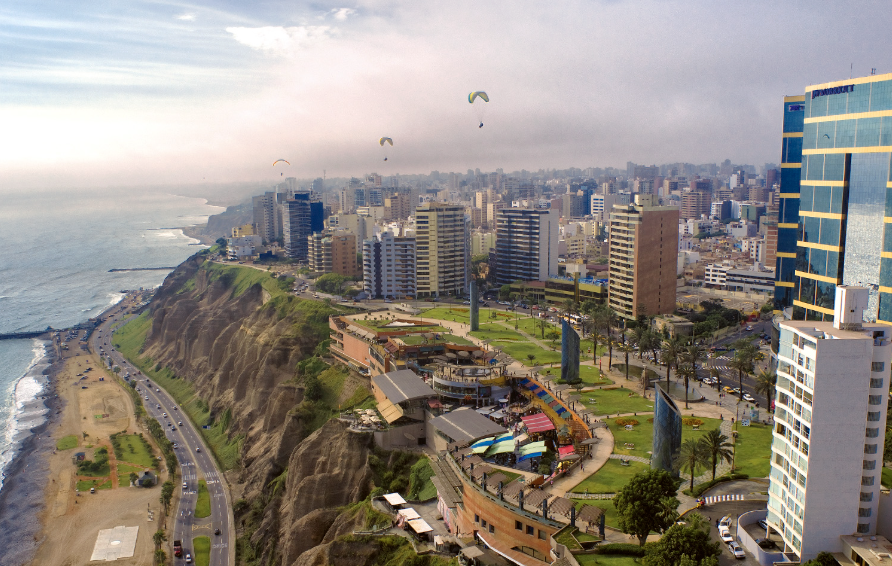
Most travellers fly through Lima on their way to Cusco and make the mistake of spending only one night. Don’t. Lima is a world-class city — arguably the gastronomic capital of South America — with a coastline that drops dramatically into the Pacific, colonial architecture in the historic centre, and neighborhoods like Miraflores and Barranco that rival anything in Buenos Aires or Lisbon for sophistication and energy. Population: 11 million people. Altitude: 154 metres above sea level — no acclimatisation needed.
Cusco — The Navel of the World
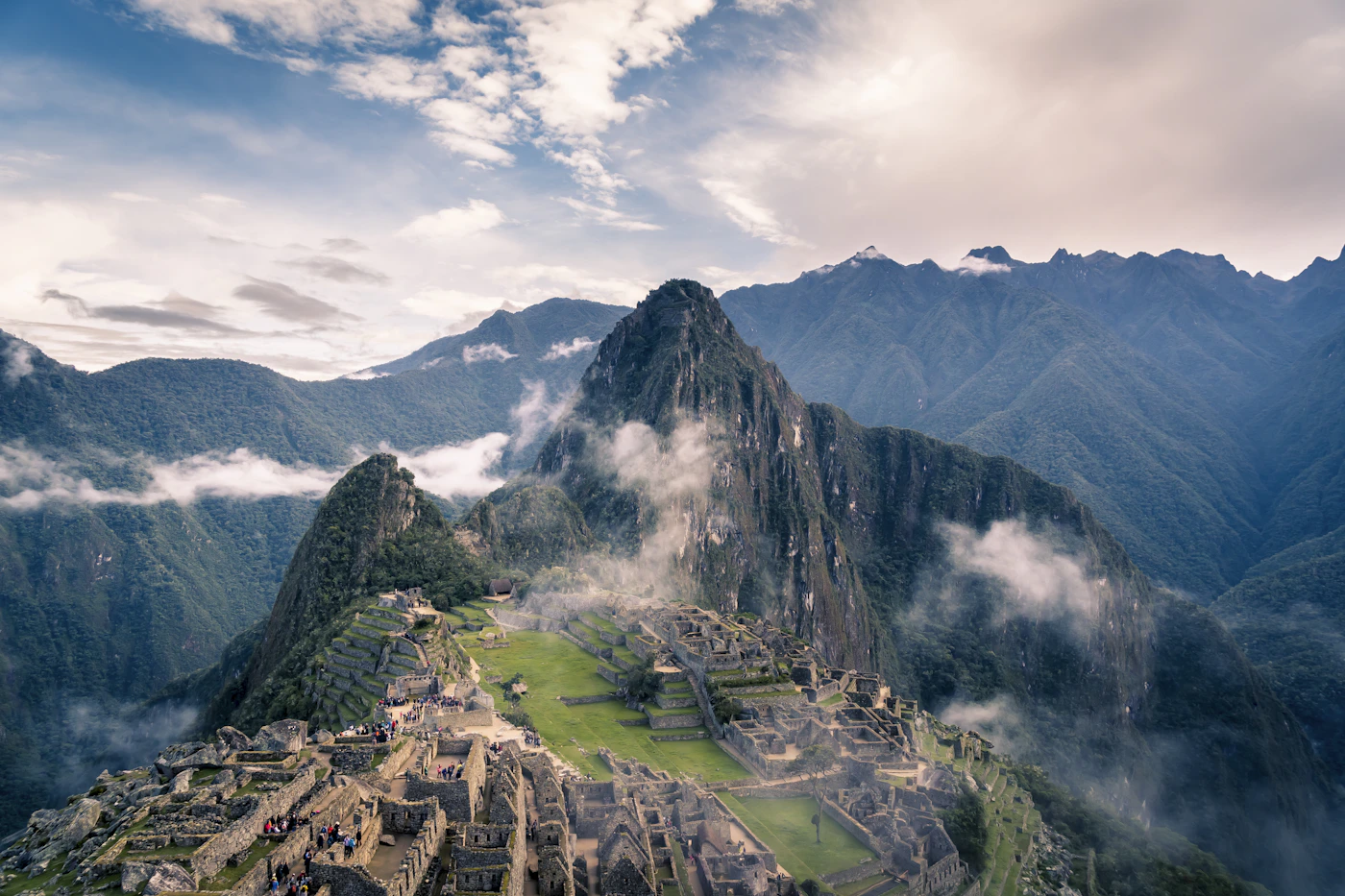
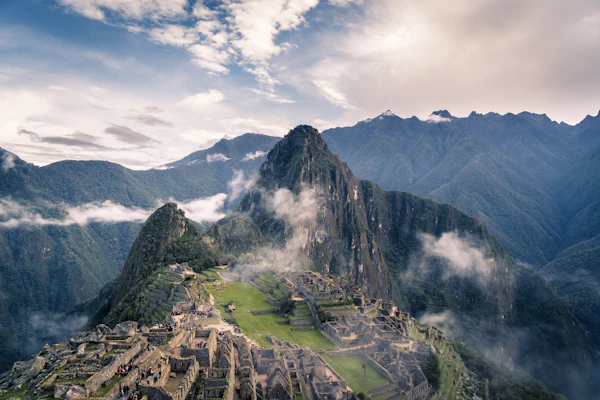
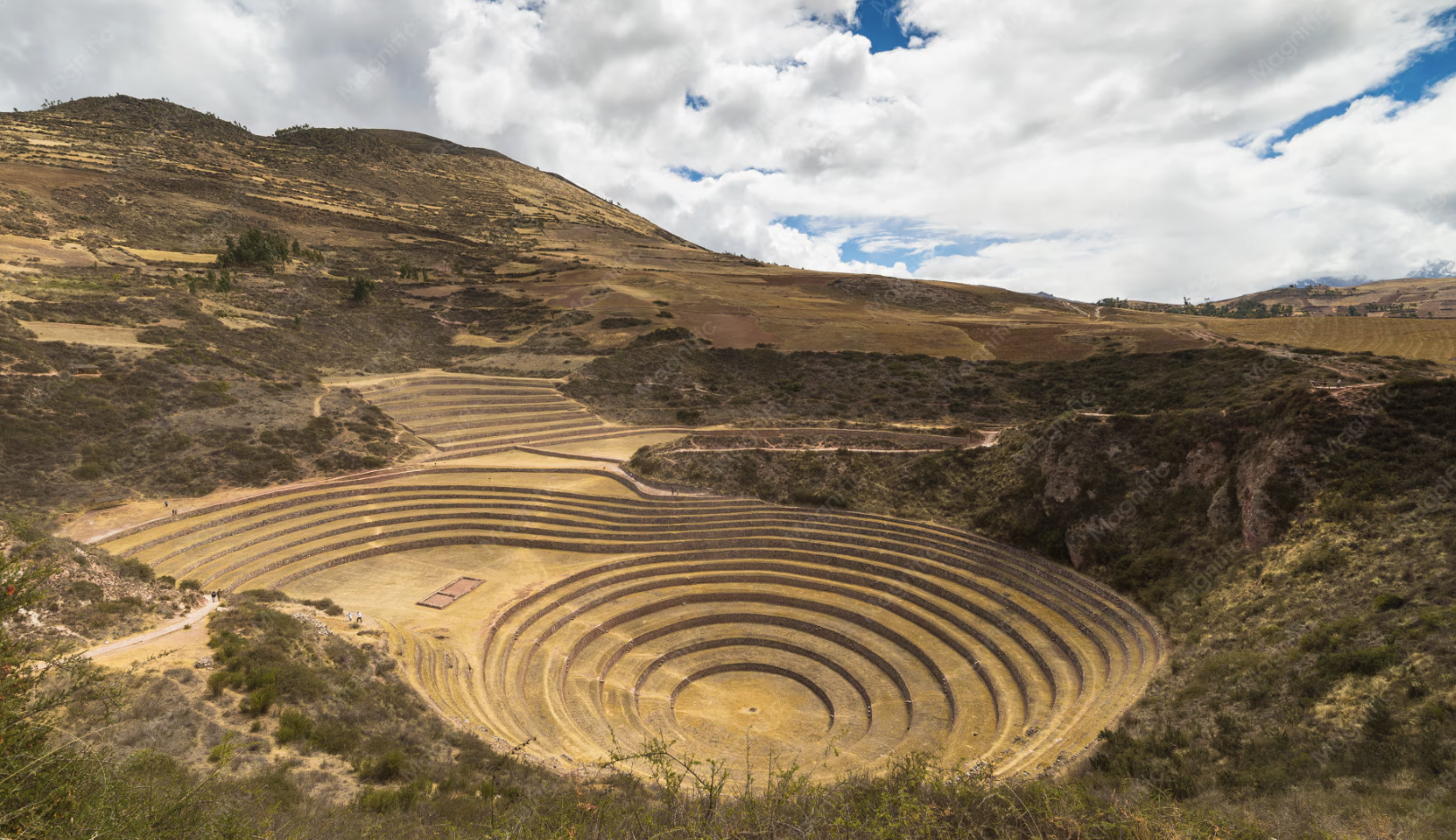
The former capital of the Inca Empire sits at 3,400 metres above sea level and remains the single most visited city in Peru. The Plaza de Armas is a UNESCO World Heritage Site, Incan stonework lines the streets beneath colonial Spanish architecture, and the surrounding Sacred Valley is an archaeological treasure chest. Cusco is the gateway to the Inca Trail and Machu Picchu, but it is far more than a transit hub. Give it at least 3–4 days to acclimatise and explore properly. Population: around 450,000.
Arequipa — The White City
Built almost entirely from sillar — a white volcanic stone — Arequipa is one of the most beautiful cities in all of South America. At 2,335 metres above sea level, it sits in a broad valley surrounded by three volcanoes, including the perfectly conical El Misti. The old city centre is a UNESCO World Heritage Site, the food scene is outstanding, and the nearby Colca Canyon is twice the depth of the Grand Canyon. Arequipa is dramatically undervisited relative to its quality — use that to your advantage.
Puno — Gateway to Lake Titicaca
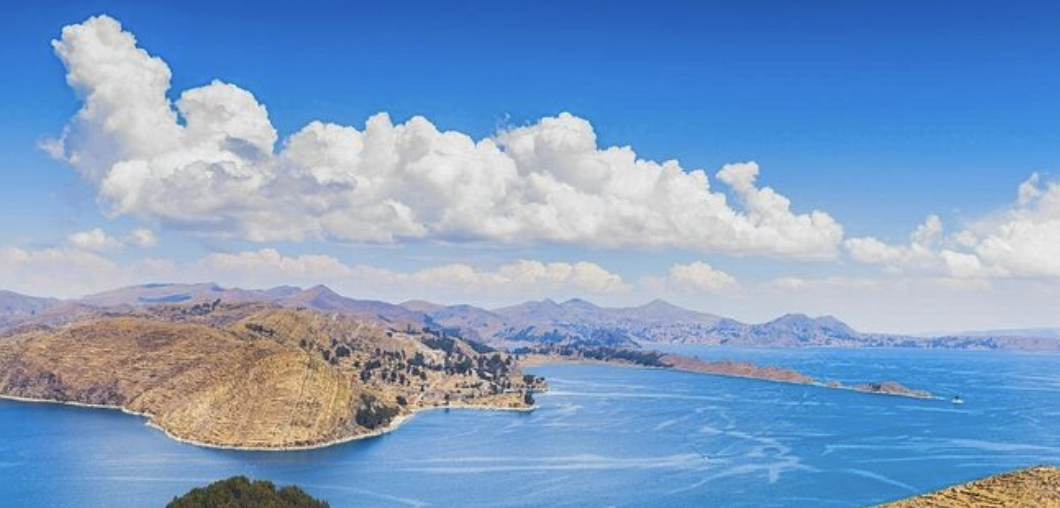
Sitting at a lung-squeezing 3,830 metres above sea level on the shores of Lake Titicaca — the highest navigable lake in the world — Puno is the base for exploring the floating Uros islands and the island of Taquile. The city itself is gritty and functional rather than beautiful, but the lake views are otherworldly and the Andean festivals here are among the most authentic and spectacular in Peru. Acclimatise for a full day before doing anything physical.
Iquitos — The Amazon Metropolis
Iquitos is the largest city in the world that cannot be reached by road. You get there by boat from downriver or by plane. It sits in the heart of the Peruvian Amazon and is the jumping-off point for river expeditions, wildlife watching, and ayahuasca retreats. The heat, humidity and energy here are completely unlike anywhere else in Peru. It is raw, chaotic, beautiful and unforgettable.
Trujillo — The City of Eternal Spring
On the north coast, Trujillo enjoys year-round warm weather (hence the nickname) and is home to Chan Chan — the largest pre-Columbian city in South America, built by the Chimu civilisation. The surf beaches of Huanchaco are a short tuk-tuk ride away, the colonial architecture in the centre is well preserved, and the city has a relaxed, authentic energy that travellers who make it here absolutely love.
| City | Altitude | Population | Vibe | Best For |
|---|---|---|---|---|
| Lima | 154 m | 11 million | Cosmopolitan | Food, culture, coast |
| Cusco | 3,400 m | 450,000 | Historic / Touristy | Inca history, Machu Picchu |
| Arequipa | 2,335 m | 1 million | Relaxed / Elegant | Architecture, Colca Canyon |
| Puno | 3,830 m | 150,000 | Andean / Authentic | Lake Titicaca, festivals |
| Iquitos | 106 m | 500,000 | Wild / Remote | Amazon jungle, wildlife |
| Trujillo | 34 m | 800,000 | Warm / Underrated | Archaeology, surf, coast |
Main Airports & Transit Hubs
Getting around Peru involves flying more than most travellers expect. The geography makes overland travel between regions very slow — distances that look manageable on a map can take 12–20 hours by bus through mountain roads. Domestic flights are relatively affordable and save enormous amounts of time.
Jorge Chávez International Airport, Lima (LIM)
This is Peru’s main international gateway and one of the busiest airports in Latin America. Almost all international flights arrive here. It handles routes from Miami, New York, Los Angeles, Madrid, Amsterdam, Toronto and throughout South America. The airport was significantly expanded and modernised in 2024, with a brand-new terminal making the experience considerably more comfortable. Allow at least 3 hours for international connections here — immigration queues can be substantial during peak season.
Alejandro Velasco Astete Airport, Cusco (CUZ)
The second most important airport in Peru and the primary gateway to the Sacred Valley and Machu Picchu. This airport sits in a valley at 3,310 metres above sea level, making it one of the higher commercial airports in the world. The runway is notoriously challenging — pilots must execute specific approach procedures due to the surrounding mountains. Flights can be cancelled or delayed due to weather, especially during the rainy season (November–April). Always give yourself buffer days before an important connection from Cusco.
Other Key Domestic Airports
- Arequipa (AQP): Connections from Lima, multiple times daily. About 1.5 hours flying.
- Iquitos (IQT): Only accessible by air or river. Daily flights from Lima (approximately 2 hours).
- Puerto Maldonado (PEM): Gateway to the Madre de Dios Amazon region. Daily flights from Lima and Cusco.
- Juliaca (JUL): Serves Puno and Lake Titicaca. About 1 hour from Lima, then 45 minutes by ground to Puno.
Pro tip: LATAM Peru and Sky Airline operate the most domestic routes. Book domestic flights at least 2–3 weeks in advance during high season (June–September) as they fill fast and prices spike significantly last minute.
Guided Experiences
Book Your Peru Tours in Advance
The Inca Trail, Machu Picchu entry and Sacred Valley tours sell out weeks ahead. Secure your spot now with vetted local guides through GetYourGuide.
Weather & Best Time to Visit by Region
One of the most confusing things about planning a trip to Peru is that the country has three completely distinct climate zones — the coast, the highlands (sierra), and the jungle (selva) — and the best time to visit each one is different. Here is how to think about it.
The Coast (Lima, Trujillo, Paracas)
Lima sits under a phenomenon called la garúa — a thick, grey sea mist that blankets the city from June through November. Temperatures are mild year-round (15–22°C) but the city feels dark and overcast for months at a time. December through April brings sunshine to Lima and the south coast — this is actually Lima’s “summer” when the beaches come alive. Trujillo on the north coast enjoys warm, sunny weather almost year-round.
The Highlands (Cusco, Arequipa, Puno)
The Andean highlands have two distinct seasons. Dry season (May–October) is the classic trekking window — clear skies, cold nights (temperatures can drop to -5°C in Cusco), and reliable conditions on the trails. Rainy season (November–April) brings afternoon thunderstorms, green landscapes and significantly fewer tourists. The Inca Trail closes entirely in February for maintenance. June to August is peak season — the most expensive and most crowded period, but with the most reliable weather for trekking.
The Amazon Jungle (Iquitos, Puerto Maldonado)
The jungle is hot and humid year-round (28–35°C), with no true dry season — just drier and wetter periods. May through September sees lower water levels, which makes overland wildlife spotting easier in some areas. October through April sees higher water levels, which allows deeper river penetration by boat and is excellent for certain wildlife species. There is genuinely no bad time to visit the Amazon — it depends what you want to see.
| Region | Best Season | Months | Avoid | Notes |
|---|---|---|---|---|
| Lima / Coast | Summer | Dec – Apr | Jun – Nov (grey) | Beaches, warmth, sunshine |
| Cusco / Andes | Dry Season | May – Oct | Feb (trail closed) | Best for trekking & ruins |
| Arequipa | Dry Season | Apr – Nov | Jan – Mar (rain) | Good year-round, best Apr–Nov |
| Puno / Titicaca | Dry Season | May – Oct | Jan – Mar | Festivals in Feb despite rain |
| Amazon | Lower Water | May – Sep | No bad time | High water = better boat access |
Peruvian Food: A Culinary Revolution
Let us be direct: Peruvian cuisine is among the best in the world. This is not hyperbole — Lima has consistently placed multiple restaurants in the World’s 50 Best Restaurants list, including Central (ranked #1 in the world in 2023). But the extraordinary thing about Peruvian food is that the best eating is not confined to fine dining temples. The street food, the markets, the local lunch spots (known as menús) — all of it is exceptional.
Dishes You Absolutely Must Eat
- Ceviche: Raw fish cured in lime juice (leche de tigre), mixed with red onion, chilli and cilantro. Peru’s national dish and one of the greatest things you will ever put in your mouth. Best eaten fresh at lunch — never at dinner.
- Lomo Saltado: A stir-fry of beef strips, tomatoes, onions and french fries, seasoned with soy sauce and chilli. A perfect example of the Chinese (Chifa) influence on Peruvian cuisine — the result of 19th-century Chinese immigration.
- Causa: A layered cold terrine made from yellow potato seasoned with lime and ají amarillo, stuffed with chicken or seafood. Somehow simultaneously humble and extraordinary.
- Anticuchos: Grilled beef heart skewers marinated in vinegar, cumin and ají panca. A street food staple that sounds confronting and tastes incredible.
- Ají de Gallina: Shredded chicken in a rich, creamy yellow chilli sauce served over rice and boiled potatoes. The ultimate Peruvian comfort food.
- Pisco Sour: Not food, but mandatory. Peru’s national cocktail — pisco brandy, lime juice, simple syrup, egg white and bitters. The debate over whether Peru or Chile invented it is ongoing and extremely serious to both sides.
Regional Variations
Food changes dramatically as you move around Peru. In Arequipa, the cuisine (called comida arequipeña) is spicier and heartier — look for rocoto relleno (stuffed spicy pepper), chupe de camarones (prawn chowder), and adobo de cerdo (pork stew). In the Amazon, you eat tacacho (mashed plantain with pork), juane (rice wrapped in bijao leaves) and fresh river fish. In the Andes around Cusco, cuy (roasted guinea pig) is a traditional celebratory dish — try it once, at least.
Budget eating tip: The menú del día (set lunch menu) is the best-value meal in Peru — typically S/.12–20 (around $3–5 USD) for soup, a main course, a drink and sometimes dessert. Every local restaurant offers one. Eating lunch as your main meal the way locals do saves significant money and means you eat exactly what the kitchen does best that day.
Find Your Perfect Stay
Hotels in Lima, Cusco & Arequipa — Best Prices
From boutique colonial guesthouses in Cusco to oceanview suites in Miraflores. Compare hundreds of properties across Peru on Booking.com with no hidden fees.
Currency, Exchange Rates & Money Tips
Peru’s currency is the Sol (PEN), divided into 100 céntimos. As of mid-2025, the exchange rate hovers around 1 USD = 3.70–3.80 PEN. Peru is a genuinely affordable country for travellers from North America or Europe — your dollar goes very far here, particularly outside of Lima and Cusco’s tourist zones.
Where to Exchange Money
The best exchange rates in Peru are typically found at exchange houses (casas de cambio) on the street — yes, the ones you walk past every five minutes in Lima and Cusco. Avoid the airport exchange counters, which offer rates 10–15% worse than the street rate. Banks are safe but queue times are long. ATMs are widely available in all major cities and dispense Soles directly from your foreign card — the most convenient option, though transaction fees apply (typically $5–8 USD per withdrawal depending on your bank).
| Currency | Approx. Rate (2025) | Notes |
|---|---|---|
| 1 USD | S/. 3.75 | Strong dollar makes Peru very affordable |
| 1 EUR | S/. 4.10 | Excellent buying power for European visitors |
| 1 GBP | S/. 4.75 | Best value of the major currencies |
| 1 CAD | S/. 2.75 | Good value for Canadian travellers |
Tipping Culture
Tipping is appreciated but not mandatory in Peru. A rough guide: 10% in restaurants (check the bill — some add a service charge automatically), $5–10 USD for tour guides per day, S/.5–10 for drivers on multi-hour trips. Always tip your Inca Trail porters — they carry extraordinary loads in difficult conditions and earn a fraction of what the overall tour costs. A minimum of $20 USD per porter over a 4-day trek is the expected norm.
Safety: Safest, Wildest & Quietest Cities
Peru has a complicated relationship with its safety reputation — and like most complex countries, the reality is far more nuanced than the headlines suggest. The vast majority of travellers visit Peru without incident. Petty theft, pickpocketing and bag snatching are the dominant risks, not violent crime. Here is an honest breakdown by city.
| City | Safety Level | Main Risks | Safe Zones | Areas to Avoid |
|---|---|---|---|---|
| Lima | Moderate | Pickpocketing, phone theft, taxi scams | Miraflores, San Isidro, Barranco | El Agustino, San Juan de Lurigancho at night |
| Cusco | Moderate | Altitude sickness, theft in markets | Centro Histórico, San Blas | Outlying areas at night |
| Arequipa | Safer | Petty theft, traffic | Historic Centre, Yanahuara | Market areas late at night |
| Trujillo | Moderate | Express kidnapping risk in some zones | Historic Centre (day), Huanchaco | El Porvenir, La Esperanza |
| Puno | Safer | Altitude, cold | Lake Shore, Plaza de Armas | Outskirts at night |
| Iquitos | Wilder | Scams, theft, fake tour operators | Malecón Tarapacá (riverfront) | Belen market after dark |
Essential Safety Rules for Peru
- Use only app-based taxis (InDriver, Cabify, Beat) in Lima — never hail a cab off the street, especially at night.
- Keep your phone in your pocket on busy streets and never use it while walking — phone theft is the most common crime targeting tourists.
- Don’t wear expensive jewellery — watches, chains and visible valuables make you a target in any city.
- ATM safety: Use machines inside banks or supermarkets, not on the street. Cover the keypad when typing your PIN.
- Altitude emergency: Carry paracetamol and ideally acetazolamide (altitude sickness medication, available over the counter in Peru) if visiting Cusco or Puno.
Best Hotels by City — With Real Prices
Hotel prices in Peru vary enormously based on city, season and how far in advance you book. High season (June–August) sees prices in Cusco and Machu Picchu increase by 30–60%. The prices below are approximate mid-season rates — always verify current pricing through our Booking.com link.
Lima — Best Hotels
| Hotel | District | Category | Price/Night (USD) | Highlights |
|---|---|---|---|---|
| Belmond Miraflores Park | Miraflores | 5-Star Luxury | $320–520 | Pacific ocean views, rooftop pool, legendary service |
| Casa Andina Premium | Miraflores | 4-Star Superior | $110–160 | Reliable, central, excellent breakfast, consistent quality |
| Hotel B | Barranco | 5-Star Boutique | $200–310 | Art deco mansion, gallery-hotel, Barranco neighbourhood |
Cusco — Best Hotels
| Hotel | District | Category | Price/Night (USD) | Highlights |
|---|---|---|---|---|
| Belmond Hotel Monasterio | Centro Histórico | 5-Star Luxury | $450–700 | 17th-century monastery, oxygen-enriched rooms, chapel |
| Palacio del Inka | Centro Histórico | 5-Star Luxury | $300–500 | Built on Incan foundations, colonial interiors, prime location |
| Inkaterra La Casona | Plaza Nazarenas | 5-Star Boutique | $380–600 | Restored colonial mansion, 11 suites, extraordinary atmosphere |
Arequipa — Best Hotels
| Hotel | District | Category | Price/Night (USD) | Highlights |
|---|---|---|---|---|
| Casa Andina Premium Arequipa | Historic Centre | 4-Star Superior | $90–140 | Colonial building, El Misti views, rooftop terrace |
| Libertador Arequipa | Selva Alegre | 5-Star Classic | $180–260 | Gardens, pool, iconic old-school luxury hotel of Arequipa |
| La Maison d’Elise | Yanahuara | 4-Star Boutique | $95–150 | Beautiful sillar stonework, intimate, exceptional breakfast |
Budget travellers: Peru has an excellent hostel scene, particularly in Lima (Miraflores), Cusco (San Blas) and Arequipa (Historic Centre). Expect $15–30 USD per night for a private room in a well-reviewed hostel. Many offer amenities comparable to 3-star hotels at a fraction of the price.
Cost of Travel & Budget by City
Peru is one of the most accessible destinations in South America for all budget levels. Whether you’re backpacking on $40 a day or splurging on a luxury lodge in the Sacred Valley, the country accommodates everyone. Here’s a realistic daily budget breakdown.
| City | Budget/Day (USD) | Mid-Range/Day (USD) | Luxury/Day (USD) | Most Expensive Item |
|---|---|---|---|---|
| Lima | $35–55 | $80–150 | $250–500+ | Hotels in Miraflores |
| Cusco | $40–65 | $100–200 | $400–800+ | Inca Trail tours ($600–900) |
| Arequipa | $30–50 | $70–130 | $200–400 | Colca Canyon tours |
| Puno | $25–40 | $60–110 | $150–250 | Private Titicaca island stays |
| Iquitos | $40–60 | $90–160 | $250–450 | Amazon lodge packages |
| Trujillo | $25–40 | $55–100 | $130–200 | Chan Chan & Huaca guided tours |
Top Festivals & Celebrations in Peru
If there is one thing Peruvians do with absolute, world-class excellence — it is celebrate. The festivals here are not tourist performances. They are living, breathing expressions of culture, history and spirituality that have been evolving for thousands of years. Here are the ones worth building your trip around.
Inti Raymi — Festival of the Sun · Cusco · June 24
This is Peru’s most spectacular festival and one of the most important in all of South America. Inti Raymi (Festival of the Sun in Quechua) celebrates the winter solstice and honours Inti, the Inca sun god. The celebration centres on Sacsayhuamán — the massive Incan fortress overlooking Cusco — where thousands of performers in traditional costume re-enact the ancient ceremony. The spectacle draws over 100,000 spectators and is genuinely one of the most extraordinary things you can witness anywhere in the world. Book hotels in Cusco at least 3–4 months in advance for the days around June 24 — they sell out completely.
Fiesta de la Virgen de la Candelaria · Puno · February 2–18
This is arguably Peru’s most important religious and cultural festival — and incredibly, it happens during the rainy season, which means most tourists miss it. Held in Puno on the shores of Lake Titicaca, La Candelaria is a UNESCO Intangible Cultural Heritage event featuring thousands of dancers from over 150 registered dance companies, hundreds of musicians, and elaborate handmade costumes that take entire communities a year to create. The dances tell stories of Andean history, mythology and the blending of Catholic and pre-Columbian spiritual traditions. If you can handle the cold and rain, February in Puno will give you an experience no dry-season tourist ever gets.
Semana Santa — Holy Week · Ayacucho · March/April
While Semana Santa (Easter Holy Week) is observed nationwide, Ayacucho’s celebrations are considered the most elaborate and fervent in the country — and among the most dramatic in all of Latin America. The city fills with processions, carpets of flowers lining cobblestone streets, fireworks and a deeply moving blend of Catholic devotion and Andean symbolism. Ayacucho itself is a beautiful, often-overlooked colonial city that deserves more attention from travellers.
Qoyllur Riti — Snow Star Pilgrimage · Cusco Region · May/June
One of the most extraordinary and least-known festivals in Peru. Qoyllur Riti is a massive highland pilgrimage to a glacier on Mount Ausangate (5,200 metres), attracting over 70,000 pilgrims — mostly indigenous Andean communities — who walk through the night in traditional costume to a mountain sanctuary. It is raw, profound, cold, and completely unlike any festival experience you have ever had. Not for the faint of heart physically, but spiritually transformative.
Fiestas Patrias — Independence Day · Nationwide · July 28–29
Peru’s national holiday is celebrated with military parades, fireworks, music and enormous family gatherings across the entire country. In Lima, the main parade along the Paseo de la República is an impressive display of national pride. Restaurants everywhere serve traditional dishes, cities come alive with music, and the atmosphere is jubilant. Note: this is also one of the busiest domestic travel periods — book transport well in advance.
| Festival | Location | Dates | Why Go |
|---|---|---|---|
| Inti Raymi | Cusco | June 24 | Largest Andean festival, Incan ceremony re-enactment |
| Virgen de la Candelaria | Puno | Feb 2–18 | UNESCO heritage, 150+ dance groups, authentic Andean culture |
| Semana Santa | Ayacucho | March/April | Most elaborate Holy Week in Peru, flower carpets, processions |
| Qoyllur Riti | Ausangate / Cusco | May/June | Rare glacier pilgrimage, 70,000+ indigenous pilgrims |
| Fiestas Patrias | Nationwide | July 28–29 | Independence Day, parades, fireworks, national pride |
| Mistura Food Festival | Lima | September | South America’s largest food festival, Peruvian gastronomy |
Essential Traveller Tips for Peru
Altitude Sickness — Take It Seriously
Altitude sickness (known as soroche in Peru) is a real medical condition that affects a significant proportion of travellers arriving in Cusco, Puno and other high-altitude destinations. Symptoms include headache, nausea, fatigue, dizziness and shortness of breath. Do not fly directly from sea level to Cusco and immediately attempt strenuous physical activity. Give yourself 1–2 days to acclimatise. Drink plenty of water, eat light meals, avoid alcohol for the first 24 hours, and consider coca tea — freely available everywhere and genuinely effective at reducing symptoms. If you want pharmaceutical backup, acetazolamide (Diamox) is available over the counter in Peruvian pharmacies.
The Machu Picchu Booking System
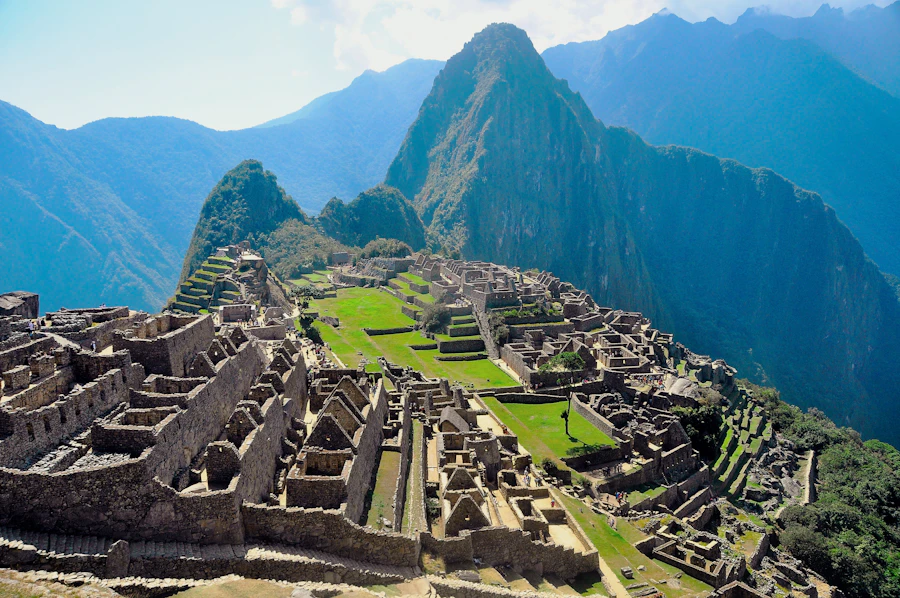
Machu Picchu now operates on a strict timed-entry ticket system with daily visitor caps. You must book your entry ticket in advance through the official website (machupicchu.gob.pe). There are multiple circuits and time slots — the popular Morning Circuit 1 sells out weeks in advance during high season. Combine this with your train ticket (PeruRail or Inca Rail) and bus up the mountain, and you have a fairly complex logistics puzzle to solve. The earlier you book, the more options you have.
Getting Around Peru
Domestic flights are the most time-efficient way to move between regions — Lima to Cusco is just 1 hour by air versus 22+ hours by road. For overland travel between nearby cities (Cusco to Puno, for example), the tourist bus services like Peru Hop and Inka Express offer comfortable, English-guided journeys with stops at archaeological sites along the way — a genuinely worthwhile experience rather than just a transit.
Learn a Little Spanish (and Quechua Greetings)
English is spoken in the tourist industry in Lima, Cusco and Machu Picchu, but virtually nowhere else. Even a few basic Spanish phrases will transform your interactions outside the tourist bubble. In the highlands, particularly around Puno and the Sacred Valley, Quechua is still the first language for many people. Learn Allillanchu (how are you) and Allilanmi (I’m fine) — the smiles you get in return are worth every awkward pronunciation.
Stop Planning. Start Going.
Peru is not a country you visit when the timing is perfect. The timing will never be perfect. The altitude will seem daunting. The logistics will feel complex. The distance will feel enormous. And then you’ll land in Lima, smell the Pacific air, eat your first ceviche, and wonder why on earth you waited so long. Peru will shake you awake. It will remind you that the world is staggeringly beautiful and that most of us are spending our lives sitting far too still. Book the flight. Book it now. The Andes are patient — but life isn’t.
Find My Flight to PeruPlan Your Peru Trip
Trusted Partners We Recommend
Viator Peru Tours
Sacred Valley day trips, Inca Trail permits, Titicaca island tours and Colca Canyon expeditions — all with vetted local guides and flexible cancellation.
Book toursAirHelp — Flight Claims
Cusco airport delays are common. If your flight is delayed or cancelled, AirHelp fights for up to €600 compensation on your behalf — automatically.
Claim nowIATI Travel Insurance
High-altitude trekking, altitude sickness cover, and emergency medical evacuation from remote Andean locations. Don’t visit Peru without it.
Get insuredAffiliate Disclosure: This article contains affiliate links. When you book through our links, Uncover the Andes may earn a small commission at no additional cost to you. We only recommend services we genuinely believe serve our readers well. All opinions are our own.