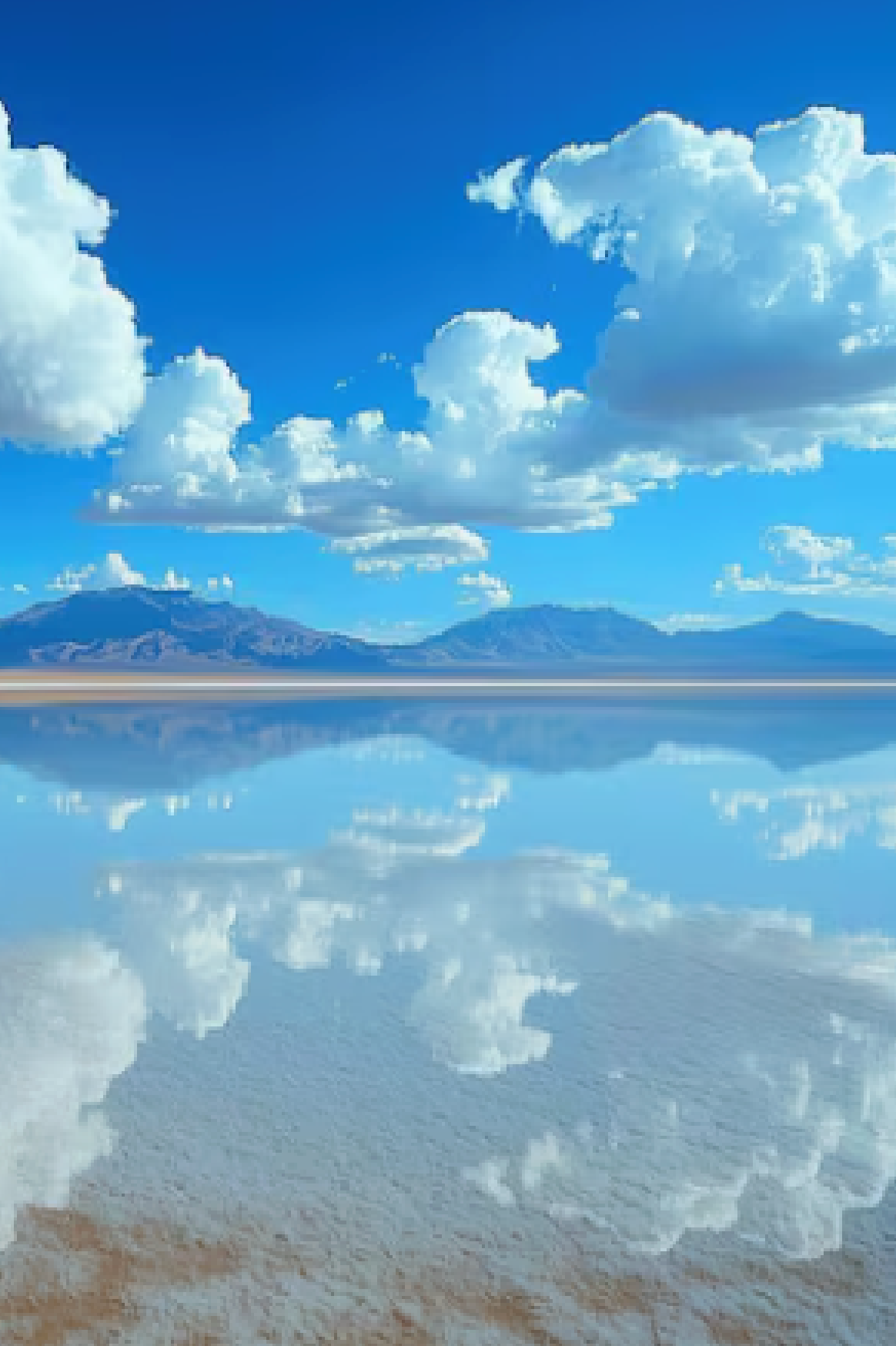

There is a photograph that stops most photographers the first time they see it: the spires of Fitz Roy at sunrise, silhouetted against a sky that transitions from deep violet through orange to gold, reflected in the still water of Laguna Capri. It is one of the most reproduced landscape images in South America — and yet almost everyone who reaches El Chalten comes back with a version of their own that feels completely personal, because Fitz Roy changes with every cloud, every season, and every hour of light.
El Chalten, a tiny village in the Santa Cruz province of Argentina at the northern end of Los Glaciares National Park, exists almost entirely because of photography and trekking. The town has fewer than 1,500 permanent residents, no traffic lights, and one main street — but in December and January it hosts thousands of photographers, trekkers, and mountaineers drawn by what many consider the most dramatic granite spire landscape on earth.
This guide covers every aspect of El Chalten and Fitz Roy photography in 2026: the light windows, the best viewpoints for each season, the specific trails and their photography trade-offs, the autumn colour conditions that many professionals consider superior to summer, and the practical logistics of getting your best possible images from one of Patagonia’s most spectacular locations.
Flights
Fly to El Calafate — the gateway to El Chalten and Fitz Roy
Compare all routes to El Calafate (FTE) and find the best fare for your photography trip.
El Calafate (FTE) is the closest airport to El Chalten — 220km, 3 hours by road. Search all routes on Skyscanner.
Why Fitz Roy Is Unlike Any Other Mountain Photography Subject
Monte Fitz Roy (Cerro Chalten in Tehuelche — “the mountain that smokes”) rises to 3,405 metres above sea level but sits at the edge of the Patagonian Ice Field, where the collision of Pacific and Atlantic weather systems creates meteorological conditions unlike any other mountain range. The result is weather that changes not by the hour but by the minute — clouds form, dissolve, return, and reshape around the spires in a continuous visual performance that rewards patient photographers far more than those who arrive, shoot the postcard composition, and leave.
The alpenglow phenomenon:
At Fitz Roy, the combination of altitude, clean Patagonian air, and the characteristic lenticular clouds that form over the summits in certain wind conditions produces alpenglow events of extraordinary intensity. The granite spires turn a deep, saturated pink-orange for 10–20 minutes around sunrise and sunset that has no equivalent at lower altitude or in more humid climates. These events are impossible to predict precisely — they require a specific combination of cirrus cloud cover, clear air at lower altitudes, and the right wind direction. The photographers who capture the best Fitz Roy alpenglow are the ones who arrive at Laguna Capri or Laguna de Los Tres two to three hours before sunrise regardless of the forecast.
The autumn advantage: December and January (Southern Hemisphere summer) bring the longest days and the most reliable access to the high viewpoints. But March and April bring the lenga beech forests into autumn colour — vivid red, orange, and gold that provides foreground interest unavailable in summer. The combination of autumn-coloured forest with Fitz Roy’s granite towers and the season’s more dramatic storm-light creates compositions that many professional landscape photographers consider the definitive Fitz Roy images. Crowds also drop by 60–70% compared to January peak.
The Fitz Roy ‘lollipop’ cloud is your alpenglow predictor
When a lenticular (lens-shaped) cloud caps the summit of Fitz Roy in the hours before sunset — what local guides call the ‘lollipop’ — there is a high probability of spectacular alpenglow at sunrise the following morning. The lenticular indicates the right combination of wind speed and humidity at summit level. Position yourself at Laguna Capri or the Mirador de los Cóndores before 5:30 AM the following morning. This pattern holds roughly 60-70% of the time and is the best field predictor of exceptional alpenglow conditions.
The 6 Best Photography Locations Around El Chalten and Fitz Roy
| Location | Distance from Town | Best Light | Key Composition | Difficulty | Season |
|---|---|---|---|---|---|
| Laguna Capri | 4km / 1.5h | Sunrise | Fitz Roy reflection in laguna | Easy | Year-round |
| Mirador de los Condores | 3km / 1h | Sunset | Panoramic Fitz Roy + valley | Easy | Year-round |
| Laguna de Los Tres | 9km / 4h | Sunrise | Classic Fitz Roy close-up | Moderate | Nov–Apr |
| Laguna Sucia (from Los Tres) | +1km from Los Tres | Morning | Fitz Roy + blue iceberg laguna | Moderate | Nov–Apr |
| Cerro Torre Mirador | 8km / 3h | All day | Cerro Torre spire + Laguna Torre | Moderate | Year-round |
| Piedra del Fraile | 26km / 3h drive | Golden hour | Ice field + North Fitz Roy faces | Moderate | Dec–Mar |
Laguna Capri
is the most accessible great photograph in El Chalten. The 4km trail gains 280m and delivers a laguna that reflects the full Fitz Roy massif when winds are calm. Arrive before 5 AM in summer for the full alpenglow window. In autumn, the lenga beech colour along the trail approach adds exceptional foreground material.
Laguna de Los Tres is the definitive Fitz Roy viewpoint: a high-altitude cirque lake at 1,170m that places you directly beneath the granite walls of Fitz Roy’s eastern face. The final 2km of trail gains 400m on loose scree — in high wind, this section is exposed and dangerous. The payoff is the most intimate view of Fitz Roy available without technical climbing, with the blue-grey water of the cirque filling the foreground and the towers rising 2,000m above you.
Cerro Torre Mirador is often underestimated by photographers who focus exclusively on Fitz Roy. The spire of Cerro Torre (3,128m) is arguably more dramatic in silhouette than Fitz Roy — a single needle of granite rising almost vertically from the Patagonian steppe. Morning light illuminates the eastern face; afternoon light creates rim-lighting effects on the summit mushroom of ice that forms the tower’s distinctive cap.
Seasonal Guide: When to Photograph El Chalten and Fitz Roy
No other photography destination in South America changes as dramatically between seasons as El Chalten. Each season offers a genuinely different photographic experience — not just weather variations, but fundamentally different compositions, lighting conditions, and subject matter.
December–February (Summer): The longest days — up to 19 hours of usable light in late December. Sunrise at approximately 5:15 AM, sunset at 10:20 PM, with usable twilight extending further in both directions. The lenga forests are deep green, providing saturated but less dramatic foreground. The greatest number of clear summit days occurs in this period. The main disadvantages are heavy crowds (Laguna de Los Tres trail can have 200+ hikers per day in January) and accommodation prices at annual peak.
March–April (Autumn):
The professional photographer’s preferred season. Lenga beech forests turn from deep green through yellow to vivid red-orange over approximately six weeks, with peak colour typically occurring in mid-April. Days shorten to 12–13 hours but the lower sun angle produces longer golden hours. Tourist numbers drop dramatically — you may have Laguna Capri entirely to yourself on a weekday morning. The trade-off is less predictable summit visibility, with more cloud cover than summer.
May–August (Winter): Snow transforms Fitz Roy into a winter landscape of extraordinary drama — the granite spires above the snowline, the lenga forests white and still, the lagunas frozen. Some winter days deliver the clearest sky conditions of the year, with exceptional alpenglow intensity on snow-covered faces. Laguna de Los Tres trail is frequently inaccessible due to ice; Laguna Capri and Cerro Torre are generally accessible. Accommodation prices at annual minimum. Sunrise shifts to 8:45 AM, making it far easier to be in position without a 4 AM departure.
September–November (Spring): The transition season — snowmelt makes trails muddy but waterfall photography peaks. Spring wildflowers add new foreground subjects. Weather is highly unpredictable but can deliver the most dramatic storm-light conditions of the year as warm and cold air masses meet over the ice field.
Camera Settings for Fitz Roy — Light Conditions Guide
Fitz Roy photography spans an unusually wide range of lighting conditions within a single day — from pre-dawn darkness to blinding alpenglow to flat overcast to storm light to golden hour. Each condition requires a distinct camera approach.
Pre-dawn and alpenglow (4:30–6:30 AM): ISO 800–3200 depending on camera, aperture f/8 for maximum sharpness across the full mountain face, shutter speed as required by available light. Use a tripod — hand-holding at 1/15 or slower produces camera shake that destroys the fine detail of the granite texture. If using a reflection composition at Laguna Capri, live view focus on the mountain rather than the reflection, as the reflection will be acceptably sharp at f/8 regardless. Shoot RAW — the dynamic range required for alpenglow-lit summits against a darker foreground exceeds JPEG compression.
Midday flat light:
Avoid midday shooting for the main summit compositions — the high sun eliminates the side-lighting that reveals granite texture and creates the visual drama of the spires. Use midday for trail hiking, forest photography (even light works well under the lenga canopy), and waterfall long exposures (ND filter recommended, shutter 1–4 seconds for smooth water).
Storm light and clearing shots: The 20–40 minutes after a storm front passes produce the most dramatic light in Patagonian photography — low-angle sun illuminating wet granite against dark storm clouds. Keep your camera accessible during storms. A waterproof camera bag or rain cover is essential — horizontal Patagonian rain reaches cameras from angles that vertical rain protection cannot address.
Autumn golden hour: In March–April, the sun sets at a lower angle than summer and produces a longer golden hour with more saturated warm light on the lenga foliage. The combination of red-orange forest against teal-grey Fitz Roy granite in golden hour is the definitive autumn colour composition. Expose for the highlights on the forest — the mountain can be slightly underexposed and recovered in post without quality loss.
Torres del Paine Photography Guide 2026
Already planning to photograph Torres del Paine on the same Patagonia trip? Our complete Torres del Paine guide covers every location, light window, and photography tip for the W Circuit.
Read the Guide →Cerro Torre: The Most Technically Demanding Photography Subject in Patagonia
While Fitz Roy dominates the photography conversation around El Chalten, Cerro Torre offers a different and in some ways more challenging photographic subject. The single needle of granite rises almost vertically from the Patagonian steppe, capped by a massive mushroom of ice that forms at the summit due to the specific weather conditions. Unlike Fitz Roy’s broad massif, Cerro Torre presents a narrow, vertical subject that rewards long-focal-length compression more than wide-angle compositions.
Best compositions:
The classic view from the Mirador de Maestri (3km from El Chalten) shows Cerro Torre reflected in Laguna Torre, with the broad ice field as background and the lenga forest as foreground. A 70–200mm lens at the longer end isolates the tower and compresses the background ice field. The most dramatic single shot is the rim-lighting composition — position with the sun behind the tower in the late afternoon, the ice mushroom glowing against a dark storm cloud background. This requires precise positioning on the trail south of the mirador.
Weather sensitivity: Cerro Torre is notoriously difficult to photograph with a clear summit. The ice mushroom at the top generates its own localised cloud system in many wind conditions. Experienced photographers at El Chalten dedicate separate shooting sessions to Cerro Torre and Fitz Roy rather than attempting both in a single day — the weather that clears one summit frequently clouds the other.
Book accommodation 3+ months ahead for autumn photography
El Chalten has limited accommodation — fewer than 20 guesthouses and a handful of campgrounds. March–April is increasingly popular as the autumn colour season becomes better known among landscape photographers. Book your accommodation by December for an April visit. The best-positioned guesthouses (walking distance to Capri and Condores trailheads) sell out fastest. Arriving without a reservation in April risks sleeping in your tent or driving to El Calafate (1.5 hours away).
Getting to El Chalten: Logistics for Photographers
El Chalten is one of the most remote villages in Argentina — 220km north of El Calafate on a fully paved road that crosses the Patagonian steppe. The landscape of the approach drive is itself extraordinary: flat, windswept grassland interrupted by distant views of the Fitz Roy massif that grow closer over three hours of driving.
Fly to El Calafate (FTE):
The gateway airport for both El Chalten and Perito Moreno Glacier. Daily flights from Buenos Aires (2.5 hours) and connections from Santiago and Ushuaia. From El Calafate, rent a car or take the daily bus to El Chalten (3 hours, approximately $10–15 USD). Car rental is strongly recommended for photographers — it allows pre-dawn departures without relying on bus schedules.
Self-driving the steppe:
The road from El Calafate to El Chalten crosses open Patagonian steppe with guanaco, rhea, and condor photography opportunities on the drive itself. Allow 4 hours rather than 3 to account for roadside wildlife stops. The road is paved and in good condition year-round; no 4WD required. Fuel up in El Calafate — there is one small fuel station in El Chalten with limited hours.
Patagonia & Southern Andes Photography Guide 2026
El Chalten is one chapter of the larger Patagonia photography story. Our complete Southern Andes photography guide covers Fitz Roy, Perito Moreno, Carretera Austral, and Tierra del Fuego.
Read the Guide →National Park entry:
Los Glaciares National Park charges an entry fee (approximately $20–25 USD in 2026 for foreign visitors). Paid at the park entrance on arrival in El Chalten. The park office provides free trail maps and daily weather forecasts — always check the forecast before early morning departures for Laguna de Los Tres.
Frequently Asked Questions
What is the best time to photograph Fitz Roy?
March–April (autumn) is considered by most professional landscape photographers to be the best season for Fitz Roy photography. The lenga beech forests turn vivid red and orange, adding warm foreground colour to the cool granite compositions. Tourist numbers drop to 30–40% of January levels. December–January offers the longest days (19+ hours of light) and the most reliable trail access, including Laguna de Los Tres which can be inaccessible in winter. Both seasons have compelling advantages — if you can only visit once, the autumn colour and reduced crowds make March–April the recommendation.
How difficult is the hike to Laguna de Los Tres?
The hike to Laguna de Los Tres is 9km one way (18km round trip) with approximately 700m of elevation gain. The final 2km to the laguna is a steep scree ascent that requires scrambling in sections. The trail is rated moderate — fit day hikers with appropriate footwear complete it in 3–4 hours one way. The key challenge for photographers is the early start required for alpenglow at the laguna (4:30–5:00 AM departure from El Chalten to arrive at the summit viewpoint for 7:00–7:30 AM sunrise). Allow 10–12 hours total for the full photography day including return.
Can you photograph Fitz Roy in winter?
Yes — winter (June–August) can deliver exceptional photography conditions at El Chalten. Snow transforms the landscape, the lenga forests are white and still, and some winter days produce the clearest sky and most intense alpenglow of the year. Laguna Capri and Cerro Torre are accessible year-round; Laguna de Los Tres trail is frequently iced and may require crampons. Sunrise shifts to 8:45 AM, making winter photography logistically easier than the 4 AM summer starts. Accommodation is minimal and cheap. The main risks are trail closures due to ice and extended periods of overcast weather.
What focal lengths are most useful for Fitz Roy photography?
Three focal lengths cover the full range of Fitz Roy photography: a wide-angle 16–24mm for the close-up foreground-dominated compositions at Laguna de Los Tres where the spires fill the upper frame; a standard 24–70mm for the balanced full-massif compositions at Laguna Capri and Mirador de los Condores; and a telephoto 100–400mm for the compressed Cerro Torre isolations, the wildlife (condors soaring above the passes, guanacos on the steppe), and the detail shots of granite texture and ice formations. For a one-lens compromise, a 24–105mm covers 80% of the compositions available at El Chalten.
Is a tripod necessary for Fitz Roy photography?
Yes — a tripod is essential for the pre-dawn and alpenglow photography that produces the best Fitz Roy images. At 4:30–6:30 AM, light levels require shutter speeds of 1/15 to 1/2 second at ISO 800 for clean, sharp images at f/8. Hand-holding at these speeds destroys the granite texture detail that makes Fitz Roy images compelling. A carbon fibre tripod minimises weight on the 9km Laguna de Los Tres approach. Bring a ground spike or sandbag attachment for the wind — gusts above 60 km/h are common at the high viewpoints and can topple a standard tripod.
Where should I stay in El Chalten for photography?
The ideal accommodation for photography is within 500m of the northern trailheads (Laguna Capri, Mirador de los Condores, Laguna de Los Tres) to allow rapid pre-dawn departures. Hosteria Nothofagus, Hostel El Pilar, and Los Huemules lodge are well-positioned. Book 3+ months ahead for January and April. Camping at Camping El Relincho or Camping Los Teros is an excellent option for budget photographers — the campgrounds are close to northern trailheads and save significant accommodation costs. Camping also allows the most flexible pre-dawn departure without disturbing other guests.
How do I photograph the Fitz Roy reflection at Laguna Capri?
The reflection at Laguna Capri requires calm wind conditions — any surface ripples destroy the mirror effect. Wind at Laguna Capri is typically calmest in the 30–60 minutes around sunrise, before the thermal heating of the day creates afternoon gusts. Arrive at least 45 minutes before sunrise (before 5:00 AM in summer). Set up on the southern shore of the laguna, positioning Fitz Roy centrally in the frame with equal space for the reflection below. Use a circular polarizer to eliminate surface glare without eliminating the reflection itself — rotate the polarizer until glare is removed but the reflection remains intact.
Can I hire a photography guide in El Chalten?
Yes — several local guides in El Chalten specialise in photography-focused guiding. They know the optimal positioning at each viewpoint for different light conditions, the trail conditions for the day, and the weather patterns specific to the Fitz Roy microclimate. A photography guide is particularly valuable for your first visit, when the learning curve of understanding the weather and light patterns at multiple viewpoints costs you shooting days. Booking through Viator or GetYourGuide allows you to review guide ratings before confirming.
What weather app is most accurate for El Chalten?
Mountain Forecast (mountain-forecast.com) provides altitude-specific forecasts for Fitz Roy’s summit zone and is generally more accurate than standard weather apps for predicting summit clearing events. Windy.com provides the most useful wind forecast visualisation — essential in Patagonia where wind speed is the primary determinant of safe trail conditions and reflection photography opportunities. The El Chalten park office also posts a daily forecast and trail conditions report — always check this before early morning departures. No forecast is reliable more than 24 hours in advance at El Chalten.
How much time should I allow for photography at El Chalten?
Minimum 4 days, ideally 7. With 4 days, you can photograph each of the main locations (Laguna Capri, Laguna de Los Tres, Cerro Torre, Mirador de los Condores) once each in morning light — if the weather cooperates. With 7 days, you have margin for 2 days of cloud/rain (common in any El Chalten week) and can revisit the best locations in multiple light conditions and weather states. Professional landscape photographers typically allow 10–14 days to ensure they capture at least one exceptional alpenglow event, which may occur on only 2–3 days in any given week.
The questiosns
Conclusion: El Chalten Rewards Every Return Visit
Fitz Roy is not a location you photograph once. The combinations of light, season, weather, and mountain visibility mean that no two visits produce the same images — and every photographer who spends serious time at El Chalten comes back with photographs that surprise even themselves.
The village of El Chalten deserves its reputation as one of the great photography bases in the world: small enough to feel like a genuine mountain community, large enough to have excellent accommodation and food, and positioned at the edge of one of the most spectacular national parks on earth. The trails are free, the national park fee is modest, and the only cost of a bad-weather day is the time you spend waiting for the next clearing.
Explore the full Uncover the Andes photography guide series — every Patagonia location, every Peru highland, and every Andes viewpoint covered with the practical detail you need to arrive prepared and leave with the best images of your photography career. Bookmark Uncover the Andes and come back before every trip.