
Peru is one of the most diverse and rewarding travel destinations in South America. Home to the legendary Machu Picchu, the Sacred Valley, the Amazon Rainforest, vibrant cities, colonial architecture, and world-famous cuisine, Peru offers something unique during every season of the year.
However, deciding when to visit Peru is not always straightforward. Unlike many destinations that experience relatively consistent weather patterns, Peru’s geography creates several different climates at the same time. While Lima may be cloudy and cool, Cusco can be enjoying sunny mountain days, and the Amazon may be experiencing tropical rains.
Because of this diversity, the best time to visit Peru depends largely on your travel goals. Are you planning to hike the Inca Trail? Visit Machu Picchu with clear skies? Explore the Amazon? Enjoy Lima’s culinary scene? Travel on a budget? Each experience has an ideal season.
This guide will help you understand Peru’s climate, identify the best months to visit each region, avoid common mistakes, and plan the perfect itinerary regardless of when you decide to travel.
Understanding Peru’s Climate Before You Book Your Trip
One of the biggest mistakes travelers make is assuming Peru has a single weather pattern. In reality, Peru is divided into three main geographical regions, each with its own climate and seasonal changes.
The Pacific Coast includes destinations such as Lima, Paracas, Huacachina, and Mancora. This region is generally dry throughout the year, with warmer temperatures during the summer months between December and April.
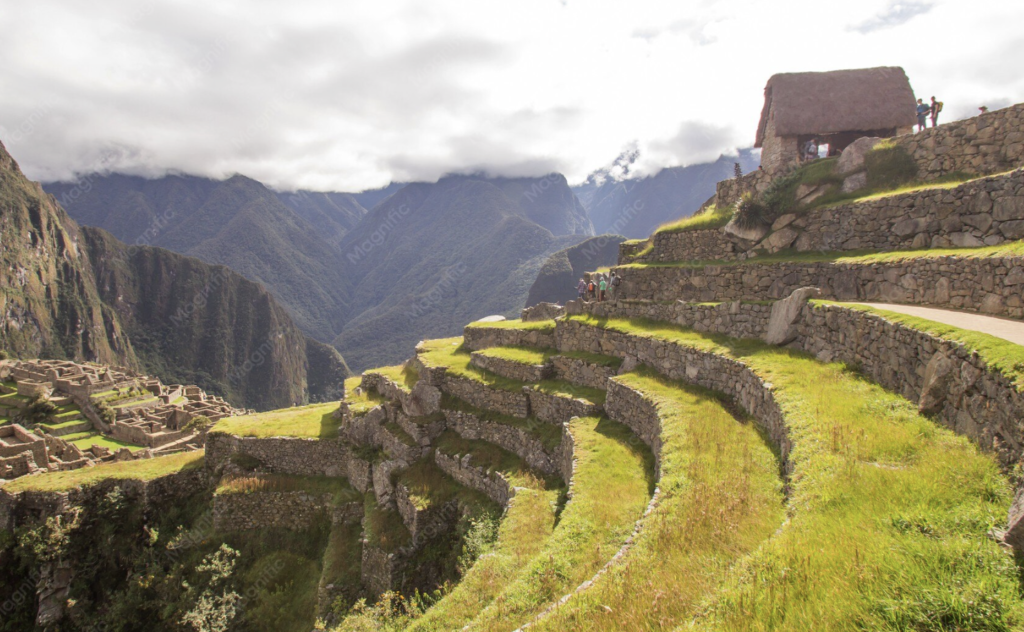
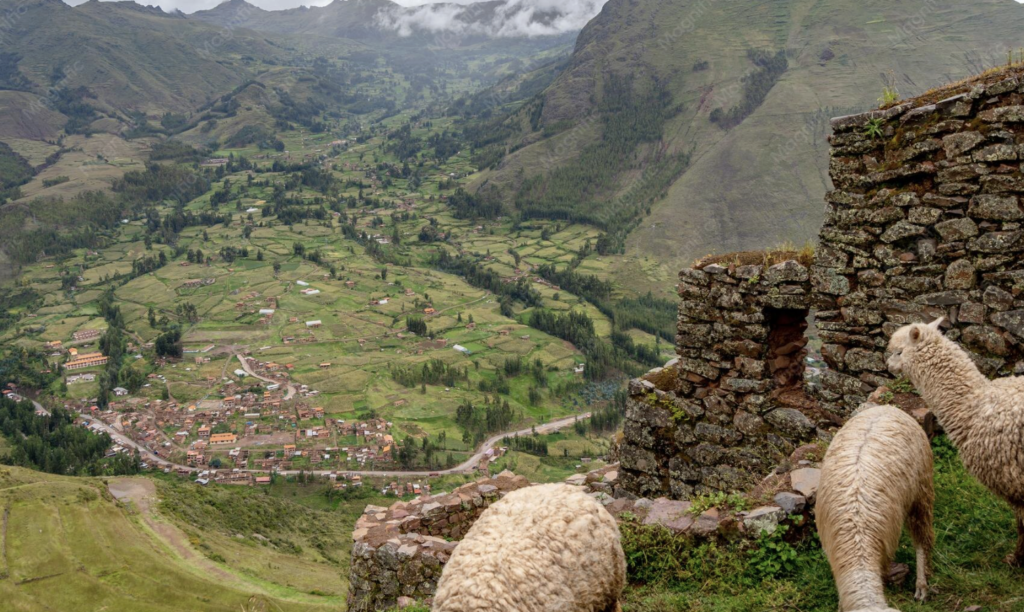
The Andes Highlands include Cusco, the Sacred Valley, Machu Picchu, Arequipa, and Puno. This region experiences a distinct dry season and rainy season. Weather conditions here have the biggest impact on tourism because most travelers visit Peru specifically to see Machu Picchu.
The Amazon Rainforest includes Puerto Maldonado, Tambopata, and Iquitos. This region remains tropical year-round, although rainfall and river levels vary throughout the year.
Understanding these differences is essential because the “best time” for one region may not be ideal for another. A traveler interested in trekking the Andes will likely prefer June or July, while someone looking for beach weather in Lima may prefer January or February.
Best Time to Visit Peru Overall
For most travelers, the best time to visit Peru is between May and September.
These months correspond to the dry season in the Andes, which is particularly important because most visitors spend part of their trip in Cusco, the Sacred Valley, and Machu Picchu.
During the dry season, rainfall decreases significantly, skies are generally clearer, and mountain views become spectacular. Hiking conditions improve dramatically, making this the preferred period for trekking routes such as the Inca Trail, Salkantay Trek, and Rainbow Mountain.
May is often considered one of the best months because it combines excellent weather with relatively moderate tourist numbers. The landscapes remain green from the recent rainy season, creating beautiful scenery throughout the Sacred Valley.
June, July, and August are peak tourism months. These months provide the clearest skies and most reliable weather conditions, but they also bring larger crowds and higher prices. Hotels, train tickets, and Machu Picchu entrance tickets often sell out months in advance.
September offers an excellent balance between favorable weather and fewer visitors. Many experienced travelers consider September one of Peru’s hidden gems because conditions remain excellent while crowds begin to decrease.
If you are planning your first trip to Peru and want the highest chance of good weather, May through September is generally your safest choice.
¡Asegura tu viaje hoy y ahorra dinero!
Usa los mismos enlaces oficiales que yo utilizo para optimizar tu presupuesto sin errores.
Vuelos Inteligentes
Compara cientos de aerolíneas en segundos con Skyscanner y congela la tarifa más baja del mercado.
Hoteles con Descuento
Asegura tu estancia en los Países Bajos con la garantía de Booking.com y opción de cancelación gratuita.
Asistencia Médica
Evita deudas médicas costosas. Cotiza tu cobertura internacional al mejor precio con Asegura Tu Viaje.
Best Time to Visit Machu Picchu
Machu Picchu is the highlight of most trips to Peru, which makes choosing the right time to visit especially important.
The most favorable months to visit Machu Picchu are May, June, July, August, and September. During this period, rainfall is minimal, visibility is excellent, and visitors are more likely to enjoy panoramic views of the surrounding mountains.
May is particularly attractive because the vegetation remains lush and green after the rainy season. The famous terraces surrounding Machu Picchu look vibrant, creating stunning photographs and a more dramatic landscape than later in the dry season.
June and July are considered the prime months for visiting the site. Clear mornings often reveal breathtaking views as the clouds slowly disappear from the mountains surrounding the citadel. Photographers especially appreciate these months because visibility is typically at its best.
August continues to offer excellent conditions. Trails remain dry, temperatures are pleasant, and visitors can enjoy comfortable exploration throughout the day. However, August is also one of the busiest months, so advance reservations are essential.
September is often overlooked but provides many of the same benefits as the peak season while attracting slightly fewer tourists.
The rainy season, particularly January and February, can still be enjoyable. While rain showers become more common, the lower visitor numbers create a more peaceful atmosphere. Travelers who don’t mind occasional rain may find this period offers a unique perspective of Machu Picchu surrounded by mist-covered mountains.
Best Time to Hike the Inca Trail
The Inca Trail is one of the world’s most famous hiking routes, attracting thousands of trekkers every year.
The best time to hike the Inca Trail is between May and September. During these months, the trail remains relatively dry, reducing the risk of muddy paths and slippery sections. Clear skies also allow hikers to fully appreciate the incredible mountain scenery along the route.
June and July are especially popular because weather conditions tend to be extremely stable. Daytime temperatures remain comfortable for hiking, while the chances of heavy rain are very low. The trade-off is that permits often sell out six months or more in advance.
August offers similarly favorable conditions but continues to attract large numbers of visitors.
September is an excellent alternative for travelers who want dry weather but slightly fewer crowds. Many trekkers believe September offers one of the best balances between weather and visitor numbers.
It is important to note that the Inca Trail closes every February for maintenance and conservation. No permits are available during this month.
If hiking the Inca Trail is a priority, securing permits early should be one of the first steps in your travel planning process.
Best Time to Visit Cusco
Cusco sits at an elevation of approximately 3,400 meters (11,150 feet), which means temperatures can vary significantly between day and night.
The best months to visit Cusco are May through September. During these months, visitors can expect sunny days, lower rainfall, and ideal sightseeing conditions.
One of the most surprising aspects of Cusco’s climate is the temperature difference between daytime and nighttime. While daytime temperatures may reach 20°C (68°F), nights can drop close to freezing.
May offers beautiful landscapes, pleasant temperatures, and fewer crowds than the peak summer months.
June is one of the most exciting times to visit Cusco because of Inti Raymi, the Festival of the Sun. This spectacular celebration attracts visitors from around the world and showcases traditional Inca culture through colorful performances and ceremonies.
July and August continue to provide excellent weather but bring larger crowds and higher accommodation prices.
September often delivers a perfect combination of pleasant weather and improved availability.
Travelers visiting Cusco should always pack layers regardless of the season because mountain weather can change rapidly throughout the day.
Best Time to Visit Lima
Lima experiences a climate completely different from Cusco and the Andes.
The city’s best weather occurs during the summer months from December through April. During this period, temperatures become warmer, skies are sunnier, and outdoor activities become more enjoyable.
January and February are particularly popular among travelers looking to enjoy Lima’s beaches, parks, and waterfront areas.
The winter season between May and November often surprises visitors. Despite receiving very little rainfall, Lima becomes famous for its persistent gray skies and coastal fog known locally as “garúa.”
Although the weather may appear gloomy during winter, this period still offers excellent opportunities to enjoy Lima’s world-renowned culinary scene, museums, and historic attractions.
Food lovers can confidently visit Lima year-round since the city’s gastronomic reputation does not depend on seasonal weather conditions.
Best Time to Visit the Peruvian Amazon
The Amazon Rainforest offers a completely different experience depending on the season.
The dry season, which generally runs from May through October, is ideal for jungle walks and wildlife observation. Lower rainfall makes hiking trails more accessible and reduces humidity levels slightly.
During these months, visitors often find it easier to spot monkeys, birds, and other wildlife because animals tend to gather closer to available water sources.
The wet season, from November through April, brings higher river levels. While some trails become inaccessible, boat excursions can reach deeper sections of the rainforest.
Many experienced Amazon travelers actually prefer the wet season because it allows access to remote areas that cannot be reached during lower water periods.
Wildlife viewing remains excellent throughout the year, making the Amazon one of Peru’s few destinations that truly offers rewarding experiences regardless of the month.
Month-by-Month Guide to Peru
January
January falls within the rainy season in the Andes. Travelers should expect frequent afternoon showers in Cusco and Machu Picchu. However, the coast enjoys warm temperatures and excellent beach conditions.
February
February is generally considered the wettest month in the Andes. The Inca Trail closes for maintenance, and trekking conditions become more challenging. On the positive side, hotel prices often decrease.
March
Rain begins to decrease, and landscapes remain beautifully green. This month provides a transition between wet and dry seasons.
April
April is one of Peru’s most underrated travel months. Weather improves significantly while tourist crowds remain relatively low.
May
May marks the beginning of the dry season and is often considered one of the best months to visit Peru overall.
June
Excellent weather combines with major cultural events such as Inti Raymi in Cusco.
July
One of the busiest months of the year. Weather conditions are outstanding, but advance reservations become essential.
August
Dry weather continues throughout the Andes, making this an excellent month for trekking and outdoor exploration.
September
Many travelers consider September the perfect balance between good weather and manageable crowds.
October
Another excellent shoulder-season month that offers favorable weather and lower prices.
November
Rain begins returning to the Andes, but tourist numbers remain relatively low.
December
Summer arrives on the coast, bringing warmer temperatures and festive holiday celebrations.
Comparison Table: Best Months by Travel Style
| Travel Goal | Best Months |
|---|---|
| Machu Picchu | May–September |
| Inca Trail | May–September |
| Amazon Wildlife | June–October |
| Beaches | December–April |
| Photography | May–August |
| Festivals | June |
| Budget Travel | February–April |
| Luxury Travel | May–September |
Common Mistakes Travelers Make When Planning Peru
Many travelers underestimate the country’s geographical diversity.
Another common mistake is booking Machu Picchu tickets too late. During peak season, tickets can sell out weeks or even months in advance.
Visitors also frequently underestimate the effects of altitude. Spending at least one day acclimatizing in Cusco before engaging in strenuous activities can significantly improve the travel experience.
Packing mistakes are also common. Even during the dry season, temperatures can vary considerably throughout the day, making layered clothing essential.
Frequently Asked Questions
1. What is the best month to visit Peru?
May is often considered the best overall month due to excellent weather and moderate crowds.
2. What is the rainy season in Peru?
The rainy season in the Andes generally runs from November through March.
3. Is Machu Picchu open year-round?
Yes, Machu Picchu remains open throughout the year.
4. When is the Inca Trail closed?
The Inca Trail closes every February for maintenance.
5. What is the cheapest month to visit Peru?
February is often among the least expensive months.
6. Is July too crowded?
July is one of Peru’s busiest tourism months.
7. Is Peru safe year-round?
Yes, Peru is generally safe for tourism throughout the year.
8. What should I pack for Peru?
Layered clothing, waterproof gear, and comfortable walking shoes.
9. Is the Amazon worth visiting during the rainy season?
Absolutely. Higher water levels provide access to remote areas.
10. How many days should I spend in Peru?
Most travelers benefit from spending at least 10 to 14 days exploring multiple regions.
Conclusion
The best time to visit Peru ultimately depends on your travel goals, but for most visitors, the dry season between May and September provides the ideal combination of favorable weather, clear skies, and excellent sightseeing conditions.
Whether you’re exploring the ancient wonders of Machu Picchu, hiking the legendary Inca Trail, discovering the biodiversity of the Amazon Rainforest, or enjoying Lima’s incredible culinary scene, Peru offers unforgettable experiences throughout the year.
By understanding the country’s seasonal patterns and planning accordingly, you’ll be able to maximize your time, avoid unnecessary surprises, and create memories that will last a lifetime.