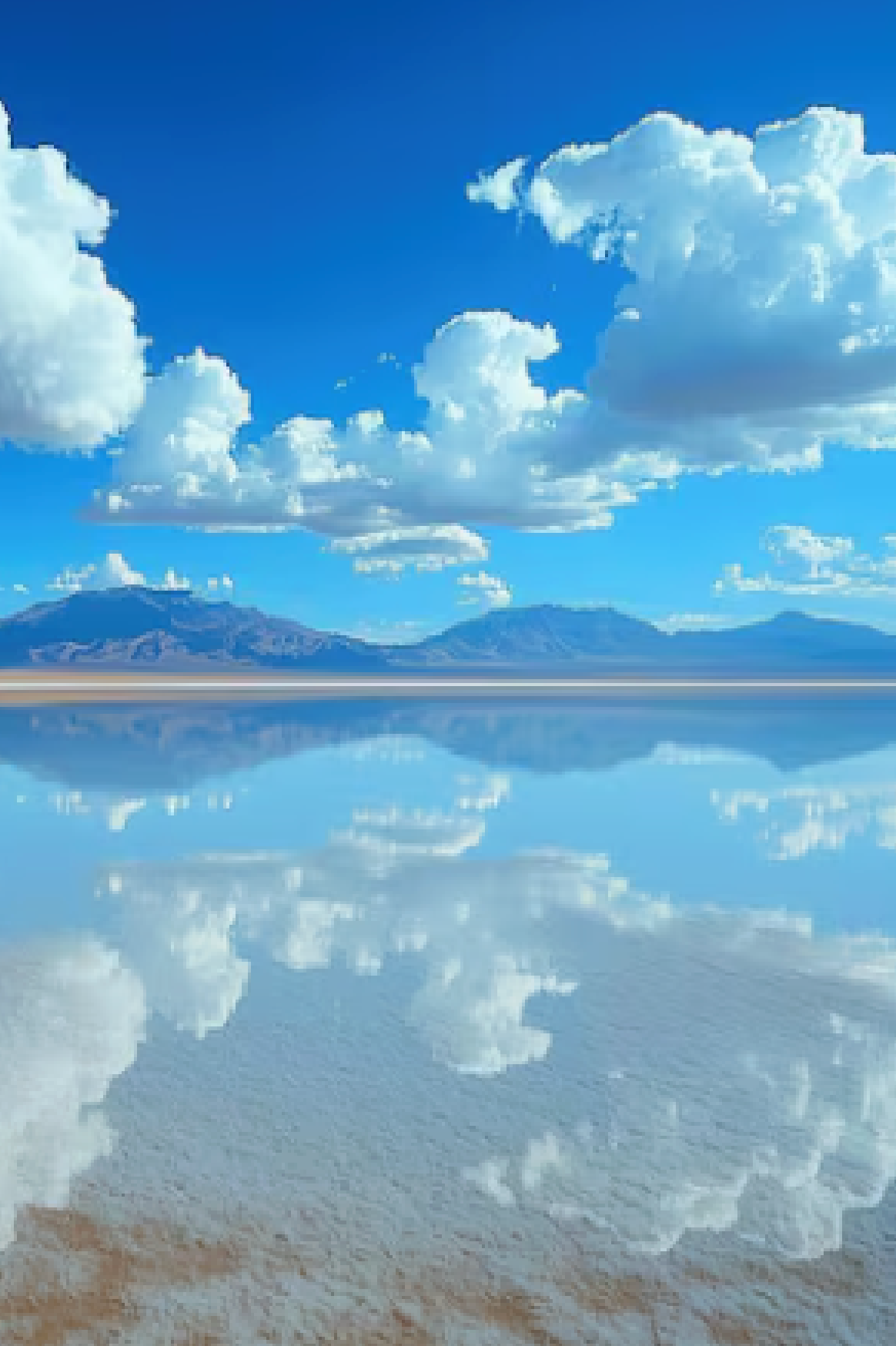

The Sacred Valley of the Incas stretches 60 kilometres northeast of Cusco, dropping from 3,400 metres at Pisac to 2,800 metres at Ollantaytambo, lined with terraced Inca ruins, Andean villages, weaving communities, and salt pans that have been harvested since before the Inca Empire existed. It is one of the most photographically rewarding valleys on Earth — and one of the least systematically photographed.
Most visitors treat the Sacred Valley as a transit corridor between Cusco and Machu Picchu, spending 4–6 hours moving between two or three sites without stopping to photograph the valley itself. The photographers who work differently — who arrive at Pisac market at 6:00 AM before the tour buses, who hike above Ollantaytambo to the water mirrors at dawn, who drive the back road from Moray to the Maras salt pans in the late afternoon light — find that the Sacred Valley rivals Machu Picchu for photographic depth and surpasses it for authenticity.
This guide covers the full Peru photography landscape beyond Machu Picchu: the Sacred Valley ruins, Rainbow Mountain, Cusco city, Lake Titicaca, and the practical planning that connects them into a coherent photography itinerary for 2026.
The Sacred Valley: Peru’s Most Underrated Photography Destination
The Sacred Valley runs along the Urubamba River, flanked on both sides by peaks reaching 4,500–5,000 metres. The valley floor, at 2,800–3,400 metres altitude, is lush and agricultural — a patchwork of terraced fields, eucalyptus groves, and Quechua villages that has not changed fundamentally in centuries. The Inca left their most extensive terracing systems here, and those terraces — unlike Machu Picchu, which receives 5,000 visitors daily — are often nearly empty.
Pisac Ruins and Market
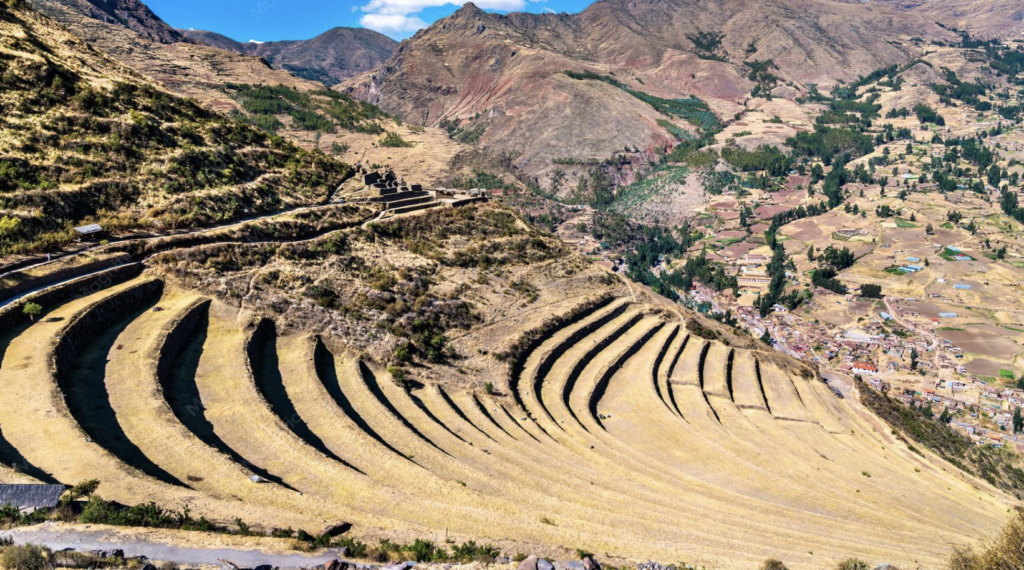
The Pisac archaeological complex sits above the town of Pisac at approximately 3,350 metres, reached by a 2-hour hike from the valley floor or a 20-minute taxi ride. The ruins comprise the largest Inca cemetery ever discovered, a solar observatory, and a series of agricultural terraces that descend the mountainside for nearly 400 vertical metres. The photography is extraordinary from multiple angles: from below, the terraces rise against the mountain sky in a composition that rivals the Machu Picchu terraces; from above (accessible by hiking through the ruins), the Urubamba Valley spreads below with the modern town of Pisac and its Sunday market visible on the valley floor.
The Pisac Sunday market is one of the most authentic and most photogenic markets in Peru — photographically different from the Cusco markets, which have been significantly tourists-adapted. Arrive before 7:00 AM for the market section used by local Quechua vendors (the inner plaza, not the tourist artisan section) where fresh produce, grains, and livestock change hands between locals who have been doing this since before Spanish arrival. Portrait photography here requires cultural sensitivity — always ask permission (a gesture and a smile work without language) and carry small bills for a donation if photographing at close range.
Ollantaytambo: The Living Inca City
Ollantaytambo is the best-preserved Inca town in Peru — not a ruin but a living community where families still inhabit Inca-era stone houses arranged on the original Inca grid. The photography here operates on two levels: the vast fortress above the town, with six ceremonial terraces and the unfinished Temple of the Sun facing the dawn, and the narrow stone-channelled streets of the town below, where water still runs in the original Inca canals and doorways open onto courtyards that have been inhabited continuously for 600 years.
The fortress photograph is best at sunrise when the temple stones are lit from the east and the shadow of the terraces creates depth across the lower structures. Position yourself in the town plaza at the base of the fortress steps — a 24–35mm equivalent focal length captures the full sweep of the terraces rising above the plaza. In the late afternoon, the shadow line across the terraces creates the same dramatic geometry from the same position but with the sun behind you.
The table
| Location | Best Light Window | Focal Length | Key Shot | Crowds |
|---|---|---|---|---|
| Pisac Ruins (upper) | Sunrise — 6:00–7:30 AM | 24–50mm | Terraces against mountain sky | Very low pre-9 AM |
| Pisac Market (Sunday) | 6:00–8:00 AM (locals only) | 50–85mm portrait | Quechua vendors, produce, color | Low pre-7 AM |
| Ollantaytambo Fortress | Sunrise / late afternoon | 24–35mm wide | Six terraces rising above plaza | Low outside peak hours |
| Ollantaytambo streets | Any time — soft overcast ideal | 35–50mm | Canal-lined stone streets | Low in early morning |
| Maras Salt Pans | Late afternoon (2:00–5:00 PM) | 50–135mm compressed | Terraced salt pools in golden light | Moderate — accessible by road |
| Moray Circular Terraces | Midday overhead OR late afternoon | Wide 16–24mm + aerial angle | Concentric rings — requires elevated position | Low |
Machu Picchu Photography Guide 2026
The companion article to this guide — best spots, camera settings, permit types, and the two essential accessories for Machu Picchu photography.
Rainbow Mountain (Vinicunca): Photography at 5,200 Metres
Rainbow Mountain — Vinicunca in Quechua — is a 5,200-metre peak in the Andes approximately 100 kilometres southeast of Cusco whose eroded mineral layers have created a geological colour palette of reds, yellows, greens, and purples that look impossible until you are standing in front of them. It was unknown to the outside world until 2015, when receding glaciers exposed the coloured mineral layers. It is now one of Peru’s most visited natural sites.
The photography reality check:
Rainbow Mountain photographs best when the colours are saturated by moisture — paradoxically, early morning after overnight rain or light cloud produces more vivid colour than full dry-season sunshine, which washes out the mineral hues. The ideal conditions are partial cloud cover with direct sun breaking through, creating dramatic shifting light across the coloured slopes.
The altitude challenge:
The approach to Rainbow Mountain starts at approximately 4,300 metres and the summit viewpoint is at 5,200 metres — higher than any point on the Machu Picchu visit. Altitude sickness is a serious risk for unacclimatised visitors. Spend a minimum of 3 days acclimatising in Cusco (3,400 metres) before attempting the hike. The hike itself is 6.5 km each way with 900 metres of elevation gain — an easy day hike at sea level, an exhausting one at altitude.
Camera settings at 5,200 metres:
ISO 200–400, f/8–f/11 for maximum depth of field across the coloured slopes, shutter speed 1/250–1/500. The UV intensity at this altitude is extreme — a UV or circular polarising filter dramatically improves colour saturation in the mineral layers. Shoot the mountain from the ridge viewpoint in the morning when the sun illuminates the main coloured face from the east — afternoon back-lighting reduces colour contrast significantly.
Reach the viewpoint before 9:00 AM
Rainbow Mountain receives hundreds of visitors per day in peak season. The first hiking group from Cusco arrives at approximately 8:30–9:00 AM. If you book a dawn departure (4:30–5:00 AM from Cusco), you reach the viewpoint 45–60 minutes before the main crowd — time enough to photograph in relative solitude before the site becomes congested.
Cusco City Photography: Baroque Churches, Markets, and Colonial Streets
Cusco is one of the most layered cities in South America for photography — Inca stone foundations supporting Spanish colonial baroque architecture, Quechua women in traditional dress navigating streets built in the shape of a puma, markets where the colours of textiles and produce compete with the altitude sky for visual intensity. It is a city that rewards slow, patient photography more than any rapid tour-bus visit.
Plaza de Armas and the Cathedral
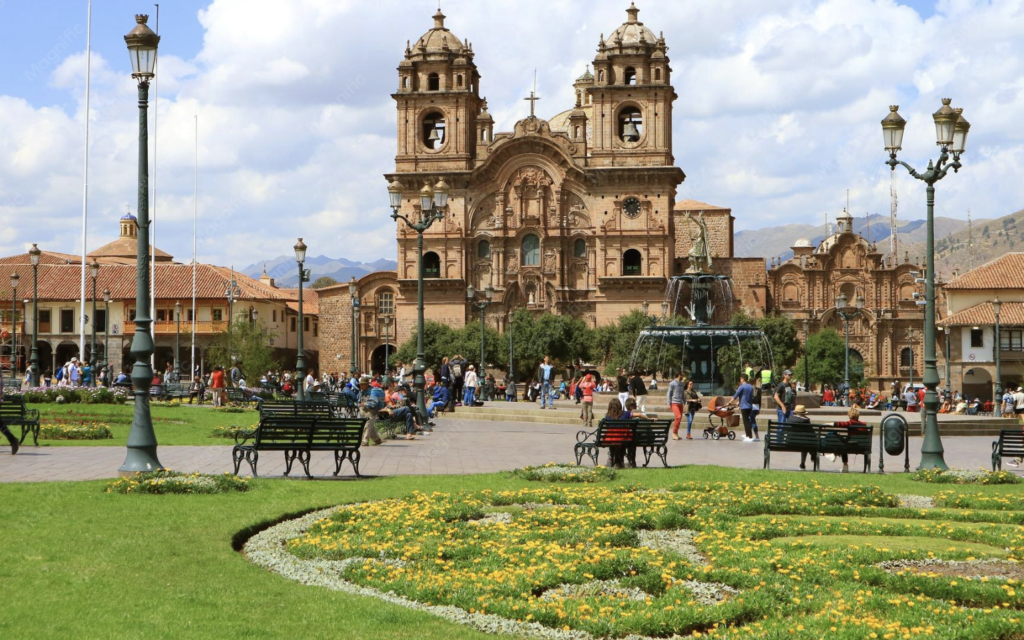
Cusco’s Plaza de Armas is the main square, dominated by the 16th-century Cathedral (built on the foundations of the Inca palace of Viracocha) and the Church of La Compania. The best photography is in the blue hour before sunrise — the illuminated cathedral facades against the deep blue pre-dawn sky create one of the most dramatic architectural photographs in South America. Use a tripod or GorillaPod on the plaza steps for a 15–30 second exposure at ISO 400, f/8.
During the day, shoot the narrow streets radiating from the plaza — particularly Hatunrumiyoc Street, where the famous 12-angled Inca stone is embedded in the wall of the Archbishop’s Palace. The stone is famous but the photography of it is challenging due to the narrow street and deep shadow — a midday overhead sun window or a wide-angle lens at f/4 for maximum depth of field at close range are the only options.
San Blas neighbourhood
San Blas is the artisan quarter of Cusco, uphill from the Plaza de Armas on steep cobblestone streets. The neighbourhood offers the best street photography in the city: workshops where woodcarvers and weavers work in open doorways, local residents carrying loads on tumplines up impractical slopes, and the occasional extraordinary light through a colonial courtyard gate. Early morning (6:00–8:00 AM) before the neighbourhood becomes a tourist walking circuit is the best window for genuine street photography here.
Lake Titicaca: Floating Islands, Dawn Light, and Uros Photography
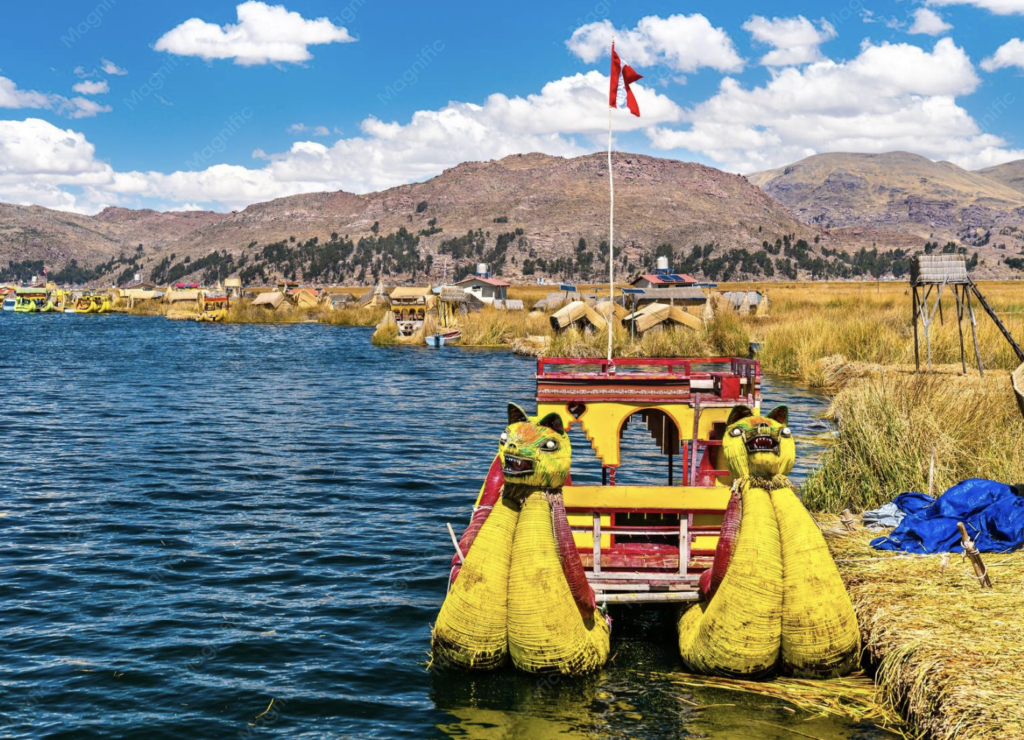
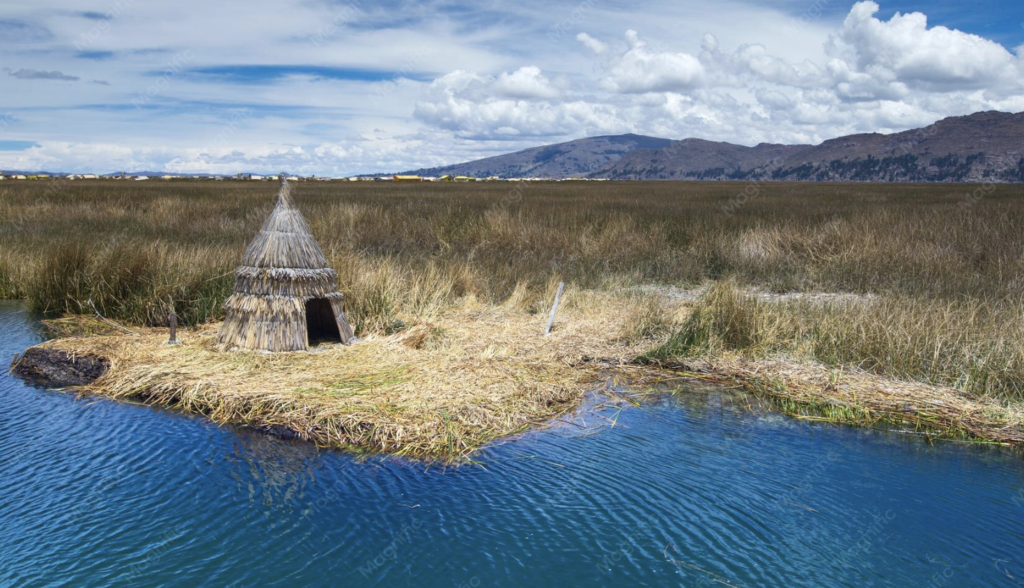
Lake Titicaca, straddling the Peru-Bolivia border at 3,812 metres, is the highest navigable lake in the world and home to the Uros — a people who live on floating islands made from the totora reed that grows in the shallows. The photography at Titicaca is unlike anything else in South America: the quality of light at this altitude and latitude (15 degrees south) has a clarity and colour temperature that is difficult to describe until you have shot a sunset from the lake surface.
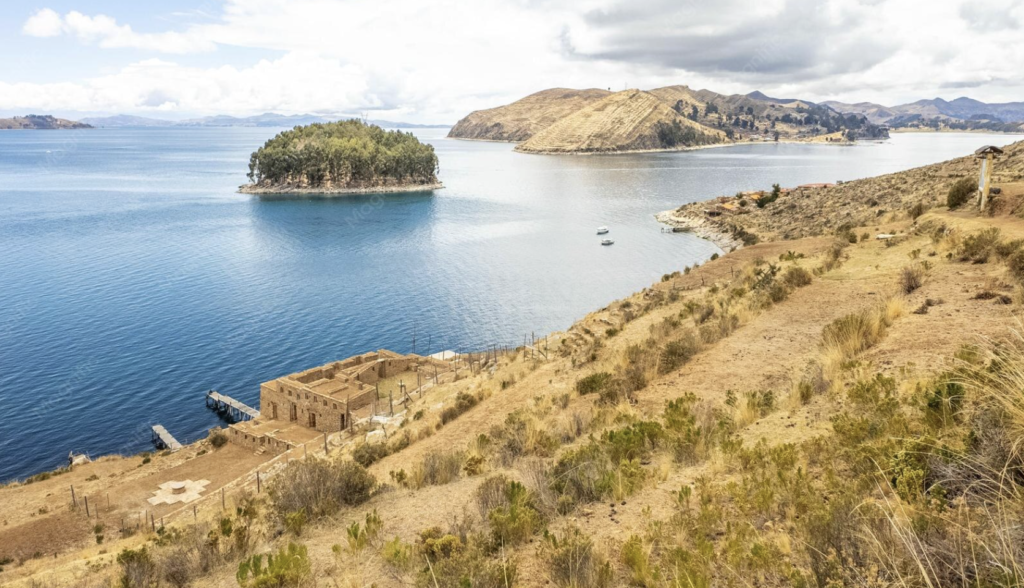
The Uros floating islands: The 90+ inhabited floating islands are accessible by boat from Puno’s port. Photography here requires cultural respect — the Uros have been photographed by millions of visitors and the interactions have become somewhat performative in the most-visited islands. Arrange a homestay on one of the more remote islands (feasible through community tourism operators in Puno) for genuine documentary photography access rather than the curated experience of the closest islands to the port.
Sunrise on the lake: From a boat on the lake surface at sunrise, the light is extraordinary — the thin atmosphere at 3,812 metres produces colour temperatures that are visibly warmer and more saturated than at sea level. A 50–85mm focal length captures individual Uros families on their islands with the lake surface as a mirror behind them. The calm conditions that produce mirror-flat water occur in the 30–60 minutes after sunrise before the wind builds — the same window as the best light.
Essential Photography Gear for Peru Beyond Machu Picchu
The photography locations in this guide span altitude ranges from 2,800 metres (Urubamba Valley floor) to 5,200 metres (Rainbow Mountain) and terrain from market streets to open altiplano. The gear list differs from the Machu Picchu-specific kit — you need weather protection, UV filtration, and comfortable carrying capacity for all-day shoots.
Planning a Peru Photography Itinerary: The Optimal Route
The logistics of photographing all the locations in this guide require sequencing that balances acclimatisation, travel distance, and light window priorities. The following framework covers the full Peru photography circuit in 14–18 days, starting from Lima and ending with the option to extend into Bolivia.
Days 1–2: Lima. Arrive, recover from the flight, photograph the Miraflores clifftop district at sunset and the Barranco bohemian neighbourhood in the late afternoon light. Lima sits at sea level — full oxygen, and a useful acclimatisation baseline before the altitude transition.
Days 3–5: Cusco acclimatisation. Arrive by flight from Lima (1 hour). Do not attempt significant physical activity for the first 48 hours. Photograph Cusco city during this period — the Plaza de Armas blue hour, San Blas morning streets, the Sacsayhuaman fortress overlooking the city. Short, flat shooting sessions while your blood oxygen adjusts to 3,400 metres.
Days 6–7: Sacred Valley circuit. Pisac ruins and Sunday market (Sunday only) or Pisac ruins plus Chinchero (any day). Afternoon: Moray circular terraces, then the back road to Maras salt pans for the late afternoon golden light shoot. Overnight in Ollantaytambo for the fortress sunrise the following morning.
Let’s continue with the other days …..
Days 8–9: Machu Picchu. Train from Ollantaytambo to Aguas Calientes. Afternoon arrival, scout the bus schedule and site layout. Day 2: pre-dawn entry, shoot sunrise, morning cloud, rest midday, afternoon re-entry for golden light. Return to Cusco by evening train.
Day 10: Rainbow Mountain. Requires dawn departure from Cusco at 4:30–5:00 AM. Full day — return to Cusco by 4:00 PM. This is the highest-altitude day of the itinerary — only attempt after 5+ days acclimatisation.
Days 11–13: Puno and Lake Titicaca. Bus or train from Cusco to Puno (6–7 hours through high altiplano). Lake Titicaca Uros islands, Taquile Island (higher altitude, magnificent views), sunset and sunrise on the lake. Extension option: cross into Bolivia by boat (the hydrofoil service to Copacabana crosses the lake directly).
Best Power Banks for Andes Trekking and South America 2026
Keep your camera charged across all 14+ days of a Peru photography itinerary — the complete power management guide for off-grid charging.
Altitude Sickness and Peru Photography: Protecting Your Shoot and Your Health
Altitude sickness is the most frequent cause of ruined Peru photography trips. A photographer who arrives in Cusco and immediately attempts a full day of shooting, then does Rainbow Mountain on day 2, is likely to experience acute mountain sickness — headache, nausea, dizziness, and fatigue — that prevents any effective photography and may require medical attention.
The acclimatisation protocol for Peru photographers: arrive in Cusco, rest for the first 24 hours, shoot only within 1 km of your accommodation on day 1. On day 2, a gentle walk to Sacsayhuaman (400 metres above Cusco) is acceptable if you feel good. On day 3, the Sacred Valley circuit is the right next step — the valley floor at 2,800 metres is lower than Cusco and provides relief while your body continues adjusting. Do not attempt Rainbow Mountain (5,200 metres) until day 5 at the earliest, and only if you feel genuinely well acclimatised.
Acetazolamide (Diamox) — a prescription medication that accelerates acclimatisation — is available in Cusco pharmacies without prescription and is widely used by both trekkers and photographers on short Peru itineraries. The standard dose is 125–250mg twice daily, starting 24 hours before ascending to altitude and continuing for 2 days at altitude. It has mild side effects (increased urination, tingling in extremities) and is contraindicated for sulfa drug allergies — consult a doctor before use.
Conclusion: Peru Is a Lifetime of Photography in One Country
Every serious travel photographer has a Peru trip they remember differently from all the others — not as a destination visited but as a sensory archive of light and altitude and colour that recalibrates what photography can do. The Sacred Valley at 6:00 AM before the tour buses arrive. Rainbow Mountain under a breaking cloud. The Urubamba River from the Sun Gate at the end of the Inca Trail. Cusco’s cathedral lit up at blue hour while the Andes disappear into darkness behind the skyline.
This is the country that produced the Incas, the highest navigable lake on Earth, one of the most famous archaeological sites in the world, and a geological accident at 5,200 metres that looks like a painting. No single trip covers it. Come back. Every return finds something the first visit missed.
The full Andes photography guide series at Uncover the Andes continues with Bolivia — Laguna Colorada flamingos, Milky Way at Salar de Uyuni, and the dry-season vs wet-season photographer’s guide. The Gear Lab Hub covers every piece of equipment that makes these photographs possible. Start planning. The light is waiting.
Best Base Layers for High-Altitude Andes Trekking 2026
From Rainbow Mountain at 5,200m to Lake Titicaca at 3,812m — the layering system that keeps you comfortable and shooting across Peru’s altitude range.