

Bolivia’s most famous postcards come from the Salar de Uyuni and La Paz, but two cities in between hold the key to understanding the country. Sucre, the whitewashed constitutional capital, is where Bolivia declared independence and where many travelers end up staying far longer than planned. Potosí, just three hours away and more than a kilometer higher, was once one of the richest cities on Earth thanks to the silver of the Cerro Rico, a mountain that still dominates the skyline and the lives of the miners who work inside it.
This guide explains how to plan both cities in 2026: what to see, whether the Potosí mine tour is right for you, how to handle the altitude, how to connect with Uyuni and La Paz, and what everything costs. If you are mapping out a longer Bolivia route, our complete Bolivia travel blueprint gives you the big picture.
Why Sucre and Potosí Belong on Your Bolivia Route
Geography makes these two cities a natural pair. Most overland routes between La Paz, the Salar de Uyuni and southern Bolivia pass through them, and together they show the two faces of colonial Bolivia: the elegant administrative capital and the mining city that paid for it.
- Two UNESCO World Heritage cities: Potosí was listed in 1987 and Sucre in 1991.
- History you can touch: the hall where independence was signed, a colonial mint, and a mountain that changed the world economy.
- A gentle altitude step: Sucre at about 2,810 meters is an easy place to acclimatize before higher destinations.
- Great value: comfortable guesthouses, cheap Spanish classes and some of the best food in Bolivia.
- Easy connections: direct buses to Uyuni, La Paz, Santa Cruz and Tupiza, plus flights from Sucre.
Sucre: Bolivia’s White City
Sucre is Bolivia’s constitutional capital and seat of the judiciary, while the government sits in La Paz. Its historic center is a grid of white colonial buildings with wooden balconies, red-tiled roofs and shady courtyards. The climate is mild year-round, the streets are calm and the city has a large student population, which gives it a relaxed, youthful energy.
Plaza 25 de Mayo and Casa de la Libertad
Start at the main square, where locals sit under palm trees and sellers offer salteñas, Bolivia’s juicy baked pastries, in the morning. On the plaza, the Casa de la Libertad is the most important historical building in the country: the Act of Independence was signed here in 1825. Guided visits explain the independence wars and display portraits of Simón Bolívar and Antonio José de Sucre, after whom the city is named.
La Recoleta viewpoint
Walk uphill from the center to the Plaza de la Recoleta, where a colonnaded mirador looks over the white rooftops. Sunset here is a local ritual. The neighboring Recoleta monastery has a peaceful cloister and a famous old cedar tree.
Parque Cretácico and the dinosaur tracks
A few kilometers from the center, the Cal Orck’o cement quarry revealed one of the largest collections of dinosaur footprints in the world, with thousands of tracks on a near-vertical limestone wall. The Parque Cretácico has life-size dinosaur models and a viewing platform. On certain days and times, guided walks go down closer to the wall; check the schedule in advance, because access rules change. A tourist bus, often called the Dino Truck, leaves from the plaza.
Mercado Central
The central market is the cheapest and most fun place to eat in Sucre. Upstairs stalls serve set lunches, and downstairs you will find fresh juices blended to order, fruit salads and local cheeses. It is also a great place to try chorizo chuquisaqueño, the region’s famous sausage.
Learn Spanish in Sucre
Sucre is one of the best places in South America to study Spanish. Private lessons and homestays are affordable, the accent is clear and the slow pace of life makes it easy to practice. Many travelers book a week of classes and stay for a month.
⌂ Where to stay
Colonial courtyards in the White City
Sucre’s best stays are restored colonial houses with quiet patios, minutes from the plaza. Compare prices and book with free cancellation on most rooms.
✓ Free cancellation on most rooms · ★ Verified guest reviews · ⌂ From budget to boutique
Day Trips from Sucre
Tarabuco Sunday market
About 65 kilometers east of Sucre, the town of Tarabuco hosts a famous Sunday market where Yampara communities arrive in traditional dress, including distinctive helmet-like hats. It is the best place in the region to buy hand-woven textiles directly from the weavers. Shared minibuses and tourist buses leave Sucre early on Sunday morning, and the trip takes around 1.5 to 2 hours each way. In March, the Pujllay festival turns the town into one of Bolivia’s most colorful celebrations.
Maragua crater and the Inca trail
The Cordillera de los Frailes northwest of Sucre offers excellent multi-day hiking. The classic route visits the Maragua crater, a giant red and purple bowl of folded rock, and passes through Jalq’a communities known for their striking red and black weavings filled with mythical animals. Go with a local guide or community tourism project, which helps the villages directly.
Seven Waterfalls
Las Siete Cascadas is a series of natural pools and waterfalls a short drive from the city, popular with locals on weekends. It is a good half-day option on a warm day, ideally with a guide because the trail is not well signposted.
Potosí: The Silver City at 4,090 Meters
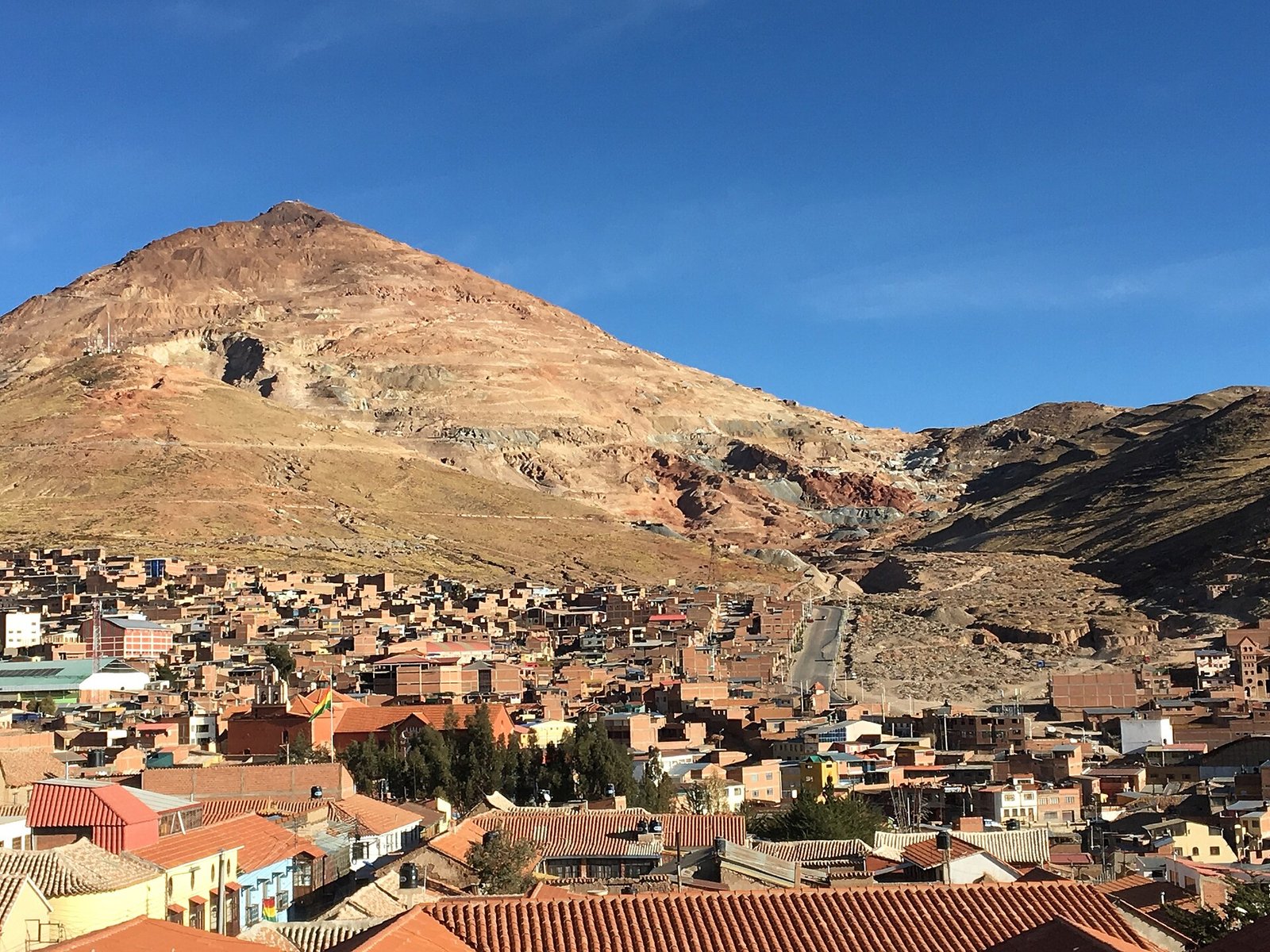
Potosí sits at about 4,090 meters, one of the highest cities of its size in the world. In the 16th and 17th centuries, silver from the Cerro Rico funded the Spanish Empire, and at its peak the city’s population rivaled that of London or Paris. Churches, mansions and a royal mint were built with that wealth. Today Potosí is a working mining city with a beautiful but worn historic center, and a visit here is as much about understanding Bolivia’s past and present as it is about sightseeing.
Casa Nacional de la Moneda
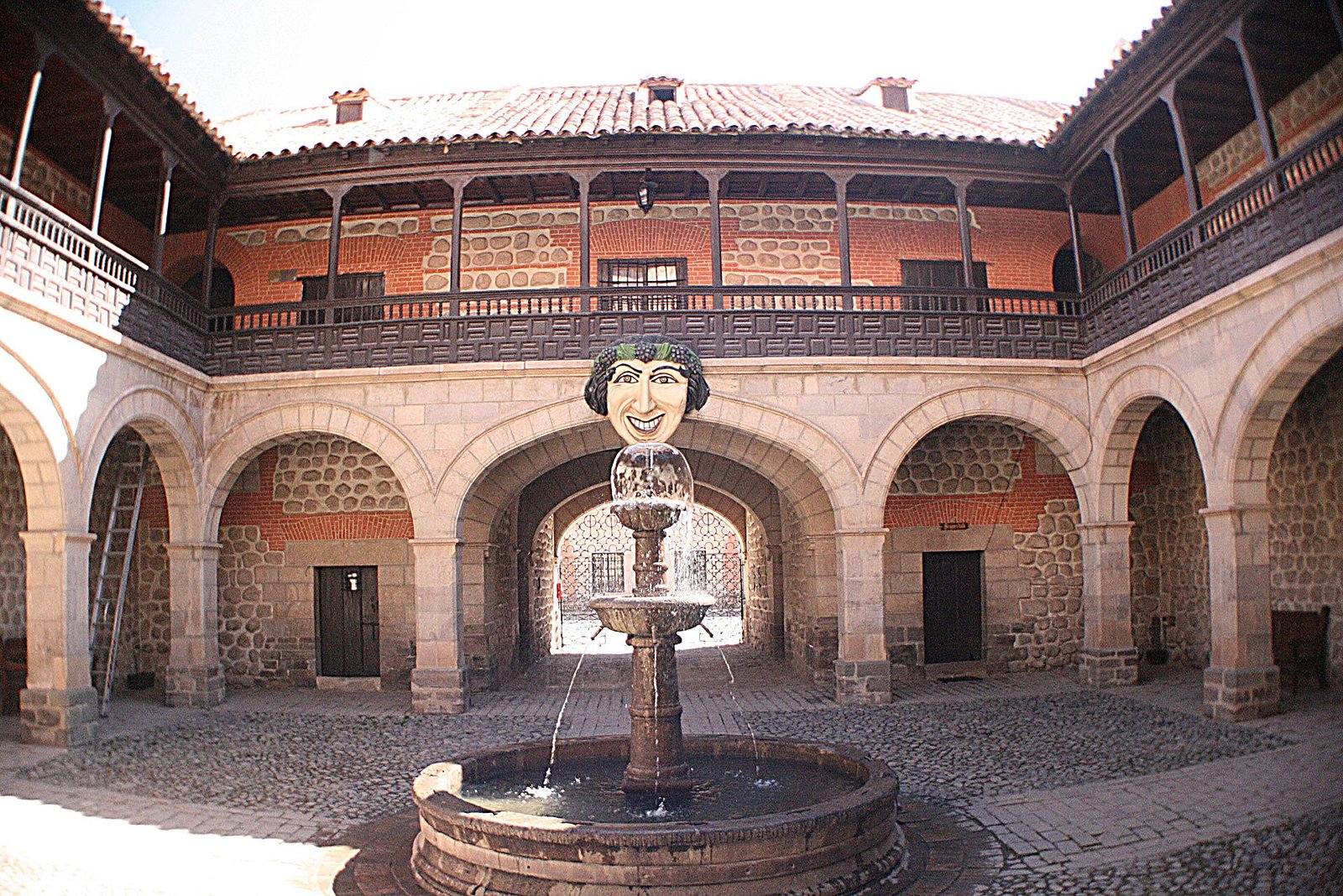
The national mint is one of the best museums in South America. Inside the massive 18th-century building you will see the wooden machinery once powered by mules to press silver into coins, colonial art, mineral collections and exhibits on the forced labor system known as the mita. Visits are by guided tour, which usually lasts around two hours, with English-language groups at set times. Expect an entry fee of roughly Bs 40 to 50 for foreign visitors, plus a small extra charge for photography.
Churches and viewpoints
The Convent of San Francisco and the Church of San Lorenzo, with its intricately carved stone façade in the mestizo baroque style, are highlights of the old town. Some churches let you climb to rooftop terraces with views of the city and the Cerro Rico.
Ojo del Inca hot lagoon
About 25 kilometers from Potosí, the Ojo del Inca is a round, naturally heated lagoon where you can swim in warm water surrounded by dry hills. It makes a relaxing half-day trip after the intensity of the mines and the city.
The Cerro Rico Mine Tour: What to Expect and Should You Go?
The Cerro Rico (rich mountain) still has thousands of active tunnels, worked mostly by cooperative miners who extract tin, zinc, lead and some remaining silver in harsh conditions. Tours led by former miners take visitors inside the working mine. For some travelers it is the most memorable experience in Bolivia; for others it feels uncomfortable. Both reactions are valid, so here is what you need to know.
How the tour works
- Duration: about 3 to 4 hours in total, including 1.5 to 2 hours underground.
- Price: roughly Bs 100 to 150 for Spanish-language groups and Bs 150 to 250 for English-language groups, depending on group size and operator.
- Included: protective clothing, boots, helmet, headlamp and transport.
- Miners’ market: most tours stop at a market where you buy gifts for the miners, such as coca leaves, soft drinks or work gloves, usually Bs 30 to 60.
- El Tío: inside the mine you will see a statue of El Tío, the spirit miners believe rules the underworld, receiving offerings of coca, alcohol and cigarettes.
Safety and ethics
This is an active mine with no proper ventilation, narrow tunnels, falling rock, dust and ore carts moving through the passages. It is not suitable for anyone with claustrophobia, asthma, heart or breathing conditions, or for travelers who are not yet acclimatized. Cover your mouth with a buff, wear the helmet properly and follow the guide’s instructions immediately.
On ethics, the best approach is to choose an operator run by former miners or a cooperative, keep groups small, ask permission before photographing anyone and remember that you are visiting people’s workplace. If that does not feel right to you, the Casa de la Moneda tells the same story from a safer distance. To weigh the region’s risks more broadly, read our honest guide to whether Bolivia is safe to travel.
★ Tours & experiences
Explore Bolivia with local guides
From Sucre city walks to day trips and multi-day routes to Uyuni, book tours with local guides and clear prices before you arrive.
✓ Free cancellation up to 24 h · ★ Real traveler reviews · ✓ Instant confirmation
Sucre vs Potosí: Comparison at a Glance
| Sucre | Potosí | |
|---|---|---|
| Altitude | About 2,810 m | About 4,090 m |
| Atmosphere | Calm, elegant, student city | Gritty, historic, mining city |
| Climate | Mild all year, warm days | Cold, especially at night |
| Days needed | 2 to 4 (more if studying Spanish) | 1 to 2 |
| Top sights | Casa de la Libertad, Recoleta, dinosaur tracks, Tarabuco | Casa de la Moneda, Cerro Rico, San Lorenzo church, Ojo del Inca |
| Best for | Relaxing, acclimatizing, food, culture | History, the mine experience, onward travel to Uyuni |
How to Get to Sucre and Potosí
By air
Sucre’s Alcantarí International Airport receives domestic flights from La Paz, Santa Cruz and Cochabamba, mainly with the state airline BoA. Flights take around 45 minutes to an hour and save a long overnight bus. Potosí has a small airport with limited service, so most people arrive by road.
By bus
- La Paz to Sucre: overnight buses take roughly 12 to 14 hours. Choose a cama (fully reclining) or semi-cama seat.
- Sucre to Potosí: about 3 hours by bus or shared minibus, usually under USD 10. Private taxis cost roughly USD 40 to 60 for the car.
- Potosí to Uyuni: about 3 to 4 hours on a paved road, around USD 7 to 15.
- Potosí to Tupiza or Villazón: buses continue south toward the Argentine border.
A popular loop is La Paz, then Uyuni (by bus or flight), a three-day salt flat tour, then Potosí and Sucre, before flying back to La Paz or on to Santa Cruz. Our Salar de Uyuni tours guide and La Paz travel guide cover the other stops.
✈ Cheap flights
Skip the overnight bus, fly to Sucre
Compare flights from La Paz and Santa Cruz to Sucre and international routes into Bolivia, and get price alerts when fares drop.
✓ All airlines compared · Free price alerts · ✓ No hidden booking fees
Altitude Tips for Sucre and Potosí
Sucre’s moderate altitude makes it one of the best places in Bolivia to acclimatize. Potosí is a different story: at over 4,000 meters, even walking uphill in the old town can leave you breathless, and going straight into the mine without adjusting is a bad idea.
- Spend at least two nights in Sucre before moving up to Potosí if you arrive from the lowlands.
- If you come from Uyuni or La Paz, you will already be acclimatized, which makes Potosí easier.
- Drink water constantly, keep alcohol to a minimum and try coca tea.
- Do the mine tour on your second day in Potosí, not on arrival.
- Ask a doctor about altitude medication before your trip.
Read our detailed guide on altitude sickness in the Andes for symptoms and prevention.
✓ Gear we recommend
A reusable dust mask for the Potosí mine
The air inside the Cerro Rico is full of dust. A comfortable reusable respirator or high-filtration mask gives much better protection than a scarf, and it is useful on dusty Uyuni tours as well.
As an Amazon Associate we earn from qualifying purchases.
Best Time to Visit Sucre and Potosí
| Season | Months | Conditions | Notes |
|---|---|---|---|
| Dry season | May to October | Sunny, clear, cold nights especially in Potosí | Best overall; coincides with Uyuni’s dry season |
| Shoulder | April and November | Mostly dry, fewer travelers | Very good value |
| Rainy season | December to March | Afternoon rain, greener landscapes | Some roads affected; Uyuni mirror effect season |
| Festivals | March and August | Pujllay in Tarabuco (March); Chutillos in Potosí (late August) | Book accommodation early |
How Much Does It Cost?
Bolivia is one of the most affordable countries in South America, and Sucre and Potosí are good value even by Bolivian standards. Note that Bolivia has had currency and fuel supply problems in recent years, so carry some US dollars in clean, undamaged notes and check the current exchange situation and ATM availability before you go.
| Item | Budget | Mid-range | Comfort |
|---|---|---|---|
| Accommodation (per night) | USD 8 to 15 (hostel) | USD 30 to 55 (guesthouse double) | USD 80+ (boutique colonial hotel) |
| Meals (per day) | USD 8 to 12 (market lunches) | USD 15 to 25 | USD 35+ |
| Sucre to Potosí transport | USD 5 to 10 (bus) | USD 10 to 15 (shared taxi) | USD 40 to 60 (private car) |
| Potosí mine tour | Bs 100 to 150 (Spanish group) | Bs 150 to 250 (English group) | Private tour, higher |
| Casa de la Moneda | About Bs 40 to 50 | About Bs 40 to 50 | Plus photo fee |
| Daily total | USD 25 to 40 | USD 50 to 90 | USD 140+ |
⚕ Travel insurance
High altitude, remote roads, real cover
Altitude illness and long road journeys are part of traveling in Bolivia. Get medical cover designed for long trips from about USD 1.60 per day.
✓ Covers 180+ countries · ⚕ Hospital and emergency care · Buy while traveling
Suggested 5-Day Sucre and Potosí Itinerary
- Day 1, Sucre: arrive, explore Plaza 25 de Mayo, visit Casa de la Libertad and watch sunset at La Recoleta.
- Day 2, Sucre: morning at the Parque Cretácico and the dinosaur tracks, afternoon at the Mercado Central and a free walking tour.
- Day 3, Tarabuco or trekking: if it is Sunday, visit the Tarabuco market; otherwise do a day hike in the Cordillera de los Frailes.
- Day 4, Potosí: morning bus to Potosí, guided tour of the Casa de la Moneda and a walk through the old town.
- Day 5, Potosí: Cerro Rico mine tour in the morning (or Ojo del Inca if you prefer), then an afternoon bus to Uyuni.
If you are coming from the Salar de Uyuni instead, reverse the route: Uyuni to Potosí, then Sucre, and fly out of Sucre.
Safety Tips
- Sucre is one of Bolivia’s safest cities; use normal precautions at night and around the bus terminal.
- In Potosí, take official taxis after dark and keep valuables close in crowded markets.
- Road blockades (bloqueos) happen in Bolivia; follow local news and stay flexible with travel days.
- Carry a copy of your passport and keep the original secure.
- Check entry requirements in our Bolivia visa requirements guide before you travel.
✓ Gear we recommend
A rechargeable headlamp
Mine tours provide headlamps, but your own light is handy for early buses, dark hostel rooms, power cuts and night walks in the Uyuni desert. Choose a USB-rechargeable model.
As an Amazon Associate we earn from qualifying purchases.
What to Pack
- Warm layers for Potosí nights, including a down jacket, hat and gloves.
- Clothes you do not mind getting dusty for the mine tour.
- Sunscreen, sunglasses and a hat for strong high-altitude sun.
- A refillable water bottle with a filter.
- Small change in bolivianos for markets, toilets and tips.
For a complete checklist, see our Bolivia packing list.
⚖ Flight delayed? Cancelled?
Claim up to USD 650
Long-haul flights into South America are often delayed or cancelled. If your trip involved an eligible route, you may be owed compensation. Check your flight in two minutes.
No win, no fee · ⚖ Millions of passengers helped · ✓ Free eligibility check
Frequently Asked Questions
Is Sucre the capital of Bolivia?
Sucre is Bolivia’s constitutional capital and the seat of the judiciary, while La Paz is the seat of government. Both are often described as capitals.
How many days do you need in Sucre and Potosí?
Plan two to four days in Sucre and one to two days in Potosí. Many travelers stay longer in Sucre to study Spanish or rest between higher-altitude destinations.
How much does the Potosí mine tour cost in 2026?
Expect roughly Bs 100 to 150 for a Spanish-language group and Bs 150 to 250 for an English-language group, plus Bs 30 to 60 for gifts for the miners.
Is the Potosí mine tour safe?
It carries real risks: dust, narrow tunnels, falling rock and high altitude. It is not suitable for people with claustrophobia, asthma, heart conditions or who are not acclimatized. Choose an experienced operator and follow the guide’s instructions.
How high is Potosí?
Potosí sits at about 4,090 meters above sea level, making it one of the highest cities of its size in the world.
How do I get from Sucre to Potosí?
Buses and shared minibuses take about three hours and cost under USD 10. A private taxi costs roughly USD 40 to 60 for the car.
Can I go from Potosí to Uyuni?
Yes. Buses connect Potosí and Uyuni in about three to four hours on a paved road, which makes Potosí a natural stop before or after a Salar de Uyuni tour.
When is the Tarabuco market?
The main Tarabuco market takes place on Sundays. The Pujllay festival, held in March, is the town’s biggest celebration.
Is Sucre safe for tourists?
Sucre is considered one of the safest cities in Bolivia. Take normal precautions at night, use registered taxis and keep an eye on belongings in markets and bus terminals.
What is the best time to visit Sucre and Potosí?
May to October is the dry season with clear skies and cold nights. It also lines up with the best time for a Salar de Uyuni tour.
Final Thoughts
Sucre and Potosí are the heart of Bolivia’s story. One shows you the elegance that silver built; the other shows you where that silver came from and what it still costs. Together they make a perfect two-stop section on any Bolivia itinerary, especially between La Paz and the Salar de Uyuni.
Book a colonial guesthouse in Sucre, give yourself time to adjust before Potosí, and decide on the mine tour with open eyes. For the rest of your route, our Peru and Bolivia overland itinerary and Death Road guide will help you plan the next steps.