
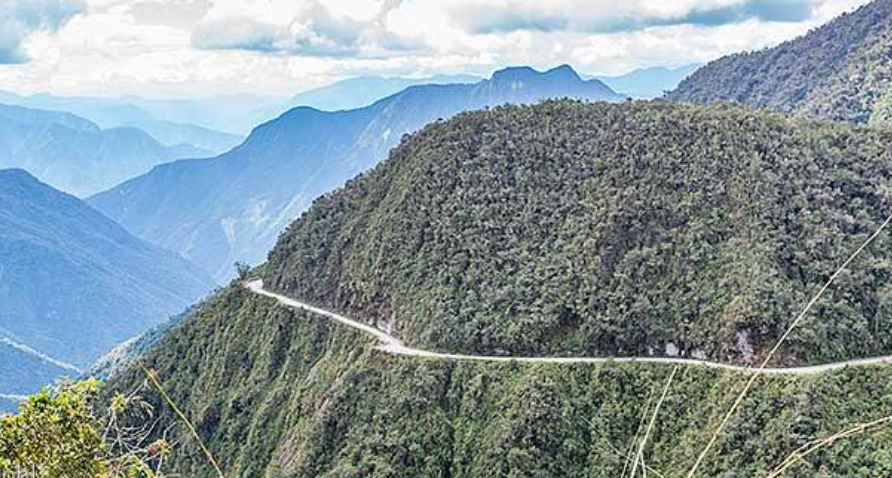
It has one of the most notorious names on the planet. The North Yungas Road, better known as the Death Road (Camino de la Muerte), clings to the side of the Andes northeast of La Paz, dropping from snowy passes to steamy jungle in a ribbon of gravel barely wide enough for one vehicle, with sheer drops of hundreds of meters on one side. For decades it was considered one of the most dangerous roads in the world for drivers. Today, thanks to a modern highway that carries most of the traffic, it has become one of the most famous mountain bike rides in South America.
Every year thousands of travelers ride down the Death Road on guided tours from La Paz. It is thrilling, beautiful and, with the right operator and common sense, much safer than its name suggests. This guide explains what the ride involves, how safe it really is in 2026, what tours cost, how to choose an operator, what to pack, and how to make the most of the day. If La Paz is part of your trip, start with our La Paz travel guide.
Death Road at a Glance
| Item | Details |
|---|---|
| Official name | North Yungas Road (Camino a los Yungas) |
| Start | La Cumbre pass, about 4,700 m, 1 hour from La Paz |
| End | Yolosa, near Coroico, about 1,200 m |
| Riding distance | About 64 km, mostly downhill |
| Vertical drop | About 3,500 m |
| Surface | First section asphalt, then gravel and dirt |
| Duration | Full day (around 6 am to 9 pm with transport) |
| Typical tour price | US$60–150 depending on operator and bike quality |
| Experience needed | Basic cycling ability; no technical mountain biking skills |
Why Is It Called the Death Road?
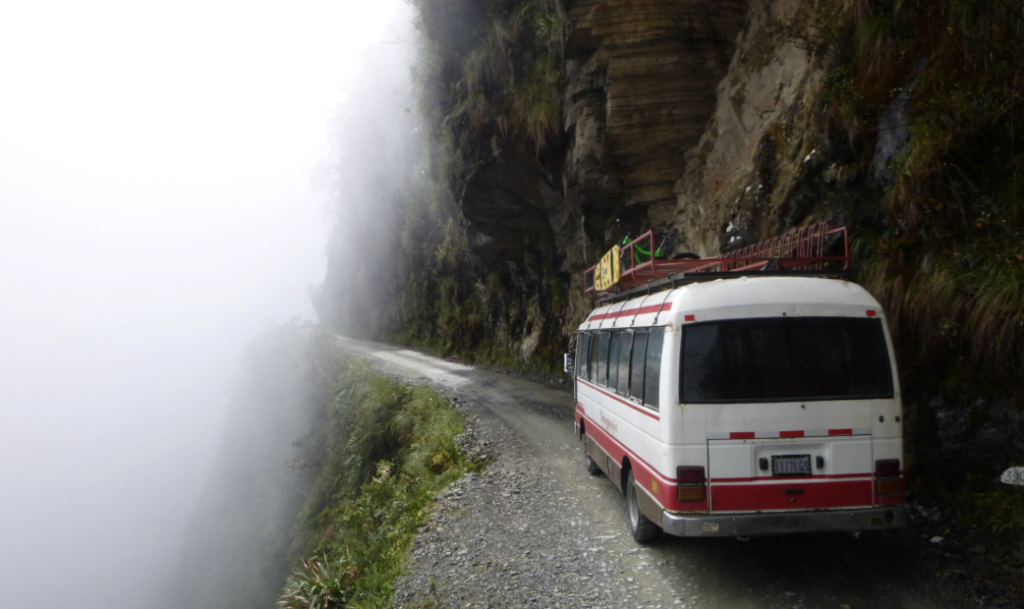
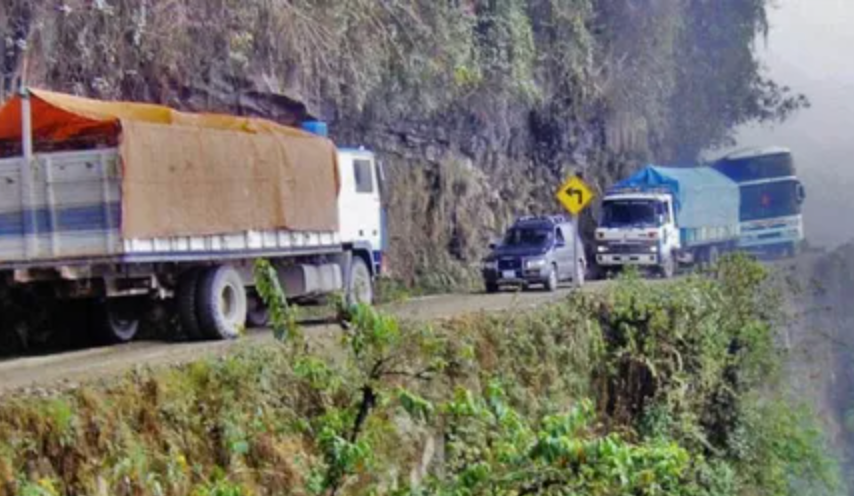
The road was built in the 1930s, partly by Paraguayan prisoners of war after the Chaco War, to connect La Paz with the Yungas region and the Amazon lowlands beyond. For decades it was the main route for trucks, buses and cars carrying people and produce between the capital and the tropical valleys. The road is narrow, unpaved for most of its length, frequently wrapped in fog and rain, and lined with sheer drops without guardrails. Waterfalls spill directly onto the track. Accidents were tragically common, and in the 1990s the road was labeled the most dangerous road in the world.
In 2006 a new paved highway opened on the other side of the valley, and most traffic moved there. Since then the old road has been used mainly by cyclists, tour support vans and a few local vehicles. The danger today comes mostly from riding mistakes rather than from traffic.
Is the Death Road Safe in 2026?
The honest answer: it is reasonably safe if you choose a good operator, ride within your limits and follow your guide’s instructions, but it is not risk-free. Accidents and occasional fatalities among cyclists have occurred over the years, usually caused by riding too fast, losing concentration, poorly maintained bikes or riding in bad weather.
Most of the ride is on a wide-enough gravel track, and you control your own speed. Nobody forces you to go fast, and guides stop the group frequently. Support vans follow behind, so you can stop riding at any time if you feel uncomfortable.
Main risks
- Excess speed: the most common cause of crashes, especially on loose gravel corners.
- Brake failure or poor bikes: cheap operators may use worn bikes with weak brakes.
- Weather: fog, rain and mud reduce visibility and grip, especially in the rainy season.
- Vehicles: a few cars and trucks still use the road; ride where your guide tells you.
- Overconfidence: riders who try to overtake or show off are the ones who crash.
Golden safety rules
- Choose an operator with high-quality, well-maintained full-suspension bikes and hydraulic disc brakes.
- Ride at your own pace, never race the person in front of you.
- Keep to the side of the road your guide tells you; on the Death Road, traffic traditionally keeps to the left so drivers can see the edge.
- Never stop or take photos on corners or at the edge.
- Get in the support van if you feel tired, scared or unwell.
- Do not ride with a hangover or after drinking alcohol.
For wider advice on staying safe in the country, read our honest guide to safety in Bolivia.
🛡 TRAVEL INSURANCE
Trek the Andes fully covered
Medical cover built for long trips and nomads, from about $1.60 per day. Sign up even if you are already on the road.
✓ 180+ countries · ⚕ Hospital & emergency cover · ⏱ Cancel anytime
What Happens on a Death Road Tour
Early morning: La Paz to La Cumbre
Pick-up from your hostel or a meeting point in La Paz is usually around 6:30–7:30 am. A one-hour drive takes you up to La Cumbre, a cold, windy pass at around 4,700 meters surrounded by snowy peaks and lagoons. Here you are fitted with your bike, helmet, gloves and protective clothing, given a safety briefing and asked to test the brakes. Many operators perform a small ceremony offering a splash of alcohol to Pachamama for a safe journey.
Section 1: The asphalt descent
The first part of the ride follows a paved road with fast, sweeping curves, giving you time to get used to the bike. It is cold and the views are huge. There is a short uphill section where most riders choose to use the van.
Section 2: The real Death Road
Then you turn onto the old gravel road. The landscape changes dramatically as you descend from high-altitude grasslands into cloud forest. You pass beneath waterfalls, across streams and along the famous cliff edges, stopping frequently for photos and explanations. Temperatures rise steadily as you go down; layers come off one by one.
Afternoon: Yolosa and lunch
The ride ends in the warm, humid valley at Yolosa, at around 1,200 meters. Most tours include a hot shower, a buffet lunch and time to relax at a hotel or animal sanctuary near Coroico. Some offer ziplining across the valley for an extra fee. In the late afternoon, the group returns to La Paz by van, usually via the new highway, arriving in the evening.
🎟 TOURS & ACTIVITIES
Book guided tours with local experts
Day trips, treks and experiences led by licensed guides, with free cancellation up to 24 hours before.
✓ Licensed guides · ★ 10M+ happy travelers · ↺ Free cancellation
Death Road Tour Prices in 2026
| Operator category | Typical price | Bikes | Notes |
|---|---|---|---|
| Budget | US$50–70 | Front suspension, sometimes older | Check brakes carefully; read reviews |
| Mid-range | US$80–110 | Full suspension, hydraulic disc brakes | Best value for most riders |
| Premium | US$110–150+ | High-end full suspension | Experienced guides, smaller groups, photos/video |
Prices usually include transport, bike and safety gear, guides, breakfast snacks, lunch, a shower and often a T-shirt and photos. The road entrance and community fees (a small amount in bolivianos) are sometimes extra. Ziplining and animal sanctuary visits cost extra. Tipping guides is appreciated.
How to Choose a Death Road Operator
This is the single most important decision. The difference in price between a cheap and a good operator is small compared with the difference in bike quality and safety culture.
- Inspect the bikes: ask what model they use and whether they have full suspension and hydraulic disc brakes.
- Check the guides: ask about first aid training and the guide-to-rider ratio.
- Read recent reviews: look for comments on equipment, safety briefings and how guides handled problems.
- Ask about safety equipment: full-face helmet, gloves, knee and elbow pads, jacket and trousers.
- Confirm the support vehicle: a van should follow the group with spare bikes, first aid kit and water.
- Confirm insurance: ask whether the company has insurance, and check your own travel insurance covers mountain biking.
Best Time to Ride the Death Road
| Season | Months | Conditions |
|---|---|---|
| Dry season | May – October | Best conditions, dusty, clearer views |
| Shoulder | April, November | Mixed, some showers |
| Rainy season | December – March | Mud, fog, landslide risk; more caution needed |
Tours run all year, but the dry season is clearly the best time. Even then, the top of the ride can be freezing and foggy, while the bottom is hot and humid.
🏨 WHERE TO STAY
Book your stay with free cancellation
Hostels, boutique hotels and Andean lodges with verified guest reviews and flexible bookings in case your plans change.
✓ No booking fees · ★ 28M+ listings · ↺ Free cancellation on most stays
What to Wear and Pack
Operators provide the main protective gear, but you need the right clothes underneath for a day that goes from freezing to tropical.
- Thermal base layer and a warm fleece for the start.
- Comfortable trousers or leggings (shorts underneath for the end).
- Closed-toe sports shoes with good grip.
- Sunglasses and sunscreen.
- Insect repellent for the lower section.
- Swimsuit and towel for the shower at the end, plus a change of clothes.
- Cash for fees, drinks, ziplining and tips.
- Small camera or action camera with a chest or helmet mount (if allowed by the operator).
🛒 GEAR PICK ON AMAZON
Action camera with chest mount
Most riders want to film the Death Road. An action camera on a chest mount captures the ride hands-free, so you can keep both hands on the brakes.
Altitude and Acclimatization
The ride starts at about 4,700 meters, higher than anywhere on the classic Inca Trail. If you have just arrived in La Paz, wait at least two or three days before riding. Feeling dizzy or breathless at the top is a warning sign; tell your guide. Fortunately, the descent itself helps, since you lose altitude quickly. Read our guide to preventing altitude sickness before you go.
Staying in Coroico Instead of Returning to La Paz
Instead of returning to La Paz the same day, consider staying in Coroico, a pretty hillside town in the Yungas with warm weather, coffee and coca plantations, swimming pools and hikes to waterfalls. Most operators can drop you there and you can return to La Paz by minibus a day or two later. It is a perfect way to recover after the ride.
✈ FIND CHEAP FLIGHTS
Fly to South America for less
Compare hundreds of airlines and booking sites at once and grab the lowest fare for your dates — including budget domestic hops between Andean cities.
✓ Free to use · 🌍 100M+ travelers monthly · 🔔 Price alerts
Other Adventures Around La Paz
If the Death Road gives you a taste for adrenaline, La Paz has plenty more. Climb Huayna Potosí (6,088 m), often called one of the most accessible 6,000-meter peaks in the world, on a two- or three-day guided expedition. Hike in the Cordillera Real, visit Chacaltaya and the Valle de la Luna, or take a day trip to the pre-Inca ruins of Tiwanaku. Lake Titicaca and Copacabana are just a few hours away; read our Copacabana travel guide. For the classic Bolivian highlight, combine La Paz with a Salar de Uyuni tour.
For a complete country overview, read our definitive Bolivia travel blueprint, check the Bolivia visa requirements and use our Bolivia packing list.
Death Road vs Other Bike Rides in the Andes
| Ride | Country | Difficulty | Highlights |
|---|---|---|---|
| Death Road | Bolivia | Easy–moderate (non-technical) | 3,500 m drop, cliffs, waterfalls |
| Inca Jungle downhill | Peru | Easy | Paved descent from Abra Málaga to the jungle |
| Ruta de las Cascadas | Ecuador | Easy | Waterfalls from Baños towards the Amazon |
| Cotopaxi downhill | Ecuador | Moderate | Volcano slopes, high páramo |
| Circuito Chico | Argentina | Easy–moderate | Lakes and forests near Bariloche |
Read our guides to Inca Trail alternatives (including the Inca Jungle Trek), the Quilotoa Loop and Baños, and Bariloche and the Seven Lakes Route.
Common Mistakes to Avoid
- Choosing the cheapest tour without checking the bikes. Brakes matter more than anything else.
- Riding on your first day in La Paz. Acclimatize first.
- Going too fast. The road rewards patience; there is nothing to win.
- Not bringing warm layers. The top is freezing even on sunny days.
- Forgetting cash. Fees, drinks and tips are paid in bolivianos.
A Brief Guide to the Yungas Region
The Death Road is more than an adrenaline ride; it is also a journey into one of Bolivia’s most fascinating regions. The Yungas are the steep, forested valleys on the eastern slopes of the Andes, where the mountains drop towards the Amazon basin. Within a few hours you pass through several distinct ecosystems: the high puna grasslands near La Cumbre, with llamas and glacial lakes; the cloud forest, constantly wrapped in mist and dripping with mosses, ferns and orchids; and finally the warm, humid subtropical valleys, where farmers grow coffee, citrus, bananas and coca on terraced hillsides.
The region is also home to Afro-Bolivian communities, descendants of enslaved Africans brought to work in the colonial mines and later in the haciendas of the Yungas. Towns such as Tocaña, near Coroico, keep alive the saya, a traditional music and dance that has become an important part of Bolivian culture. If you stay in Coroico for a day or two, ask locally about visiting these communities respectfully.
Birdwatchers will also find the Yungas rewarding. Hundreds of species live along the road, including colorful tanagers, hummingbirds and, with luck, the Andean cock-of-the-rock. Some of the animal sanctuaries near Yolosa rescue monkeys, birds and other wildlife affected by trafficking, and visits help fund their work.
Tips for Riding Well on the Day
- Test your bike at the start. Check both brakes, the seat height and the suspension before leaving La Cumbre. Ask for adjustments if anything feels wrong.
- Use both brakes gently. Squeeze the rear brake more on loose gravel and avoid locking the front wheel.
- Stand on the pedals on rough sections. Keep your knees and elbows slightly bent to absorb bumps.
- Look ahead, not at the edge. Your bike goes where your eyes look; focus on the line you want to ride.
- Keep a safe distance. Leave several bike lengths between you and the rider in front, especially in dust or rain.
- Drink and eat at every stop. Concentration drops when you are tired or dehydrated.
- Take off layers gradually. It gets hot quickly as you descend; overheating also affects your focus.
Travel Insurance for the Death Road
Many standard travel insurance policies exclude mountain biking or adventure sports, or only cover them with an add-on. Before booking, read your policy carefully and confirm that downhill mountain biking at altitude is covered, including medical evacuation. If it is not, consider upgrading your policy or choosing an insurer that includes adventure activities. Our guide to the best travel insurance for South America compares the main options for travelers in the Andes.
Booking: Online in Advance or in La Paz?
You can book a Death Road tour online before your trip or walk into agencies along Calle Sagárnaga and the surrounding streets in La Paz. Booking in advance guarantees a spot with your preferred operator, which matters in July and August and on weekends, when the best companies fill up. Booking locally lets you see the bikes in person, compare prices and choose a date once you know you are well acclimatized. If you book locally, do it at least a day ahead, since tours leave early in the morning.
Whichever you choose, avoid buying the cheapest option offered by a hostel desk without knowing which company actually runs the tour; some sell seats on budget operators at a markup. Ask for the operator’s name and check its reviews first.
Is the Death Road Worth It?
For most travelers, yes. Even riders who are nervous at the start usually finish with a huge smile. The scenery is spectacular, the sense of achievement is real, and it is one of those rare experiences that combines nature, history and adrenaline in a single day. If you are not comfortable on a bike, you can still enjoy the views from the support van or visit the Yungas by road and stay in Coroico.
Frequently Asked Questions
Is the Death Road in Bolivia still dangerous?
It is far less dangerous than it used to be, because most vehicle traffic now uses a modern highway. With a good operator, well-maintained bikes and careful riding, the risk is low, but accidents can still happen, mostly from excess speed.
How much does a Death Road tour cost in 2026?
Tours typically cost US$50–70 with budget operators, US$80–110 for mid-range operators with full-suspension bikes, and US$110–150 or more for premium operators.
How long is the Death Road bike ride?
The ride covers about 64 km, descending around 3,500 meters from La Cumbre (about 4,700 m) to Yolosa (about 1,200 m). With transport, the tour takes a full day.
Do I need mountain biking experience?
No technical experience is needed. You should be comfortable riding a bike and using brakes. The ride is mostly downhill on gravel, and you can go at your own pace.
When is the best time to bike the Death Road?
May to October, the dry season, offers the best conditions. In the rainy season (December to March) there is more mud, fog and landslide risk.
Can I stop riding if I get scared?
Yes. A support van follows every group, and you can get in at any point.
What should I wear on the Death Road?
Wear warm layers for the cold start, comfortable trousers, closed sports shoes and sunglasses. Operators provide helmet, gloves, pads and protective jacket and trousers. Bring a change of clothes and a swimsuit.
Is the Death Road ride suitable for beginners?
Yes, for beginners who can ride a bike confidently and follow instructions. Choose a reputable operator and ride slowly.
Will I get altitude sickness on the Death Road?
The ride starts at about 4,700 meters, so you should acclimatize in La Paz for at least two or three days. The descent quickly brings you to lower altitudes.
Can I stay in Coroico after the Death Road?
Yes. Most operators can drop you in Coroico, a relaxing town in the Yungas, and you can return to La Paz by minibus later.
Conclusion: Ride It Smart
Biking the Death Road is one of the great adventures of South America: a dramatic descent from the snowy high Andes to the tropical Yungas, with waterfalls, cliffs and views you will never forget. Its reputation is fearsome, but with a well-chosen operator, a good bike and a sensible pace, it is an exhilarating day out rather than a gamble. Acclimatize in La Paz, check your insurance, ride within your limits and enjoy every curve.
Continue planning with our La Paz travel guide, our Bolivia travel blueprint and our Peru and Bolivia 10-day overland itinerary.