

One month is the sweet spot for a first backpacking trip through South America. It is long enough to cross several countries, hike in the high Andes, see Machu Picchu, sleep on Lake Titicaca and drive across the Uyuni salt flat, but short enough to fit into a career break, a long vacation or a gap between jobs. The challenge is that South America is huge, distances are long, and many first-time travelers try to cover far too much ground.
This guide gives you a realistic 30-day Andes itinerary through Ecuador, Peru, Bolivia and northern Chile, built around overland travel with a couple of strategic flights. You will find a day-by-day route, transport times, a daily budget for each country, the real total cost, and practical advice on safety, altitude, insurance and money. Everything is updated for 2026. Before you start, read our list of things to know before traveling the Andes.
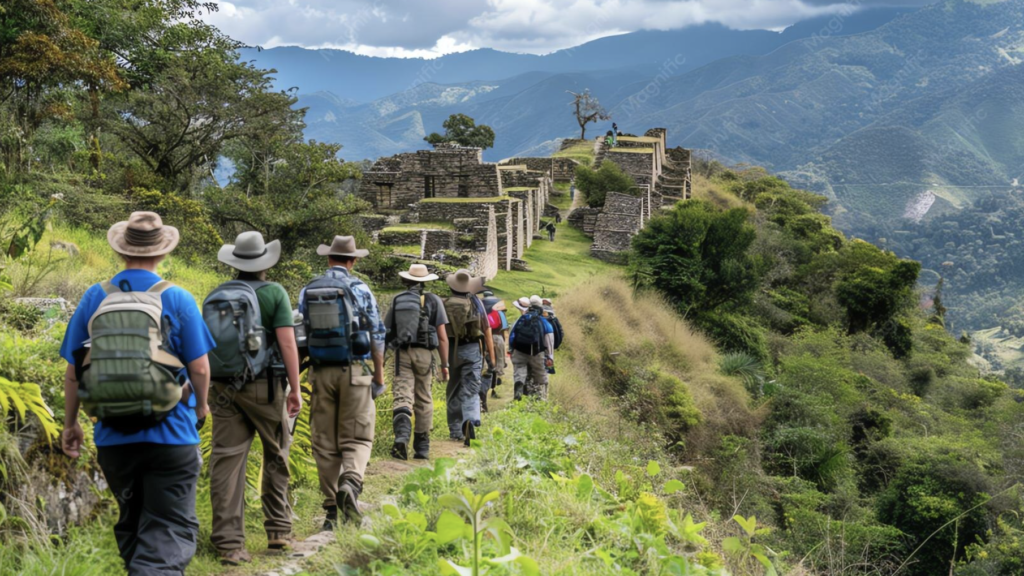
The Route at a Glance
| Days | Destination | Country | Highlights |
|---|---|---|---|
| 1–3 | Quito | Ecuador | Colonial center, TelefériQo, Middle of the World |
| 4–7 | Quilotoa Loop + Baños | Ecuador | Crater lake hike, waterfalls, hot springs |
| 8–9 | Lima | Peru | Food capital of South America, Barranco |
| 10–11 | Huacachina + Paracas | Peru | Sand dunes, Ballestas Islands |
| 12–14 | Arequipa + Colca Canyon | Peru | White City, condors, canyon trek |
| 15–20 | Cusco, Sacred Valley, Machu Picchu | Peru | Inca capital, trek, Rainbow Mountain |
| 21–22 | Puno + Lake Titicaca | Peru | Uros, Amantaní homestay |
| 23–24 | Copacabana + Isla del Sol | Bolivia | Inca ruins on the lake |
| 25–26 | La Paz | Bolivia | Cable cars, Witches’ Market, Death Road |
| 27–29 | Uyuni salt flat tour | Bolivia | Salar, lagoons, flamingos, geysers |
| 30 | San Pedro de Atacama | Chile | Desert, stargazing; fly home from Calama/Santiago |
The route runs north to south, which helps with altitude: you start at 2,850 meters in Quito, drop to sea level on the Peruvian coast, then climb gradually through Arequipa (2,335 m), Cusco (3,400 m), Puno (3,830 m) and La Paz (around 3,600 m) before the highest point of the trip on the Uyuni tour, where passes exceed 4,500 meters.
Daily Budget by Country (2026)
These figures are for a typical backpacker staying in hostel dorms, eating mostly local food with occasional restaurant meals, using buses and doing the main paid activities. They exclude big-ticket items like Machu Picchu and the Uyuni tour, which are budgeted separately below.
| Country | Budget backpacker / day | Comfortable / day | Notes |
|---|---|---|---|
| Ecuador | US$35–45 | US$70–100 | Uses the US dollar; cheap buses |
| Peru | US$35–50 | US$70–110 | Cusco and Machu Picchu push costs up |
| Bolivia | US$25–35 | US$50–80 | Cheapest country in the region |
| Chile | US$55–75 | US$100–150 | Most expensive; San Pedro tours add up |
For more detail on Peru specifically, read how much it costs to travel the Peruvian Andes.
Week 1: Ecuador (Days 1–7)
Days 1–3: Quito
Fly into Quito and spend your first days acclimatizing at 2,850 meters. Explore the colonial old town, one of the best-preserved in Latin America, ride the TelefériQo cable car up the slopes of Pichincha volcano, visit the Basílica del Voto Nacional and take a half-day trip to the Mitad del Mundo equator monument. If you have an extra day, the Saturday market in Otavalo is a classic excursion. Our Quito travel guide covers neighborhoods, safety and food.
Days 4–7: Quilotoa Loop and Baños
Take a bus to Latacunga and hike the Quilotoa Loop over three days, walking from village to village and finishing at the emerald crater lake. Then head to Baños for waterfalls, hot springs, the Casa del Árbol swing and adventure sports. Full details are in our Quilotoa Loop and Baños guide.
Getting from Ecuador to Peru
The overland journey from Ecuador to Lima is very long (more than 30 hours with border crossings). On a one-month itinerary, the smart move is to fly from Quito or Guayaquil to Lima. Budget airlines and regional carriers often have fares under US$150 if you book a few weeks ahead.
✈ FIND CHEAP FLIGHTS
Fly to South America for less
Compare hundreds of airlines and booking sites at once and grab the lowest fare for your dates — including budget domestic hops between Andean cities.
✓ Free to use · 🌍 100M+ travelers monthly · 🔔 Price alerts
Week 2: Peruvian Coast and Arequipa (Days 8–14)
Days 8–9: Lima
Lima is the best food city in South America. Stay in Miraflores or Barranco, eat ceviche for lunch, take a food tour, walk the clifftop malecón and explore the historic center. Read our Lima travel guide for neighborhoods, food and safety.
Days 10–11: Paracas and Huacachina
Take a bus south to Paracas for a morning boat trip to the Ballestas Islands, then continue to the desert oasis of Huacachina for dune buggies and sandboarding at sunset. Many backpackers use hop-on hop-off bus services designed for this stretch of coast, which handle hostel pick-ups and stops.
Days 12–14: Arequipa and Colca Canyon
Take an overnight bus to Arequipa, the elegant White City. Spend a day exploring the Santa Catalina Monastery and eating rocoto relleno, then do a two-day tour or trek in the Colca Canyon to watch condors soaring at Cruz del Cóndor. See our Arequipa and Colca Canyon guide.
Week 3: Cusco, Machu Picchu and Lake Titicaca (Days 15–22)
Days 15–20: Cusco, the Sacred Valley and Machu Picchu
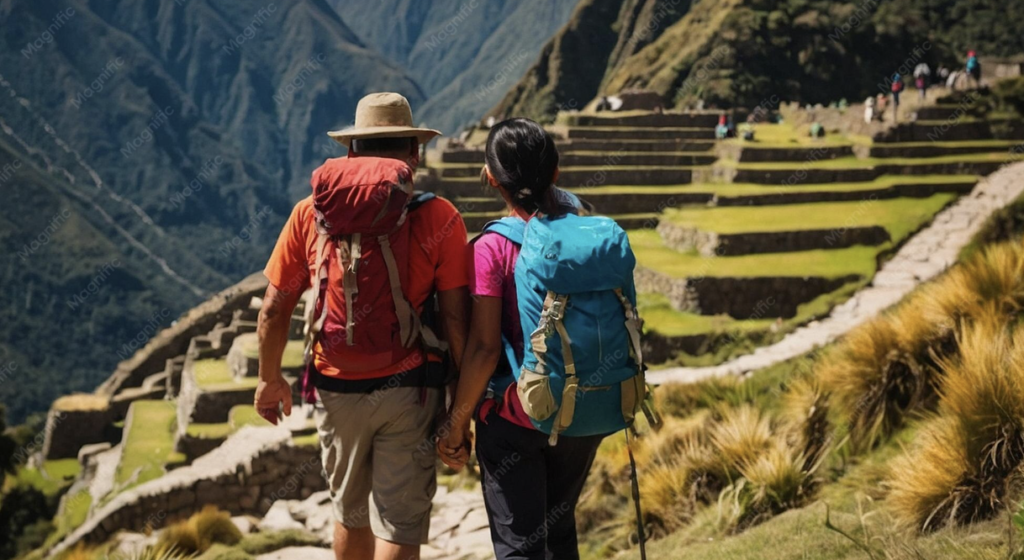
Bus from Arequipa to Cusco (9–11 hours) and give yourself a full day to acclimatize. Then choose your Machu Picchu adventure. The classic Inca Trail requires booking months ahead; most backpackers do the Salkantay or Inca Jungle trek instead, which can be booked in Cusco a few days ahead. Read our guide to Inca Trail alternatives. Add a day trip to Rainbow Mountain, comparing the options in our Vinicunca vs Palccoyo guide, and a day in the Sacred Valley visiting Pisac and Ollantaytambo.
Check the 2026 Machu Picchu entry rules before booking, and read our Cusco travel guide for everything else.
Days 21–22: Puno and Lake Titicaca
Take the bus to Puno and do a two-day island tour with a homestay on Amantaní. It is one of the most memorable cultural experiences in the Andes. See our guide to Lake Titicaca from Puno.
🎟 TOURS & ACTIVITIES
Book guided tours with local experts
Day trips, treks and experiences led by licensed guides, with free cancellation up to 24 hours before.
✓ Licensed guides · ★ 10M+ happy travelers · ↺ Free cancellation
Week 4: Bolivia and Chile (Days 23–30)
Days 23–24: Copacabana and Isla del Sol
Cross the border into Bolivia and stay in the lakeside town of Copacabana. Take a boat to Isla del Sol, the mythical birthplace of the Inca sun god, and hike between its villages and ruins. Read our Copacabana travel guide. Check the Bolivia visa requirements before crossing; some nationalities need a visa obtained in advance or at the border.
Days 25–26: La Paz
Bolivia’s seat of government is one of the most dramatic cities on Earth, filling a canyon below snow-capped Illimani. Ride the Mi Teleférico cable car network, explore the Witches’ Market, watch the cholita wrestling and, if you dare, mountain bike the infamous Death Road. Read our La Paz travel guide and our Death Road guide.
Days 27–29: Uyuni salt flat tour
Take an overnight bus or a short flight to Uyuni and join a three-day tour across the Salar de Uyuni, the largest salt flat in the world, continuing through the colored lagoons, flamingos and geysers of the Eduardo Avaroa reserve. Many tours finish at the Chilean border, where you can transfer directly to San Pedro de Atacama. Compare the options in our guide to Uyuni tours: 1-day vs 3-day.
Day 30: San Pedro de Atacama
End your trip in the Atacama Desert, one of the driest places on Earth and one of the best places in the world for stargazing. From San Pedro, buses go to Calama airport, with flights to Santiago and international connections home.
Big-Ticket Costs
| Item | Typical cost (2026) |
|---|---|
| Flight Quito → Lima | US$90–200 |
| Colca Canyon 2-day tour or trek | US$45–120 |
| Salkantay or Inca Jungle trek with Machu Picchu | US$250–800 |
| Rainbow Mountain day tour | US$30–70 |
| Lake Titicaca 2-day homestay tour | US$45–90 |
| Death Road bike tour | US$60–120 |
| Uyuni 3-day tour | US$170–300 |
| Flight Calama → Santiago | US$50–150 |
The Real Total: How Much Does One Month Cost?
| Category | Budget backpacker | Comfortable traveler |
|---|---|---|
| Accommodation (30 nights) | US$400 | US$1,200 |
| Food and drinks | US$400 | US$900 |
| Buses and local transport | US$250 | US$400 |
| Regional flights (Quito–Lima, Calama–Santiago) | US$180 | US$350 |
| Tours, treks and entrance fees | US$700 | US$1,400 |
| Travel insurance | US$50–100 | US$100–200 |
| Extras (SIM, laundry, souvenirs) | US$100 | US$250 |
| Total (excluding international flights) | ~US$2,100–2,200 | ~US$4,600–4,700 |
International flights to Quito and home from Santiago vary hugely by origin and season; from North America or Europe, budget roughly US$700–1,500 for an open-jaw ticket.
🏨 WHERE TO STAY
Book your stay with free cancellation
Hostels, boutique hotels and Andean lodges with verified guest reviews and flexible bookings in case your plans change.
✓ No booking fees · ★ 28M+ listings · ↺ Free cancellation on most stays
Transport Between Destinations
| Route | Mode | Time | Approx. cost |
|---|---|---|---|
| Quito → Latacunga | Bus | 2 h | US$3 |
| Baños → Quito | Bus | 3.5 h | US$6 |
| Quito → Lima | Flight | 2 h | US$90–200 |
| Lima → Paracas / Huacachina | Bus | 3.5–5 h | US$15–30 |
| Huacachina → Arequipa | Night bus | 12 h | US$25–45 |
| Arequipa → Cusco | Bus | 9–11 h | US$20–45 |
| Cusco → Puno | Bus | 6–7 h | US$15–30 |
| Puno → Copacabana | Bus + border | 3–4 h | US$10–15 |
| Copacabana → La Paz | Bus + ferry crossing | 3.5–4 h | US$5–10 |
| La Paz → Uyuni | Night bus / flight | 10 h / 1 h | US$20–35 / US$80–150 |
| Uyuni tour → San Pedro | Transfer at end of tour | Included in many tours | Small transfer fee |
Altitude: The Biggest Challenge
Almost the entire route is above 2,500 meters, and parts of it climb above 4,500 meters. Altitude sickness is the most common health problem for backpackers in the Andes, and it can ruin several days of a trip if you ignore it. The north-to-south route helps, but you should still build rest days into your plan, drink plenty of water, avoid heavy drinking on arrival in high cities, and talk to a doctor about medication before you leave. Read our detailed guide to altitude sickness in the Andes.
🛡 TRAVEL INSURANCE
Trek the Andes fully covered
Medical cover built for long trips and nomads, from about $1.60 per day. Sign up even if you are already on the road.
✓ 180+ countries · ⚕ Hospital & emergency cover · ⏱ Cancel anytime
Safety Tips for Backpacking the Andes
The Andean countries are visited by millions of travelers every year, and most trips are trouble-free. The main risks are petty theft, phone snatching, scams at bus terminals and occasional express kidnappings involving unlicensed taxis in big cities. Follow a few simple rules:
- Use ride-hailing apps or official taxis, especially at night and from bus terminals.
- Keep your phone and wallet out of sight on the street and in markets.
- Never leave bags under bus seats or in overhead racks out of sight; keep valuables on your lap.
- Use ATMs inside banks or shopping centers during the day.
- Carry a copy of your passport and leave the original in the hostel locker.
- Follow local news on protests and road blockades, which are common in Peru and Bolivia.
We have honest, country-by-country safety guides for Ecuador, Peru, Bolivia and Colombia.
Visas and Entry Requirements
Most travelers from North America, Europe and Australia can enter Ecuador, Peru and Chile visa-free for tourism. Bolivia is different: some nationalities need a visa, which may need to be arranged in advance. Requirements change, so check the latest rules for your passport. Our guides to visa requirements for the Andean countries, Peru entry requirements and Bolivia visa requirements are a good starting point. Some areas, especially in the Amazon, recommend yellow fever vaccination; see our yellow fever vaccine guide.
What to Pack for a Month in the Andes
You will experience everything from tropical heat to freezing nights on the Uyuni tour, so the key is layering. Keep your backpack light; you will be carrying it on and off buses every few days.
- A 40–50 liter backpack plus a small day pack.
- Thermal base layers, a fleece and a packable down jacket.
- Waterproof shell jacket.
- Comfortable hiking shoes or boots, plus sandals.
- Warm hat, gloves and buff.
- Sun hat, sunglasses and high-SPF sunscreen.
- Headlamp, power bank and universal adapter.
- Reusable water bottle with a filter.
- Basic first aid kit, rehydration salts and personal medication.
- Padlock for hostel lockers.
Our best travel backpacks for South America guide, our Bolivia packing list and our best power banks guide will help you pick the right kit.
🛒 GEAR PICK ON AMAZON
Packing cubes set
Moving every two or three days is much easier when your backpack is organized. A set of compression packing cubes keeps warm layers, hiking clothes and city clothes separate.
Money-Saving Tips
- Eat the set lunch (menú del día or almuerzo) in local restaurants: soup, main and drink for US$3–6.
- Book treks and tours locally rather than online when you have flexibility, especially outside high season.
- Travel by night bus to save a night of accommodation on long routes.
- Withdraw larger amounts less often to reduce ATM fees, and use a card with no foreign transaction fees.
- Buy a local SIM or a regional eSIM instead of roaming. Compare options in our best eSIM for South America guide.
- Cook in hostel kitchens in expensive places like San Pedro de Atacama.
Best Time to Backpack the Andes
The best time for this route is May to October, the dry season in the Peruvian and Bolivian highlands. Skies are clear for trekking and the Uyuni salt flat is dry and white. From January to March the rains turn the salt flat into a giant mirror, which is spectacular, but some treks become muddy and the Inca Trail closes in February. Ecuador can be visited all year. See our guide to the best time to visit Peru for month-by-month detail.
Alternative Routes
If you have different interests, the route can be adapted. Hikers can swap the coast for the Cordillera Blanca around Huaraz (see our Huaraz trekking guide). Travelers flying into Colombia can start in Bogotá or Medellín and spend the first week in the Coffee Triangle; see our 10-day Colombia itinerary. Remote workers might consider slower travel with a base in Medellín, as described in our Medellín digital nomad guide and our overview of digital nomad visas in South America.
Common Backpacking Mistakes to Avoid
- Over-planning every day. Bus delays, strikes and illness happen. Keep two or three buffer days in your month.
- Going straight to high altitude. Flying from sea level directly to Cusco or La Paz is the fastest way to get sick.
- Booking every tour online in advance. Outside peak season, local agencies are often cheaper and more flexible.
- Carrying too much. If you cannot walk comfortably for 20 minutes with your backpack, it is too heavy.
- Skipping insurance. Medical evacuation from a remote trek or the Uyuni salt flat can cost thousands of dollars.
- Relying on one card. Bring at least two bank cards from different networks and keep them in separate places.
- Not learning basic Spanish. A few phrases make buses, markets and homestays far easier and more rewarding.
Staying Connected and Working on the Road
Mobile coverage is good in cities and along main highways, but patchy on treks, on Lake Titicaca and on the Uyuni tour. A regional eSIM that works across several countries saves you from buying a new SIM at every border. Hostel Wi-Fi is usually fine for messaging and browsing, but not always for video calls. If you need to work during your trip, plan longer stays in Quito, Lima, Arequipa or Cusco, where coworking spaces and cafés with reliable internet are easy to find.
Frequently Asked Questions
Is one month enough to backpack South America?
One month is enough to explore one region well, such as the Andes from Ecuador to Bolivia and northern Chile. Trying to add Patagonia, Brazil or Colombia as well would mean spending most of your time in transit.
How much does it cost to backpack South America for a month?
A budget backpacker following an Andes route can expect to spend about US$2,100–2,200 for a month, excluding international flights. A more comfortable trip costs around US$4,600–4,700.
Which is the cheapest country in the Andes?
Bolivia is the cheapest, with backpackers often spending US$25–35 per day. Chile is the most expensive.
Is it better to travel north to south or south to north?
North to south (Ecuador to Bolivia) helps you acclimatize gradually and ends with the highest part of the trip, the Uyuni tour. Either direction works if you plan rest days.
Do I need to book Machu Picchu in advance?
Yes. Machu Picchu tickets for specific time slots sell out in high season, and the classic Inca Trail must be booked months ahead. Alternative treks can often be booked in Cusco a few days before.
Is it safe to backpack the Andes alone?
Yes, many solo travelers do this route every year. Use common sense, take official transport at night, keep valuables hidden and stay in well-reviewed hostels.
Do I need a visa for South America?
Most Western travelers can visit Ecuador, Peru and Chile visa-free. Bolivia requires a visa for some nationalities. Always check the current requirements for your passport.
What is the best time to backpack the Andes?
May to October is the dry season in the Peruvian and Bolivian highlands and the best time for trekking. January to March brings the mirror effect on the Uyuni salt flat but more rain.
Should I take buses or flights?
Buses are cheap, comfortable on main routes and help with acclimatization. Use flights strategically for very long jumps, such as Quito to Lima, or to save time at the end of your trip.
Do I need travel insurance for South America?
Yes. Make sure it covers medical emergencies, evacuation from remote areas, theft and high-altitude trekking, since many activities in the Andes go above 4,000 meters.
Conclusion: The Trip of a Lifetime, Realistically Planned
A month in the Andes can be the trip of a lifetime: crater lakes in Ecuador, ceviche in Lima, condors in Colca, Machu Picchu at dawn, a night on Lake Titicaca, the chaos of La Paz and the infinite white of Uyuni. The key is not to cram too much in. Follow a logical north-to-south route, respect the altitude, budget realistically, and leave space for the unexpected moments that make backpacking unforgettable.
Ready to start? Explore our Andes bucket list, read our guide to the best travel insurance for South America, and start planning your first stop with our Ecuador travel guide.