

Meta description: The definitive Bolivia packing list for 2026 — built by a La Paz native. What to wear at 3,600m, gear that survives Uyuni, and what to leave at home. No filler.
Bolivia will break a poorly packed bag. I know because I grew up at 3,600 metres above sea level in La Paz, and I’ve watched hundreds of travellers arrive underprepared — wrong boots, no layers, altitude medication left at home. As a Failure Analysis Engineer, my job is to find the root cause of failure before it happens. This list is the result of that methodology applied to travel.
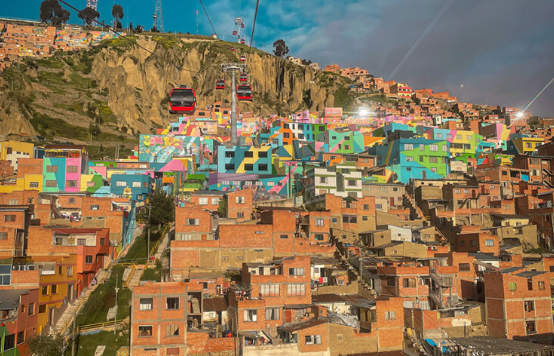
Bolivia is not one climate — it’s five. You can go from -10°C on the Altiplano at night to 35°C humid heat in Rurrenabaque within 24 hours. Most packing lists treat Bolivia as a single cold destination. That’s the mistake.
This guide covers La Paz, the Salar de Uyuni, Copacabana, Lake Titicaca, and trekking zones. If you’re only heading to the Amazon lowlands, you can skip the altitude gear sections.
The Bolivia Climate Problem: Why Layering Is Non-Negotiable
At altitude, the physics work against you. The thin air at 3,600m–4,500m provides almost no UV protection, so the midday sun is brutally intense — then within two hours of sunset, temperatures can drop below freezing. The Altiplano is also one of the driest environments on Earth, which means wind chill hits harder than the thermometer suggests.
The layering system that works here is the same one used in alpine environments: moisture-wicking base, insulating mid, weather-blocking outer. Not a single heavy jacket — a system you can add or remove in 60 seconds.
Clothing
Base Layers — Your Most Important Purchase
At altitude, cotton kills your comfort. It absorbs sweat and holds moisture against your skin, which in La Paz evenings means you’ll be freezing in a damp shirt. Merino wool or synthetic base layers are non-negotiable.
- 2x merino wool long-sleeve tops — wear one, wash one. Merino handles odour well enough for multi-day use.
- 2x merino wool base layer leggings — doubles as sleepwear and under-trouser insulation on cold Uyuni nights
- 1x lightweight merino T-shirt — for warmer days in Copacabana or city walking
For a full breakdown of base layer options tested for Andean trekking, see our Best Base Layers for High-Altitude Andes Trekking guide.
Mid Layers
- 1x fleece jacket (200-weight minimum) — the workhorse layer for La Paz evenings and Uyuni days
- 1x down or synthetic insulation jacket — for Uyuni nights (temperatures regularly drop to -10°C) and Cordillera Real trekking. Fill Power 600+ if down. Our Best Insulation Jackets for Andes Trekking guide covers this in detail.
Outer Shell
- 1x waterproof hardshell jacket — not a softshell. Bolivia’s wet season (November–March) brings daily afternoon storms on the Altiplano, and the salt flats flood in January–February. Minimum 20,000mm waterproof rating. Hood is essential.
- 1x lightweight rain poncho — backup option, also doubles as pack cover. Available cheap in La Paz markets if you forget.

Everyday Clothing
- 2x trekking trousers — zip-off convertibles work well for the temperature swings
- 1x casual jeans or chinos — for La Paz restaurants and city days
- 3-4x T-shirts — quick-dry fabric
- 1x lightweight long-sleeve shirt — sun protection for Uyuni and high-altitude trekking
- Underwear x7 — merino or synthetic, quick-dry. ExOfficio and Icebreaker are the two brands worth paying for.
- Socks x5 regular + 2x wool hiking socks — wool socks are the single most underrated item for comfort at altitude
Accessories
- Warm hat (beanie) — covers ears. Do not underestimate La Paz nights.
- Sun hat with brim — UV radiation above 3,500m is roughly 40% stronger than at sea level. The Altiplano sun will burn you in under 30 minutes.
- Neck gaiter — multifunctional: wind protection, sun cover, dust filter on Uyuni dirt roads
- Lightweight gloves — merino liner gloves for La Paz; heavier insulated gloves if trekking in the Cordillera Real
Footwear
This is where most travellers make the most expensive mistake.
Hiking Boots
Waterproof, ankle-high, and broken in before you arrive. The Salar de Uyuni is not porous — during wet season it floods and the brine will destroy non-waterproof boots. Ankle support is critical on uneven Altiplano terrain and cobblestone streets in La Paz.
Our Best High-Altitude Trekking Boots for the Andes guide covers the specific models tested on Bolivian terrain — including how different soles perform on salt flat brine versus Cordillera Real rock.
Trainers / Sneakers
1x pair for city days, hostel use, and lower-altitude areas. Keep weight light.
Flip Flops / Sandals
1x pair for hostel showers and hot-weather lowland sections only.
Backpack
The right bag size depends on your itinerary length and style:
- 30–40L carry-on pack — ideal for 2–3 week Bolivia trips. Fits overhead on buses, reduces theft risk on overnight routes.
- 50–70L expedition pack — for multi-day Cordillera Real or Apolobamba treks only.
- Small 15–20L daypack — essential for day trips from La Paz (Tiwanaku, Valle de la Luna, Death Road), salt flat tours, and keeping valuables close on buses.
One practical tip from years of Bolivian bus travel: a smaller main bag that sits between your feet on overnight buses is dramatically safer than a large pack in the luggage hold. Petty theft on overnight routes does happen.
For a full comparison of expedition and travel packs for Andean routes, see our Best Expedition Backpacks for Andes Trekking guide.

Altitude & Health Essentials
This section is not optional. Bolivia’s main destinations sit between 3,600m (La Paz) and 4,500m (Uyuni plateau). Altitude sickness affects roughly 25% of visitors to La Paz and can ruin the first 2–3 days of any trip.
Altitude Sickness Medication
- Acetazolamide (Diamox) — the gold standard for altitude sickness prevention. Prescription required in most countries. Start 1–2 days before arrival at altitude. Consult your doctor before travelling.
- Coca leaves — available in every Bolivian market. Locals have used them for centuries and the evidence for mild altitude symptoms is solid. Chew them or make tea (mate de coca). They will not get you high but will take the edge off a headache at 3,600m.
- Ibuprofen — for altitude headaches that arrive despite precautions.
First Aid & Medicine
- Pain killers (paracetamol + ibuprofen)
- Imodium / anti-diarrhoeal — food hygiene varies, especially at market stalls
- Antihistamines
- Rehydration sachets (ORS) — dehydration hits faster at altitude
- Blister plasters — non-negotiable for any trekking
- Antiseptic wipes and small wound dressing
- Any prescription medications from home (some are hard to find in Bolivia)
- Yellow Fever vaccination card — required to enter Bolivia from certain countries. Check requirements for your nationality before travelling.
Sun & Skin Protection
The UV radiation at altitude is not a detail — it’s a hazard. At 3,600m you’re above roughly 30% of the atmosphere. At Uyuni (3,656m) with the reflective white salt surface amplifying exposure, sunburn happens within 20 minutes without protection.
- SPF 50+ sunscreen — reef-safe formulas are hard to find in Bolivia, bring your own
- SPF lip balm — your lips will crack within a day in the dry Altiplano air without this
- Moisturiser — the altitude dehydrates skin faster than most travellers expect. A small tube makes a significant difference after a week on the Altiplano.
- Quality UV-blocking sunglasses — the salt flat reflection is genuinely intense enough to cause photokeratitis (temporary snow blindness) in unprotected eyes. Wrap-around or glacier glasses recommended for Uyuni.
Electronics & Power
Bolivia runs on 220V with a mix of Type A (US two-pin) and Type C (European round-pin) outlets. Sockets are inconsistent — bring an adapter that covers both.
Essential Electronics
- Universal plug adapter — covers Type A and C
- High-capacity power bank — mains power is unreliable in rural areas and on overnight buses. For Uyuni salt flat tours, you may be off-grid for 3 days.
- Camera + extra batteries — cold temperatures reduce battery performance significantly. Lithium batteries hold charge better than alkaline at altitude. Bring 2x spare batteries minimum for any serious photography.
For power bank and solar panel recommendations specifically tested at altitude, see our Best Power Banks for Andes Trekking guide.
Connectivity
- Unlocked phone — Bolivian SIMs (Tigo or Entel) are cheap and available at El Alto airport on arrival. Data coverage is reasonable in cities but non-existent in the Uyuni basin.
- Offline maps downloaded — Maps.me or Google Maps offline. Mandatory for rural Bolivia.
- Portable travel router — if you’re working remotely, covered in our Best Portable Travel Routers guide.
Device Protection
At altitude, dust and temperature fluctuation are the main threats to electronics. The fine white salt dust at Uyuni infiltrates bags that aren’t sealed. If you’re bringing a laptop or camera gear, a waterproof case or dry bag liner is worth the weight. See our Best Rugged Phone Cases for Andes Trekking guide.
✈️ Find the best flights to La Paz Compare hundreds of airlines and get the lowest fares for your Bolivia trip. Search flights on Skyscanner →
🏨 Find accommodation in Bolivia From boutique guesthouses in Copacabana to hotels in La Paz’s Miraflores district. Book what’s right for your itinerary. Browse hotels on Booking.com →
Documents & Money
- Passport — valid for at least 6 months beyond your travel dates
- Visa documentation — US citizens currently require a visa for Bolivia. Check the current requirements for your nationality before travelling as regulations change.
- Yellow Fever vaccination card — required when entering from certain countries
- Travel insurance documents — essential. High-altitude medical evacuation is expensive. Make sure your policy covers activities above 4,000m and emergency helicopter evacuation.
🛡️ Travel Insurance for Bolivia High-altitude trekking, altitude sickness cover, and remote medical evacuation — everything that actually matters when you’re at 4,500m on the Altiplano. Get covered with SafetyWing →
- Debit/credit card — Visa is accepted widely in cities. Mastercard less so. ATMs in La Paz work reliably; in Uyuni town there is one ATM that frequently runs out of cash. Bring enough bolivianos for the salt flat tour in cash.
- USD cash (small bills) — accepted alongside bolivianos in many tourist areas. Useful backup.
- Money belt — worn under clothing on overnight buses and in crowded market areas
Toiletries
Most toiletries are available in La Paz supermarkets. The exception is sunscreen with high SPF — quality SPF 50 is expensive and hard to find. Bring it from home.
- Toothbrush + toothpaste
- Shampoo + conditioner (travel sizes; laundry services are cheap and available everywhere)
- Deodorant
- Moisturiser (see above)
- Toilet paper — always carry a small roll. Not all bathrooms in Bolivia provide it, including some restaurant bathrooms.
- Hand sanitiser — essential before meals, especially at market stalls
- Feminine hygiene products (pads widely available; tampons less so outside La Paz)
- Insect repellent — essential if visiting Rurrenabaque or Amazon lowlands
🗺️ Book Bolivia Tours & Day Trips Tiwanaku ruins, Salar de Uyuni full-day tours, Death Road cycling, Isla del Sol — curated tours with vetted local guides. Browse Bolivia tours on Viator → · Book on GetYourGuide →
🇪🇸 Tours in Spanish with local guides If you prefer to travel in Spanish, Civitatis offers expert-guided experiences across Bolivia, Peru and the rest of South America. Explore tours on Civitatis →
Miscellaneous — The Items That Save Trips
- Headlamp — power cuts happen in Bolivia, particularly in rural areas. Also essential for early morning Uyuni sunrise starts.
- Reusable water bottle + water purification — do not drink tap water. A SteriPen or filter bottle (LifeStraw, Sawyer Squeeze) reduces plastic waste and saves money. Water is expensive in remote areas.
- Earplugs — Bolivian bus drivers play music at volume. La Paz street noise starts early.
- Padlock — for hostel lockers and backpack zips on buses
- Packing cubes or compression sacks — essential for keeping a layering system organised when you’re pulling items in and out multiple times per day
- Zip-lock bags — protect electronics and documents from Uyuni salt dust
- Small Spanish phrasebook or offline translation app — English is limited outside tourist areas. Even 20 words of Spanish dramatically improves interactions.
- Snacks for long journeys — La Paz to Uyuni is 10+ hours by bus. Food stops are limited and unpredictable.
What to Leave at Home
- Cotton base layers — already covered, but worth repeating
- Heavy single jacket instead of a layering system — a 2kg down parka will make you sweat on the way up to altitude and still leave you cold in the wind without a shell layer
- Sandals as primary walking shoes — La Paz streets are steep, cobbled, and often wet
- Excessive cash — street crime in La Paz does occur. Bring what you need for each day.
- Expensive jewellery — don’t wear it
Bolivia Packing List Quick Reference
Clothing
- 2x merino base layer tops
- 2x merino base layer leggings
- 1x fleece mid-layer
- 1x down/synthetic insulation jacket
- 1x waterproof hardshell
- 2x trekking trousers
- 1x casual trousers/jeans
- 4x T-shirts
- 7x underwear (merino/synthetic)
- 5x regular socks + 2x wool hiking socks
- Warm beanie + sun hat + neck gaiter
- Lightweight gloves
Footwear
- Waterproof ankle hiking boots (broken in)
- Trainers/sneakers
- Flip flops
Health & Safety
- Acetazolamide (Diamox) — consult doctor
- Ibuprofen + paracetamol
- Imodium
- Rehydration sachets
- Blister plasters + small first aid kit
- Yellow Fever vaccination card
- SPF 50+ sunscreen
- SPF lip balm
- UV-blocking sunglasses
Electronics
- Universal plug adapter (Type A + C)
- High-capacity power bank
- Camera + 2x spare batteries
- Unlocked phone
- Offline maps downloaded
Documents & Money
- Passport (6+ months validity)
- Visa documentation (check requirements)
- Travel insurance (covers 4,000m+)
- Debit/credit card + cash backup
- Money belt
Miscellaneous
- Headlamp + spare batteries
- Water bottle + purification
- Earplugs
- Padlock
- Packing cubes
- Zip-lock bags
- Toilet paper (small roll in daypack)
- Hand sanitiser
✈️ Flight delayed getting to Bolivia? Flights to La Paz connect through Lima, Bogotá or São Paulo — delays cascade. AirHelp fights for your compensation automatically — up to €600 per passenger. Claim flight compensation with AirHelp →