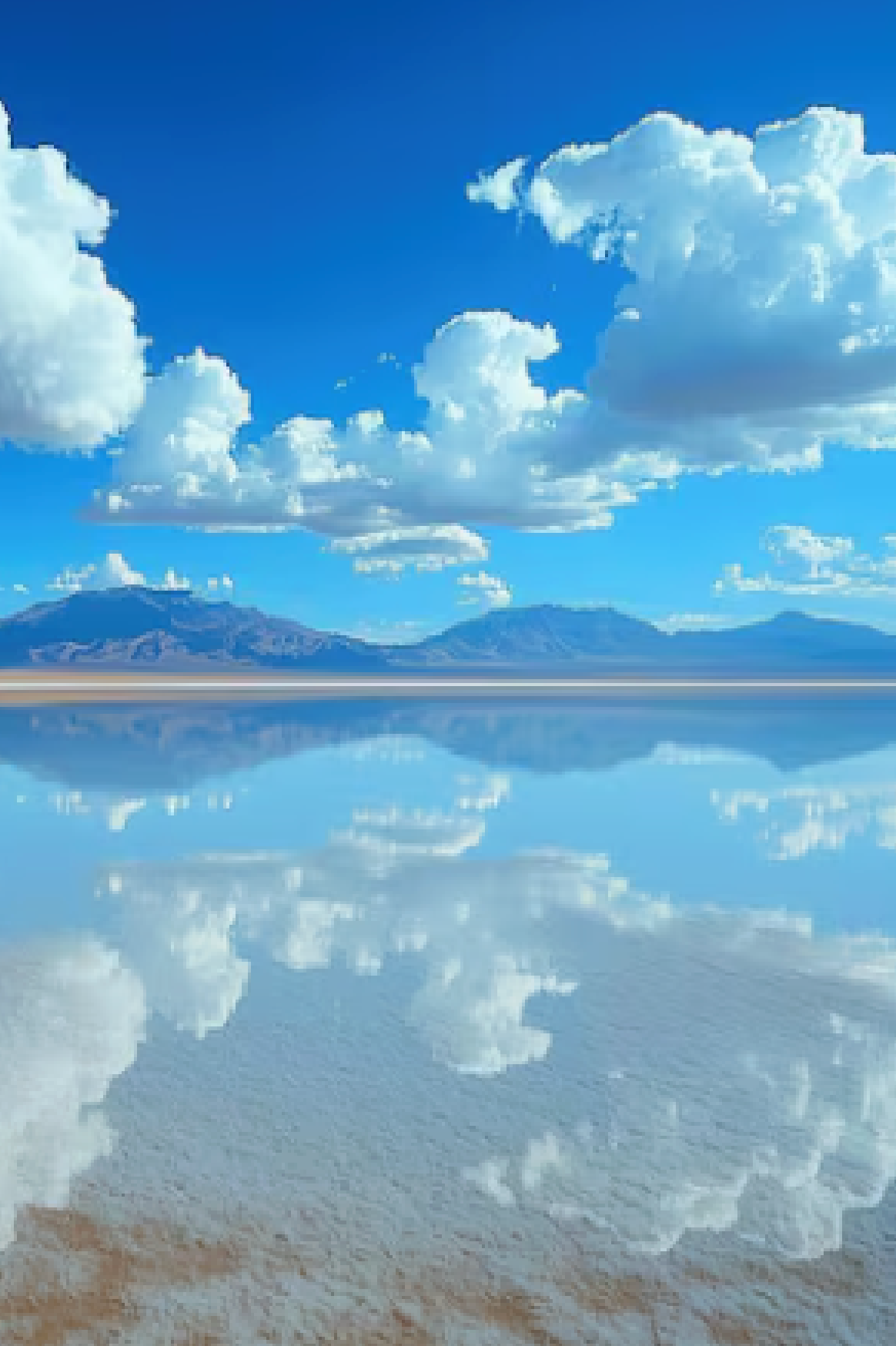

Every year, thousands of travelers land in Lima, La Paz, Quito, Bogotá, Santiago or Buenos Aires with a backpack full of guidebook clichés and absolutely no idea what’s actually waiting for them in the Andes. Most of it is wonderful. Some of it will catch you completely off guard — the altitude, the bus schedules that don’t exist, the “dry season” that still rains, the ATM that eats your card in a town with no other ATM for 200 kilometres.
We’ve spent years traveling, researching and writing about every corner of the Andean region — from the salt flats of Bolivia to the glaciers of Patagonia — and this is the list we wish someone had handed us before our first trip. No fluff, no recycled “bring sunscreen” advice dressed up as insight. Just 50 things that will genuinely change how your trip goes.
Bookmark this page. You’ll come back to it while you’re packing.
Before You Go: Planning & Documents
1. Visa rules are different for every single country
The Andes run through six countries, and every one of them has its own entry rules, reciprocity fees and required forms. Some nationalities need a visa for Bolivia but not for Peru. Some need to fill out a digital immigration form before landing in Ecuador or Colombia. Don’t assume your passport gets you the same treatment everywhere — check each country individually before you fly. We’ve put together a full breakdown of costs, wait times and entry procedures in our guide to visa requirements for the Andean countries.
2. Travel insurance is not optional at altitude
Standard travel insurance policies often exclude “high-altitude trekking” above a certain elevation (usually 3,500–4,500m), which is a problem when half the Andes sits above that line. If you’re planning to hike to Machu Picchu, cross the Bolivian altiplano, or summit anything near Huayna Potosí, check the fine print. We compared the major options in our honest review of the best travel insurance for South America.
3. You’ll need more time than you think
Distances on a map are deceptive. A “short” 300km bus ride through the Andes can take 8–10 hours because the road climbs and descends through mountain passes the entire way. Build in buffer days, especially around border crossings and anything involving the word “overnight bus.”
4. Book Machu Picchu tickets weeks (or months) in advance
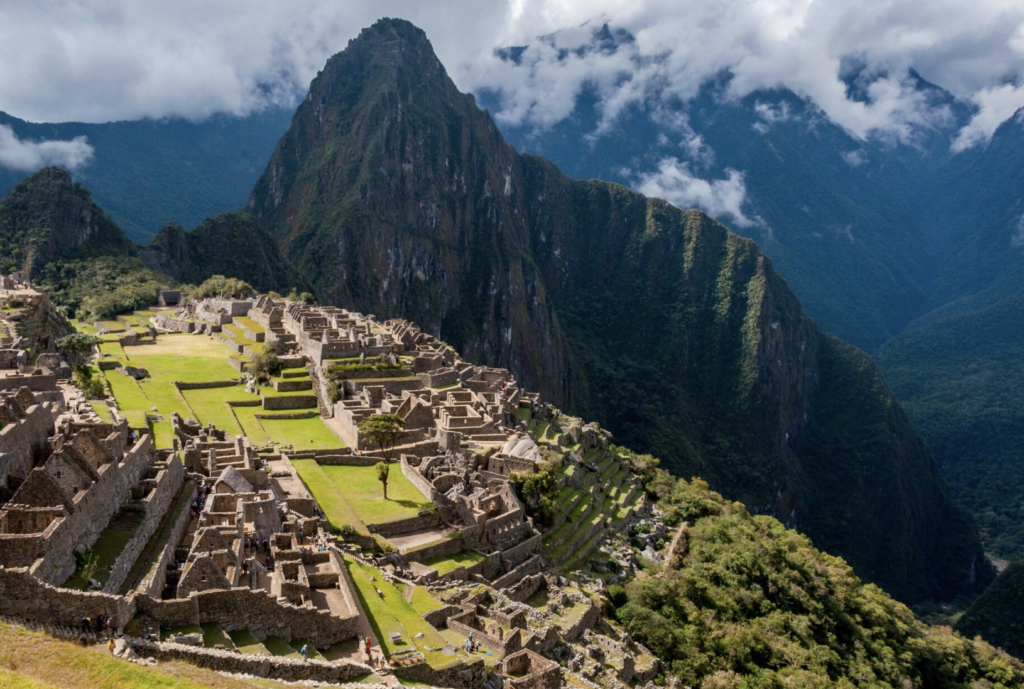
Entry to Machu Picchu is capped daily, and the Inca Trail sells out months ahead during peak season (May–September). If your trip revolves around Machu Picchu, this is the first thing you should book — not the last. Our 5-day Cusco, Sacred Valley & Machu Picchu itinerary shows exactly how to structure the logistics.
5. Yellow fever vaccination matters more than people think
Several Andean countries either require or strongly recommend proof of yellow fever vaccination, especially if you’re crossing between countries or visiting Amazon-adjacent regions (parts of Bolivia, Peru, Ecuador and Colombia). Get vaccinated at least 10 days before travel and carry your certificate — border officials do occasionally ask for it.
6. Cash machines are not evenly distributed
In major cities, ATMs are everywhere. In smaller towns — including some popular tourist stops — there might be one ATM for the entire town, and it might be empty by midday. Withdraw more than you think you need before heading to rural areas, and always carry a backup card.
7. The “best time to visit” depends entirely on which country
South America’s seasons are reversed from the Northern Hemisphere, but it’s more complex than just “summer and winter” — the Andes have dry and wet seasons that vary by region and altitude. We break this down country by country, starting with our guide on the best time to visit Peru.
8. Don’t plan a one-week, six-country trip
It’s tempting to try to “do” Peru, Bolivia, Chile, Argentina, Ecuador and Colombia in two weeks. Don’t. The distances, border logistics and altitude adjustment alone will eat your trip alive. Pick two, maybe three countries that are geographically close — our Peru and Bolivia 10-day overland itinerary is a realistic example of how much ground you can actually cover.
Money, Costs & Budgeting
9. South America is not “cheap” — but it’s not expensive either
The myth that South America is a budget-backpacker paradise on par with Southeast Asia is outdated. Lima, Bogotá, Santiago and Buenos Aires have restaurant and accommodation prices that rival parts of Europe. Rural areas and smaller towns are where the real savings happen.
10. Every country has its own currency (mostly)
Peruvian soles, Bolivian bolivianos, Chilean pesos, Argentine pesos, Colombian pesos, and US dollars are widely used in Ecuador. Crossing a border often means a completely new currency, new exchange rates and new mental math. Apps that do offline currency conversion are worth downloading before you lose signal.
11. Argentina’s exchange rate situation is its own animal
Argentina has historically had multiple exchange rates (official vs. “blue dollar” / parallel market), and bringing physical US dollars in cash has often meant a significantly better rate than using cards. This changes with economic policy, so check current conditions close to your travel dates — it can make a meaningful difference to your budget.
12. Budget for altitude-related costs you didn’t plan for
Coca leaves, altitude sickness medication, extra warm layers, oxygen cans sold in tourist shops near Cusco and La Paz — these small purchases add up. They’re also genuinely useful, so don’t try to skip them to save a few dollars.
13. Tipping culture varies — and isn’t always expected
In some countries, a service charge is automatically included; in others, tipping guides and drivers (especially on multi-day tours) is expected and forms a meaningful part of their income. Ask locally, but as a rule of thumb: tour guides and porters on treks like the Inca Trail or Salar de Uyuni circuits should be tipped.
14. Bargaining is normal in markets — not in shops or restaurants
Artisan markets, taxis without meters, and informal vendors are fair game for negotiation. Supermarkets, restaurants and established shops are not. Knowing the difference saves awkward moments and, occasionally, money.
15. Domestic flights can be cheaper than long bus rides
Within Peru, Bolivia, Chile and Argentina especially, a domestic flight can sometimes cost about the same as a long-distance bus once you factor in time, an overnight stay, and the wear and tear of 12+ hours on mountain roads. Always compare both before booking.
16. Knowing your real daily budget per country helps you plan better
Costs in Bolivia, Ecuador or Colombia can be noticeably lower than in Chile or Argentina’s major cities. If you’re working with a fixed total budget, it’s worth weighting more days toward the lower-cost countries. Our breakdown of what it costs to travel the Peruvian Andes is a useful baseline for comparison.
Health, Altitude & Staying Safe
17. Altitude sickness doesn’t care how fit you are
This is the single most underestimated risk for first-time Andes travelers. Cusco sits at 3,400m, La Paz at over 3,600m, and the Uyuni salt flats area is similarly high. Altitude sickness (soroche) affects marathon runners and couch potatoes alike — fitness level has almost no bearing on who gets hit. Our guide to altitude sickness in Cusco and Machu Picchu covers prevention, symptoms and what actually helps.
18. Acclimatize before you exert yourself
If your itinerary allows it, spend your first one to two days at altitude doing as little as possible. Save the hikes, the long city walking tours and the big meals for day two or three. People who push hard on day one are the ones who end up sick in their hotel room on day two.
19. Hydration matters more at altitude than you’d expect
The dry mountain air and lower oxygen levels dehydrate you faster than you’ll notice. Drink significantly more water than you would at sea level, and go easy on alcohol for the first 48 hours — it hits much harder and worsens altitude symptoms.
20. Tap water: when in doubt, don’t
In most rural areas and many smaller cities, stick to bottled or filtered water — including for brushing your teeth. Ice in drinks at street stalls is the most common overlooked culprit for stomach trouble.
21. Sun protection at altitude is non-negotiable
Thinner atmosphere means UV exposure is dramatically higher at altitude, even on cool or cloudy days. Sunburn at 4,000m happens fast — high-SPF sunscreen, a hat, and sunglasses with UV protection are essential, not optional extras.
22. Pickpocketing is the real risk — not what most people fear
Violent crime against tourists is rare in the places most travelers actually visit. The far more common issue is petty theft: bags left unattended, phones on café tables, backpacks worn loosely on crowded buses or markets. Basic vigilance prevents the vast majority of incidents.
23. Unofficial taxis are where most scams happen
Agree on a price before getting in, or use app-based services (Uber, Cabify, InDriver) where available — they’re widely used across major Andean cities and remove almost all the guesswork and overcharging.
24. Keep digital and physical copies of every document
Passport, visa confirmations, insurance policy, vaccination certificate, hotel bookings — photograph everything and store copies in cloud storage you can access offline. Border crossings in remote areas can be unpredictable, and a backup saves enormous stress.
25. Pharmacies are everywhere and surprisingly well-stocked
For minor ailments — altitude sickness pills, stomach issues, pain relief, even some prescription medications — pharmacies in Andean cities are well stocked and pharmacists are generally helpful. It’s reassuring to know this exists as a safety net.
26. Trust your gut about transport at night
Overnight buses are a normal and often efficient way to travel long distances, and most are perfectly safe. That said, choose reputable companies, keep valuables on your person (not in overhead storage), and if a route or operator feels off, it’s fine to wait for the next option.
What to Pack
27. Layering isn’t a suggestion — it’s survival
You can experience 25°C sunshine and near-freezing temperatures in the same day, sometimes within a few hours, as you move between valleys and altitude. Layering is the only system that actually works here. We go deep on this in why layering and insulated clothing are essential in the Andes.
28. Your boots matter more than almost anything else in your bag
Whether you’re walking cobblestone streets in Cusco, trekking the Inca Trail, or navigating Patagonian trails, the wrong footwear will define your trip in the worst way. See our picks for best high-altitude trekking boots for the Andes and best waterproof hiking boots for Patagonia.
29. A proper insulated jacket beats three cheap sweaters
Packing light matters, and one good insulated jacket compresses down to almost nothing while outperforming multiple bulky layers. Our guide to the best insulation jackets for the Andes and Patagonia covers down vs. synthetic and what actually holds up in the field.
30. Base layers are the unsung heroes of high-altitude travel
A good merino or synthetic base layer regulates temperature, manages sweat, and can be worn for days without smelling — crucial when laundry isn’t always available. Details in our best base layers for high-altitude Andes trekking guide.
31. Pick the right backpack before you pick anything else
A backpack that doesn’t fit properly will make every cobblestone street, every bus station, and every multi-day trek miserable. Whether you need something for general travel or a dedicated trekking/photography pack, start here: best travel backpack for backpacking South America and best expedition backpack for Andes trekking and photography.
32. Protect your electronics from dust, rain and drops
Between salt flat dust, sudden rain on trekking routes, and the general chaos of overland travel, your phone and camera need real protection — not just a case you bought for everyday city use. See best waterproof cases and dry bags for electronics in the Andes and why rugged tech protection is essential when traveling to the Andes.
33. Power runs out faster than you expect
Cold temperatures drain batteries faster, long travel days mean more photos and navigation use, and outlets aren’t always available on buses or in remote lodges. A solid power bank (or portable solar setup for longer treks) is one of the highest-value items in your bag — see best power banks for Andes trekking and best portable solar panels for the Andes and Patagonia.
34. A packing list built for altitude beats a generic one
Generic “travel packing list” articles don’t account for the temperature swings, altitude gear, and country-specific quirks of the Andes. Our Bolivia packing list for 2026 is a solid template that applies to most of the Andean region with minor adjustments.
Getting Around the Andes
35. Bus quality varies wildly within the same country
“Bus” can mean a luxury reclining “cama” seat with meals and onboard service, or a local minibus with no schedule that leaves “when it’s full.” Research the specific company and route — reputation matters far more than price alone.
36. Border crossings by land take patience
Land border crossings between Andean countries (Peru–Bolivia, Bolivia–Chile, Argentina–Chile, etc.) often involve queues, manual passport stamping, and occasional unexplained delays. Bring snacks, water, patience, and don’t schedule anything tight on either side of a border day.
37. Shared transport (colectivos) is how a lot of local travel actually happens
Shared vans and taxis that depart once full are common, cheap, and often the only practical option between smaller towns. They’re not always comfortable, but they’re a genuinely local way to travel and usually safe on well-traveled routes.
38. Driving yourself is an option — but know what you’re signing up for
Self-driving through the Andes (especially Patagonia’s Carretera Austral or Ruta 40) is one of the great road trips in the world, but mountain roads, altitude, fuel availability and unpaved sections require real preparation. Not a spontaneous rental-car decision.
39. Domestic flight delays are common at high-altitude airports
Airports like Cusco, La Paz and parts of Patagonia are weather-dependent in ways lowland airports aren’t. Fog, wind and visibility regularly cause delays or cancellations. Never book a domestic flight with less than a few hours’ buffer before an international connection.
40. Walking is often the best way to experience Andean cities — but pace yourself
Cities like Cusco, La Paz, and Quito are beautiful on foot, but their elevation means stairs and steep streets hit differently than at sea level. Slow down, take breaks, and you’ll enjoy it far more.
Culture, Language & Etiquette
41. Spanish goes a long way — even basic phrases
English is not widely spoken outside major tourist hubs. Learning basic greetings, numbers, and polite phrases in Spanish dramatically improves everyday interactions, from ordering food to negotiating a fair taxi price.
42. Indigenous culture is living culture, not a museum exhibit
Quechua, Aymara, and other indigenous communities across the Andes are not historical curiosities — they’re living, present-day cultures with their own languages, customs and economies. Approach markets, ceremonies and communities with the same respect you’d want shown to your own.
43. Ask before photographing people
This applies everywhere, but especially in indigenous communities where tourism has, at times, treated people as photo props. A smile and a simple request goes a long way — and is often met warmly.
44. Mealtimes and meal sizes differ from what you might expect
Lunch (almuerzo) is often the largest meal of the day across much of the Andes, frequently served as a set menu (menú del día) that’s both filling and inexpensive — a great way to eat well on a budget.
45. “Andean time” is a real thing
Schedules, especially for informal transport and smaller tour operators, can be more flexible than what you’re used to. Building in patience — and buffer time — turns potential frustration into part of the experience.
Staying Connected
46. Local SIM cards are cheap and worth getting on arrival
Most major Andean countries have affordable prepaid SIMs available at airports or city shops, with decent coverage in cities and along major routes. Coverage drops fast in remote mountain areas, so don’t rely on it everywhere.
47. A portable router or eSIM setup smooths out multi-country trips
If you’re crossing several borders, juggling multiple physical SIMs gets old fast. Portable hotspot routers and regional eSIMs can keep you connected across countries without the hassle — see our best portable travel routers for South America.
48. For remote treks, a satellite communicator is genuinely worth it
On multi-day treks far from cell coverage — the Salar de Uyuni circuit, parts of Patagonia, remote sections of the Inca Trail alternatives — a satellite communicator isn’t paranoia, it’s a real safety tool. We cover the options in best signal boosters and satellite communicators for the Andes.
49. Download offline maps before you leave the city
Maps.me, Google Maps offline areas, and offline translation apps are lifesavers once signal disappears — which happens often, and usually right when you need directions most.
50. Connectivity gear is part of your safety kit, not a luxury
It’s tempting to think of power banks, routers and satellite devices as “nice to have” extras. In the Andes, where help can be hours away and phone signal is unreliable, this gear is closer to a first-aid kit than a gadget bag. Our overview on why connectivity gear is essential in the Andes explains the reasoning in more depth, alongside why power and energy backups are essential for traveling in the Andes.
Final Thoughts
None of this is meant to scare you off. The Andes are one of the most rewarding regions on the planet to travel through — six countries, dozens of ecosystems, and some of the most spectacular landscapes anywhere, all connected by a chain of mountains that has shaped human history for thousands of years. The goal of this list isn’t caution for its own sake — it’s making sure the only surprises on your trip are the good ones.
If you’re still deciding where to start, our country guides for Peru, Bolivia, Chile, Argentina, Ecuador and Colombia are the best next step — each one builds on everything covered here with country-specific detail.
Have a tip that belongs on this list? We’re always updating it based on traveler feedback and our own trips back to the region.