
This are the most beutiful places in The Andes stretch over 7,000 kilometres through seven countries, but the six Andean nations of South America — Peru, Bolivia, Chile, Argentina, Ecuador and Colombia — hold some of the most surreal, photogenic and downright humbling landscapes on the planet, and most of them are far more accessible than people assume once you know how to plan around them. Salt flats that turn into mirrors. Mountains striped in seven colors. Glaciers that calve into turquoise lakes. Islands where the wildlife outnumbers the people.
This is our list of the 30 places that belong on every Andes bucket list for 2026 — not just the famous postcard shots, but the ones that are actually worth the journey to reach. For each, we’ve linked to a deeper guide where we have one, so you can go from “wow, I want to see that” to “here’s exactly how.”
We’ve also added a bonus section of eight more spots that didn’t quite make the main 30 but deserve a place on your radar, plus a practical section at the end on how to actually turn a list like this into a workable itinerary — because the gap between “bucket list” and “real trip” is usually just a bit of planning.
1. Machu Picchu, Peru
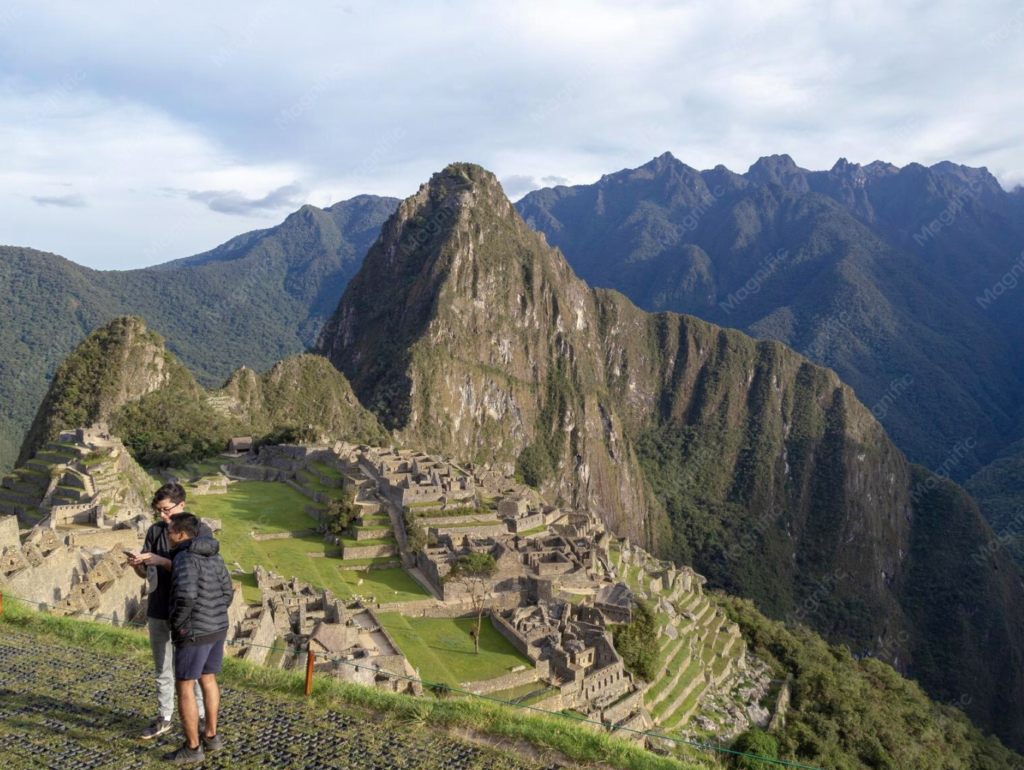
The one that started it all. No list like this would be complete without the Inca citadel perched on its ridge above the Urubamba River, wrapped in cloud forest and surrounded by peaks that seem too steep to be real. Arrive early — the first buses up from Aguas Calientes beat both the crowds and the midday haze, and the light in the first hour after sunrise is the best you’ll get all day. Plan your visit around our 5-day Cusco, Sacred Valley & Machu Picchu itinerary, and if you’re bringing a camera, don’t miss our Machu Picchu photography guide for the angles and timing that actually work.
2. Salar de Uyuni, Bolivia
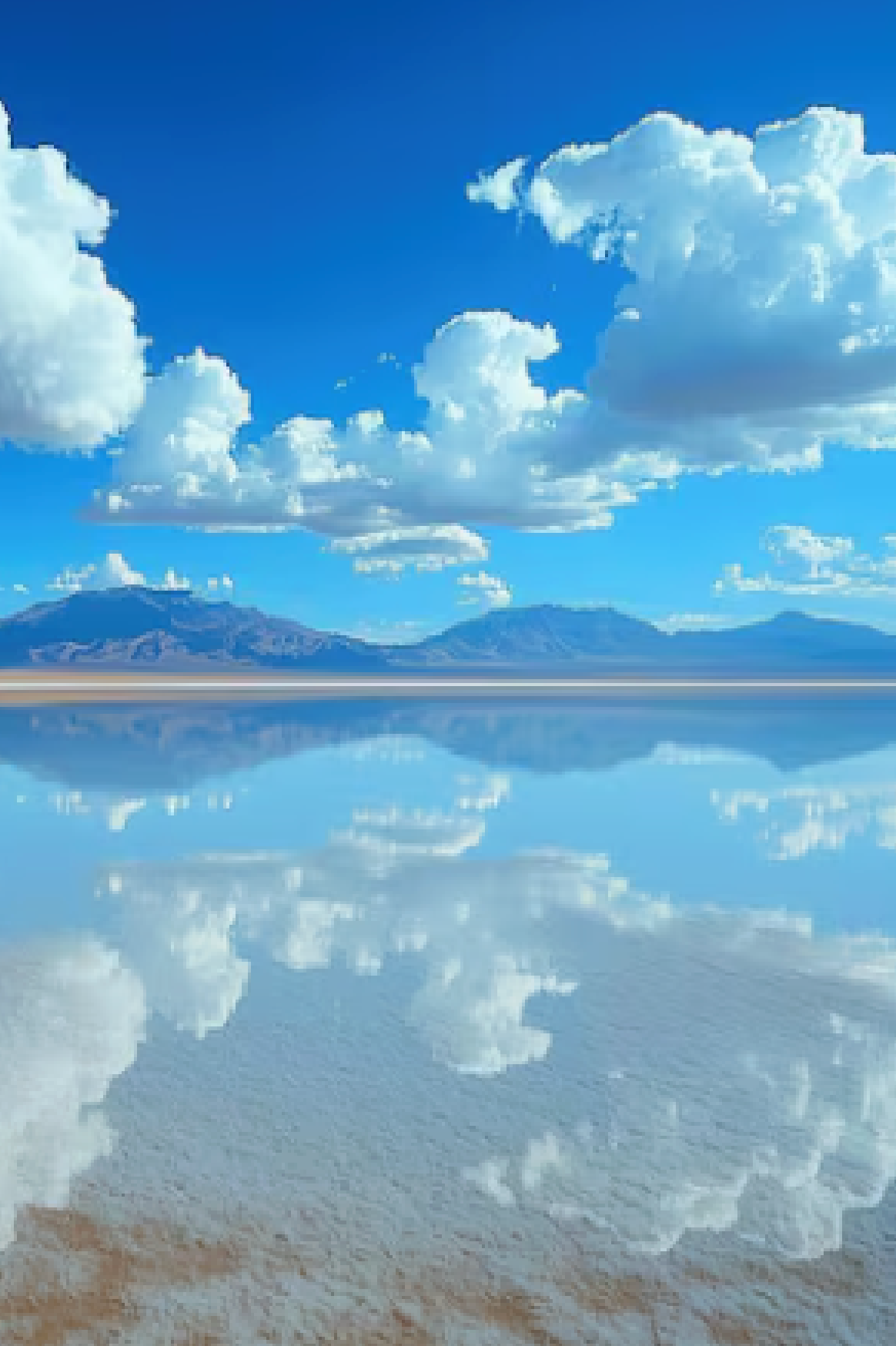
The world’s largest salt flat — nearly 11,000 square kilometres of blinding white nothingness that becomes a literal mirror to the sky during the wet season. It’s one of the few places on Earth where the horizon genuinely disappears. At night, with zero light pollution and thin air, it’s one of the best places anywhere to photograph the Milky Way — see our Milky Way photography guide for Salar de Uyuni. Timing matters enormously here, so read our breakdown of Uyuni dry season vs. wet season for photography before booking.
3. Laguna Colorada, Bolivia
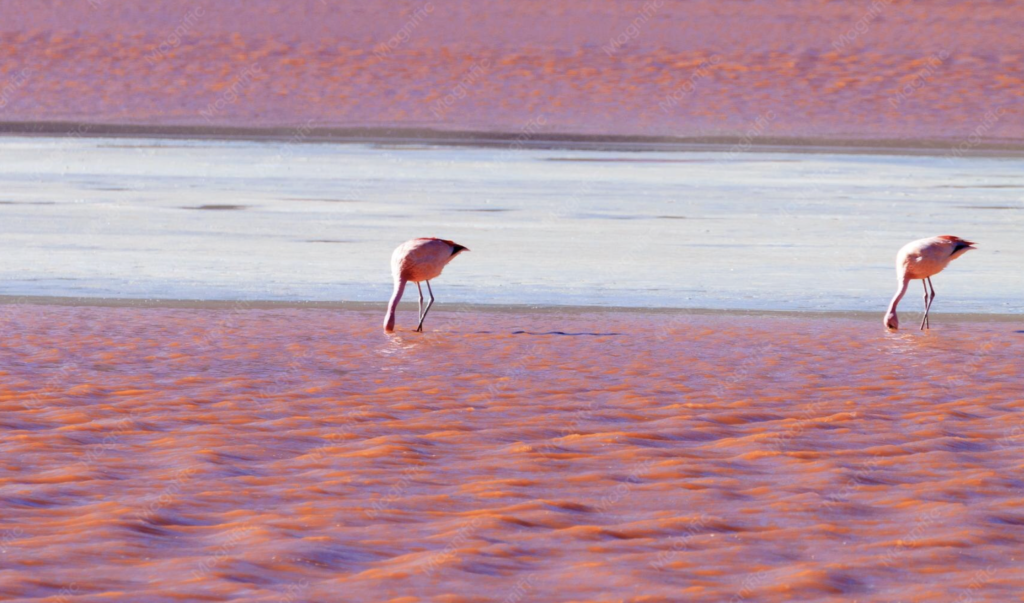
A high-altitude lake stained deep red by algae and sediment, ringed by white borax deposits and home to hundreds of James’s flamingos against a backdrop of volcanic peaks. It’s part of the same southwestern circuit as Uyuni and is, frankly, one of the strangest and most beautiful landscapes in South America. Our guide to photographing the flamingos at Laguna Colorada covers the best times of day and how to get close without disturbing them.
4. Rainbow Mountain (Vinicunca), Peru
A genuinely striped mountain — bands of red, gold, lavender and turquoise created by mineral deposits, sitting above 5,000 metres near Cusco. It looks digitally edited in photos; it isn’t. The hike is short but brutal at that altitude, so acclimatization in Cusco first is essential. Full details, including the best light and how to avoid the worst of the crowds, are in our Rainbow Mountain photography guide.
5. The Sacred Valley, Peru
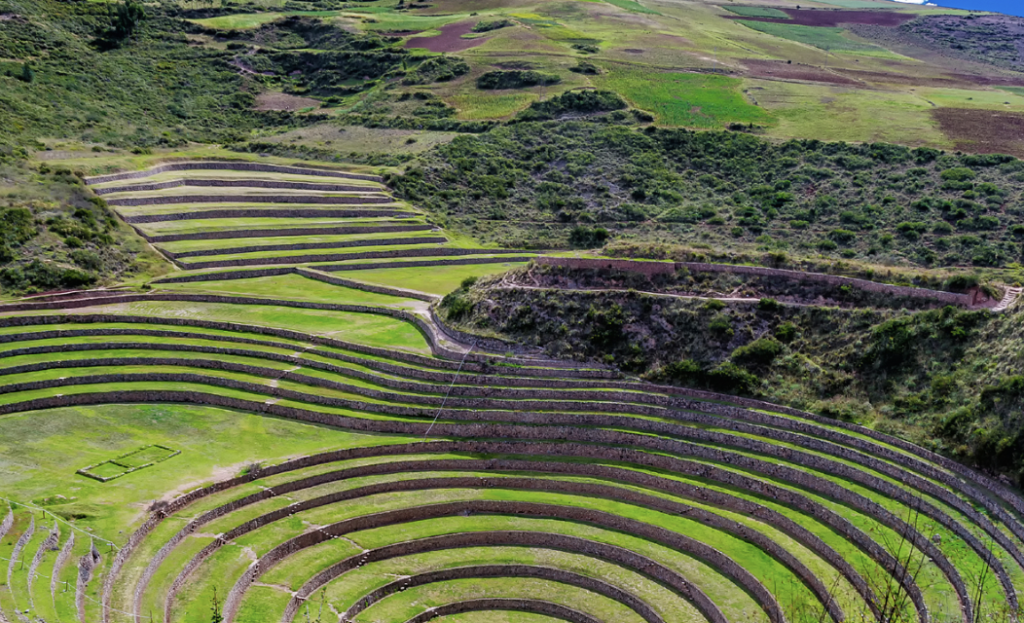
Strung between Cusco and Machu Picchu, the Sacred Valley is where Inca terraces, colonial towns and snow-capped peaks collide. Pisac, Ollantaytambo and Moray’s strange circular terraces are all here, and the valley alone could fill several days of your trip. Our Sacred Valley photography guide maps out the best stops and the light that makes them sing.
6. Torres del Paine, Chile
Three granite towers shooting straight up from the Patagonian steppe, surrounded by turquoise glacial lakes, wind-bent forests and, if you’re lucky, condors riding the thermals above. It’s one of the most complete wilderness experiences in South America — and one of the windiest places you’ll ever stand. Our Torres del Paine photography guide and broader Chile Patagonia travel guide cover logistics, trails and timing.
7. Iguazu Falls, Argentina & Brazil
275 individual waterfalls thundering across nearly 3 kilometres of cliff edge — Iguazu doesn’t just look impressive, you feel it in your chest before you see it. The Argentine side lets you walk through the falls on elevated walkways right up to the Devil’s Throat; the Brazilian side gives you the postcard panorama. Our Iguazu Falls guide covers both sides, tours, and how to do it on any budget.
8. Galápagos Islands, Ecuador
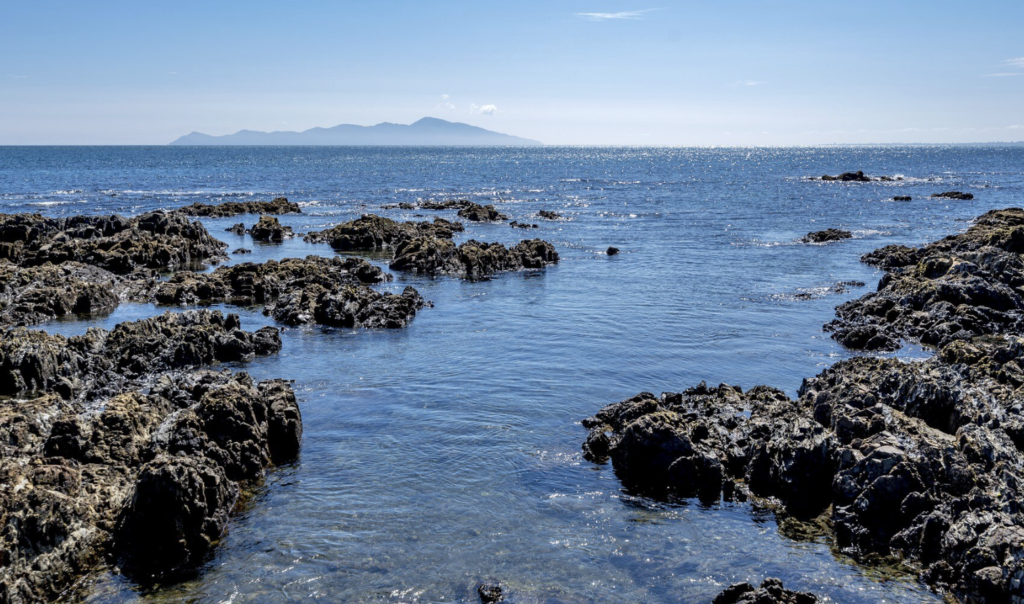
Technically not “Andes,” but no Ecuador trip — and few Andes itineraries — skip the Galápagos. Giant tortoises, marine iguanas, blue-footed boobies and sea lions that couldn’t care less about your presence make this one of the most extraordinary wildlife destinations on the planet. See our best Galápagos tours for 2026 and our broader Ecuador & Galápagos travel guide.
9. Lake Titicaca & Copacabana, Bolivia
The world’s highest navigable lake, shared between Peru and Bolivia, with the Bolivian town of Copacabana as the gateway to Isla del Sol — a sun-baked island steeped in Inca mythology, with no cars and some of the best sunsets in the Andes. Our Copacabana, Bolivia travel guide covers how to get there and what not to miss.
10. La Paz & the Death Road, Bolivia
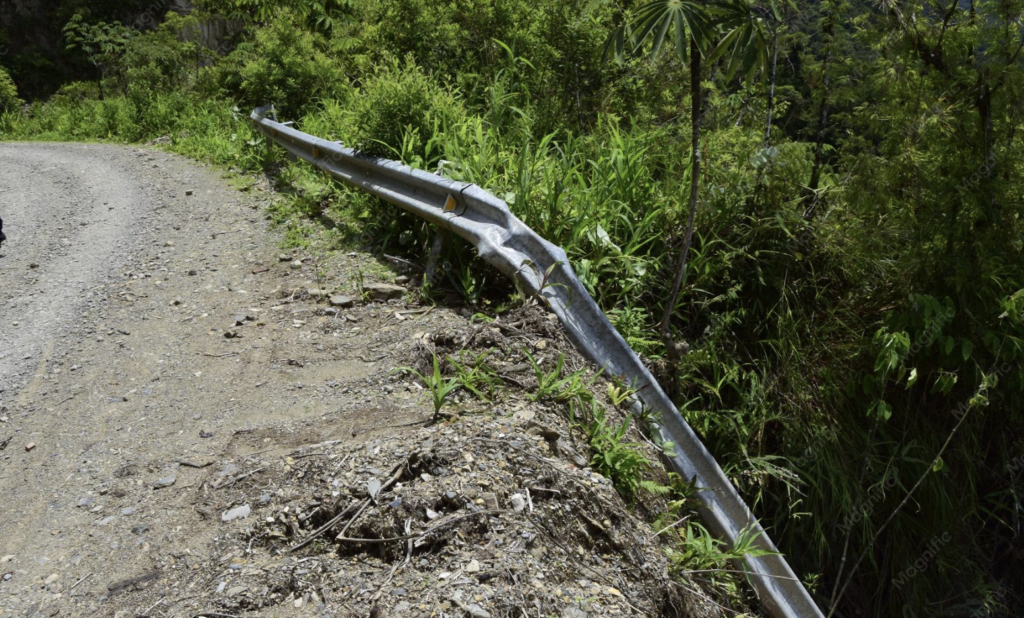
A city that climbs the walls of a canyon, with cable cars doubling as public transport and views of snow-capped Illimani from downtown streets. It’s also the starting point for the infamous “Death Road” (Yungas Road), now a mountain-bike route that descends thousands of metres through cloud forest. Our La Paz, Bolivia travel guide has the full picture.
11. Cusco, Peru
The historic capital of the Inca Empire, where colonial churches sit on top of precision-cut Inca stonework, and every street seems to lead to another plaza, another viewpoint, another bowl of something delicious. It’s also the logistical heart of southern Peru — most Sacred Valley, Rainbow Mountain and Machu Picchu trips start here. Begin with our Peru travel guide for 2026.
12. The Coffee Triangle, Colombia
Rolling green hills covered in coffee farms, with the otherworldly wax palms of the Valle de Cocora — the tallest palm trees on Earth — rising out of the cloud forest near Salento. It’s lush, cool, relaxed, and a complete contrast to the high-altitude landscapes elsewhere on this list. Our guide to Colombia’s Coffee Triangle covers the best farms and viewpoints.
13. Cartagena, Colombia
A walled colonial city on the Caribbean coast, all pastel balconies, bougainvillea and horse-drawn carriages, with a nightlife scene that goes until sunrise. It’s the perfect bookend to an Andes-heavy itinerary — trade altitude for sea level and humidity for a few days. It’s covered as part of our definitive Colombia travel blueprint.
14. Quito & Cotopaxi, Ecuador
Quito’s UNESCO-listed historic centre is one of the best-preserved in the Americas, and it sits at the foot of a ring of volcanoes — Cotopaxi’s near-perfect snow-capped cone being the star. Day trips from the city reach páramo landscapes, indigenous markets and volcanic lakes within an hour or two. Full details in our Quito travel guide for 2026.
15. Mendoza Wine Region, Argentina
At the foot of Aconcagua — the highest peak in the Americas — Mendoza’s vineyards produce some of the world’s best Malbec, with the Andes as a permanent backdrop to every tasting. It’s one of the few places where “wine tour” and “mountain views” genuinely belong in the same sentence. See our Mendoza wine tours guide for 2026.
16. Buenos Aires, Argentina
Not exactly Andean, but the cultural gateway to Argentina for most travelers — tango in San Telmo, steak in Palermo, and European-style architecture that feels like nowhere else in South America. A great place to start or end a Patagonia or Mendoza trip. Our Buenos Aires travel guide for 2026 has the details.
17. Atacama Desert, Chile
The driest non-polar desert on Earth, with lunar valleys, geysers that erupt before dawn, and salt flats of its own that rival Uyuni’s. San Pedro de Atacama is the base for exploring it all, and the night skies here are some of the clearest anywhere on the planet — major observatories are nearby for good reason. Covered in our ultimate Chile travel guide for 2026.
18. El Chaltén & Mount Fitz Roy, Argentine Patagonia
A small trekking town that exists almost entirely because of the jagged spire of Fitz Roy looming over it. The hike to Laguna de los Tres, with the peak reflected in a glacial lake, is one of the most rewarding day hikes in South America — when the famously fickle Patagonian weather cooperates. Part of the wider story told in our Patagonia & Southern Andes photography guide.
19. Perito Moreno Glacier, Argentina
One of the few glaciers in the world that’s still advancing, Perito Moreno regularly calves enormous chunks of ice into Lago Argentino with a sound like thunder. Walkways let you get remarkably close without a guide, making it one of the most accessible “wow” moments in all of Patagonia.
20. Choquequirao, Peru
Often called “the other Machu Picchu,” Choquequirao is a similarly impressive Inca site — but reaching it requires a multi-day trek with no road access, which means you might share it with a handful of people instead of thousands. For travelers who want the Inca-ruins experience without the crowds, this is it.
21. Huacachina, Peru
A genuine desert oasis — a small lagoon ringed by palm trees, surrounded by towering sand dunes, just a few hours from Lima. Dune buggy rides and sandboarding at sunset, followed by the dunes glowing gold and pink, make this one of the most surprising stops on a Peru itinerary.
22. Otavalo Market, Ecuador
One of the largest and oldest indigenous markets in South America, where textiles, leather goods and crafts from across the Andes are sold against a backdrop of volcanoes. Saturdays are the main market day, but it runs daily and makes for an easy trip from Quito.
23. Tayrona National Park, Colombia
Where the Sierra Nevada mountains meet the Caribbean Sea — palm-lined beaches backed by jungle-covered peaks, reachable only by boat or a hike through the forest. It’s the rare spot where “beach” and “Andes” overlap on the same map.
24. Bariloche, Argentina
Argentina’s Lake District capital, with Swiss-style architecture, chocolate shops, and a backdrop of forested mountains and glacial lakes that feel more like the Alps than South America. A popular stop on the way south toward El Chaltén and Torres del Paine.
25. San Pedro de Atacama, Chile
The small adobe town that anchors the Atacama Desert — low-rise, dusty, and surrounded on all sides by some of the most alien landscapes on Earth. Valle de la Luna (Moon Valley) is a short drive away and looks exactly like its name suggests.
26. Easter Island (Rapa Nui), Chile
Thousands of kilometres off the Chilean coast in the Pacific, Easter Island’s moai statues are one of archaeology’s great mysteries, set against dramatic volcanic coastline. It’s a significant detour from the mainland Andes, but for travelers exploring Chile, it’s one of the most unique additions possible to an itinerary.
27. The Avenue of Volcanoes, Ecuador
A stretch of the Pan-American Highway south of Quito lined with some of Ecuador’s most iconic peaks — Cotopaxi, Chimborazo, Tungurahua and more — many of them snow-capped and visible from the road on a clear day. A scenic spine connecting several of Ecuador’s best outdoor destinations.
28. Colca Canyon, Peru
One of the deepest canyons in the world — more than twice the depth of the Grand Canyon in places — and one of the best spots on the continent to see Andean condors soaring at eye level from viewpoints along the rim. A popular multi-day add-on from Arequipa.
29. Lauca National Park, Chile
High on the Chilean altiplano near the Bolivian border, Lauca combines snow-capped volcanoes, turquoise lakes, herds of alpaca-like vicuña, and some of the highest villages in the world. It’s remote, it’s cold, and it’s one of the least-visited spectacular places on this entire list.
30. The Bolivian Altiplano Circuit
Beyond Uyuni and Laguna Colorada, the multi-day southwestern circuit through Bolivia’s altiplano strings together geysers, hot springs, more colored lagoons, and stretches of landscape so empty and otherworldly that they’re regularly used as stand-ins for other planets in film and photography. If you only do one multi-day overland trip in the Andes, this is a strong contender.
Bonus: 8 More Spots Worth the Detour
The Andes are big enough that any list of 30 is going to leave things out. These eight didn’t quite make the main list, but every one of them has earned a place on someone’s “best trip ever” — and might earn a place on yours.
Salinas Grandes, Argentina
A high-altitude salt flat in Argentina’s Jujuy province, smaller than Uyuni but easier to combine with a Northwest Argentina road trip through colorful canyons and high-altitude wine regions.
Quilotoa Crater Lake, Ecuador
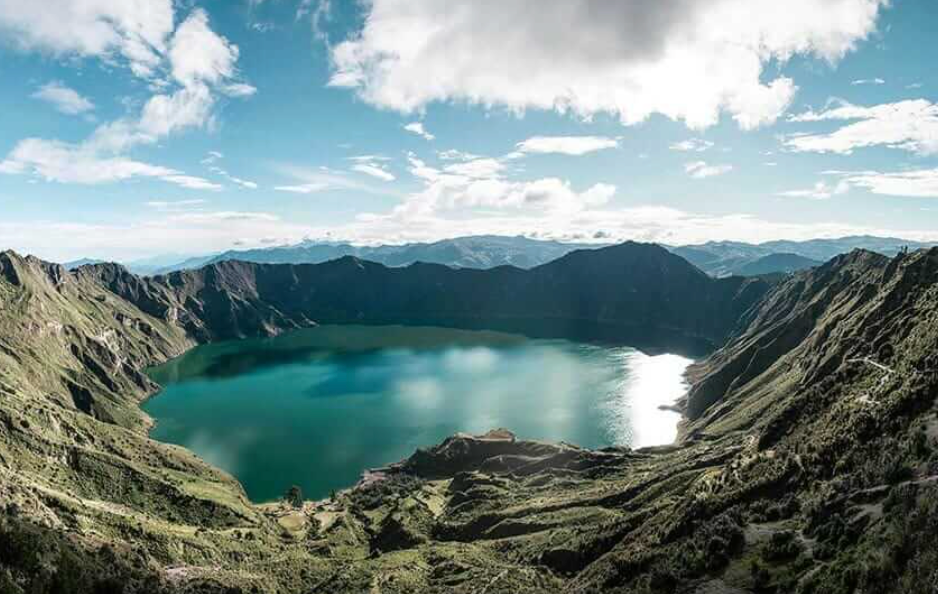
A turquoise crater lake filling an extinct volcano, with a rim trail that takes a few hours to walk and views that change with every step. A classic day trip or overnight from Quito’s southern highlands route.
Ausangate, Peru
The trek that put Rainbow Mountain’s neighborhood on the map — a multi-day circuit around a glaciated 6,000m peak, passing turquoise lakes, hot springs and herds of alpaca, with far fewer crowds than the single-day Vinicunca hike.
Villa de Leyva, Colombia
A whitewashed colonial town with one of the largest cobblestone plazas in South America, surrounded by desert-like badlands, fossil sites and vineyards — a striking contrast to Colombia’s greener Coffee Triangle.
Pucón & Volcán Villarrica, Chile
A lake town in Chile’s Los Lagos region, dominated by an active, frequently smoking volcano that you can actually hike to the summit of (conditions permitting), with hot springs waiting at the bottom afterward.
Sucre, Bolivia
Bolivia’s constitutional capital — a UNESCO-listed city of whitewashed colonial buildings, with some of the best-preserved architecture in the country and a noticeably gentler pace than La Paz.
Ushuaia, Argentina
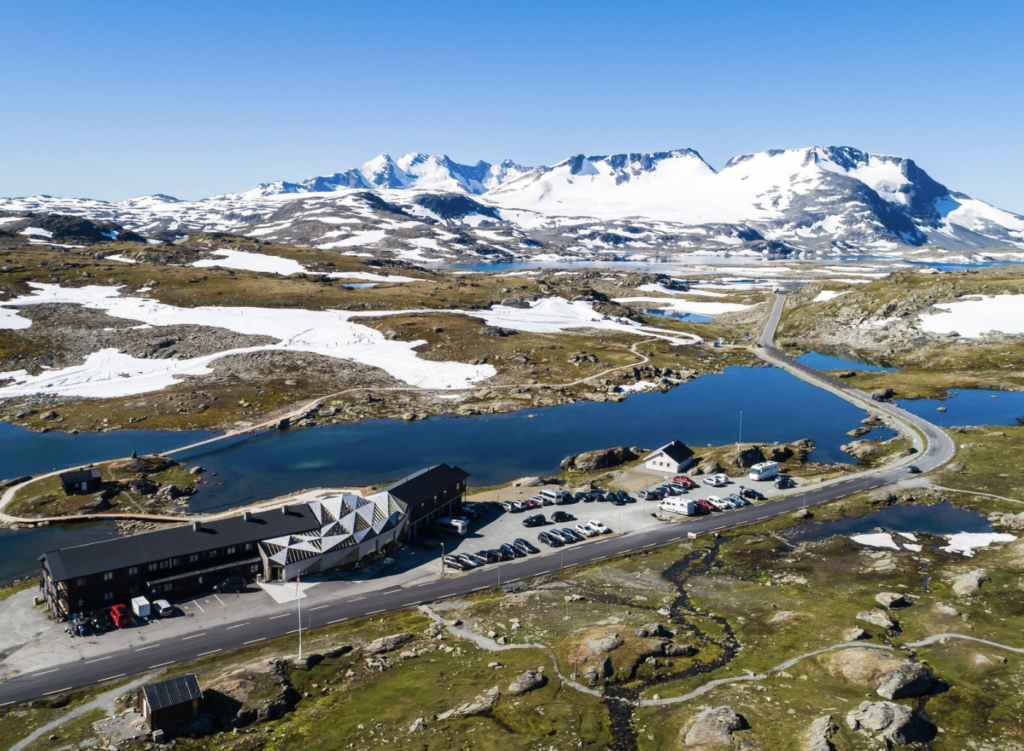
The southernmost city in the world, at the tip of Tierra del Fuego, where the Andes finally run out of land. It’s the launching point for Antarctica cruises, but the surrounding national park and end-of-the-world scenery are worth the trip on their own.
Cajas National Park, Ecuador
Hundreds of glacial lakes scattered across a high-altitude páramo landscape just outside Cuenca — eerie, foggy, and one of the most underrated landscapes in Ecuador, easily reached as a day trip.
Quebrada de Humahuaca, Argentina
A UNESCO World Heritage canyon in Argentina’s far north, famous for the multicolored “Cerro de los Siete Colores” (Hill of Seven Colors) above the town of Purmamarca. Combine it with Salinas Grandes for one of the most underrated road trips in Argentina.
Cordillera Huayhuash, Peru
A compact but ferociously dramatic mountain range in central Peru, ringed by a multi-day trekking circuit that many serious hikers consider more spectacular — and far less crowded — than anything around Cusco. Not for casual day-trippers, but unforgettable for those who make the effort.
Caño Cristales, Colombia
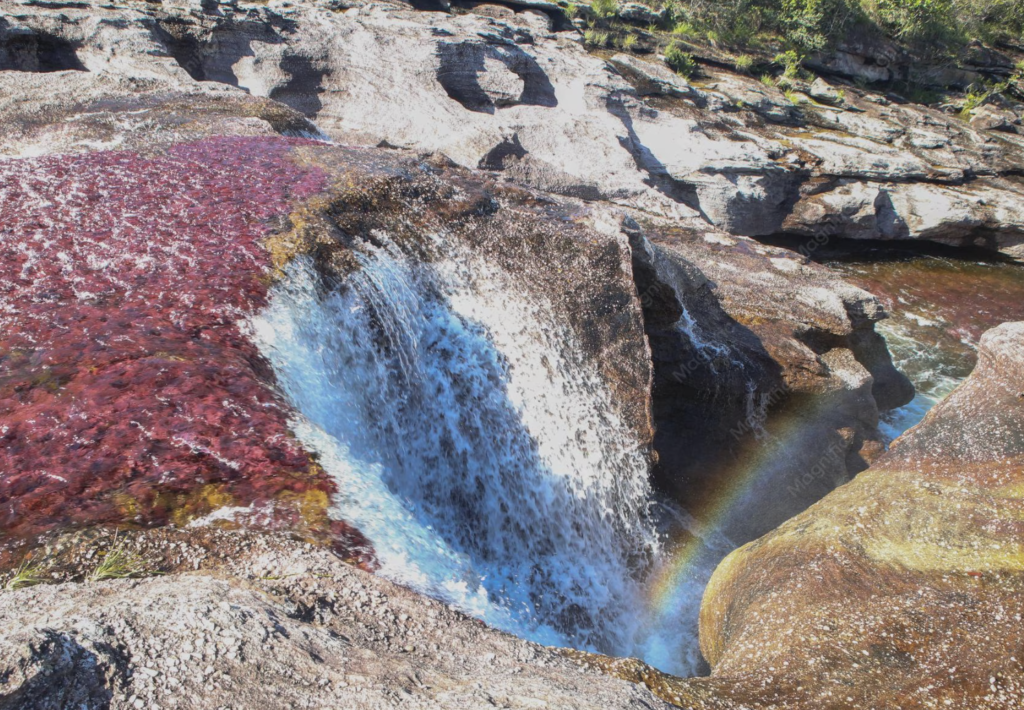
Known as the “River of Five Colors,” this remote river in Colombia’s Serranía de la Macarena turns vivid red, yellow, green, blue and black during a short seasonal window when aquatic plants bloom — one of the most photographed rivers on the planet during that period, and almost unknown the rest of the year.
Chiloé Island, Chile
South of mainland Chile’s Lake District, Chiloé feels like its own world — UNESCO-listed wooden churches, stilted houses (palafitos) over the water, and a foggy, folklore-rich atmosphere that’s a world away from the high Andes, but reachable as part of a longer Patagonia-bound itinerary.
How to Actually Plan a Trip Around This List
Trying to hit all 30 of these in one trip isn’t realistic — and honestly, it would be exhausting. The better approach is to pick a region and build a focused itinerary around 4–6 of these highlights, with enough time to actually enjoy each one rather than rushing through. A few realistic groupings:
- Peru & Bolivia (2–3 weeks): Cusco, the Sacred Valley, Machu Picchu, Rainbow Mountain, Lake Titicaca/Copacabana, La Paz and the Uyuni salt flat circuit. This is the classic “highlights of the Andes” route, and our Peru and Bolivia 10-day overland itinerary shows how to compress it if you’re tighter on time.
- Chile & Argentina / Patagonia (2–3 weeks): Atacama Desert, Mendoza wine country, Buenos Aires, then south to Bariloche, El Chaltén, Perito Moreno and Torres del Paine. Long distances, big payoffs.
- Ecuador & Colombia (2 weeks): Quito, the Avenue of Volcanoes, Otavalo, the Galápagos, then north to Colombia’s Coffee Triangle and Cartagena for a beach finish. Our ultimate Colombia 10-day itinerary covers the Colombia half in detail.
Always remember
Whichever route you choose, altitude is the thread that connects almost everything on this list — Cusco, La Paz, Uyuni, Rainbow Mountain and Quito are all above 2,800 metres, several well above 4,000. Build acclimatization days into your route rather than treating them as wasted time; they’re often when some of the best low-key experiences happen.
Before you go, two things will make the biggest difference to how smoothly your trip goes: understanding the visa requirements for the Andean countries you’re visiting, and reading through our 50 things to know before traveling to South America’s Andes — most of the surprises on this kind of trip are entirely avoidable with a bit of planning. And whatever else you pack, make sure your travel insurance actually covers the altitudes you’ll be at — several of the places on this list sit well above the threshold where standard policies stop covering you.
Got a favorite spot we missed? The Andes are full of places that don’t make it into guidebooks — this list will keep growing as we keep traveling.