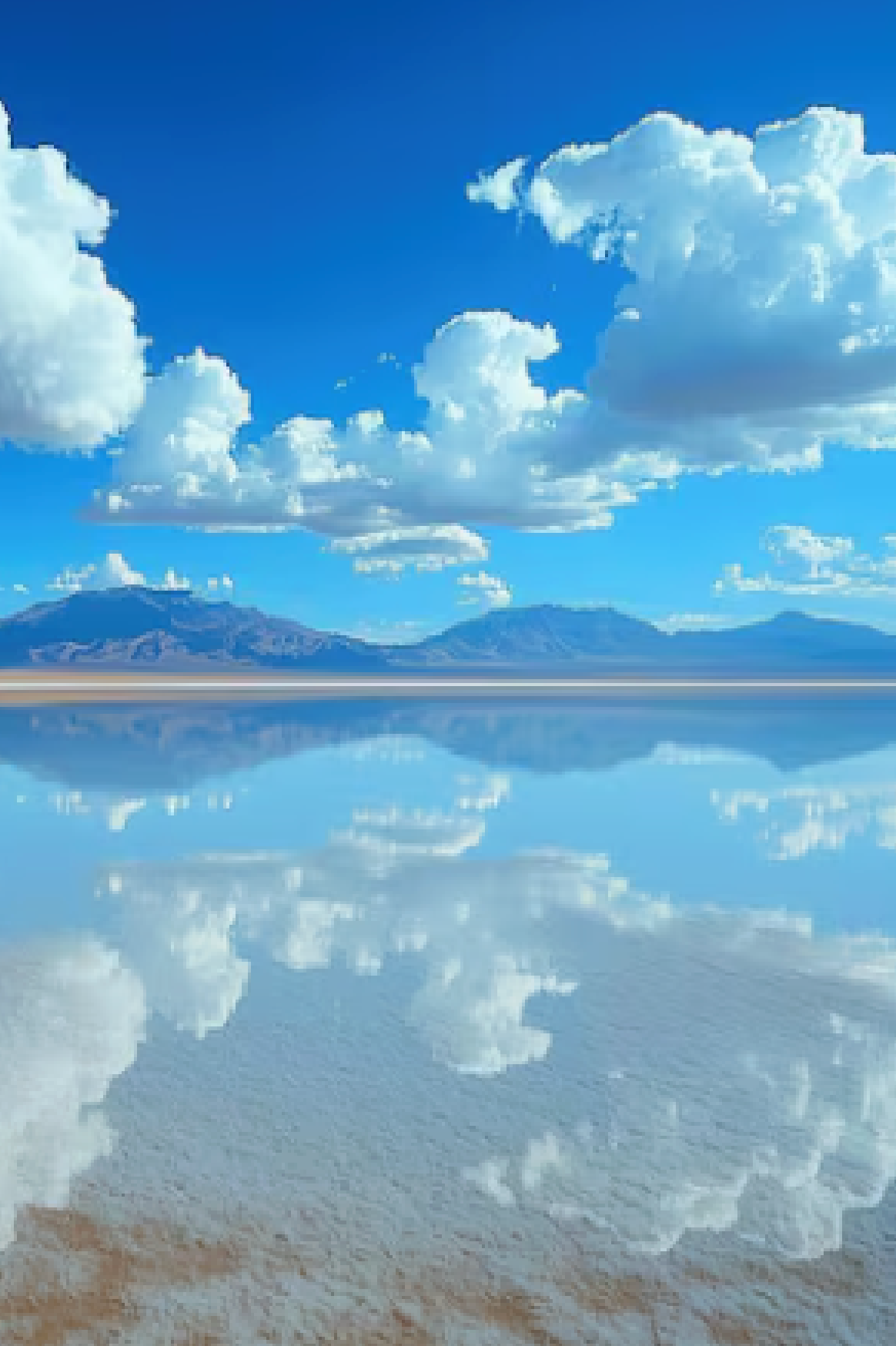

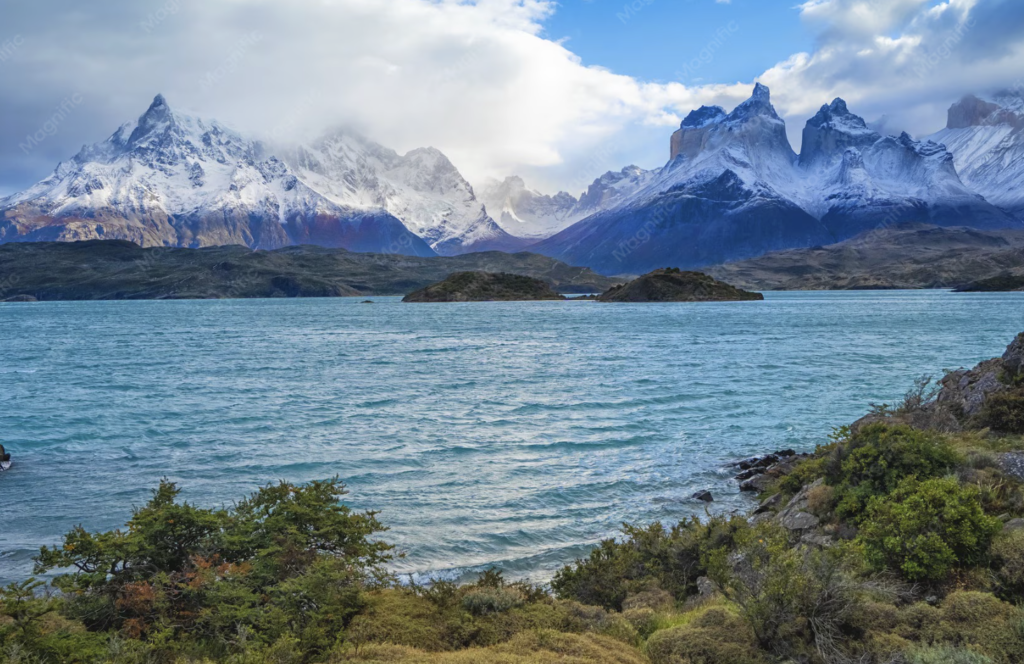
There is a moment on the trail to Mirador Las Torres when the wind dies completely, the clouds pull back, and those three granite towers appear out of nowhere — orange and bone-white and impossibly tall. No photograph prepares you for it. No description comes close. You just have to be there. Chile is full of moments like that.
This guide covers everything you need to plan a real trip to Chile in 2026 — from the driest desert on Earth in the north to the glaciers and fjords of Patagonia in the south. We will cover Torres del Paine National Park in depth, the Atacama Desert, the Chilean Lake District, the best time to go, how to get there, what it costs, and how to do it without the rookie mistakes that most first-timers make.
Santiago Is the Gateway. Find Your Best Fare Now.
Most international flights land at Santiago Arturo Merino Benitez (SCL). From there, domestic flights reach Punta Arenas (for Patagonia), Calama (for Atacama), and Puerto Montt (Lake District). Compare all routes in one search.
Skyscanner searches 1,200+ airlines and booking sites simultaneously.Why Chile Is Unlike Anywhere Else in South America
Chile stretches 4,300 kilometres from the Peruvian border in the north to Cape Horn in the south — and barely averages 177 kilometres wide. That geographic absurdity creates a country of extreme contrasts. The Atacama Desert in the north is the driest non-polar desert on the planet, receiving less rainfall per year than the Sahara in some areas. The Patagonian south receives over 3,000 mm of rainfall annually and hosts glaciers that flow directly into the Pacific.
For travellers coming from Peru or Bolivia, Chile feels immediately different. Infrastructure is reliable. Roads are paved. Tap water is safe to drink in most cities. The cost of living is noticeably higher than the rest of South America, but the quality of experiences — trekking in Torres del Paine, stargazing in San Pedro de Atacama, crossing a Patagonian glacier — fully justifies it.
| Region | Key Destinations | Best For | Best Season |
|---|---|---|---|
| Atacama Desert | San Pedro de Atacama, Valle de la Luna, Geysers del Tatio | Stargazing, landscapes, salt flats | Year-round (avoid Jan–Feb rains) |
| Central Chile | Santiago, Valparaiso, wine valleys | City breaks, wine, beaches | Oct–Apr |
| Chilean Lake District | Pucon, Villarrica, Puerto Varas | Volcanos, lakes, hiking | Nov–Mar |
| Carretera Austral | Futaleufu, Chaiten, Coyhaique | Remote road trip, off-grid | Nov–Mar |
| Torres del Paine | Mirador Las Torres, Grey Glacier, Valle del Frances | Trekking, wildlife, glaciers | Nov–Mar |
| Tierra del Fuego | Puerto Williams, Cape Horn | End of the world, sailing | Dec–Feb |
Torres del Paine: The Complete Trekking Guide for 2026
Torres del Paine National Park is the centrepiece of Chilean Patagonia and one of the finest trekking destinations on the planet. The park sits in the Magallanes region, about 112 kilometres north of Puerto Natales — the closest town and the base for most trekking logistics. The iconic three towers — Paine Grande, Torre Central, Torre Sur — are quartzite monoliths that rise more than 2,600 metres above sea level.
The Two Main Trekking Circuits
The W Trek and the O Circuit are the two primary options. The W takes 4 to 5 days and covers the three most scenic viewpoints: Mirador Las Torres, Valle del Frances, and Grey Glacier. It is named for the W-shaped route it traces. The O Circuit adds the back side of the Paine massif — a 7 to 9 day route that passes the John Gardner Pass at 1,200 metres and delivers views that most tourists never see. Both are stunning. The O Circuit is a different level of wilderness.
| Trek | Duration | Distance | Difficulty | Best For |
|---|---|---|---|---|
| W Trek | 4–5 days | ~80 km | Moderate | First-timers, limited time |
| O Circuit | 7–9 days | ~130 km | Strenuous | Experienced trekkers, solitude |
| Day Hike: Las Torres | 8–9 hours | ~22 km | Moderate-Hard | Day visitors from Puerto Natales |
| Day Hike: Mirador Nordenskjold | 4–5 hours | ~13 km | Easy-Moderate | Scenery without commitment |
| Grey Glacier Boat Tour | 4–5 hours | N/A (boat) | Easy | Non-trekkers, families |
Booking Your Trek in 2026: What Changed
CONAF (Chile’s national park authority) now requires all overnight trekkers to pre-book refugios or camping spots through the official booking system before entering the park. Walk-in availability during high season (November to March) is essentially zero. The most popular refugios — Campo Torre Central, Refugio Los Cuernos, Paine Grande — sell out months in advance. Book as early as possible, ideally 6 months ahead for December and January.
Park entrance fees in 2026 are CLP 21,000 (approximately USD 23) for non-Chilean foreigners during high season. The fee is paid at the CONAF entrance and includes a park orientation briefing. Camping wild (outside designated sites) is prohibited and fines are enforced.
| Refugio / Camp | Location | Type | Capacity | Booking |
|---|---|---|---|---|
| Campo Torre Central | Base of Las Torres | Camping + huts | 120 tents | trekking.torres.cl |
| Refugio Los Cuernos | W Trek mid-section | Mountain hut + camping | 80 beds | fantasticosur.com |
| Paine Grande Lodge | North end of Grey Lake | Lodge + camping | 100+ | vertice.cl |
| Dickson Camp | O Circuit north | Camping only | 80 tents | fantasticosur.com |
| Campamento Paso | Near John Gardner Pass | Primitive camping | 20 tents | Free (O Circuit) |
Torres del Paine Is Better With a Local.
Guided hikes, glacier walks, full-day catamaran tours on Grey Lake, Atacama stargazing. Book ahead — top experiences fill weeks out.
Atacama Desert: Stargazing, Geysers and the World’s Driest Landscape
The Atacama is 1,600 kilometres north of Santiago, centred on the town of San Pedro de Atacama at 2,438 metres above sea level. It sits in a rain shadow between the Andes to the east and the Chilean Coastal Range to the west. Some weather stations in the Atacama have never recorded measurable rainfall. The result is a landscape that looks genuinely alien — rust-red dunes, salt flats that stretch to the horizon, geysers erupting at 4,500 metres, and nights so clear that the Milky Way casts shadows.
For travellers who have just come from Bolivia’s Salar de Uyuni, the Atacama will feel familiar but distinct. The Bolivian altiplano is wilder and more remote; the Atacama has better infrastructure, more polished tour operators, and world-class observatories. If you are combining both, cross from Bolivia via the Hito Cajon border — the crossing takes you through the Bolivian altiplano at over 4,500 metres and delivers you directly into the Atacama. Spectacular.
| Attraction | Distance from San Pedro | Best Time | Notes |
|---|---|---|---|
| Valle de la Luna | 13 km west | Sunset | Book guided tour or rent a bike; entry CLP 4,000 |
| Geysers del Tatio | 95 km north | Dawn (4–5am) | Go before 8am — geysers reduce by mid-morning |
| Laguna Miscanti & Miniques | 110 km south | Morning | 4,100m altitude — bring layers |
| Salar de Atacama / Laguna Chaxa | 50 km south | Late afternoon | Flamingos most active dawn and dusk |
| Stargazing tour (ALMA Observatory area) | San Pedro town | After dark | Best Sep–Nov; avoid full moon weeks |
| Valle del Arco Iris | 65 km north | Midday (best light) | Coloured volcanic rock formations |
Altitude Sickness in the Andes: Prevention & Treatment
San Pedro de Atacama sits at 2,438m. Geysers del Tatio at 4,500m. Read our complete guide to acclimatisation before you arrive.
San Pedro to Puerto Natales. Lock In Your Beds Before They Go.
High-season accommodation in Torres del Paine and San Pedro de Atacama sells out months in advance. Book your bases now — cancel-free options available on most properties.
Booking.com — 28 million verified guest reviews.Chilean Lake District: Volcanoes, Waterfalls and Old-Growth Forest
Between Santiago and Patagonia lies a region that most international visitors skip — which is exactly why it is worth going. The Chilean Lake District runs from Temuco south to Puerto Montt and is defined by an almost impossible density of snow-capped volcanoes, glacier-fed lakes, and forests of ancient lengas and araucaria pines.
Pucon is the adventure capital of the region. The town sits on the shore of Lago Villarrica, directly below the permanently active Villarrica volcano. On clear days the volcano puffs a plume of ash and sulfur visible from 100 kilometres away. Guided summit climbs run from October to April — you strap crampons on at 4am, cross the snowfield in the dark, and look down into a lava lake at sunrise. Few trekking experiences in South America match it.
| Activity | Location | Duration | Difficulty | Cost (approx) |
|---|---|---|---|---|
| Villarrica Volcano Climb | Pucon | 8–10 hours | Strenuous | USD 80–120 guided |
| Huerquehue National Park hike | 30 km from Pucon | Full day | Moderate | CLP 5,000 entry |
| Ojos del Caburga waterfalls | 25 km from Pucon | Half day | Easy | CLP 3,000 |
| Crossing to Bariloche (7-lake route) | Puerto Montt to Bariloche | Full day (or 2) | Easy (boat+bus) | USD 200-250 all-in |
| Petrohue waterfalls, Vicente Perez Rosales NP | Porto Varas area | Half day | Easy | CLP 8,000 entry |
Puerto Varas, on the shore of Lago Llanquihue with a perfect view of the Osorno and Calbuco volcanoes, is the most visually stunning town in the region. The German immigrant architecture, the lakefront promenade, the clear cold water — it has a quality that feels completely unlike the rest of South America. If you are taking the 7-lake crossing to Bariloche, Puerto Varas is where the boat journey begins.
Best Time to Visit Chile: Season by Season
Chile’s extreme north-south length means seasons vary dramatically by region. The Atacama is essentially year-round. Patagonia is only accessible for serious trekking from November to March. Get this wrong and you will spend two weeks in wind, rain, and closed refugios.
| Season | Months | Patagonia | Atacama | Lake District | Notes |
|---|---|---|---|---|---|
| High Season | Dec–Feb | Best weather, crowded, expensive | Hot days, cooler nights | Warm, festivals | Book everything 3–6 months ahead |
| Shoulder (Spring) | Oct–Nov | Good conditions, fewer crowds | Ideal temperatures | Wildflowers, great hiking | Best value for Patagonia |
| Shoulder (Autumn) | Mar–Apr | Fewer trekkers, fall colours | Ideal temperatures | Mild, less rain | Excellent photography light |
| Low Season | May–Sep | Park partially closed, severe storms | Cool, clear skies, cheap | Ski season (Jun–Aug) | Atacama stargazing peaks Jun–Aug |
The sweet spot for most travellers combining Atacama and Patagonia is October–November or March–April. You get acceptable conditions in both regions, prices below peak season levels, and significantly fewer other trekkers on the trails. November in Torres del Paine means wildflowers along the valley floors and guanacos with young calves. March in Patagonia means beech forests turning gold and orange before the autumn storms close in. Both are genuinely beautiful.
Salar de Uyuni to Atacama: The Bolivia-Chile Crossing
Cross from Bolivia’s salt flats into the Atacama in a single epic overland journey. Our Andes trilogy guide covers the full route and logistics.
Getting Around Chile: Flights, Buses and the Carretera Austral
Chile’s geography creates a transport challenge — a 4,300-kilometre strip of land where the Pan-American Highway ends at Puerto Montt and the south is only accessible by ferry, gravel road, or small plane. Here is how to move efficiently.
Domestic Flights
LATAM Chile and Sky Airline operate the main domestic routes. Santiago to Punta Arenas (gateway to Torres del Paine) takes 3.5 hours by air — the alternative is a 3-day bus ride. Santiago to Calama (gateway to Atacama) takes 2 hours. Book domestic flights well in advance during high season — they sell out and prices spike sharply in December and January.
Overland Buses
Turbus and Pullman Bus connect all major cities between Arica in the far north and Puerto Montt in the south. Journey times are long but buses are modern, comfortable, and significantly cheaper than flying. Santiago to Puerto Montt is 12 hours overnight — an easy way to wake up in the Lake District.
The Carretera Austral
The Carretera Austral (Route 7) is one of the world’s great road journeys — a 1,240-kilometre gravel and paved road that runs through Chilean Patagonia from Puerto Montt to Villa O’Higgins. It passes through fishing villages, hanging glaciers, marble caves, and river canyons that are accessible no other way. Most travellers rent a 4WD in Puerto Montt and drive it south over 10–14 days. Ferry crossings are required at several points — book these months ahead in high season.
| Route | Transport | Duration | Approx Cost | Notes |
|---|---|---|---|---|
| Santiago to Calama (Atacama) | Flight | 2 hours | USD 80–200 | Book 4–6 weeks ahead in high season |
| Santiago to Punta Arenas (Patagonia) | Flight | 3.5 hours | USD 100–300 | LATAM or Sky Airline |
| Santiago to Puerto Montt (Lake District) | Bus (overnight) | 12 hours | USD 25–45 | Turbus or Pullman; comfortable cama seats |
| Puerto Natales to Torres del Paine gate | Bus or transfer | 1.5 hours | USD 8–15 | Daily services from Puerto Natales bus terminal |
| Bolivia (Uyuni) to San Pedro de Atacama | Shared 4WD tour | 3 days | USD 120–180 all-in | Most dramatic overland crossing in South America |
| Puerto Montt to Bariloche (Argentina) | Ferry + bus | Full day | USD 200–250 | The famous 7-lake crossing — book ahead |
Your Flight Was Delayed. That Could Be Worth 600 EUR.
Patagonia flights connect through Santiago — delays cascade. AirHelp claims your EU/UK261 compensation automatically. No win, no fee.
Free to check. Takes 2 minutes.Chile Travel Budget: What It Really Costs in 2026
Chile is the most expensive country in South America. That is not speculation — the numbers bear it out. A hostel dorm in Puerto Natales runs USD 20–35 per night; the same dorm in La Paz costs USD 8–12. A restaurant meal in Pucon costs what a nice restaurant in Cusco costs. Factor this into your planning and do not budget on Bolivian or Peruvian prices.
| Budget Level | Daily Budget (USD) | Accommodation | Food | Activities |
|---|---|---|---|---|
| Backpacker | $70–100 | Hostel dorm ($20–35) | Self-catering + cheap lunch spots | Free hikes, minimal tours |
| Mid-range | $130–200 | Private guesthouse or 3-star ($60–100) | Mix of restaurant meals | 1 guided tour per day |
| Comfort | $250–400+ | Boutique lodge or 4-star ($150–250) | Restaurant meals + wine | Multi-day guided experiences |
Torres del Paine adds significant costs: park entry (USD 23), refugio accommodation (USD 25–70 per night camping or USD 90–180 per night in a refugio hut), gear rental, and transfer from Puerto Natales. A 5-day W Trek with mid-range refugios will cost USD 400–600 in accommodation alone, not including flights to Punta Arenas or pre/post accommodation in Puerto Natales.
The Atacama adds differently. San Pedro de Atacama has become heavily touristed and prices reflect that — tours are USD 25–80 per person, accommodation is expensive for what you get, and the few supermarkets charge Santiago prices. Budget minimum USD 100 per day in San Pedro even on a careful budget.
TRAVEL INSURANCE FOR PATAGONIA
Patagonia Weather Changes in Minutes. Your Coverage Shouldn’t.
Medical evacuation, altitude illness, adventure sports. Trusted by Andes travelers since 2002.
Get IATI QuoteFlexible plans designed for South America — including Patagonia trekking, glacier tours, and remote rescues.
Get ATViaje QuotePacking for Chile: What You Actually Need
Chile demands the most versatile packing of any South American destination because the climate swing between the Atacama and Patagonia is roughly equivalent to packing for the Sahara and Iceland on the same trip. Most travellers get this badly wrong and end up either shivering in the Patagonian wind or lugging a heavy down jacket around the Atacama for two weeks.
For Patagonia (Torres del Paine, Southern Chile)
- Windproof and waterproof hardshell jacket — non-negotiable, spend money here
- Insulating mid-layer (down or synthetic): temperature can drop to 2–5C even in summer
- Merino wool base layers: regulates temperature, resists odour over multi-day treks
- Trekking trousers (not jeans): fast-drying, flexible
- Waterproof trekking boots with ankle support: trail conditions vary from mud to rocks
- Trekking poles: critical on the W Trek, especially the steep Las Torres ascent
- 35–45L daypack (for the W) or 55–65L backpack (for the O Circuit)
- Sleeping bag rated to -5C if staying in campsites (refugios provide bedding)
- Sun protection: UV is intense in Patagonia due to low ozone — SPF 50+
- Trekking gaiters: the trail section near Grey Glacier crosses loose scree and snow
For the Atacama Desert
- Lightweight sun-protection shirt (UPF 50+): daytime temperatures reach 25–30C
- Warm layer for evenings: temperatures at 2,438m drop sharply after sunset
- Sun hat with full brim: desert UV is extreme
- Sunglasses: high-altitude glare off the salt flats is blinding
- Hiking sandals or light trail shoes for most Atacama activities
- Warm jacket for Geysers del Tatio: pre-dawn temperatures at 4,500m are below freezing
- Refillable water bottle (2L minimum): altitude + dry air = high dehydration risk
The Complete Andes Packing List (180+ Items)
Our tested packing list covers Patagonia, the Atacama, and Andean trekking. Free PDF — ready to print and take with you.
Practical Chile Travel Tips: Visas, Money, Safety and Health
Chile is one of the easiest South American countries to travel in. Bureaucracy is minimal, infrastructure works, and safety concerns are broadly lower than elsewhere in the region. That said, a few specifics matter.
Visas
Citizens of the US, EU, UK, Australia, Canada, and most of Latin America enter Chile visa-free for up to 90 days. You will receive a Tarjeta de Turismo on arrival — keep it safe because you must return it when you leave. Losing it causes significant delays at the border or airport. If you are crossing from Bolivia or Argentina by land, ensure your passport is stamped at the official CONAF or PDI checkpoint.
Currency and Money
The currency is the Chilean Peso (CLP). USD 1 = approximately CLP 890–920 in mid-2026. ATMs are widely available in Santiago and major cities; in remote areas (Puerto Natales, San Pedro, small Carretera Austral towns) they are scarce and sometimes empty. Withdraw cash before heading into the park or desert. Card payments are widely accepted in Santiago and tourist areas but not in small towns or refugios.
Safety
Chile is one of the safer countries in South America. The main risks are standard petty theft in Santiago’s crowded areas (particularly the Metro and around Plaza de Armas) and the very real hazard of altitude and weather in the national parks. Never hike in Torres del Paine without checking the daily weather forecast at CONAF — storms can move in within minutes and have killed unprepared trekkers. Cell coverage inside the park is effectively zero beyond the main lodges. Register your trekking plan at the park entrance.
Health
Tap water is safe to drink in Santiago and most cities but should be treated with caution in very remote areas. Altitude is the main health consideration — San Pedro de Atacama is at 2,438m, Geysers del Tatio at 4,500m, and the Bolivia-Atacama crossing passes through 4,500–5,000m terrain. Allow at least one night to acclimatise in San Pedro before doing high-altitude excursions. Diamox (acetazolamide) is available in Chilean pharmacies without prescription.
| Item | Detail |
|---|---|
| Visa required | No — visa-free up to 90 days for US/EU/UK/AUS/CAN |
| Currency | Chilean Peso (CLP) — USD 1 = ~CLP 900 (May 2026) |
| Power sockets | Type C and Type L (220V) — bring adaptor for US devices |
| Official language | Spanish |
| Emergency number | 133 (police), 131 (ambulance), 132 (fire) |
| CONAF park reservations | reservas.conaf.cl — book before arrival |
| Time zone | CLT (UTC-3); CLST (UTC-4) in summer |
| Tipping | 10% in restaurants standard; not expected in taxis or small shops |
Chile Itineraries: How to Plan Your Time
Chile’s length makes it impossible to see everything in one trip. Pick your anchor region and build from there. Here are three field-tested itineraries.
| Day | 10-Day Patagonia Focus | 14-Day Atacama + Patagonia | 21-Day Grand Chile |
|---|---|---|---|
| 1–2 | Fly Santiago → Punta Arenas, transfer to Puerto Natales | Fly Santiago → Calama, San Pedro de Atacama | Santiago city (Bellavista, Cerro San Cristobal, Valparaiso day trip) |
| 3–4 | Torres del Paine: arrive, full-day hike Grey Glacier | Atacama tours: Valle de la Luna, flamingo lagoons | Fly to Calama, San Pedro de Atacama (3 nights) |
| 5–7 | W Trek: Las Torres base + Valle del Frances | Geysers del Tatio (dawn), stargazing tour | Atacama deep dives: Tatio, Miscanti, stargazing |
| 8–9 | W Trek: Paine Grande + Grey Glacier viewpoint | Fly Santiago → Punta Arenas → Puerto Natales | Fly to Pucon, Villarrica Volcano climb |
| 10 | Return to Puerto Natales, fly Punta Arenas → Santiago | Enter Torres del Paine, first hike | Lake District: Puerto Varas, Petrohue waterfalls |
| 11–14 | — | W Trek (4 nights) | Fly Punta Arenas, W Trek (4 nights) |
| 15–21 | — | — | Puerto Natales, fly home via Santiago |
Sleep Well in Santiago, Pucon, Puerto Natales. Rates Won’t Wait.
From downtown Santiago boutique hotels to Patagonia eco-lodges — compare availability and cancel-free options across your full itinerary.
Over 1 million properties in Chile and South America on Booking.com.Chile vs Argentina Patagonia: Which Side Should You Trek?
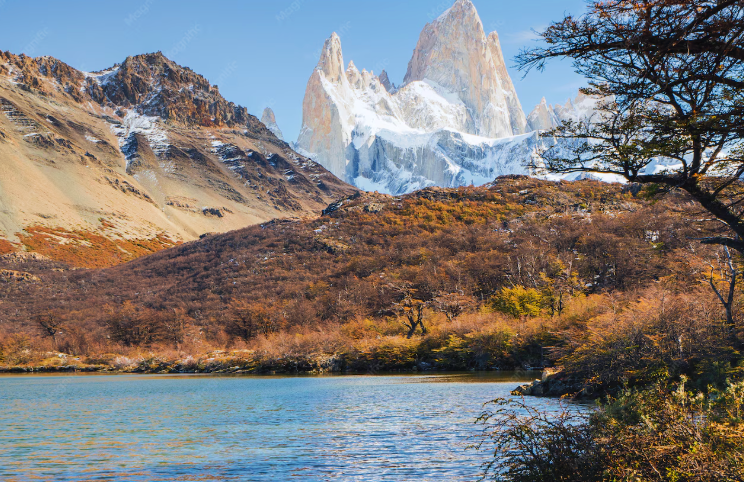
Patagonia is shared between Chile and Argentina, and the two sides offer genuinely different experiences. Most travellers do both — the border at Paso Casas Viejas connects Torres del Paine with the Argentinian side (El Calafate, Perito Moreno Glacier, El Chalten / Fitz Roy). Here is the honest comparison.
| Chilean Patagonia (Torres del Paine) | Argentine Patagonia (El Chalten / El Calafate) | |
|---|---|---|
| Iconic sight | The three Torres granite towers | Perito Moreno Glacier / Fitz Roy |
| Trekking difficulty | Moderate to strenuous (W Trek) | Moderate (Laguna de los Tres is hard) |
| Booking required | Yes — months ahead in high season | No (El Chalten has free camping, no booking) |
| Infrastructure | Good refugios and lodges | More independent / camping-focused |
| Cost | Higher (park fees + refugios expensive) | Lower (El Chalten camping is free) |
| Wildlife | Guanacos, condors, pumas, flamingos | Condors, huemul deer, Andean foxes |
| Best for | Those who want a structured trekking experience | Independent trekkers, those who prefer free camping |
The Perito Moreno Glacier on the Argentine side is genuinely unmissable — a 5-kilometre-wide wall of ice that advances and calves into Lago Argentino with a noise like cannon fire. Combine 3 nights in Torres del Paine with a bus crossing to El Calafate (6 hours) and 2 nights at Perito Moreno. It is one of the great South American itinerary combinations.
The Complete Argentina Travel Guide 2026
Patagonia, Buenos Aires, wine country, Iguazu Falls. Our full Argentina guide covers everything you need to combine with Chile.
Frequently Asked Questions: Chile Travel in 2026
Do I need to book Torres del Paine in advance?
Yes — absolutely. All overnight accommodation (refugios and campsites) must be pre-booked through the official systems (fantasticosur.com, vertice.cl, trekking.torres.cl) before you enter the park. During high season (December–February), popular sites sell out 3–6 months ahead. Day hikers do not need advance booking, but must pay the CONAF park entrance fee.
What is the best month to visit Torres del Paine?
October, November, and March offer the best combination of good weather, manageable crowds, and lower prices. December and January are peak season — excellent weather but fully booked and expensive. February has slightly higher wind and the most visitors. April is beautiful for photography (autumn colours) but some facilities begin closing.
Is Chile safe to travel alone?
Yes, Chile is one of the safer countries in South America. Common sense precautions apply in Santiago (be aware of your belongings on the Metro and in markets). In national parks and desert areas, the main safety considerations are weather and altitude, not crime. Let someone know your trekking plan and check CONAF weather alerts daily.
Can I do the W Trek without camping gear?
Yes. You can trek the W using only refugio huts, which provide beds, pillows, blankets, and meals. You still need trekking clothes and a daypack. The refugios are comfortable but expensive — budget USD 100–180 per person per night including dinner and breakfast.
How do I get from San Pedro de Atacama to Torres del Paine?
There is no direct connection. You must fly via Santiago. Fly Calama to Santiago (2 hours), then Santiago to Punta Arenas (3.5 hours), then bus to Puerto Natales (3 hours). Total journey is a full day. Book domestic flights as early as possible — Calama to Santiago is often booked out in high season.
What is the altitude in the Atacama?
San Pedro de Atacama town is at 2,438m. Laguna Miscanti is at 4,350m. Geysers del Tatio are at 4,500m. The Bolivia-Atacama crossing via Hito Cajon reaches 5,000m. Give yourself at least one night in San Pedro before attempting high-altitude excursions, and carry altitude medication if you are sensitive.
Is the Carretera Austral driveable in a regular car?
Not recommended. Large sections are gravel and some require seasonal ferry crossings. A 4WD vehicle with good ground clearance and a spare tyre (ideally two spares) is strongly recommended. Rental agencies in Puerto Montt offer 4WD vehicles suited for the Carretera. Road conditions change significantly after rain.
Do I need travel insurance for Chile?
Yes, strongly recommended. Medical evacuation from Torres del Paine or a remote section of the Carretera Austral can cost USD 50,000–150,000 without insurance. Adventure sports exclusions are common — verify that trekking, glacier walking, and volcano climbing are covered by your specific policy before you leave.
What is the currency in Chile and can I use USD?
The currency is the Chilean Peso (CLP). USD are not widely accepted outside Santiago tourist areas. Use ATMs to withdraw pesos — note that remote areas like Puerto Natales and San Pedro have limited ATMs that sometimes run dry in high season. Withdraw enough cash before leaving Santiago or Punta Arenas.
Can I combine Bolivia’s Uyuni with the Atacama?
Yes — this is one of the great overland journeys in South America. Most Uyuni tour operators offer a 3-day tour that crosses from the Bolivian salt flats through the Siloli Desert, Laguna Colorada, and Laguna Verde before depositing you at the Hito Cajon border crossing into Chile. You arrive in San Pedro de Atacama at around 12pm on day 3. No special visa is required; just a valid passport.
Final Thoughts: Chile Will Surprise You
Most travellers arrive in Chile with one destination in mind — Torres del Paine, or maybe the Atacama — and leave wanting to come back for everything they missed. That is the thing about Chile. It rewards depth. A week in Patagonia barely scratches the surface. The Carretera Austral alone could take a month. The Lake District, the wine valleys, the island of Chiloe with its wooden churches and mythology — there is more here than most people expect from a country this narrow.
Do your research, book ahead, pack for the weather, and give yourself more time than you think you need. And when you finally stand in front of those three granite towers with the Patagonian wind in your face and the lake below you a shade of turquoise you have never seen before — you will understand why people come back, and keep coming back.
We are building uncovertheandes.com to be the most detailed English-language guide to South America’s highlands, deserts, and extremes. If this guide helped you, explore our Peru, Bolivia, Argentina, and Ecuador guides — we cover every country in depth, with the kind of practical detail you only get from people who have actually been there. See you on the trail.