I was born in La Paz, Bolivia — at 3,600 metres above sea level. My lungs have spent a lifetime adapting to thin air. And yet, every year I watch perfectly healthy, fit travellers land in Cusco and spend their first two days in bed, blindsided by altitude sickness they never expected.
Altitude sickness — known in Peru as soroche — is the single biggest threat to your Peru trip. Not crime. Not bad food. Altitude. It hits professional athletes as hard as it hits retirees. It has ended Inca Trail hikes on day one and hospitalised otherwise healthy tourists. And almost all of it is preventable with the right knowledge.
In this guide I’ll give you everything: what altitude sickness actually is, why Cusco hits harder than Machu Picchu, the exact medication dosages recommended by the CDC, the Sacred Valley acclimatisation strategy the best guides use, and when you absolutely must descend immediately. This is the guide I wish every traveller had before they boarded their flight to Lima.
What Is Altitude Sickness? Understanding AMS, HACE and HAPE
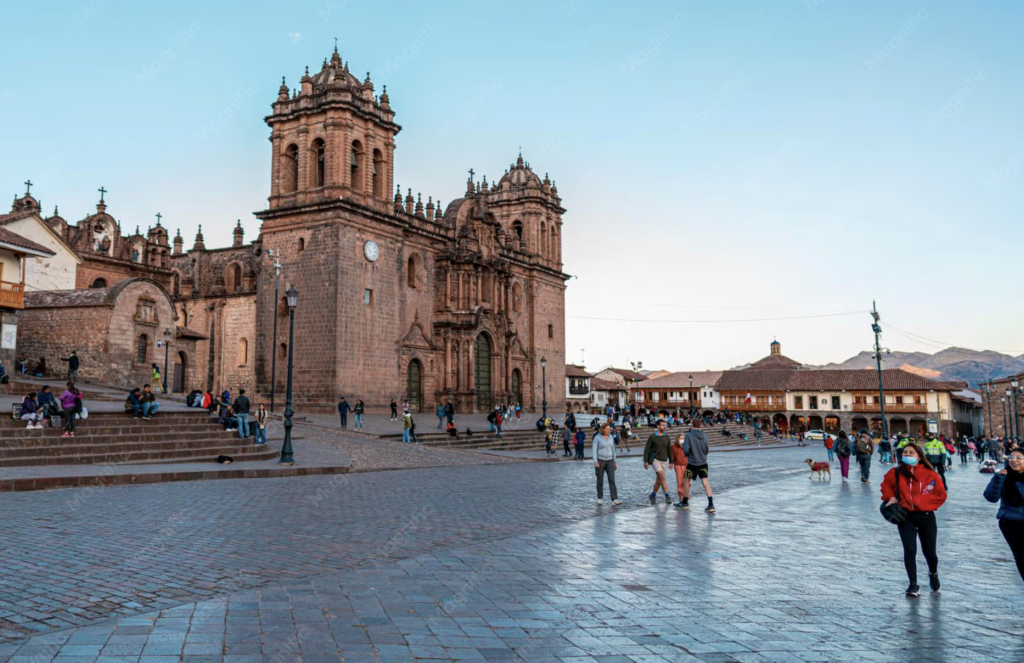
Altitude sickness is your body’s reaction to reduced oxygen levels at elevation. The medical term is Acute Mountain Sickness (AMS) — and it affects between 25% and 50% of all visitors who travel above 2,500 metres (8,200 feet) without proper acclimatisation. Cusco sits at 3,400 metres. La Paz is at 3,600 metres. Even Machu Picchu, lower at 2,430 metres, can trigger mild symptoms in visitors arriving directly from sea level.
There are three forms of altitude-related illness, ranging from manageable to life-threatening:
| Condition | Acronym | Severity | Key Symptoms | Action Required |
|---|---|---|---|---|
| Acute Mountain Sickness | AMS | Mild–Moderate | Headache, nausea, fatigue, dizziness, poor sleep | Rest, hydrate, do not ascend |
| High Altitude Cerebral Edema | HACE | Severe | Severe headache, confusion, loss of coordination, altered consciousness | Descend immediately — medical emergency |
| High Altitude Pulmonary Edema | HAPE | Severe / Fatal | Breathlessness at rest, chest tightness, pink frothy cough, cyanosis | Descend immediately — medical emergency |
The vast majority of travellers in Peru will only ever encounter AMS — and with the right preparation, many will avoid it entirely. HACE and HAPE are rare but can develop from untreated AMS, which is why it is critical to take mild symptoms seriously and never push through them hoping they will disappear.
Altitude Levels in Peru: Every Destination You Need to Know
Peru is one of the most altitudinally diverse countries on Earth. Understanding the elevation of every stop on your itinerary is the first step to building a safe trip.
| Destination | Altitude (m) | Altitude (ft) | AMS Risk | Notes |
|---|---|---|---|---|
| Lima | 0–154 m | 0–505 ft | None | Sea level — your starting point |
| Machu Picchu Citadel | 2,430 m | 7,972 ft | Low–Moderate | Lower than Cusco — but still affects sea-level arrivals |
| Sacred Valley (Urubamba) | 2,871 m | 9,419 ft | Moderate | Best for first-night acclimatisation |
| Sacred Valley (Pisac) | 2,972 m | 9,751 ft | Moderate | Slightly higher — still much better than Cusco |
| Cusco | 3,400 m | 11,155 ft | High | Most travellers first experience AMS here |
| Ollantaytambo | 2,792 m | 9,160 ft | Moderate | Good base before Inca Trail |
| Rainbow Mountain (Vinicunca) | 5,200 m | 17,060 ft | Very High | Only visit after 3+ days acclimatisation in Cusco |
| Puno / Lake Titicaca | 3,810 m | 12,500 ft | High | Higher than Cusco — acclimatise first |
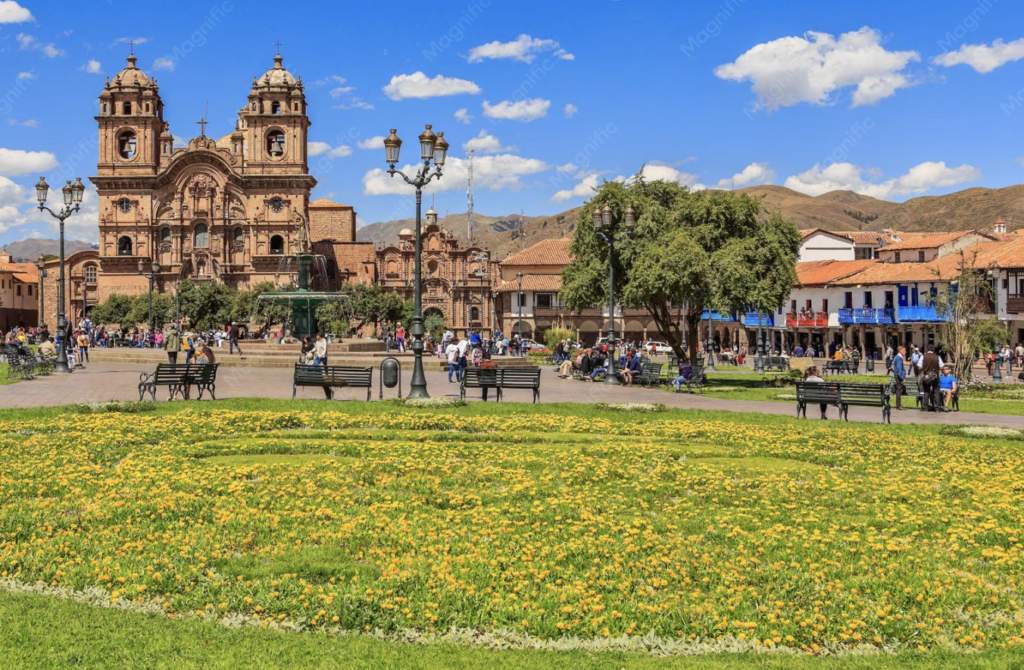
The critical insight here is that Cusco is not the highest point on your Peru itinerary — but it is usually where you arrive first. Flying from Lima (sea level) to Cusco (3,400m) in two hours is a shock to any body. The Sacred Valley strategy — described in detail later in this guide — exploits the altitude difference between Cusco and the valley towns to give your body a gentler landing.
Symptoms of Altitude Sickness: How to Recognise It Early
Symptoms of AMS typically appear between 6 and 24 hours after arrival at altitude — which means you may feel fine when you land in Cusco and wake up feeling terrible the next morning. The most common mistake travellers make is assuming the headache is dehydration or jet lag and pushing through a full sightseeing day. That choice often makes everything significantly worse.
Common AMS Symptoms (Mild to Moderate)
The following symptoms are signs your body is struggling to adapt. If you experience any combination of these, rest immediately:
- Headache — the most reliable early indicator. Often described as a dull, persistent pressure across the forehead.
- Nausea or vomiting — appetite loss and stomach discomfort are very common on day one in Cusco.
- Fatigue and weakness — feeling exhausted from activities that would normally be effortless.
- Dizziness or lightheadedness — particularly when standing up quickly.
- Shortness of breath — even when resting or walking slowly.
- Poor sleep — frequent waking, vivid dreams and a feeling of not getting enough air are hallmarks of AMS at night.
- Loss of appetite — your body redirects energy to acclimatisation.
Warning Signs of HACE or HAPE — Descend Immediately
The following symptoms are a medical emergency. Do not sleep on them. Do not wait to see if they improve. Descend to lower altitude immediately and seek emergency medical care:
- Severe, unrelenting headache that does not respond to ibuprofen or paracetamol
- Loss of coordination — stumbling, inability to walk in a straight line
- Confusion, altered mental state, unusual behaviour
- Breathlessness at rest that is getting worse
- Persistent dry cough that develops into a wet or gurgling sound
- Blue or grey tinge to lips or fingernails (cyanosis)
- Chest tightness or pain
A useful field test for HACE is the tandem gait test: ask the person to walk heel-to-toe in a straight line for 3 metres. Inability to do so without stumbling is a strong indicator of cerebral involvement — descend and get to a hospital.
Don’t Travel to the Andes Without Travel Insurance
Medical evacuation from a remote Andean location can cost $50,000 or more. At high altitude, emergencies happen fast. Make sure your policy covers altitude-related illness, emergency evacuation and adventure activities before you fly.
Affiliate links — no extra cost to you. Supports this free guide.
How to Prevent Altitude Sickness in Cusco: 8 Evidence-Based Strategies
Prevention is dramatically more effective than treatment. Here are the eight most important things you can do before and during your arrival in Cusco:
1. Use the Sacred Valley Acclimatisation Strategy
This is the single most effective thing you can do. Instead of spending your first night in Cusco (3,400m), transfer directly to the Sacred Valley (2,600–3,000m) upon landing. Spend your first night in Urubamba or Pisac — both have excellent hotels and hostels. Return to Cusco after one or two nights, partially acclimatised. The difference in how you feel is dramatic.
2. Arrive in Cusco from a Lower Altitude
If you are flying from Lima, you are going from sea level to 3,400m in two hours. If your itinerary allows, consider a night in Arequipa (2,335m) first. Even Ollantaytambo (2,792m) as a first stop makes a meaningful difference.
3. Rest Completely on Day One
No matter how excited you are to see Cusco — and you should be, it is extraordinary — do nothing strenuous for the first 24 hours. Check into your hotel. Drink coca tea. Eat a light meal. Walk gently. Let your body work. Every hour of rest on day one is worth a full day of active sightseeing later.
4. Hydrate Constantly
At altitude, your body loses water faster through increased breathing rate. Drink at least 3–4 litres of water per day starting the day before you fly. Avoid alcohol and caffeine for the first 48 hours — both accelerate dehydration and suppress the body’s acclimatisation response.
5. Eat Light, High-Carbohydrate Meals
Your body uses more energy to process protein and fat at altitude. Stick to carbohydrate-heavy meals — rice, potatoes, quinoa soup, bread. All of these are staples of Andean cooking for good reason. Avoid large, heavy meals on your first nights.
6. Sleep at a Lower Altitude Than You Explored
The Andean rule of thumb: climb high, sleep low. You can visit higher-altitude sites during the day, but return to a lower sleeping altitude each night. Your body acclimatises primarily during sleep, and sleeping high slows that process.
7. Drink Coca Tea
Coca leaves have been used in the Andes for centuries as an altitude remedy — and modern research supports mild effectiveness for AMS symptoms. Coca tea is legal throughout Peru and Bolivia. It is served free at virtually every hotel in Cusco. Drink 2–3 cups per day during your first days at altitude. It will not prevent serious AMS, but it genuinely helps with mild headache and fatigue.
8. Consider Diamox (Acetazolamide)
Acetazolamide — sold as Diamox internationally — is the most evidence-backed pharmaceutical prevention for AMS. It works by stimulating faster, deeper breathing, which speeds up acclimatisation. It requires a prescription from your doctor. Ask for it at your pre-travel appointment at least two weeks before departure.
Find the Best Flights to Cusco
The cheapest routes to Cusco (CUZ) almost always connect through Lima (LIM). Use Skyscanner’s flexible date search to find the best combination — and build in a night in Lima before flying on to Cusco.
Search Flights on Skyscanner →Medications for Altitude Sickness: Diamox, Soroche Pills and Coca Tea Compared
There are three main pharmaceutical and traditional options for altitude sickness in Peru. Here is how they compare:
| Option | Type | Effectiveness | Available In Peru? | Best For | Side Effects |
|---|---|---|---|---|---|
| Diamox (Acetazolamide) 125mg | Prescription drug | ★★★★★ — Gold standard | Yes, prescription required | Prevention — start 24–48h before ascent | Frequent urination, tingling fingers, sensitivity to sunlight |
| Soroche Pills (OTC Peru) | OTC supplement | ★★★ — Moderate | Yes — any Cusco pharmacy | Mild symptom relief — not prevention | Aspirin-based — not for aspirin-sensitive travellers |
| Coca Tea / Leaves | Traditional remedy | ★★ — Mild | Yes — everywhere | Mild headache and fatigue relief | Very mild stimulant effect — legal in Peru & Bolivia |
| Ibuprofen 400mg | OTC painkiller | ★★ — Symptom relief only | Yes — everywhere | Altitude headache relief | Stomach upset on empty stomach |
| Oxygen (canned or tank) | Supplemental O2 | ★★★ — Fast temporary relief | Yes — most Cusco hotels | Acute symptom relief — not prevention | None — but relief is short-lived |
Diamox Dosage (per CDC Yellow Book 2024): The recommended prevention dose is 125 mg every 12 hours, beginning 24–48 hours before ascent and continuing for the first 48 hours at altitude. If you weigh over 100 kg, your doctor may recommend 250 mg every 12 hours. Always consult your physician before taking Diamox — it is contraindicated in people with sulfa allergies and some kidney conditions.
Important note on Soroche Pills: in Peruvian pharmacies, “Soroche Pills” typically contain aspirin, caffeine and sometimes a small dose of acetazolamide. Always read the label and ask the pharmacist what is inside. They are not a substitute for prescription Diamox taken preventively.
The Sacred Valley Acclimatisation Strategy: A Step-by-Step Itinerary
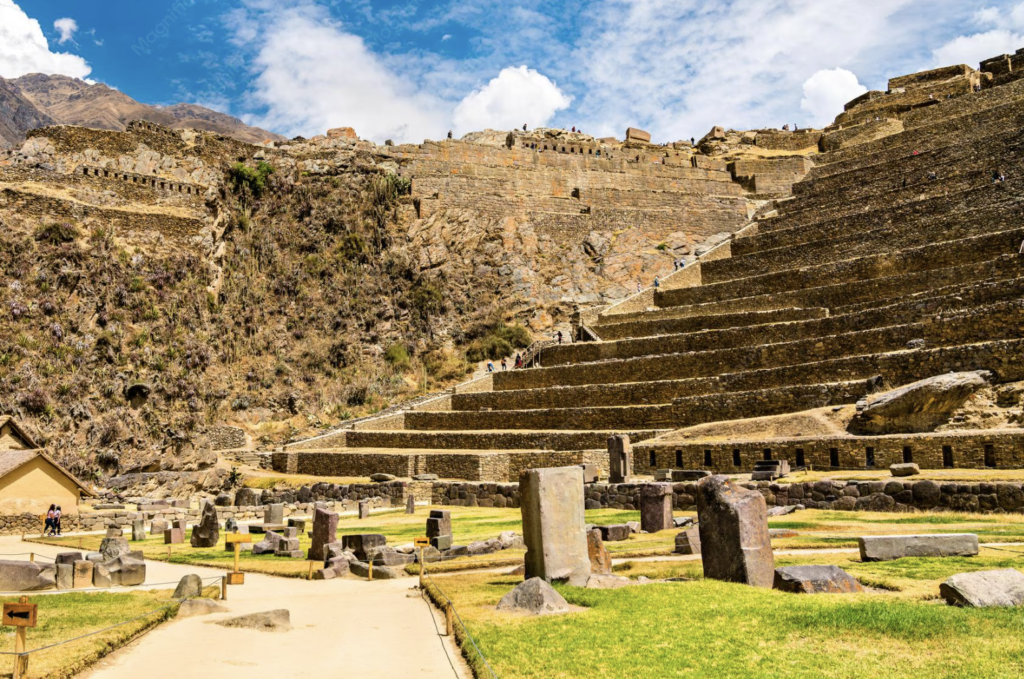
This is the approach used by the best Cusco guides and recommended by wilderness medicine practitioners. It exploits the 400–800m altitude difference between Cusco and the Sacred Valley towns to give your body a gentler entry point into high-altitude Peru.
| Day | Location | Altitude | Activities | Key Goal |
|---|---|---|---|---|
| Day 1 | Lima (arrive) → Sacred Valley | 0m → 2,871m | Flight Lima→Cusco, transfer to Sacred Valley. Rest at hotel. Coca tea. | Arrive lower than Cusco. First adaptation night. |
| Day 2 | Sacred Valley | 2,871–2,972m | Gentle walk in Pisac market or Maras salt ponds (3,380m max). Back for dinner. | Gentle exposure to moderate altitude. |
| Day 3 | Sacred Valley → Cusco | 2,871m → 3,400m | Move to Cusco. Afternoon walk in San Blas or Plaza de Armas. Early dinner, early sleep. | Arrive in Cusco already partially adapted. |
| Day 4 | Cusco | 3,400m | Half-day city tour — Sacsayhuamán, Qorikancha. No strenuous hiking. | Continued adaptation. Monitor symptoms. |
| Day 5+ | Cusco / Machu Picchu | 3,400m / 2,430m | Machu Picchu day trip (lower altitude — most people feel better here). | Full acclimatisation. Machu Picchu is actually relief. |
The key insight about Machu Picchu: it is lower than Cusco. At 2,430m, most travellers who have spent 3–4 days in Cusco actually feel noticeably better at Machu Picchu. Do not let altitude fear push you to rush Machu Picchu before you have adapted — take the time in Cusco first, and Machu Picchu will be everything you imagined.
Book Your Peru Tours & Experiences
Start slow on day one — book a gentle Sacred Valley tour, a Cusco city walk or a guided market visit. Our trusted partners below offer refundable bookings and expert local guides.
What to Do If You Get Altitude Sickness in Cusco
Even with perfect preparation, altitude sickness can still happen. Here is the correct response sequence:
For Mild AMS (headache, nausea, fatigue)
- Stop all activity immediately — sit down, go to your hotel room, rest.
- Drink water — slowly but consistently.
- Take ibuprofen 400mg for headache relief (with food).
- Drink coca tea — 2–3 cups.
- Do not ascend to higher altitude under any circumstances until symptoms fully resolve.
- Avoid alcohol completely.
- If symptoms do not improve after 24 hours of rest — or worsen at any point — consider descending to a lower altitude.
For Moderate to Severe AMS, HACE or HAPE
Descend immediately. Do not wait. Do not sleep on it. A descent of just 300–500 metres can produce dramatic improvement within minutes. Get the person to lower altitude first — seek medical care second. In Cusco, the nearest major medical facility is the Clínica Pardo (well-equipped, English-speaking staff, used to treating altitude emergencies).
Portable altitude chambers (Gamow bags) are available at some high-altitude refuges on treks. They simulate descent by inflating around the patient and are a bridge to actual descent, not a replacement for it.
Altitude Sickness by Destination: Cusco vs Machu Picchu vs Rainbow Mountain
| Destination | Altitude | AMS Risk Level | Recommended Prior Acclimatisation | Our Verdict |
|---|---|---|---|---|
| Machu Picchu | 2,430 m | Low–Moderate | 1–2 nights at Sacred Valley (2,800m) | Most visitors are fine — the citadel itself is lower than Cusco |
| Cusco city | 3,400 m | High | 1–2 nights in Sacred Valley first | First 24h are the hardest — plan a rest day |
| Sacsayhuamán | 3,701 m | High | 2–3 days in Cusco first | Short but steep — don’t rush |
| Puno / Titicaca | 3,810 m | High | 3–4 days in Cusco first | Fly Lima–Puno only if you’ve already adapted |
| Rainbow Mountain | 5,200 m | Very High | Minimum 3 full days in Cusco | Only for well-adapted, fit travellers. Not recommended with any AMS symptoms. |
Rainbow Mountain (Vinicunca) deserves special mention. At 5,200m it is significantly higher than anything else on a standard Peru itinerary. The tour departs Cusco at 3am, drives to 4,600m and then hikes to 5,200m — all in one day. Reputable tour operators will refuse to take travellers who have been in Cusco less than 3 days. If a tour operator does not ask about your acclimatisation status, choose a different operator.
Travel Insurance for High-Altitude Travel in Peru: What You Must Check
Medical evacuation from a remote Andean location — whether from the Inca Trail, Rainbow Mountain, or a high-altitude camp — can cost between $30,000 and $80,000 USD. This is not a hypothetical risk. It happens every year to travellers who assumed their standard travel insurance would cover it.
Before you buy any policy for a Peru trip, confirm it explicitly covers:
- Altitude-related illness — AMS, HACE and HAPE should be named or covered under emergency medical
- Emergency medical evacuation — helicopter or ground evacuation from remote areas
- Adventure activities — trekking, hiking and high-altitude activities
- Pre-existing conditions — if applicable to your situation
- Trip cancellation due to illness — in case altitude sickness cuts your trip short
Don’t Travel to the Andes Without Travel Insurance
Medical evacuation from a remote Andean location can cost $50,000 or more. At high altitude, emergencies happen fast. Make sure your policy covers altitude-related illness, emergency evacuation and adventure activities before you fly.
Affiliate links — no extra cost to you. Supports this free guide.
Book Your Cusco & Sacred Valley Hotels
The Sacred Valley acclimatisation strategy only works if you have accommodation ready in the valley before you land. Book your first two nights in Urubamba or Pisac before you fly — do not leave it to chance on arrival.
Search Hotels on Booking.com →Frequently Asked Questions About Altitude Sickness in Cusco
How long does altitude sickness last in Cusco?
For most travellers, mild AMS symptoms peak in the first 24–48 hours after arrival and improve significantly by day three. If your symptoms are not improving after 48 hours of rest, consider descending to a lower altitude or seeking medical advice.
Can I take Diamox without a prescription in Peru?
Diamox (acetazolamide) requires a prescription in most countries. In Peru, some pharmacies may sell it over the counter, but we strongly recommend obtaining a prescription from your doctor before you travel. The correct dosage depends on your weight and medical history.
Is Machu Picchu higher than Cusco?
No — Machu Picchu is significantly lower than Cusco. The citadel sits at 2,430 metres, while Cusco is at 3,400 metres. Most travellers who have spent several days in Cusco actually feel better at Machu Picchu due to the lower elevation.
Does fitness level affect altitude sickness?
No. This is one of the most dangerous myths about altitude sickness. AMS does not discriminate — elite athletes and marathon runners can suffer just as severely as sedentary travellers. Physical fitness improves your endurance but does not protect your body from the physiological effects of reduced oxygen.
Can I drink alcohol at altitude in Cusco?
We strongly recommend avoiding alcohol for at least the first 48–72 hours in Cusco. Alcohol dehydrates you, suppresses your breathing rate during sleep (making acclimatisation harder) and significantly worsens AMS symptoms. Even a single beer can turn a manageable headache into a miserable night.
Is coca tea legal? Will it show up on a drug test?
Coca tea is completely legal in Peru and Bolivia. However, it can produce a positive result for cocaine metabolites on urine drug tests for several days after consumption. If you are subject to workplace drug testing, exercise caution and consult your employer’s policy before drinking it.
What altitude is the Inca Trail?
The Inca Trail reaches its highest point at Dead Woman’s Pass (Abra de Huarmihuañusca) at 4,215 metres on Day 2. You should be fully acclimatised in Cusco for at least 3–4 days before attempting the trail.
What should I eat to prevent altitude sickness?
Eat light, high-carbohydrate meals: rice, potatoes, quinoa, bread and soups. Avoid heavy, protein- or fat-rich meals on your first days at altitude. The traditional Peruvian soup quinua sopita is an excellent first meal in Cusco. Eat small portions and do not overeat.
Can children travel to Cusco?
Yes, but with extra caution. Children can experience altitude sickness just as severely as adults. Paediatric dosing for acetazolamide exists but requires careful calculation by a paediatrician. The Sacred Valley strategy is especially important for families — consider spending the entire first night in Urubamba rather than Cusco.
What is the Lake Titicaca altitude and how does it compare to Cusco?
Lake Titicaca (Puno) sits at 3,810 metres — 400 metres higher than Cusco. Do not travel to Puno before acclimatising in Cusco for at least 3 full days. Many travellers do the circuit Cusco → Machu Picchu → Puno, which works well because they arrive in Puno after 5–7 days of acclimatisation at Cusco’s altitude.
Final Thoughts: Altitude Sickness Is Preventable — Don’t Let It Ruin Your Peru Trip
I have seen altitude sickness steal entire weeks of people’s dream trips. I have also seen travellers who did the preparation — who spent two nights in the Sacred Valley, who rested on day one, who drank their coca tea and took their Diamox — walk through the Sun Gate at Machu Picchu with tears in their eyes, completely fine.
The Andes are extraordinary. Cusco is one of the most beautiful cities I have ever been to, and I grew up at nearly the same altitude. Machu Picchu will take your breath away — in the best possible way — if you give your body the time it deserves to adapt.
Follow the strategies in this guide. Build a rest day into your Cusco itinerary. Speak to your doctor about Diamox before you fly. Get travel insurance that actually covers altitude-related emergencies. And when you are sitting in a café in San Blas on your third morning in Cusco, drinking coca tea and watching the city wake up below you — you will know the preparation was completely worth it.
The mountains are waiting. Go carefully, and they will give you everything.
Have questions about altitude or your Peru itinerary? Leave a comment below or visit our Start Here page for the full guide to planning your Andes trip.