

For years Lima was the city travelers flew into and immediately left for Cusco. That is a mistake. Peru’s capital is one of the great food cities of the world, home to restaurants that regularly top international rankings, cliff-top neighborhoods overlooking the Pacific, pre-Inca pyramids in the middle of residential streets and a colonial center that is a UNESCO World Heritage Site. Give it two or three days and Lima will likely become one of the highlights of your Peru trip.
This Lima travel guide for 2026 covers everything you need: the best neighborhoods and where to stay, the top things to do, what and where to eat on any budget, how to get around safely, costs, the best time to visit, day trips and a ready-made 3-day itinerary. It is written for first-time visitors who want to experience the real city, not just the airport hotel.
Before you go, check our Peru entry requirements and our honest guide to whether Peru is safe to travel in 2026.
Lima at a Glance
| Key fact | Details |
|---|---|
| Population | Around 10–11 million in the metropolitan area |
| Airport | Jorge Chávez International (LIM), in Callao; the new terminal opened in 2025 |
| Currency | Peruvian sol (PEN); cards widely accepted in Miraflores and Barranco |
| Climate | Desert coast: no rain, grey skies May–November, sunny and warm December–April |
| Best areas for visitors | Miraflores, Barranco, San Isidro |
| Recommended stay | 2–3 full days |
| Altitude | Sea level — a great place to start before heading up to Cusco |
Best Time to Visit Lima
Lima sits in one of the driest deserts on earth, so it almost never rains. What changes is the sky. From May to November, a thick coastal fog called la garúa covers the city, keeping temperatures between 14 and 19 °C and the skies grey for weeks. From December to April it is summer: sunny, humid and 25–30 °C, with Limeños heading to the beaches.
The good news is that Lima works year-round, and the dry season in the Andes (May–September) coincides with Lima’s grey season, so most travelers pass through in winter anyway. For the full picture, see our month-by-month guide to the best time to visit Peru.
Where to Stay in Lima: Best Neighborhoods
Miraflores
The most popular base for travelers: modern, walkable and relatively safe, with the Malecón clifftop parks, Parque Kennedy (famous for its cats), the Larcomar shopping center and hundreds of restaurants and bars. If it is your first visit, stay here.
Barranco
Lima’s bohemian, artsy district just south of Miraflores, with colorful colonial mansions, street art, galleries, the Bridge of Sighs and the city’s best nightlife. Ideal for couples, creatives and anyone who wants character over convenience.
San Isidro
The financial district: quieter, greener and slightly more expensive, with the Huaca Huallamarca pyramid and the Bosque El Olivar olive grove. Great for business travelers and families.
Historic Center (Centro de Lima)
Spectacular colonial architecture, but much quieter at night and less safe for wandering after dark. Better visited on a day trip from Miraflores than as a base.
| Neighborhood | Best for | Mid-range double room (approx.) |
|---|---|---|
| Miraflores | First-timers, walkability, ocean views | US$60–140 |
| Barranco | Nightlife, art, boutique hotels | US$55–160 |
| San Isidro | Quiet, business, families | US$80–200 |
| Historic Center | Architecture, tight budgets | US$35–80 |
🏨 WHERE TO STAY
Book your stay with free cancellation
Hostels, boutique hotels and Andean lodges with verified guest reviews and flexible bookings in case your plans change.
✓ No booking fees · ★ 28M+ listings · ↺ Free cancellation on most stays
Top Things to Do in Lima
1. Walk the Malecón in Miraflores
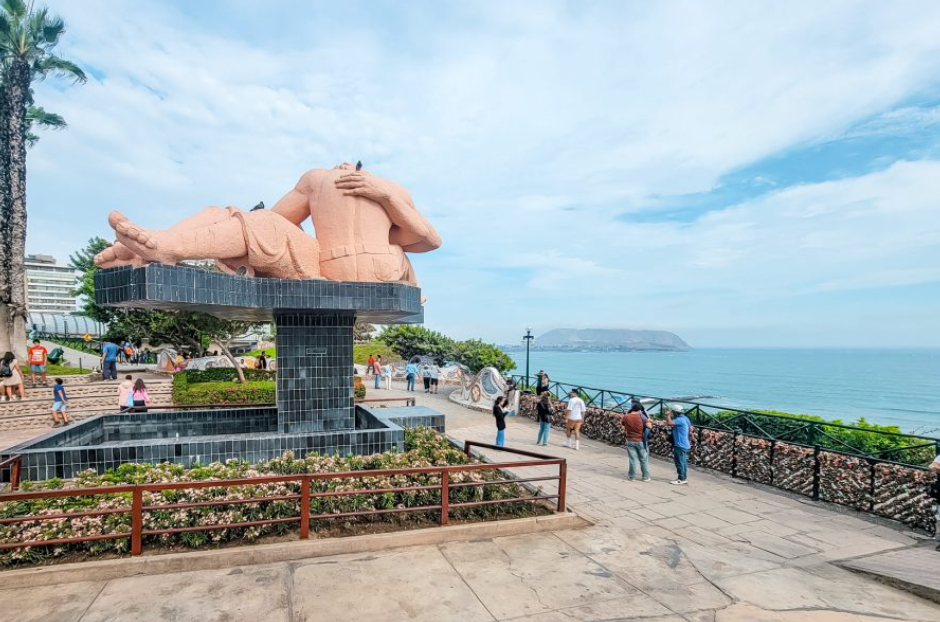
A chain of clifftop parks runs for several kilometers above the Pacific. Walk or cycle from the lighthouse to the Parque del Amor with its Gaudí-inspired mosaics, watch paragliders take off from the cliffs, and catch the sunset over the ocean.
2. Huaca Pucllana
A huge adobe pyramid built by the Lima culture around 500 AD, sitting right in the middle of Miraflores. Guided tours explain how it was built using a “bookshelf” brick technique designed to withstand earthquakes. The restaurant next to it is lovely at night.
3. The Historic Center
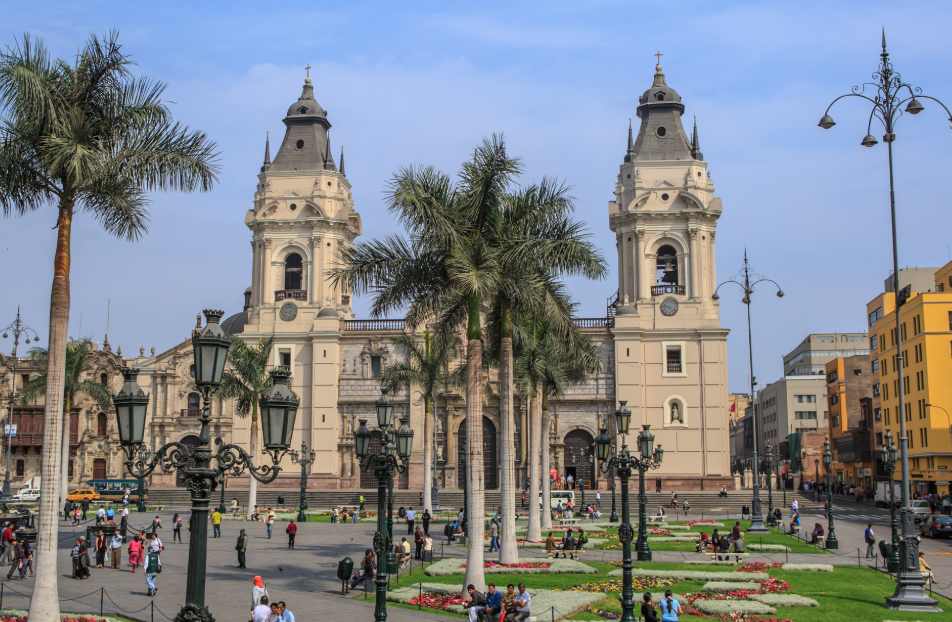
Plaza Mayor, the Cathedral (where conquistador Francisco Pizarro is buried), the Government Palace and its changing of the guard, the Archbishop’s Palace with its carved wooden balconies, and the San Francisco Monastery with its eerie catacombs holding the bones of thousands of colonial Limeños.
4. Museo Larco
One of the best museums in South America, set in an 18th-century mansion with gardens full of bougainvillea. It houses a superb collection of pre-Columbian ceramics, gold and silver, plus a famous gallery of erotic pottery. Do not miss it.
5. Barranco by day and night
Explore the street art, the MATE museum (Mario Testino’s photography museum), the Bridge of Sighs and the stairs down to the beach. In the evening Barranco’s bars and peñas (live Afro-Peruvian and Creole music venues) come alive.
6. A food tour or a cooking class
The best way to understand Lima is through its food. A market tour in Surquillo followed by a ceviche and pisco sour class is one of the most popular experiences in the city.
7. Circuito Mágico del Agua
A park of illuminated fountains with an evening water, light and music show — touristy but fun, especially with kids.
8. Paragliding over the Costa Verde
Tandem flights take off from the Miraflores cliffs and last 10–15 minutes, with spectacular views of the coastline.
🎟 TOURS & ACTIVITIES
Book guided tours with local experts
Day trips, treks and experiences led by licensed guides, with free cancellation up to 24 hours before.
✓ Licensed guides · ★ 10M+ happy travelers · ↺ Free cancellation
What to Eat in Lima
Lima’s cuisine blends Indigenous Andean, Spanish, African, Chinese (Chifa) and Japanese (Nikkei) influences. These are the dishes you must try:
- Ceviche: raw white fish “cooked” in lime juice with chili, red onion, sweet potato and corn. Eat it at lunch, when the fish is freshest — Limeños never eat ceviche at night.
- Lomo saltado: stir-fried beef with onions, tomatoes and fries, a perfect example of Chinese-Peruvian fusion.
- Ají de gallina: shredded chicken in a creamy yellow chili sauce.
- Causa limeña: layered cold potato terrine with chicken, tuna or seafood.
- Anticuchos: grilled beef heart skewers, a classic street food.
- Chifa: Peruvian-Chinese cuisine; try it in Lima’s Barrio Chino.
- Pisco sour: Peru’s national cocktail, with pisco, lime, sugar, egg white and bitters.
- Picarones: sweet potato and squash doughnuts with molasses syrup.
Where to eat by budget
| Budget | Where | Price per person (approx.) |
|---|---|---|
| Street and market food | Surquillo Market, anticucho stalls, menú del día restaurants | US$3–8 |
| Mid-range cevicherías and Chifa | Miraflores, Barranco, Barrio Chino | US$12–30 |
| Upscale Peruvian | Classic restaurants in Miraflores and San Isidro | US$40–80 |
| World-class tasting menus | Central, Maido, Kjolle, Mayta and others | US$200–350+ |
Central, run by Virgilio Martínez and Pía León in Barranco, was named the world’s best restaurant in the World’s 50 Best Restaurants list, and Lima has several other restaurants in the global top rankings. Reservations open months in advance, so book as soon as you know your dates.
How to Get Around Lima
- From the airport: the official airport express bus to Miraflores is the cheapest safe option; ride-hailing apps and official airport taxis are also available. Avoid unofficial drivers offering rides in the arrivals hall. Allow 45–90 minutes because of traffic.
- Ride-hailing apps: the most convenient and safest way to move around the city.
- Metropolitano: a rapid bus line connecting Barranco, Miraflores and the Historic Center. Cheap and fast, but crowded at rush hour.
- Walking and cycling: Miraflores and Barranco are very walkable, and the Malecón has a long bike lane.
- Taxis: only use ones booked through apps or your hotel, never hail random cars on the street.
✈ FIND CHEAP FLIGHTS
Fly to South America for less
Compare hundreds of airlines and booking sites at once and grab the lowest fare for your dates — including budget domestic hops between Andean cities.
✓ Free to use · 🌍 100M+ travelers monthly · 🔔 Price alerts
Is Lima Safe?
Lima has the issues of any huge Latin American capital, but the tourist areas of Miraflores, Barranco and San Isidro are generally safe if you take normal precautions:
- Keep your phone out of sight near the road — snatch-and-grab thefts happen.
- Use ride-hailing apps, especially at night.
- Visit the Historic Center by day and avoid surrounding districts like La Victoria or Rímac unless with a guide.
- Use ATMs inside banks or shopping centers.
- Keep an eye on your drinks in bars.
Read our full Peru safety guide for region-by-region advice.
How Much Does Lima Cost?
| Expense | Budget traveler | Mid-range traveler |
|---|---|---|
| Accommodation per night | US$15–30 (hostel) | US$60–140 (hotel) |
| Food per day | US$12–20 | US$40–80 |
| Transport per day | US$3–8 | US$10–20 |
| Activities per day | US$5–15 | US$30–70 |
| Daily total | US$35–70 | US$140–310 |
For a full budget breakdown including Cusco and the Andes, see how much it costs to travel the Peruvian Andes.
Day Trips From Lima
- Pachacamac: a vast archaeological complex 40 km south, with temples spanning more than 1,000 years of history.
- Palomino Islands: a boat trip from Callao to swim with sea lions.
- Paracas and the Ballestas Islands: about 3.5–4 hours south, with sea lions, penguins and the Paracas desert reserve. Best as an overnight trip.
- Huacachina: a desert oasis surrounded by giant dunes for sandboarding and buggy rides, near Ica.
- Caral: the oldest city in the Americas, around 5,000 years old, about 3.5 hours north.
If you love mountains, Lima is also the gateway to Huaraz and the Cordillera Blanca, one of the best trekking regions on the continent — see our Huaraz and Cordillera Blanca trekking guide.
🛡 TRAVEL INSURANCE
Trek the Andes fully covered
Medical cover built for long trips and nomads, from about $1.60 per day. Sign up even if you are already on the road.
✓ 180+ countries · ⚕ Hospital & emergency cover · ⏱ Cancel anytime
3-Day Lima Itinerary
Day 1: Miraflores and Barranco
Morning walk along the Malecón, Parque del Amor and Huaca Pucllana. Ceviche lunch. Afternoon in Barranco: street art, MATE museum and the Bridge of Sighs. Sunset at the clifftop and dinner in Barranco followed by a peña.
Day 2: Historic Center and Museo Larco
Plaza Mayor, Cathedral, San Francisco catacombs and the changing of the guard. Lunch at a classic Lima restaurant or in Barrio Chino. Afternoon at Museo Larco, then the Magic Water Circuit in the evening.
Day 3: Food and the coast
Market tour and cooking class in the morning. Afternoon paragliding or cycling along the Costa Verde. Splurge on a tasting-menu dinner if your budget allows.
🛒 GEAR PICK ON AMAZON
Peru travel guidebook
A good guidebook helps you plan routes between Lima, Cusco, Arequipa and Puno, with maps and restaurant picks for each city.
Lima Nightlife: Where to Go After Dark
Lima comes alive late. Dinner rarely starts before 8:30 pm, and bars only fill up after 11 pm on weekends. The good news is that the best nightlife is concentrated in the two neighborhoods where most visitors stay, so you rarely need long taxi rides at night.
Barranco: bohemian bars and live music
Barranco is the creative heart of Lima’s nightlife. Around Parque Municipal and the Puente de los Suspiros you will find pisco bars in restored colonial mansions, small craft beer taprooms, and peñas where Afro-Peruvian criollo music is played live. Expect cover charges of S/20–40 at music venues on Friday and Saturday. The vibe is relaxed and artsy; this is where locals in their twenties and thirties go out.
Miraflores: cocktail bars and rooftops
Miraflores is more polished. Calle de las Pizzas near Parque Kennedy is loud, cheap and touristy, but just a few blocks away you will find excellent cocktail bars, rooftop terraces overlooking the Pacific, and hotel bars that serve some of the best pisco sours in the country. Larcomar, the cliffside mall, is a safe option for a sunset drink before dinner.
Nightlife safety tips
- Always use an app taxi (Uber, Cabify, InDrive) at night instead of hailing cabs on the street.
- Keep your phone out of sight on the sidewalk; phone snatching is the most common crime against visitors.
- Watch your drink and avoid accepting drinks from strangers in crowded clubs.
- Carry a copy of your passport, not the original. For a full safety rundown, read our honest guide to safety in Peru.
Nikkei and Chifa: Lima’s Two Fusion Cuisines Explained
Two fusion traditions define modern Lima cooking, and you should try both before you leave.
Nikkei is the meeting point of Japanese technique and Peruvian ingredients. Japanese immigrants arrived in Peru in 1899 and slowly transformed local seafood cooking. Tiradito, a sashimi-style cousin of ceviche dressed with ají amarillo sauce, is the signature dish. Nikkei restaurants range from fine-dining tasting menus that rank among the best in the world to casual counters serving maki rolls with acevichado sauce.
Chifa is Peruvian-Chinese food, born from Cantonese immigration in the 19th century. It is everyday comfort food for Limeños: lomo saltado itself is a chifa-influenced dish, stir-fried in a wok with soy sauce and served with both rice and fries. Head to Barrio Chino near the historic center for cheap, enormous portions of arroz chaufa, tallarín saltado and wantán soup. A full chifa meal for two rarely costs more than S/60–80.
| Cuisine | Must-try dish | Typical price | Where |
|---|---|---|---|
| Nikkei | Tiradito, acevichado maki | S/45–120 per dish | Miraflores, San Isidro |
| Chifa | Arroz chaufa, tallarín saltado | S/20–40 per dish | Barrio Chino, every neighborhood |
| Criollo | Lomo saltado, ají de gallina | S/25–55 per dish | Barranco, Centro |
| Cevichería | Ceviche clásico, leche de tigre | S/30–60 per dish | Surquillo, Miraflores (lunch only) |
Lima to Cusco: Flight vs Bus
Most travelers continue from Lima to Cusco, the gateway to Machu Picchu. You have two realistic options, and the right one depends on your time, budget, and how you want to handle the altitude.
| Option | Duration | Typical cost (one way) | Best for |
|---|---|---|---|
| Domestic flight | 1 h 20 min | US$50–150 | Short trips, most travelers |
| Overnight bus (direct) | 20–22 hours | US$35–70 | Tight budgets |
| Bus via Nazca / Arequipa | 3–6 days with stops | US$60–120 total | Overland travelers, better acclimatization |
Flying is the obvious choice for most people, but going overland through Paracas, Huacachina and Arequipa lets you climb gradually and reduces the risk of altitude sickness. Either way, read our guide to altitude sickness in Cusco and Machu Picchu before you go, and check our Cusco travel guide for what to do once you land.
Day Trip Detail: Paracas and Huacachina
If you have one or two spare days, the desert coast south of Lima is the best escape. Buses take about 3.5 hours to Paracas, where boat tours visit the Ballestas Islands to see sea lions, Humboldt penguins and huge seabird colonies. The tours leave early in the morning when the sea is calmer and cost around S/50–70 plus a small port and reserve fee.
From Paracas it is another hour to Huacachina, a tiny oasis surrounded by giant sand dunes. Dune buggy rides and sandboarding at sunset are the main event and cost around S/50–80. Most visitors stay one night in Huacachina and continue south to Nazca and Arequipa, or return to Lima. Organized one-day tours from Lima exist, but they are long (14+ hours) and rushed.
Practical Tips for Lima
| Topic | What you need to know |
|---|---|
| Currency | Peruvian sol (S/). Cards accepted widely in Miraflores; carry cash for markets and taxis. |
| Plugs | Type A and C, 220V. Bring a universal adapter. |
| Tipping | 10% in sit-down restaurants if service is not included. |
| Mobile data | Buy a local SIM or an eSIM before arrival. |
| Tap water | Not drinkable. Use bottled or filtered water. |
| Weather | Grey and humid June–October (garúa); sunny December–April. |
For connectivity across the whole region, see our comparison of the best eSIMs for South America. If Lima is your first stop on a longer trip, our list of things to know before traveling the Andes will save you from common mistakes.
Common Mistakes to Avoid in Lima
- Skipping Lima entirely. Many travelers fly straight to Cusco. Give Lima at least two days: the food alone is worth it.
- Eating ceviche at dinner. Locals eat ceviche at lunch, when the fish is freshest. Most cevicherías close by 5 pm.
- Staying far from the coast. Hotels near the airport or in the center are cheaper, but Miraflores and Barranco are safer and more convenient.
- Underestimating traffic. A 15 km taxi ride can take more than an hour at rush hour. Plan airport transfers with plenty of margin.
- Hailing street taxis. Use ride-hailing apps; prices are fixed and the ride is tracked.
- Forgetting entry paperwork. Check the latest Peru entry requirements before you fly.
Frequently Asked Questions
How many days should I spend in Lima?
Two to three full days is ideal to see Miraflores, Barranco, the Historic Center and Museo Larco and to enjoy the food scene. Add a day if you want to visit Paracas or Huacachina.
Is Lima safe for tourists?
The tourist areas of Miraflores, Barranco and San Isidro are generally safe with normal precautions. Use ride-hailing apps, keep your phone out of sight near the street and visit the Historic Center during the day.
Where is the best place to stay in Lima?
Miraflores is the best base for first-time visitors because it is walkable, central and relatively safe. Barranco is ideal if you want nightlife and a bohemian vibe.
What is Lima famous for?
Lima is famous for its food — especially ceviche and Nikkei cuisine — its colonial Historic Center, pre-Inca pyramids like Huaca Pucllana and its clifftop Malecón over the Pacific.
When is the best time to visit Lima?
December to April is sunny summer. May to November is grey and mild but dry. Lima can be visited year-round.
How do I get from Lima airport to Miraflores?
Use the official airport express bus, a ride-hailing app or an official airport taxi. The trip takes 45 to 90 minutes depending on traffic.
Is Lima expensive?
Not compared to Europe or North America. Budget travelers can manage on US$35–70 per day; mid-range travelers spend around US$140–310 per day.
Do I need to book restaurants like Central in advance?
Yes. Top restaurants like Central and Maido open reservations months ahead and fill up quickly, so book as soon as you have your dates.
Can I drink tap water in Lima?
It is not recommended. Drink bottled or filtered water.
What day trips can I do from Lima?
Pachacamac, the Palomino Islands, Paracas and the Ballestas Islands, Huacachina and Caral are the most popular day or overnight trips from Lima.
Conclusion: Don’t Skip Lima
Lima deserves far more than an airport layover. In two or three days you can eat some of the best food on the planet, walk among 1,500-year-old pyramids, explore a UNESCO-listed colonial center and watch the sun set over the Pacific from the cliffs of Miraflores. It is also the perfect sea-level start before heading up to the Andes.
From here, continue to the mountains with our Cusco travel guide and Machu Picchu guide, and don’t forget to check the yellow fever vaccine requirements if you plan to visit the Amazon.