
1. Introduction: Deconstructing the True Financial Reality of Andean Exploration
For the global traveler planning a journey into the southern Peruvian Andes—spanning Cusco, the Sacred Valley, and the legendary citadel of Machu Picchu—budgeting is often approached with a dangerous set of assumptions. Because Peru is widely classified as an affordable destination within Latin America, many independent explorers assume that a journey to its most iconic mountain sectors can be managed seamlessly with an uncalibrated wallet. This is a critical strategic mistake.
While everyday items like local food, basic transit, and domestic textiles remain highly economical, the tourism infrastructure supporting the Cusco-Machu Picchu corridor is a highly specialized, hyper-regulated financial pipeline. The Peruvian government, alongside monopoly transportation operators and community cooperatives, enforces strict pricing tiers for international visitors that do not apply to domestic citizens. Entry permits, mandatory train journeys, high-altitude sanctuary shuttles, and specialized historical park tickets can quickly drain an unprepared traveler’s funds.
Furthermore, traveling through high-altitude zones ($2,800\text{ to }3,800\text{ meters}$ above sea level) injects unexpected costs into your ledger. To protect your physical health and maximize your time efficiency, you cannot always opt for the cheapest local solutions. For example, staying in an ultra-budget hostel without heating or altitude mitigation systems can ruin your physical recovery, while drinking unpurified municipal water to save pennies will result in expensive medical emergencies.
This guide is an analytical financial breakdown designed to map every single dollar or Sol you will spend. We will audit the real-world costs of transportation, accommodation, historical tickets, food tiers, health safety gear, and hidden municipal fees. By understanding these metrics, you can engineer an efficient budget that protects your health, maximizes your experiences, and guarantees zero financial surprises in the peaks.
2. The Peruvian Currency Architecture: Managing the Cash-to-Card Ratio
The economic framework of the Cusco and Sacred Valley region operates on a rigid, dual-currency system utilizing the Peruvian Sol (PEN) and the United States Dollar (USD). To navigate this ecosystem without leaking capital through predatory conversion rates or transaction fees, you must understand where credit cards are viable and where physical cash is absolute king.
Real-Time Exchange Dynamics & Banknote Rigidity
- The Baseline Parameter: The conversion rate fluctuates tightly between $1\text{ USD} = 3.70\text{ to }3.85\text{ PEN}$. When reading prices in Peru, a quick mental calculation dividing the Sol price by 3.75 will give you an accurate baseline in USD.
- The Banknote Inspection Law: If you bring physical US Dollars to exchange in Peru, they must be immaculate. Local exchange houses, banks, and hotels operate under a strict unwritten law: any bill with a tear larger than 1 millimeter, ink markings, heavy creases, or stamped logos will be flatly rejected. Bring only crisp, pristine bills printed after 2013.
- The Exchange Spread Strategy: Never use the exchange booths inside the Lima (LIM) or Cusco (CUZ) airport terminals, as they charge a premium spread that robs you of 8% to 12% of your cash value. Instead, carry a small amount of Soles for your initial taxi, then walk to Avenida El Sol in central Cusco. Here, authorized exchange professionals wearing numbered blue vests offer the most competitive market rates with zero commissions.
Digital Payments vs. ATM Optimization
Major credit networks (Visa and Mastercard are dominant; American Express is widely rejected due to 5% merchant processing fees) are accepted fluidly at upscale restaurants, established hotels, and train stations. However, independent taxis, artisanal markets, local tour guides, and rural entry checkpoints accept cash only.
- ATM Fraud and Fee Mitigation: When withdrawing cash, use only ATMs physically attached to major national banks, such as BCP (Banco de Crédito del Perú), Interbank, or BBVA. Avoid standalone, generic ATMs in small convenience stores, which are prime targets for skimming devices.
- The DCC Trap: When an ATM asks whether you want to be billed in your home currency (USD/EUR) or local currency (PEN), always select local currency (PEN). If you choose your home currency, the machine applies Dynamic Currency Conversion, adding a hidden markup of up to 7% on top of your bank’s standard conversion rate.
3. Daily Budget Tiering: Backpacker, Flashpacker, and Premium Comfort
To give you an accurate view of your potential financial footprint, we have broken down the daily cost parameters into three distinct, realistic travel tiers. These estimates reflect the combined cost of food, lodging, inner-city transit, and daily incidentals (excluding major long-distance train and Machu Picchu entrance tickets, which are audited separately below).
Tier 1: The Tactical Backpacker (Independent & Frugal)
- Daily Cost Range: $110 to $150 PEN ($30 to $40 USD) per day
- Lodging: Shared dorm bed in an social hostel (such as Kokopelli or Loki) or a basic private room in an unheated local homestay (hospedaje).
- Food: Sourcing breakfast from the hotel, lunching on the Menú del Día (set lunch menus) at local markets for 12 to 15 PEN, and preparing dinner in communal hostel kitchens.
- Transit: Strictly walking and utilizing local colectivos (shared transit vans) for inter-city travel.
Tier 2: The Flashpacker / Comfort Explorer (Optimized Efficiency)
- Daily Cost Range: $260 to $450 PEN ($70 to $120 USD) per day
- Lodging: Private en-suite room in a boutique 3-star hotel or high-rated Airbnb featuring localized heating and complimentary coca tea stations (such as Tierra Viva properties or Atemporal).
- Food: Dining at mid-tier sit-down restaurants specializing in Novoandina cuisine, spending 40 to 70 PEN per meal.
- Transit: Relying on Uber inside Cusco and hiring shared tourist transport or occasional private drivers for Sacred Valley access.
Tier 3: The Premium Luxury Explorer (High-End Comfort & Speed)
- Daily Cost Range: $1,100 to $2,600+ PEN ($300 to $700+ USD) per day
- Lodging: Luxury 5-star international or historical properties featuring built-in oxygen enrichment systems pumped directly into the rooms (such as Belmond Hotel Monasterio or JW Marriott El Convento).
- Food: Fine dining tasting menus at world-renowned culinary establishments like CHICHA by Gastón Acurio or Cicciolina, costing 180 to 350 PEN per person.
- Transit: Private dedicated luxury SUVs with professional drivers and personal bi-lingual guides for all segments.
4. Transportation Metrics: Flight Paths, Mountain Trains, and Road Logistics
Getting to and moving through the rugged geography of the Sacred Valley requires navigating a multi-modal transport network. Because terrain constraints prevent straight-line routes, transit costs represent a massive portion of your total travel capital.
Domestic Flights: Lima (LIM) to Cusco (CUZ)
Unless you are willing to endure a grueling 22-hour bus ride winding through steep, motion-sickness-inducing mountain switchbacks, you must fly into Cusco.
- Average Cost (One-Way): $55 to $110 USD depending on how early you book.
- Operator Analysis: LATAM Airlines is the premier network operator with the highest frequencies and most reliable mechanical fleet. Budget alternatives like Sky Airline or JetSmart offer lower base fares but charge aggressive add-on fees for carry-on luggage and checked bags.
- The Weather Variable: Cusco’s airport is located in a high mountain bowl. Afternoon winds and morning rain regularly trigger flight delays or cancellations. Strategy: Always book flights departing before 09:00 AM; mountain air currents are calmest in the morning, maximizing your chances of an on-time landing.
The Railway Monopoly: Getting to Aguas Calientes
Because there is no road connecting Cusco or Ollantaytambo directly to the town at the base of Machu Picchu (Aguas Calientes), you are legally and logistically forced to use the train system unless you complete a multi-day foot trek. Two companies share this track: PeruRail and Inca Rail.
- The Budget Tier (Expedition / Voyager Trains): Standard coaches with basic overhead windows.
- Cost: $65 to $85 USD each way.
- The Mid-Tier Premium (Vistadome / 360° Trains): Fully panoramic wrap-around glass roofs, leather seating, educational narrations, and a live cultural dance performance onboard.
- Cost: $85 to $115 USD each way.
- The Ultra-Luxury Tier (Belmond Hiram Bingham): An exclusive, 1920s-style Pullman train including gourmet five-course meals, open bar, live musical entertainment, and VIP entry coordination.
- Cost: $500 to $550+ USD each way.
Mountain Road Logistics: Taxis, Colectivos, and Day Drivers
- Inner-City Cusco Taxis: Street taxis do not use meters. You must negotiate the price before stepping into the vehicle. A standard ride within the historic core should cost $7 to $10 PEN ($2 to $2.75 USD).
- Uber App Efficiency: Uber is highly active and safe in Cusco. It locks in a digital fare of $8 to $12 PEN for central routes, removing the linguistic negotiation stress and preventing tourist overcharging.
- Sacred Valley Colectivos: Shared public passenger vans depart constantly from Calle Pavitos in Cusco heading to Ollantaytambo. This is the ultimate budget option, costing only $12 to $15 PEN ($3.25 to $4 USD) per seat. However, they do not leave until every single seat is occupied, which can compromise tight schedules.
- Private Day Drivers: Hiring a dedicated driver to take you from Cusco through Pisac, Maras, Moray, and dropping you at the Ollantaytambo train station costs $200 to $250 PEN ($54 to $68 USD) total for the vehicle. Splitting this fee among two or more travelers makes it the highest-value option for strategic efficiency.
5. The Official Ticketing Breakdown: Machu Picchu Permits and Park Passes
Navigating the entry fees for the Cusco region requires strict planning. You cannot simply walk up to the gates of these ancient sites and buy a ticket on a whim. The Peruvian Ministry of Culture enforces rigid ticketing systems with capped daily capacities.
The Boleto Turístico General (BTG)
This is your master ticket for the region, managed by COSITUC. It cannot be purchased online by individual international tourists; you must buy it in person with cash (Soles only) at the official office on Avenida El Sol 103 or directly at the gate of your first archaeological site.
- BTG Full Price (International Adults): $130 PEN ($35 USD)
- Validity: 10 consecutive days.
- What it covers: 16 key attractions split into three sectors:
- Circuit I: Sacsayhuamán, Q’enqo, Puka Pukara, and Tambomachay.
- Circuit II: Museum of Contemporary Art, Regional Historical Museum, Museo de Sitio de Qorikancha, Centro Qosqo de Arte Nativo, Tipón, and Pikillacta.
- Circuit III: Pisac, Ollantaytambo, Chinchero, and Moray.
- Partial Ticket Option: If you only want to visit the Sacred Valley sites (Circuit III), you can buy a 2-day partial ticket for $70 PEN ($19 USD). However, if you plan to see Sacsayhuamán in Cusco as well, buying the full $130 PEN ticket is the more economical path.
Official Machu Picchu Entrance Permits (2026 Rules)
The ticketing framework for the Machu Picchu Archaeological Sanctuary is strictly divided into specific, timed circuits. You must book these permits 4 to 6 months in advance through the official government portal. Tickets are non-transferable and non-refundable.
- Standard Adult International Ticket: $152 PEN ($41 USD)
- Children and Student Discounts: Valid international ISIC cards or student credentials lower the rate to $77 PEN ($21 USD).
- The Circuit Breakdown:
- Circuit 1 (Panoramic): Best for the classic upper-terrace postcard photo. Includes access to the upper paths but does not let you walk among the central stone sectors.
- Circuit 2 (Classic): The absolute gold standard. It grants full access to both the upper terrace and the entire lower agricultural and urban sectors, including the Temple of the Sun and the Sacred Rock.
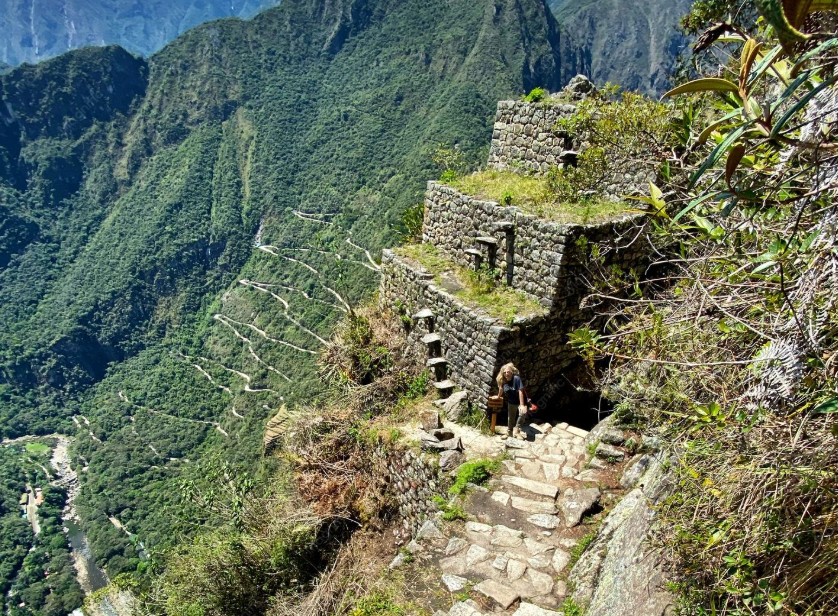
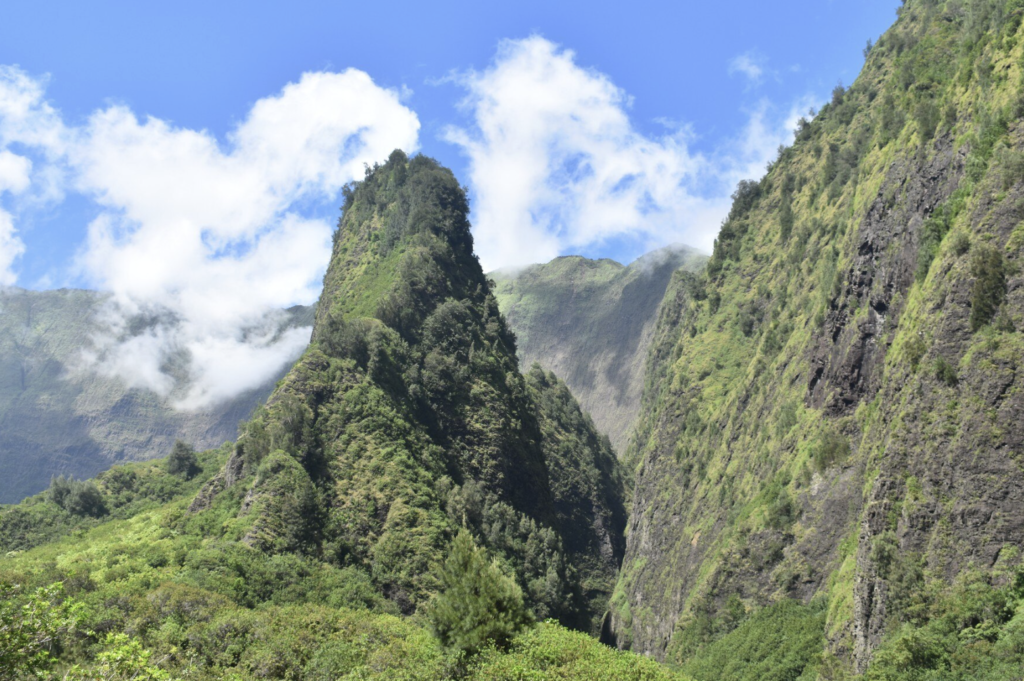
- Circuit 3 (Royalty/Action): Accesses only the lower urban sectors but includes the optional mountain climbing passes for Huayna Picchu or Machu Picchu Mountain.
Mountain Climbing Add-ons (Within Circuit 3)
If you want to scale the steep peaks flanking the citadel, you must purchase a combined ticket well in advance:
- Circuit 3 + Huayna Picchu Peak: $200 PEN ($54 USD). Space is limited to 200 climbers per day across distinct morning time slots.
- Circuit 3 + Machu Picchu Mountain: $200 PEN ($54 USD). A longer, steeper, less crowded trek with panoramic views from the highest point.
Independent Site Access Fees (Not Included in the BTG)
- Qorikancha (The Temple of the Sun): Located right in the city center of Cusco. Entry is $15 PEN ($4 USD), paid in cash at the door.
- Salineras de Maras (Salt Mines): Managed by a local community cooperative. Entry is $20 PEN ($5.50 USD), paid in cash at the valley checkpoint.
6. High-Altitude Accommodation Math: Balancing Comfort and Safety
In a high-altitude mountain environment, your choice of accommodation directly impacts your physical recovery. Cutting costs excessively on lodging can lead to poor sleep, hypothermia, or prolonged altitude sickness.
The Heating and Insulation Factor
Cusco and the Sacred Valley sit at high elevations where night temperatures routinely drop to 0°C to 5°C (32°F to 41°F) during the dry season (May to September). Traditional local homes and cheap hostels are built with thin adobe bricks and lack central heating or insulation.
- The Budget Risk: Staying in a $15 USD unheated hostel dorm means relying on multiple heavy alpaca blankets. If you get cold, your body burns extra glucose to maintain core temperature, which worsens altitude sickness symptoms.
- The Minimum Comfort Parameter: Ensure your accommodation explicitly lists individual room heating (calefacción) or radiant floor heating. This baseline feature is rarely found in properties priced under $50 USD per night.
Oxygen-Enriched Infrastructure
For travelers highly sensitive to hypoxia or those who cannot afford to lose a single day to acclimatization, high-end luxury hotels provide built-in oxygenation infrastructure.
- The Mechanics: Properties like the JW Marriott El Convento or Belmond Hotel Monasterio pump supplemental oxygen directly into your room through specialized ventilation systems, increasing the ambient oxygen level by 25%. This effectively lowers the perceived altitude of your room from $3,400\text{ meters}$ down to a comfortable $2,400\text{ meters}$.
- The Cost: This infrastructure carries a premium, with room rates starting at $350 to $600+ USD per night.
7. Water, Health, and Equipment Asset Expenditures
To maintain absolute health and efficiency while exploring the Andes, your budget must account for clean hydration, medical preparation, and high-performance gear.
Pure Hydration Expenditures
Because tap water throughout Peru is contaminated with endemic bacteria strains, purchasing bottled water or bringing water purification technology is non-negotiable.
- Bottled Water Expenses: A standard 2.5-liter bottle of Agua Sin Gas at a local corner store costs $4 to $6 PEN ($1.10 to $1.60 USD). If you consume 3 liters a day over a 5-day trip, you will spend roughly $30 PEN ($8 USD) on water alone.
- The Technical Filtration Asset: Investing in a Grayl Geopress ($100 USD) or a LifeStraw Peak Series Bottle ($45 USD) before you leave home pays off quickly. It allows you to instantly filter out 99.999% of viruses and bacteria from any tap or mountain stream, eliminating plastic waste and saving you money on commercial bottled water.
Medical & Pharmacy Allocations
- Acetazolamide (Diamox): Purchased in your home country via prescription: $15 to $30 USD depending on your insurance.
- Local Sorojchi Pills: Available over the counter at any InkaFarma or Mifarma in Cusco. A pack of 20 pills costs $24 PEN ($6.50 USD).
- Emergency Oxygen Cannulas: If you require an emergency oxygen tank delivery to a mid-tier hotel room, local medical services charge approximately $100 to $150 PEN ($27 to $40 USD) per hour of oxygen usage.
8. Complete 5-Day Andean Expense Ledger (Itemized Cost Baseline)
The following financial ledger represents a realistic cost projection for an independent, mid-tier comfort traveler (Flashpacker) completing the classic 5-day loop during the 2026 season.
| Logistical Expense Category | Cost Breakdown |
|---|
| Domestic Flight: Lima to Cusco (Round-Trip) | $140.00 USD |
| PeruRail Vistadome Train (Round-Trip) | $190.00 USD |
| Machu Picchu Circuit 2 Entry Permit | $41.00 USD |
| Consettur Sanctuary Shuttle Bus (Round-Trip) | $24.00 USD |
| Boleto Turístico General (Master Park Pass) | $35.00 USD |
| Qorikancha + Salineras de Maras Cash Entries | $9.50 USD |
| Private Sacred Valley Driver (Split between 2) | $30.00 USD |
| Inner-City Uber & Airport Rides (Total) | $22.00 USD |
| 4 Nights Mid-Tier Heated Lodging ($75/night) | $300.00 USD |
| Food, Local Markets & Mid-Tier Restaurants | $125.00 USD |
| Medical Supplies, Water & Incidentals | $25.00 USD |
| TOTAL INDEPENDENT EXPEDITION INVESTMENT | $941.50 USD |
9. Top 10 Financial and Logistical FAQs for the Peruvian Andes
- Can I use my credit card to pay for small purchases at the Pisac Market?
No. The local indigenous artisans at open-air markets do not have mobile payment terminals or stable internet access. They accept physical cash in Peruvian Soles only. Always carry small denominations like $10 and $20 PEN bills; they rarely have change for large $100 PEN banknotes.
- What happens if I tip a service provider in US Dollars instead of Soles?
While tips are appreciated in any currency, tipping in US Dollars forces the local worker to visit an exchange house to convert the money. If the dollar bills have any tiny tears, creases, or markings, they will be rejected by the bank, rendering your tip worthless to them. Tip in clean Soles whenever possible.
- Is tipping mandatory in restaurants across Cusco and the Sacred Valley?
Tipping is not legally mandatory in Peru. In mid-tier tourist restaurants, a tip of 10% is standard and highly appreciated for good service. In high-end luxury establishments, a 10% service charge may already be automatically added to your final bill—check your receipt before leaving extra cash.
- How much cash should I realistically withdraw from an ATM at one time?
Most national ATMs like BCP or Interbank have a single-transaction withdrawal limit of $700 PEN or $800 PEN (approximately $190 to $215 USD) to mitigate fraud risks. Your home bank may also charge an out-of-network fee per transaction, so it is more economical to withdraw the maximum allowed amount rather than making multiple small withdrawals.
- Are there any hidden municipal taxes when checking into a hotel in Peru?
Foreign tourists who reside outside of Peru are 100% exempt from the country’s 18% Integrated Value Added Tax (IGV) on lodging and food services inside hotels. To claim this exemption, you must present your physical passport and your digital entry registration slip to the front desk receptionist upon check-in.
- If my train is canceled due to bad weather or a strike, do I get a refund?
Yes. Both PeruRail and Inca Rail are legally obligated to either reschedule your journey to the next available train for free or issue a 100% financial refund if operations are suspended due to force majeure events like landslides or localized protests.
- Is it cheaper to buy my Machu Picchu tickets through a travel agency or independently?
It is significantly cheaper to buy them independently through the official government portal. Third-party travel agencies often add a steep convenience markup of $20 to $50 USD per ticket just to navigate the booking system for you.
- What is the standard price for hiring a private tour guide at the gate of Machu Picchu?
The standard rate for a private, 2.5-hour tour for a couple ranges from $150 to $200 PEN ($40 to $54 USD). You must negotiate and lock in the price with the guide before crossing the ticket turnstiles.
- Should I pay my private driver at the start of the day or at the end?
Always pay your private driver at the very end of the day, once you have safely arrived at your final destination. This is standard travel practice in Peru and ensures that the driver adheres to your planned schedule and stops without cutting the day short.
- What is the financial penalty if I lose my Boleto Turístico park pass?
There is no replacement mechanism for a lost park pass. If you lose your paper ticket, you will lose access to all remaining sites and will be forced to pay the full $130 PEN fee again to buy a brand-new ticket. Keep it locked safely in your daypack.
10. Conclusion: Executing Your Andean Expedition with Financial Precision
Managing the financial logistics of an Andean expedition does not mean stripping away comfort; it means allocating your capital strategically to maximize efficiency, protect your health, and eliminate unexpected friction. By mapping out your fixed ticketing expenses early, respecting the cash-driven nature of the rural mountain markets, securing reliable water filtration, and investing in climate-appropriate gear, you transform a potentially chaotic journey into a structured, highly productive exploration. Treat your travel budget as an analytical tool. When you control your costs with precision, you free up your mind to fully absorb the history, and the culture, and the timeless majesty of the high Incan peaks.
Viaja A Todo El Mundo: Your Gateway to Global Travel Mastery
Ready to scale new travel heights beyond the ancient trails of South America? Uncover the Andes functions as the dedicated mountain and high-altitude exploration arm of Viaja A Todo El Mundo (viajaatodoelmundo.com), your borderless home for expert global travel intelligence. Whether you need to figure out the exact mandatory insurance coverages required to pass through or European customs borders, learn technical hacks to score ultra-cheap international flights via Skyscanner, or build an itemized budget for exploring high-cost urban zones in the Netherlands, our parent site provides comprehensive, data-driven playbooks to keep you moving intelligently and across the globe. Join our community of independent travelers and streamline your next journey today!