
Cusco is the undisputed capital of Andean travel — a living city that was the center of the Inca Empire and is now the gateway to Machu Picchu, the Sacred Valley, and some of the world’s greatest trekking routes. But Cusco deserves far more than a single night before you catch a train to Aguas Calientes. The city itself is extraordinary: colonial churches built atop Inca foundations, markets where the ancient and the modern blend seamlessly, some of South America’s best food, and a surrounding landscape of mountains, ruins, and Andean communities that rewards days of exploration. This complete guide covers everything you need to plan your Cusco visit in 2026.
Cusco at a Glance
- Altitude: 3,400m (11,152 ft) — acclimatization is essential
- Population: Approximately 450,000
- Region: Cusco Region, southern Peru
- Language: Spanish; Quechua widely spoken
- Currency: Peruvian Sol (PEN)
- Time zone: PET (UTC-5)
- Airport: Alejandro Velasco Astete International Airport (CUZ) — 5 km from city center
- Best for: History and archaeology, trekking base, gastronomy, Andean culture
Getting to Cusco
By Air
Cusco’s airport (CUZ) is the most practical entry point. Direct or one-stop flights connect Cusco to Lima (1 hour), Arequipa, and a handful of other Peruvian cities. International travelers almost always fly via Lima — book LATAM, Avianca, or Sky Airline for domestic Peru connections. The airport is 5 km from Plaza de Armas; taxis cost approximately S/15–25 and take 15–20 minutes outside rush hour.
Important: If you’re flying direct from a low-altitude city (Lima is at sea level), you will arrive in Cusco at altitude without any acclimatization. Plan a completely rest-focused first afternoon — no tours, no strenuous activity, no alcohol. Many visitors experience headaches, nausea, or shortness of breath within hours of arrival. See our dedicated altitude sickness guide for what to expect and how to manage it.
By Bus
Long-distance buses connect Cusco to Puno (6–7 hours, with Lake Titicaca stop options), Arequipa (9–11 hours), and Lima (20+ hours, not recommended — fly). Cruz del Sur and Peru Hop are reliable options. The bus terminal (Terminal Terrestre) is in the Santiago district about 4 km from Plaza de Armas.
By Train from Puno
The scenic Titicaca Train (operated by PeruRail) runs between Puno and Cusco (10 hours) — a spectacular journey through the altiplano with a glass-roof observation car. Runs select days; advance booking essential.
Cusco Neighborhoods: Where to Stay
San Blas
The most atmospheric neighborhood for travelers — a maze of cobblestone lanes climbing the hillside above Plaza de Armas. Home to artisan workshops, boutique guesthouses, rooftop cafes, and the famous San Blas Church with its carved wood pulpit. Staying here puts you in the middle of Cusco’s historic heart but requires climbing steep stairs (tough on the first day at altitude). Best for: boutique hotel seekers, photographers, foodies.
Plaza de Armas / Centro Histórico
The central plaza is Cusco’s beating heart — ringed by colonial arcades, the Cathedral, and La Compañía de Jesús church. Hotels here range from budget hostels to luxury five-stars. Maximum convenience but busiest and most touristic. The plaza is beautiful at any hour but magical at night when the churches are lit up.
San Pedro
Around the San Pedro Market — more local, less polished, lower prices. Good for independent travelers who want to shop at the market and eat at local comedors (traditional lunch restaurants). The bus terminal is in this general area.
Miraflores (Cusco)
The area south of the center — quieter, more residential, slightly lower altitude (though the difference is modest). Home to some mid-range hotels and a local vibe away from the tourist center.
Must-See Sites in Cusco
Plaza de Armas
Start here. Cusco’s main plaza was the ceremonial and political heart of the Inca Empire (known as Huacaypata), and the Spanish colonial buildings that ring it today sit on Inca foundations. The Cathedral de Cusco took 100 years to build and contains extraordinary colonial religious art including the famous “Earthquake Christ” painting. La Compañía de Jesús (Jesuit church) across the plaza is equally impressive. The plaza is free to enter; cathedral entry requires a Cusco Tourist Ticket or separate ticket.
Qorikancha (Temple of the Sun)
The most important religious site in the Inca Empire — the Temple of the Sun was covered in gold and dedicated to Inti, the sun deity. The Spanish built the Convent of Santo Domingo directly on top of its foundations in the 1650s. What remains is a fascinating architectural collision: the perfectly fitted Inca stone walls, curving in precise battered construction, supporting the Spanish colonial church above. The Inca sections of Qorikancha are some of the finest surviving examples of imperial Inca stonework anywhere. Entry: approximately S/15 or included in the Boleto Turístico.
Sacsayhuamán
The massive Inca fortress-ceremonial complex sits on a hilltop overlooking Cusco, 2 km (and a steep uphill walk) from the Plaza de Armas. The site’s defining feature is its three massive zigzag terraces built with limestone blocks weighing up to 130 tons — a construction feat that has amazed archaeologists for centuries. The views of Cusco below and the mountains beyond are excellent. Go early morning to avoid crowds and for the best light. Entry: Boleto Turístico only.
San Pedro Market
The best market in Cusco — and far more authentic than the tourist-oriented craft markets near Plaza de Armas. San Pedro Market has local produce stalls selling 200 varieties of potato, exotic Andean fruits (chirimoya, lucuma, pacay), fresh juices, and full cooked lunch sections where locals eat almuerzo (the set lunch). The craft section has better prices than the tourist markets if you’re willing to bargain. Go in the morning for the liveliest atmosphere.
Cusco Cathedral
One of the finest examples of Spanish colonial architecture in the Americas, built 1559–1654. The interior is astonishing: 400 paintings of the Cusco School (a uniquely Andean style of colonial religious art), gold-covered altars, and the original cedar choir stalls. Look for the Last Supper painting by Marcos Zapata — it depicts Christ and his disciples eating cuy (guinea pig), chicha (corn beer), and other Andean foods. Entry by Boleto Turístico or separate ticket (approximately S/25).
Calle Hatunrumiyoc
A single street that contains one of Cusco’s most famous sights: the 12-Angled Stone (Piedra de los Doce Ángulos), a block of grey andesite fitted perfectly into the wall of the former Inca palace (now the Archbishop’s Palace). The stone’s twelve angles interlock perfectly with surrounding blocks — no mortar, no gap. It’s free to walk down the street and photograph.
The Boleto Turístico: What You Need to Know
The Cusco Tourist Ticket (Boleto Turístico) is a combined pass that provides access to 16 archaeological sites and museums in and around Cusco. There are three circuit options:
- Full Circuit (BTC): All 16 sites, valid 10 days — approximately USD $45
- Circuit I: City museums and centers — approximately USD $25
- Circuit II: Sacred Valley sites (Pisac, Ollantaytambo, Chinchero, Moray) — approximately USD $25
Sacsayhuamán, Qenqo, Puca Pucara, and Tambomachay (the four main Cusco city sites) are only accessible with the Boleto Turístico. Individual site entry is not available. Purchase at the main OFEC office on Avenida El Sol or at any of the included sites. Note: Qorikancha and the Cathedral are NOT included in the Boleto Turístico and require separate entrance fees.
Machu Picchu also has its own separate ticket system — see our Machu Picchu guide for ticket types, circuits, and booking.
Sacred Valley Day Trip
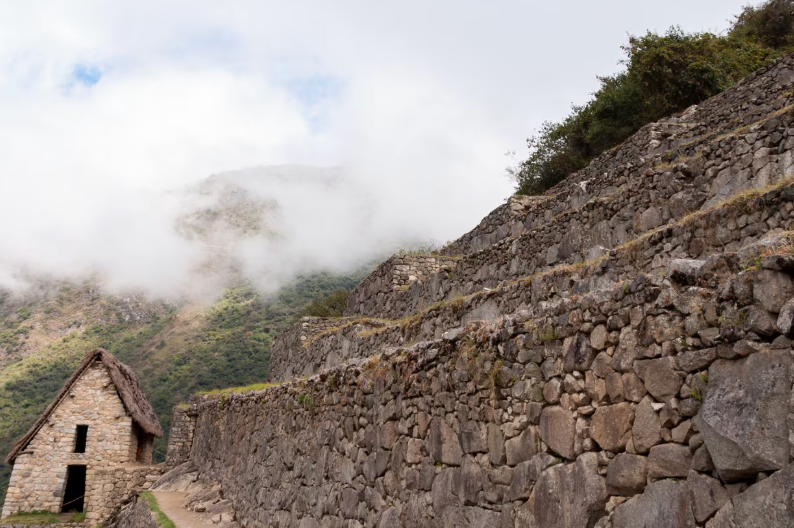
The Sacred Valley of the Incas (Valle Sagrado) runs northwest of Cusco along the Urubamba River between Pisac and Ollantaytambo. At approximately 2,800m, it’s 600m lower than Cusco — making it an excellent acclimatization destination on your first or second day.
Key stops on a full-day Sacred Valley tour:
- Pisac: Inca ruins on a dramatic ridge above the valley, and Pisac Market in the town below (best on Sunday market day)
- Ollantaytambo: A living Inca town with the best-preserved Inca urban grid anywhere, and a formidable Inca fortress on the hillside above
- Chinchero: Traditional weaving community and Inca-era terraces; Sunday market is the most local of the valley markets
- Moray: Mysterious circular Inca agricultural terraces (possibly an experimental agricultural research station) — a surreal sight
- Maras Salt Mines: Thousands of terraced salt evaporation pans on a hillside — still in use by local families, harvested since pre-Inca times
Cusco Gastronomy: Where to Eat
Cusco has one of the most exciting food scenes in Peru — itself one of the world’s great culinary countries. Don’t eat only at tourist restaurants on the plaza; the best food is often found in local spots.
Must-Try Dishes
- Cuy al horno (roasted guinea pig): The Andes’ most iconic protein — crispy skin, rich meat. A whole cuy costs S/40–80; try it at least once
- Lomo saltado: Peru’s most beloved stir-fry — beef, tomatoes, yellow pepper, onions over fries with rice. Born in Lima but excellent everywhere
- Rocoto relleno: Spicy red pepper stuffed with ground meat, egg, and cheese — a Cusco classic
- Sopa de chupe: Hearty potato and cheese soup with vegetables — perfect altitude food
- Chicha morada: Non-alcoholic purple corn drink with spices and fruit — refreshing and surprisingly complex
- Chicha de jora: Fermented corn beer — the Andean ceremonial drink; available at picanterías (traditional restaurants)
Where to Eat
- Greens Organic: San Blas neighborhood; organic produce, healthy bowls — excellent for a lighter meal after the altitude adjustment
- Cicciolina: Atmospheric tapas and wine bar; one of Cusco’s most beloved restaurants with a terrace view of the rooftops
- El Horno: Wood-fired pizza and Peruvian-Italian fusion near San Blas
- Marcelo Batata: Reliable Nuevo Andino cuisine on the plaza — great for a splurge dinner
- San Pedro Market: Best value breakfast and almuerzo (set lunch for S/8–12)
Cusco Nightlife
Cusco has a surprisingly active nightlife scene concentrated along Calle del Medio (also known as Bar Street) just off Plaza de Armas. Most bars offer free pisco sour or drink offers to entice tourists in — the quality varies. Notable spots include Norton Rat’s (a moto-themed bar with good cocktails and music), The Wild Rover (popular hostel bar for backpackers), and various clubs on Plateros and Procuradores streets.
Important: Alcohol hits harder at altitude. Be more conservative than you would at sea level — one drink has the effect of two or three at lower elevation. Many travelers who drink heavily on their first night in Cusco pay for it the next day with intensified altitude symptoms.
Day Trips from Cusco
- Rainbow Mountain (Vinicunca): 2–3 hour drive + 2-hour hike to a brilliantly colored mountain at 5,200m. Extremely popular — go early (depart Cusco by 4 AM) to beat the crowds. Only attempt after 2+ days acclimatizing in Cusco
- Humantay Lake: Stunning glacial lake at 4,200m — a 2-hour drive + 2-hour hike. Significantly less crowded than Rainbow Mountain
- Tipon: Impressive Inca water channeling system and terraces — underrated and usually uncrowded
- Pikillaqta: Pre-Inca Wari civilization ruins — completely different architectural style from the Inca sites
Practical Tips for Cusco
Altitude
Take altitude seriously. Cusco at 3,400m will affect most people arriving from low elevations. First day: rest, hydrate, eat lightly, avoid alcohol. Coca tea (mate de coca) is available everywhere and helps many people. Diamox (acetazolamide) can be prescribed by your doctor before travel for prevention. See our complete altitude sickness guide.
Getting Around Cusco
The historic center is walkable — from Plaza de Armas to San Blas takes 15 minutes. For further distances, taxis are cheap (S/5–10 for most city journeys). Uber operates in Cusco. There is no metro; city buses exist but routes are complex for visitors.
Safety
Cusco is generally safe for tourists but pickpocketing in crowded areas (San Pedro Market, Plaza de Armas during festivals) is common. Don’t carry more cash than you need; use a money belt for passports and cards. Avoid walking alone in poorly lit areas at night. Taxis: use licensed cabs (radio taxis) from hotels or call one, rather than hailing random taxis on the street.
Money
ATMs are widely available along Avenida El Sol. Most restaurants and hotels accept credit cards; markets and smaller places are cash-only. US dollars are widely accepted at hotels and some larger restaurants, though you’ll get better rates paying in soles.
Essential Gear for Cusco and the Cusco Region
| Product | Why You Need It | Check Price |
|---|---|---|
| Columbia Silver Ridge Convertible Pants | Zip-off legs: pants for cold mornings, shorts for warm ruins | Amazon → |
| Garmin inReach Mini 2 | Satellite communicator — peace of mind for remote treks | Amazon → |
| Hydro Flask 32 oz Wide Mouth | Keeps water cold at altitude; BPA-free | Amazon → |
| Neutrogena Ultra Sheer SPF 70 | UV exposure is intense at 3,400m+ | Amazon → |
| Thermos Stainless King Travel Mug | Warm drinks at altitude; coca tea on the go | Amazon → |
Cusco as a Trekking Base
Most Andes treks depart from Cusco or are easily reached from the city:
- Inca Trail (4 days): Departs from KM 82, 2 hours from Cusco. Permit-based; book 6+ months ahead
- Salkantay Trek (5 days): Departs from Mollepata, 3 hours from Cusco. No permit required
- Lares Trek (4 days): Cultural focus through Andean communities; ends at Ollantaytambo for train to Aguas Calientes
- Ausangate Circuit (6 days): High-altitude circuit around the 6,384m Ausangate peak — includes access to Rainbow Mountain
- Choquequirao Trek (8 days): Remote and challenging; visits a rarely-seen Inca citadel
Cusco is also the starting point for many Sacred Valley tours and day trips. For most multi-day treks, allow 2–3 days in Cusco for acclimatization before departing.
When to Visit Cusco
- June (Inti Raymi — Winter Solstice Festival): The Festival of the Sun on June 24th is Cusco’s most spectacular annual event — an elaborate recreation of the Inca sun festival with thousands of participants in traditional dress at Sacsayhuamán. Accommodation prices spike; book months ahead
- May–August (Dry Season): Most reliable weather, clearest days, best hiking conditions. Also the busiest tourist period
- September–October: Shoulder season — still mostly dry, fewer crowds, lower prices. Excellent choice
- November–March (Wet Season): Daily afternoon rain is common, but mornings are often clear. The surrounding landscape is lush and green. Festivals include Corpus Christi (June) and various local celebrations. Significantly fewer tourists
Frequently Asked Questions
How many days do I need in Cusco?
At minimum, 2–3 days to acclimatize and see the main city sites before a trek or Machu Picchu visit. Ideally 4–5 days to also do the Sacred Valley and have time to explore the city properly. If you’re trekking (Inca Trail or Salkantay), add those days on top.
Do I need to acclimatize in Cusco before going to Machu Picchu?
Machu Picchu (2,430m) is actually lower than Cusco (3,400m), so ironically visiting Machu Picchu after acclimatizing in Cusco is easier — you descend significantly. However, the train journey involves passing through high-altitude sections. Many travelers visit Machu Picchu on Day 2 or 3 in Cusco and feel fine because they’ve already started adjusting.
What is the Boleto Turístico and do I need it?
The Cusco Tourist Ticket is the combined pass for archaeological sites in and around the city. If you plan to visit Sacsayhuamán, the Sacred Valley sites (Pisac ruins, Ollantaytambo, Chinchero, Moray), or any of the 16 included sites, you need it. Cathedral and Qorikancha require separate tickets. Buy it at the OFEC office on Avenida El Sol or at major sites.
Is Cusco safe for tourists?
Yes — Cusco is one of Peru’s safer tourist cities. Standard precautions apply: don’t carry valuables openly in markets, use hotel safes, use radio taxis rather than random street taxis at night, and be alert in crowded areas. Petty theft is the main issue, not violent crime.
Can I use US dollars in Cusco?
Major hotels, tour operators, and some restaurants accept USD. Markets, local restaurants, buses, and small shops require Peruvian Soles. ATMs on Avenida El Sol dispense soles; bring your debit card with low foreign transaction fees (Charles Schwab, Wise, or Revolut are popular choices).
What’s the best way to get from Cusco to Machu Picchu?
Train + bus. Take the train from Poroy (outside Cusco) or Ollantaytambo (in the Sacred Valley) to Aguas Calientes (also called Machu Picchu Pueblo), then the 25-minute bus up to Machu Picchu entrance. Train operators: PeruRail and Inca Rail. Book tickets in advance — see our full Machu Picchu guide for the complete logistics.
How do I avoid altitude sickness in Cusco?
The best approach: arrive, drink plenty of water, avoid alcohol, eat light meals, rest on your first afternoon. Coca tea is widely available and helps many people. If you’re prone to altitude sickness, ask your doctor about Diamox (acetazolamide) before your trip. See our altitude sickness complete guide for detailed protocols.
What language do people speak in Cusco?
Spanish is the primary language; Quechua (the indigenous Andean language) is widely spoken, especially in markets and rural communities. English is understood at most tourist-facing businesses — hotels, tour operators, and many restaurants in the center. Learning a few words of Spanish and even a greeting in Quechua (“Allianchu?” — “How are you?”) is appreciated.
Planning Your Cusco Trip
Cusco works as a base for one of the world’s great multi-destination travel circuits. From here you can connect to:
- Machu Picchu — 3.5 hours by train
- Peru entry requirements — visa information for your whole Peru visit
- Bolivia — bus or flight to La Paz and Lake Titicaca
- Ecuador and the Galapagos — flight north to Quito or Guayaquil
- Chile — flight south or overland via Bolivia/Argentina
For the full Andes circuit planning guide, see our complete Andes travel guide.