
The Inca Trail is the most famous trek in South America and one of the most iconic hiking routes on the planet. Four days through cloud forest, high mountain passes, and ancient Inca ruins, ending with a sunrise arrival through the Sun Gate into Machu Picchu — it’s a bucket-list experience that lives up to the hype. But the logistics are more complex than most people expect. Permits sell out months in advance, there are strict regulations on group sizes and porters, and preparation makes all the difference between a transcendent experience and a miserable one. This complete guide covers everything you need to plan and book your 2026 Inca Trail trek.
Quick Facts: Inca Trail 2026
- Distance: 43 km (27 miles) for the Classic 4-Day route
- Duration: 4 days / 3 nights (most popular); 2-day express option available
- Maximum altitude: Dead Woman’s Pass (Warmiwañusca) at 4,215m / 13,828ft
- Difficulty: Moderate to challenging — good fitness required
- Permit limit: 500 people per day (including trekkers, guides, and porters)
- Season: February closed for maintenance; May–September peak season (dry)
- Endpoint: Machu Picchu via the Sun Gate (Inti Punku)
- Start point: KM 82 (Piscacucho) on the Cusco–Aguas Calientes railway
Inca Trail Permits: The Most Important Thing to Know
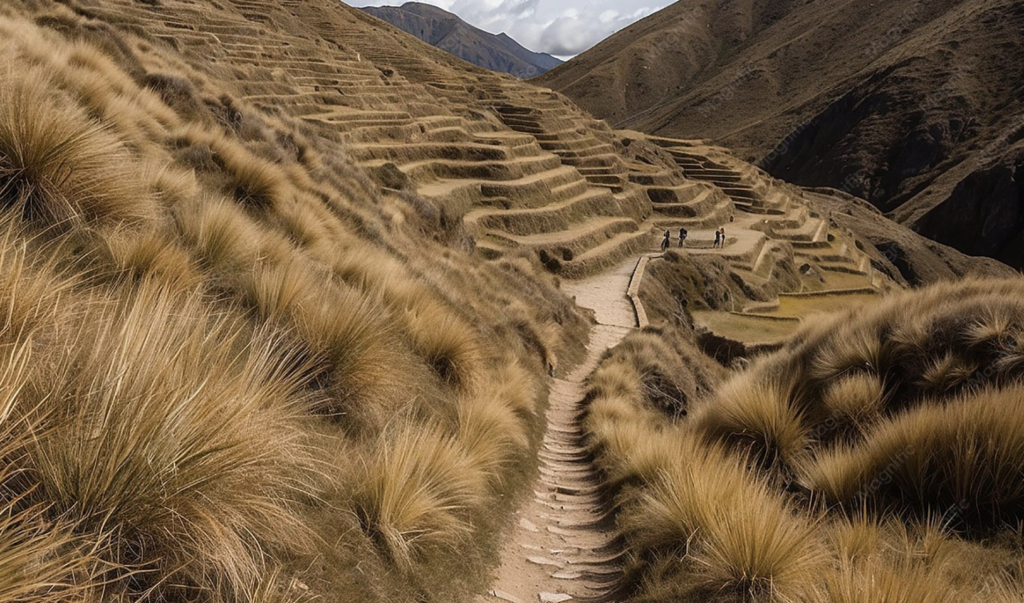
This is where most people go wrong — leaving permit booking too late and missing out entirely. The Inca Trail is one of the few treks in the world where you genuinely need to plan 6 to 12 months in advance, particularly for the peak season months of June, July, and August.
How the Permit System Works
The Peruvian government limits the Inca Trail to 500 permits per day. This includes trekkers (maximum ~200), licensed guides, porters, and support staff. You cannot hike the Inca Trail independently — every trekker must be part of a licensed tour operator group. This means:
- You book through a licensed operator, who purchases your permit on your behalf
- Permits are tied to your passport number — they are non-transferable
- If you change your mind, permits cannot be refunded or transferred to another person
- The operator needs your exact passport details at the time of booking
When Do Permits Go On Sale?
Permits for 2026 typically went on sale starting in October–November 2025. If you’re reading this before your target date, check with operators immediately — June, July, and August often sell out within days of release. May and September sell out within weeks. Even April and October book up 3–4 months out.
How to Book a Permit
You cannot book a permit directly — it must go through a licensed tour operator authorized by Peru’s Ministry of Culture. To find legitimate operators:
- Check the official licensed operators list on camino-inca.com (Peru’s official Inca Trail authority)
- Cross-reference reviews on TripAdvisor and Google
- Confirm they are physically based in Cusco (not just a reselling website)
- Reputable operators include Alpaca Expeditions, Llama Path, Peru Treks, and Andean Treks — among many others
Permit Costs 2026
- Inca Trail permit (adult): Approximately USD $200–$220 (permit fee only, included in operator packages)
- Machu Picchu entrance (included in permit): Entry to Machu Picchu is included in the Inca Trail permit
- Total all-inclusive package: Typically USD $600–$1,000 per person depending on operator quality and group size
- Students with ISIC card: Discounted permit rate (roughly half price) — bring your valid student ID
Always verify current prices directly with operators as permit fees are set by the Peruvian government and subject to change.
The Classic 4-Day Inca Trail: Day-by-Day
Day 1: KM 82 to Wayllabamba (12 km)
The trek begins at KM 82 (Piscacucho), where groups pass through the checkpoint to have permits verified. This is also where you’ll meet your full porter team if you haven’t already. Day 1 is relatively moderate — you follow the Urubamba River valley, crossing the river via a footbridge, and pass through the first major archaeological sites including Llactapata, an Inca settlement with terraces and storage buildings.
The path climbs steadily from around 2,700m to the campsite at Wayllabamba (3,000m). This day is a good acclimatization day before the harder sections ahead. Distance: 12 km. Elevation gain: approximately 300m.
Day 2: Wayllabamba to Pacaymayo (10 km)
Day 2 is the hardest day and the one most people remember most vividly. You’ll climb from Wayllabamba (3,000m) over Dead Woman’s Pass (Warmiwañusca) at 4,215m — the highest point of the entire trail. The name comes from the pass’s silhouette against the sky, which resembles a reclining woman.
The climb takes 3–4 hours of sustained ascent. At the top, the views are spectacular on clear days — but more practically, you’re completely exposed to wind and cold. Bring a warm layer for the summit regardless of how warm the morning started. The descent to Pacaymayo camp (3,600m) is steep and hard on the knees. Walking poles are highly recommended for Day 2. Distance: 10 km. Elevation gain/loss: up 1,200m, down 600m.
Day 3: Pacaymayo to Wiñay Wayna (16 km)
Most trekkers consider Day 3 the most scenically spectacular. You’ll cross a second high pass — Runkuraqay Pass at 3,950m — and then descend through increasingly dense cloud forest as you lose altitude. The trail passes through some of the most impressive ruins of the entire route:
- Runkuraqay: An unusual oval-shaped watchtower ruin at around 3,760m
- Sayaqmarka: “The Inaccessible Town” — dramatically perched on a ridge overlooking the valley
- Phuyupatamarka: “The Town Above the Clouds” — often literally above the cloud layer with ruins emerging from the mist
- Wiñay Wayna: The final campsite and most extensive ruins complex on the trail — terraced agricultural levels descending a steep hillside, with ritual baths and residential areas
Day 3 requires an early start and consistent pace — it’s long (16 km) and involves significant cumulative elevation change, though easier than Day 2’s single brutal ascent. Distance: 16 km. Elevation gain/loss: varied, net descent.
Day 4: Wiñay Wayna to Machu Picchu via Inti Punku (5 km)
The final day begins at 4:00–5:30 AM. Groups wake before dawn, pack quickly, and line up at the trail checkpoint, which opens at 5:30 AM. The final 5 km to the Sun Gate (Inti Punku) takes approximately 1.5–2 hours of hiking in the dark or predawn light.
Arriving at Inti Punku at sunrise — on a clear morning — with Machu Picchu revealed below you in the first light of day is genuinely one of travel’s great moments. The citadel is below, the terraces catch the morning light, and the mountains rise on all sides. From the Sun Gate, it’s another 45-minute descent to the entrance of Machu Picchu itself.
After exploring Machu Picchu, you descend to Aguas Calientes by bus (optional) or on foot, then take the train back to Cusco (Ollantaytambo or Poroy station). Most operators include the train ticket in the package.
Inca Trail Difficulty and Fitness Requirements
The Inca Trail is rated moderate to challenging. Here’s an honest assessment:
- Day 2 is genuinely hard — a 1,200m+ climb to over 4,200m altitude on stone steps and uneven trail
- The altitude is the biggest challenge for most people — even fit hikers from sea level can struggle
- Total distance of 43 km over 4 days is manageable with basic hiking fitness
- The stone steps (there are thousands of them) are more tiring than a smooth dirt trail would be
- If you can comfortably hike 12–15 km in a day with a daypack, you’re capable of the Inca Trail
We strongly recommend spending at least 2–3 days acclimatizing in Cusco before starting the trek. Read our detailed altitude sickness guide for specific strategies on acclimatization, Diamox use, and warning signs to watch for.
What to Pack for the Inca Trail
What Porters Carry (and What They Don’t)
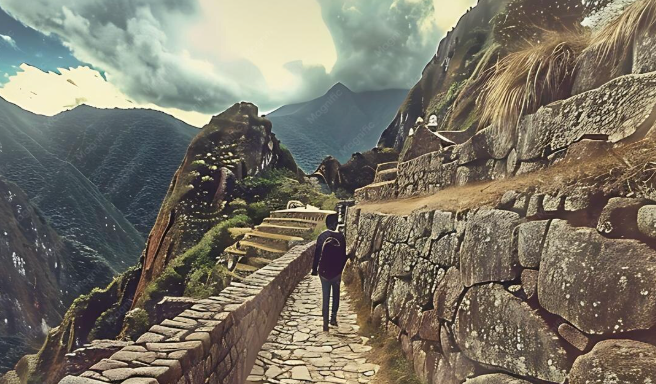
Most operators allow porters to carry up to 7–8 kg of your gear (sleeping bag, tent, personal duffel). This is in addition to the communal camp gear. You carry your own daypack, which should contain:
- Water (2–3 liters minimum; water is available at camps and filtered at meals)
- Snacks and trail food
- Rain jacket (essential — weather changes fast in the cloud forest)
- Warm layer for high passes
- Sun protection (hat, sunscreen, sunglasses — UV is intense at altitude)
- Trekking poles (highly recommended)
- Headlamp (Day 4 starts in darkness)
- Camera or phone with power bank
- Personal medications including altitude medication if prescribed
- Passport (required at checkpoints)
Full Packing List: What Goes in Your Porter Bag
- Sleeping bag rated to at least -5°C / 23°F (some operators rent these)
- Thermal base layers (top and bottom)
- Fleece or down mid-layer
- Waterproof/windproof outer layer
- 2–3 hiking shirts (moisture-wicking)
- Hiking pants (and one warm pair for evenings)
- Warm hat and gloves (especially for Dead Woman’s Pass)
- Camp shoes or sandals (after trekking boots come off at camp)
- Small personal toiletries
Essential Gear for the Inca Trail
| Product | Why It’s Essential | Check Price |
|---|---|---|
| Leki Micro Vario Carbon Trekking Poles | Foldable, lightweight — critical for Day 2 descent | Amazon → |
| Osprey Stratos 34 Daypack | Ventilated back, perfect 34L day-hiking size | Amazon → |
| Salomon X Ultra 4 GTX | Lightweight waterproof trail shoes for stone steps | Amazon → |
| Black Diamond Distance Carbon Z Poles | Ultralight fixed-length for serious trekkers | Amazon → |
| Nemo Disco 15 Sleeping Bag | Spoon-shaped for comfort; rated for mountain temps | Amazon → |
| Outdoor Research Helium Rain Jacket | Ultralight packable waterproof layer | Amazon → |
For a complete gear deep-dive, see our Gear Lab Hub.
Inca Trail vs Alternatives: Which Trek Is Right for You?
If Inca Trail permits are sold out for your dates, or if you want an alternative experience, there are excellent options:
- Salkantay Trek: 5 days, no permit required, some argue better scenery — our complete Salkantay Trek guide covers everything
- Lares Trek: Cultural focus, passes through traditional Andean communities, ends at Aguas Calientes
- Choquequirao Trek: Extremely challenging 8-day route to a remote Inca citadel — rarely crowded
- 2-Day Inca Trail: Starts at KM 104, covers the final section of the trail through Wiñay Wayna to Machu Picchu — still requires a permit but less competitive
Also see our complete Machu Picchu guide for everything about the citadel itself — history, circuit routes, best times to visit, and logistics from Aguas Calientes.
Inca Trail Regulations You Must Know
- No plastic bags on the trail — use a reusable bag for your daypack items
- No drones along the Inca Trail or at Machu Picchu
- Camping only at designated sites — no wild camping allowed
- Pack out all trash — operators are required to carry all waste out
- February closure: The Inca Trail closes every February for maintenance and environmental recovery
- Passport required at every checkpoint — carry yours every day
- Porter welfare: Porters carry a maximum of 20 kg total (8 kg personal gear + 12 kg communal gear) — this is enforced at checkpoints; choose operators who pay fair wages and follow the regulations
Before You Go: Cusco Acclimatization Plan
Cusco sits at 3,400m (11,152ft). Most trekkers arrive in Cusco and begin the trek 2–3 days later. Here’s the recommended approach:
- Day 1 in Cusco: Arrive, check in, rest. Take it easy — no alcohol, light meals, coca tea or Diamox if prescribed
- Day 2: Short walks around the city center. Visit the Cathedral or Qorikancha. Avoid strenuous activity
- Day 3: Day trip to the Sacred Valley (lower altitude than Cusco at ~2,800m) — helps acclimatization while being active
- Day 4: Start the Inca Trail from KM 82
For Cusco-specific travel planning, hotels, and things to see, read our Cusco Travel Guide 2026. Our complete city guide covers the best neighborhoods, must-see sites, and where to eat and sleep.
Getting to the Inca Trail Start
From Cusco, your operator transports you to KM 82. This is typically a 2–2.5 hour drive (70 km) by private minibus, departing Cusco very early — usually 4:30–5:30 AM. Most operators arrange hotel pickup in Cusco the morning of Day 1.
At KM 82, there is a permit control checkpoint where every person’s name and passport number is verified against the permit. If there is a discrepancy (you got married and changed your name, your passport expired and you got a new number), address it with your operator well in advance.
Frequently Asked Questions
How far in advance do I need to book the Inca Trail?
For June, July, and August (peak season), book 6–10 months in advance — permits for these months often sell out within days of release (typically October–November of the prior year). Also for May and September, book 3–5 months ahead. For shoulder months (April, October, November), 2–3 months is usually sufficient but don’t risk it.
Can I hike the Inca Trail independently (without a guide)?
No. The Peruvian government requires all Inca Trail trekkers to be part of a licensed tour operator group. Independent hiking is not permitted on the Classic Inca Trail.
What happens if my permit dates change?
Permits are non-transferable and non-refundable. If you need to change dates, you will lose the permit cost. This is why travel insurance covering permit cancellation is strongly recommended.
Is the Inca Trail worth it vs the Salkantay Trek?
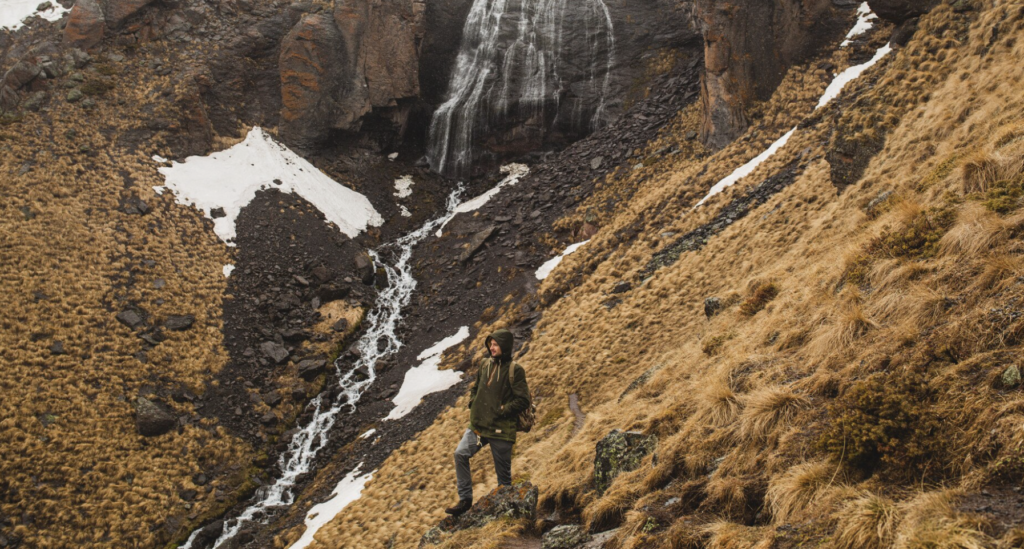
They’re different experiences. The Inca Trail passes through more Inca ruins and ends with the iconic Sun Gate arrival — that ending is uniquely special. The Salkantay has more dramatic mountain scenery (including views of the 6,270m Salkantay peak) and requires no advance permit booking. Many travelers who’ve done both say the Salkantay scenery is better, but the Inca Trail arrival at Machu Picchu is more memorable.
What’s the best time of year to hike the Inca Trail?
May–September is the dry season and the most popular time. June–August offers the most reliable weather but the most competition for permits. May and September are often considered sweet spots: dry weather, slightly fewer crowds. October–November is shoulder season — some rain but often beautiful weather and easier permit access. December–January is rainy season — wet but lush; cloud forest is magnificent. February is closed.
How fit do I need to be for the Inca Trail?
You should be able to comfortably hike 10–15 km in a day on varied terrain. Day 2 involves 1,200m of ascent to 4,215m — this is the crux. If you’ve done multi-day hikes at lower altitude, the Inca Trail is very doable with 2–3 days of acclimatization in Cusco first. The altitude is the biggest unknown — even fit people can struggle.
Do I need to tip porters and guides?
Yes, tipping is expected and important. Porters are often from local mountain communities and tipping makes a significant difference to their income. Standard tip guidance (per trekker): porters USD $15–$25 per day total split among the team; head guide USD $20–$30 per day; assistant guide USD $15–$20 per day. Your operator may provide a tipping envelope and guidance at the end of the trek.
Can I hike the Inca Trail with children?
Generally, the Inca Trail is recommended for children aged 12 and older, and only if they have hiking experience. Day 2 is genuinely hard for adults — for children, the altitude and distance are significant challenges. The Salkantay Trek has more flexible pacing options; the Lares Trek is often considered more family-friendly. Always consult with your operator about minimum ages.
Final Thoughts: Is the Inca Trail Worth the Hassle?
The short answer is yes — emphatically. The permit system, the advance booking, the logistics — they’re all worth it for the experience of walking an ancient road through cloud forest, passing ruins that have sat in the mountains for 600 years, and arriving at Machu Picchu at sunrise through the Sun Gate. There’s no other way to arrive at Machu Picchu quite like this.
Plan early, choose your operator carefully, acclimatize properly, and respect the trail. You’ll come back with memories that last a lifetime.
For the complete Machu Picchu planning guide, see our Machu Picchu 2026 guide. For the alternative: our Salkantay Trek Complete Guide. And for your Cusco base: the Cusco Travel Guide 2026.