
The Salkantay Trek has earned its reputation as the best alternative to the Inca Trail — and for many experienced trekkers, it’s the better choice full stop. No permit required, no 6-month advance booking, more dramatic mountain scenery, and a route that passes within close range of the 6,270m Salkantay peak (the second-highest mountain in the Cusco region). The classic 5-day route ends at Machu Picchu, giving you the same iconic destination via a more adventurous and less crowded path. This complete guide covers every aspect of planning your Salkantay Trek in 2026.
Salkantay Trek Quick Facts
- Distance: Approximately 74 km (46 miles) for the classic 5-day route
- Duration: 5 days / 4 nights (most popular); 4-day and 7-day options exist
- Maximum altitude: Salkantay Pass (Salkantaycocha) at 4,638m / 15,216ft
- Difficulty: Challenging — harder and higher than the Inca Trail
- Permit required: No — this is a key advantage over the Inca Trail
- Season: Year-round, but May–September (dry season) is optimal
- Start point: Mollepata or Soraypampa (accessible from Cusco)
- Endpoint: Aguas Calientes / Machu Picchu
- Trek type: Guided recommended; some sections doable independently
Why Choose the Salkantay Over the Inca Trail?
Both treks are excellent. Here’s who the Salkantay is the right choice for:
- You couldn’t get Inca Trail permits for your dates — the Salkantay requires no advance permit booking
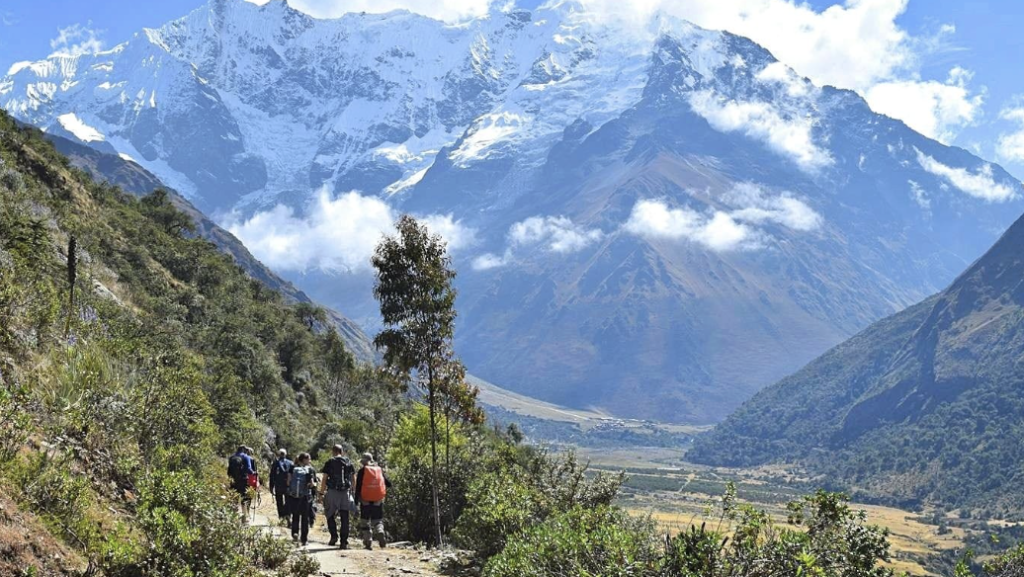
- You want more dramatic high-altitude scenery — the views of Salkantay and Humantay glaciers are extraordinary
- You have a smaller budget — guided Salkantay packages are typically 20–40% cheaper than Inca Trail packages
- You prefer fewer crowds — especially on Days 1–3, the trail is significantly less trafficked than the Inca Trail
- You want a physically more demanding challenge — Salkantay Pass at 4,638m beats the Inca Trail’s high point by 400m
If you want the iconic Sun Gate sunrise arrival at Machu Picchu, the Inca Trail wins. If you want broader mountain scenery and more flexibility, Salkantay wins. See our Inca Trail Guide 2026 for a detailed comparison.
Classic 5-Day Salkantay Trek: Day-by-Day
Day 1: Cusco → Mollepata → Soraypampa (Camp 1)
Most treks depart Cusco very early (around 4:00–5:00 AM) for the 3-hour drive to Mollepata (2,800m), where you’ll have breakfast at a local family restaurant. From Mollepata, the trail begins — climbing through eucalyptus forest and small farming communities.
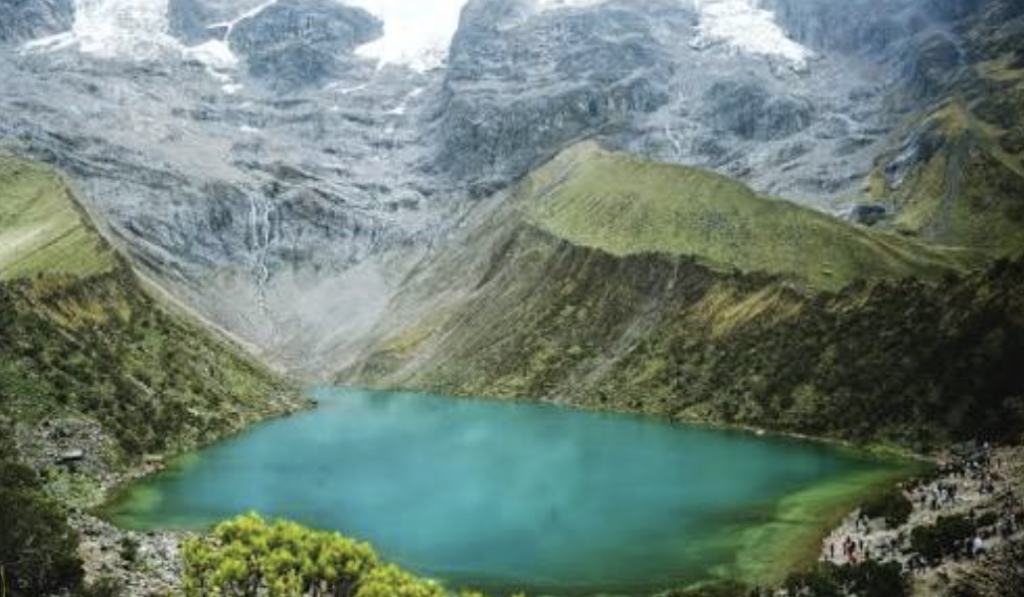
The day’s destination is Soraypampa (3,900m), where most trekkers camp. En route, many groups make a short detour to the stunning Humantay Lake (4,200m) — a glacial lake of vivid turquoise blue sitting beneath the Humantay glacier. This detour adds 2–3 hours but is widely considered the highlight of the entire trek for many visitors. If your group doesn’t include it, it’s worth asking your operator. Distance: 14 km. Elevation gain: approximately 1,100m.
Day 2: Soraypampa → Salkantay Pass → Chaullay (Camp 2)
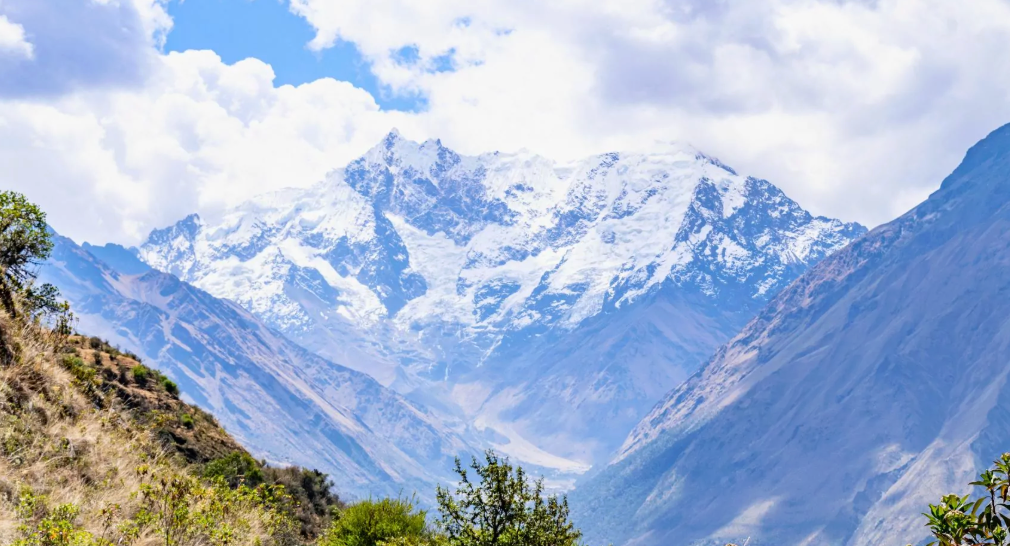
This is the hardest day of the trek — and one of the most visually stunning high-altitude days you can have anywhere in the Andes. The climb from Soraypampa to Salkantay Pass at 4,638m (15,216 ft) is 700m of sustained ascent over 5 km. At the pass, the views of the Salkantay massif are overwhelming — the glacier-capped peak towers above you with a presence that’s hard to capture in photos.
The descent from the pass is long (over 1,500m of elevation loss) as you drop from alpine tundra through cloud forest into the warmer, lusher Salkantay River valley. By the time you reach camp at Chaullay (around 2,900m), you’ll have experienced one of the most dramatic single-day altitude swings in Andean trekking. Distance: 22 km. Elevation: up 700m, down 1,700m net.
Note: If altitude sickness is a concern, read our altitude sickness guide before Day 2 — at 4,638m, you’re above the danger threshold where symptoms become more likely. Carry Diamox if prescribed and know the evacuation plan.
Day 3: Chaullay → La Playa (Camp 3)
Day 3 is a rest for your legs in comparison to Day 2 — mostly flat to gradual descent through increasingly tropical vegetation as you follow the Santa Teresa River valley. You’re now well below 3,000m and the temperature climbs noticeably. The vegetation transforms from high mountain scrub to lush subtropical forest with orchids, bromeliads, and birds.
Some operators offer optional activities near camp — including soaking in the Santa Teresa hot springs at Cocalmayo (a short walk or taxi from camp). If you’re aching after Day 2’s descent, this is well worth it. Distance: 14 km. Elevation: mostly descent.
Day 4: La Playa → Llactapata → Aguas Calientes
The second-to-last day involves a final climb to the Llactapata ruins — a less-visited Inca site with a direct view across the valley to Machu Picchu and the Sun Gate. The vantage point is spectacular and gives you a perspective on Machu Picchu that most visitors never see.
After Llactapata, you descend through coffee and fruit plantations to the Hidroeléctrica (hydroelectric station), then follow the railway tracks along the Urubamba River for the final 11 km walking stretch to Aguas Calientes. This railway section is flat and easy — a welcome cool-down. Arrive in Aguas Calientes in the afternoon, shower at your hotel, and get to bed early for the Machu Picchu morning rush. Distance: 20 km.
Day 5: Aguas Calientes → Machu Picchu → Cusco
Wake at 4:00–5:00 AM for the first bus to Machu Picchu (bus begins running at 5:30 AM; queues start before 5:00 AM). The bus ride takes 25–30 minutes. Most Salkantay trekkers visit the citadel in the morning, explore for 3–4 hours, then take the afternoon train back from Aguas Calientes to Ollantaytambo, then a bus back to Cusco.
For everything about Machu Picchu itself — which circuit to walk, what to see, ticket types — read our complete Machu Picchu 2026 guide.
Salkantay Trek Cost: What to Expect in 2026
- Budget camping tour (group): USD $350–$500 per person (tents, simple meals, basic camping)
- Mid-range tour: USD $500–$750 (mix of camping and lodges, better food)
- Premium lodge-to-lodge: USD $900–$1,500+ (Mountain Lodges of Peru’s famous Sky Lodge option)
- Independent hiking (without guide): Possible on most sections but not recommended — navigation is genuinely difficult on Day 2, and emergencies at 4,600m without support are serious
Note: Unlike the Inca Trail, no government permit fee is required for the Salkantay. The price difference between the two treks reflects this — and the fact that Salkantay has more competition among operators, which keeps prices lower.
Difficulty Comparison: Salkantay vs Inca Trail
| Factor | Salkantay Trek | Classic Inca Trail |
|---|---|---|
| Maximum altitude | 4,638m (Day 2) | 4,215m (Day 2) |
| Total distance | ~74 km | ~43 km |
| Duration | 5 days | 4 days |
| Permit required | No | Yes |
| Archaeological sites | Fewer (Llactapata, Humantay) | Many (6+ major sites) |
| Crowds | Low to moderate | Moderate (permit-limited) |
| Cost (guided) | USD $350–$1,500 | USD $600–$1,000+ |
| Machu Picchu arrival | Via Aguas Calientes/bus | Via Sun Gate (iconic) |
Best Time to Hike the Salkantay Trek
The Salkantay can be hiked year-round, but season choice significantly affects your experience:
- May–September (Dry Season): Best visibility, lowest precipitation risk, most popular. June–August can be cold at altitude (sub-zero at night at Soraypampa). May and September are often ideal: dry conditions with slightly warmer temperatures
- October–November (Shoulder): Increasing cloud and rain but often manageable. Fewer trekkers, more lush vegetation, lower prices
- December–April (Wet Season): Significant rainfall especially January–March. Trail can be muddy and slippery at altitude; occasional trail washouts. Not recommended for inexperienced trekkers. However, the views of snow-covered Salkantay in cloud and mist can be spectacular for photographers
Altitude Acclimatization Plan for Salkantay
Salkantay Pass is at 4,638m — 400m higher than the Inca Trail’s Dead Woman’s Pass. This is serious altitude. Anyone arriving from sea level or low altitude should plan for proper acclimatization in Cusco before starting.
Recommended minimum: 2 nights in Cusco (3,400m) before starting. Ideally 3 nights. A day trip to the Sacred Valley (lower altitude at 2,700–2,800m) on your first full day in Cusco helps significantly. Don’t do strenuous exercise on your first day in Cusco. See our full altitude sickness guide for Diamox protocols, warning signs, and emergency procedures.
What to Pack for the Salkantay Trek
Essentials for Your Daypack
- Water (2–3 liters minimum) plus water purification tablets or filter
- Rain jacket — essential at any time of year; cloud forest is predictably wet
- Warm layers for Day 2’s high pass (fleece + down jacket minimum)
- Trekking poles — highly recommended, especially for Day 2 descent
- Sun protection (hat, sunscreen SPF50+, sunglasses with UV protection)
- Headlamp with fresh batteries
- Snacks and trail food
- First aid basics (blister kit, ibuprofen, altitude medication)
Overnight Gear (if camping)
- Sleeping bag rated to at least -5°C / 23°F (Soraypampa gets cold)
- Thermal base layers
- Fleece or down mid-layer
- Warm hat and gloves for high camp
- Camp shoes or sandals
Essential Gear for the Salkantay Trek
| Product | Why It’s Essential | Check Price |
|---|---|---|
| Black Diamond Trail Ergo Cork Poles | Cork grip absorbs sweat; adjustable for steep terrain | Amazon → |
| Osprey Talon 22 Daypack | Lightweight, ventilated — perfect size for day sections | Amazon → |
| Hoka Speedgoat 5 | Max-cushion trail runner for high-mileage stone terrain | Amazon → |
| Patagonia Nano Puff Hoody | Packable down-equivalent insulation for high pass cold | Amazon → |
| Outdoor Research Helium II Rain Jacket | Sub-300g waterproof for cloud forest unpredictability | Amazon → |
| Sawyer Squeeze Water Filter | Filter from rivers/streams en route — lightweight essential | Amazon → |
See our full packing guide and gear recommendations in the Gear Lab Hub.
Humantay Lake: Is It Worth the Detour?
Absolutely. Humantay Lake (4,200m) is a 2–3 hour round-trip detour from the Day 1 camp at Soraypampa. The glacial lake is a vivid turquoise-blue color from glacial flour suspended in the water, with the Humantay glacier rising dramatically behind it. Photos don’t fully capture how otherworldly this place looks, especially in the late afternoon light.
Some operators include the detour automatically; others offer it as an extra or expect you to do it independently after reaching camp. Confirm with your operator before booking. The extra elevation (300m above Soraypampa) adds altitude exposure — take your time, go slowly, and turn back if you feel unwell.
Booking Your Salkantay Trek: What to Look For
Unlike the Inca Trail, the Salkantay doesn’t require booking months in advance — 2–4 weeks is usually sufficient in peak season, and you can sometimes book days before in shoulder season. However, the quality of operators varies enormously. Key things to look for:
- Group size: Smaller groups (6–8 people) mean more personalized attention and better trail experience. Avoid operators promising large groups of 20+ for a “private” feel
- Porter welfare: Ask about maximum porter loads, wages, equipment, and whether they provide porters with proper shelter and food
- Meal quality: Ask what meals are included and whether they accommodate dietary restrictions. Good Salkantay operators provide fresh, hot meals at camp
- Emergency plan: Given the altitude of Day 2, ask what the evacuation procedure is if someone gets seriously ill
- Machu Picchu ticket: Confirm whether the Machu Picchu entrance ticket is included (it should be, but confirm)
Frequently Asked Questions
Do I need a permit for the Salkantay Trek?
No. Unlike the Inca Trail, the Salkantay Trek does not require a government permit. This is one of its biggest advantages — you can book 2–4 weeks in advance or even last-minute, and there’s no risk of missing out due to permit sellouts.
Is the Salkantay Trek harder than the Inca Trail?
Generally yes. Salkantay Pass (4,638m) is 400m higher than the Inca Trail’s Dead Woman’s Pass (4,215m), and the total distance is significantly longer (74 km vs 43 km). The 22 km Day 2 with 700m ascent and 1,700m descent is a genuinely hard day. That said, the extra day of the Salkantay (5 days vs 4) spreads the effort more.
Can I hike the Salkantay Trek independently?
Technically yes — there are no permit restrictions. However, navigation on Day 2 around Salkantay Pass can be genuinely difficult in bad weather, and being at 4,600m without support in a medical emergency is serious. We recommend at minimum hiring a local guide through a Cusco agency for Day 2. Many independent trekkers do Days 3–4 (the lower valley sections) solo without issue.
What is the Mountain Lodges of Peru option?
Mountain Lodges of Peru (MLP) operates the “Salkantay Sky Lodge” route — a premium lodge-to-lodge version of the trek staying in their purpose-built eco-lodges along the route (Soraypampa, Wayra, Colpapampa, Lucmabamba). It’s a completely different comfort level from camping — hot showers, gourmet meals, and beds every night. Price: approximately USD $1,200–$1,800 per person. Worth it if budget allows and you want the scenery without the camping roughness.
What time of year is best for the Salkantay Trek?
May–September is the dry season and offers the most reliable weather and best mountain visibility. June–August is the most popular but also coldest at altitude (temperatures at Soraypampa camp can drop below -5°C overnight). May and September often hit a sweet spot. October–November is shoulder season with some rain but fewer crowds.
Can I combine the Salkantay Trek with the Inca Trail?
Not simultaneously, but many travelers do both on separate trips. Some trekkers do the Salkantay on one visit and return for the Inca Trail another time. Within a single trip, you could theoretically do the Salkantay first (5 days) and then the 2-Day Inca Trail (KM 104 starting point), though you’d need to build in significant recovery time.
Is the Salkantay Trek safe?
Yes, with proper preparation. The main risks are altitude sickness (Day 2 at 4,638m) and weather-related hazards (lightning exposure above the treeline, flash floods in the valley during heavy rain). Using a reputable operator with an experienced guide who knows the emergency procedures significantly reduces these risks.
How much does the Salkantay Trek cost in 2026?
Budget camping tours: USD $350–$500. Mid-range (mix of camping and basic lodges): USD $500–$750. Premium lodge-to-lodge (Mountain Lodges of Peru): USD $1,200–$1,800. Independent trekking with just a local guide: approximately USD $50–$100/day for guide fees plus your own food and accommodation costs.
Salkantay Trek vs. Other Machu Picchu Alternatives
The Salkantay is the most popular alternative, but it’s not the only one. Here’s how others compare:
- Lares Trek (4 days): Lower altitude, more cultural focus — visits traditional weaving communities; ends in Ollantaytambo for the train to Aguas Calientes. Good for cultural immersion over mountain scenery
- Choquequirao Trek (8 days): Extremely remote and challenging — visits the rarely-seen Inca citadel of Choquequirao before continuing to Machu Picchu. For very fit and experienced trekkers only
- Ausangate Trek (6 days): The Rainbow Mountain route, circling the 6,384m Ausangate peak. Does not end at Machu Picchu but can be combined with a train journey. Extraordinary scenery
Getting Back to Cusco
From Aguas Calientes, the return to Cusco is by train to Ollantaytambo or Poroy station, then a shuttle bus or shared transport to Cusco. Journey time is approximately 3.5–4.5 hours total depending on route and train departure. Book train tickets in advance through PeruRail or Inca Rail — both operators serve the route and tickets sell out in peak season.
For everything you need to know about Cusco itself — where to stay, what to eat, and how to spend extra days before or after your trek — see our Cusco Travel Guide 2026.
Final Thoughts
The Salkantay Trek is one of the world’s great multi-day hikes. The combination of extreme altitude drama on Day 2, the volcanic geology of the Salkantay massif, the transition through cloud forest ecosystems, and the payoff of Machu Picchu at the end makes it genuinely special. For any fit traveler who can’t get Inca Trail permits, or who simply prefers wilder terrain over the managed experience of the trail, the Salkantay is not a consolation prize — it might be the better choice.
Also see: Inca Trail Guide 2026 | Machu Picchu Complete Guide | Cusco Travel Guide 2026 | Peru Entry Requirements