
Peru welcomes millions of visitors a year, and the honest answer to “is Peru safe” depends entirely on where you are and how you’re traveling. Lima, Cusco, the Sacred Valley and Machu Picchu, the places that make up the vast majority of tourist itineraries, are considerably safer than the country’s overall reputation suggests, while a handful of specific regions genuinely do carry elevated risk and are worth avoiding regardless of how confident a traveler you are. This guide breaks Peru down region by region so you can plan with facts instead of headlines.
Why “Is Peru Safe” Search Results Are So Inconsistent
If you’ve already searched this question before landing here, you’ve probably noticed wildly inconsistent answers ranging from “completely safe” to alarming warnings that seem disconnected from what most visitors actually experience. Part of the confusion comes from outdated content that never gets updated after conditions change, part comes from conflating rare, isolated incidents with everyday risk, and part comes from a genuine failure to distinguish between Peru’s tourist-heavy highlands circuit and its handful of genuinely higher-risk regions that have nothing to do with a typical visit. This guide is built specifically to separate those two categories clearly, region by region, so you’re working from an accurate, current picture rather than a five-year-old blog post or a single dramatic headline that no longer reflects reality.
The Short Answer: Yes, With Regional Awareness
Peru currently sits at a Level 2 travel advisory from the US State Department, meaning travelers should exercise increased caution, a rating shared by many popular tourist destinations worldwide and well below the higher-risk Level 3 or Level 4 classifications. The country’s safety situation has stabilized considerably compared to the sporadic political unrest and protest activity of recent years, and as of 2026 tourism has fully resumed, with Machu Picchu and every other major attraction operating normally. The real safety story in Peru isn’t a blanket “safe” or “unsafe” label, it’s about understanding that risk is concentrated in specific places and specific behaviors, not spread evenly across the entire country.
How This Guide Was Put Together
Rather than relying on a single source, this guide draws on current US State Department advisory levels, patterns reported consistently across experienced travel operators working in Peru year-round, and the practical, on-the-ground realities that shape most tourists’ actual experience in the country’s main destinations. The goal is a balanced picture: honest about where real risk exists, without exaggerating isolated incidents into a blanket warning that doesn’t reflect what millions of annual visitors actually encounter.
Table: Peru Safety by Region
| Region | Safety Level | Main Concerns |
|---|---|---|
| Lima (Miraflores, San Isidro, Barranco) | Moderate, tourist-friendly | Petty theft, pickpocketing in crowded areas |
| Lima (outer districts) | Higher caution advised | Higher crime rates, less relevant to typical tourist itineraries |
| Cusco and the Sacred Valley | Generally safer than Lima | Occasional protest activity, tourist scams |
| Machu Picchu and the Inca Trail | Well-managed and secure | Strong tourism infrastructure and regulation |
| VRAEM region (Apurímac, Ene, Mantaro valleys) | High risk, avoid | Drug trafficking activity, not part of tourist routes |
| Northern border areas | Increased caution | Limited infrastructure, irregular border activity |
Lima: Where Tourists Actually Have Problems
Lima’s tourist-heavy districts, Miraflores, San Isidro and Barranco, maintain a visible security presence and are where the overwhelming majority of visitors spend their time, but that doesn’t mean crime is absent. Petty theft, pickpocketing on public transport, and opportunistic bag-snatching in crowded areas are the realistic concerns, not violent crime targeting tourists specifically. The practical advice locals and experienced travelers repeat consistently: don’t display expensive jewelry, phones or cameras carelessly in crowded markets or on public buses, use official taxi apps rather than hailing cars on the street, and be extra cautious at night in areas outside the well-lit tourist core. Districts further from the tourist zone carry meaningfully higher crime rates and simply aren’t part of a typical visitor’s itinerary, so avoiding them isn’t a hardship, it’s the default for anyone following a standard Lima visit.
TRAVEL WITH A LOCAL GUIDE
See Peru Safely — Book Vetted Local Tours
Skip the guesswork on unlicensed transport and sketchy tour operators. Free cancellation on most bookings.
Local guides · Free cancellation · Instant confirmation
Cusco and the Sacred Valley: Generally the Safer Half of Your Trip
Cusco is widely considered safer for tourists than Lima, with lower overall crime rates and a local economy heavily built around tourism, which means locals in the tourist zones have a strong incentive to keep the area welcoming and secure. The most common issues here are scams rather than crime: unofficial “guides” offering unlicensed tours, inflated prices at unmarked taxis, and vendors pressuring tourists into overpriced purchases near major attractions. Occasional protest activity does occur in the region and can disrupt transport or access to Machu Picchu on short notice, but these events are typically localized, announced in advance through local news, and rarely affect tourist safety directly, they mostly cause logistical delays rather than danger.
Machu Picchu and the Inca Trail: The Best-Managed Part of the Country
Ironically, Peru’s most famous attraction is also one of its most tightly controlled and secure environments. Entry is regulated through timed tickets and circuits (see our full Machu Picchu travel guide for the latest 2026 entry rules), the trekking routes are patrolled and permit-controlled, and the sheer volume of daily visitors means there’s a constant, visible tourism infrastructure of guides, rangers and emergency support along the way. If you’re going to worry about safety anywhere in Peru, Machu Picchu itself is genuinely one of the lowest-risk parts of the entire trip.
STAY REACHABLE
Keep A Line Open — For Emergencies Too
A working eSIM means you can always call for help, check maps, or verify a taxi is legitimate. No local SIM shop required.
Multi-country coverage · Instant activation · No physical SIM needed
The One Region You Should Actually Avoid: VRAEM
The VRAEM (the valleys of the Apurímac, Ene and Mantaro rivers) is the one part of Peru where genuine, elevated risk exists, driven by ongoing drug trafficking activity and occasional remnants of armed groups operating in remote areas. The good news for typical travelers is that VRAEM isn’t part of any standard tourist route, it doesn’t overlap with Lima, Cusco, the Sacred Valley, Machu Picchu, Arequipa, or the northern coastal circuit that most visitors follow. This region matters mainly because outdated “is Peru safe” content sometimes cites incidents from this area to paint the entire country as dangerous, when in practice a tourist following any conventional Peru itinerary has essentially zero exposure to it.
What Changed Since Peru’s Period of Political Unrest
Travelers researching Peru often come across older headlines describing widespread protests, road blockades and travel disruptions from recent years, and understandably wonder whether those conditions still apply. The short answer is no: those episodes of unrest were concentrated in specific periods and specific regions, and the country’s tourism sector has fully normalized since then, with visitor numbers to Machu Picchu and Cusco returning to pre-disruption levels. What’s genuinely useful to know is that Peru’s protest culture hasn’t disappeared entirely, localized strikes and demonstrations still occur periodically, usually tied to specific political or economic grievances, but they’re now far better telegraphed in advance through local news and tourism boards, giving travelers and tour operators time to adjust plans rather than being caught off guard.
How Peru Compares to Its Neighbors
Placed alongside its regional neighbors, Peru’s safety profile lands in a comparable range to Colombia and sits notably safer than security concerns in some other parts of Latin America, while still requiring more vigilance than, say, Chile or Uruguay, which consistently rank among the safest countries in South America. If you’re planning a multi-country Andes trip, it’s worth noting that safety conditions can shift meaningfully from one border to the next, so treat each country’s specific guidance separately rather than assuming a blanket regional risk level applies uniformly across your whole itinerary.
Common Scams to Know Before You Go
Beyond outright crime, tourist-targeted scams are the more likely nuisance you’ll encounter in Peru. These include unofficial money changers offering better rates that turn out to be counterfeit bills, unlicensed “official” guides at Machu Picchu or in Cusco’s main square who charge premium prices for unregulated tours, taxi drivers who quote one price then claim a higher fare on arrival, and vendors who “accidentally” give incorrect change in crowded markets. None of these are dangerous, but they’re avoidable with basic precautions: use licensed transport apps, exchange money at official exchange houses (casas de cambio) rather than street changers, and book tours through your hotel or a reputable operator rather than accepting offers from strangers on the street.
Altitude Sickness: A Bigger Practical Risk Than Crime
For most visitors, altitude sickness poses a more realistic health concern than crime does. Cusco sits above 3,400 meters, and arriving without acclimatization can cause genuine discomfort ranging from headaches and nausea to, in rare severe cases, more serious complications. See our full guide to altitude sickness in Cusco and Machu Picchu for prevention strategies, but the short version is: spend a day or two acclimatizing in Cusco before attempting any strenuous trekking, stay hydrated, and consider altitude medication if you have a history of sensitivity.
TRAVEL SMART
Protect Your Valuables — Anti-Theft Gear
Petty theft targets tourists in crowded areas of Lima and Cusco. A few smart accessories go a long way.
Fast shipping · Trusted reviews · Ready before you fly
Trekking Safety Beyond Machu Picchu
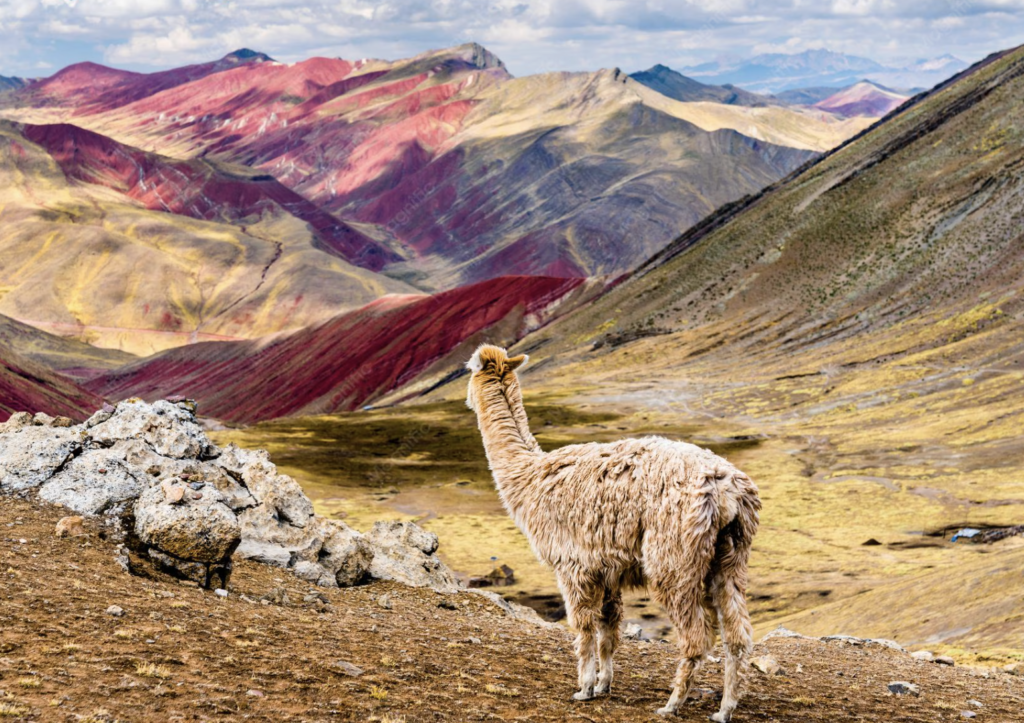
If your itinerary includes treks beyond the heavily regulated Inca Trail, like the Salkantay Trek or Rainbow Mountain, safety looks a little different from the well-managed core tourist attractions. These routes are still generally safe and popular with thousands of travelers annually, but they involve more remote terrain, less immediate emergency access, and greater exposure to weather-related risk than a controlled visit to Machu Picchu itself. Booking through a licensed operator with experienced guides, proper permits, and emergency evacuation protocols (rather than the cheapest unlicensed option you find on the street in Cusco) is the single biggest factor separating a well-run trek from a genuinely risky one. Review our full Salkantay Trek guide for details on route difficulty and what proper preparation looks like.
Nighttime Safety in Tourist Cities
Both Lima and Cusco see a shift in risk profile after dark, though it’s more about reduced visibility and fewer people around than a sudden spike in danger. In Lima’s Miraflores and Barranco, well-lit main streets remain busy and reasonably safe into the evening, but side streets and less populated blocks warrant more caution, and using a taxi app rather than walking long distances late at night is the standard recommendation from both locals and experienced travelers. Cusco’s historic center around the Plaza de Armas stays lively with restaurants and bars well into the night and feels notably safer than Lima’s nightlife districts, though the same basic precautions (traveling in groups when possible, avoiding poorly lit side streets, keeping valuables secure) apply everywhere.
What Local Tour Operators Actually Do Differently
One underappreciated safety factor is the quality gap between licensed, established tour operators and informal street-level offers. Licensed operators carry insurance, employ vetted and trained guides, use maintained vehicles, and have established protocols for medical emergencies or unexpected disruptions like weather delays or road closures. Informal operators offering suspiciously cheap day trips near tourist hotspots often cut corners on exactly these safety nets, and while most such trips pass without incident, the rare cases where something goes wrong are disproportionately connected to unlicensed operations rather than established companies with a reputation and repeat business to protect.
Solo and Female Traveler Considerations
Peru’s main tourist circuit is generally considered manageable for solo and female travelers, particularly in Cusco and the well-established parts of Lima, where a steady flow of international visitors has normalized solo tourism. Standard precautions apply: avoid walking alone late at night in unfamiliar areas, keep your accommodation informed of day-trip plans, and use verified transport rather than flagging down unmarked vehicles. Group tours and shared transport between major destinations are widely available and popular specifically because they reduce the friction and uncertainty of solo logistics, especially for overnight bus travel between cities.
Natural Disaster and Weather Risk
Peru’s geography also introduces occasional weather-related disruptions worth planning around, particularly during the rainy season from November through March in the highlands, when landslides can temporarily close roads and trekking routes including sections near Machu Picchu. These closures are typically short-lived and well managed by local authorities and tour operators, but building a day or two of buffer into your itinerary around any trekking segment reduces the stress of a weather delay derailing tightly scheduled plans.
Health and Medical Safety Considerations
Beyond crime and altitude, general health precautions round out a realistic safety picture for Peru. Tap water isn’t recommended for drinking in most of the country, so stick to bottled or filtered water, including for brushing your teeth if you’re being cautious. Food safety in well-established restaurants catering to tourists is generally reliable, though street food, while often delicious and a genuine highlight of Peruvian cuisine, carries a higher risk of stomach upset for travelers whose systems aren’t adjusted to local food handling practices; easing into street food gradually rather than diving in on day one reduces this risk considerably. If you’re heading into the Amazon basin as part of a broader itinerary, malaria and yellow fever precautions become relevant in a way they aren’t in Lima, Cusco or the Sacred Valley, so check region-specific health guidance if your trip extends beyond the standard highlands circuit.
Emergency Numbers and What to Do If Something Happens
Peru’s national police emergency line and tourist police (a specialized unit specifically for handling tourist-related incidents) are both available in major tourist areas, and hotels and licensed tour operators can typically connect you with tourist police assistance quickly if needed. Keep a photo of your passport and travel insurance documents saved on your phone and, ideally, in a separate cloud location, so you’re not dependent on physical documents if your bag is lost or stolen. Registering your trip with your home country’s embassy or consulate, where that service is available, is a low-effort step that gives authorities a way to reach you in the rare event of a regional emergency or natural disaster during your stay, a small step that costs nothing and adds a genuine layer of preparedness.
Before You Go: Round Out Your Safety Prep
- Check current entry requirements: review our Peru entry requirements guide for the latest visa and TAM card rules.
- Get travel insurance with medical evacuation coverage: compare options in our best travel insurance for South America guide.
- Plan your Cusco altitude acclimatization: see our best time to visit Peru guide.
- Budget realistically for your trip: check our Peru budget guide.
Here are the questions we hear most often from travelers weighing a trip to Peru in 2026, covering everything from regional risk to what actually happens if something goes wrong.
Frequently Asked Questions About Safety in Peru
1. Is Lima or Cusco safer for tourists?
Cusco is generally considered safer than Lima, with lower overall crime rates in its tourist areas.
2. Should I avoid Peru because of past political unrest?
No, the situation has stabilized considerably, and tourism has fully resumed across all major attractions.
3. Is it safe to take public transport in Lima?
It’s usable but requires vigilance against pickpocketing; licensed taxi apps are generally the safer choice for tourists.
4. Is the VRAEM region part of any tourist itinerary?
No, it’s a remote area unrelated to Lima, Cusco, Machu Picchu, or any standard tourist route.
5. Do I need to worry about protests disrupting my trip?
Occasional localized protests can affect transport schedules, but they’re typically announced in advance and rarely pose a direct safety risk to tourists.
6. Is solo female travel in Peru advisable?
Yes, with standard precautions; Cusco and Lima’s tourist zones see substantial solo traveler traffic.
7. What’s the most common crime tourists actually experience?
Petty theft and pickpocketing in crowded areas, not violent crime.
8. Is altitude sickness a bigger concern than crime?
For most visitors, yes; proper acclimatization matters more day-to-day than security precautions.
9. Are Machu Picchu and the Inca Trail well-regulated for safety?
Yes, both are tightly managed with permit systems, rangers and strong tourism infrastructure.
10. Should I use official money exchanges instead of street vendors?
Yes, always use licensed casas de cambio to avoid counterfeit bills or shortchanging scams.
A Realistic Bottom Line for First-Time Visitors
If this is your first trip to South America and Peru feels like a big first step, take some reassurance from just how mature the country’s tourism infrastructure has become: millions of visitors a year follow the same Lima-Cusco-Machu Picchu circuit without incident, hotels and tour operators in these areas are experienced at handling international travelers, and the basic precautions covered in this guide (licensed transport, awareness in crowded areas, sensible nighttime habits) are the same common-sense habits that apply in any major tourist destination worldwide, not a special Peru-specific risk profile.
Conclusion
Peru’s safety picture in 2026 is far more nuanced than a single headline can capture: the country’s most-visited destinations, Lima’s tourist core, Cusco, the Sacred Valley and Machu Picchu, are genuinely manageable for prepared travelers, while the real risk is concentrated in a specific, remote region that essentially no tourist itinerary ever touches. Travel with the same common-sense precautions you’d use in any major international destination, do your research on which neighborhoods and regions to prioritize, and Peru remains one of South America’s most rewarding and accessible countries to explore. Go in informed rather than anxious, and the country consistently earns the reputation that keeps travelers returning year after year.