

Colombia has undergone one of the most remarkable tourism transformations of any country in the world. Twenty years ago, most travel advisories strongly warned against visiting. Today, millions of international tourists visit annually, Medellín has won urban innovation awards, Cartagena appears on bucket lists from Tokyo to Toronto, and the coffee region draws visitors who would never have considered Colombia a generation ago. But honest questions remain: Is Colombia actually safe to visit in 2026? What are the real risks? Where is genuinely dangerous and where is perfectly fine? This guide gives you straight answers.
The Short Answer: Yes, Colombia Is Safe for Tourists — With Caveats
Colombia’s major tourist destinations — Cartagena, Medellín, Bogotá’s tourist districts, the Coffee Region (Eje Cafetero), Tayrona National Park, the Amazon region around Leticia, San Andrés island — are visited safely by hundreds of thousands of international tourists every year. The vast majority return home with nothing worse than a lighter wallet from enjoying the country’s food and hospitality.
Colombia is not a uniquely dangerous country for tourists. Statistically, many cities in the USA, Mexico, and Brazil have higher homicide rates than Colombia’s tourist centers. The image of danger that persists in some minds is largely inherited from the 1980s–1990s era of Pablo Escobar and the Medellín Cartel — a period that ended decades ago and bears little resemblance to modern Colombia.
That said, Colombia does have genuine security challenges in specific regions, and informed travel means understanding where they are.
Colombia’s Safety by Region: Honest Assessment for 2026
Cartagena: Very Safe for Tourists
Cartagena’s walled colonial city (Ciudad Amurallada) and the Getsemaní neighborhood are among the safest urban environments for tourists in all of South America — comparable to tourist zones in any European city. The streets are busy with locals and tourists at all hours; the police presence is significant; the local economy depends heavily on tourism, which creates strong community interest in visitor safety.
Risks that do exist: overcharging by taxis and vendors (negotiate prices firmly in advance), pickpocketing in less-touristy areas of the city outside the walls, beach vendors being persistently pushy, and beach theft at less supervised beaches. Violent crime against tourists in the historic center is extremely rare.
Medellín: Generally Safe, With Awareness
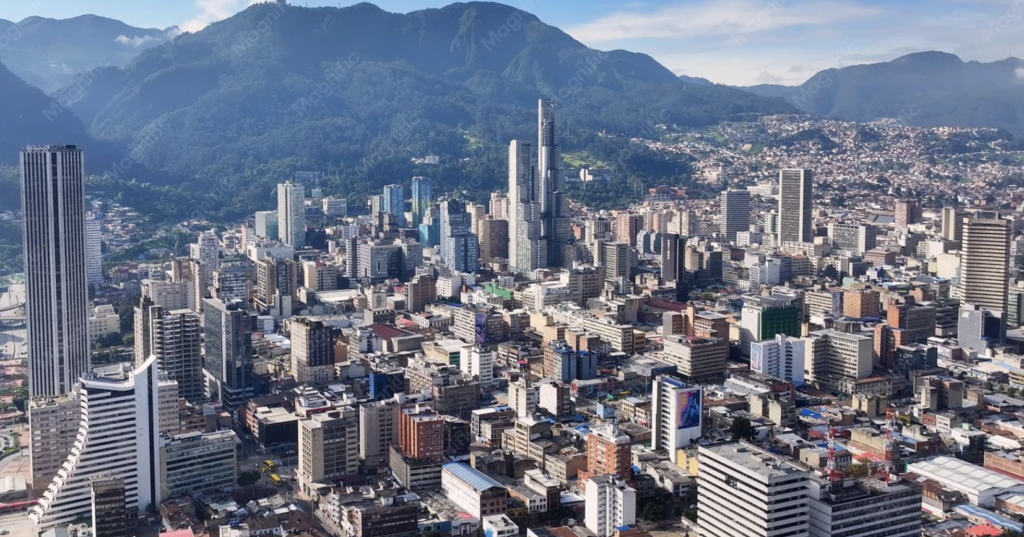
Medellín’s transformation from one of the world’s most dangerous cities to a celebrated urban success story is real, documented, and ongoing. The tourist zones — El Poblado (the main visitor neighborhood), Laureles, and the cable car gondola neighborhoods of Comunas 1 and 2 — are well-patrolled, well-lit, and genuinely safe for standard tourist activities.
Caveats: Medellín still has neighborhoods where crime is much higher, and tourists who stray significantly from the main zones — especially at night — increase their risk. The city’s nightlife scene in El Poblado and Parque Lleras is generally fine but attracts scopolamine (burundanga) incidents — a drug slipped into drinks that causes temporary memory loss and compliance. Never accept drinks from strangers, cover your drink in crowded bars, and don’t leave drinks unattended. Express kidnapping (forced ATM withdrawals) occasionally affects tourists who use ATMs late at night or in poorly lit areas.
Bogotá: Urban Precautions Apply
Bogotá is Colombia’s capital and a sprawling megacity of 8 million people. Like any major Latin American capital, it has significant inequality and crime variation by district. Tourist areas — La Candelaria (historic center), Zona Rosa, Parque 93, Chapinero — are manageable with standard urban awareness. Areas tourists have no reason to visit (Ciudad Bolívar, Bosa, parts of Kennedy district) should be avoided.
Bogotá has significant problems with theft — be careful with phones in public (it’s one of the world’s most notorious cities for phone snatching from taxis and on foot), use hotel safes for valuables, and don’t walk with your phone out in less busy areas. Scopolamine incidents have also been reported in Bogotá nightlife, particularly in La Candelaria and some tourist bars.
Coffee Region (Eje Cafetero): Excellent Safety Record
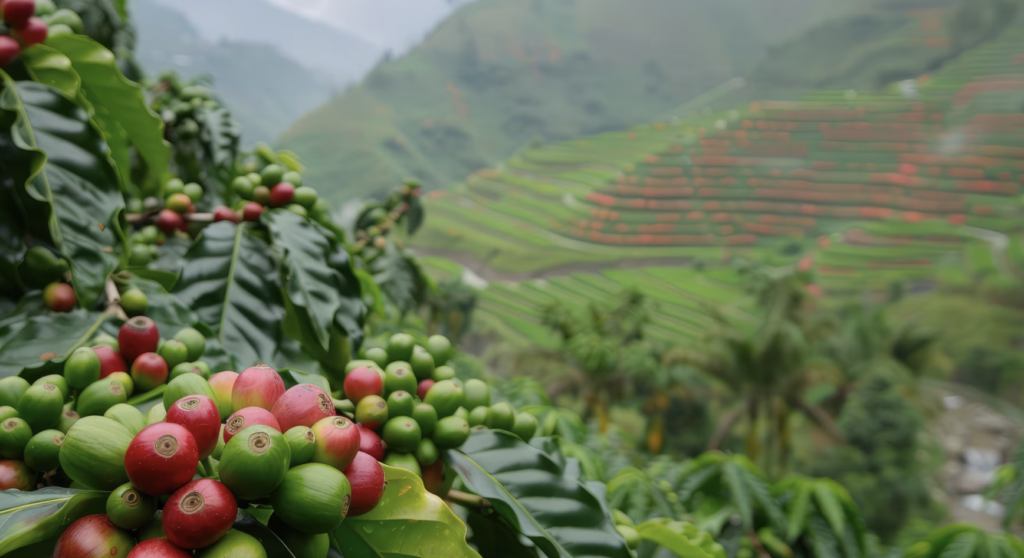
The coffee-growing departments of Caldas, Quindío, and Risaralda are among Colombia’s safest regions for tourism. Cities like Salento, Armenia, Manizales, and Filandia have very low crime rates affecting visitors. The coffee farm (finca) experience that has become one of Colombia’s premier tourist draws operates in a safe, welcoming environment. The main risks here are standard road safety (mountain roads are winding and sometimes poorly maintained) rather than crime.
Tayrona National Park and the Caribbean Coast
The Caribbean coast including Tayrona, Santa Marta, and Minca is generally safe for tourists. Tayrona itself has a dedicated ranger and tourist management presence. Beach theft (leaving belongings unattended) is the most common issue, along with sea currents at several Tayrona beaches that are genuinely dangerous for swimming (follow posted signs). Santa Marta has improved significantly in recent years. The road between Santa Marta and Barranquilla is considered safe during daylight hours.
Cali: Exercise Caution
Cali has a higher crime rate than Colombia’s other major tourist cities and a more complex security picture. The tourist area around the Zona Rosa and some salsa venues is manageable, but Cali requires more vigilance than Medellín or Cartagena. If visiting for the salsa culture, stick to reputable venues, use radio taxis or Uber rather than street taxis, and don’t walk around exploring after dark alone.
Areas to Avoid in 2026
These regions have active armed group presence, coca cultivation conflicts, or government advisories recommending against tourist travel:
- Chocó Department (except Nuquí and Bahía Solano, which are accessible by air): Guerrilla and criminal group presence on land routes
- Norte de Santander/Catatumbo region: Active conflict between ELN, FARC dissidents, and other armed groups; major displacement crisis as of 2025
- Colombian-Venezuelan border regions: Smuggling and armed group activity; significant instability
- Parts of Nariño, Cauca, and Putumayo departments: Active coca cultivation zones with security issues in rural areas (coastal areas of Nariño like Tumaco have persistent problems)
- Darién Gap: Extremely dangerous for any attempted crossing regardless of direction — heavily used by criminal groups; this is not a tourist route under any circumstances
The important context: these regions are not tourist destinations and have limited infrastructure. Most travelers visiting Colombia will never come close to these areas.
Current Situation: Colombia in 2026
The security situation in Colombia is dynamic. President Gustavo Petro’s “Total Peace” policy, which began in 2022, sought negotiated settlements with guerrilla groups (ELN) and criminal organizations. As of 2025–2026:
- Negotiations with ELN have had mixed results; ceasefires have been declared and broken multiple times
- FARC dissident groups (particularly the Estado Mayor Central) have expanded in some southern and Pacific regions
- Tourist zones in major cities remain largely unaffected by these dynamics
- The Catatumbo region (Norte de Santander) experienced significant violence in early 2025 — this area has no tourist relevance but demonstrates ongoing conflict dynamics in rural zones
The practical upshot: Colombia’s tourist infrastructure is robust and well-established, and the security situation in tourist areas has not materially worsened for visitors in recent years. Check your government’s travel advisory immediately before traveling, as the situation evolves.
Common Safety Risks for Tourists in Colombia
Theft and Robbery
The most common issue for tourists. Phone theft is particularly prevalent in Bogotá and Medellín — don’t use your phone while walking on busy streets or in taxis. Bag snatching from motorcycles occurs. Use hotel safes for passports and unnecessary cash. In markets and busy public areas, keep bags in front of you and don’t have expensive items visibly accessible.
Scopolamine (Burundanga)
This drug is administered through drinks, cigarettes, or even skin contact in some cases. Victims become temporarily compliant and amnesiac — and may be led to ATMs to withdraw cash or have belongings taken. Reports come primarily from the nightlife scene in Bogotá and Medellín. Mitigation: never accept drinks from strangers, never leave drinks unattended, don’t accept cigarettes or gum from people you’ve just met in bars or on the street.
Taxi Scams and Express Kidnapping
Street taxis in Colombia have been involved in express kidnapping — the driver picks up additional accomplices and forces the passenger to withdraw cash from ATMs. This has become significantly less common since the rise of Uber, inDriver, and Cabify — all of which operate in Colombia’s major cities and are much safer because the driver is traceable and the route is logged. Use apps rather than hailing street taxis, particularly at night and from airports. The best option in taxis is www.taxienmedellin.com they are the best in Medellin.
Romantic Scams (Pagadita)
A specific risk particularly for solo male travelers: meeting someone in a bar or via dating apps who leads them to a situation where they’re robbed or drugged. Colombia (Medellín in particular) has a reputation for this type of targeted scam. Meeting people via trusted social networks rather than random bar pickups reduces this risk significantly.
Drug Trafficking Involvement
Colombia’s cocaine industry is unfortunately visible in some tourist areas, and vendors may approach tourists. Beyond the obvious legal risks (Colombia’s drug laws are enforced; possession leads to arrest and potential years in prison), there’s a real safety risk in getting involved even superficially with drug networks. Decline firmly and walk away.
Practical Safety Tips for Colombia
- Use Uber, Cabify, or inDriver — never hail street taxis, especially at night, we also recomend the best taxi service in medellin, www.taxienmedellin.com
- Use ATMs inside banks during business hours, never standalone street ATMs after dark
- Don’t carry your passport — leave it in your hotel safe; carry a color photocopy instead
- Keep phone off the street — use it inside buildings, cafes, or at your accommodation
- Research your specific destination thoroughly before visiting — conditions vary enormously by neighborhood and city
- Book accommodation in safe districts — El Poblado (Medellín), Zona Rosa/Parque 93 (Bogotá), inside the walled city or Getsemaní (Cartagena)
- Trust your instincts — if a situation feels wrong, leave. Colombia’s tourist zones have enough legitimate entertainment that there’s never a need to go to sketchy areas
- Travel insurance is essential — including medical, theft, and emergency evacuation coverage
Colombia vs. Other South American Countries: Safety Comparison
| Country | Tourist Safety (Major Cities) | Rural/Remote Safety | Overall Recommendation |
|---|---|---|---|
| Colombia | Moderate — precautions needed | Varies widely by region | Yes, with awareness |
| Peru | Good in tourist zones | Generally safe on tourist routes | Yes |
| Chile | Very good | Excellent | Yes, highly recommended |
| Argentina | Good (Buenos Aires precautions) | Very good | Yes |
| Ecuador | Variable — Quito requires care | Generally safe on tourist routes | Yes, with awareness |
| Bolivia | Moderate | Variable | Yes, with research |
For Colombia’s entry requirements (Check-Mig registration, visa info, border details), see our complete Colombia Entry Requirements 2026 guide.
Is Colombia Safe for Solo Female Travelers?
Many solo female travelers visit Colombia successfully each year, but it requires additional awareness compared to some destinations. Practical advice specific to solo female travelers:
- Cartagena and the Coffee Region are generally well-suited to solo female travel — busy tourist infrastructure, many other travelers around
- Medellín and Bogotá require more care — particularly around nightlife and transportation
- Don’t accept drinks from strangers (this applies to everyone but particularly important for solo female travelers)
- Consider staying in social hostels where you naturally meet other travelers to explore with
- Trust your instincts and don’t feel obliged to be polite to people who make you uncomfortable
- Research the specific neighborhoods of your accommodation carefully — the difference between a well-chosen and poorly-chosen hotel location can significantly affect your experience
Is Colombia Safe for LGBTQ+ Travelers?
Colombia is one of Latin America’s more progressive countries on LGBTQ+ rights — same-sex marriage has been legal since 2016. Medellín and Bogotá have established LGBTQ+ neighborhoods (El Poblado and Chapinero respectively) with gay bars, events, and a visible community. Public displays of affection between same-sex couples are generally fine in these urban, liberal environments. More conservative attitudes exist in smaller towns and rural areas — the same common-sense awareness that applies in many countries.
Travel Insurance for Colombia: Don’t Skip It
Travel insurance is non-negotiable for Colombia. You need coverage for: emergency medical treatment and evacuation (public hospitals in smaller cities have limitations), theft (phones and cameras are at risk), trip cancellation (flight delays and weather can affect domestic connections), and personal liability. See our best travel insurance for South America guide for side-by-side comparisons of the main providers.
Essential Gear for Colombia Travel
| Product | Why You Need It | Check Price |
|---|---|---|
| Pacsafe Vibe 325 Anti-Theft Sling | Cut-proof, slash-resistant — ideal for city exploration | Amazon → |
| Lewis N. Clark RFID Blocking Wallet | Prevents electronic card skimming in crowded areas | Amazon → |
| Trtl Pillow Plus | Long overnight buses between cities | Amazon → |
| Repel Permethrin Clothing Treatment | Mosquito protection for coastal and jungle areas | Amazon → |
| Yeti Rambler 26 oz Bottle | Tap water is not safe in most of Colombia — carry and filter your own | Amazon → |
What Travelers Are Actually Saying About Colombia in 2026
The lived reality of most visitors to Colombia’s tourist areas is: a beautiful country with warm, welcoming people, extraordinary food, incredible coffee, and natural scenery that ranges from Caribbean beaches to Andean cloud forests to the Amazon. Most travelers return having had no security incidents beyond the annoyance of aggressive vendors or overcharging taxis.
Colombia rewards visitors who do their research, exercise normal urban awareness, and don’t make obviously risky choices. It punishes those who treat it carelessly — but that’s true of many destinations worldwide.
Frequently Asked Questions
Is Colombia safe for tourists in 2026?
Yes, in the major tourist destinations (Cartagena, Medellín, Bogotá tourist zones, Coffee Region, Tayrona). Standard urban awareness is needed in the cities. The perception of danger inherited from the 1980s–90s era bears little resemblance to modern Colombia’s tourist experience.
What is the most dangerous city in Colombia for tourists?
Of Colombia’s major tourist cities, Cali requires the most caution. Bogotá and Medellín require awareness but are manageable with smart practices. Cartagena is the most tourist-friendly and has an excellent safety record for visitors.
Is Medellín safe to visit?
Yes, particularly the El Poblado and Laureles neighborhoods. The city has transformed enormously from its violent past. The main precautions: use app-based taxis rather than street taxis, be careful with drinks in bars (scopolamine risk), and don’t flash expensive items in public.
Is Colombia safe for solo travelers?
Yes for most solo travelers, with heightened awareness. Solo female travelers and LGBTQ+ travelers can visit successfully — choose accommodation in safe districts, connect with other travelers, and take transport seriously (always use apps). The Coffee Region is particularly recommended for solo travel due to its relaxed, community atmosphere.
Do I need to check in with the Colombian government (Check-Mig) before visiting?
Yes — Colombia requires most international visitors to complete a Check-Mig (migration check) online within 72 hours before arrival. See our complete Colombia Entry Requirements guide for step-by-step instructions on Check-Mig registration and visa requirements.
Is Cartagena safe?
Cartagena’s walled city and Getsemaní neighborhood are among the most tourist-friendly urban environments in South America. The main annoyances (aggressive vendors, overcharging) are inconveniences rather than safety risks. Violent crime in the tourist zone is very rare.
Should I be worried about drugs and cartels as a tourist in Colombia?
The cartel-controlled violence of the 1980s–90s is not the present reality for tourists in major cities. That said, Colombia’s drug trade remains significant in specific regions (Pacific coast, some southern departments). In tourist areas, your main practical concern is avoiding any involvement with drug vendors (decline firmly) and not getting scammed. Violent cartel activity in tourist zones is extremely rare.
What should I do if I’m robbed in Colombia?
If robbed: do not resist (belongings are replaceable; your safety is not). Go immediately to the nearest police station (Policía Nacional) to file a report — you’ll need this for travel insurance claims. Contact your embassy if your passport is taken. Call your bank to cancel cards. Most international phones work in Colombia — have emergency contacts saved offline.
The Bottom Line on Colombia Safety
Colombia is a safe destination for informed tourists who take sensible precautions. It is not risk-free — no destination is — but the risks are manageable, well-documented, and concentrated in specific behaviors and locations that most tourists will naturally avoid.
The bigger risk, frankly, is not going. Colombia is one of South America’s most spectacular countries — a place of extraordinary geographical diversity, historic cities, world-class coffee and food, and some of the warmest people you’ll meet anywhere in the world. Missing out because of a reputation that’s decades out of date would be a genuine travel regret.
Plan carefully, stay in established tourist zones, use app-based transport, and you’ll almost certainly have an extraordinary trip.
Related guides: Colombia Entry Requirements 2026 | Ecuador Visa Requirements | Best Travel Insurance for South America | Andes Travel Guide