
Planning a trip to Colombia requires navigating a dynamic landscape of soaring Andean peaks, dense Amazonian jungles, vibrant metropolitan centres, and sun-bleached Caribbean coastlines. While the country offers an exceptionally high value-to-cost ratio for international travellers, a successful journey demands careful consideration of regional price variances, transportation logistics, and safety protocols.
The days of viewing Colombia purely as an off-the-beaten-path backpacker secret are gone. Today, the nation caters to digital entrepreneurs, luxury eco-tourists, and wilderness adventurers alike. To maximise your resources and avoid common logistical pitfalls, you need a realistic understanding of financial frameworks, banking systems, transit networks, and cultural nuances. This guide covers all of it.
1. The Reality of Travelling Colombia: Expectations vs. Budget
When planning a budget for Colombia, the first major factor to understand is the behaviour of the Colombian Peso (COP). The exchange rate fluctuates significantly based on global economic shifts, which can work heavily in favour of travellers carrying stronger currencies like the US Dollar or Euro. However, Colombia is not a uniform economy — price structures vary dramatically depending on the specific region, city, and even neighbourhood you find yourself in.
Regional cost differences
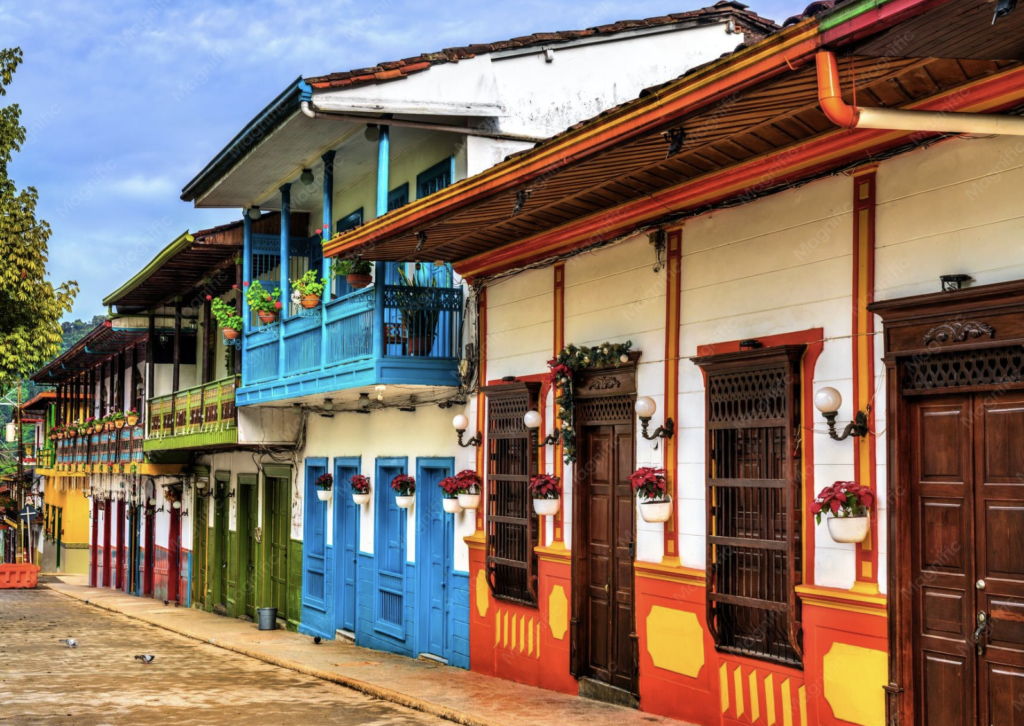
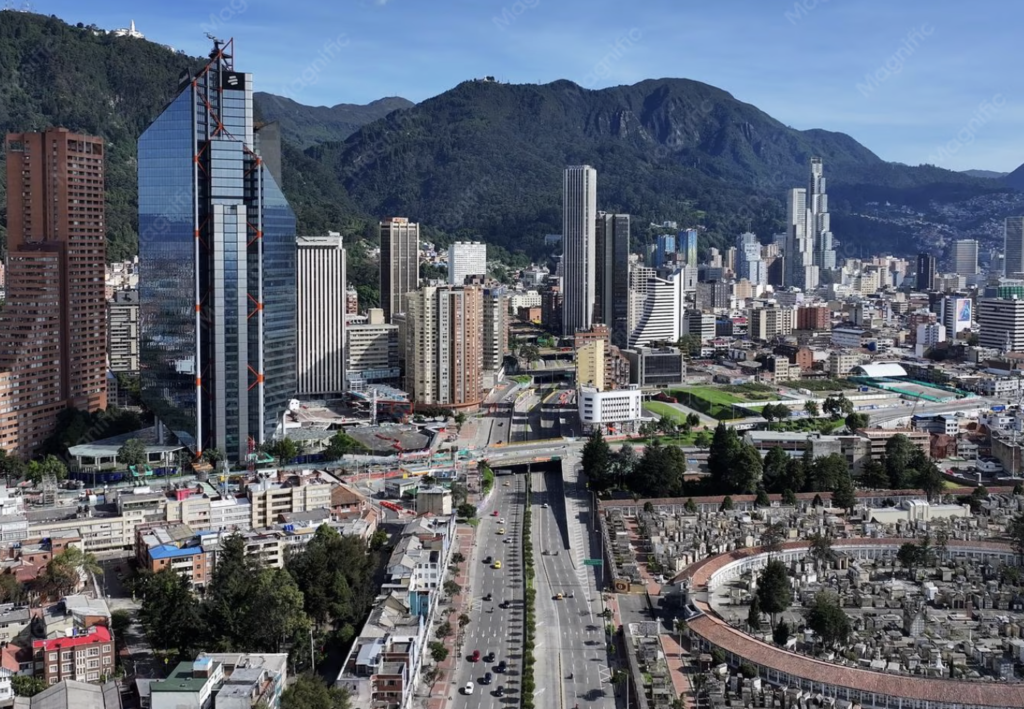
Premium zones like El Poblado in Medellin, the walled city of Cartagena, and the entertainment hubs of northern Bogota (Zona T, Parque 93) have prices that closely mirror mid-sized European or North American cities. Cities like Cali, Bucaramanga, and Pereira, along with popular hubs like Salento and Santa Marta, offer highly accessible mid-range pricing. Small colonial towns throughout Boyaca, Santander, and Narino offer incredible value — daily expenses drop precipitously outside the tourist circuit.
2. Accommodation Costs: From Hostels to Historic Haciendas
Lodging is typically the largest fixed expense of any Colombian itinerary. Colombia has built an excellent hospitality infrastructure over the past decade, offering diverse choices from social backpacker hostels to opulent colonial boutique properties. A bed in a well-rated shared dorm typically costs 45,000–90,000 COP per night. Private rooms within the same hostels run 180,000–350,000 COP. Mid-range private hotels cost 150,000–300,000 COP per night with reliable Wi-Fi and often breakfast included. Luxury properties — restored colonial mansions in Cartagena, working fincas in the Coffee Triangle — start around 600,000 COP and scale to 1,800,000 COP and above.
3. Food and Drink: Street Food to Fine Dining
Colombia’s culinary landscape blends indigenous Andean ingredients, Afro-Caribbean coastal flavours, and modern international techniques. For the budget-conscious traveller, the ultimate financial tool is the almuerzo ejecutivo — the traditional set lunch served between 11:30am and 2pm in local restaurants. A standard corrientazo includes soup, a main plate with protein, rice, beans, salad, sweet plantain, and fresh fruit juice — all for 12,000–22,000 COP. Street snacks (arepa, empanada, carimañola) cost 3,000–7,000 COP. Dinner at a mid-range restaurant runs 40,000–80,000 COP per person. World-class tasting menus at award-winning restaurants: 250,000–500,000 COP — a fraction of what a comparable experience costs in New York or London.
4. Transportation: Domestic Flights vs. Long-Distance Buses
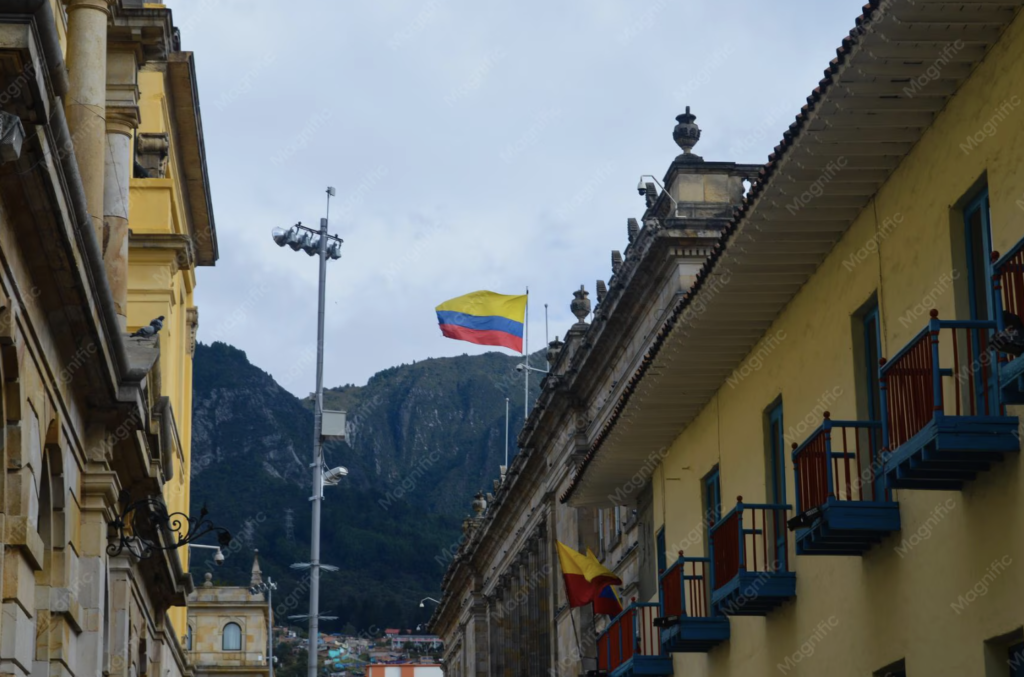
Moving across Colombia is a unique challenge dictated by its dramatic geography. The Andes branch into three distinct mountain ranges that slice through the interior, meaning what looks like a short distance on a map can be an arduous winding journey by road. Long-distance buses (Bolivariano, Expreso Palmira, Berlinas del Fonce) are modern and reliable but slow — Medellin to Bogota can take 9–12 hours. Domestic flights (Avianca, LATAM, Wingo) connect major hubs in about an hour. Booked in advance, one-way tickets cost 150,000–350,000 COP (USD 35–85).
5. Daily Budget Breakdown: Three Travel Styles
| Expense | Backpacker | Mid-range | Premium |
|---|---|---|---|
| Accommodation / night | 50,000–80,000 COP | 180,000–300,000 COP | 600,000–1,500,000+ COP |
| Meals and drinks | 35,000–55,000 COP | 90,000–160,000 COP | 250,000–500,000+ COP |
| Local transport | 10,000–20,000 COP | 35,000–70,000 COP | 150,000–350,000 COP |
| Activities and tours | 25,000–50,000 COP | 80,000–180,000 COP | 300,000–700,000 COP |
| Total daily estimate | 120,000–205,000 COP | 385,000–710,000 COP | 1,300,000–3,050,000+ COP |
Colombia’s Best Experiences Sell Out Fast.
Medellin cable car + commune 13 tours, Cartagena boat trips to the Rosario Islands, Coffee Triangle finca experiences, Bogota food tours — book ahead, especially in December and January.
6. Safety and Scams: Practical Tips for Modern Travellers
Safety is one of the most frequently discussed topics for anyone planning a trip to Colombia. The country has made monumental strides in security over the past two decades. However, opportunistic street crime remains a reality in major cities. Navigating Colombia safely does not require travelling in fear — it requires situational awareness and adhering to local advice.
No dar papaya
The most famous Colombian idiom is no dar papaya — literally ‘don’t give papaya.’ In practice: do not make yourself an easy target. Avoid walking with your phone visible on busy streets. Carry only the cash you need for the day. Leave expensive jewellery at home. Use Uber, Cabify, or InDrive instead of hailing taxis off the street at night — apps log the driver, fix the price, and track the route via GPS. Never leave your drink unattended in bars or clubs, and never accept food or drinks from strangers — scopolamine incidents, while rare, do occur in the nightlife of major cities.
7. Money: ATMs, Cards and Cash Management
Colombia remains a deeply cash-reliant society outside major hotels, supermarkets, and malls. You will need physical bills for local buses, street food, market stalls, taxis, tipping, and smaller regional parks. Prioritise ATMs from Servibanca, BBVA, or Davivienda — they tend to allow larger withdrawals and have transparent fee structures. Use ATMs inside bank branches rather than standalone street kiosks for security. Critical ATM tip: when asked whether to proceed with or without currency conversion, always select ‘Without Conversion’ — this forces the transaction in COP at your home bank’s rate, saving up to 10% in hidden markups.
Flight Delayed or Cancelled? You May Be Owed Up to 600 EUR.
AirHelp handles all paperwork and claims automatically. Over 2 million passengers helped. No win, no fee — the check takes 2 minutes.
Free to check. Zero risk.8. Connecting Your South American Itinerary: What to Do After Colombia
Colombia serves as the ideal northern anchor for an extended South American journey. Here is how it connects to the rest of the continent.
The Ultimate Colombia 10-Day Itinerary
Cartagena to the Coffee Triangle to Medellin — the complete route, transport links, and day-by-day plan for your first Colombia trip.
Altitude Sickness in Cusco and Machu Picchu: The Complete Guide
After Colombia, most travellers fly to Lima. Our altitude guide covers everything you need before landing in Cusco or La Paz.
La Paz Bolivia Travel Guide 2026
From Bogota to La Paz — the transition from Colombia’s warm valleys to Bolivia’s altiplano is one of the great South American contrasts.
Ecuador and Galapagos Travel Guide 2026
Ecuador shares Colombia’s southern border — accessible by land via Ipiales or by short flight. Our complete Ecuador guide covers Quito, Cotopaxi, and the Galapagos.
Chile Patagonia Travel Guide 2026
Direct flights connect Bogota to Santiago. From there: Torres del Paine, the Atacama, and the Chilean Lake District.
Argentina Travel Guide 2026
Buenos Aires, Patagonia, Mendoza wine country, Iguazu Falls. Our full Argentina guide covers the complete southern cone.
Frequently Asked Questions: Colombia 2026
What is the Check-Mig form and when do I fill it out?
The Check-Mig form is a mandatory digital immigration registration required by the Colombian government. Complete it online via the Migracion Colombia website within 72 hours before entering the country, and again within 72 hours before departing. It generates a confirmation receipt you must present at airline check-in and border security.
What is the tipping culture in Colombia?
In casual restaurants and corrientazos, tipping is not customary. In mid-range and fine dining, a voluntary 10% service charge (propina voluntaria) is typically added to the bill. You are not required to pay it, but it is standard practice if service was good. For tour guides and private drivers, a tip of 20,000–50,000 COP per day is appreciated.
Can I use credit cards at street markets?
No. Local street markets, fruit vendors, small souvenir stalls, and rural transport deal exclusively in cash. Always carry smaller denomination bills (2,000, 5,000, and 10,000 COP notes) — breaking a 50,000 COP note is very difficult for small vendors.
Is it necessary to speak Spanish?
Not mandatory, but highly valuable. In major hotels and tourist areas you will find English speakers. Day-to-day interactions with bus drivers, market vendors, and cashiers occur entirely in Spanish. Download an offline translation app before you arrive.
How does mobile data work for international travellers?
Buy a local prepaid SIM from Claro, Movistar, or Tigo at airports, official stores, or neighbourhood kiosks. A package with 10–20 GB of data and unlimited local calling costs 20,000–40,000 COP (USD 5–10) and is valid for 30 days. Alternatively, install an eSIM before arrival.
Are night buses safe?
Major long-distance routes between large cities are generally safe at night. However, mountain highways are very winding and steep — your sleep will be disrupted. Many travellers prefer daytime buses for the scenery, or domestic flights for efficiency.
What should I do if a vendor overcharges me?
In non-fixed price environments (artisan markets, beaches in Cartagena), always confirm the exact price before you consume or accept anything. If a price seems high, politely decline or negotiate before the transaction takes place.
Is public Wi-Fi safe to use?
Public Wi-Fi in plazas, airports, and cafes is convenient but carries cyber risks. Avoid logging into bank accounts or entering card details on open networks. A reliable VPN on your phone and laptop adds a significant layer of security.
What is the emergency number in Colombia?
The national unified emergency number is 123 — connects to police, medical services, and fire departments. Programme it into your phone before exploring.
Can I safely drive around Colombia?
Not recommended for first-time visitors. Mountain terrain, aggressive freight truck driving, unexpected motorcycle manoeuvres, and unpredictable weather make driving stressful. Colombia’s bus, flight, and rideshare network is far more practical.
TRAVEL INSURANCE
Don’t Travel Without Coverage — One Accident Can Cost Thousands.
Medical emergencies, cancelled flights, stolen gear — compare two of the most trusted insurers for South America travel and choose the right plan for your trip.
Medical coverage up to 5,000,000 EUR. Adventure sports, COVID, 24/7 assistance. Trusted by 500,000+ travellers.
Get IATI QuoteCompare 20+ insurers in one place. Worldwide coverage, 24/7 Spanish-language support. The top choice across Latin America.
Get ATViaje QuoteConclusion: Colombia Is Worth Every Bit of Preparation
Colombia offers an unparalleled wealth of travel experiences that fit within almost any budget. By understanding regional cost structures, using domestic aviation intelligently, enjoying the abundance of local food, and respecting the practical rules of urban safety, you can execute an exceptional journey without unexpected financial stress.
The true luxury of travelling Colombia lies in the warmth of its people and the variety of its landscapes. Keep your wits about you, plan your logistics with realistic timelines, and enjoy one of the most rewarding travel destinations in South America. When you are ready to continue the journey south — through Ecuador, Peru, Bolivia, Chile, and Argentina — uncovertheandes.com covers every leg with the same depth. See you on the road.