

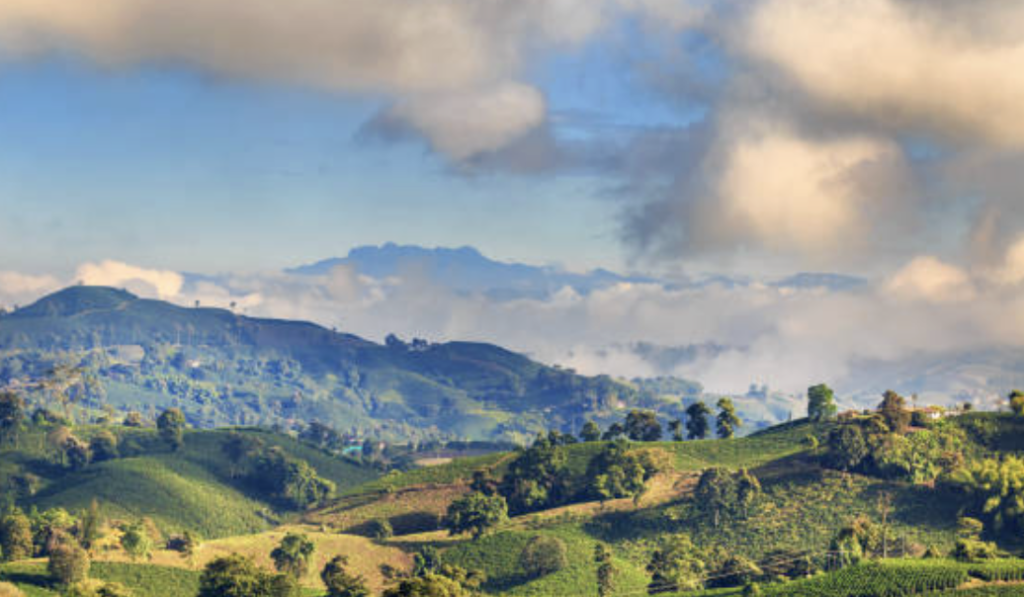
Colombia’s Eje Cafetero, or Coffee Triangle, is a verdant, mountainous paradise where the world’s finest Arabica beans are cultivated on steep emerald slopes. Beyond the coffee plantations, this UNESCO World Heritage region boasts dramatic cloud forests, towering wax palms, and brightly painted colonial villages.
For travelers seeking an authentic immersion into Colombian culture and nature, the Coffee Triangle is an indispensable stop. Whether you are trekking through the mist-shrouded valleys or sipping a fresh brew directly at the source, this region captures the peaceful spirit of the Andes.
This comprehensive guide delivers a deep-dive exploration of the Eje Cafetero, providing detailed itineraries, village breakdowns, logistical realities, and essential travel tips to help you execute a flawless journey through Colombia’s coffee heartland.
Why the Eje Cafetero is Colombia’s Ultimate Regional Destination
The Coffee Triangle primarily comprises three Colombian departments: Caldas, Quindío, and Risaralda. Together with portions of Tolima and Valle del Cauca, they form the “Coffee Cultural Landscape,” recognized globally for its sustainable, generational farming techniques and distinctive architectural styles.
Unlike bustling metropolitan hubs, life here moves at a deliberate, rhythmic pace. The geography is characterized by dramatic elevation changes, resulting in diverse microclimates that range from humid subtropical valleys to freezing alpine tundras in the high peaks of Los Nevados. This unique terrain allows travelers to experience distinct ecosystems within a single afternoon’s drive.
Culturally, the region represents the resilience and warmth of the paisa identity. The local architecture is a vibrant testament to the Antioquian colonization of the 19th century, featuring whitewashed bamboo-reinforced walls (bahareque), sweeping clay-tiled roofs, and wooden balconies painted in dazzling hues of turquoise, scarlet, and mustard yellow.
Mapping the Coffee Triangle: Main Hubs and Gateways
Navigating the Eje Cafetero requires understanding its primary urban hubs and how they connect to the rural, colonial towns that hold the true charm of the region. The three capital cities of the departments serve as the main transportation and logistical gateways.
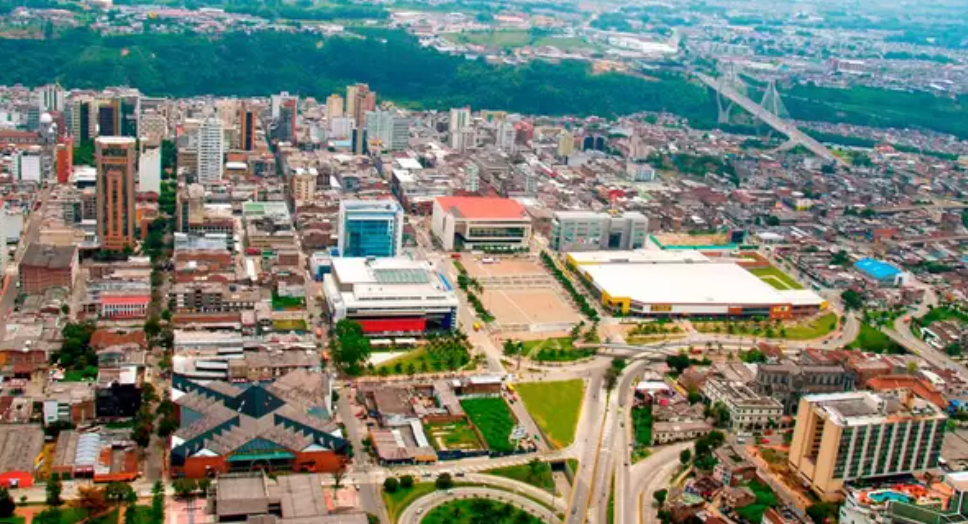
Pereira (Risaralda)
Pereira is the largest and most centrally located city in the triangle. It acts as the economic engine of the region and features a modernized airport (Matecaña International Airport). Pereira offers the most reliable public transportation links to remote villages like Salento and Marsella, making it an excellent base for travelers prioritizing logistical efficiency.
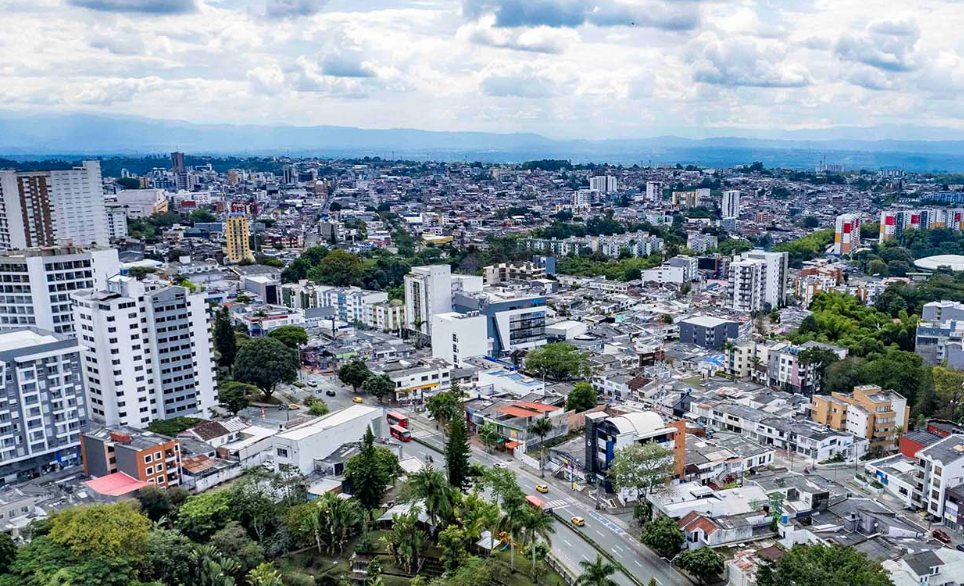
Armenia (Quindío)
Armenia is the gateway to the southern and most heavily visited portion of the coffee zone. El Edén International Airport connects Armenia to major domestic hubs and select international destinations. From Armenia, access to tourist heavyweights like Salento, Filandia, and Pijao is incredibly straightforward, with public buses running almost continuously throughout the day.
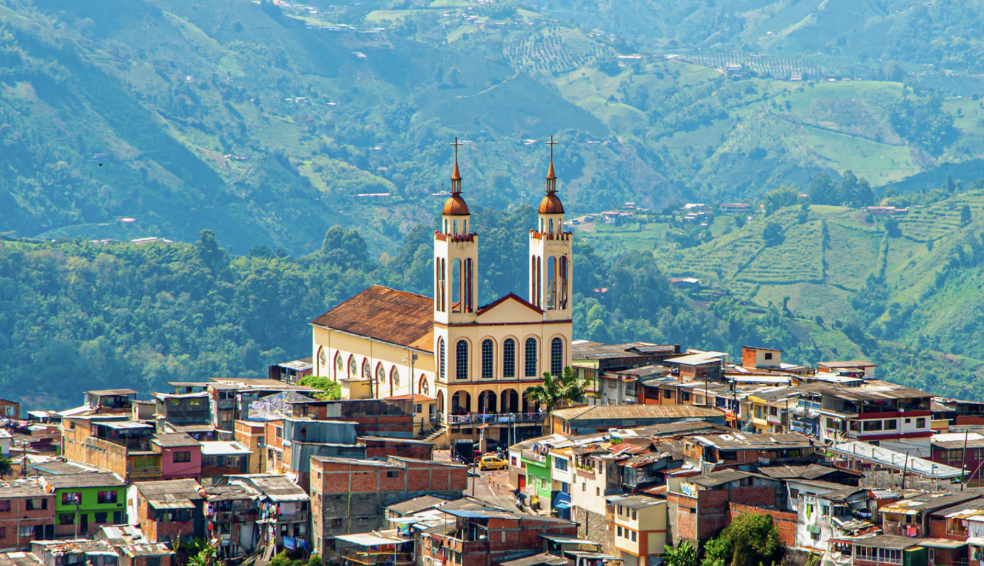
Manizales (Caldas)
Perched dramatically on steep ridges at a much higher altitude, Manizales is the northern anchor of the region. Known for its cool mountain air, vibrant university culture, and steep streets reminiscent of San Francisco, Manizales is the definitive gateway for treks into Los Nevados National Natural Park and the thermal springs of Santa Rosa de Cabal.
Detailed 4-Day Immersive Itinerary
To truly experience the depth of the Coffee Triangle, a rushed visit will not suffice. This optimized 4-day itinerary balances cultural immersion, agricultural education, and active eco-adventure, ensuring you experience the highlights without feeling rushed.
Day 1: Arrival, Architecture, and Sunset Views in Filandia
Begin your journey by arriving in Pereira or Armenia and transferring immediately to the colonial gem of Filandia. Spend your morning walking along the Calle del Tiempo Detenido, observing the preserved colonial architecture. Visit the Centro de Interpretación del Bejuco to learn about the traditional basket-weaving arts utilizing local jungle vines. In the afternoon, walk up to the Mirador Colina Iluminada, a massive wooden observation tower offering sweeping views across the rolling hills of three distinct departments. End your evening dining at one of Filandia’s innovative, farm-to-table restaurants.
Day 2: The Magic of Salento and Hiking the Cocora Valley
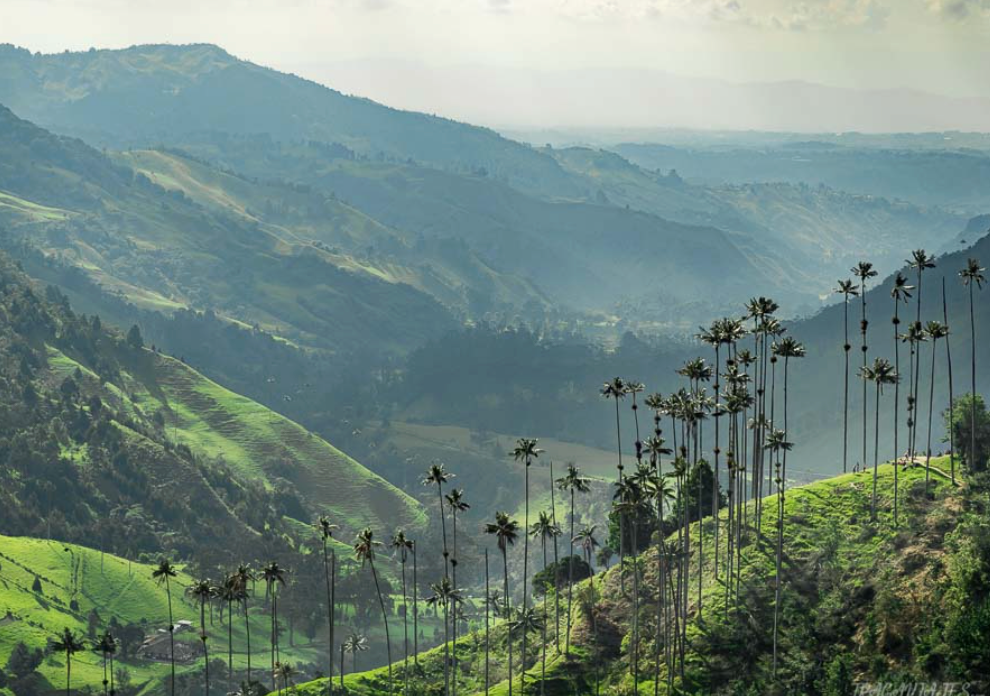
Wake up early to catch a traditional Willys Jeep from Filandia or Salento’s main plaza to the Cocora Valley. Begin the 5-to-6-hour loop hike early to avoid the afternoon clouds and rain. The trail leads you past rushing rivers, across hanging wooden bridges, through dense cloud forests, and up to the mountain farm of Acaime, known for its wild hummingbirds. The grand finale of the trek brings you down through the valley floor, walking alongside towering Quindío Wax Palms that reach heights of up to 60 meters. Return to Salento in the afternoon to wander down Calle Real and play a competitive round of tejo, Colombia’s explosive national sport.
Day 3: A Seed-to-Cup Coffee Finca Immersion
Dedicate this day entirely to understanding the intricate science and human effort behind specialty coffee production. Head to a traditional, working finca located in the rural areas surrounding Salento or Buenavista. Spend the morning walking the steep plantation trails alongside a local guide, hand-picking ripe red coffee cherries. Follow the processing line through depulping, fermentation, washing, drying, and roasting. Conclude the experience with a professional cupping session, learning to identify the subtle flavor profiles—ranging from bright citrus to rich chocolate—that define authentic Colombian Arabica.
Day 4: Thermal Springs and Hidden Heritage in Santa Rosa de Cabal
Travel north toward Manizales, stopping at the small town of Santa Rosa de Cabal. Sample the famous local chorizo santarrosano, highly regarded across Colombia for its spiced, non-greasy preparation. From the town, venture into the mountains to the Termales Santa Rosa de Cabal. These natural, mineral-rich hot springs are situated directly at the base of a spectacular, multi-tiered waterfall cascading down a sheer cliffside. Spend the afternoon soaking in the therapeutic waters surrounded by dense cloud forest vegetation before catching your evening flight or bus to your next destination.
Comparing the Towns: Salento vs. Filandia vs. Pijao
Choosing where to base yourself in the Coffee Triangle depends entirely on your travel style, budget, and desire for tranquility versus tourist amenities. Each town possesses a distinct personality.
| Feature | Salento | Filandia | Pijao |
| Town Atmosphere | High energy, bustling, tourist-centric | Laid-back, artisanal, authentic | Slow-paced, serene, untouched |
| Architecture | Vibrant, highly restored, commercialized | Beautifully preserved, deeply traditional | Raw, authentic, residential |
| Crowds | Heavy on weekends and holidays | Moderate, mostly local tourists | Virtually no international crowds |
| Accessibility | Excellent via frequent local buses and Willys | Great via Pereira, Armenia, and Salento | Limited, requires specific bus schedules |
| Best For | First-time visitors and solo travelers | Food lovers and photography enthusiasts | Slow-travelers and off-the-beaten-path explorers |
The Art and Science of Colombian Coffee Processing
To appreciate the coffee served in the Eje Cafetero, one must understand the meticulous processes that elevate commercial coffee to specialty grade. Colombia’s unique topography prevents the usage of heavy industrial machinery; almost every single coffee bean in this region is harvested completely by hand on precipitous slopes.
Harvesting
Pickers, known as recolectores, move methodically through the rows of coffee shrubs, selecting only the perfectly ripe, deep-red or yellow cherries. Unripe green cherries impart bitterness, while overripe ones cause unwanted fermentation, meaning the human eye and hand remain irreplaceable components of quality control.
Processing Methods
Once harvested, the cherries undergo one of three primary processing paths:
- Washed (Suave): The skin and pulp are mechanically removed, and the beans are fermented in water tanks to break down the remaining mucilage before being thoroughly washed and dried. This yields a clean, bright cup with high acidity.
- Honey: The skin is removed, but varying amounts of sticky mucilage are left on the bean during the drying process. This infuses the bean with natural sweetness and complex fruit notes.
- Natural: The entire coffee cherry is dried whole with the bean inside, allowing the bean to absorb maximum sugars and flavors from the fruit, resulting in a heavy-bodied, intensely fruity beverage.
Roasting and Cupping
Roasting is a delicate balance of time and temperature that transforms the green, grassy beans into aromatic, chemically complex masterworks. In the Eje Cafetero, traditional dark roasts are increasingly taking a backseat to light and medium roasts, which preserve the delicate regional tasting notes of panela, citrus, and red berries.
Exploring Los Nevados National Natural Park
For trekkers and mountain enthusiasts, Los Nevados National Natural Park offers an astonishing contrast to the warm coffee plantations below. This high-altitude sanctuary protects vital glacial ecosystems and vast stretches of páramo—a unique, high-altitude alpine tundra found only in the northern Andes.
The park is crowned by spectacular snow-capped volcanoes, including Nevado del Ruiz, Nevado del Tolima, and Nevado Santa Isabel. The landscape is characterized by dramatic volcanic rock formations, glassy glacial lagoons, and thousands of frailejones—ancient, slow-growing rosette plants that capture moisture from the mountain mist to feed Colombia’s primary river systems.
Exploring Los Nevados requires careful planning and mandatory local guiding due to unpredictable weather and extreme altitudes that exceed 4,000 to 5,000 meters above sea level. Popular excursions range from single-day jeep tours to the edges of the paramo ecosystem to multi-day, strenuous technical climbs up the glaciers of Nevado del Tolima. Proper acclimatization is vital to prevent altitude sickness before embarking on these high-altitude treks.
Local Gastronomy: What to Eat in the Coffee Zone
The culinary landscape of the Eje Cafetero is heavily rooted in paisa culture, offering hearty, high-calorie dishes designed to sustain agricultural laborers working long days on steep hillsides.
Bandeja Paisa
The definitive culinary heavy-hitter of the region. A massive platter loaded with red beans cooked with pork, white rice, ground meat, crispy chicharrón (pork belly), a fried egg, sweet plantain, a slice of avocado, and a small white corn arepa. It is an absolute must-try, though best consumed before a long walk rather than a nap.
Trucha al Ajillo
Fresh mountain trout is a staple of the region, particularly in the Cocora Valley where cold-water rivers supply local hatcheries. The fish is most commonly served butterfly-style, baked or fried, and covered in a rich, velvety garlic cream sauce (al ajillo). It is traditionally accompanied by a patacón con todo—a giant, crispy, twice-fried green plantain disc.
Mazamorra and Claro
A traditional, refreshing accompaniment to heavy meals. Mazamorra consists of cracked white corn boiled in milk until tender, served cold, and accompanied by chunks of sweet bocadillo (guava paste) or panela. Claro is the chilled, starchy liquid strained directly from the cooked corn, offering a cooling antidote to the tropical afternoon warmth.
Essential Travel Logistics, Budgets, and Safety
Executing a smooth trip through the Coffee Triangle requires practical knowledge of regional transportation, seasonal weather patterns, and budgeting structures.
Best Time to Visit
The Eje Cafetero can be visited year-round, but it experiences two distinct dry seasons (December to February and July to August) and two rainy seasons (March to May and September to November). Even during the dry seasons, afternoon mountain showers are common, making waterproof gear a packing necessity.
Regional Transportation
Moving between towns is inexpensive and efficient. Local public buses (busetas) run frequently between departmental capitals and larger towns like Salento or Filandia. For navigating unpaved rural roads or reaching deep-valley trailheads, look for public Willys—vintage WWII-era Jeeps that leave town plazas once full, allowing passengers to stand on the back bumper for an exhilarating ride.
Budget Expectations
The region is highly accessible to all budget levels. Backpacker accommodation and local almuerzos ejecutivos (set lunch menus) are economical, while luxury eco-lodges and specialized private coffee tours cater to upscale travelers.
| Budget Category | Daily Cost (USD) | What It Includes |
| Budget / Backpacker | 25 to 40 USD | Shared hostel dorm, local public buses, set market lunches, self-guided hiking |
| Mid-Range Traveler | 60 to 120 USD | Private boutique hotel room, occasional Willys rentals, private coffee farm tours, sit-down dinners |
| Luxury / Upscale | 200 to 450+ USD | Luxury eco-lodge or historic coffee hacienda stay, private driver/transfers, bilingual private guides |
Expanding Across South America: Connecting Your Journey
While the Coffee Triangle provides an unforgettable glimpse into Colombia’s mountain culture, it represents just one chapter of the broader Andean narrative. Travelers looking to experience the full grandeur of South America can seamlessly connect their journey to neighboring countries, each offering its own dramatic variations of geography, culture, and history.
- The Ultimate Colombia 10-Day Itinerary: To maximize your time in this diverse nation, connect your coffee experience with our comprehensive 10-day itinerary, linking the colonial streets of Cartagena, the high-altitude energy of Bogotá, and the urban innovation of Medellín.
- Peru: Travel south from Colombia to witness the ancient architectural wonders of the Incas, transitioning from the green cloud forests of Salento to the high-altitude strongholds of Cusco, the Sacred Valley, and Machu Picchu.
- Bolivia: For an unforgettable landscape shift, head into Bolivia to explore the surreal, infinite horizons of the Salar de Uyuni, the highest capital city of La Paz, and the sacred waters of Lake Titicaca.
- Ecuador: Situated directly between Colombia and Peru, Ecuador offers a dense concentration of volcanic peaks, historic colonial centers like Quito and Cuenca, and the isolated evolutionary paradise of the Galápagos Islands.
- Chile: Stretching along the western edge of the continent, Chile provides an exceptional contrast of extremes, from the bone-dry landscapes of the Atacama Desert to the dramatic, wind-swept granite spires of Chilean Patagonia.
- Argentina: Journey to the eastern side of the southern cone to experience the cosmopolitan elegance of Buenos Aires, the world-class vineyards of Mendoza, and the thundering expanse of Iguazú Falls.
Frequently Asked Questions (FAQ)
How many days do I need in the Coffee Triangle?
A minimum of 3 to 4 days is highly recommended to experience the main highlights, including the Cocora Valley, a traditional coffee farm tour, and the historic colonial towns without rushing your travel days.
Is the tap water safe to drink in the Eje Cafetero?
In major urban centers like Pereira, Manizales, and Armenia, municipal tap water is generally treated and safe. However, in smaller rural towns like Salento, Filandia, and remote coffee fincas, it is safer to rely on filtered or bottled water to avoid digestive issues.
What should I pack for the region?
Pack versatile layers. The lower valleys can be hot and humid, while towns like Salento cool down significantly at night, and Los Nevados requires full winter gear. Always pack a sturdy rain jacket, hiking boots, insect repellent, and sun protection.
How do I get from Medellín to Salento?
You can take a direct public bus from Medellín’s Terminal del Sur to Salento (roughly 6 to 7 hours depending on mountain traffic). Alternatively, you can fly from Medellín to Pereira or Armenia and take a local bus or taxi from there.
What is a Willys Jeep?
Willys are vintage, post-WWII American jeeps imported to Colombia to navigate rugged, unpaved terrain. Today, they serve as the primary public transit vehicle for moving agricultural goods and tourists between rural zones and town plazas.
Are there ATMs in the smaller towns?
Salento and Filandia have functional ATMs, but they can occasionally run out of cash during busy long holiday weekends. It is highly recommended to carry a sufficient amount of Colombian Pesos (COP) in cash for smaller vendors, Willys drivers, and rural markets.
Is the Coffee Triangle safe for solo travelers?
Yes, the Eje Cafetero is considered one of the safest and most welcoming regions in all of Colombia. Standard travel precautions apply: avoid flashing valuable electronics at night, keep your belongings secure, and stay on marked trails when hiking.
What is Tejo?
Tejo is a traditional Colombian sport where players throw a heavy metal disc (the tejo) across a court aiming at a clay board lined with small gunpowder targets (mechas). The goal is to detonate the gunpowder upon impact, making for a loud and entertaining evening activity.
Can I visit a coffee farm without a pre-booked tour?
Yes, several prominent fincas near Salento offer walk-in tours throughout the day. However, for specialized English-language tours, premium boutique tastings, or overnight stays on historic coffee estates, booking in advance is highly recommended.
Do I need a yellow fever vaccine to visit?
For the main tourist hubs of the Coffee Triangle (Salento, Filandia, Pereira, Manizales), a yellow fever vaccine is generally not required, as these areas sit at elevations above the typical zone for transmission. If you plan to descend into low-altitude jungle basins afterward, check current health regulations.
Conclusion: Embodying the Slow Travel Philosophy
The Coffee Triangle is far more than a simple collection of tourist stops or a scenic backdrop for photography; it is a living cultural landscape that rewards patience, curiosity, and a willingness to slow down. By stepping away from high-speed itineraries and dedicating time to talk with local farmers, hike through ancient cloud forests, and sit quietly in vibrant plazas, you gain a profound appreciation for the human artistry that goes into every cup of coffee.
As you plan your journey across the diverse terrain of South America, let the warmth and enduring charm of the Eje Cafetero serve as a reminder of the natural beauty and deep heritage tucked away inside the high valleys of the Colombian Andes.