

Best Base Layers for High-Altitude Andes Trekking 2026: Merino Wool & Synthetic Guide

There is a moment every Andes trekker knows. It comes at 4,200 metres on the Salkantay Pass, or at the pre-dawn starting point of the Inca Trail, or standing on the Bolivian altiplano at sunrise when the air temperature is -8°C but the sky is clear and spectacular. It is the moment when every decision you made about what to wear against your skin announces itself simultaneously: you are either exactly right, marginally cold but functional, or deeply, uncomfortably wrong.

The base layer is the most important garment in your entire Andes packing system and the one most frequently underestimated. Outer shells stop wind and rain. Insulation layers trap warmth. But the base layer is the only garment in direct contact with your skin for the entire duration of the trek — it manages sweat, regulates temperature, prevents chilling after exertion, and determines whether your insulation layer can do its job. A base layer that saturates with sweat and holds it against your skin will make you cold even inside a perfectly good down jacket.

This guide covers the best base layers specifically for high-altitude Andes trekking in 2026: the Inca Trail, Salkantay, Choquequirao, the Bolivian altiplano, and any multi-day route above 3,500 metres. Every product is evaluated for the specific demands of Andean conditions, with Amazon links for each recommendation.

FIND YOUR FLIGHT

Fly to Cusco, La Paz, or Lima and start your Andes trek. Compare flights and book when the fare is right.

Lima (LIM) and Cusco (CUZ) are the main gateways for Peru trekking. La Paz (LPB) for Bolivia. Compare all airlines and book the best fare.

Prices update in real time. Booking through this link supports Uncover the Andes at no extra cost to you.

The Science of Base Layers at High Altitude: Why It Matters More Here

High altitude changes the physiology of exertion in ways that directly affect what you need from a base layer. At 4,000 metres, you are working with approximately 60% of the oxygen available at sea level. Your cardiovascular system compensates by increasing heart rate and respiratory rate — you breathe harder and your heart works faster to deliver equivalent oxygen to your muscles. This means you generate significantly more body heat per unit of physical effort than you do at sea level, even at lower movement speeds.

The practical consequence: at altitude, you sweat more relative to the apparent physical effort. A moderate uphill section that would barely raise a sweat at sea level will soak a cotton t-shirt within 20 minutes at 4,000 metres. When you stop at the top — as you inevitably do to rest and acclimatise — that saturated cotton layer holds the sweat against your skin and wicks heat away from your body at a rate that produces rapid, uncomfortable cooling. In extreme cases, at altitude in cold conditions, a soaked cotton base layer is a hypothermia risk.

The second altitude-specific factor is UV radiation. At 4,000–5,000 metres, UV intensity is approximately 25–40% higher than at sea level. Many trekkers experience unexpected sunburn on skin that was covered by a damp base layer — synthetic materials, and to a lesser extent merino wool, provide better UV protection than damp cotton. A UPF-rated base layer addresses this directly.

The table

FactorSea Level ImpactHigh-Altitude ImpactBase Layer Requirement
Sweat productionModerate on sustained effortHigh — even on moderate gradientsFast moisture wicking away from skin
Drying speedImportant but not criticalCritical — stops cause rapid chillFast-drying fabric — merino or synthetic
Temperature swingManageable with outer layers15°C+ within the same hourBreathable when hot, insulating when cold
UV exposureStandard protection adequate25–40% higher UV at 4000m+UPF 30+ fabric recommended
Odour retentionWashed every 1–2 days typicallyMulti-day wear between wash optionsMerino: natural odour resistance
Weight on bodyNegligibleEvery gram amplified at altitudeLightweight — under 200g per garment
How high altitude changes base layer requirements vs sea-level hiking.
GEAR GUIDE

Best High-Altitude Trekking Boots for the Andes 2026

The companion footwear guide — what to wear on your feet matches what you wear on your body at altitude.

Read the Guide

Merino Wool vs Synthetic: The Definitive Comparison for Andes Trekking

The base layer market is divided into two main material categories: merino wool and synthetic (primarily polyester). Both perform well. They perform differently. Understanding the trade-offs for Andean conditions helps you choose — or helps you decide to carry one of each, which is what experienced Andes trekkers often do.

Merino wool

Merino wool base layers are made from the fleece of Merino sheep, bred specifically for fine, soft fibre that does not cause the itch associated with traditional wool garments. The key properties for Andes trekking: merino absorbs up to 35% of its weight in moisture before it feels wet — meaning it continues to insulate even when damp; it regulates temperature naturally, feeling warm when cold and cool when hot; and it resists odour growth through a natural antimicrobial mechanism, meaning a merino base layer worn for 5 days on a trek smells significantly better than a synthetic equivalent worn for the same period. The drawbacks: heavier than equivalent synthetic, slower to dry when fully saturated, and more expensive.

Synthetic (polyester)

Synthetic base layers wick moisture faster than merino — they move sweat off the skin surface and toward the outer face of the fabric more quickly. They dry significantly faster when saturated. They are lighter, less expensive, and more durable over repeated washing cycles. The drawbacks: they retain odour more aggressively than merino (bacteria that cause odour thrive on synthetic fibres), they do not insulate when wet in the way merino does, and they feel less comfortable against the skin for extended continuous wear.

PropertyMerino WoolSynthetic (Polyester)Verdict for Andes
Moisture wicking speedGoodExcellentSynthetic wins on pure wicking
Drying timeSlow when saturatedFastSynthetic wins
Insulation when dampGood — 35% moisture absorption before feeling wetPoor — feels wet immediatelyMerino wins
Odour resistanceExcellent — natural antimicrobialPoor — retains odour quicklyMerino wins for multi-day
WeightHeavier (170–260g top)Lighter (120–180g top)Synthetic wins
DurabilityGood but snags easilyExcellent — resists abrasionSynthetic wins
Price$$–$$$$–$$Synthetic wins
Temperature regulationExcellent — natural thermoregulationGoodMerino wins
Merino wool vs synthetic base layers for high-altitude Andes trekking.

The practical recommendation for most Andes trekkers: carry one merino base layer (for evenings at altitude and camp use, where odour resistance and warmth-when-damp properties are most valuable) and one synthetic base layer (for active trekking days when sweat management and fast drying matter most). This combination covers every scenario across the full Andes temperature range.

The 6 Best Base Layers for High-Altitude Andes Trekking 2026
BEST OVERALL MERINO

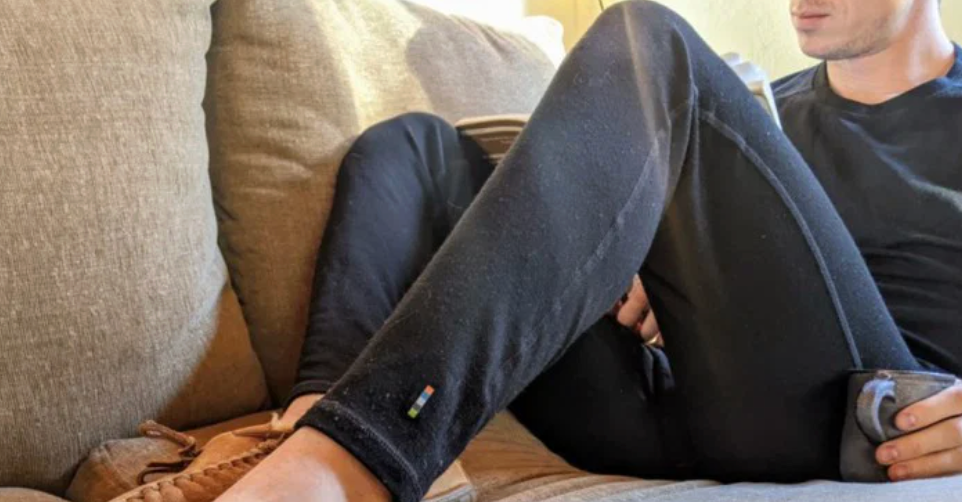
Smartwool Classic All-Season Merino Base Layer Top

The gold standard in merino base layers — worn on the Inca Trail by guides and trekkers alike.

Smartwool’s Classic All-Season Merino base layer has been the benchmark merino top for Andes trekking for years, and the 2025/2026 iteration refines an already excellent product. Made from 100% merino wool at 150g/m2 weight — the sweet spot between warmth and breathability for active trekking across Andean temperature ranges — it handles the transition from a 12°C morning ascent to a -2°C summit stop without requiring a layer change. The flat-lock seams prevent the shoulder and underarm chafing that is exacerbated by pack straps over multiple days. Available in multiple neck styles; the crew neck is the most versatile for Andes use.

Material: 100% merino 150g/m2Weight: ~190g (M)UPF: UPF 30+Seams: Flat-lock anti-chafeSizes: XS–XXL (M/W)
  • +150g/m2 merino — optimal weight for active trekking across Andean temperature range
  • +Natural odour resistance — 5+ days of continuous wear before odour becomes noticeable
  • +Flat-lock seams — no chafing under pack shoulder straps on multi-day loads
  • +UPF 30+ — meaningful UV protection at 4000m+ altitude
  • +Smartwool’s most consistent quality across production runs in this price range
Check Price on Amazon

As an Amazon Associate, Uncover the Andes earns from qualifying purchases at no extra cost to you.

Best Base Layers for High-Altitude Andes Trekking 2026
BEST LIGHTWEIGHT MERINO

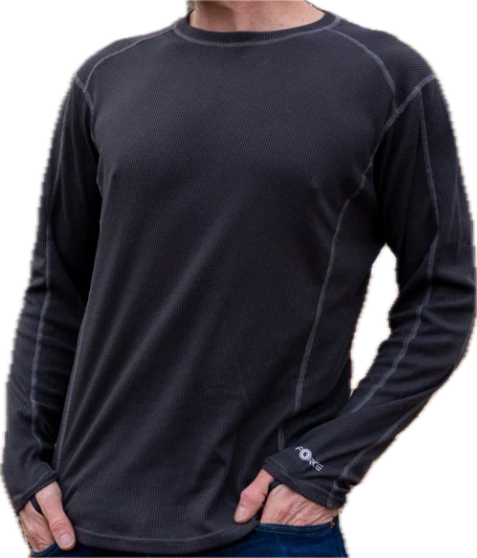
Icebreaker 200 Oasis Long Sleeve Crewe

When warmth-to-weight ratio matters most — and it does at altitude.

The Icebreaker 200 Oasis is built on 200g/m2 merino — slightly warmer than the 150g Smartwool but still well within the active-trekking breathability range for the Inca Trail and Salkantay conditions. Icebreaker sources its merino exclusively from New Zealand farms certified under the Responsible Wool Standard, with consistent fibre diameter quality that produces one of the softest against-skin textures in the category. The Oasis is particularly effective as an evening layer at altitude — worn at camp after the trekking day, it provides genuine warmth without the bulk of a fleece mid-layer for temperatures above 5°C.

Material: 100% merino 200g/m2Weight: ~210g (M)Certification: Responsible Wool StandardFit: Regular — works under mid-layersOrigin: New Zealand merino
  • +200g/m2 merino — slightly warmer than 150g, ideal for colder altiplano routes
  • +Softest merino texture in this guide — no itch against skin even after days of wear
  • +Responsible Wool Standard certified — ethical sourcing verified
  • +Works as standalone layer at camp and as base under insulation on cold passes
  • +Long torso length — stays tucked on steep ascents with a hip-belt loaded pack
Check Price on Amazon

As an Amazon Associate, Uncover the Andes earns from qualifying purchases at no extra cost to you.

BEST SYNTHETIC BASE LAYER

Patagonia Capilene Midweight Crew

The benchmark synthetic — fast-wicking, fast-drying, built for hard output days.

Patagonia’s Capilene Midweight is the most recommended synthetic base layer among professional Andes trekking guides, and it earns the position through a combination of excellent moisture management, genuine durability, and a fit that works under technical layering systems without bunching or riding up. The recycled polyester construction (87% recycled materials) wicks sweat from the skin surface aggressively and distributes it across a wide face area for rapid evaporation. On a sustained 6-hour ascent above 3,500 metres — where you are sweating significantly despite cold ambient temperatures — the Capilene Midweight manages moisture better than any merino equivalent at the same price point.

Material: 87% recycled polyesterWeight: ~160g (M)Technology: Capilene polyester — Patagonia’s proprietary blendFit: Regular crewSustainability: bluesign certified fabrics
  • +Fastest moisture wicking in this guide — moves sweat off skin surface immediately
  • +87% recycled polyester — best sustainability credentials of any synthetic option here
  • +Dries in under 30 minutes of activity — critical on stops in cold Andean wind
  • +Excellent durability — Patagonia’s Capilene fabric holds up to 100+ wash cycles
  • +Available in heavyweight version for colder Bolivia altiplano routes
Check Price on Amazon

As an Amazon Associate, Uncover the Andes earns from qualifying purchases at no extra cost to you.

Best Base Layers for High-Altitude Andes Trekking 2026
BOOK YOUR TREK

The Inca Trail, Salkantay, and Choquequirao. Book your guided Andes trek.

Inca Trail permits sell out months in advance. Book early — especially for the May–October dry season.

Viator

The Inca Trail, Salkantay, and Choquequirao — the treks that demand a proper base layer system. Viator lists guided options with permits, transport, and gear advice.

Browse on Viator

GetYourGuide

Small-group and private guided Andes treks with instant booking. Photography-focused options and full logistics support.

Browse on GetYourGuide
BEST FOR HIGH-OUTPUT DAYS

Craft Active Extreme X Base Layer Long Sleeve

Swedish sports engineering applied to Andean conditions — outstanding for hard uphill days.

Craft is Sweden’s dominant technical sports apparel brand, and the Active Extreme X base layer applies their cold-weather sports expertise to the specific demands of sustained aerobic output in cold, high-altitude conditions. The bi-component knit construction uses a moisture-wicking inner layer bonded to a wind-resistant outer face — a design originally developed for cross-country skiing that transfers directly to high-altitude trekking, where a cold headwind during ascent is a simultaneous sweat-management and wind-chill challenge. At 4,200 metres on the Salkantay Pass with 20 km/h wind, the Active Extreme X outperforms standard single-layer base options measurably.

Material: Bi-component polyester knitWeight: ~155g (M)Technology: Wind-resistant outer + wicking innerOrigin: SwedenBest For: Cold, windy ascents at 4000m+
  • +Bi-component construction — wicking inner + wind-resistant outer in one layer
  • +Best performer on cold windy ascents — the specific challenge of high Andes passes
  • +Anatomic fit — designed for movement, not just static warmth
  • +Reflective details — useful for pre-dawn trail starts common on Andes treks
  • +Superior to standard base layers when wind and sweat occur simultaneously
Check Price on Amazon

As an Amazon Associate, Uncover the Andes earns from qualifying purchases at no extra cost to you.

Best Base Layers for High-Altitude Andes Trekking 2026
BEST BUDGET MERINO

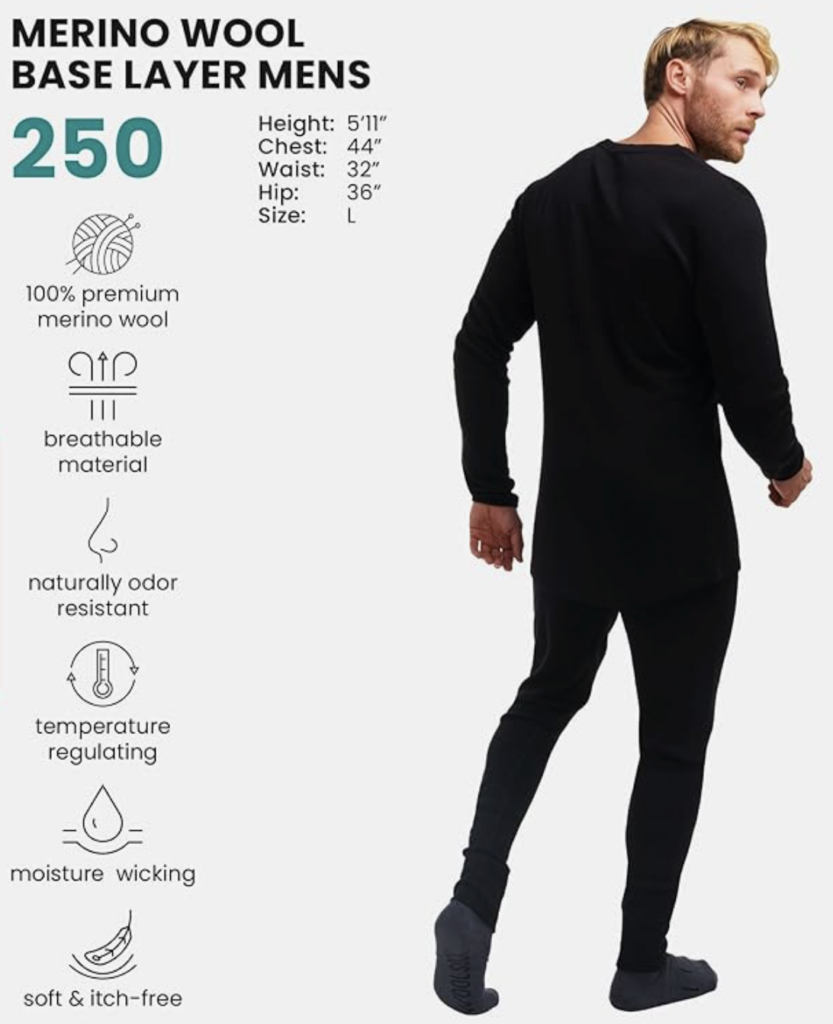
Minus33 Midweight Wool Base Layer Top

Genuine 100% merino performance at a price that leaves budget for the trek itself.

Minus33 produces merino base layers at a price point significantly below Smartwool and Icebreaker while maintaining 100% merino composition — no synthetic blending to cut costs. The midweight option at 195g/m2 is the right pick for Andes trekking across the full temperature range. The quality control is slightly less consistent than the premium brands — occasional itch from a small percentage of thicker fibres — but for most wearers on a budget, the performance difference compared to Smartwool is marginal and the price difference is significant. Recommended for first-time Andes trekkers who are unsure whether they will trek regularly enough to justify premium merino pricing.

Material: 100% merino 195g/m2Weight: ~200g (M)Price Point: Significantly below Smartwool/IcebreakerSizes: XS–XXLBest For: Budget-conscious first-time Andes trekkers
  • +100% merino — not a blend; full merino properties at budget price
  • +195g/m2 midweight — optimal for most Andes trekking temperature ranges
  • +Genuine odour resistance from natural merino antimicrobial properties
  • +Good sizing range — available in XS through XXL with accurate measurements
  • +Best value-per-dollar in the merino base layer category at this writing
Check Price on Amazon

As an Amazon Associate, Uncover the Andes earns from qualifying purchases at no extra cost to you.

BEST LIGHTWEIGHT SYNTHETIC

REI Co-op Merino 145 Base Layer Top

REI’s own-brand merino at competitive pricing with excellent quality control.

REI’s Co-op brand merino base layer punches above its price point through consistent quality control and a refined fit that suits the layering demands of Andes trekking. The 145g/m2 weight is the lightest in this guide — optimal for the Inca Trail classic route where temperatures rarely drop below 0°C and active sweating during ascent is the primary management challenge. The REI Co-op merino uses Woolmark-certified fibre with guaranteed fibre diameter consistency, which translates to a reliable against-skin feel across production runs. As an additional practical consideration: REI’s return policy means any quality issues are resolved without dispute.

Material: 100% merino 145g/m2 Woolmark certifiedWeight: ~175g (M)Fit: Trim — works under technical layersCertification: Woolmark certified fibreBest For: Inca Trail, warm Andes conditions, high-sweat days
  • +145g/m2 lightest merino in this guide — best for warmer Andes conditions
  • +Woolmark certified fibre — guaranteed quality and fibre diameter consistency
  • +Trim fit — moves with the body under a loaded pack without excess fabric
  • +REI house brand pricing — premium merino at a below-market price
  • +Excellent for Inca Trail standard route where a lighter layer suits the conditions
Check Price on Amazon

As an Amazon Associate, Uncover the Andes earns from qualifying purchases at no extra cost to you.

Best Base Layers for High-Altitude Andes Trekking 2026

Base Layer Weight Guide: Matching Fabric Weight to Your Andes Route

Base layer fabric weight — measured in grams per square metre (g/m2) — is the most important specification for matching a base layer to your specific Andes route. The temperature ranges, exertion levels, and duration of cold exposure differ significantly between, for example, the standard 4-day Inca Trail and the Bolivian altiplano in dry season. A single base layer weight does not cover all Andean routes optimally.

RouteAltitude RangeTemp Range (Day)Night/Pass TempRecommended Weight
Inca Trail Classic (4-day)2,400m–4,200m8°C–22°C2°C–5°CLightweight 120–150g/m2
Salkantay Trek (5-day)2,800m–4,630m5°C–18°C-2°C to 3°CMidweight 150–200g/m2
Choquequirao Trek (4-5 day)3,000m–3,900m10°C–25°C4°C–8°CLightweight 120–150g/m2
Bolivian Altiplano / Uyuni3,656m (flat)10°C–20°C-10°C to -2°CMidweight 180–250g/m2
Cordillera Blanca (Peru)3,500m–5,000m+5°C–15°C-5°C to 0°CMidweight to heavyweight
Patagonia W Circuit800m–1,200m5°C–18°C0°C–5°CMidweight — moisture focus over warmth
Base layer weight recommendations by Andes and Patagonia route.
TRAVEL INSURANCE

Your layering system is ready. Is your insurance?

Altitude sickness, hypothermia exposure, and gear loss are real risks on Andean and Patagonian treks. Two reliable policies below.

Asegura Tu Viaje

Medical evacuation from altitude, gear theft, and trip cancellation. Strong Andean and Latin American network.

Get a Quote

IATI Seguros

International adventure insurer — covers high-altitude trekking, cold-weather exposure, emergency repatriation, and camera equipment.

Get a Quote

Washing and Caring for Merino Base Layers on a Long Andes Trip

Merino wool base layers require specific care to maintain their performance properties over a long South America trip. The most common error — machine washing on a hot cycle, or tumble drying — permanently damages the merino fibre structure and causes shrinkage and pilling that degrades both performance and appearance.

Hand washing at altitude: Most multi-day Andes treks do not include laundry facilities at altitude. The standard protocol is to hand wash in cold water with a small amount of travel soap (Dr. Bronner’s or Nikwax Basewash) at the end of each trekking day if water is available, and allow to air dry overnight. Merino dries overnight even in cool conditions if hung with full surface area exposure — do not ball it up to dry.

Machine washing in Cusco or La Paz: When you reach a city with laundry facilities, machine wash merino on a delicate or wool cycle at maximum 30°C. Do not tumble dry under any circumstances — the heat damages the fibre crimp that gives merino its insulating and wicking properties. Lay flat or hang to dry at room temperature. A wet merino top at room temperature typically dries fully in 4–6 hours.

Pilling prevention: Pilling occurs when merino fibres break and tangle — it is primarily caused by friction against rough surfaces (pack straps, backpack mesh back panels, seat backs on bus journeys). Turn merino base layers inside out before packing and before wearing under abrasive layers. A merino base layer treated correctly on a 3-week Andes trip should show minimal pilling; one treated carelessly will show significant pilling within a week.

GEAR GUIDE

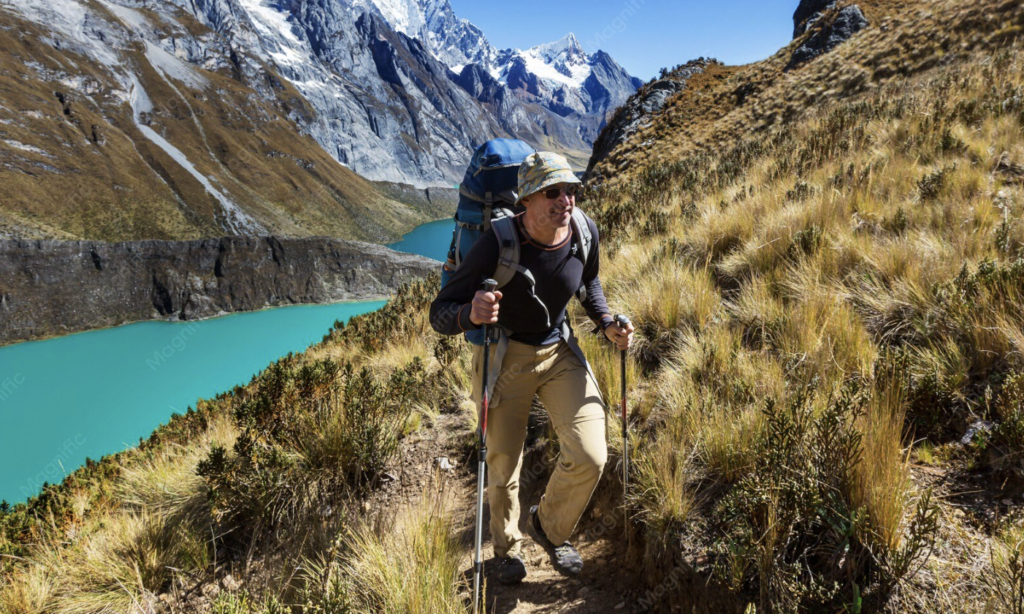
Best Insulation Jackets for Andes and Patagonia Trekking 2026

The mid-layer companion to this article — down and synthetic insulation jackets reviewed for Andean and Patagonian conditions.
Read the Guide
Best Base Layers for High-Altitude Andes Trekking 2026

Building Your Complete Andes Layering System Around the Base Layer

The base layer is the foundation of a three-layer system that addresses every Andean weather condition. Understanding how the layers interact helps you pack efficiently — carrying fewer garments that cover more scenarios rather than more garments with overlapping functions.

Layer 1: Base layer (this guide)

The moisture-management layer. In direct contact with skin. Moves sweat away from skin surface and dries quickly. The base layer should never be your only layer above 3,500 metres — even on a warm sunny Inca Trail day, wind at any summit is cold enough to require at least a light mid-layer on stops.

Layer 2: Mid-layer (insulation)

The warmth layer. Down jackets, synthetic insulation jackets, and fleece mid-layers all work here. The insulation companion guide — covering down and synthetic jackets specifically for Andes and Patagonia conditions — covers this layer in full detail. The key interface with the base layer: your insulation layer works best when the base layer beneath it is dry, which is why moisture management in the base layer is not optional.

Layer 3: Outer shell

The wind and rain protection layer. For the Inca Trail cloud forest and Salkantay pass sections, a GORE-TEX or equivalent waterproof-breathable shell is essential. For the dry Bolivian altiplano, a windproof softshell may be sufficient. The outer shell interfaces with the base layer indirectly — but its breathability matters because a non-breathable shell traps moisture from the base layer inside the system rather than allowing it to escape.

GEAR GUIDE

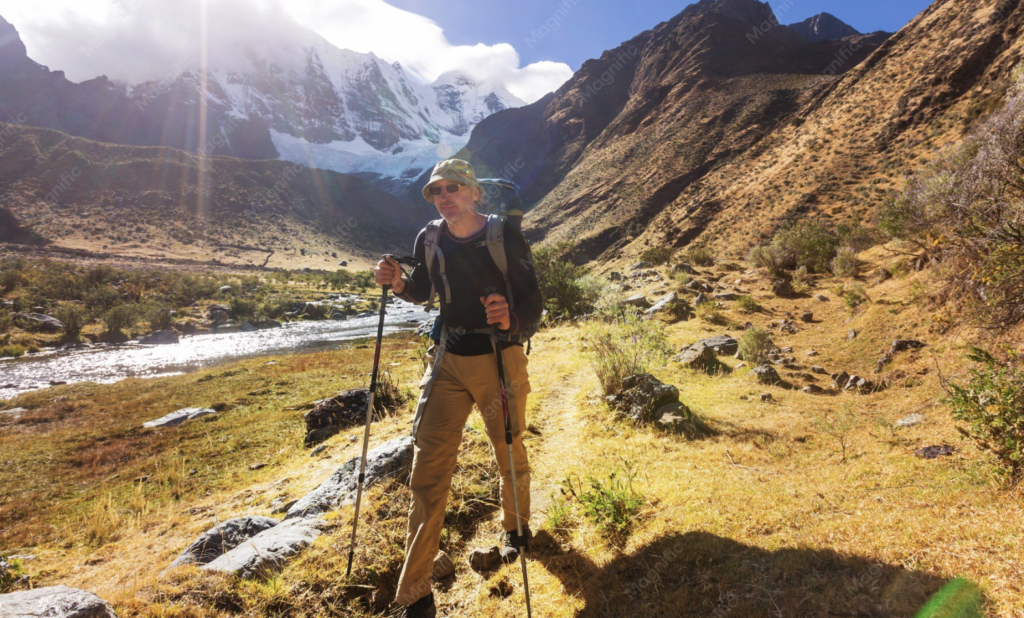
Best expedition backpacks for Andes trekking 2026

The pack that carries your layering system — how to fit and load a 65L expedition pack for multi-day altitude trekking.
Read the Guide
Best Base Layers for High-Altitude Andes Trekking 2026

Packing Your Base Layers: Weight, Volume, and What to Leave Behind

Base layers are the most over-packed item in the average Andes trekker’s bag. The typical first-timer brings 5–6 tops; experienced trekkers bring 2–3. The reason experienced trekkers pack fewer: merino wool’s odour resistance means a single merino top can be worn for 3–4 days before requiring washing, and having a synthetic option for high-sweat days means the merino is preserved for evenings and colder conditions.

Recommended base layer kit for a standard 7-day Andes trek: 1 lightweight or midweight merino long-sleeve top; 1 synthetic midweight long-sleeve top; 1 merino or synthetic short-sleeve top for warmer valley sections; 1 merino or synthetic bottom (long johns) for cold passes and overnight camping. Total base layer weight: approximately 600–750g. Total volume: fits in a 3–4 litre stuff sack.

What to leave behind: Cotton base layers of any kind — they are worse than both merino and synthetic in every relevant property for altitude trekking. Heavyweight (300g/m2+) merino tops unless your route specifically includes winter Bolivia or Cordillera Blanca glacier approaches — they are too warm for sustained Inca Trail or Salkantay conditions. More than 3 tops for a week-long trek — the extra weight is not justified by the performance difference.

FAQ

Frequently Asked Questions

What is the best base layer for the Inca Trail?

The Smartwool Classic All-Season Merino or the Icebreaker 200 Oasis are the top recommendations for the standard 4-day Inca Trail. Both provide the natural odour resistance needed for multi-day wear, insulation when damp, and a comfortable against-skin feel under pack straps. For budget-conscious trekkers, the Minus33 Midweight Merino delivers comparable merino properties at a lower price.

Should I choose merino wool or synthetic for Andes trekking?

The optimal choice is one of each. Carry a merino top for evenings at altitude, camp use, and colder passes where warmth-when-damp and odour resistance matter most. Carry a synthetic top for active trekking days where rapid moisture wicking and fast drying are the priorities. If you can only carry one, merino’s versatility across temperature ranges and its odour resistance over multi-day wear makes it the better single-option choice for most Andes treks.

How many base layers should I pack for a 7-day Andes trek?

Three is the experienced trekker standard: one merino long-sleeve, one synthetic long-sleeve, one short-sleeve for warmer valley sections. Merino’s odour resistance means you do not need a clean base layer every day — 3–4 days per merino top is normal. Packing more adds weight without meaningful comfort improvement.

Can I wash merino base layers on the trail?

Yes. Hand wash in cold water with a small amount of travel soap at the end of the day when water is available. Wring gently — do not twist — and hang to dry overnight with full surface exposure. Merino typically dries overnight in Andean conditions when hung properly. Avoid wringing or machine washing at high temperatures, which damages the fibre structure.

What g/m2 merino weight should I choose for the Salkantay?

Midweight 150–200g/m2 is the recommendation for the Salkantay Trek. The Salkantay Pass at 4,630m can reach -5°C with wind chill on the crossing — lightweight 120g/m2 merino is insufficient insulation at the summit. A midweight top handles both the valley sections (worn alone or with a light shell) and the pass crossing (worn under an insulation layer).

Are synthetic base layers good enough for cold Bolivian altiplano?

In the Bolivia dry season (May–October), altiplano temperatures at 3,650m can reach -12°C overnight and -5°C at pre-dawn starting times. A standard synthetic midweight base layer is adequate when combined with a proper insulation layer above it, but synthetic does not insulate well when damp. For the Bolivia altiplano, a merino midweight base layer is the preferred choice specifically because of its warmth-when-damp properties during the significant dew and overnight condensation in the desert environment.

What base layer works best under a down jacket?

A lightweight to midweight merino (120–200g/m2) or a synthetic midweight polyester. The critical property is that the base layer must be dry before you put the down jacket on — damp base layers prevent the down fill from lofting properly, reducing the insulation’s effectiveness by 20–40%. If your base layer is sweat-damp from the ascent, stop before the descent or cold section, allow the base layer to dry slightly while moving in just the base and wind layer, then add the down jacket.

Is UPF protection important in a base layer for Andes trekking?

Yes — particularly at 4,000m+ altitude where UV intensity is 25–40% higher than at sea level. Many trekkers experience sunburn through a damp base layer that has no formal UPF rating. Merino wool naturally provides UPF 25–50 depending on weight and weave density. Synthetic base layers provide less UV protection when damp. For full-day exposure above 3,500m, a UPF 30+ rated base layer top is a meaningful protection upgrade.

Can I use a base layer as a standalone shirt on the Inca Trail?

Yes — in the warmer valley sections and cloud forest sections of the Inca Trail (particularly the Aguas Calientes to Sun Gate section), a base layer worn alone is appropriate in temperatures above 15°C. A lightweight merino short-sleeve or the REI Co-op Merino 145 is the best choice for this use case — it functions as both a standalone shirt and a base layer under insulation when temperatures drop.

How long do merino base layers last?

With proper care — cold hand wash or machine delicate cycle, no tumble drying, minimal friction from rough pack surfaces — a quality merino base layer should last 3–5 years of regular trekking use. Smartwool and Icebreaker both offer repair or replacement guarantees on manufacturing defects. Pilling is the most common sign of wear; it does not reduce thermal performance but does affect appearance. Thin spots at elbows and collar are the first structural wear signs.

Conclusion: The Layer You Feel All Day, Every Day

Of all the gear decisions you make for an Andes trek, the base layer is the one that affects you most continuously. Your boots matter on technical terrain. Your insulation jacket matters on cold passes and in camp and your base layer matters from the moment you leave the trailhead to the moment you collapse into your sleeping bag — every hour of every day of the trek.

The good news is that getting the base layer right is not complicated. A midweight merino top and a synthetic midweight top covers the full range of Andean conditions. Buy them early, wash them before the first wear to pre-soften the fibre, and make sure they fit correctly under your pack shoulder straps without bunching at the armpits. Those three steps eliminate 90% of base layer problems on the trail.

The rest of your Andes gear system — insulation jackets, trekking boots, the right pack — is covered in the Gear Lab Hub guides linked throughout this article. Get the foundation right, and everything built on top of it works better. See you on the trail.

FIND YOUR HOTEL

Accommodation in Cusco and Aguas Calientes before the trail. Book your base camp early.

Most Inca Trail and Salkantay trekkers acclimatise in Cusco for 2–3 days before departure. Find the best-rated guesthouses near the trekking departure points.

Prices shown include all taxes. Booking through this link supports Uncover the Andes at no extra cost to you.

Join the Conversation

Leave a Reply

Your email address will not be published. Required fields are marked *

Close
Close