

2026 is turning into a genuine inflection point for how the Andes region approaches tourism. Chile has officially declared 2026 its ‘Year of Sustainable Adventure,’ rolling out solar-powered lodges and visitor caps across the Atacama Desert, while Bolivia’s new Tourism Master Plan 2026-2035 and its ‘Eco Andes’ push are reshaping how trekkers access some of the country’s most fragile landscapes. For travelers who care about the impact of their trip, not just the itinerary, this is the year those two things finally start converging. Here’s what’s actually changing, and how to plan a genuinely lower-impact Andes trip in 2026.
TRAVEL RESPONSIBLY, TRAVEL COVERED
Get Travel Insurance for Remote Andes Routes
Sustainable trekking often means more remote, less-serviced routes. SafetyWing covers medical emergencies, evacuation and trip delays from $45/month, with worldwide coverage built for off-the-beaten-path trekking.
Used by 400K+ travelers worldwide · Cancel anytime
Why sustainable trekking matters more in the Andes specifically
The Andes present a particular set of pressures that make sustainable tourism more than a marketing buzzword here: fragile high-altitude ecosystems that recover slowly from trail erosion, water sources that entire communities depend on, and a boom in visitor numbers to iconic sites like Machu Picchu, Salar de Uyuni and Torres del Paine that has outpaced the infrastructure built to handle it in some areas. Overtourism at flagship sites has pushed several countries toward daily visitor caps and permit systems in just the past few years, a direct response to environmental strain rather than an abstract policy choice.
Chile’s Year of Sustainable Adventure 2026
Chile’s 2026 initiative centers on the Atacama Desert, one of the driest and most visually striking landscapes in the Andes, and one that’s also extremely fragile ecologically. The core pieces: new solar-powered lodges replacing diesel-dependent infrastructure, measurable targets for reducing tourism-related carbon emissions, expanded off-grid lodging capacity, and — notably — controlled daily visitor numbers in the highest-traffic areas to prevent the kind of degradation that’s hit other desert destinations worldwide.
If San Pedro de Atacama is on your list, our San Pedro de Atacama Travel Guide 2026 covers the practical logistics alongside this sustainability context.
Bolivia’s Eco Andes initiative and Tourism Master Plan 2026-2035
Bolivia’s approach is broader and more structural: the country’s Ministry of Sustainable Tourism, Cultures, Folklore and Gastronomy has launched a National Sustainable Tourism Strategy running through 2035, built around community lodges, solar-powered camps in remote trekking areas, and protected-route designations that limit and manage foot traffic on the most sensitive trails. The plan explicitly ties tourism growth to cultural identity and heritage conservation, rather than treating them as separate goals, with dozens of workshops run through 2026 to shape the regulatory framework directly with local operators and communities.
For trekkers heading to the Salar de Uyuni, one of the routes most directly affected by these changes, see our Salar de Uyuni Tours 2026 guide for how to book with operators aligned with these standards.
| Country | 2026 Initiative | Focus |
|---|---|---|
| Chile | Year of Sustainable Adventure | Solar lodges, visitor caps, Atacama Desert |
| Bolivia | Eco Andes / Tourism Master Plan 2026-2035 | Community lodges, protected routes, heritage conservation |
| Peru | Daily visitor caps (ongoing) | Machu Picchu, Inca Trail permit limits |
COMPARE FARES IN SECONDS
Find Flights Into the Andes
Search hundreds of airlines at once. Skyscanner compares every route into Santiago, La Paz, Lima and beyond so you find the most efficient way in — fewer connections often means a lower footprint too.
100M+ travelers trust Skyscanner · Free to use, no hidden fees
Peru: visitor caps as the original template
Peru’s staggered ticketing and daily visitor caps at Machu Picchu, along with fixed permit quotas on the Inca Trail, predate both Chile’s and Bolivia’s 2026 initiatives and effectively served as the regional proof of concept: limiting daily foot traffic works, both for preserving the site and for actually improving the visitor experience by reducing overcrowding. Trekkers heading to Cusco should expect the same logic increasingly applied elsewhere in the region as these newer programs mature.
See our Inca Trail Guide 2026 for how the permit system there works in practice, as a preview of where Bolivia and Chile’s newer systems are likely headed.
Recommended on Amazon
Sierra Dawn Campsuds Biodegradable Soap
The classic backcountry soap trusted by guides across the Andes — breaks down safely near glacial streams and high-altitude water sources instead of contaminating them.
How to choose a genuinely sustainable operator
Not every company marketing itself as ‘eco’ or ‘sustainable’ is meaningfully different from a standard tour operator, so it’s worth knowing what to actually look for: community-owned or community-partnered lodges rather than externally-owned properties that merely employ local staff, transparent group size limits, explicit Leave No Trace practices communicated before the trip (not just in marketing copy), and pricing that reflects fair wages for local guides and porters rather than the cheapest option on the market. Operators aligned with Bolivia’s Eco Andes framework or Chile’s 2026 sustainability targets are increasingly flagging this directly in their materials, which makes them easier to identify than in past years.
Leave No Trace at high altitude
Standard Leave No Trace principles apply with extra weight in the Andes because recovery times are so much slower: what heals in a season at lower elevation can take years at 4,000m+ where growing seasons are short and vegetation is sparse. That means packing out all trash without exception, staying on marked trails even when a shortcut looks tempting (off-trail foot traffic is a major driver of erosion on routes like the Inca Trail and Torres del Paine), and using biodegradable soap and toiletries away from water sources rather than directly in glacial streams that communities and wildlife depend on downstream.
Carbon footprint: flights and offsetting
International flights remain the largest single contributor to most Andes trip carbon footprints, and no amount of on-the-ground sustainable choices fully offsets a long-haul flight. That said, choosing more direct routes over multiple connections reduces both emissions and total travel time, and several airlines now offer built-in carbon offset options at checkout — genuinely useful for travelers who want to account for the flight portion of their trip, even though offsetting programs vary significantly in actual effectiveness and shouldn’t be treated as a full solution on their own.
Recommended on Amazon
CIVAGO 32oz Insulated Stainless Steel Water Bottle
Cuts down on single-use plastic across multi-day treks and long travel days between altitude zones, keeping water cold for hours in insulated stainless steel.
The overtourism problem these initiatives are responding to
None of this happened in a vacuum. Machu Picchu’s visitor numbers pushed Peru toward staggered ticketing years ago after erosion and crowding reached levels that genuinely threatened the site’s long-term preservation. Torres del Paine has dealt with wildfire risk directly linked to visitor behavior, prompting stricter fire regulations and campsite management. The Salar de Uyuni has seen vehicle traffic damage sections of the salt flat that take remarkably long to recover given the fragile crust structure. Chile’s and Bolivia’s 2026 initiatives are best understood as the latest, more coordinated response to problems that individual sites had already been managing piecemeal for years.
Community tourism: where the money actually goes
One of the clearest, most measurable differences between a standard tour and a genuinely community-oriented one is where the revenue ends up. Community-owned lodges and guide cooperatives keep a far larger share of trip spending within the local economy compared to externally-owned operations that merely hire local staff at standard wages. This matters especially in remote trekking areas like the Cordillera Huayhuash or parts of the Bolivian Altiplano, where tourism is often one of the only significant sources of external income, and where that income directly funds trail maintenance, waste management, and conservation efforts that would otherwise fall entirely on stretched government budgets.
Water and wildlife: the specific risks in Andes trekking
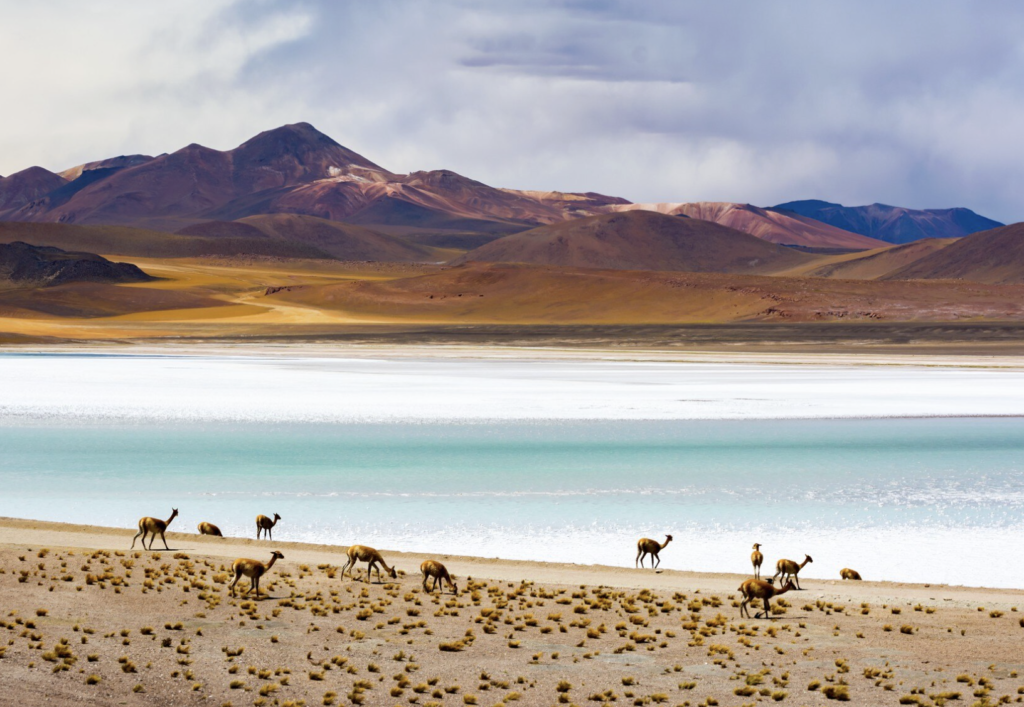
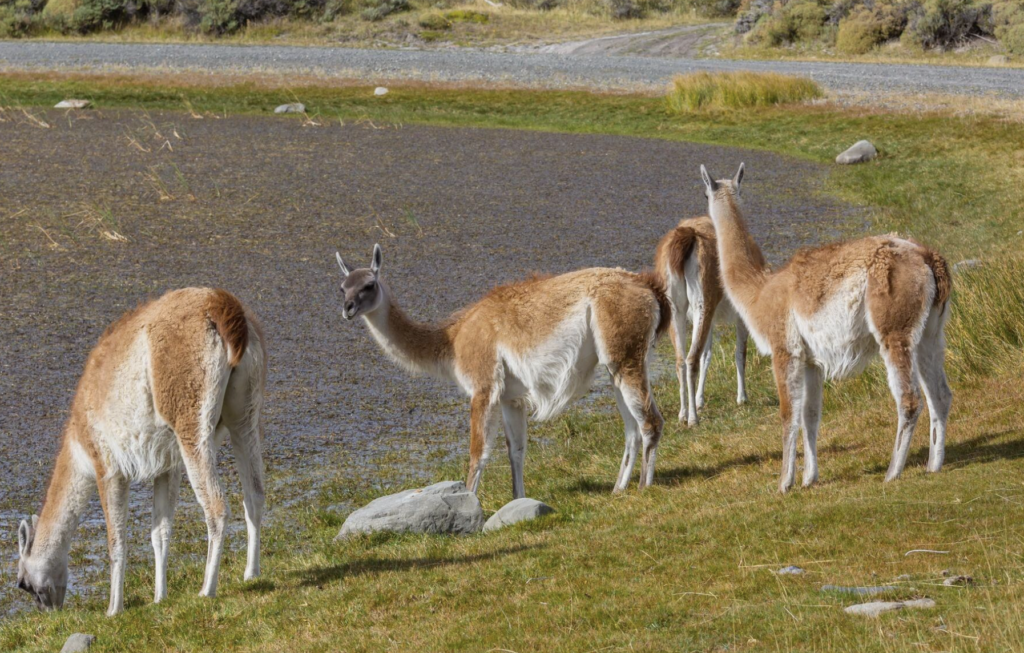
Glacial and high-altitude water sources across the Andes feed communities well downstream, which is exactly why contamination from soap, sunscreen and human waste is treated so seriously in the region’s sustainability frameworks. Standard practice on any responsible multi-day trek is washing at least 60 meters from any water source, using only biodegradable products even then, and packing out toilet paper and hygiene products rather than burying them, since decomposition at altitude is far slower than at lower elevations. Wildlife impact matters too: feeding vicuñas, alpacas or any wild Andean species, however well-intentioned, alters natural foraging behavior and increases human-wildlife conflict risk over time.
FLIGHT DELAYED? CANCELED?
Claim Up To €600 in Compensation
Was your flight into the Andes delayed, canceled or overbooked in the last 3 years? You may be owed compensation. AirHelp handles all the paperwork — you get paid.
No win, no fee · 2M+ passengers helped · Free 2-minute check
Certifications and what they actually mean
A handful of recognized certifications are worth knowing when evaluating tour operators: Rainforest Alliance certification (common among Ecuadorian and some Peruvian operators) verifies specific environmental and labor standards through third-party audits, while B Corp certification indicates a broader commitment to social and environmental accountability across the business, not tourism-specific but increasingly held by boutique Andes operators. Neither certification is required to run an ethical, low-impact operation — plenty of excellent small community-run outfits simply don’t have the resources to pursue formal certification — but seeing one is a reasonably reliable positive signal when comparing unfamiliar operators.
Solar-powered lodges: what they change in practice
The shift toward solar-powered accommodation, central to Chile’s 2026 initiative, matters beyond the obvious emissions reduction: remote lodges historically relied on diesel generators trucked in at real logistical and environmental cost, often running limited hours to conserve fuel. Solar infrastructure allows more consistent power for basic needs like lighting, water pumping and device charging without that supply chain, which in practice means better guest experience alongside the environmental benefit, not a tradeoff between the two. Several Atacama properties opening or upgrading through 2026 are built around this model from the ground up rather than retrofitting existing diesel-dependent buildings.
Practical packing list for a lower-impact trek
Beyond biodegradable soap and a reusable water bottle, a genuinely lower-impact packing list includes: reef-safe or biodegradable sunscreen (standard sunscreen chemicals can affect sensitive water ecosystems even far from the ocean), a reusable water filter or purification method instead of buying bottled water at every stop, quick-dry merino wool clothing that needs washing less often than synthetic alternatives, and a small trash bag dedicated specifically to packing out any waste generated on the trail, including biodegradable items that still take meaningfully longer to break down at altitude than at sea level.
🏔 BOOK EXPERIENCES, NOT JUST TOURS
Find Local & Community-Led Experiences
Compare guided treks and activities from vetted operators across the Andes. Many listings highlight community-partnered lodges and local guides directly, making it easier to choose responsibly.
Rated 4.7/5 by over 2M travelers
How this compares to sustainable tourism efforts elsewhere
The Andes region’s 2026 push shares clear DNA with what’s already happened in places like Iceland (visitor management at geothermal sites), Norway (fjord cruise emissions rules) and Egypt (Nile River tourism caps) — all destinations facing similar tension between rising visitor demand and fragile natural or cultural sites. What’s notable about the current Andes moment is the coordination: rather than one country acting alone, Chile and Bolivia are moving on parallel, dated timelines in 2026, with Peru’s longer-running visitor cap system effectively serving as the regional template both newer programs are building on.
What’s likely to change further in the coming years
Expect visitor caps and permit systems to expand to more sites beyond the current flagship locations as both Chile’s and Bolivia’s programs mature past their initial 2026 rollout, along with more explicit sustainability labeling from tour operators competing for increasingly conscious travelers. Argentina’s Patagonia region, currently less formally regulated than Torres del Paine on the Chilean side, is a reasonable candidate for similar measures given comparable visitor growth trends at sites like El Chaltén and El Calafate.
Sustainable trekking doesn’t mean roughing it more
A common misconception is that lower-impact travel means sacrificing comfort — booking basic accommodation, skipping conveniences, accepting a rougher trip overall. In practice, the opposite is often true: community-run lodges frequently offer more authentic, well-maintained facilities than mass-market alternatives precisely because the people running them have a direct long-term stake in the property and the surrounding land, rather than an externally-owned operation optimizing purely for short-term occupancy. Solar-powered lodges under Chile’s 2026 program are, if anything, upgrading the guest experience in previously underserved remote areas rather than reducing it.
Getting started: your first sustainable Andes trip
If this is your first time prioritizing sustainability in trip planning, start simple: pick one flagship route (Torres del Paine, the Inca Trail, or Salar de Uyuni are all well-documented with clear permit and operator information), research two or three operators explicitly aligned with each country’s 2026 sustainability framework, and build the rest of your gear list around reusable and biodegradable options rather than single-use alternatives. None of this requires a dramatically different itinerary from a standard Andes trip — mostly just more deliberate choices about who you book with and how you move through the landscape once you’re there.
Quick reference summary
| What to do | Why it matters |
|---|---|
| Choose community-partnered operators | Keeps more revenue in local economies |
| Use biodegradable soap, 60m from water | Protects downstream water sources |
| Stay on marked trails | High-altitude vegetation recovers very slowly |
| Book permits/caps in advance | Supports the visitor management systems already working |
None of these choices require a fundamentally different trip — just a slightly more deliberate one, and in a region moving as fast as the Andes are on this front in 2026, that deliberateness is increasingly easy to act on.
Where to find current permit and cap information
Since these programs are still rolling out through 2026, the most reliable approach is checking directly with official tourism boards or well-established local operators rather than relying on older third-party guides, which can lag behind fast-moving policy changes. Bookmark the official pages for Chile’s National Tourism Service (Sernatur), Bolivia’s Ministry of Sustainable Tourism, and Peru’s Ministry of Culture for Machu Picchu and Inca Trail permits specifically, since all three are actively updating capacity limits and visitor requirements as their respective 2026 initiatives mature.
Policies referenced here are current as of August 2026 but are explicitly designed to evolve through 2035 in Bolivia’s case and likely beyond in Chile’s, so treat specific visitor caps and pricing as a starting point for research rather than a fixed number to plan around months in advance.
The direction of travel, though, is clear enough to plan around: expect more of the Andes to look like Machu Picchu’s permit system in a few years, not less, and operators who are already aligned with that shift are generally the safer long-term bet for anyone booking a trip today.
Plan accordingly, book early where systems are already in place, and the trip itself doesn’t need to feel any more complicated than a standard Andes itinerary.
The landscapes that make this region worth visiting in the first place are exactly what these 2026 programs are trying to protect.
Traveling with that in mind is a small ask for what it protects in return.

Frequently Asked Questions About Sustainable Trekking in the Andes
What is Chile’s Year of Sustainable Adventure 2026?
A national initiative introducing solar-powered lodges, visitor caps and carbon-reduction targets across the Atacama Desert and other high-traffic sites.
What is Bolivia’s Eco Andes initiative?
Part of Bolivia’s broader Tourism Master Plan 2026-2035, focused on community lodges, protected trekking routes and tying tourism growth to heritage conservation.
Are sustainable tours more expensive?
Sometimes, since fair wages for local guides and community-partnered lodges cost more than the cheapest available option, but the difference is often modest relative to total trip cost.
How do I know if an operator is genuinely sustainable?
Look for community ownership or partnership, transparent group size limits, explicit Leave No Trace practices, and fair-wage pricing rather than marketing language alone.
Does visitor cap really help protect these sites?
Peru’s Machu Picchu and Inca Trail permit systems are the regional proof of concept, showing measurable reductions in trail degradation and overcrowding.
What’s the biggest carbon cost of an Andes trip?
International flights, by a wide margin — more direct routes and fewer connections help, though full offsetting of long-haul flights remains genuinely difficult.
Is it okay to go off-trail for photos in the Andes?
No, off-trail foot traffic is a major driver of erosion at high altitude, where vegetation recovers far more slowly than at lower elevations.
Which countries have the strongest 2026 sustainability initiatives?
Chile (Year of Sustainable Adventure) and Bolivia (Eco Andes / Tourism Master Plan) have the most structured, dated 2026 programs, alongside Peru’s longer-standing visitor cap systems.
What should I pack to minimize impact on the trail?
Biodegradable soap used away from water sources, a reusable water bottle instead of single-use plastic, and reef-safe or biodegradable sunscreen where relevant.
Do community-run lodges cost more than standard hotels?
Prices vary, but many are competitively priced with standard mid-range accommodation while keeping more revenue within the local community.
Conclusion: 2026 is a genuine turning point
Between Chile’s Year of Sustainable Adventure, Bolivia’s Eco Andes push, and Peru’s now well-established visitor cap systems, the Andes region is moving faster on sustainable tourism infrastructure than it has in years. For travelers, that translates into real, practical choices: which operators to book with, which lodges to stay in, and how to trek in a way that keeps these landscapes worth visiting for the next traveler too. None of it requires sacrificing the experience — if anything, lower-impact trips tend to mean fewer crowds and more genuine contact with the places you came to see.
Ready to plan a specific route? Check our Torres del Paine W Trek Guide 2026 and 50 Things to Know Before Traveling to South America’s Andes.