

Traveling through the Andes—across Peru, Bolivia, Colombia, Chile, Ecuador, and Argentina—is an adventure that takes you far beyond typical infrastructure.
And that’s exactly the problem.
Because while the landscapes are breathtaking, connectivity is often unreliable, slow, or completely nonexistent.
No signal.
No Wi-Fi.
And No access to maps, bookings, or communication.
And in today’s world, that’s not just inconvenient—it can disrupt your entire trip.
That’s why smart travelers don’t rely on luck or local networks.
They build a connectivity system using portable routers, signal boosters, and efficient adapters that actually work in real Andean conditions.
Let’s break down how to stay connected—no matter where you are.
The Connectivity Reality in the Andes
Across regions in Peru, Bolivia, Colombia, Chile, Ecuador, and Argentina, you’ll experience:
- Weak or unstable mobile signals
- Limited Wi-Fi in rural areas
- Overloaded networks in tourist hotspots
- Dead zones in mountains and valleys
Even in popular destinations, connection quality can fluctuate constantly.
If you depend only on your phone’s data… you will struggle.

Your Phone Alone Is Not Enough
Most travelers assume their phone with a local SIM card will solve everything.
It won’t.
Why?
- Coverage is inconsistent
- Speed varies dramatically
- Battery drains faster while searching for signal
That’s why relying on a single device is risky.
You need a system.
Portable Travel Routers: Your Connectivity Hub
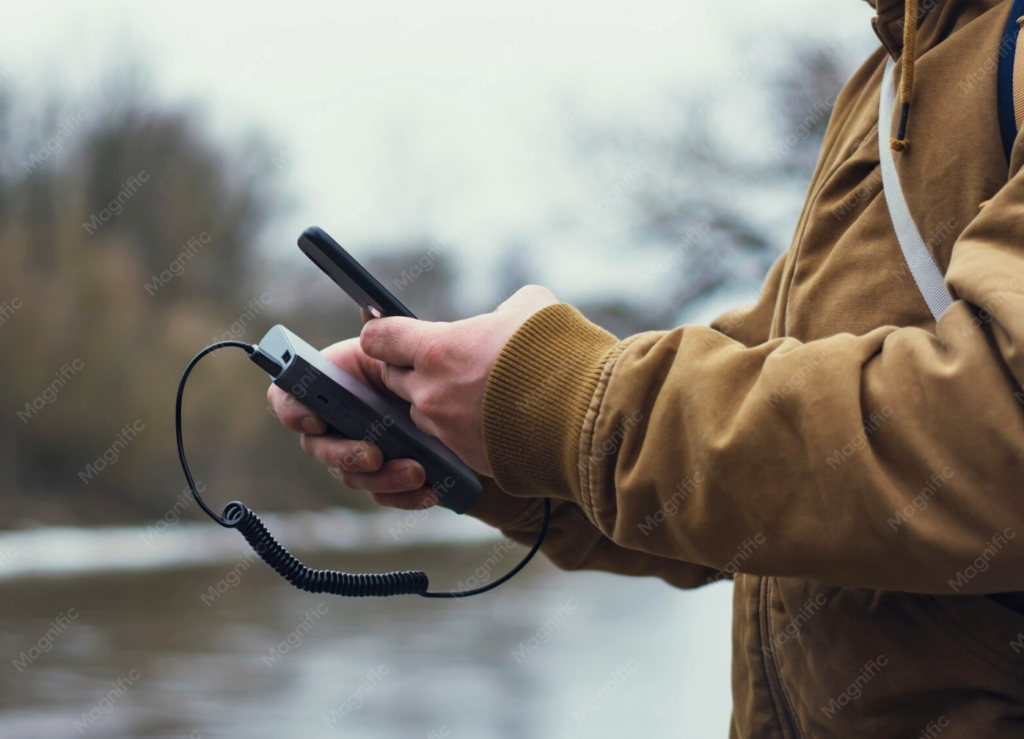
A portable travel router (or mobile hotspot device) is one of the smartest investments you can make.
It allows you to:
- Use a local SIM and create your own private Wi-Fi network
- Connect multiple devices (phone, laptop, tablet)
- Get more stable and controlled connectivity
Benefits:
- Better signal management than a phone alone
- More efficient battery use
- Increased security (especially on public networks)
For digital nomads or long-term travelers in the Andes, this is a game changer.
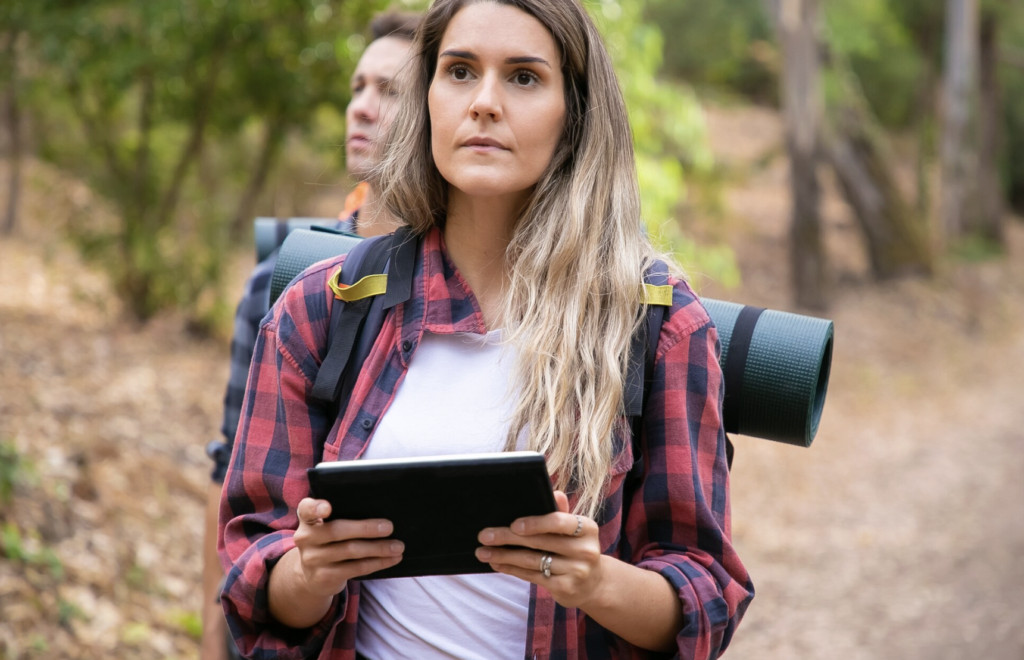
Tablet Routers and eSIM Solutions
Modern tablet routers and eSIM-based devices take things even further.
They allow you to:
- Switch between networks easily
- Use international data plans
- Avoid constantly changing physical SIM cards
This is especially useful when crossing borders between:
- Peru → Bolivia
- Chile → Argentina
- Ecuador → Colombia
Instead of losing connectivity, you stay online seamlessly.
Signal Boosters: When You’re Almost Connected
There are many places in the Andes where you’ll have:
- Weak signal
- One bar of coverage
- Intermittent connection
This is where signal boosters come in.
They amplify existing signals and can:
- Improve call quality
- Stabilize mobile data
- Extend usable coverage
Important:
They don’t create signal from nothing—but they can turn a weak signal into a usable one.
Efficient Adapters: The Most Overlooked Essential
Here’s something many travelers forget:
Power outlets vary across countries.
In the Andes, you’ll encounter different plug types and voltage standards depending on whether you’re in Peru, Bolivia, Chile, Argentina, Colombia, or Ecuador.
Without the right adapter:
- You can’t charge your router
- You can’t power your devices
- Your entire system fails
What you need:
- Universal travel adapter
- Multiple USB ports
- Fast-charging capability
A small tool—but absolutely critical.
Power + Connectivity = One System
Connectivity gear only works if you can power it.
That’s why your setup should integrate with your energy system:
- Power bank + router
- Solar panel + charging system
- Efficient cable management
Your goal is to create a self-sufficient mobile network.
Real Conditions vs Expectations
Most people test connectivity in cities.
But in the Andes, reality looks like this:
- Remote villages
- Mountain passes
- Long bus rides
- Unpredictable coverage
That’s why your gear must perform in:
- Low signal environments
- High altitudes
- Constant movement
Not just in ideal conditions.
Common Connectivity Mistakes to Avoid
Avoid these if you want a smooth experience:
- Relying only on hotel Wi-Fi
- Not buying a local SIM or data plan
- Ignoring backup connectivity options
- Forgetting adapters
- Not testing your setup before the trip
These mistakes can leave you completely disconnected when you need it most.
The Psychological Advantage of Staying Connected
When your connectivity works:
- You navigate confidently
- You adapt plans quickly
- You stay in touch with people
- You reduce travel stress
But when you’re offline unexpectedly…
Everything becomes harder.
Connectivity is not just about internet—it’s about control.
Final Thoughts
Traveling through the Andes doesn’t mean disconnecting completely—it means being smart about how you stay connected.
With the right gear, you can:
- Work remotely
- Navigate safely
- Stay flexible
- Enjoy your trip without unnecessary stress
Because in remote environments, prepared travelers always have the advantage.
Keep Building Your Andes Travel System
To travel smarter across Peru, Bolivia, Colombia, Chile, Ecuador, and Argentina, combine connectivity with the rest of your gear system:
🎒 Why Choosing the Right Backpack Can Make or Break Your Trip
Your entire setup depends on how you carry it—learn how to choose wisely.
🥾 Why Choosing the Right Boots Is Critical for Traveling in the Andes
Your mobility and safety start from your feet.
🧥 Why Layering Insulated Clothing Is Essential for the Andes
Stay warm, dry, and adaptable in extreme conditions.
🔋 Why Power & Energy Backups Are Essential for the Andes
Your connectivity gear is useless without reliable power—this guide shows you how to stay charged anywhere.
🛡️ Why Rugged Tech Protection Is Essential for the Andes
Protect your devices from dust, cold, impacts, and unpredictable weather.
Together, these guides create a complete travel system:
Backpack + Boots + Clothing + Power + Tech Protection + Connectivity = Total Freedom in the Andes
Plan smart, stay connected, and explore without limits.