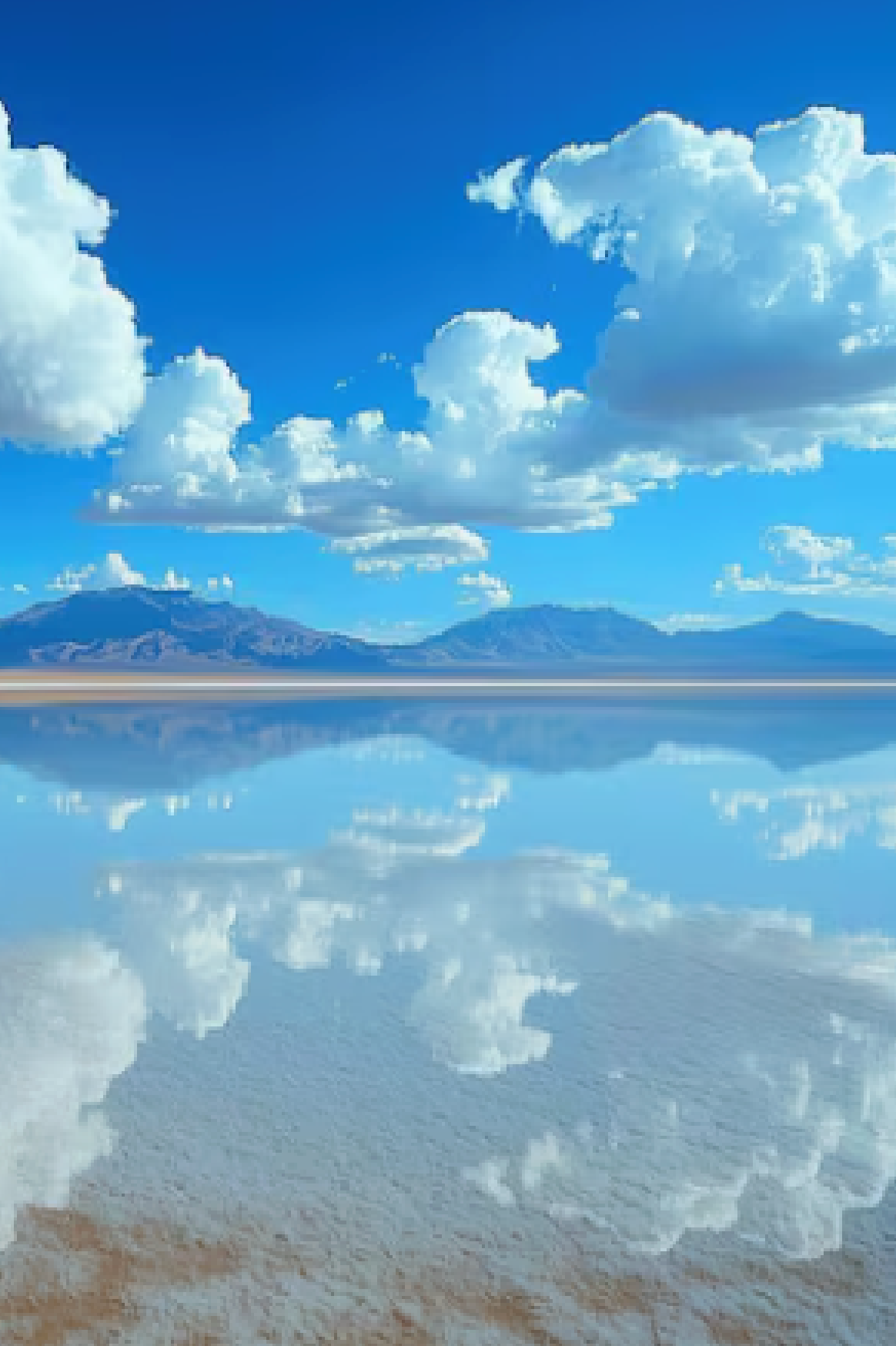

The Andes does not give you warning before it rains. One moment the sky above the Sacred Valley is clear and blue; twenty minutes later, a storm system has moved in from the Amazon basin and turned the trail into a river. If your electronics are in a standard pack without waterproof protection, that storm costs you a phone, a laptop, a camera, or worse — all three.
Rugged phone cases protect your device from drops and splashes during active use. But the question of what happens to your electronics when they are packed away — inside your backpack, inside a pannier on a mountain bike, inside a boat on a river transfer, or left at camp while you summit — requires a completely different category of protection: waterproof hard cases, waterproof dry bags, and waterproof pouches designed to protect electronics completely from the outside in.
This guide covers the best waterproof cases and dry bags for electronics in the Andes in 2026: from Pelican hard-shell cases that survive complete submersion to lightweight roll-top dry sacks that add minimal weight to an ultralight kit, tested against the full range of Andes water hazards from altiplano thunderstorms to Patagonian horizontal rain.
Flights to the Andes
Search flights to Peru, Bolivia, Chile, and Argentina
Book flexible Andes flights and protect your travel investment — compare all airlines and fares.
Gateway airports: Lima (LIM), La Paz (LPB), Cusco (CUZ), Punta Arenas (PUQ). Search all routes on Skyscanner.
The Full Spectrum of Electronics Water Hazards in the Andes
Not all water exposure is the same, and the right protection system depends entirely on the type of water hazard you are most likely to face on your specific Andes route. Understanding the hazard spectrum helps you choose the right protection — and avoid over-packing heavy cases when lighter solutions are adequate.
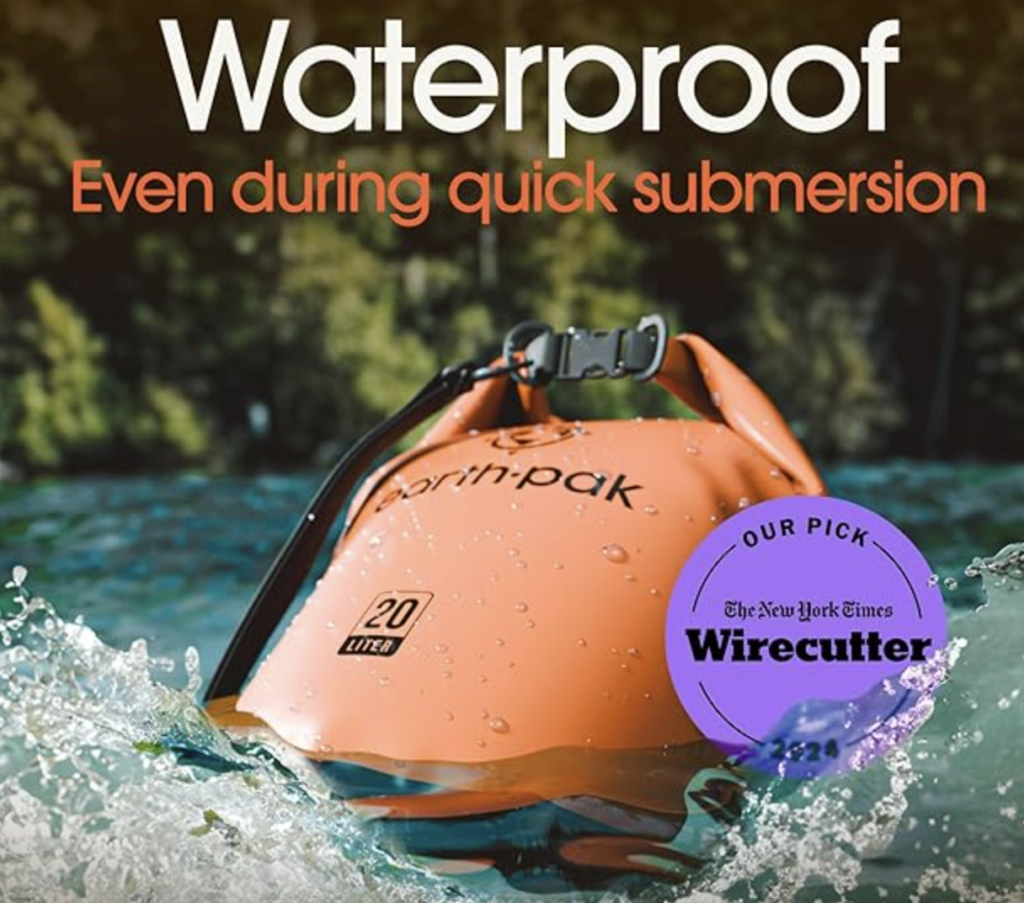
Rain and precipitation: The most common hazard across all Andes regions. Altiplano thunderstorms are intense but typically short (30–90 minutes). Amazon basin cloud penetration above the treeline can produce sustained light rain for hours. Patagonian storms are horizontal and driven — standard waterproof pack covers deflect rain downward but may not prevent seam infiltration in sustained wind-driven rain. A roll-top dry bag inside your pack provides reliable secondary protection against all precipitation scenarios.
Stream and river crossings: Required on many Andes trekking circuits, particularly in Patagonia and the Bolivian altiplano. Crossings range from ankle-deep and fully controlled to thigh-deep, fast-flowing, and unstable. Any electronic device in a pack during a crossing must be assumed capable of total submersion if you lose your footing. For crossing scenarios, a fully waterproof container (IP67/68 rated or fully sealed dry bag) is the only adequate protection.
What else …
Boat and lake crossings: Lake Titicaca, the ferry crossings on the Carretera Austral in Patagonia, and river boat transfers in the Amazon foothills all involve prolonged exposure to spray and the possibility of capsize. Electronics in transit across open water should always be in a hard waterproof case or a fully sealed dry bag — submersion without warning is a genuine possibility.
Camp condensation: Overnight temperature drops cause condensation inside tents, particularly on cold electronics left close to the tent wall. A lightweight electronic pouch or bag closed around your devices overnight prevents condensation from accumulating on ports, screens, and connectors during cold bivouacs above 4,000 metres.
Best Portable Solar Panels for Andes & Patagonia 2026
Once your electronics are protected, keep them charged. Our solar panel guide covers the best portable panels for high-altitude Andes trekking and Patagonia circuits.
Read the Guide →Hard Cases vs. Dry Bags: Which Protection System Is Right for Your Route?
| Protection Type | Best For | Weight | Submersion | Organises Gear | Trail Access |
|---|---|---|---|---|---|
| Pelican hard case | Cameras, fragile electronics, air travel | Heavy (1–3kg) | Full, rated depth | Yes — foam-lined | Difficult (locked) |
| Nanuk hard case | Drone, mirrorless camera kits, laptops | Heavy (0.8–2kg) | Full, rated depth | Yes — customisable | Difficult (latched) |
| Roll-top dry bag | Phone, wallet, map, small electronics | Very light (50–150g) | Full when sealed | No | Quick (roll open) |
| Waterproof pouch/case | Phone only, cards, documents | Minimal (20–50g) | Full, rated depth | No | Immediate |
| Dry sack with seal | Electronics in pack, mid-camp organiser | Light (80–200g) | Full when sealed | Partial | Moderate |
| Waterproof backpack liner | All pack contents simultaneously | Light (100–300g) | Rain + moderate splash | No | Immediate (pack open) |
For the majority …
of Andes trekkers, the optimal protection system is not a single category but a layered approach: a roll-top dry bag for items in active use, a waterproof pouch for the phone during crossings, and a pack liner as the base layer protecting all pack contents against sustained rain. Hard cases are essential for professional camera equipment and fragile optics but add significant weight for general trekkers.
Use the three-layer protection system on any river crossing
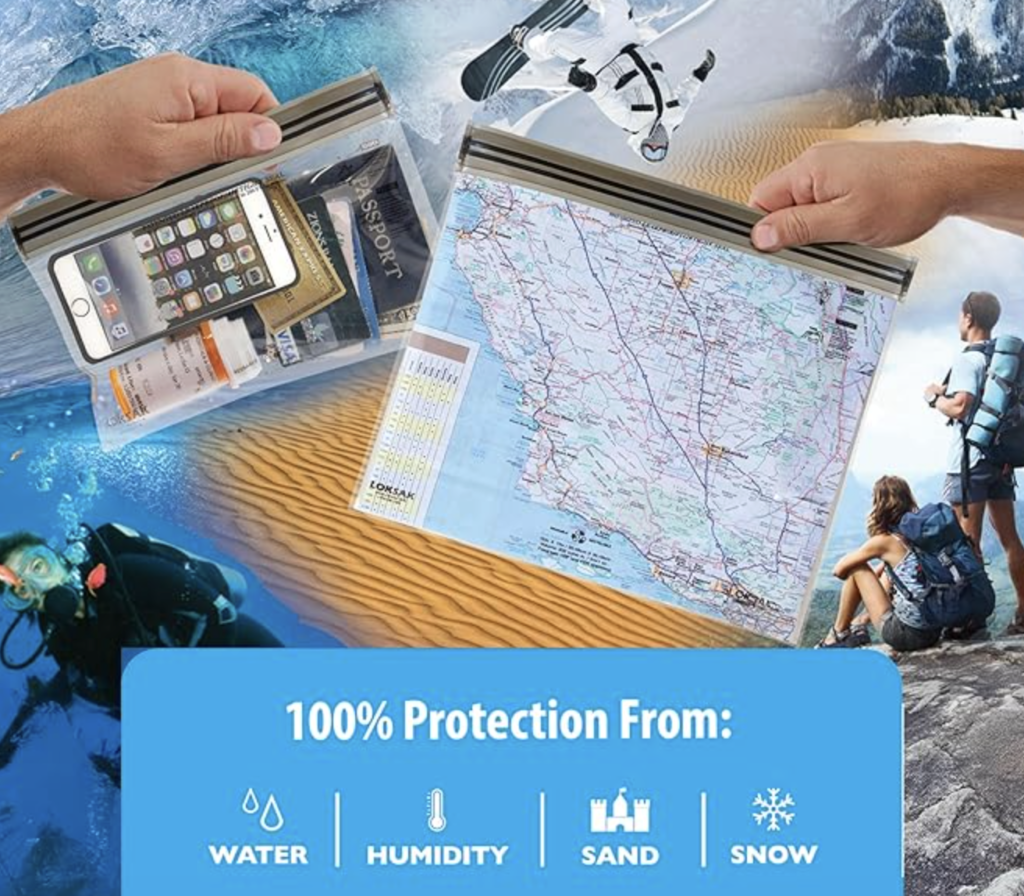
During any stream or river crossing in the Andes: phone goes in a waterproof pouch (IP68 sealed), that pouch goes in a roll-top dry bag, and the dry bag goes in your pack with the hip belt undone. Undoing the hip belt means if you fall, you can release the pack immediately rather than being dragged down by its weight. This three-layer system ensures your electronics survive even a complete submersion event.
Top 6 Waterproof Cases and Dry Bags for Andes Electronics 2026
Protecting Laptops and Tablets in the Andes
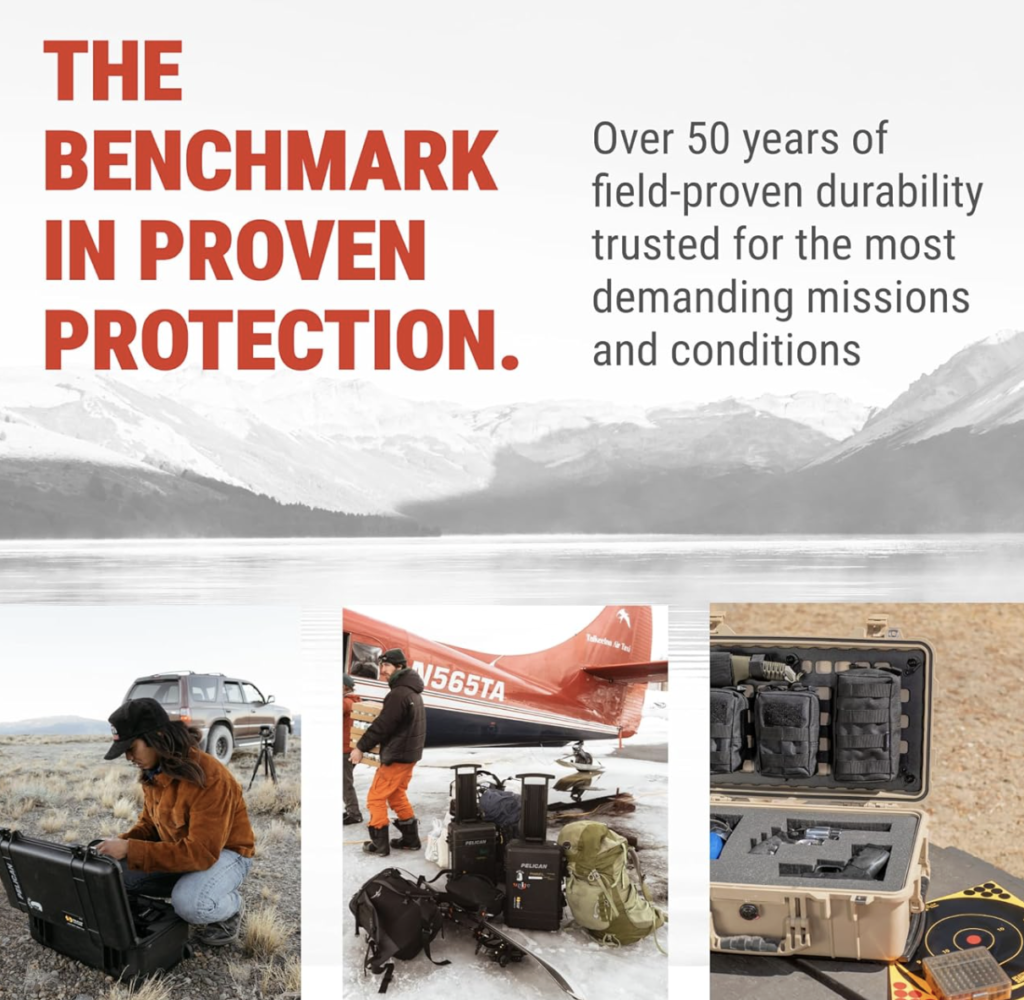
Laptop and tablet protection in the Andes requires a different approach from phone protection. The size of a laptop precludes most hard-case solutions that are practical for daily trekking, and the fragility of laptop screens means a bag that prevents water ingress but allows flexion is insufficient protection on rough terrain.
Waterproof laptop sleeves: A 15mm neoprene sleeve with a waterproof zipper provides rain protection and modest impact cushioning for laptops carried inside a trekking pack. Neoprene is not fully submersion-waterproof, but it provides enough water resistance for all but crossing scenarios. For river crossings, remove the laptop from the sleeve and place it in a waterproof dry bag for the crossing duration.
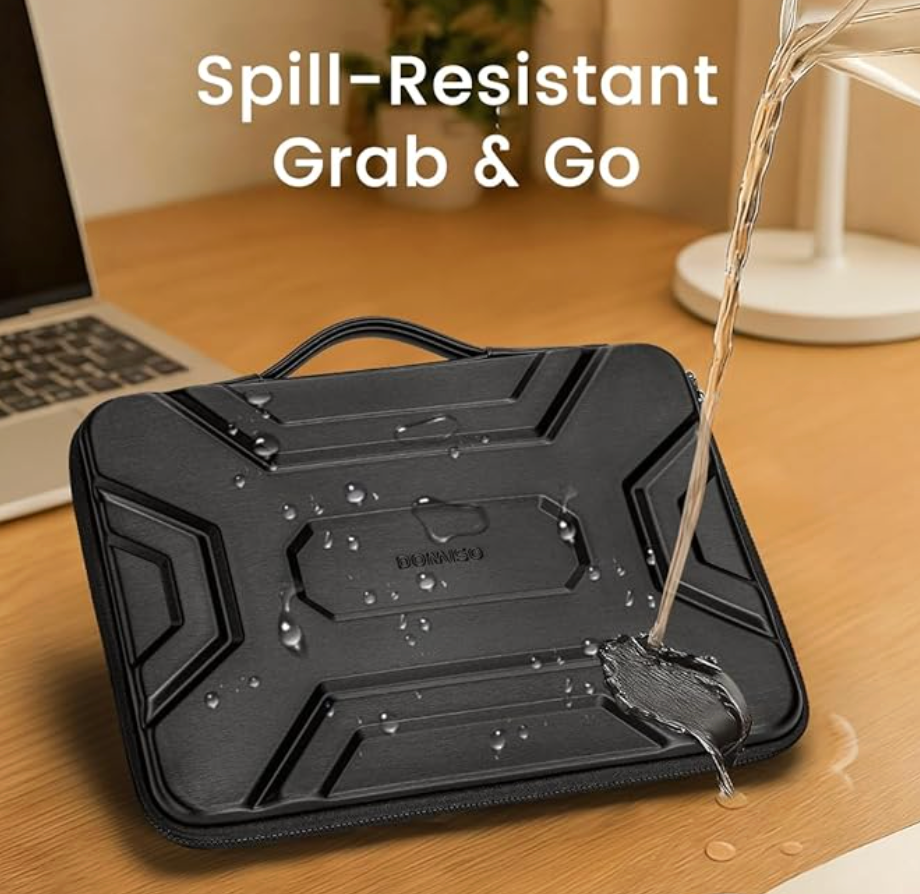
Rigid laptop cases for Andes travel: If you are carrying a laptop by bus across Bolivia, by boat on Lake Titicaca, or on the notorious road from La Paz to Coroico (one of the world’s most dangerous roads), a rigid polycarbonate shell case provides meaningfully better protection than a soft sleeve. The shell distributes impact loads across the entire case surface rather than concentrating them on the laptop’s most vulnerable points.
Leave the laptop at the guesthouse: For multi-day trekking circuits in the Andes, the best laptop protection is not carrying it on the trail. Most Cusco, La Paz, and San Pedro de Atacama guesthouses have secure luggage storage. Leave your laptop secured at base town, trek with only your phone and power bank, and retrieve it when you return. The weight saving (1–2kg) is as valuable as the protection.
Best Rugged Phone Cases for Andes Trekking 2026
Waterproof bags protect electronics during storage and crossings. Rugged phone cases protect your device during active use — this guide covers the best options for high-altitude trekking.
Read the Guide →Photography Equipment Waterproofing in the Andes
Camera equipment presents unique waterproofing challenges in the Andes: cameras must be accessible for shooting but protected when not in use, lenses require vibration-free storage, and the cost of a waterproof failure is far higher than for a phone.
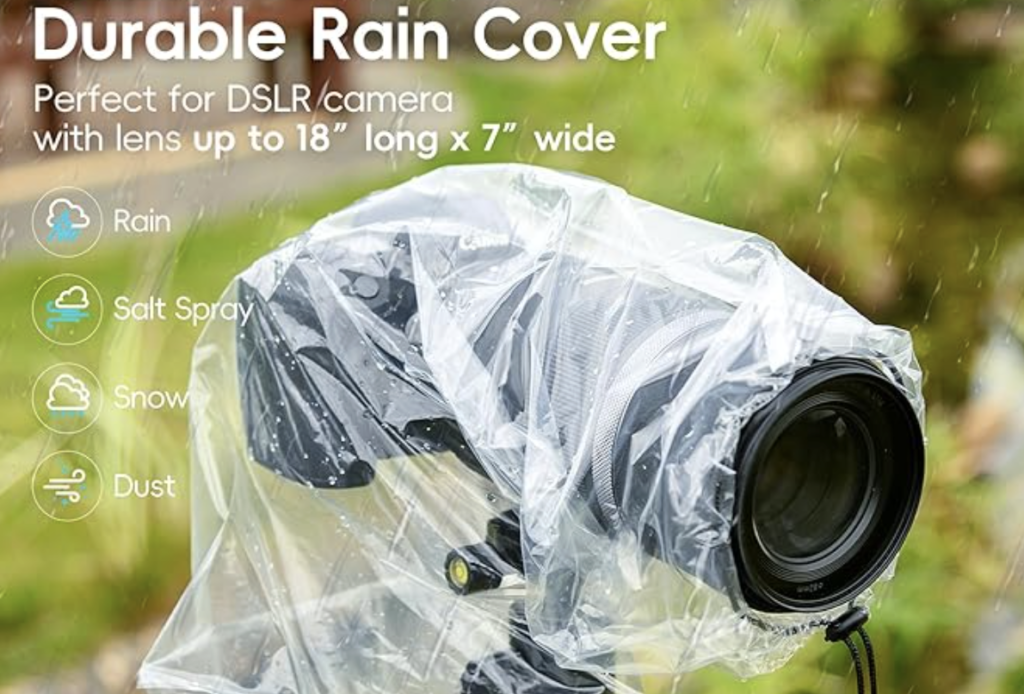
Camera rain covers: A dedicated rain cover (Think Tank Hydrophobia, OP/TECH, or similar) provides active waterproofing while shooting — protecting both the camera body and the extended lens during use. This is not the same as pack storage waterproofing: a rain cover protects the camera in your hands while shooting; a dry bag or hard case protects it in your pack while trekking.
Lens and body storage: For multi-day Andes treks with a mirrorless or DSLR system, each lens should be stored in its own sealed pouch or bag inside the main hard case or dry bag. This prevents lens-to-lens contact damage on rough terrain and provides secondary waterproofing for individual elements if the main case is compromised.
Silica gel desiccant: Include two or three silica gel packets inside any hard case or sealed dry bag containing camera equipment. At altitude, reduced air pressure means reduced moisture content, but the temperature cycling of moving between cold outdoors and warm accommodation generates condensation. Silica gel absorbs this moisture before it can damage electronic contacts or grow mould on lens elements.
Torres del Paine Photography Guide 2026
Planning to photograph the Andes? Our Torres del Paine guide covers light windows, best spots, and the exact camera protection you need for Patagonian weather.
Read the Guide →Booking Andes Expeditions Where Electronics Protection Is Critical
The activities that most demand electronics protection in the Andes — boat crossings on Lake Titicaca, kayaking in Patagonian channels, multi-day trekking circuits in remote river valleys — are often best accessed through guided tour operators who understand the local conditions and logistics. Booking with an experienced operator means you benefit from their knowledge of when crossings are safe, which trails flood after rain, and how to manage a kit in genuinely demanding conditions.
A guided operator also typically provides dry bags and waterproofing advice as part of their kit briefing. Even so, never rely on a tour operator to protect your personal electronics — bring your own protection system and use it regardless of what the operator provides. Your phone and camera are your responsibility, and an operator’s generic dry bag may not fit your specific device.
Frequently Asked Questions
What is the best waterproof bag for phone protection during Andes river crossings?
The LOKSAK OPSAK airtight waterproof bag is the best choice for phone protection during river crossings because it seals airtight (not just watertight), allows full touchscreen operation through the bag, and prevents the condensation that standard zip-lock pouches allow during temperature cycling. For added security on technical crossings, place the OPSAK-protected phone inside a roll-top dry bag as a secondary seal. This two-layer approach means a complete submersion event — if you fall mid-crossing — still leaves your phone protected.
Are Pelican cases worth the price for Andes trekking?
Pelican cases are worth the price if you are carrying fragile, expensive equipment — camera bodies, drone kits, professional audio equipment — where a single failure would be catastrophic. For a phone, a basic camera, and documents, a roll-top dry bag system at a fraction of the cost provides equivalent protection. The Pelican 1510’s main advantages are the pressure-equalization valve (opens cleanly at altitude), the lifetime warranty, and the rigid shell for crush protection — none of which matter for soft electronics that a quality dry bag protects equally well.
How do I protect my laptop on Andes buses and overnight journeys?
On Andes buses, particularly on rough Bolivia and Peru mountain roads, place your laptop in a rigid polycarbonate shell case or inside your main pack with significant padding (clothing layers) around it. The luggage compartment of Andean buses is unheated and subject to constant vibration — a soft sleeve provides no protection against the hard edges of other passengers’ luggage. For overnight buses, keep your laptop in your personal item on the seat or under your seat rather than in the hold, where theft is also a risk.
What is the difference between IPX8 and IP68 waterproofing for dry bags?
IPX8 and IP68 are effectively equivalent for practical purposes — both indicate dust-tight and submersion-resistant construction. The technical difference is that IP68 includes a dust ingress rating (the 6) while IPX8 uses X to indicate the dust rating was not tested. For dry bags and cases, the submersion depth and duration vary by manufacturer and are stated separately — always check the specific depth and time rating rather than relying on the letters alone. A bag rated IPX8 at 1m for 30 minutes is less protective than one rated IPX8 at 2m for 60 minutes, despite sharing the same letters.
Can I use a dry bag as a flotation device in an Andes river crossing?
A sealed, air-filled dry bag provides minor buoyancy but should never be relied on as a flotation device for crossing swift-water rivers. Dry bags are designed to protect electronics, not to support human weight in water. For technical river crossings on Andes trekking routes, use a trekking pole on the upstream side, cross at the widest, shallowest point, face upstream, and move sideways. If the crossing looks dangerous, do not attempt it — many Andes trails have alternative routes or wait for water levels to drop.
Should I use silica gel in my waterproof cases for Andes trekking?
Yes — silica gel desiccant packets are a cheap, lightweight addition to any sealed electronics storage system in the Andes. Despite the low humidity at high altitude, temperature cycling (warm tent to cold outside) generates condensation inside sealed cases. Two or three silica gel packets inside a hard case or dry bag absorb this moisture before it can corrode charging contacts, fog lens elements, or damage electronic components. Silica gel packets are available at most photo equipment stores and weigh under 10g — there is no practical reason to travel in the Andes without them.
What size dry bag do I need for my Andes electronics?
Size selection depends on your electronics payload. A phone, cards, and cash fit in a 2L bag. A phone, power bank, earphones, and documents fit in a 4–8L bag. A mirrorless camera body with one lens fits in an 8–13L bag. A 15-inch laptop with charger requires a 20L bag. A full electronics kit (phone, power bank, camera, laptop, cables, documents) requires a 30–40L bag. The most practical approach is a 4L bag for active-use electronics (phone, keys, wallet) and a separate 20–30L bag or pack liner for stored electronics (camera, laptop) inside your main pack.
How do I prevent condensation inside my waterproof electronics case?
The main causes of condensation inside sealed cases are warm, humid air sealed in before closing (bring moisture in when you seal the case in warm conditions) and temperature differential cycling. To minimise condensation: seal cases in the coolest, driest conditions possible (outdoors at altitude rather than inside a warm humid bathroom); include silica gel desiccant packets; allow electronics to equalise to ambient temperature before sealing (a phone fresh from a warm pocket sealed immediately into a cold-exposure case will generate condensation). If you see condensation inside a case, open it immediately, wipe dry, and allow it to air-dry before resealing.
Is a waterproof pack liner better than individual dry bags for each item?
A pack liner is more weight-efficient and faster to use but provides less organisation. Individual dry bags for each item allow you to identify and retrieve specific items quickly but add cumulative weight and require more time to open and close during rain stops. The optimal system for most Andes trekkers is a pack liner as the base layer (protecting everything simultaneously) plus one small roll-top dry bag for active-use items that need to be accessible quickly (phone, snacks, map). This combination gives full protection with minimal weight and maximum accessibility.
What happens if my dry bag fails in the middle of an Andes trek?
Dry bag failure — usually caused by a compromised roll-top seal, a pinhole in the fabric, or a cracked weld seam — typically results in slow seepage rather than sudden flooding. Test your dry bags before each trek by sealing them (with a paper towel inside as an indicator), submerging in a bowl of water for 60 seconds, and checking for dampness. Field repair of small punctures is possible with repair tape (carry a small roll of Tenacious Tape or Gear Aid repair tape) — clean and dry the area, apply the patch, and allow 24 hours to cure before water exposure. Always carry a spare roll-top dry bag or a sealed zip-lock bag as a backup.
Conclusion: Build Your Electronics Protection System Before the Trail Starts
Electronics protection in the Andes is not a single product decision — it is a layered system that matches the protection level to the hazard. A pack liner protects everything passively. A roll-top dry bag gives you fast access to active-use items in rain. A waterproof pouch protects your phone during the crossing. A hard case protects your camera on the bus from La Paz to Uyuni.
The trekkers who lose phones and cameras in the Andes are rarely careless — they are simply the ones who made one protection decision instead of a system decision. A pack liner alone does not survive a complete submersion crossing. A waterproof phone pouch alone does not protect your laptop from the luggage compartment of a Bolivian overnight bus. Every environment, every risk vector, requires its own protection response.
The good news is that a complete electronics protection system for an Andes expedition costs a fraction of a single device replacement. Build your system at home, test it before you leave, and maintain it on the trail. Your electronics will last the entire expedition — and so will the photographs, the GPS tracks, and the memories they contain. Keep exploring with Uncover the Andes — our full Gear Lab Hub covers every protection and gear category you need for a safe, well-prepared Andes adventure.