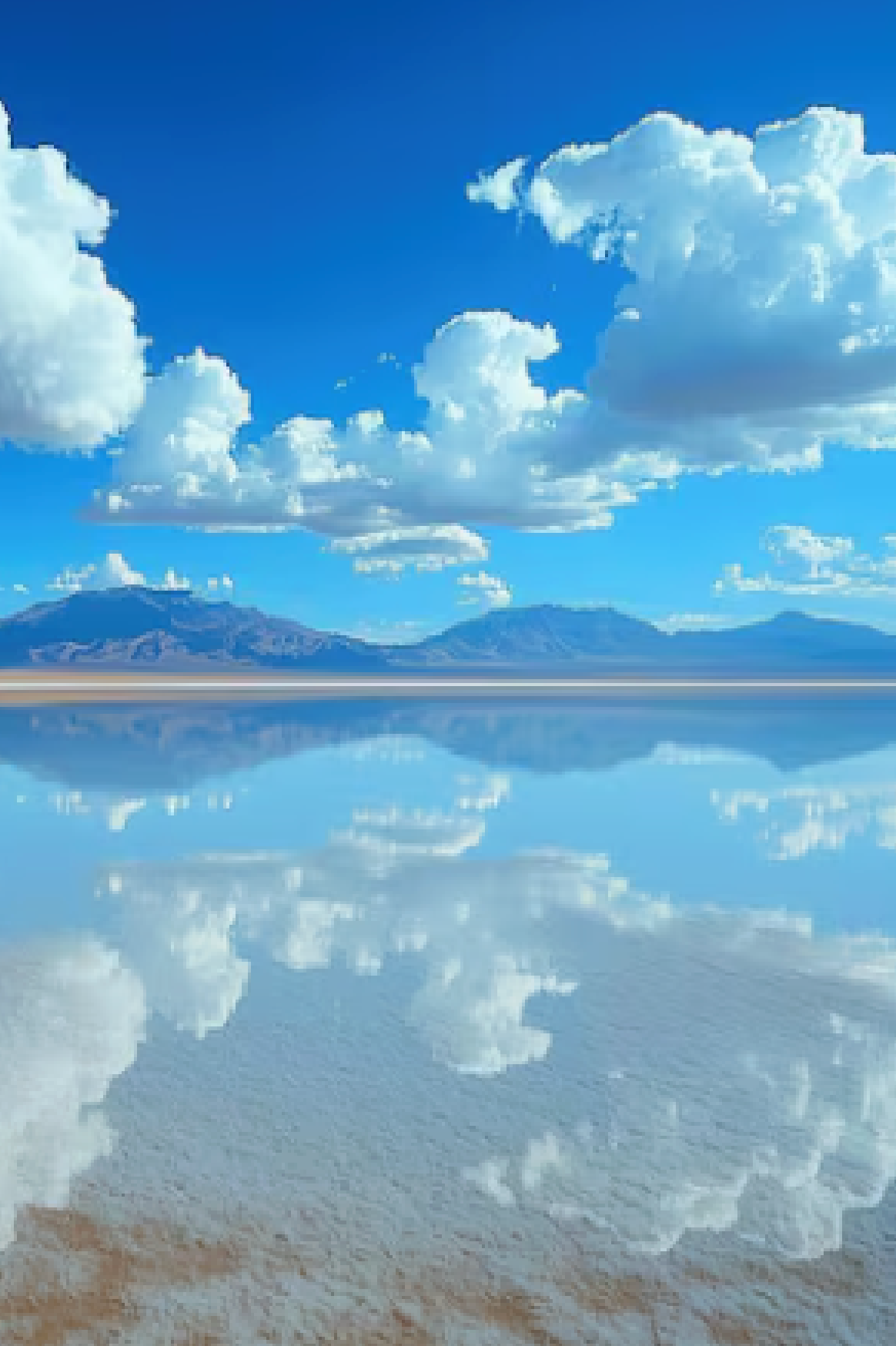

When you think about traveling to the Andes, you probably imagine breathtaking mountains, ancient trails, and unforgettable landscapes.
But there’s one modern reality that most travelers ignore—until it’s too late:
Running out of battery in the Andes is not just inconvenient… it can become a serious problem.
No GPS.
No communication.
Posible No cloud photos services.
and No access to bookings or travel info.
In remote regions where electricity is limited or unreliable, your power and energy backup system becomes as essential as your backpack or boots.
Let’s break down why this matters so much—and how to choose the right setup for real conditions, not ideal ones.
The Andes Are Not Built for Easy Charging
Unlike big cities, many Andean destinations have:
- Limited access to power outlets
- Frequent outages
- Long transportation routes without electricity
- Remote areas with zero infrastructure
Whether you’re trekking in Peru, exploring Bolivia, or crossing Ecuador’s highlands, you may go days without a reliable place to charge your devices.
And that changes everything.

Your Phone Is More Than a Phone
In the Andes, your phone becomes your:
- GPS navigator
- Emergency contact tool
- Camera
- Travel guide
- Booking manager
Losing power means losing access to all of this.
That’s why energy backup isn’t a luxury—it’s a core safety tool.
High Altitude Changes Battery Performance
Here’s something most travelers don’t know:
At high altitudes, batteries behave differently.
- Cold temperatures drain battery faster
- Lower air pressure can reduce efficiency
- Charging speeds can fluctuate
This means that a power bank that works perfectly at home might perform worse in the Andes.
That’s why real-world testing matters.
Power Banks: Your First Line of Backup
A high-capacity power bank is the foundation of your energy setup.
What to look for:
- 20,000 mAh or higher (minimum for multi-day trips)
- Fast charging (USB-C PD recommended)
- Durable build quality
- Multiple output ports
A good power bank can charge your phone 4–6 times, which is crucial when you’re off-grid.
Solar Panels: The Hidden Advantage of the Andes
Here’s the good news:
The Andes have some of the strongest solar radiation in the world.
That makes portable solar panels incredibly effective—when used correctly.
Benefits:
- Recharge your power bank during the day
- Ideal for long treks or remote travel
- Sustainable and independent energy source
But not all solar panels are equal.
Not All Solar Panels Perform the Same
Many cheap solar panels look good on paper but fail in real conditions.
In the Andes, you need:
- High-efficiency panels (monocrystalline preferred)
- Weather-resistant materials
- Compact, foldable design
- Reliable output under variable angles
We test gear based on real charge cycles at altitude—not controlled lab conditions—because that’s what truly matters.
The Smart System: Combine Both
The best setup is not choosing one—it’s combining both:
Power bank + solar panel = energy independence
Here’s how it works:
- Use your power bank during the night
- Recharge it with solar energy during the day
This creates a sustainable loop that keeps your devices powered indefinitely.
Weight vs Power: Finding the Balance
Just like with backpacks, weight matters.
You don’t want to carry unnecessary gear—but you also don’t want to run out of power.
The key is balance:
- One high-capacity power bank
- One compact solar panel
- Minimal cables and accessories
Efficient, lightweight, and reliable.
Real Testing vs Marketing Promises
Many brands claim:
- “Fast charging”
- “High efficiency”
- “Outdoor ready”
But those claims are often tested in perfect conditions.
In the Andes, reality is different:
- Cold mornings
- Dusty trails
- Changing sunlight angles
That’s why gear tested in real travel conditions is far more valuable than lab specs.
Common Mistakes Travelers Make
Avoid these critical errors:
- Bringing a small power bank (under 10,000 mAh)
- Relying only on hostels or hotels for charging
- Buying cheap solar panels that barely work
- Forgetting cables or adapters
- Not testing equipment before the trip
These mistakes can leave you completely disconnected at the worst moment.
The Psychological Advantage of Energy Security
This is something you don’t realize until you experience it.
When you know you have reliable power:
- You explore more freely
- You stress less about logistics
- You feel safer in remote areas
But when your battery drops to 5%… everything changes.
Energy security = peace of mind.
Final Thoughts
Power and energy backups are often overlooked—but they are one of the smartest investments you can make for your trip to the Andes.
They allow you to:
- Stay connected
- Navigate safely
- Capture every moment
- Travel with confidence
In a place where nature dominates and infrastructure is limited, having your own energy system gives you independence—and that’s priceless.

Keep Reading Before Your Trip
If you want to fully prepare for the Andes and avoid the most common (and costly) mistakes, don’t miss these essential guides:
🎒 Why Choosing the Right Backpack Can Make or Break Your Trip
Your backpack is your mobile base. Learn how to choose the perfect one to avoid pain, overpacking, and unnecessary stress during your journey.
🥾 Why Choosing the Right Boots Is Critical for Traveling in the Andes
Your feet will carry you through everything. Discover how the wrong boots can ruin your trip—and how to pick the right pair.
🧥 Why Layering Insulated Clothing Is Essential for the Andes
Weather changes fast. Learn how to stay warm, dry, and comfortable with the right layering system.
These three elements—backpack, boots, and clothing—combined with a solid energy backup system, will completely transform your experience in the Andes.
Travel smart. Travel prepared. And most importantly—travel without limits.