

Machu Picchu changed its entry system for 2026, and the changes are significant enough that an itinerary planned around the old rules will run into real problems. Peru’s Ministry of Culture replaced the old book-anytime model with a staggered ticket release, tightened circuit assignments into ten color-coded sub-routes, and separated the Inca Trail permit from the Machu Picchu entrance ticket for the first time. This guide walks through exactly what changed, what it means for your booking timeline, and how to avoid the mistakes that are already catching out travelers who booked based on outdated information.
Why This Overhaul Matters More Than Past Machu Picchu Rule Changes
Machu Picchu has adjusted its visitor rules periodically for years, small tweaks to circuit numbers, minor pricing updates, occasional capacity adjustments, but the 2026 changes represent a more fundamental restructuring than anything in recent memory. Separating the Inca Trail permit from the entrance ticket, moving to a staggered release model instead of open booking, and subdividing circuits into ten specific sub-routes all happened simultaneously, which is exactly why so much existing travel content, including older versions of guides across the internet, is now meaningfully out of date. If you’re cross-referencing information from multiple sources while planning, prioritize anything explicitly dated 2026 over older content, even from otherwise reliable sources, since the gap between the old and new systems is large enough to genuinely derail a trip planned around outdated assumptions.
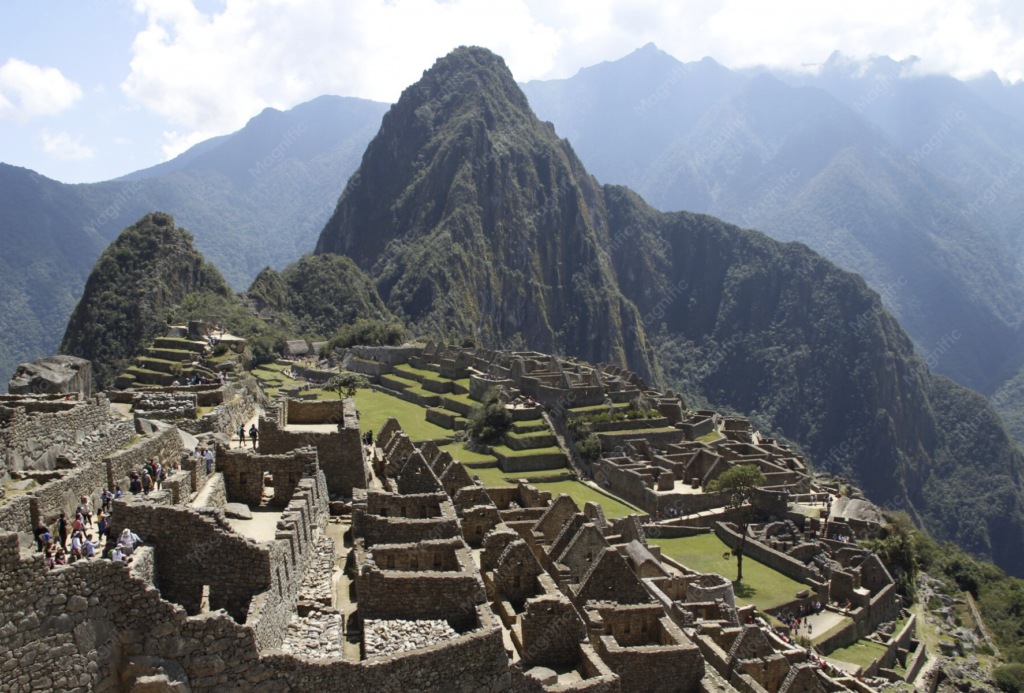
The Big Picture: What Actually Changed for 2026
The headline change is a staggered ticket release schedule that ran from November 2025 through mid-January 2026, replacing the previous system where tickets were simply available to book anytime ahead of your visit. Alongside this, the three main tourist circuits have been split into ten distinct sub-routes, each clearly marked with color-coded signage, and entry is now strictly enforced against the specific time slot printed on your ticket, with only a 30-minute grace period and no re-entry allowed once you exit. Daily capacity has also shifted: high season (June 1 through November 2, plus December 30-31) now allows up to 5,600 visitors per day, up from 4,500, while low season keeps the tighter 4,500-ticket cap split across just three circuits.
Where to Verify Official Information
Given how much outdated content is still circulating, always cross-check specific booking details, current pricing, and exact circuit availability against official Peruvian Ministry of Culture channels or established, licensed tour operators rather than relying solely on any single blog post, including this one, for the exact numbers at the moment you book. Rules and capacity figures can be adjusted further as the season progresses, and official sources update faster than most third-party content can track.
Table: Machu Picchu 2026 Rules at a Glance
| Change | What It Means for You |
|---|---|
| Staggered ticket release | Tickets are released in phases rather than all at once; book as early as your travel dates allow |
| 10 color-coded sub-routes | Your ticket assigns you a specific sub-route within the three main circuits, not just a general circuit |
| 30-minute entry grace period | Arrive on time; there is no flexibility for a late train or bus connection |
| No re-entry | Once you exit, you cannot go back in on the same ticket |
| Inca Trail ticket separated | Inca Trail permits no longer include Machu Picchu entrance; you must buy it separately |
| Inca Trail exit via Circuit 3B | Trekkers now enter Machu Picchu exclusively through the Machu Picchu Realeza route |
| High season capacity | Up to 5,600 visitors per day (June 1–November 2, plus December 30-31) |
| Low season capacity | 4,500 tickets per day across three circuits |
Family and Group Travel Under the New Rules
Traveling with a group or family adds an extra layer of coordination under the 2026 system, since every member of your party needs their own ticket assigned to the same time slot and sub-route to enter together, and mismatched bookings, even by a single time slot, can split a group up at the entrance. When booking for more than one or two people, purchase all tickets in the same transaction where possible, and double-check that everyone’s assigned circuit and entry time match exactly before you finalize payment, since correcting a mismatch after booking is considerably more difficult than avoiding it in the first place.
Why the Inca Trail Change Catches People Off Guard
The most consequential change for trekkers is that the Inca Trail permit no longer automatically includes your Machu Picchu entrance ticket, a shift from how the system worked previously. If you’re booking the classic four-day Inca Trail, you now need to purchase your Machu Picchu entrance separately from your trekking permit, and failing to realize this before you commit to a trekking date is one of the most common planning mistakes travelers are making under the new system. On top of that, everyone completing the Inca Trail now finishes by entering Machu Picchu exclusively through Circuit 3B, the Machu Picchu Realeza route, so your itinerary needs to account for this specific entry point rather than assuming you’ll follow whatever circuit you might have researched previously. See our full Inca Trail guide for a complete walkthrough of the updated permit and booking process.
BOOK BEFORE YOU MISS OUT
Secure Your Circuit — Skip The Guesswork
2026 tickets are selling out 60+ days ahead under the new staggered release. Free cancellation on most tours.
Local guides · Free cancellation · Instant confirmation
How the Staggered Release Actually Works
Instead of tickets simply being available to purchase whenever you’re ready, Peru’s Ministry of Culture now releases 2026 tickets in phases, a schedule that ran from November 2025 through mid-January 2026 for the bulk of the year’s inventory. The practical implication is that waiting until a few weeks before your trip to book is now considerably riskier than it used to be, since popular time slots and dates are being reported as selling out 60 or more days in advance. If you have fixed travel dates, the safest approach is to book as early in the release window as your dates allow, rather than assuming availability will still be reasonable close to your departure.
Understanding the Ten Sub-Routes
Machu Picchu’s three main circuits, broadly covering the lower, middle and upper sections of the site, have been divided into ten total sub-routes, each with its own color-coded signage and, in most cases, its own defined path through the ruins that doesn’t overlap freely with the others. This means your ticket now specifies not just “Circuit 2” but a specific sub-route within it, and once you’re inside, you’re expected to follow that route’s signage rather than wandering freely between sections as was more common under the older system. Research which sub-route best matches what you want to see, classic postcard viewpoints, the agricultural terraces, or the upper circuits with panoramic views, before you book, since switching once you’ve purchased isn’t a simple change.
STAY NEAR AGUAS CALIENTES
Don’t Miss Your Time Slot — Book Close To The Site
With only a 30-minute grace period, staying nearby removes the risk of a delayed train. Free cancellation on most rooms.
No booking fees · Flexible cancellation · Verified stays
Booking Through an Operator vs Booking Direct
With the added complexity of the 2026 system, more travelers are weighing whether to book through a licensed tour operator rather than navigating the official ticketing process independently. Booking through an experienced operator has a real advantage under the new rules specifically: operators who work with Machu Picchu bookings daily stay current on circuit assignments, grace period enforcement, and the Inca Trail entrance-ticket separation in a way that’s genuinely hard for a first-time visitor to track down accurately on their own, especially given how much outdated information about the old system is still circulating online. Booking independently is still entirely possible and can save money, but it puts the full burden of getting every detail right, sub-route selection, separate ticket purchases, timing, on you alone.
What Hasn’t Changed
Amid all the new rules, it’s worth being clear about what’s stayed the same. Machu Picchu remains accessible via the classic combination of train to Aguas Calientes plus bus or hike up to the entrance, the site’s opening hours and general daily structure haven’t shifted dramatically, and the core experience, walking through the Inca citadel with its terraces and stonework intact, is unchanged. The updates are entirely about booking logistics, timing, and circuit management, not about the fundamental experience of visiting, so none of this should discourage a visit, it just means the planning phase now requires more precision than it used to.
Booking Timeline: What to Do and When
Given the staggered release and reports of tickets selling out 60+ days ahead, the realistic booking timeline for 2026 looks different from previous years. As soon as you have fixed travel dates, check current ticket availability rather than waiting, since availability for popular dates and time slots is now genuinely time-sensitive in a way it wasn’t under the old book-anytime system. If you’re planning the Inca Trail specifically, book your trekking permit and your separate Machu Picchu entrance ticket together as part of the same planning session, rather than treating them as two tasks you can handle at different times, since the connection between the two isn’t always obvious if you’re relying on older guides or forum posts that predate this year’s changes.
STAY REACHABLE
Check Your Ticket Status — Anywhere In Peru
A working eSIM lets you check booking confirmations and circuit assignments without hunting for wifi. No local SIM shop required.
Multi-country coverage · Instant activation · No physical SIM needed
Common Mistakes Under the New System
A few specific mistakes are showing up repeatedly among travelers navigating the 2026 rules for the first time. Assuming your Inca Trail permit includes Machu Picchu entrance, when it no longer does, is the single most common one. Arriving without a buffer before your assigned entry time, and then losing your slot entirely because the 30-minute grace period has passed, is another, particularly for travelers connecting from an early train that could run late. Booking a ticket without realizing which specific sub-route it assigns you to, and being surprised by a route that doesn’t include a viewpoint you’d specifically hoped to see, rounds out the most frequent issues. All three are avoidable with the same fix: read the specific details of what you’re booking rather than assuming the process works the way it did in previous years.
Why Peru Made These Changes Now
The core motivation behind the 2026 overhaul is preservation and crowd management: Machu Picchu has faced mounting pressure from visitor volume for years, and the shift toward tighter time-slot enforcement, defined sub-routes, and a more controlled release schedule is designed to spread visitor flow more evenly throughout the day and across the season, rather than concentrating arrivals at a handful of peak windows. This mirrors a broader pattern playing out at heavily visited heritage sites worldwide, where authorities are increasingly trading some booking flexibility for better long-term preservation and a less congested on-site experience for the visitors who do secure a ticket.
What This Means If You Booked Before the Changes Were Announced
If you made travel plans or purchased flights before these 2026 rules were finalized, it’s worth specifically re-checking your Machu Picchu booking status rather than assuming your original plan still holds. Tickets purchased under the previous system’s rules may need to be reconfirmed or reissued under the new circuit and time-slot structure, and Inca Trail bookings made before the entrance-ticket separation was announced are a particularly common source of confusion, since travelers who booked months ago may not realize they now need a separate Machu Picchu ticket on top of their original trekking permit. When in doubt, verify directly through official booking channels or your tour operator rather than assuming an older confirmation email still reflects current requirements.
Combining Machu Picchu With the Rest of Your Cusco Itinerary
Since your Machu Picchu ticket now locks you into a specific time slot with no flexibility, building the rest of your Cusco and Sacred Valley itinerary around that fixed point, rather than the other way around, is the more reliable planning approach for 2026. Review our best time to visit Peru guide for how Machu Picchu’s rules interact with broader seasonal planning, and if altitude acclimatization is part of your plan, our altitude sickness in Cusco and Machu Picchu guide covers how to sequence your Cusco arrival relative to your Machu Picchu entry date.
Choosing the Right Sub-Route for What You Want to See
With ten distinct sub-routes now in play, matching your ticket to your priorities matters more than it used to. Travelers chasing the classic postcard view, the elevated shot looking down over the terraces and citadel, need to specifically research which sub-route within the upper circuits includes that vantage point, since not all of them do. Those more interested in the agricultural terraces and lower residential sections should look at sub-routes within the traditionally lower circuits, while anyone combining a Huayna Picchu or Machu Picchu Mountain hike needs to check how that add-on ticket interacts with their base circuit assignment, since these hikes have their own separate, limited-capacity booking on top of your main entrance ticket. Researching this before you book, rather than discovering the mismatch on-site, is the difference between getting the visit you pictured and settling for whatever route you happened to land on.
How Weather and Season Interact With the New Booking System
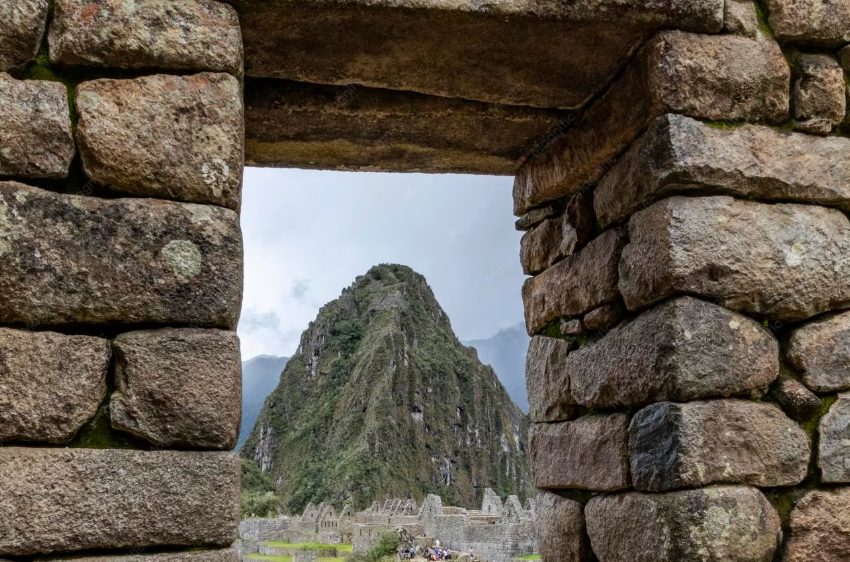
Peru’s dry season, roughly May through September, remains the most popular window for Machu Picchu visits, and under the new staggered release and tighter capacity controls, this popularity now translates more directly into early sell-outs than it did before. If your travel dates fall within peak dry season, treat the early end of the staggered release window as effectively mandatory rather than optional, since waiting even a few weeks longer than necessary meaningfully increases your risk of losing your preferred date or time slot entirely. Shoulder season travelers (April or October-November) generally retain more booking flexibility, while wet season visitors (December through March) face the added variable of occasional weather-related trail closures on top of the standard booking rules.
Here are the questions we hear most often from travelers adjusting their plans to the new system, covering everything from grace periods to which route Inca Trail hikers now use.
Frequently Asked Questions About Machu Picchu’s 2026 Rules
1. Does my Inca Trail permit include Machu Picchu entrance in 2026?
No, as of 2026 you must purchase the Machu Picchu entrance ticket separately from your Inca Trail permit.
2. How much grace period do I have if I’m running late?
Only 30 minutes past your assigned entry time; after that, your ticket is no longer valid for entry.
3. Can I re-enter Machu Picchu if I leave and come back later the same day?
No, re-entry is not allowed under the current rules.
4. Which circuit do Inca Trail trekkers use to enter Machu Picchu now?
Circuit 3B, known as the Machu Picchu Realeza route, exclusively.
5. How far in advance should I book my 2026 ticket?
As early as possible once you have fixed dates; popular slots have been selling out 60 or more days ahead.
6. How many daily visitors are allowed in high season?
Up to 5,600 per day during high season (June 1–November 2, plus December 30-31).
7. What’s the daily cap during low season?
4,500 tickets per day, split across three circuits.
8. Can I buy a Machu Picchu ticket at the entrance gate?
No, tickets must be purchased in advance; walk-up sales are not part of the current system.
9. Do the ten sub-routes let me choose freely once inside?
No, each ticket assigns a specific sub-route with defined signage that you’re expected to follow.
10. Has the core Machu Picchu experience changed, or just the booking process?
Just the booking and circuit logistics; the site itself and the overall visit experience remain the same.
A Final Checklist Before You Book
Before finalizing anything, run through this short list: confirm you’re booking your Machu Picchu entrance ticket separately from any Inca Trail permit, check which specific sub-route your ticket assigns and whether it includes the viewpoints you actually want, build a real buffer before your assigned entry time rather than cutting it close, and book as early in the release window as your travel dates allow given how quickly popular slots are reportedly selling out. Running through these four points takes a few extra minutes and eliminates nearly every mistake travelers are currently making under the new 2026 system.
Conclusion
Machu Picchu’s 2026 changes are entirely about logistics, not the experience itself, but that makes them just as important to get right, since a missed ticket window or an unexpected separate permit requirement can derail an otherwise well-planned trip.
Book early, confirm exactly what your ticket does and doesn’t include, and build in enough buffer time around your assigned entry slot, and the new system becomes a minor planning detail rather than a source of stress on what should be one of the highlights of your entire Andes trip. The site itself hasn’t lost any of what makes it worth the journey, it just now rewards travelers who plan a few extra steps ahead.