

Bolivia rewards travelers with some of South America’s most striking landscapes, the Salar de Uyuni, Lake Titicaca, the Amazon-adjacent lowlands, but it’s also a country where conditions on the ground can shift faster than in neighboring Peru or Chile, particularly around La Paz. This guide gives you an honest, region-by-region breakdown of where Bolivia is genuinely safe, where extra caution is warranted, and how to check current conditions before and during your trip, since Bolivia is one of the few countries in this region where “check today’s news” is genuinely part of responsible trip planning.
Why Bolivia’s Safety Story Differs From Its Neighbors
Peru, Colombia and Ecuador each have specific regions to avoid, but those regions are geographically remote from the tourist circuit and largely static in their risk profile year to year. Bolivia’s situation is different in one meaningful way: the country’s periodic political and economic tensions surface specifically in and around its capital, meaning the risk isn’t tied to a remote region you’d never visit anyway, it’s tied to timing in a city that’s very much part of a standard itinerary. That distinction is exactly why this guide treats La Paz differently from every other destination covered here, not as a place to avoid, but as a place where checking current, real-time conditions genuinely changes your trip planning in a way it doesn’t for Cusco or Bogotá.
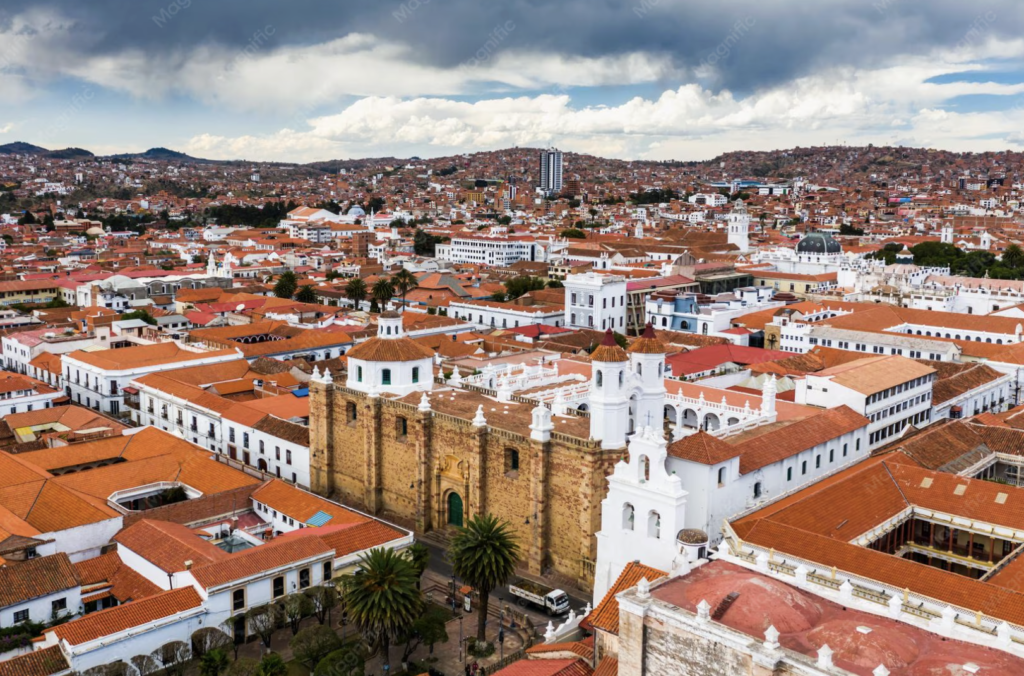
The Short Answer: Mostly Safe, With One Area Requiring Active Monitoring
The vast majority of visitors to Bolivia complete their trip without incident, and the realistic risks for most travelers are petty theft, altitude sickness, and road safety rather than violent crime. That said, Bolivia differs from Peru, Colombia and Ecuador in one important way: La Paz specifically has experienced periods of significant protest activity and highway blockades that have, at times, disrupted supply chains, airport access, and even hospital resources in the city. This isn’t constant, and it isn’t true of Bolivia as a whole, Uyuni, Sucre, Santa Cruz and most of the Bolivian tourist circuit outside La Paz operate normally even during these periods, but it does mean checking current government travel advisories specifically for La Paz in the days before you travel is more important here than almost anywhere else covered in this series.
Table: Bolivia Safety by Region
| Region | Safety Level | Main Concerns |
|---|---|---|
| La Paz | Check current conditions before travel | Periodic protests, road blockades, occasional supply disruptions |
| Uyuni and the Salar | Generally safe | Remote terrain, limited connectivity and medical access |
| Sucre | Generally safe, low tension | Standard petty theft precautions |
| Santa Cruz | Generally safe | Standard urban precautions |
| Copacabana and Lake Titicaca | Generally safe | Altitude, standard petty theft precautions |
| Chapare Province | High risk, avoid | Coca production, narcotrafficking, limited police presence |
Where to Find Reliable, Up-to-Date Information
The most useful sources for current Bolivia conditions are official government travel advisory pages, which several countries update frequently and specifically flag La Paz-related disruptions when they occur, local Bolivian news outlets, which report on blockade locations and expected duration faster than international media, and established tour operators and hotels in La Paz itself, who deal with these situations regularly and can tell you in real time whether a specific route or activity is currently affected. Relying on any single source is riskier than cross-checking two or three, since official advisories can lag slightly behind fast-moving situations on the ground.
La Paz: Why This City Specifically Needs a Current Check
La Paz’s chaotic energy, steep hillside streets, the Mi Teleférico cable car system, the Witches’ Market, makes it one of the most memorable cities in South America, and for long stretches of time it’s a completely manageable destination for tourists who take standard precautions against pickpocketing and fake police scams.
The complicating factor is that Bolivia’s political and economic tensions periodically surface as protests and highway blockades concentrated in and around La Paz, including at times the route to El Alto International Airport, and during the more serious episodes these disruptions have affected fuel, food and medical supply access within the city. This is genuinely something to check in the days immediately before you travel, not something to research once months in advance and assume still applies. Multiple governments’ travel advisory pages update in near real time when conditions shift, and that’s the single most reliable source to check right before booking or departing.
PROTECT YOUR TRIP
Get Covered — Before You Land
Medical evacuation coverage matters more in a country with occasional supply and hospital access disruptions. Built for long-term and remote travel.
Worldwide coverage · Simple monthly plans · Extend anytime
What Airlines and Airports Do During Disruptions
El Alto International Airport typically continues operating during most blockade periods, though ground transport to and from it can be affected if the specific route into the city is blocked. Airlines serving La Paz are generally experienced with this pattern and will communicate delays or rerouting through standard channels, and travelers who’ve registered contact details with their airline tend to get the fastest updates. Building a buffer day around any flight in or out of La Paz, rather than a same-day connection immediately after arrival, meaningfully reduces the stress of any transport disruption.
Uyuni, Sucre and Santa Cruz: The More Stable Half of Bolivia
Away from La Paz’s periodic tension, the rest of Bolivia’s tourist circuit operates on a considerably calmer footing. The Salar de Uyuni region draws visitors specifically for its otherworldly landscapes and generally sees minimal crime, with the main practical concerns being remoteness, limited connectivity, and distance from advanced medical care rather than security threats. Sucre, Bolivia’s constitutional capital, is widely considered one of the country’s calmest and most pleasant cities, with a walkable colonial center and low crime relative to La Paz. Santa Cruz, the country’s largest city and economic center, functions as a fairly conventional South American city from a safety standpoint, standard urban precautions apply, but it doesn’t carry the same periodic protest disruption that affects La Paz specifically.
TRAVEL WITH CONFIDENCE
See Bolivia Safely — Book Vetted Local Tours
Licensed guides know current road conditions and which routes to avoid. Free cancellation on most bookings.
Local guides · Free cancellation · Instant confirmation
Solo and Female Traveler Considerations in Bolivia
Bolivia’s main tourist circuit, La Paz’s central tourist zone, Uyuni, Sucre and Copacabana, is generally manageable for solo and female travelers who take the same standard precautions relevant anywhere in the region: avoid walking alone late at night, keep accommodation informed of day-trip plans, and use verified transport. Organized Salar de Uyuni tours are particularly popular specifically because they handle logistics, transport and lodging as a group package, which many solo travelers find reduces both the practical friction and the safety uncertainty of navigating Bolivia’s more remote areas independently. During periods of political tension in La Paz, solo travelers in particular should lean more heavily on hotel staff and local tour operators for real-time guidance on which areas to avoid that day, since local knowledge updates faster than most travel advisory pages.
Chapare Province: The One Region to Genuinely Avoid
Similar to Peru’s VRAEM region, Bolivia has one area that stands apart from the rest of the country in terms of real risk: Chapare Province, where large-scale coca production occurs with limited police presence and elevated rates of violent crime tied to narcotrafficking. This region isn’t part of any standard tourist route, it has no overlap with Uyuni, La Paz’s tourist areas, Sucre, Lake Titicaca or Copacabana, so avoiding it isn’t a meaningful sacrifice for anyone following a conventional Bolivia itinerary.
Altitude in Bolivia: An Even Bigger Factor Than in Peru
Bolivia takes Andean altitude to an extreme that catches many travelers off guard even after they’ve acclimatized in Peru. La Paz itself sits above 3,600 meters, with El Alto International Airport even higher, and the Salar de Uyuni region sits around 3,650 meters, meaning altitude sickness risk is a near-constant factor throughout a Bolivia itinerary rather than something you deal with once and move past. Spend your first day or two in La Paz taking it easy, stay well hydrated, and consider altitude medication if you have any history of sensitivity, since underestimating Bolivia’s altitude is a far more common trip-disrupting issue than any security concern for most visitors.
STAY REACHABLE
Check Conditions Live — Before You Travel
A working eSIM lets you check current road and protest conditions in real time before heading out. No local SIM shop required.
Multi-country coverage · Instant activation · No physical SIM needed
What a La Paz Disruption Actually Looks Like on the Ground
For travelers who’ve never experienced a highway blockade or protest disruption, it helps to understand the practical shape of what happens rather than just the word “protest.” Blockades in Bolivia typically involve organized groups closing specific highways or intersections with vehicles, debris, or people, sometimes for a few hours and sometimes for multiple days, and the effects ripple outward: fuel trucks can’t resupply gas stations, food deliveries to markets and restaurants slow down, and in more serious cases, ambulances and medical supply deliveries to hospitals face delays too. For a tourist, the most likely practical impact is a delayed or rerouted airport transfer, a canceled day trip, or difficulty finding an open restaurant or ATM with cash, inconvenient and worth planning around, but rarely dangerous in the way the word “unrest” might suggest to someone unfamiliar with how these situations typically unfold in Bolivia.
Building Flexibility Into a La Paz Itinerary
Given this dynamic, the single most useful thing you can do when including La Paz in your Bolivia itinerary is build in flexibility rather than a tightly packed, back-to-back schedule with no slack. Avoid scheduling your only day in La Paz immediately before an international flight out of El Alto, since airport access is exactly the kind of route that can be affected during a blockade. Keep a few days of buffer between your La Paz segment and any other tightly timed bookings elsewhere in your trip, and consider travel insurance that explicitly covers trip interruption from civil unrest or transport disruption, not just medical emergencies, given Bolivia’s specific pattern of periodic blockades.
Petty Crime and Common Scams
Beyond the La Paz-specific political situation, Bolivia’s everyday safety concerns mirror the rest of the region: pickpocketing on crowded buses and markets, bag-snatching in tourist areas, and occasional fake police scams where someone impersonating an officer asks to see your documents or wallet as a pretext for theft. The standard defenses apply here too: keep valuables secure and out of sight, use licensed transport rather than unmarked vehicles, and know that legitimate police in Bolivia don’t typically ask tourists for cash on the street, treat any such request with immediate skepticism.
Health Infrastructure: What to Know Before You Need It
Bolivia’s medical infrastructure varies considerably by region, and this matters more here than in Peru or Chile given the country’s altitude profile and occasional supply disruptions in La Paz specifically. Santa Cruz has the country’s most developed private medical facilities, La Paz has reasonable hospital infrastructure in normal conditions but has experienced supply strain during serious blockade periods, and more remote areas like the Salar de Uyuni region have minimal medical access, meaning any serious health issue there typically requires evacuation to a larger city. This is the core reason travel insurance with genuine medical evacuation coverage, not just basic trip cancellation protection, matters more in Bolivia than in almost any other country covered in this series; if something serious happens in a remote area, the cost and logistics of evacuation can be substantial without it.
Currency, Cash Access and Practical Money Safety
Bolivia remains more cash-dependent than Peru, Colombia or Chile, particularly outside Santa Cruz and La Paz’s more developed commercial districts, and ATM access can become genuinely unreliable during blockade periods when cash delivery to banks and ATMs slows down along with everything else. Carrying a reasonable cash buffer in Bolivianos when heading into more remote areas like Uyuni, rather than assuming card payments or working ATMs will always be available, is standard practice among experienced Bolivia travelers and becomes especially important if you’re traveling during a period of known disruption.
Road Safety on Bolivia’s Notoriously Difficult Routes
Bolivia’s road infrastructure is less developed than Peru’s or Chile’s in many rural areas, and road safety, rather than crime, is arguably the more realistic risk for travelers moving between cities. The famous “Death Road” near La Paz is now primarily a mountain biking tourist attraction rather than a functioning main route, but other unpaved mountain roads throughout the country genuinely warrant caution, particularly during the rainy season from November through March when landslides and washouts are more common. Booking transport with established operators rather than the cheapest informal option, and avoiding overnight bus travel on remote mountain routes when possible, meaningfully reduces this risk.
Before You Go: Round Out Your Bolivia Safety Prep
- Check current entry requirements: review our Bolivia visa requirements guide for the latest SIGEMIG form and entry rules.
- Pack for extreme altitude: see our Bolivia packing list built specifically for high-altitude travel.
- Plan your Salar de Uyuni logistics: read our regional guides to La Paz and Copacabana and Lake Titicaca.
- Get travel insurance with medical evacuation coverage: compare options in our best travel insurance for South America guide.
How Bolivia Compares to Peru and Chile for First-Time Andes Travelers
If you’re deciding where to start an Andes trip and safety is a genuine deciding factor, it’s worth being direct about the comparison. Chile is the most consistently stable of the three, with no equivalent to La Paz’s periodic disruptions. Peru sits in the middle, with a well-established tourist circuit and only one clearly defined region to avoid entirely. Bolivia offers arguably the most dramatic and rewarding landscapes of the three, particularly the Salar de Uyuni, but asks a little more of travelers in terms of staying current on conditions, building itinerary flexibility, and carrying more robust travel insurance. None of this means Bolivia should be skipped, it means going in with accurate expectations rather than either unwarranted alarm or unwarranted complacency.
Frequently Asked Questions About Safety in Bolivia
Here are the questions we hear most often from travelers weighing a trip to Bolivia in 2026.
1. Is it safe to travel to La Paz right now?
It depends on current conditions; always check official government travel advisories for La Paz specifically in the days before you travel.
2. Is the rest of Bolivia affected by La Paz’s periodic unrest?
Generally no, Uyuni, Sucre and Santa Cruz operate normally even during periods of La Paz-specific disruption.
3. Is the Salar de Uyuni safe to visit?
Yes, the main concerns there are remoteness and limited medical access rather than crime.
4. Should I avoid Chapare Province?
Yes, this region has elevated crime tied to narcotrafficking and isn’t part of any standard tourist route.
5. Is Bolivia’s altitude worse than Peru’s?
Yes, La Paz and the Salar de Uyuni both sit higher than Cusco, making acclimatization even more important.
6. Is the “Death Road” actually dangerous to visit?
It’s now mainly a controlled mountain biking attraction with experienced operators, not a dangerous transit route.
7. What’s the most common crime tourists experience in Bolivia?
Petty theft and pickpocketing, similar to most South American tourist destinations.
8. Are fake police scams common?
They occur occasionally; legitimate police don’t ask tourists for cash on the street.
9. Should I book transport through established operators?
Yes, especially for mountain routes, given Bolivia’s less developed road infrastructure in rural areas.
10. How do I check current conditions in La Paz before I travel?
Check your government’s official travel advisory page in the days immediately before departure, since conditions can change quickly.
What Experienced Bolivia Travelers Do Differently
Travelers who visit Bolivia repeatedly, tour guides, long-term expats and seasoned regional backpackers, tend to share a few consistent habits that first-timers benefit from adopting early. They check local news sources and social media, not just official government advisories, since on-the-ground reporting often surfaces developing situations faster than formal travel warnings update. They build relationships with hotel staff and tour operators quickly upon arrival, treating them as an ongoing information source rather than a one-time booking transaction. And they hold their itinerary loosely in La Paz specifically, treating any multi-day plan there as a rough outline rather than a fixed schedule, which turns a potential blockade from a crisis into, at worst, a mildly annoying schedule shuffle.
Conclusion
Bolivia offers landscapes genuinely unlike anywhere else in South America, and most of the country, Uyuni, Sucre, Santa Cruz, Copacabana, operates on the same manageable safety footing as its Andean neighbors. La Paz is the one piece of this puzzle that requires an active check rather than a one-time read, so build a habit of confirming current conditions close to your travel dates, and you’ll be equipped to enjoy Bolivia’s highlights with the same confidence as any other Andean destination.
Pair that habit with genuine travel insurance and a flexible itinerary, and Bolivia’s occasional unpredictability becomes a minor planning detail rather than a reason to skip one of the continent’s most rewarding countries.