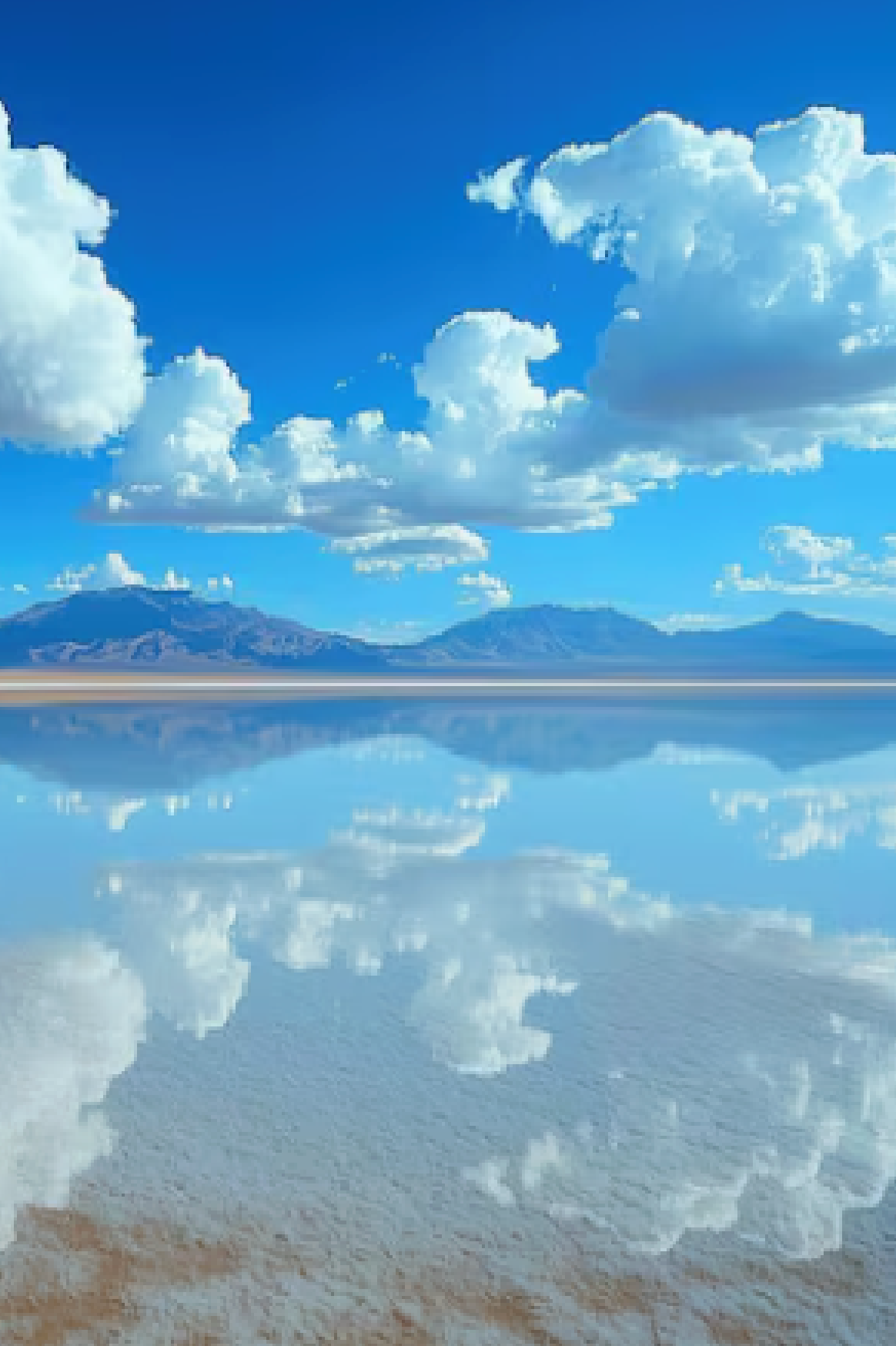

No other country on Earth packs this much biodiversity, this many ecosystems, and this many once-in-a-lifetime experiences into a space smaller than the state of Nevada. Ecuador is, by almost any measure, the most biodiverse country on the planet per square kilometre — and it sits precisely on the equator, which means its extraordinary variety of life exists in four completely distinct worlds: the Galapagos Islands, the Amazon rainforest, the high Andes, and the Pacific coast.
For travellers on an Andes journey, Ecuador is the natural northern gateway. Quito — at 2,850 metres above sea level — is one of the finest colonial capitals in the Americas, and from there the Galapagos Islands are a two-hour flight away. In this guide we cover everything: what to do in each region, how much it costs to visit the Galapagos, the cruise versus island-hopping debate, altitude tips for Quito and the Avenue of Volcanoes, and the practical information you need to plan a trip that does this extraordinary country justice.
Ecuador’s Four Worlds: Why This Country Belongs on Every Serious Traveller’s List
Most countries have one defining landscape. Ecuador has four — and they are all accessible within a single trip. Understanding this four-world structure is the key to planning a well-rounded Ecuador itinerary.
| Region | Landscape | Headline Experience | Best Base | Min. Time |
|---|---|---|---|---|
| The Galapagos Islands | Remote volcanic archipelago | Wildlife found nowhere else on Earth | Puerto Ayora (Santa Cruz) | 5–7 days |
| The Andes / Sierra | High-altitude volcanoes & valleys | Avenue of Volcanoes, Quito, Cotopaxi | Quito | 4–6 days |
| The Amazon (Oriente) | Primary tropical rainforest | Jungle lodges, wildlife, indigenous communities | Lago Agrio / Coca | 3–5 days |
| The Coast / Pacific | Beaches, whale watching, seafood | Montañita surf, Manta whale sharks | Manta / Montañita | 3–5 days |
Most first-time visitors combine the Galapagos (5–7 days) with Quito and the Andes highlands (4–5 days) for a total of 10–14 days. Adding the Amazon requires another 3–5 days and is best combined with a stay in Baños — Ecuador’s adventure capital — as a transit point between the highlands and the jungle.
Quito: A World Heritage Colonial Capital at 2,850 Metres
Quito is the second-highest capital city in the world after La Paz, sitting at 2,850 metres (9,350 feet) above sea level in a narrow valley flanked by volcanoes. Its colonial old town — a UNESCO World Heritage Site since 1978 — is the best-preserved in the Americas: a dense labyrinth of cobblestone streets, baroque churches and Moorish-influenced architecture built from volcanic stone by indigenous and mestizo craftsmen over three centuries of Spanish rule.
Most travellers arrive in Quito jet-lagged and altitude-affected, which is exactly why the city is the ideal starting point: explore on foot, rest early, eat well, and let your body adapt before flying to the Galapagos or heading south into the higher Andes.
What Not to Miss in Quito
- The Old Town (Centro Histórico) — the Plaza de la Independencia, the Cathedral, the Compañía de Jesús church (the most ornate in South America), and the San Francisco monastery. Give it at least a full day.
- La Basilica del Voto Nacional — climb the Gothic towers for the finest views over Quito and the surrounding volcanoes. One of the most dramatic church interiors in the Americas.
- Teleférico cable car to Cruz Loma — ascends from 2,950m to 4,050m in 8 minutes. On a clear morning the views of Quito and six surrounding volcanoes are extraordinary.
- La Mariscal neighbourhood — Quito’s restaurant and nightlife district. The craft beer scene has grown dramatically since 2022.
- Middle of the World Monument (Mitad del Mundo) — 22 km north of Quito, the GPS-accurate equator line at the Intiñan Solar Museum is worth the trip.
- Mercado Central — the best place to eat in Quito. Locro de papas (potato and cheese soup) and seco de pollo (braised chicken) for a fraction of restaurant prices.
Altitude note for Quito: At 2,850m, mild altitude sickness symptoms are possible on your first day — headache, fatigue and shortness of breath are common. Drink plenty of water, avoid alcohol on your first night, and take it slow on arrival. Quito is significantly lower than Cusco or La Paz, so acclimatisation is generally quicker and easier.
FLIGHTS TO ECUADOR
Every Route. Every Airline. One Search.
Quito (UIO) and Guayaquil (GYE) are Ecuador’s two international airports. Most travellers fly into Quito — then take a domestic flight to the Galapagos from either Quito or Guayaquil. Set a price alert and book at least 8 weeks ahead for the best Galapagos fares.
No booking fees · Price alerts · Compare 1,000+ airlines instantly
The Galapagos Islands: The World’s Greatest Wildlife Experience
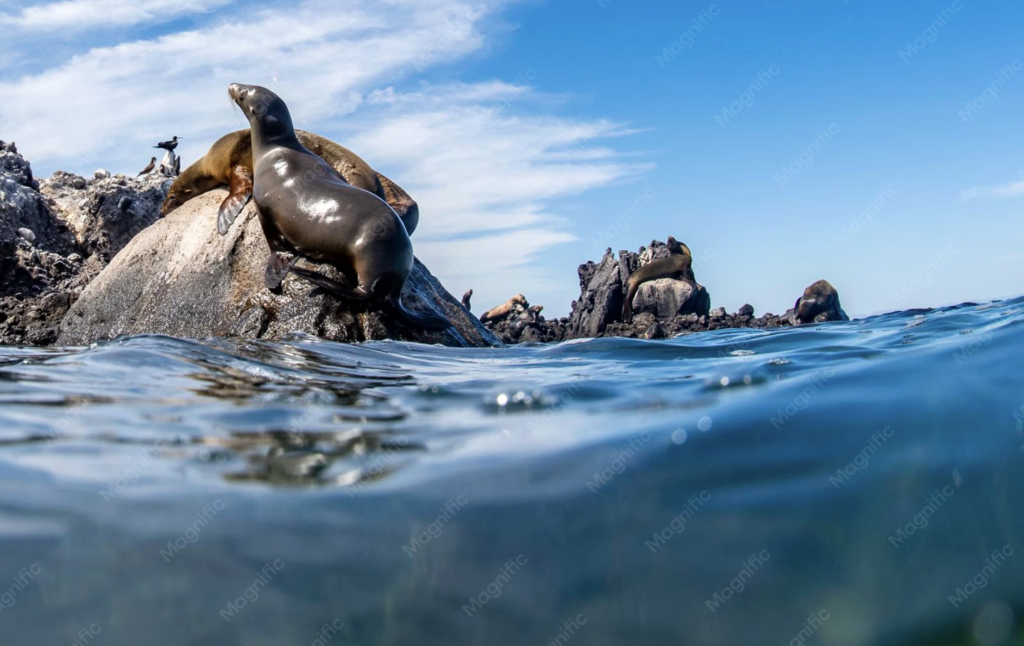
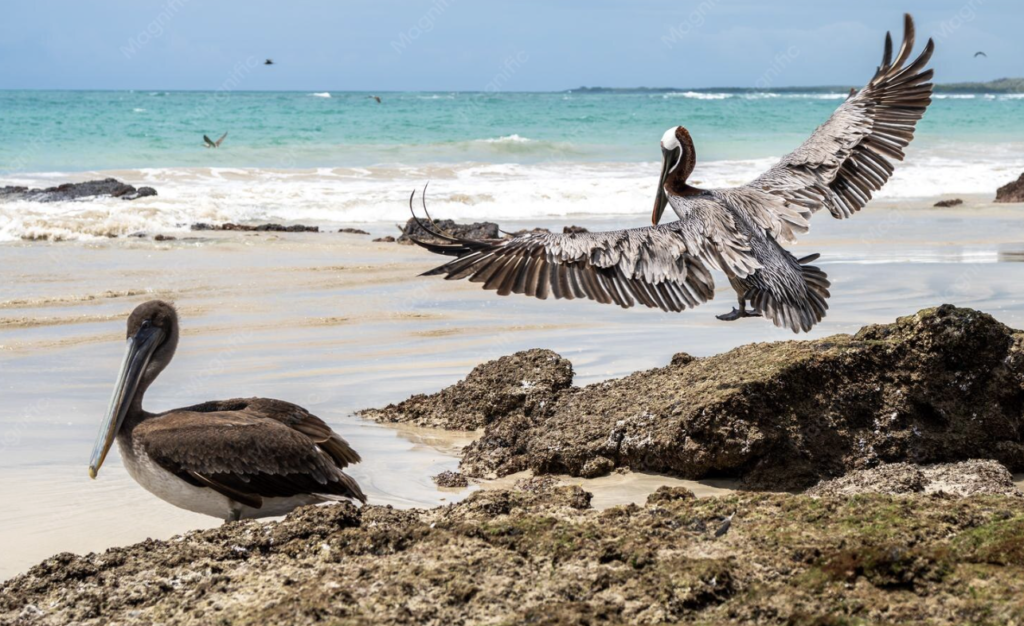
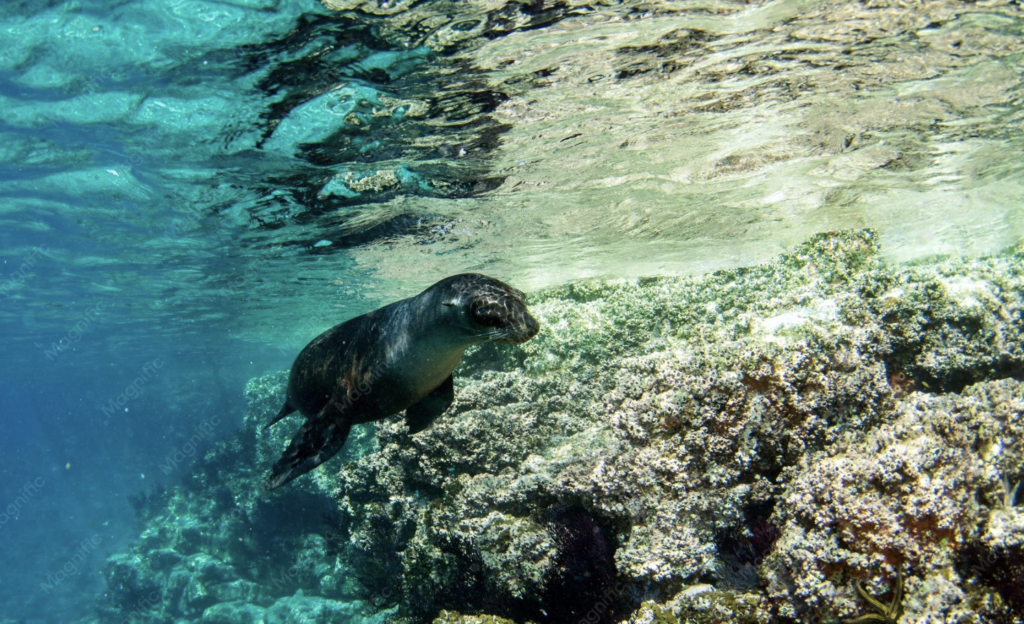
Visiting the Galapagos Islands is not like visiting a zoo. The wildlife here did not evolve with predators, which means the animals have no fear of humans — you can sit on a beach while sea lions sleep beside you, snorkel alongside penguins, and watch blue-footed boobies performing their mating dance from one metre away. Charles Darwin called the Galapagos “a little world within itself.” After a visit, you understand exactly what he meant.
The archipelago consists of 13 major islands and over 100 smaller islets, spread across 45,000 km² of Pacific Ocean roughly 1,000 km west of the Ecuadorian coast. Only four islands have permanent human settlements. The remaining 97% of the land is protected as a national park.
Essential Fees and Entry Requirements
| Fee | Cost (USD) | Paid Where | Who Pays | Notes |
|---|---|---|---|---|
| Galapagos National Park entrance | $200 adult / $100 child | On arrival at island airport | All foreign tourists | Cash only — ATMs available at Quito airport |
| INGALA Transit Control Card (TCT) | $20 per person | Online or at airport immigration | All visitors | Buy online in advance at galapagos.gob.ec |
| Domestic flight (Quito/Guayaquil to Galapagos) | $200–$500 round trip | Airlines or booking platform | All visitors | Book well in advance — seats fill fast Jun–Aug |
Total entry cost before accommodation and tours: approximately USD $420–$720 per person (park fee + TCT + return flight). This is unavoidable and non-negotiable. Plan it into your budget from the start.
Which Islands to Visit
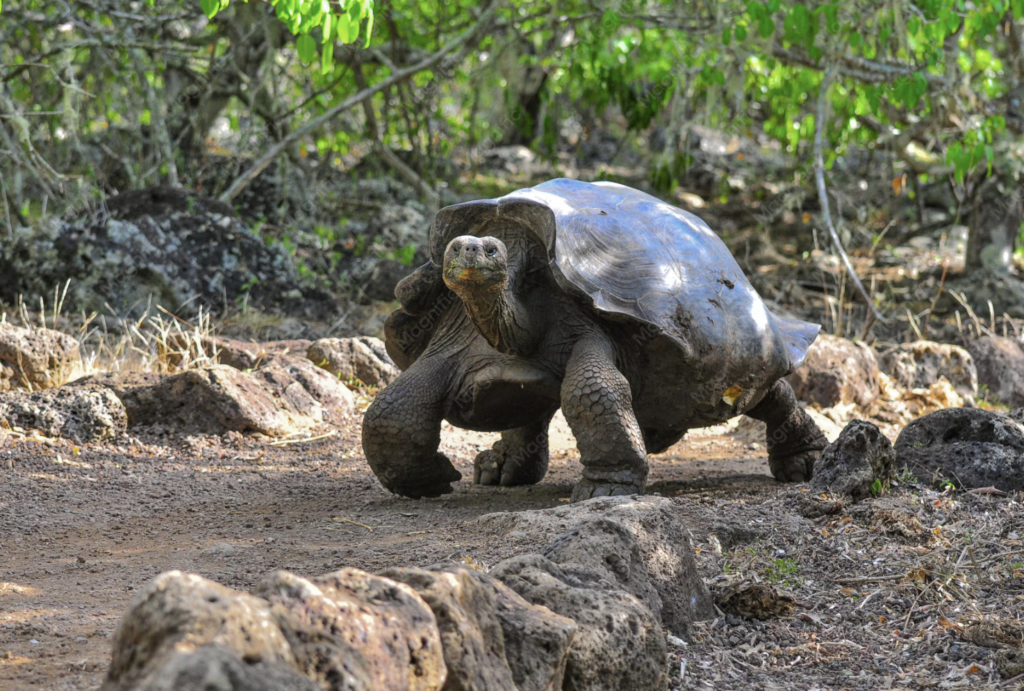
- Santa Cruz — the most visited island, home to Puerto Ayora (the largest town), the Charles Darwin Research Station and the Giant Tortoise Reserve. Best base for island hopping.
- San Cristobal — has Quito’s second Galapagos airport. Famous for its sea lion colony at the waterfront and Kicker Rock (Leon Dormido) snorkelling — one of the best dive sites in the world.
- Isabela — the largest island. Volcanic craters, flightless cormorants, marine iguanas, penguins and the Wall of Tears. Quieter and less touristy than Santa Cruz.
- Fernandina — the most pristine and least visited major island. Access by cruise only. The largest colony of marine iguanas in the world.
- North Seymour — a small island accessible on day trips from Santa Cruz. Blue-footed boobies nesting and frigate birds with inflated red pouches.
Galapagos Cruise vs Island Hopping: Which Is Right for You?
This is the most debated question in Galapagos travel planning. The answer depends on your budget, travel style and how much wildlife access matters to you.
| Factor | Cruise | Island Hopping |
|---|---|---|
| Cost (7 days) | USD $4,000–$6,500 per person | USD $2,500–$3,500 per person |
| Islands accessed | 6–8 islands including remote ones | 2–3 main inhabited islands |
| Wildlife access | Excellent — remote pristine sites | Good — popular sites only |
| Flexibility | Fixed itinerary | Choose your own tours each day |
| Accommodation | Onboard cabin | Hotel on island |
| Meal quality | Included — varies by vessel | Choose your own restaurants |
| Seasickness risk | Moderate to high | Minimal (short day trips) |
| Social experience | Small group (8–20 people) | Meet other travellers on land |
| Best for | Wildlife-focused, bucket-list travellers | Budget-conscious, flexible travellers |
Our recommendation: If budget allows, a 5–7 day cruise is the superior wildlife experience. The remote islands only accessible by cruise — Fernandina, Espanola, Genovesa — offer wildlife encounters that day-trippers never see. If budget is the constraint, a well-planned island-hopping week based on Santa Cruz with day trips to North Seymour, Isabela and Bartolome is still a remarkable experience.
Budget cruise option: Last-minute cruise deals — booked in Quito or Puerto Ayora 2–4 days before departure — can reduce cruise costs by 30–50%. This strategy works best outside peak season (July–August and December–January). Carry enough cash to pay the park fee on arrival regardless of how you book.
TOURS & EXPERIENCES
Book With People Who Know Ecuador Best
From snorkelling with sea lions in the Galapagos to hiking the Avenue of Volcanoes and night walks in the Amazon — our trusted tour partners offer free cancellation and certified local naturalist guides across all four regions of Ecuador.
The Avenue of Volcanoes: Ecuador’s Andean Highlights
Running south from Quito for 400 km along the spine of the Andes, the Avenue of Volcanoes is one of the great natural corridors on Earth. German explorer Alexander von Humboldt named it in 1802 after counting the number of active and dormant volcanoes visible from the road. Today it remains one of the finest road journeys in South America.
Cotopaxi — The World’s Highest Active Volcano
Cotopaxi stands at 5,897 metres and is one of the world’s highest active volcanoes. Its perfectly symmetrical snow-capped cone is visible from Quito on clear mornings. The national park is 90 minutes south of Quito by bus or car. The refugio hike (to 4,800m at the mountain shelter) is accessible to most reasonably fit travellers with a guide and does not require technical climbing equipment. Guided day trips from Quito cost approximately USD $50–$90 per person.
Banos de Agua Santa — Ecuador’s Adventure Capital
Baños sits at 1,800 metres on the road from the Andes down into the Amazon basin, in a narrow valley beside the active Tungurahua volcano. It is Ecuador’s most activity-packed town: white-water rafting, canyoning, zip-lining, paragliding, bungee jumping and the famous Swing at the End of the World (Casa del Arbol treehouse at 2,660m — the swing extends over a cliff edge with Tungurahua volcano behind you). A full day of activities costs USD $30–$70 depending on what you choose.
Cuenca — Ecuador’s Most Liveable City
Cuenca (2,550m) is Ecuador’s third city and — many residents would argue — its most beautiful. Another UNESCO World Heritage colonial centre, it is slower, quieter and cooler than Quito, with a thriving arts scene, excellent markets, and the country’s best concentration of traditional Panama hat artisans (Panama hats are actually from Ecuador — the name is a 19th-century misattribution). It is also a major base for the Ingapirca Inca ruins, the best-preserved pre-Columbian site in Ecuador.
| Andes Destination | Altitude | Highlight | Distance from Quito | Recommended Stay |
|---|---|---|---|---|
| Quito | 2,850 m | UNESCO colonial old town | Start point | 2–3 days |
| Cotopaxi National Park | 3,800–5,897 m | Volcano hike to refugio | 90 min south | Day trip or 1 night |
| Quilotoa Crater Lake | 3,914 m | Turquoise volcanic crater lake | 3h south | 1–2 days |
| Banos | 1,800 m | Adventure capital, Tungurahua | 3.5h south | 2–3 days |
| Cuenca | 2,550 m | Colonial city, Panama hats, Ingapirca | 8–9h south (or fly) | 2–3 days |
| Chimborazo | 6,268 m | Earth’s closest point to the sun | 4.5h south | Day trip from Riobamba |
ACCOMMODATION
Your Ecuador Base Camp, Sorted Before You Land
Galapagos hotels on Santa Cruz and San Cristobal fill up fast — especially from June through September. Lock in your stay now. Quito’s colonial old town is our top pick for a first base: walking distance to the best historic sites and restaurants.
Free cancellation on most rooms · Instant confirmation · Best price guarantee
The Ecuadorian Amazon: Jungle Lodges and River Expeditions
Ecuador’s section of the Amazon — known as the Oriente — is one of the most biodiverse patches of rainforest on Earth. The Yasuni National Park (accessible from Coca/Puerto Francisco de Orellana) has been measured as having more tree species per hectare than all of North America combined. It is also home to the Waorani and Tagaeri indigenous peoples, some of the last communities living in voluntary isolation.
The best way to experience the Ecuadorian Amazon is through a jungle lodge — purpose-built camps deep in primary rainforest, accessible only by motorised dugout canoe. A 3-night stay at a mid-range lodge typically costs USD $350–$600 per person all-inclusive, covering transfers, accommodation, meals and guided activities. Activities include guided night walks, canoe trips, piranha fishing, visits to indigenous communities and wildlife spotting (tapirs, monkeys, pink river dolphins, hundreds of bird species).
The most accessible gateway is Tena (5 hours from Quito by bus through Baños), which offers river rafting and shorter jungle day trips at lower cost. For deeper, more pristine rainforest, fly from Quito to Coca (1 hour) and arrange a lodge from there.
FLIGHT DELAYED OR CANCELLED?
You Could Be Owed Up To 600 EUR — It Takes 2 Minutes to Check
Connecting flights through Europe to Ecuador make you eligible for EU261 compensation on delays over 3 hours. AirHelp checks your eligibility instantly, handles every document and collects the money on your behalf. You pay nothing unless they win.
No win, no fee · 2M+ passengers helped worldwide · Free eligibility check
Best Time to Visit Ecuador and the Galapagos in 2026
Ecuador straddles the equator, which means temperatures remain relatively stable year-round. The main variable is rainfall — and it varies dramatically by region.
| Region | Best Season | Months | Key Notes |
|---|---|---|---|
| Galapagos — dry (garua) | Jun–Dec | Jun, Jul, Aug best | Cooler water, misty skies, excellent wildlife activity — penguins & sea lions very active |
| Galapagos — warm & sunny | Jan–May | Jan–Apr | Warmer water, calmer seas, best snorkelling visibility, blue-footed booby mating season |
| Quito & Andes | Jun–Sep | Jun, Jul best | Dry season — clear mornings with volcano views, best trekking conditions |
| Andes (shoulder) | Dec–Feb | Dec–Jan | Short dry window — also good, especially for Christmas & New Year |
| Amazon (Oriente) | Jun–Oct | Jun–Sep best | Lower water levels, easier wildlife spotting, better road access |
| Pacific Coast | Dec–Apr | Jan–Mar | Warm & sunny — whale watching season Jul–Oct |
The honest answer on the Galapagos: every month has something excellent. June to December (the garua or dry season) brings cooler temperatures, more dramatic seas and highly active wildlife — sea lions play in the surf, penguins are abundant, and marine iguanas cluster on rocks in the weak sun. January to May brings warmer, calmer waters with better snorkelling visibility and nesting season for many species. There is genuinely no bad time to visit.
Ecuador Budget Guide: How Much Does a Trip Cost in 2026?
Ecuador mainland is excellent value — one of the most affordable countries in South America for mid-range travellers. The Galapagos Islands are the significant budget item. Plan them separately and budget accordingly.
| Budget Category | Daily Cost — Mainland | Daily Cost — Galapagos | What It Gets You |
|---|---|---|---|
| Budget | USD $35–$55 | USD $150–$200 (excl. park fee) | Hostel, local food, public transport, free sites |
| Mid-range | USD $70–$120 | USD $250–$350 (excl. park fee) | 3-star hotel, good restaurants, 1 tour/day |
| Comfort | USD $130–$200 | USD $400–$600 (excl. park fee) | Boutique hotels, best restaurants, multiple tours |
| Cruise (all-in) | N/A | USD $500–$1,000 per day | Cabin + meals + guided excursions all included |
Money in Ecuador: Ecuador uses the US Dollar (USD) as its official currency — which makes budgeting extremely simple for American visitors and straightforward for Europeans. Credit cards are widely accepted in Quito, major cities and Galapagos hotels. In small Amazon towns and rural Andes villages, carry cash. ATMs are available in all major cities and on Santa Cruz island in the Galapagos.
Where to save: Eat at local almuerzo restaurants (set lunch menu — soup, main, juice and dessert for USD $3–5). Use public buses between Andes cities. Book Galapagos day tours directly at Puerto Ayora docks rather than through hotels. Cook at your hostel kitchen when possible in Quito.
Travel Insurance for Ecuador: Why the Galapagos Makes It Non-Negotiable
A standard travel insurance policy is rarely enough for a Galapagos or Amazon trip. The Galapagos Islands are 1,000 km from the coast. Medical facilities on the islands are basic. Any serious illness or injury requiring evacuation to Quito or Guayaquil — or internationally — involves helicopter or chartered air transport that costs far more than most travellers anticipate.
Before purchasing any policy for Ecuador, verify that it explicitly covers: medical evacuation from remote island and jungle environments, adventure activities (hiking at altitude, rafting, snorkelling), emergency dental, and trip cancellation due to volcanic activity (a genuine risk given Ecuador’s active volcanoes).
TRAVEL INSURANCE FOR ECUADOR
The Galapagos Is Remote — Make Sure You Are Covered
Medical evacuation from the Galapagos Islands or the Amazon rainforest can exceed USD $40,000. Standard policies often exclude remote island and jungle environments. Compare two of the most comprehensive travel insurers before you fly.
IATI Seguros
Trusted by 500,000+ travellers. Covers remote environments, adventure activities and altitude-related illness — exactly what Ecuador demands.
✓ Medical cover up to 5,000,000€
✓ Emergency evacuation included
✓ Galapagos & jungle environments covered
✓ COVID-19 cover included
24/7 emergency assistance in Spanish
GET MY IATI QUOTE →Asegura Tu Viaje
Compare 20+ insurers side by side in minutes. The most popular choice across Latin America for travellers who want the best coverage at the most competitive price.
✓ Instant comparison of 20+ providers
✓ Worldwide coverage guaranteed
✓ Adventure & extreme sports options
✓ 24/7 bilingual support
Recommended across Ecuador & the Andes
COMPARE INSURERS →Affiliate links — no extra cost to you · Immediate policy issuance · Free cancellation
Frequently Asked Questions About Travelling to Ecuador
Q: Do I need a visa to visit Ecuador?
Citizens of the United States, Canada, the European Union, United Kingdom, Australia, New Zealand and most of Latin America do not require a visa to enter Ecuador. Entry is allowed for up to 90 days as a tourist with a valid passport. Always verify your specific nationality’s requirements before travel, as visa policies can change.
Q: How much does it cost to visit the Galapagos Islands?
The mandatory Galapagos National Park entrance fee is USD $200 for adults and USD $100 for children under 12, paid in cash on arrival. The INGALA Transit Control Card costs an additional $20. Add a round-trip domestic flight from Quito or Guayaquil (USD $200–$500) and accommodation. Total before tours: approximately USD $420–$720 per person before you do anything.
Q: Is it better to do a Galapagos cruise or island hopping?
For maximum wildlife access, a cruise is superior — it reaches remote islands inaccessible to day trippers. For flexibility and lower cost, island hopping based on Santa Cruz (with day trips to North Seymour, Isabela and Bartolome) delivers an excellent experience. Budget travellers can look for last-minute cruise deals in Puerto Ayora or Quito — savings of 30–50% are possible outside peak season.
Q: How do I get from Quito to the Galapagos?
Fly from Quito (UIO) or Guayaquil (GYE) to the Galapagos — flights land on either Baltra Island (closest to Santa Cruz) or San Cristobal Island. Flight time is approximately 2–3 hours. TAME, Avianca and LATAM operate the routes. Book well in advance during June–August and December–January when seats fill quickly.
Q: What is the altitude of Quito and will I get altitude sickness?
Quito sits at 2,850 metres (9,350 feet) above sea level. Mild altitude sickness symptoms — headache, fatigue, shortness of breath — are possible on arrival, particularly if flying directly from sea level. Quito is lower than Cusco or La Paz, so acclimatisation is generally quicker. Rest on your first day, drink plenty of water, avoid alcohol and take any strenuous activity slowly for the first 24 hours.
Q: What is the best wildlife to see in the Galapagos?
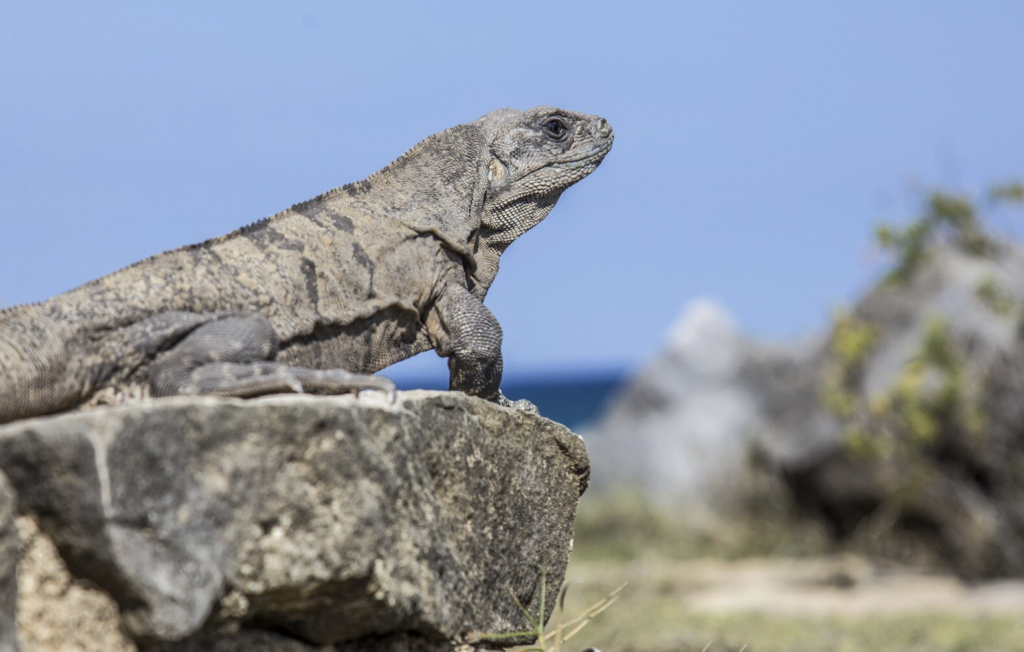
The Galapagos is famous for wildlife that evolved with no fear of humans — you can observe animals at extremely close range. Highlights include Galapagos sea lions (on almost every beach), blue-footed boobies, marine iguanas, Galapagos penguins, giant tortoises, frigatebirds, Galapagos hawks and Darwin’s finches. In the water: sea turtles, reef sharks, hammerhead sharks, manta rays and whale sharks (in season).
Q: Is Ecuador safe to travel in 2026?
Ecuador’s safety situation improved in 2025–2026 following government security operations. Quito, Cuenca, Baños and the Galapagos remain safe and popular with international tourists. Exercise standard urban precautions in major cities — use app-based transport at night, avoid displaying expensive cameras and phones in crowded areas. The Galapagos and Andes trekking regions are considered very safe.
Q: Do I need yellow fever vaccination for Ecuador?
A Yellow Fever vaccination certificate is required for entry if you are arriving from certain yellow fever endemic countries. If you plan to visit the Amazon (Oriente) region, vaccination is strongly recommended regardless. The CDC also recommends being up to date on routine vaccines, Hepatitis A and Typhoid. Consult a travel medicine specialist at least 4–6 weeks before departure.
Q: What language is spoken in Ecuador?
Spanish is the official language. In the Andes highlands and Amazon, Kichwa (Quechua) is widely spoken among indigenous communities. English is spoken at most Galapagos hotels, cruise ships and Quito tourist areas. Outside these zones, Spanish is necessary — download Google Translate with Spanish offline before you travel.
Q: Can I combine Ecuador with Peru or Colombia?
Absolutely — and we highly recommend it. The classic Andes circuit combines Ecuador (Quito + Galapagos) with Peru (Cusco + Machu Picchu) and optionally Bolivia (La Paz + Uyuni). Colombia (Bogotá + Medellín) is a natural addition from Ecuador’s northern border. Budget 3–4 weeks for a comprehensive circuit. Internal flights between capitals are affordable and the connections are frequent.
Final Thoughts: Ecuador Rewards the Curious Traveller
There is a particular kind of wonder that Ecuador produces — the kind that comes from standing on the equator at altitude as a condor circles overhead, from sitting perfectly still on a Galapagos beach while a sea lion pup investigates your shoes, from watching the Amazon canopy dissolve into darkness on the first night of a jungle lodge stay and realising that the sounds you are hearing belong to a world that has existed for millions of years before you arrived.
Ecuador is small enough to hold in your hands and large enough to spend a lifetime exploring. No other country in South America gives you four worlds — high-altitude Andes, Amazon rainforest, Pacific coast, and one of Earth’s last genuinely wild archipelagos — within a ten-day itinerary.
Plan carefully. Book your Galapagos flights and the national park fee budget early. Get travel insurance that actually covers remote environments. And leave more time than you think you need — Ecuador has a way of changing your plans, and the changes are always worth it.
Ready to start planning? Visit our Start Here page for expert guides across Ecuador, Peru, Bolivia, Colombia and the full Andes circuit.