

The Galapagos Islands sit 1,000 kilometres off the coast of Ecuador in the Pacific Ocean — and they are, without exaggeration, unlike anywhere else on Earth. Darwin visited in 1835 and it changed biology forever. The reason is still obvious the moment you land: the animals here have no fear of humans. Sea lions sleep on benches. Marine iguanas ignore you at point-blank range. Blue-footed boobies perform their mating dance three feet away from your camera. Wildlife encounters that would require days of patience in the Amazon happen here within the first 30 minutes of arriving.
But the Galapagos are also expensive, logistically complex, and require more planning than any other destination in South America. This 2026 guide breaks down everything: which islands are worth your time, how much the trip actually costs, how to choose between a liveaboard and day tours, and what to pack for one of the most demanding environments in the world. If you’re starting your Ecuador trip research, our Quito Travel Guide 2026 covers the mainland capital where most Galapagos flights connect.
Galapagos Islands Quick Facts (2026)
| Detail | Info |
|---|---|
| Location | Ecuador, 1,000 km west of mainland in Pacific Ocean |
| Total islands | 13 major + 6 smaller + 107 islets/rocks |
| Main tourist islands | Santa Cruz, Isabela, San Cristóbal, Fernandina |
| Entry fees (2026) | $20 Transit Control Card + $200 National Park Fee |
| Flights to Galapagos | From Quito (UIO) or Guayaquil (GYE) to Baltra (GPS) or San Cristóbal (SCY) |
| Flight time from Quito | ~3 hours (via Guayaquil) |
| Best time to visit | June–December (drier, cooler, better wildlife) |
| Average water temp | 20–28°C depending on season and island |
| Currency | US Dollar (Ecuador uses USD) |
| Recommended stay | 7–14 days for a comprehensive experience |
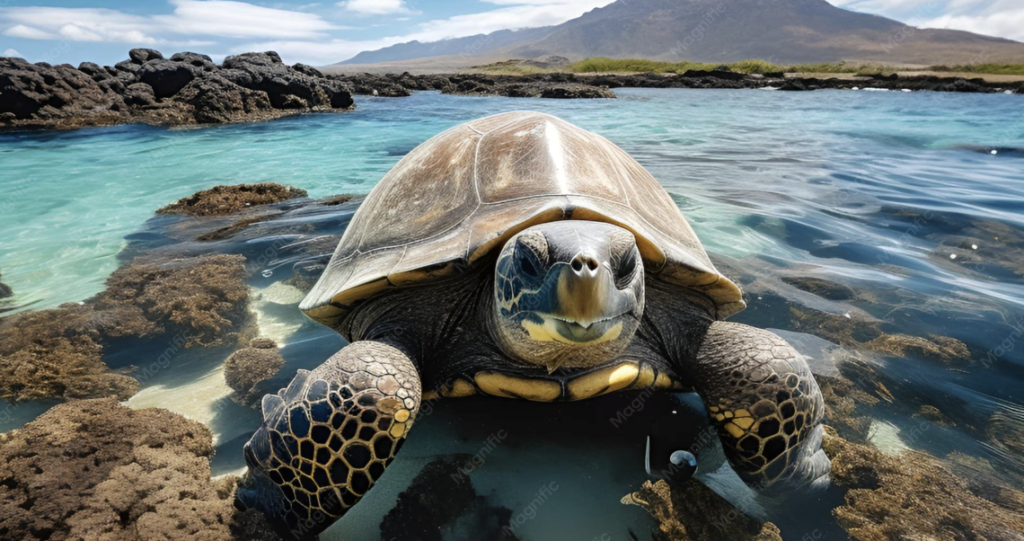
How to Get to the Galapagos Islands
Flights
All flights to the Galapagos depart from either Quito (UIO) or Guayaquil (GYE). Guayaquil is closer (~3 hours flight) and fares from Guayaquil are generally cheaper. Most travellers from Quito connect through Guayaquil anyway — there are no direct Quito–Galapagos flights.
Two airports serve the islands:
- Baltra Airport (GPS) — serves Santa Cruz Island (main tourist hub)
- San Cristóbal Airport (SCY) — serves the eastern islands
Airlines: LATAM and Avianca are the main carriers. Round-trip fares run $300–$500 from mainland Ecuador. Book directly with the airlines — Galapagos flights don’t appear reliably on all aggregators.
✈️ Find flights to the Galapagos — Compare fares and find the best connections from Quito or Guayaquil. Search flights on Skyscanner →
Entry Fees: What You’ll Pay at the Airport
Two mandatory fees hit you before you even leave the airport:
- Transit Control Card (TCT): $20 — paid at the mainland airport before boarding your Galapagos flight. Cash or card accepted.
- Galapagos National Park Entrance Fee: $200 — paid on arrival at Baltra or San Cristóbal Airport. Cash (USD) strongly preferred; card acceptance is unreliable.
Bring $220 in cash for airport entry fees. Do not assume the card reader will work.
Which Galapagos Islands to Visit
Santa Cruz — The Main Hub
Santa Cruz is the most visited island and the best base for day tours. The main town, Puerto Ayora, has the widest range of accommodation, restaurants, and tour operators. From here you can reach most other islands by speedboat day trip.
Must-see on Santa Cruz:
- Charles Darwin Research Station — meet the giant tortoises (free, walkable from town)
- Tortuga Bay — pristine beach with marine iguanas and white-tip sharks, 45-minute walk from town
- El Chato Tortoise Reserve — giant tortoises in the wild, in the highlands
- Garrapatero Beach — less crowded than Tortuga Bay, excellent snorkelling
Isabela — Best for Snorkelling and Volcanoes
Isabela is the largest island in the archipelago and arguably the most spectacular. The highlight: Los Tuneles, a network of lava tunnels and arches in shallow water where you snorkel directly among sea turtles, sharks, rays, and penguins. It’s the single best snorkelling experience in the Galapagos. Sierra Negra volcano — one of the world’s most active — offers a dramatic hike to the rim.
2 nights on Isabela is the sweet spot. The town (Puerto Villamil) is quieter than Puerto Ayora with excellent seafood and far fewer crowds.
San Cristóbal — Best for Beaches and Surf
San Cristóbal is the capital of the Galapagos province and the closest island to mainland Ecuador. It’s the most accessible entry point for eastern island wildlife, including Española. The snorkelling at Kicker Rock (two towering basalt columns rising from the ocean) is world-class — hammerhead sharks, rays, and sea lions in one site.
Española — Best Wildlife Island (Day Tour)
Española is the southernmost island and the best for wildlife density on a day tour. Waved albatrosses nest here from April to December (the only nesting site in the world). Nazca boobies, marine iguanas with distinctive red colouring, sea lions, and Española mockingbirds make this the most memorable single-day wildlife experience in the archipelago. It’s reached from San Cristóbal (~2.5 hours each way).
North Seymour — Best Wildlife Near Santa Cruz
A small, flat island 30 minutes from Baltra. Dense wildlife: frigatebirds with inflated red throat pouches performing mating displays, blue-footed boobies, sea lions, and land iguanas. High wildlife-to-effort ratio — excellent for a half-day from Santa Cruz.
Fernandina — Remote, Pristine, Liveaboard Only
The youngest and most volcanically active island in the archipelago. Home to the world’s largest colony of marine iguanas, flightless cormorants, Galapagos penguins, and sea lions. Virtually no human presence. Only accessible on liveaboard cruises.
For a detailed tour comparison by island — including specific Civitatis tour options with prices — see our Best Galapagos Tours 2026 guide.
Wildlife: What You’ll Actually See
The Galapagos calendar matters. Different wildlife is present at different times of year on different islands.
Year-Round Wildlife
- Galapagos sea lions — on every island, completely unafraid, often asleep on benches and boat docks
- Marine iguanas — unique to the Galapagos, they swim and feed underwater on algae
- Blue-footed boobies — found year-round, most active mating displays March–June
- Giant tortoises — Santa Cruz highlands and Isabela breeding centres
- Green sea turtles — snorkelling at nearly every island
- Galapagos sharks, white-tip sharks — common at all snorkelling sites
- Galapagos penguins — Isabela and Bartolemé; the world’s only tropical penguin species
Seasonal Wildlife
- Waved albatross (Española): April–December
- Baby sea lions: December–February
- Whale sharks: June–November (Darwin and Wolf Islands, liveaboard only)
- Hammerhead sharks (Kicker Rock): Best June–November
- Flamingos (Isabela): Present year-round but most visible in dry season
Best Time to Visit the Galapagos
June–November: Cool & Dry Season (Best for Wildlife)
Water temperatures drop to 20–22°C (brought by the Humboldt Current), which sounds cold but dramatically increases marine wildlife density. More fish means more sea lions, sharks, and penguins. The surface is choppier — bring seasickness medication if you’re prone. Best months for: hammerhead sharks, whale sharks (June–October at Darwin Island), waved albatross on Española, marine iguanas feeding.
December–May: Warm & Wet Season
Water temperature rises to 25–28°C — warmer and more comfortable for snorkelling. Calmer seas. Baby sea lions born December–February (one of the most memorable wildlife experiences in the archipelago). Blue-footed boobies are most active in mating displays. Downside: visibility slightly lower underwater, more rain.
Best overall month: October or November — decent weather, excellent wildlife diversity, fewer crowds than peak (July–August).
Galapagos Cost Breakdown (2026)
The Galapagos is not a budget destination. Here’s what a realistic 8-day trip costs per person:
| Expense | Budget | Mid-Range | Splurge |
|---|---|---|---|
| Flights (round-trip from Guayaquil) | $350 | $400 | $450 |
| Entry fees (TCT + NP) | $220 | $220 | $220 |
| Accommodation (7 nights) | $350 | $700 | $1,500+ |
| Food (7 days) | $200 | $350 | $600+ |
| Day tours (4-5 tours) | $400 | $700 | $1,200 |
| Inter-island transfers | $80 | $80 | $80 |
| Total per person (approx.) | $1,600 | $2,450 | $4,050+ |
A liveaboard replaces accommodation + day tours: budget liveaboards start at $2,000/person for 5 nights; luxury runs $8,000+. See the Best Galapagos Tours guide for the full liveaboard vs. day-tour comparison.
🏨 Hotels in the Galapagos — From budget guesthouses in Puerto Ayora to eco-lodges on Isabela. Browse Galapagos hotels on Booking.com →
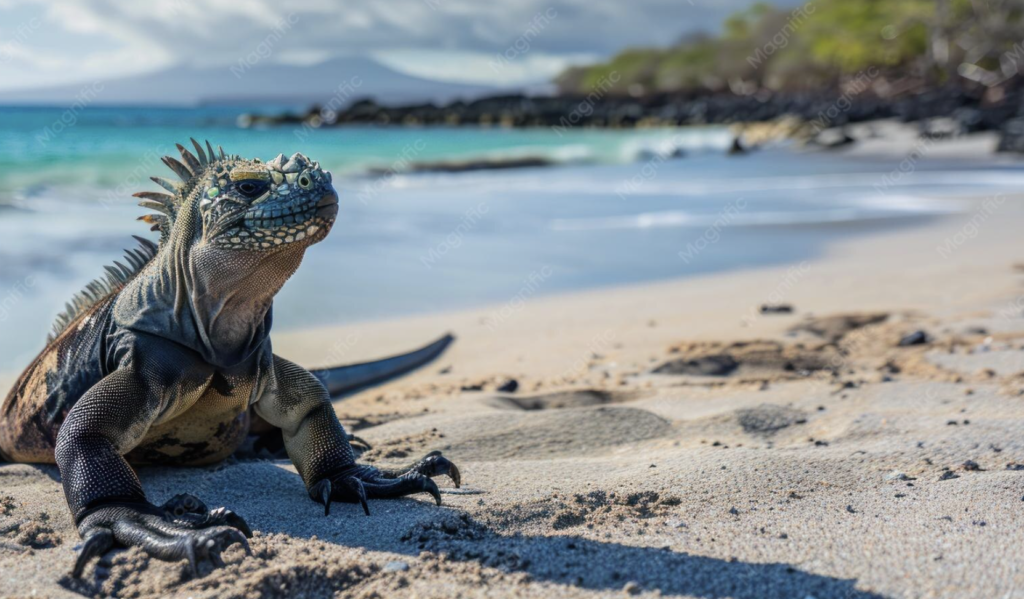
Galapagos Packing List
The Galapagos is an unusual packing challenge: you need snorkelling gear for crystal clear tropical water AND rain gear for the cool/wet season. The salt spray and constant sun are also hard on electronics and skin. Here’s what actually matters:
Snorkelling Set
The snorkelling in the Galapagos is among the best in the world — sea lions, sea turtles, rays, sharks, and penguins, all at relatively shallow depths. Tour operators provide basic gear, but quality varies widely. Bringing your own mask ensures a proper seal and better visibility. A full-foot fin is more comfortable than the strap-on fins rental shops typically provide.
Wetsuit (3mm)
In June–November (cool season), water temperatures drop to 20–22°C. A 3mm wetsuit is the difference between a comfortable 45-minute snorkel and cutting your time short because you’re cold. Most operators provide wetsuits but fit is often poor. If you’re visiting in cool season, bring or hire your own 3mm suit.
Waterproof Camera
The sea lions will swim directly up to your camera underwater. This is not hyperbole — it happens on virtually every snorkel in the Galapagos. An underwater camera or waterproof housing is the single most impactful photography upgrade you can make for this trip. GoPro Hero is the standard; a waterproof compact like the Olympus Tough is excellent for stills.
Dry Bag
Day tours involve wet panga (zodiac) landings and open-boat travel in choppy seas. A dry bag protects your camera, passport copy, and phone from spray. 10–20L is the right size for a day tour. A smaller 5L waterproof phone case is a minimum if you’re not bringing a full dry bag.
Reef-Safe Sunscreen
The Galapagos National Park prohibits chemical sunscreens (oxybenzone, octinoxate) which damage coral and marine life. You will be turned back at the tour boat if rangers see non-reef-safe sunscreen. Only physical sunscreens with zinc oxide or titanium dioxide are permitted. SPF 50+ minimum — the equatorial sun at sea level is intense.
→ Reef-Safe Sunscreen SPF 50+ on Amazon
Quick-Dry Clothing
You’ll be alternating between snorkelling, island landings (often wet), boat travel, and town exploration. Quick-dry shirts, board shorts, and light trousers that you can wear wet and have dry in 30 minutes are essential. Heavy cotton has no place in the Galapagos. Light colours also help with the heat.
→ Quick-Dry Travel Clothing on Amazon
Sandals (Water-Friendly)
Panga landings on beaches mean wet feet. A pair of water-sandals or Tevas that you can wear into the water and walk in without discomfort handle both beach landings and town exploration. Chacos or Tevas are the two standard recommendations. Flip-flops are not appropriate — the volcanic terrain is too uneven.
Binoculars
For birdwatching — frigatebirds, albatrosses, blue-footed boobies at distance, red-billed tropicbirds — binoculars extend the experience beyond what your eyes or camera zoom can reach. Compact 8×32 binoculars are the right balance of power and portability for a Galapagos trip.
→ Compact Binoculars on Amazon
High-Capacity Power Bank
Liveaboard cabins often have limited charging outlets. Day tours have none. A 20,000mAh power bank charges a phone 4–5 times and a camera battery 2–3 times — essential for multi-day island hopping where you’re shooting wildlife all day.
→ High-Capacity Power Bank on Amazon
Packing Cubes
Liveaboard cabins are small. Day-tour logistics mean you’re moving between hotels every 2–3 nights. Packing cubes compress clothing into organised compartments and let you access what you need without unpacking everything. The Galapagos is also hard on bags — the salt air, sand, and wet gear benefit from systematic organisation.
→ Travel Packing Cubes on Amazon
🛡️ Travel Insurance for the Galapagos — Ensure your policy covers water activities, wildlife encounters, and emergency medical evacuation from a remote archipelago. Get covered with SafetyWing →
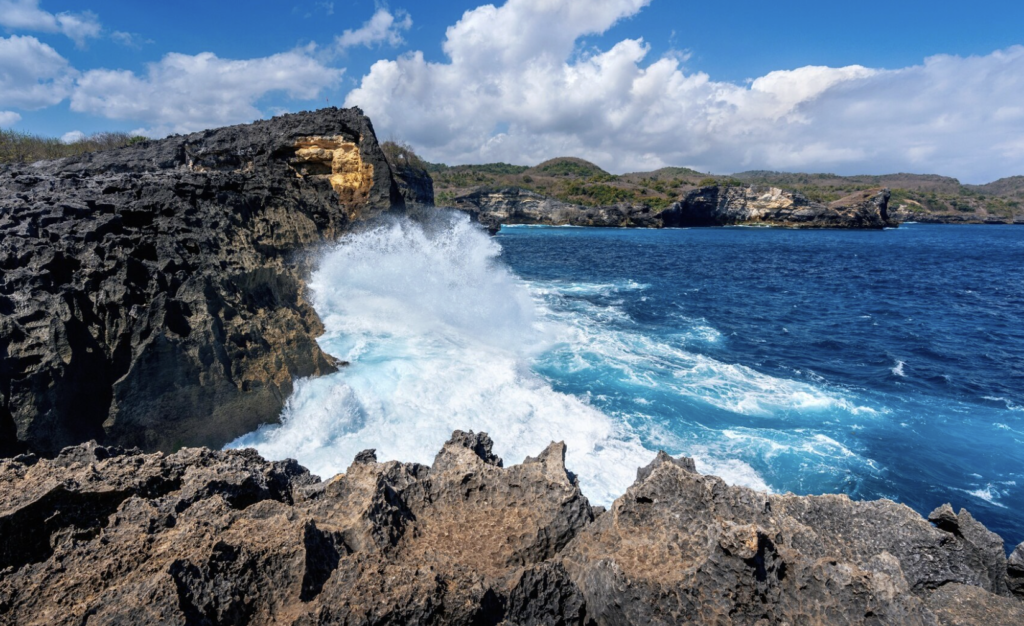
Galapagos Rules Every Visitor Must Know
- Stay on marked paths. Leaving the designated visitor paths is strictly prohibited and carries a fine. The island ecosystems are fragile.
- Never touch the wildlife. This means sea lions too — even though they may approach you. The rule protects both them and you (sea lion bites are not uncommon when people crowd them).
- No food outside designated areas. Bringing invasive species — including seeds in shoe soles — is taken seriously. Bags are inspected on arrival.
- Reef-safe sunscreen only. Chemical sunscreens are prohibited.
- No flash photography at night. Particularly important for sea turtles nesting on beaches.
- Maintain 2-metre distance from wildlife. They come to you — don’t go to them.
Insider Tips
- Arrive at Kicker Rock early. The hammerhead sharks are most active in the first hour of the tour. Choose an operator whose boat leaves earliest from San Cristóbal.
- Spend 2 nights on Isabela. Most visitors do a day trip. Staying overnight means you can be at Los Tuneles for the first morning tour (calmer water, better wildlife activity) and do Sierra Negra the following day without rushing.
- The ferry between Santa Cruz and Isabela is the adventure. 2–4 hours of open Pacific water, often rough. Sit at the stern, take seasickness medication the night before if you’re prone, and you’ll be fine.
- Book North Seymour as an afternoon tour. Morning light is harsh for photography; afternoon light on the frigatebirds’ red throat pouches is dramatic.
- Bring USD cash. Many restaurants and smaller tour operators in Puerto Villamil (Isabela) and Puerto Baquerizo Moreno (San Cristóbal) don’t take cards reliably. $300–$400 cash covers most contingencies.
For the broader Ecuador picture — Quito, the Amazon, and how the Galapagos fits into a 2-3 week Ecuador itinerary — our full Ecuador Travel Guide has the complete regional breakdown.
🗺️ Book Galapagos Tours — Los Tuneles snorkelling, Sierra Negra volcano hike, North Seymour wildlife tours, and multi-day island packages. Browse Galapagos tours on Civitatis →
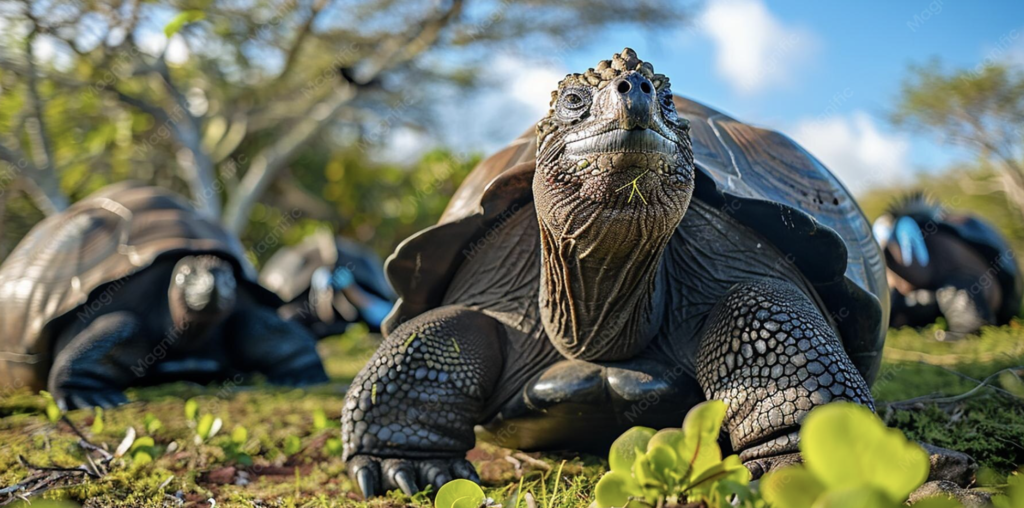
Frequently Asked Questions — Galapagos Islands 2026
How much does it cost to visit the Galapagos Islands?
Budget travellers spend approximately $1,600 per person for an 8-day trip including flights, entry fees, accommodation, food, and 4–5 day tours. Mid-range travellers spend $2,400–$2,800. A liveaboard cruise typically costs $2,000–$8,000 per person for 5–8 nights, replacing accommodation and day tours.
How do I get to the Galapagos from Quito?
Fly from Quito (or Guayaquil) with LATAM or Avianca to Baltra Airport (GPS) or San Cristóbal Airport (SCY). The flight takes approximately 3 hours from Quito via Guayaquil. Round-trip fares typically run $300–$500 from mainland Ecuador.
What is the best island to base yourself in the Galapagos?
Santa Cruz (Puerto Ayora) is the best base for most travellers — widest accommodation choice, most day tours depart from here, and it’s the most accessible. For snorkelling and volcano hiking, Isabela is the second-best base. San Cristóbal is best for accessing Española and Kicker Rock.
Is a liveaboard cruise worth the cost?
For travellers with 10+ days and a budget of $4,000+: yes. Liveaboards access remote islands (Española, Genovesa, Fernandina, Darwin, Wolf) that are unreachable on day tours. The wildlife density and exclusivity is unmatched. For everyone else, a smart day-tour itinerary delivers excellent results at a fraction of the cost.
What wildlife will I see in the Galapagos?
Year-round: sea lions, marine iguanas, giant tortoises, blue-footed boobies, green sea turtles, Galapagos sharks, penguins. Seasonal highlights include waved albatrosses (April–December on Española), hammerhead sharks (June–November), baby sea lions (December–February), and whale sharks at Darwin Island (June–October).
What is the best time to visit the Galapagos?
June–November is considered the best time for wildlife diversity, with cooler waters bringing more marine species. December–May has warmer, calmer water — better for swimming and snorkelling comfort, and best for baby sea lions and mating boobies. October–November is the ideal balance of weather, wildlife, and manageable crowds.
Do I need a guide to visit the Galapagos?
Inside the National Park (which covers most visitor sites), a licensed guide is legally required for most areas. Day tours include a certified naturalist guide. Independent exploration is permitted in the towns and some beaches, but the best wildlife sites require a guided tour.
Can I snorkel without a wetsuit in the Galapagos?
In the warm season (January–May), 25–28°C water is comfortable without a wetsuit for most people. In cool season (June–November), water drops to 20–22°C — a 3mm wetsuit is strongly recommended for snorkels longer than 20 minutes. Tour operators provide wetsuits, but fit is often inconsistent.
Is reef-safe sunscreen required in the Galapagos?
Yes. The Galapagos National Park prohibits chemical sunscreens (oxybenzone, octinoxate) which damage coral ecosystems. Bring sunscreen containing only zinc oxide or titanium dioxide as active ingredients. Rangers will check and confiscate non-compliant sunscreen at tour departure points.
How many days should I spend in the Galapagos?
A minimum of 5–7 days allows you to cover the main highlights: Santa Cruz, Isabela, and 3–4 day tours. 10–14 days lets you add San Cristóbal, Española, North Seymour, and Bartolemé without rushing. First-time visitors who stay fewer than 5 days consistently wish they’d stayed longer.
Disclosure: Some links in this article are affiliate links. If you book through them, Uncover the Andes earns a small commission at no extra cost to you. We only recommend products and services we genuinely use and trust.