Disclosure: this guide contains affiliate links. If you book or buy through them we may earn a small commission at no extra cost to you, which helps keep Uncover the Andes independent.
Most travelers treat Santiago as a layover. They land at dawn, change planes for Patagonia or the Atacama and leave without seeing more than the airport. That is a mistake. Chile’s capital sits in a bowl beneath snow-capped Andes peaks that rise above 5,000 meters, it has some of the best food and wine in South America, and within two hours you can be walking the painted hills of Valparaíso, tasting Carménère in the Maipo Valley or hiking to a turquoise reservoir in the Cajón del Maipo.
This guide shows you how to make the most of two to four days in Santiago in 2026. You will find the best neighborhoods to stay in, the sights that are worth your time, current prices for the main attractions, how to get in from the airport, how the metro works, the best day trips including Valparaíso, safety advice and a realistic budget, plus answers to the ten questions travelers ask most. If you are still planning the wider trip, start with our Chile travel guide and the Chile entry requirements for 2026.
Santiago at a Glance
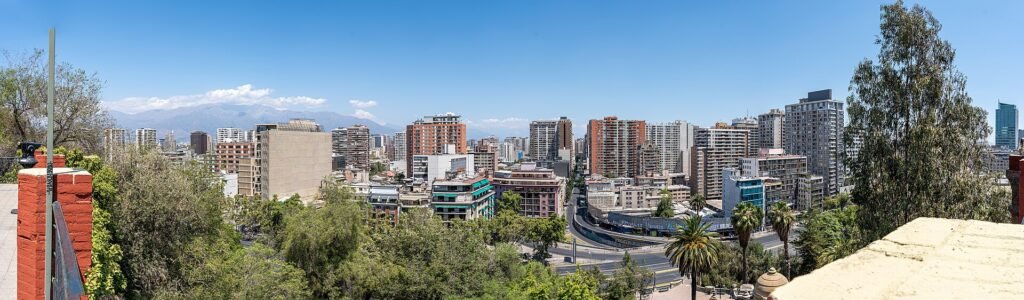
Greater Santiago is home to around seven million people, roughly 40 percent of Chile’s population. The city lies at about 570 meters above sea level, so altitude is not a concern, but the Andes are always present on the eastern horizon, especially on clear winter mornings after rain. The Mapocho River runs through the city from east to west, and most of what visitors need lies along a single corridor from the historic center through Providencia to the business district of Las Condes, which locals jokingly call Sanhattan.
| Key fact | Details |
|---|---|
| Currency | Chilean peso (CLP). Cards accepted almost everywhere |
| Language | Spanish, with fast Chilean slang; English common in tourism |
| Airport | Arturo Merino Benítez (SCL), about 17 km west of the center |
| Plugs | Type C and Type L, 220 V |
| Best months | September to November and March to May |
| Time needed | 2 to 4 days including one or two day trips |
| Tap water | Safe to drink, though high in minerals |
Best Neighborhoods to Stay in Santiago
Where you stay shapes your experience of Santiago more than in most capitals, because the neighborhoods are very different and the city is large. For a short visit, stay close to Metro Line 1 so you can reach the center, Providencia and the airport bus easily.
Lastarria and Bellas Artes
The most charming base for first-time visitors. Cobbled streets, independent cafés, bookshops and museums sit at the foot of Cerro Santa Lucía, and you can walk to the Plaza de Armas in fifteen minutes. It is lively in the evenings, so ask for a room away from the street if you are a light sleeper.
Providencia
Leafy, safe and practical. Providencia has a good range of mid-range hotels and apartments, many restaurants and direct metro access. It is a good compromise between the historic center and the modern east side, and it is where many business travelers and families stay.
Bellavista
The bohemian neighborhood across the river, at the foot of Cerro San Cristóbal. It is home to Pablo Neruda’s house La Chascona, colorful street art and the city’s busiest nightlife. Great for younger travelers who want bars on the doorstep, less so for anyone who wants quiet nights.
Las Condes and Vitacura
Modern, upscale and very safe, with international hotel chains, the Costanera Center mall and Sky Costanera. It is a comfortable base for families and anyone who wants polished service, but it is farther from the historic sights.
Barrio Italia
A creative neighborhood of old houses converted into design shops, galleries and cafés. There are fewer hotels, but excellent apartments, and it is one of the nicest places in the city for an unhurried weekend afternoon.
WHERE TO STAY IN SANTIAGO
Pick the right barrio from day one
From boutique hotels in Lastarria to apartments in Providencia, compare prices and real reviews in every neighborhood and book with free cancellation on most rooms.
✓ Free cancellation on most stays · ★ Verified guest reviews · ✓ Apartments and hotels
Best Things to Do in Santiago
Ride up Cerro San Cristóbal
The Parque Metropolitano is one of the largest urban parks in Latin America, and its highest point, Cerro San Cristóbal, is crowned by a white statue of the Virgin Mary overlooking the city. You can walk or cycle up the paved road, ride the historic funicular from Bellavista, which has climbed the hill since 1925, or take the modern teleférico (cable car) from the Providencia side. Recent published fares start at roughly CLP 3,800 for a cable car and funicular combination and around CLP 8,000 for the all-inclusive park combo, with service Tuesday to Sunday from 10:00 until early evening. Go on a clear afternoon and stay for sunset over the city.
Climb Cerro Santa Lucía
This small rocky hill in the center is where Pedro de Valdivia founded Santiago in 1541. Today it is a beautifully landscaped park with fountains, terraces, a small castle and a viewpoint at the top. Entry is free, though you may be asked to register with your passport at the gate. A cannon is fired at noon most days, which surprises anyone who has not been warned.
Explore the historic center
Start at the Plaza de Armas, flanked by the Metropolitan Cathedral and the Central Post Office, then walk to the Palacio de La Moneda, the presidential palace that was bombed during the 1973 coup. The changing of the guard takes place every other day; check the current schedule. Beneath the palace square, the Centro Cultural La Moneda hosts changing exhibitions.
Do not miss the Museo Chileno de Arte Precolombino, one of the finest collections of pre-Columbian art on the continent, with textiles, ceramics and Andean objects that bring the region’s history to life. It is an ideal first stop before traveling to the Atacama or Peru.
Visit the Museum of Memory and Human Rights
The Museo de la Memoria y los Derechos Humanos documents the human rights violations of the 1973 to 1990 military dictatorship. It is a powerful and sobering visit, essential for understanding modern Chile. Entry is free, and audio guides are available in English.
Eat your way through the markets
The Mercado Central, with its wrought-iron roof shipped from England in the 19th century, is famous for seafood restaurants serving caldillo de congrio and machas a la parmesana. Across the river, La Vega Central is where locals actually shop, with piles of avocados, chirimoyas and Chilean fruit, plus cheap lunch counters known as cocinerías. Try a completo (a loaded hot dog), an empanada de pino and a mote con huesillo, the classic summer drink of peach and husked wheat.
Go up Sky Costanera
The observation deck on floors 61 and 62 of the Gran Torre Costanera sits about 300 meters above the city, the highest viewpoint in South America. Published 2026 prices are CLP 23,000 for adults and CLP 8,000 for children aged 5 to 12, with daily opening from 10:00 to 22:00. Sunset on a clear day, when the Andes turn pink, is the best time to go.
See La Chascona and Bellavista
Pablo Neruda built La Chascona for his lover, and later wife, Matilde Urrutia. The house is full of the poet’s collections and odd architectural touches inspired by ships. Visits include an audio guide. Afterwards, wander the streets of Bellavista for murals and an early dinner at Patio Bellavista.
| Attraction | Approx. price (2026) | Hours | Tip |
|---|---|---|---|
| Sky Costanera | CLP 23,000 adult, CLP 8,000 child | Daily 10:00-22:00 | Go for sunset on a clear day |
| Teleférico and funicular (San Cristóbal) | From approx. CLP 3,800; park combo from CLP 8,000 | Tue-Sun approx. 10:00-19:45 | Closed Mondays for maintenance |
| Cerro Santa Lucía | Free | Daily, daytime | Bring ID to register |
| Museo de la Memoria | Free | Tue-Sun | Allow two hours |
| Museo Chileno de Arte Precolombino | Small fee for foreigners | Tue-Sun | Excellent English labels |
| La Chascona (Neruda house) | Paid entry with audio guide | Tue-Sun | Book ahead in summer |
TOURS FROM SANTIAGO
Valparaíso, vineyards and the Andes
Day trips to Valparaíso and Viña del Mar, Maipo and Casablanca wine tours and Cajón del Maipo excursions, many with hotel pick-up and free cancellation up to 24 hours before.
✓ Free cancellation on most tours · ★ Traveler reviews · ✓ Guides in English and Spanish
Best Day Trips from Santiago
Valparaíso and Viña del Mar
Valparaíso is the day trip almost everyone takes, and for good reason. Chile’s historic port climbs dozens of hills above the Pacific, and its tangle of stairways, painted houses, murals and century-old funicular elevators earned the historic quarter a place on the UNESCO World Heritage List in 2003. Spend your time on Cerro Concepción and Cerro Alegre, ride at least one ascensor, visit La Sebastiana (another Neruda house) and eat seafood with a view of the bay.
Buses leave the Pajaritos and Alameda terminals every few minutes and take about 1 hour 30 minutes to 1 hour 45 minutes. Fares vary by company and time but usually fall roughly between CLP 4,000 and 9,000 each way. Next door, Viña del Mar is the polished beach resort with gardens, a casino and wide sandy beaches; you can link the two by local metro train in about 20 minutes.
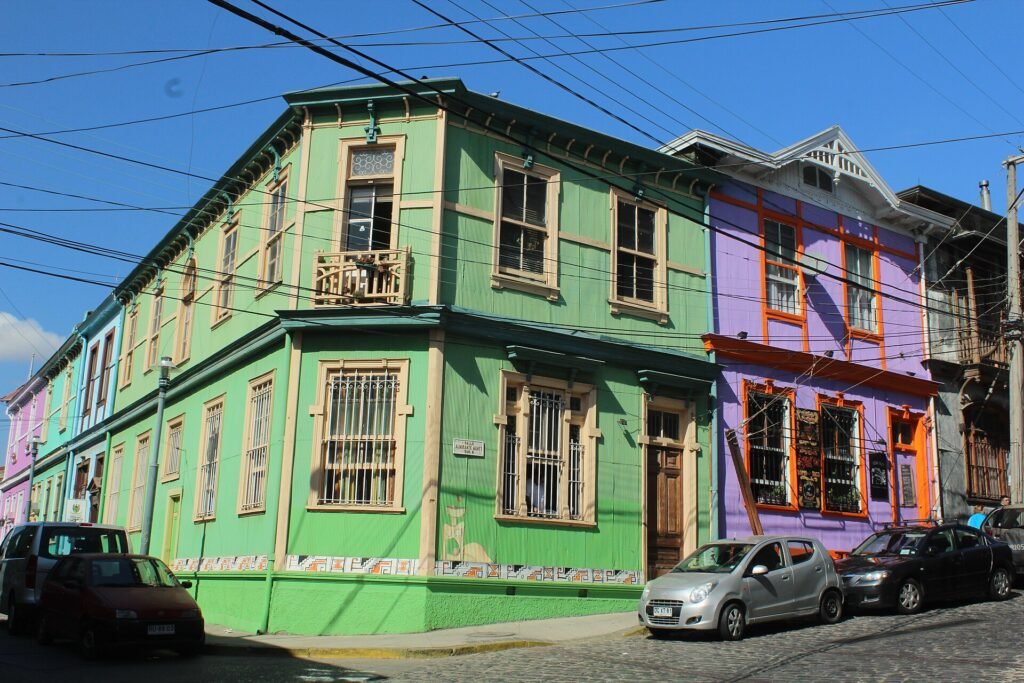
Valparaíso has a rougher edge than Santiago. Keep phones out of sight around the port and lower streets, avoid empty stairways after dark and stay in the tourist hills in the evening. In the daytime on Cerro Alegre and Concepción, it is a relaxed and wonderful place to wander.
Maipo Valley wineries
Chile’s oldest wine region begins at the edge of the city. Concha y Toro in Pirque is reachable by metro and a short taxi ride, while smaller boutique wineries such as those around Buin and Alto Jahuel offer more personal tastings. Maipo is known for Cabernet Sauvignon and for Carménère, the grape that vanished from Bordeaux and was rediscovered in Chile in the 1990s.
Casablanca Valley
On the road to Valparaíso, the cool Casablanca Valley produces crisp Sauvignon Blanc and Chardonnay. Many tours combine two wineries in Casablanca with an afternoon in Valparaíso, which is an efficient way to see both in one day.
Cajón del Maipo and Embalse El Yeso
An hour southeast of Santiago, this canyon cuts deep into the Andes. The highlight is Embalse El Yeso, a turquoise reservoir at about 2,500 meters surrounded by bare mountains. The access road is gravel and can close in winter, so most people join a tour. Other options include rafting on the Maipo River, hot springs at Termas Valle de Colina and hikes in the Monumento Natural El Morado to a hanging glacier.
Ski resorts in winter
From June to September, Valle Nevado, La Parva and El Colorado are less than two hours from the city, and Portillo, one of the most famous ski resorts in the Southern Hemisphere, lies near the Argentine border on the road to Mendoza. If you are crossing the Andes by bus, the route over the Cristo Redentor pass to Mendoza is one of the most spectacular road journeys in South America. Our Mendoza wine tours guide covers the other side.
| Day trip | Distance | Travel time | Best for | Independent or tour |
|---|---|---|---|---|
| Valparaíso and Viña del Mar | about 120 km | 1.5-2 h by bus | Street art, history, coast | Easy independently |
| Maipo Valley wineries | 25-45 km | 45 min-1 h | Red wine, Carménère | Either |
| Casablanca Valley | about 80 km | 1 h | White wine, combo with Valparaíso | Tour is easiest |
| Cajón del Maipo and El Yeso | about 90 km | 2-2.5 h | Andes scenery, hiking | Tour recommended |
| Valle Nevado and Farellones | about 60 km | 1.5-2 h | Skiing June-September | Shuttle or tour |
| Isla Negra (Neruda house) | about 115 km | 2 h | Poetry, coastline | Bus or tour |
Getting Around Santiago
From the airport to the city
Santiago’s airport is about 17 km from the center. The cheapest option is the airport buses (Centropuerto and Turbus), which run frequently to Los Héroes and Pajaritos metro stations for a few thousand pesos. Shared vans and official taxis from the counters inside arrivals cost more but drop you at your hotel. Ride-hailing apps operate in Santiago too. Avoid the unofficial drivers who approach you inside the terminal.
Metro and buses
The Santiago Metro is clean, efficient and cheap, with fares that vary slightly by time of day and are lowest early in the morning and late in the evening. Buy a Bip! card at any station, or check whether contactless bank card payment is accepted on your route. Metro Line 1 links most tourist areas. Buses run on the same card.
FLIGHTS FROM SANTIAGO
Santiago is your gateway to all of Chile
From Santiago you can fly to Calama for the Atacama, Punta Arenas or Puerto Natales for Patagonia, and Easter Island. Compare all airlines and set price alerts for the cheapest dates.
✓ Free price alerts · ✈ All airlines in one search · ✓ No hidden fees
Best Time to Visit Santiago
Santiago has a Mediterranean climate with hot, dry summers and cool, damp winters. Spring (September to November) and autumn (March to May) are the best seasons: comfortable temperatures, clearer skies and vineyards either blooming or harvesting. Summer (December to February) is hot, often above 30 °C, and many locals leave for the coast in February, which makes the city quieter but some restaurants close. Winter (June to August) brings cold mornings, occasional rain and smog that can hide the mountains for days, though it is ski season and the views after a rainstorm are spectacular.
If you are passing through on the way to Patagonia, remember that the best months for the south (November to March) are the hottest in Santiago, so plan city sightseeing for mornings and evenings.
How Much Does Santiago Cost? A 2026 Budget
Chile is one of the more expensive countries in South America, and Santiago prices are closer to Southern Europe than to Bolivia or Peru. Supermarkets and set lunch menus, called menú del día or almuerzo, are good ways to save.
| Expense | Budget | Mid-range | Comfort |
|---|---|---|---|
| Accommodation per night | Hostel dorm approx. USD 18-30 | 3-star hotel approx. USD 70-120 | Boutique or 5-star approx. USD 180+ |
| Meals per day | Menú del día and markets approx. USD 20-30 | Restaurants approx. USD 45-70 | Fine dining approx. USD 100+ |
| Transport per day | Metro approx. USD 3-5 | Metro and rides approx. USD 10-20 | Private driver approx. USD 80+ |
| Activities per day | Free museums and hills | Sky Costanera, wine tasting approx. USD 30-60 | Private wine tour approx. USD 150+ |
| Daily total | approx. USD 45-70 | approx. USD 140-230 | approx. USD 350+ |
Is Santiago Safe for Tourists?
Santiago is generally safe for visitors who use normal big-city sense, but petty crime has increased in recent years and phone snatching is the most common problem. Thieves on foot or on bikes grab phones from people using them on the sidewalk, especially in the center and around Plaza de Armas, Bellavista and the bus terminals.
- Keep your phone in your pocket on busy streets and step inside a shop to check maps.
- Use a crossbody bag with a zip, and never leave bags on the back of chairs at outdoor cafés.
- Use official taxis or ride-hailing apps at night.
- Avoid isolated areas of Cerro San Cristóbal and Cerro Santa Lucía after dark.
- Protests occasionally take place around Plaza Baquedano (Plaza Italia); keep away from demonstrations.
- Chile is seismically active. Note the evacuation routes in your hotel and follow local instructions if a strong earthquake occurs.
TRAVEL INSURANCE FOR CHILE
Stolen phone or sudden sickness?
Chilean private clinics are excellent but expensive. SafetyWing covers emergency medical care across South America with flexible plans you can start even after leaving home, ideal for long trips through Chile and its neighbors.
✓ Covers 180+ countries · ⚕ Emergency medical · ✓ Monthly plans
Sample 3-Day Santiago Itinerary
- Day 1, historic Santiago: Plaza de Armas, the Cathedral, Museo Chileno de Arte Precolombino and La Moneda in the morning. Lunch at Mercado Central, then Cerro Santa Lucía and dinner in Lastarria.
- Day 2, Valparaíso: Early bus to the coast, walk Cerro Concepción and Cerro Alegre, ride an ascensor, then sunset in Viña del Mar before returning to Santiago.
- Day 3, views and wine: Morning at the Museum of Memory, afternoon at a Maipo Valley winery, then up Cerro San Cristóbal or Sky Costanera for sunset and a final dinner in Bellavista or Barrio Italia.
With a fourth day, add Cajón del Maipo and Embalse El Yeso. From Santiago many travelers fly north to the desert, so continue with our San Pedro de Atacama travel guide, or south to the Torres del Paine W Trek.
Food and Drink You Should Try in Santiago
- Pastel de choclo: a baked corn pie filled with beef, onion, olives and egg, at its best in summer.
- Empanada de pino: the classic baked beef empanada with onion, raisins, olive and egg.
- Completo italiano: a hot dog topped with avocado, tomato and mayonnaise, the colors of the Italian flag.
- Chilean seafood: machas, locos, reineta and congrio, best eaten at the Mercado Central or on the coast.
- Pisco sour and piscola: Chile and Peru both claim pisco. In Santiago, try a pisco sour or join locals with a piscola, pisco and cola.
- Wine: Carménère and Cabernet from Maipo, and Sauvignon Blanc from Casablanca or Leyda.
✓ Guidebook we use
Lonely Planet Chile and Rapa Nui (Easter Island)
The latest edition covers Santiago neighborhood by neighborhood, plus the Atacama, the Lake District, Patagonia and Easter Island. Handy offline when you plan the rest of your Chile route.
As an Amazon Associate we earn from qualifying purchases.
Santiago Travel FAQs
How many days do you need in Santiago, Chile?
Two to three days is enough to see the historic center, the main hills and museums, plus one day trip to Valparaíso. Add a fourth day for a winery or the Cajón del Maipo.
Is Santiago worth visiting or just a layover?
It is worth at least two days. Santiago has excellent museums, food and wine, Andes views and easy day trips to Valparaíso and the vineyards, which many travelers miss by only changing planes.
What is the best area to stay in Santiago for tourists?
Lastarria is the most charming base for first-time visitors, Providencia is the most practical and safe, and Las Condes suits travelers who want modern hotels. Bellavista is best for nightlife.
How much does Sky Costanera cost in 2026?
Published 2026 prices are CLP 23,000 for adults and CLP 8,000 for children aged 5 to 12, with children under 5 free. It opens daily from 10:00 to 22:00.
How do you get from Santiago to Valparaíso?
Buses leave every few minutes from the Pajaritos and Alameda terminals and take about 1.5 to 1.75 hours. Fares usually range from about CLP 4,000 to 9,000 each way.
Is Santiago safe for tourists?
Generally yes, with normal city precautions. Phone snatching and pickpocketing are the main risks, especially in the center and Bellavista. Use official taxis or apps at night.
What is the best time of year to visit Santiago?
Spring from September to November and autumn from March to May have the most pleasant weather. Summer is hot and winter can be smoggy, though it is ski season.
Can you drink tap water in Santiago?
Yes, tap water in Santiago is treated and safe to drink, although it is high in minerals and some visitors prefer filtered or bottled water at first.
Do I need cash in Santiago?
Very little. Cards and contactless payments are accepted almost everywhere, but carry some pesos for markets, small shops and tips.
Can you ski near Santiago?
Yes. From June to September, Valle Nevado, La Parva and El Colorado are under two hours from the city, and Portillo is on the road to Mendoza near the Argentine border.
FLIGHT DELAYED? CANCELLED?
Long-haul to Santiago went wrong?
Overnight flights into Santiago often connect through the US or Europe. If yours was delayed by three hours or more, AirHelp checks whether you are entitled to up to 600 EUR per passenger.
✓ No win, no fee · ⚖ Millions of passengers helped · ✓ Free 2-minute check
Final Thoughts: Give Santiago More Than a Layover
Santiago does not have a single blockbuster sight like Machu Picchu, and that is why many travelers underrate it. Its appeal is the combination: a mountain backdrop, a strong food and wine culture, history that explains modern Chile and a coast and wine country within easy reach. Two or three well-planned days will change how you see the country.
Book your base in Lastarria or Providencia, reserve a Valparaíso or wine tour for the middle day and keep a clear afternoon for the city views. Then continue south with our Chile Patagonia travel guide, and make sure your cover is sorted with our travel insurance comparison for South America.