

If there’s one mistake that can quietly ruin your entire trip to the Andes, it’s this: not understanding how to dress properly for extreme and unpredictable weather, also the right backpack and right boots are essentials.
Many travelers think bringing a “warm jacket” is enough. It’s not.
In the Andes, temperatures can swing dramatically within hours. You might feel warm under the sun during the day and freezing cold once the wind picks up or the sun disappears behind the mountains.
That’s why experienced travelers and mountaineers follow one golden rule:
Layering is not optional—it’s survival.
Let’s break down why layering insulated clothing is absolutely critical when traveling through the Andes—and how to do it right.
Find cheap flights
Stop Overpaying for Flights.
Others Already Found Theirs for Less.
Skyscanner compares 1,200+ airlines in seconds — direct, connecting, round trip. No hidden fees. No surprises at checkout. Just the real price you need to make the right call.
Flight prices change every hour. Every minute you wait could cost you money.
The Andes Climate Is Unpredictable and Extreme
Traveling across regions like Peru, Bolivia, Argentina, Chile or Ecuador means dealing with:
- Cold mornings and freezing nights
- Intense sun during the day
- Strong winds at high altitudes
- Sudden rain or even snow
The key challenge is not just cold—it’s constant change.
If you wear just one thick jacket, you’ll either:
- Overheat and sweat (which later makes you colder), or
- Freeze when conditions shift
Layering solves this problem by giving you control.
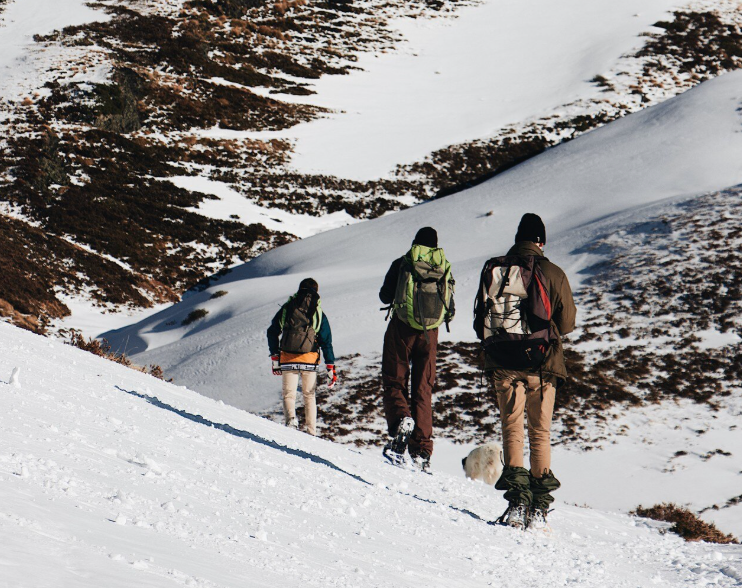
What Is Layering and Why It Works
Layering means wearing multiple clothing layers that each serve a specific function. Instead of relying on one heavy piece, you build a system that adapts to the environment.
The classic layering system includes:
- Base Layer (moisture control)
- Mid Layer (insulation)
- Outer Layer (weather protection)
This combination allows you to add or remove clothing depending on temperature, activity, and weather conditions.
Base Layer: Your First Line of Defense
Your base layer sits directly on your skin, and its main job is to keep you dry.
Look for materials like:
- Merino wool
- Synthetic fabrics (like polyester blends)
Avoid cotton at all costs.
Why? Because cotton absorbs moisture and stays wet—making you feel colder, especially in windy or high-altitude environments.
A good base layer:
- Wicks sweat away from your body
- Regulates temperature
- Prevents chills when you stop moving
Book your stay
The Perfect Hotel Is Out There.
And It Costs Less Than You Think.
Compare hotels, resorts, apartments and villas in one place. Free cancellation on most properties. Zero booking fees. You pay the hotel directly — no middleman markup, no surprises.
The best-value rooms go first. Lock yours in now — cancel for free if your plans change.
Mid Layer: The Heat Keeper
This is your insulation layer—the one that actually keeps you warm.
Common options include:
- Fleece jackets
- Down jackets
- Synthetic insulated jackets
This layer traps your body heat and maintains warmth, even when temperatures drop significantly.
Pro tip:
A lightweight down jacket is one of the best investments you can make for the Andes. It’s warm, compressible, and easy to carry.
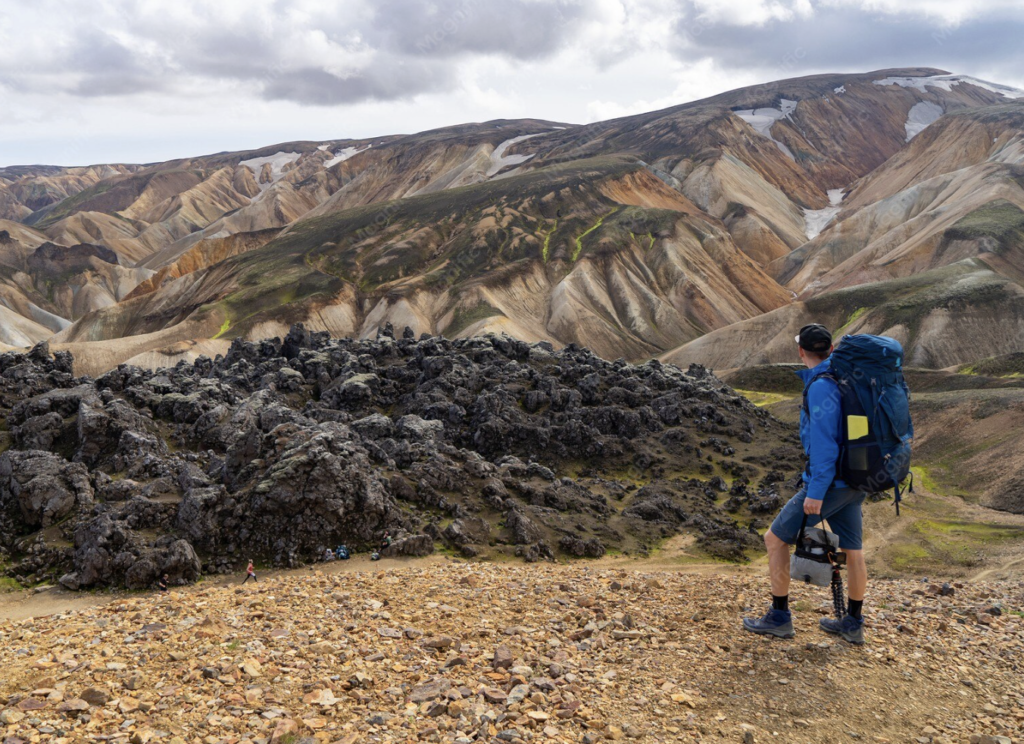
Outer Layer: Your Shield Against the Elements
The outer layer protects you from:
- Wind
- Rain
- Snow
This should be a waterproof or water-resistant shell with good breathability.
Key features to look for:
- Windproof material
- Waterproof coating (like Gore-Tex or similar)
- Ventilation zippers
Without a proper outer layer, wind alone can make you feel much colder—even if you’re wearing warm insulation underneath.
The Real Danger: Sweat and Cold Combined
One of the biggest risks in cold environments is not just temperature—it’s moisture.
If you sweat and your clothes stay wet:
- Your body loses heat faster
- You feel colder quickly
- Your risk of hypothermia increases
Layering allows you to regulate your body temperature by removing layers when you’re active and adding them back when you stop.
Tours & experiences
A Destination Is Just a Place.
An Experience Is What You’ll Never Forget.
The best moments of any trip don’t happen by accident — they’re planned. Local expert guides, unique excursions and experiences you simply can’t find on your own. Free cancellation on most bookings.
Top experiences sell out weeks in advance. Secure your spot now — pay later if you prefer.
Flexibility = Comfort + Safety
Imagine this scenario:
You start hiking in the morning → it’s cold → you wear all layers
After 30 minutes → your body heats up → you remove one layer
Wind picks up at higher altitude → you add your outer shell
This flexibility keeps your body in a stable temperature range, preventing both overheating and freezing.
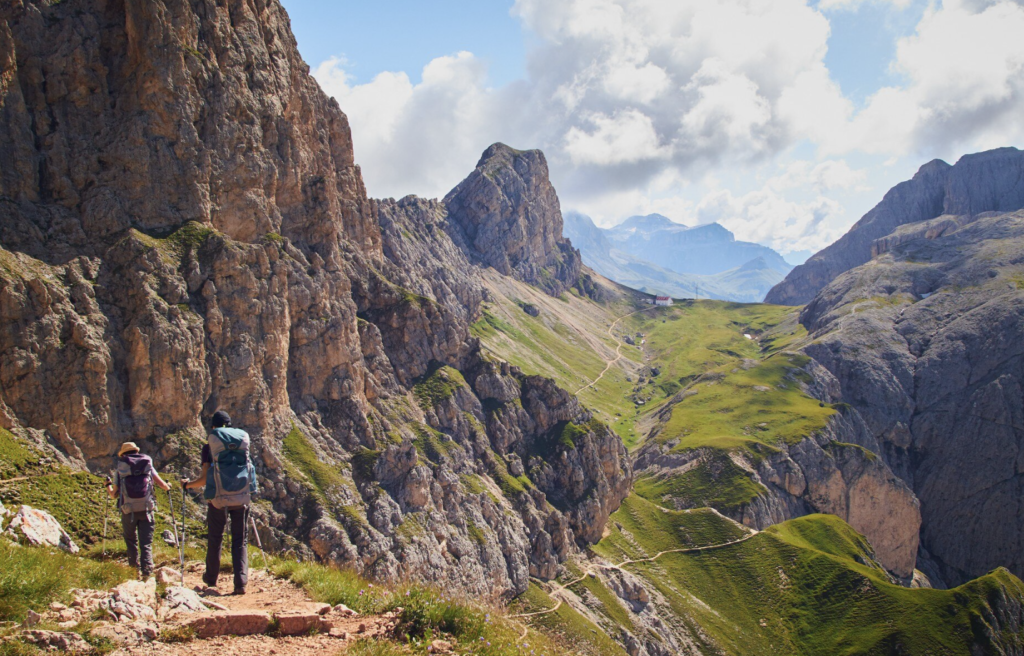
Lightweight Packing, Maximum Efficiency
Another huge advantage of layering is efficiency.
Instead of packing bulky clothing, you carry:
- Multiple lightweight pieces
- Compact insulation layers
- Versatile combinations
This saves space in your backpack and reduces weight—something that matters a lot when traveling in the Andes.
Accessories Matter More Than You Think
Layering isn’t just about jackets and shirts.
Don’t forget:
- Thermal gloves
- A warm hat (you lose heat through your head)
- A neck gaiter or scarf
- Thermal socks
These small items can make a massive difference in your overall comfort.
The Psychological Advantage of Being Prepared
When your clothing system works, you feel:
- In control
- Comfortable in changing conditions
- Confident exploring longer distances
But when you’re too cold—or too hot—your focus shifts from enjoying the experience to simply enduring it.
Layering helps you stay present and fully enjoy the Andes.
Travel insurance
One Emergency Can Wipe Out Your Entire Trip Budget.
Travel Protected for Less Than You Think.
Medical emergencies, flight cancellations, lost luggage, adventure activities — IATI covers it all. Plans from a few dollars per day. No fine print traps. No excuses when you need it most.
A medical evacuation from a remote location can cost $50,000+. Your insurance costs less than a dinner out.
Common Mistakes to Avoid
Before your trip, avoid these typical errors:
- Wearing cotton (big mistake)
- Relying on one heavy jacket
- Ignoring wind protection
- Not packing enough layers
- Forgetting accessories like gloves and hats
Final Thoughts
Layering insulated clothing is not just a “pro tip”—it’s a fundamental strategy for traveling safely and comfortably in the Andes.
It allows you to:
- Adapt to changing weather
- Stay dry and warm
- Conserve energy
- Avoid unnecessary risks
When done right, layering becomes invisible—you don’t think about it, you just feel comfortable no matter the conditions.
And that’s exactly how it should be.
Because in the Andes, the goal is not just to survive the environment…
it’s to fully experience it.