
1. Introduction: Structuring the Ultimate Coffee, Culture, and Urban Transformation Corridor
Colombia is one of the most geographically diverse, culturally dynamic, and topographically dramatic nations in South America. This 10-day travel pipeline is strategically designed to span the country’s three most iconic, high-value asset regions: the sun-drenched Caribbean colonial coastline of Cartagena, the emerald valleys and rolling plantations of the Coffee Triangle (Eje Cafetero), and the innovative, high-altitude mountain valley of Medellín.
Executing an itinerary that connects the Caribbean coast with the interior Andean peaks requires precise logistical coordination. Because Colombia’s geography is broken up by three massive branches of the Andes Mountains (Cordilleras), overland bus travel between major hubs can take 10 to 15 grueling hours due to winding mountain roads and unexpected switchbacks. To maximize your time on the ground and capture high-quality content, this itinerary utilizes short, cost-effective domestic flight sectors. This approach turns exhausting travel days into quick 1-hour hops, giving you plenty of time to explore every destination.
From a regulatory standpoint, entry protocols are highly streamlined. U.S. and European citizens do not require a tourist visa to enter Colombia for stays under 90 days. Travelers must simply complete the quick, digital Check-Mig form online within 72 hours prior to clearing international immigration gates. This guide outlines the exact flight connections, cultural highlights, and local secrets needed to execute a flawless, high-efficiency Colombian expedition.
2. Strategic Overview: Route Architecture and Thermal Zones
Colombia does not experience traditional seasons; instead, its climate is dictated entirely by altitude, creating distinct temperature zones known locally as Pisos Térmicos. This itinerary moves through three completely different climates, requiring a flexible, smart approach to packing.
3. Pre-Trip Master Checklist: Digital Compliance and Tropical Asset Kits
Before boarding your flight to Colombia, you must secure the proper digital entries and pack technical gear suited for both hot, humid coastlines and cool mountain ranges.
Digital Documentation Protocols
- The Check-Mig Declaration: Every international traveler entering or exiting Colombia must complete the online Check-Mig registration. The portal opens exactly 72 hours before your flight. You must save the downloadable PDF confirmation to your smartphone, as airlines will look for this barcode before allowing you to board.
- Proof of Onward Travel: Colombian immigration officers strictly enforce onward travel rules. Ensure you have a digital copy of your return flight to your home country or an outbound ticket to another destination easily accessible on your phone.
High-Performance Asset Selection
- Breathable Rain Shells: The Coffee Triangle and Medellín experience fast weather changes, including sudden, heavy afternoon downpours. Pack a premium, lightweight, packable Gore-Tex rain shell to keep your camera gear dry without overheating in temperate zones.
- Technical Insect Repellent: The humid forests of the Coffee Triangle and the coastal islands require strong protection against insect-borne illnesses like Dengue. Bring a formula with 20% to 30% Picaridin or DEET, as standard organic sprays often fail against aggressive jungle mosquitoes.
- Secure Anti-Theft Daypacks: When exploring busy urban areas like downtown Medellín or local markets, keeping your gear safe is key. Use a daypack with lockable zippers, slash-proof materials, and RFID-blocking compartments.
4. The 10-Day Surgical Itinerary: Day-by-Day Deployment
Day 1: Entering the Walled City of Cartagena
Morning Logistics: Airport Extraction and Security Routing
Touch down at Rafael Núñez International Airport (CTG) in Cartagena. As you step off the plane, you’ll immediately feel the intense Caribbean heat and humidity.
Pass through immigration, collect your luggage, and head directly to the official airport taxi stand just outside the exit doors. Do not negotiate with independent drivers on the curb. Use the digital kiosk to print an official receipt showing a fixed price, which typically runs $15,000 to $22,000 COP ($4 to $6 USD) to reach the historic center.
Afternoon Exploration: Colonial Architecture Survey
Check into a boutique hotel inside the historic Walled City or the trendy, artistic neighborhood of Getsemaní. Give yourself an hour to adjust to the heat, drink a bottle of water, and change into light, breathable clothing.
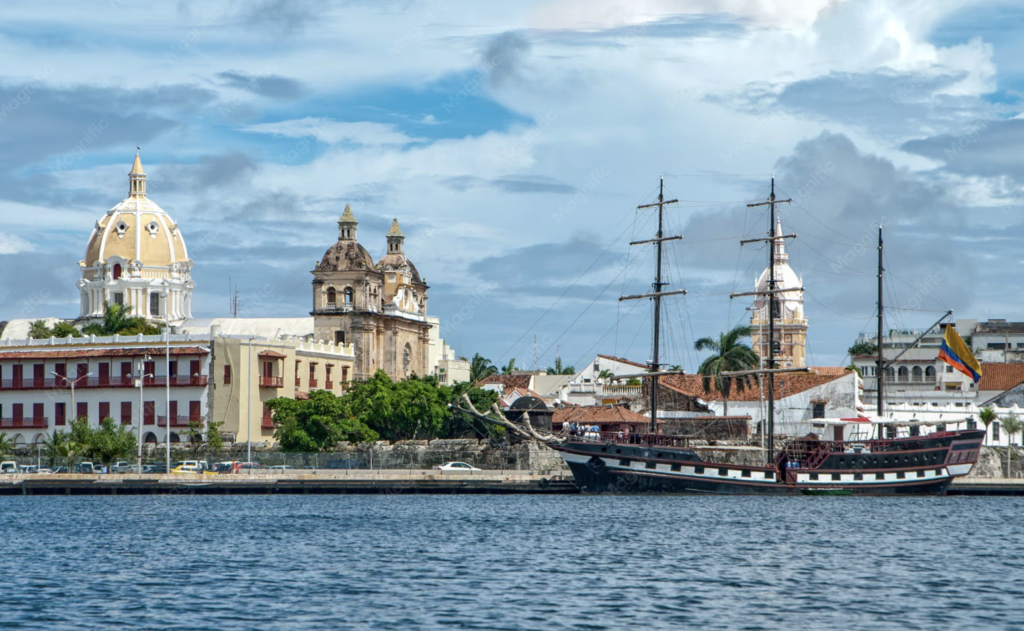
At 3:30 PM, as the afternoon heat begins to mellow, head out for a walking tour of the historic core. Walk along the massive stone walls (Las Murallas), built by the Spanish in the late 16th century to defend this wealthy port city from pirate attacks.
[Plaza de Santo Domingo] ➔ [Zenú Gold Museum] ➔ [Torre del Reloj]
Evening Photography: Golden Hour at the Ramparts
Head up onto the historic ramparts near Café del Mar by 5:30 PM to capture high-contrast photos of the sun setting over the Caribbean Sea.
For dinner, slip away from the crowded tourist squares and find a quiet table at La Vitrola or Celele. These restaurants specialize in contemporary Caribbean culinary arts, combining fresh local catches with traditional fruits like tamarind and coconut.
Day 2: The Bastions of San Felipe and Getsemaní’s Vibrant Street Art
Morning Exploration: Military Engineering at San Felipe Fortress
- 07:30 AM – Shifting Locations Before the Heat: Beat the scorching midday sun by taking a short taxi ride to the Castillo San Felipe de Barajas. This massive fortress is the largest military structure the Spanish ever built in their colonies.
- Be have some post tha you may like : How much does it cost to travel to the Andes | Peru and Bolivia 10 days Itinerary | 5 Days Cuzco and Machu Picchu | Everything to know about the Andes
Pay the entry fee of $32,000 COP ($8 USD) and walk up the wide stone ramps. Explore the complex network of underground tunnels, engineered specifically to amplify sound so soldiers could easily hear the footsteps of approaching enemies.
Main Fortress Gate ➔ Upper Battery Overlook ➔ Underground Tunnel Network
Afternoon Photography: The Visual Energy of Getsemaní
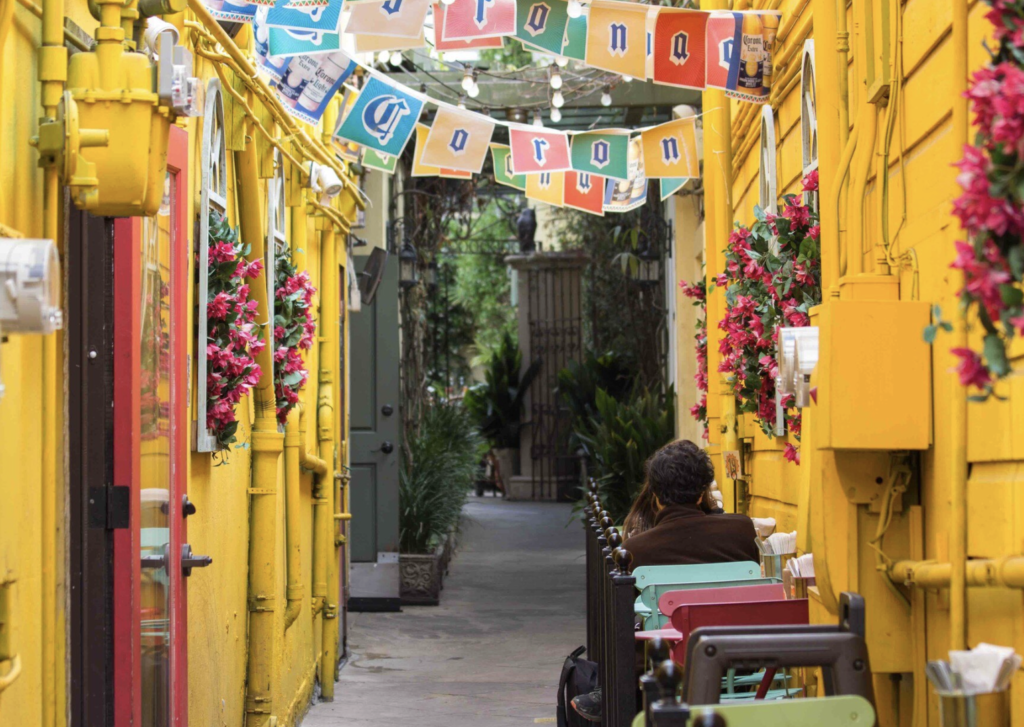
- 02:00 PM – Capturing Vibrant Local Art: Head over to the historic neighborhood of Getsemaní, just outside the main city walls. Once a rougher district, Getsemaní has transformed into a thriving open-air art gallery.
Walk down the narrow corridors of Calle de la Magdalena and Callejón Angosto, where the pathways are shaded by colorful hanging umbrellas. Photograph the bright murals that depict scenes of Afro-Colombian culture, local wildlife, and political history.
Stop by a local street cart to cool down with a fresh Limonada de Coco (coconut lemonade) or a cold bottle of Club Colombia beer.
Day 3: The Rosario Islands Archipelago Marine Expedition
Morning Logistics: Navigating Muelle de la Bodeguita
- 07:15 AM – Speedboat Deployment: Head down to the main tourist pier, Muelle de la Bodeguita. Avoid the aggressive tour vendors outside the gates; walk straight to the interior counters to pay your mandatory port tax of $26,500 COP ($6.50 USD).
Board a pre-booked high-speed launch heading out to the Rosario Islands National Park, a beautiful archipelago of 30 coral islands located 45 minutes off the coast.
Afternoon Activities: Snorkeling and Coral Reef Exploration
Spend the morning snorkeling along the vibrant coral reefs of Isla Larga or relaxing on the white sand beaches of a private eco-lodge like Bora Bora or Islabela.
Enjoy a classic coastal lunch of fresh fried snapper (pargo frito), served with savory coconut rice and crispy twice-fried plantains (patacones). Return to the mainland docks by 04:30 PM to avoid the rougher late-afternoon swells.
Day 4: Air Transit to the Coffee Triangle: Settle into a Traditional Finca
Morning Logistics: Flight Coordination
- 08:00 AM – Leaving the Coast: Take a taxi back to the airport and board a morning domestic flight from Cartagena (CTG) to the Coffee Triangle, flying into either Armenia (AXM) or Pereira (PEI) via a quick connection in Bogotá.
This domestic flight connection skips a long, exhausting bus ride over the mountains, getting you into the lush interior of the country in just under 3.5 hours.
Afternoon Logistics: Rental Vehicle Acquisition and Check-In
- 01:30 PM – Securing Ground Transportation: Pick up your pre-booked rental car—a compact SUV or 4WD vehicle is highly recommended for handling steep, unpaved rural roads.
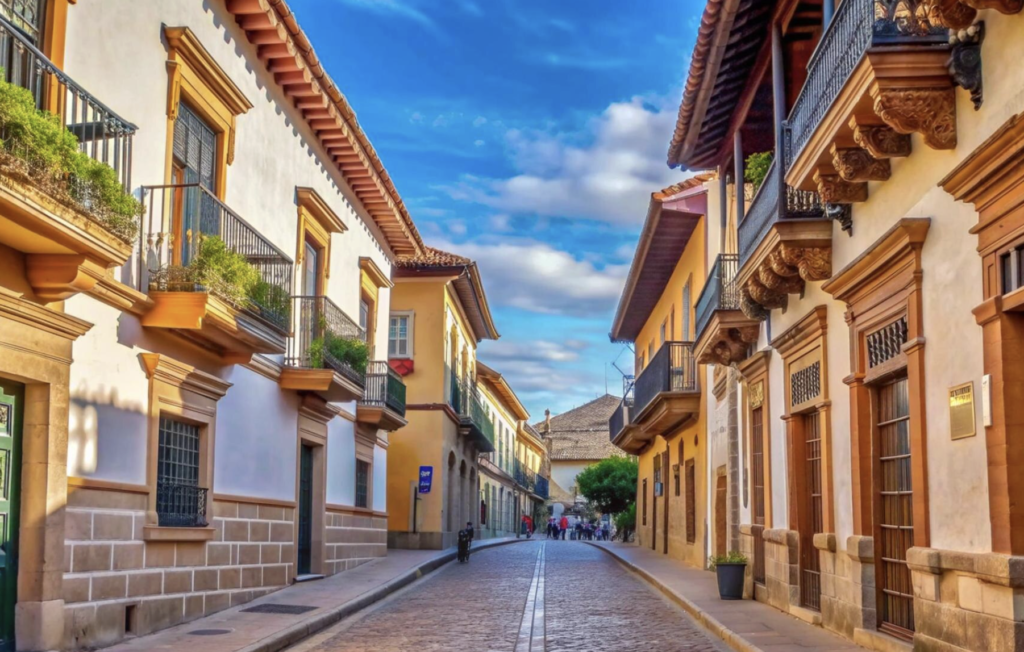
Drive through the green, rolling hills toward the town of Salento or Armenia. Check into a traditional Finca (a classic coffee estate), featuring whitewashed walls, red-tiled roofs, and wrap-around verandas lined with colorful flowers.
Airport Terminal ➔ Secure Rental SUV ➔ Drive Country Routes ➔ Check-In at Rural Finca
Evening Relaxation: The Soundscape of the Cloud Forest
Spend your evening enjoying the peace and quiet of the rural countryside. The temperature here is much cooler and more comfortable than on the coast, averaging around 22°C (72°F). Have dinner at your finca, enjoying a comforting bowl of Ajiaco (a rich, traditional chicken and potato soup stewed with local herbs and corn), before getting a good night’s rest.
Day 5: The Giant Wax Palms of Cocora Valley and Salento Culture
Morning Exploration: Hiking the Towering Palm Forests
- 06:30 AM – Beating the Mountain Fog: Wake up early to catch a traditional, bright green Willys Jeep from the central plaza of Salento out to the Cocora Valley. Arriving early helps you avoid the daily mountain fog and heavy afternoon rains.
Enter the park and begin the hiking loop. The valley is famous for being the primary home of the Quindío Wax Palm, the tallest monocot plant in the world, which can soar up to 60 meters (200 feet) into the misty mountain air.
Salento Plaza ➔ Willys Jeep Ride ➔ Cocora Valley Entry ➔ High Palm Viewpoints
Afternoon Exploration: The Colorful Streets of Salento
- 01:00 PM – Architectural Photography: Head back to Salento for a hearty lunch of local mountain trout served on a massive, crispy patacón.
Spend the afternoon walking along the vibrant Calle Real. The historic buildings are painted in bright combos of green, red, yellow, and blue. Walk up the wooden stairs to the Alto de la Cruz viewpoint for a panoramic look over the town and the green valley beyond.
Day 6: Masterclass Coffee Production and the Architecture of Filandia
Morning Exploration: From Bean to Cup at a Speciality Finca
- 09:00 AM – Technical Coffee Extraction: Visit a specialty coffee plantation, such as Finca El Ocaso or Finca Buenos Aires. Take an in-depth tour with a local expert to see how high-grade Arabica coffee is produced.
Walk through the hillside fields to see how the coffee cherries are selectively harvested by hand. Follow the process through the washing, pulping, and drying stages before heading to the roasting lab. Learn how to identify delicate flavor notes like citrus, chocolate, and panela during a professional tasting session.
Hillside Cherry Picking ➔ Pulping & Drying Tanks ➔ Roasting Lab ➔ Professional Tasting
Afternoon Exploration: The Quiet Charm of Filandia
- 02:30 PM – Discovering a Local Gem: Drive 30 minutes over the valley to the beautiful town of Filandia. This town offers stunning colonial architecture similar to Salento but with a much calmer, more authentic local feel.
Visit the Colina Iluminada viewpoint, a 27-meter-tall wooden tower that offers views across three different Colombian departments on a clear day. Enjoy a cup of premium coffee at Cultivar Café before returning to your finca for your final night in the coffee region.
Day 7: Air Transit to Medellín: Settling into the City of the Eternal Spring
Morning Logistics: Mountain Flight Link
- 08:30 AM – Heading to the City: Drive your rental car back to the regional airport, drop it off at the rental desk, and board a direct 45-minute flight to Medellín (MDE).
Your plane will land at José María Córdova International Airport, located high on a plateau in Rionegro. Take an official airport taxi through the modern Oriente Tunnel, dropping down into the Aburrá Valley to reach the city center in about 30 minutes for a flat rate of $115,000 COP ($28 USD).
Afternoon Logistics: Exploring El Poblado and Provenza
Check into a modern boutique hotel in the green, upscale neighborhood of El Poblado or the quieter district of Laureles. Spend your afternoon exploring the leafy pedestrian paths of Provenza.
This trendy area is filled with open-air cafés, independent design shops, and lush vertical gardens. Enjoy a fresh lunch at Mondongo’s, a local favorite famous for its traditional, hearty Colombian tripe soup served with avocado, banana, and arepas.
Oriente Tunnel Route ➔ El Poblado Base ➔ Provenza Walking Tour ➔ Traditional Lunch
Evening Culture: Experience Medellín’s Specialty Coffee Scene
Spend your evening experiencing Medellín’s sophisticated coffee shop culture. Visit Pergamino Café or Rituales in Laureles to try unique experimental coffee brews, like cold brews infused with passionfruit or nitrogen-charged espresso shots, highlighting why the city is a hub for coffee innovation.
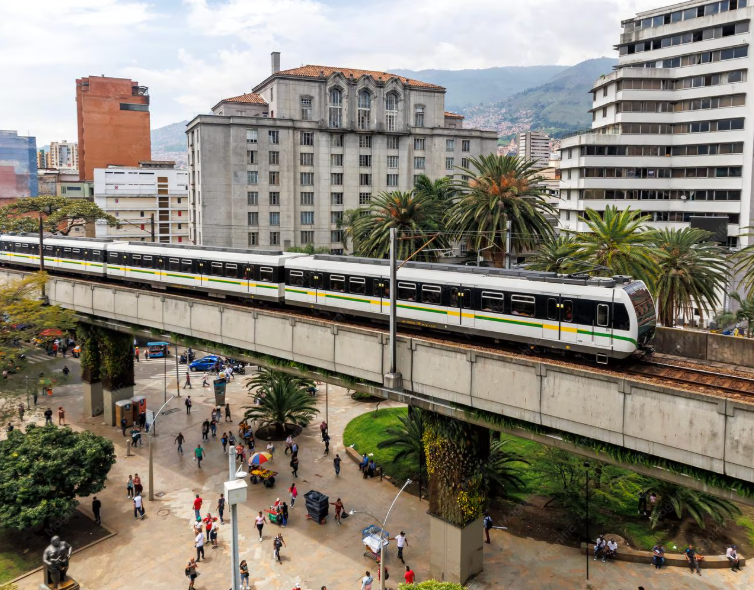
Day 8: Urban Innovation: The Transformation of Comuna 13 and Metrocable Systems
Morning Exploration: The Social Transformation of Comuna 13
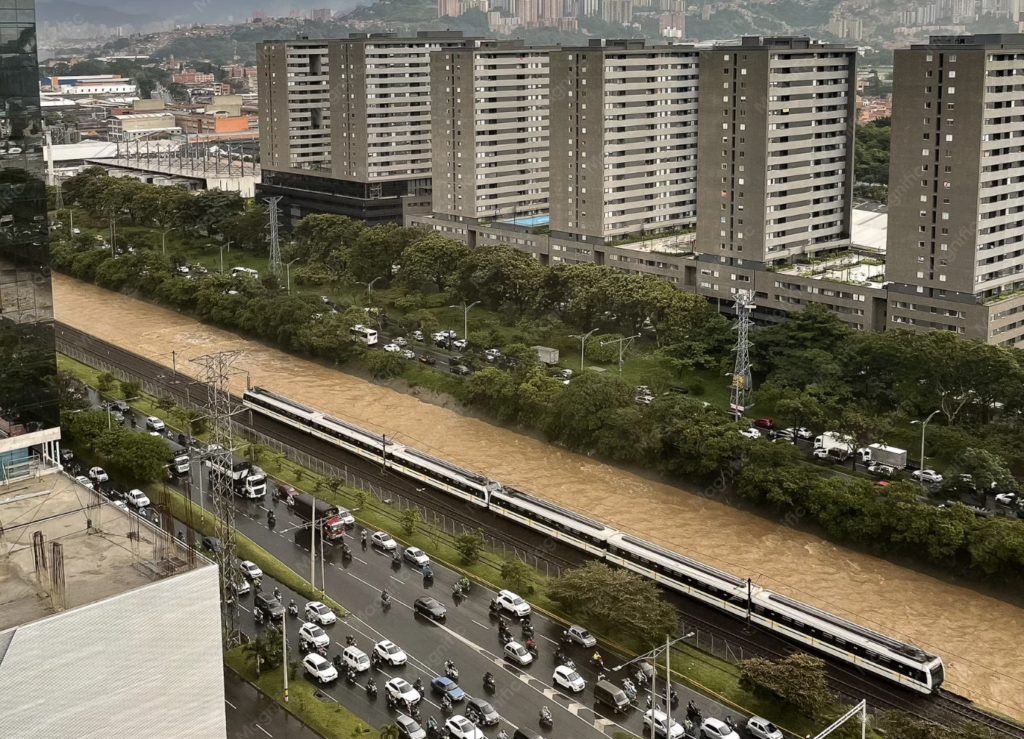
- 08:30 AM – Guided Community Walk: Meet a local guide at the San Javier Metro Station to explore Comuna 13. Once one of the most dangerous neighborhoods in the world during the height of the cartel wars, it has transformed into an inspiring hub of art, music, and community resilience.
Walk up to the famous outdoor public escalators (Escaleras Eléctricas), built to connect this steep hillside community with the valley’s transit system below. Take in the colorful street murals and watch local youth groups perform energetic hip-hop routines and breakdancing sets.
San Javier Station ➔ Outdoor Escalators ➔ Street Murals ➔ Hillside Overlook
Afternoon Exploration: Riding the Metrocable Network
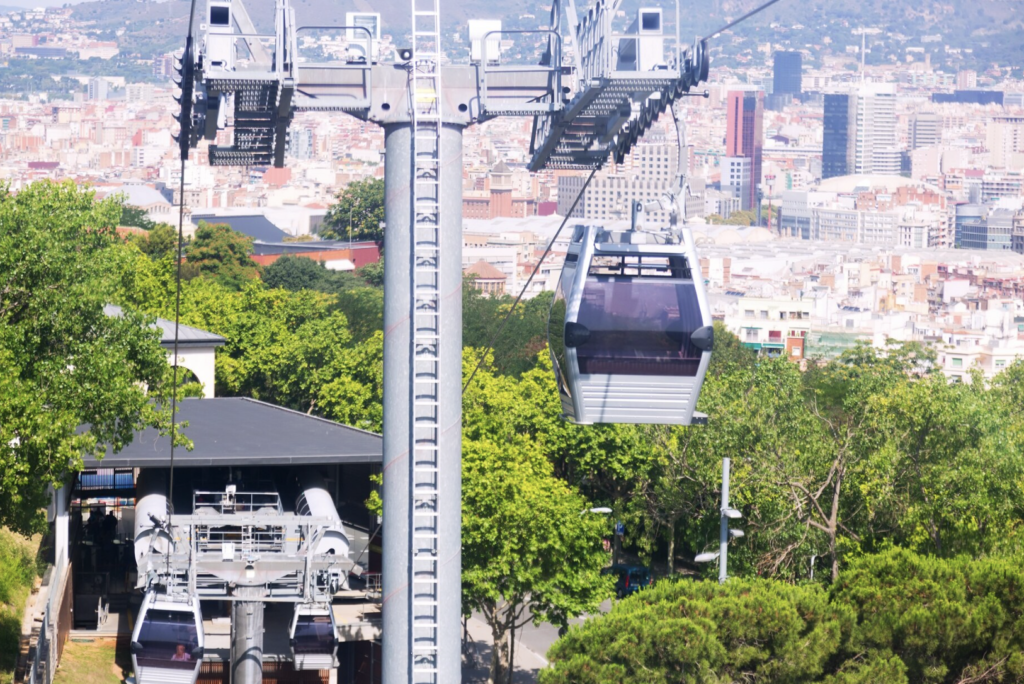
- 01:30 PM – Aerial Transit Systems: Head back to the metro station and ride the Metrocable Line K up to Santo Domingo. Medellín was the first city in the world to use alpine cable cars as everyday public transit, successfully connecting isolated hillside neighborhoods with urban job centers in the valley.
Transfer to Line L to glide quietly over the thick forest canopy up to Arví Park, a massive nature reserve sitting on the mountain ridge high above the bustling city.
Day 9: The Guatapé Monolith and the Colorful Waterfront Zócalos
Morning Exploration: Climbing the Giant Rock of El Peñol
- 07:00 AM – Out of the Valley: Take a day trip to the spectacular lakeside town of Guatapé, located 2 hours east of the city. Stop first at El Peñón de Guatapé, a massive, 220-meter-tall granite monolith rising high out of the flat landscape.
Pay the entry fee of $25,000 COP ($6 USD) and begin climbing the 708 brick steps built into a natural vertical crack in the rock face. Take your time, and enjoy the panoramic views from the summit overlooking a vast network of blue lakes and green islands.
Depart Medellín ➔ Arrive at El Peñol Monolith ➔ Climb 708 Steps ➔ Summit Viewpoint
Afternoon Exploration: The Colorful Streets of Guatapé
- 12:30 PM – Vibrant Street Photography: Head into the town of Guatapé for a lunch of fresh local trout. Spend your afternoon exploring the town’s famously colorful streets.
Every home here features unique, hand-painted reliefs called Zócalos running along the bottom of the exterior walls. These colorful carvings show what the family does for a living, their local history, or neighborhood symbols.
Photograph the iconic Plaza de los Zócalos before taking a relaxing boat cruise out across the lake. Head back to your hotel base in Medellín by 07:00 PM.
Day 10: Monumental Art at Botero Plaza and International Exit Control
Morning Exploration: The Masterpieces of Fernando Botero
- 09:00 AM – Exploring Downtown Art: Spend your final morning exploring the historic heart of the city at Botero Plaza. This open-air plaza features 23 monumental bronze sculptures donated by world-renowned Colombian artist Fernando Botero, famous for his signature style of exaggerated, voluptuous proportions.
Step inside the striking, black-and-white gothic Palace of Culture Rafael Uribe Uribe to photograph its beautiful interior courtyards. Pop into the Museum of Antioquia to view a massive collection of Botero’s oil paintings.
Botero Plaza ➔ Palace of Culture ➔ Museum of Antioquia ➔ Souvenir Procurement
Afternoon Logistics: Final Sourcing and Airport Departure Protocols
- 01:00 PM – Final Souvenir Sourcing: Head back toward your hotel to pick up your luggage. Stop by a local market to pick up some last-minute souvenirs, like bags of premium roasted coffee beans, a traditional woven Vueltiao hat, or local sweets like Arequipe.
- 03:00 PM – Departure Check-Mig Run: Take an official taxi back up the mountain to Jose Maria Cordova Airport (MDE). Ensure you complete your digital Check-Mig outbound form before line check-in. Clear customs and security gates safely, and board your flight back home.
5. Top 10 High-Authority Travel FAQs for the Colombia Corridor
- Is the tap water safe to drink in major Colombian cities?
Yes. Tap water is perfectly safe to drink in Medellín, Bogotá, and the major towns of the Coffee Triangle. However, on the Caribbean coast and out on the Rosario Islands, tap water is not treated to the same standards; you should use bottled or filtered water there to avoid stomach bugs.
- What is the safest way to hail a taxi in Medellín or Cartagena?
Never hail random yellow taxis on the street at night, especially when carrying expensive camera gear. Use trusted ride-hailing apps like Uber, Cabify, or InDrive to ensure your rides are tracked via GPS, feature a pre-set digital price, and use verified drivers.
- How do I purchase domestic flight tickets within Colombia at the best price?
When booking domestic flights with local airlines like Avianca, LATAM, or Clic, use the Spanish-language version of their website and set your currency to Colombian Pesos (COP). This often unlocks lower local fares compared to searching on international English booking sites.
- What is a “Willys” Jeep, and how do I ride one in the Coffee Triangle?
Willys are classic, rugged WWII-era Jeeps that function as the main public transit system between rural farms in the coffee region. You buy a ticket at the main town plaza and hop in. For the best views and photo ops, you can stand on the rear bumper step and hold onto the roof rack bars during the drive.
- Are credit cards widely accepted, or do I need to carry physical cash?
Credit cards are widely accepted in modern hotels, upscale restaurants, and shops across Medellín and Cartagena. However, for street food, taxis, park entry fees, and shopping in rural towns like Salento or Guatapé, you will need physical cash in Colombian Pesos (COP).
- What is the current safety status of exploring downtown Medellín at night?
While tourist areas like El Poblado and Laureles are generally safe and well-patrolled at night, historic downtown zones like El Centro and Botero Plaza can become quiet and sketchy after dark. Keep your expensive gear packed away, avoid dark side streets, and use a ride-app taxi to get back to your hotel.
- Do I need a yellow fever vaccination certificate to enter the Coffee Triangle?
No. The standard tourist routes through Cartagena, Salento, and Medellín are all located in low-risk or high-altitude zones where yellow fever is not present. A vaccination certificate is only required if you plan to travel to remote jungle regions like Chocó, the Amazon Basin, or parts of Tayrona National Park.
- What should I do if someone on the street offers me a sample of “Burundanga”?
Burundanga (scopolamine) is a local drug occasionally used by scammers to disorient tourists. Never accept free drink samples, flyers, perfume cards, or gum from strangers on the street. If someone approaches you with a suspicious sample, politely decline and keep walking toward a well-lit public area.
- How much should I tip servers and drivers in Colombia?
In sit-down restaurants, a voluntary 10% service charge (servicio) is typically added to your bill. You don’t need to add extra tip on top of this unless the service was exceptional. Tipping taxi drivers is not common practice, though rounding up to the nearest $2,000 COP is appreciated.
- What is the absolute best time of day to photograph the Cocora Valley palms?
The best window is between 07:00 AM and 09:30 AM. Early morning sun offers clean, golden light and clear blue skies behind the tall palms. By 11:30 AM, heavy mountain mist and low cloud layers usually roll in, dropping visibility and increasing the chance of rain.
6. Conclusion: Travel Across Colombia with Complete Ease
From the historic, sun-baked stone walls of Cartagena to the towering green wax palms of the Cocora Valley and the innovative mountain valley of Medellín, Colombia is a beautiful mix of history, culture, and transformation. By choosing smart domestic flights over long mountain bus rides, planning for changing weather zones, and using trusted local transit systems, you remove the common stresses of South American travel. Bring your sense of adventure, protect your high-quality media gear, and dive into the vibrant rhythm of this incredible country.
Viaja A Todo El Mundo: Your Borderless Hub for Global Exploration
Looking to plan your next travel adventure beyond the vibrant streets of South America? Our regional guide site operates as a proud extension of Viaja A Todo El Mundo (viajaatodoelmundo.com), your premier digital destination for global travel insights. Whether you need an in-depth breakdown of the best street food markets in Southeast Asia, a complete guide to renting campervans for road trips through Iceland, or pro tips for maximizing your travel rewards points on international flights, our main site offers expert strategies to keep you traveling smartly and efficiently. Join our global community of digital explorers and discover the world today!