
Bolivia used to be one of the most complicated countries to enter in South America. US citizens faced a long list of requirements: visa applications, bank statements, hotel bookings, police clearance, vaccination records. That changed on December 1, 2025. Bolivia dropped its visa requirement for American citizens entirely. What was once a multi-week process is now a short form you fill out online in under ten minutes.
But “no visa” does not mean “no paperwork.” Bolivia still requires all foreign visitors to complete the SIGEMIG digital registration before crossing the border. Skipping it is the most common mistake first-time visitors make — and it can result in delays at immigration or denied boarding at the airport.
This guide covers everything a first-time visitor needs to enter Bolivia in 2026: who needs a visa, how to complete SIGEMIG step by step, what to bring to the border, how long you can stay, and the costs you should plan for.
Search flights to Bolivia: Compare hundreds of routes on Skyscanner — La Paz, Santa Cruz and Cochabamba

Bolivia Visa Requirements at a Glance: 2026
| Nationality | Visa required? | Max stay | SIGEMIG required? | Cost |
|---|---|---|---|---|
| United States | No (since Dec 2025) | 90 days / year | Yes | Free |
| European Union | No | 90 days / 180 days | Yes | Free |
| United Kingdom | No | 90 days | Yes | Free |
| Canada | No | 90 days | Yes | Free |
| Australia | No | 90 days | Yes | Free |
| New Zealand | No | 90 days | Yes | Free |
| Japan | No | 90 days | Yes | Free |
| China | Yes — visa required | Varies | Yes | Varies by visa type |
| India | Yes — visa required | Varies | Yes | Varies by visa type |
| South American neighbors | No (MERCOSUR/CAN) | 90–180 days | Yes | Free |
Note: Visa policies can change without notice. Always verify your nationality’s requirements at the official Bolivia Cancilleria website or the nearest Bolivian consulate before you travel.
The December 2025 Change: What US Citizens Need to Know
Before December 1, 2025, Bolivia was one of only three countries in the world that required a visa from US passport holders (alongside Cuba and North Korea). The process was deliberately difficult: a list of requirements that included notarized bank statements, a round-trip flight itinerary, hotel reservations for every night of the trip, a criminal background check, and proof of yellow fever vaccination.
Bolivia’s government announced the change on November 15, 2025, citing the desire to promote tourism and strengthen bilateral relations. The reciprocal decision means Bolivia now applies the same visa-free policy to US citizens that the US has long extended to Bolivians.
What this means in practice: US citizens now arrive in Bolivia exactly like European travelers. You present your passport, show your SIGEMIG QR code, declare your address in Bolivia, and receive a tourist stamp. The whole process at El Alto International Airport typically takes under 15 minutes.
One thing has not changed: the 90-day limit. US citizens can stay a maximum of 90 days within any 12-month period. This is not a consecutive 90-day window — it counts cumulative days. If you spend 45 days, leave, and return within the same 12 months, you have 45 days remaining.
What Is SIGEMIG and Why It Matters
SIGEMIG stands for Sistema de Gestión Migratoria (Migration Management System). It is Bolivia’s mandatory pre-registration system for all foreign visitors, regardless of nationality. Whether you are American, European, or from a neighboring South American country, you must complete SIGEMIG before crossing any Bolivian border.
SIGEMIG was introduced in mid-2024 as part of Bolivia’s effort to modernize its immigration tracking. It replaced the old paper arrival cards at most entry points. The system generates a unique QR code tied to your passport number. Immigration officers scan this code when you arrive.
Why it matters for first-time visitors: airlines operating flights to Bolivia are required to verify SIGEMIG completion at check-in. If you do not have your QR code, some airlines will deny boarding. Even if you make it onto the plane, missing SIGEMIG can mean an extended wait at immigration while an officer manually processes your entry.
The system is free. It takes 8 to 12 minutes to complete. There is no excuse for skipping it.
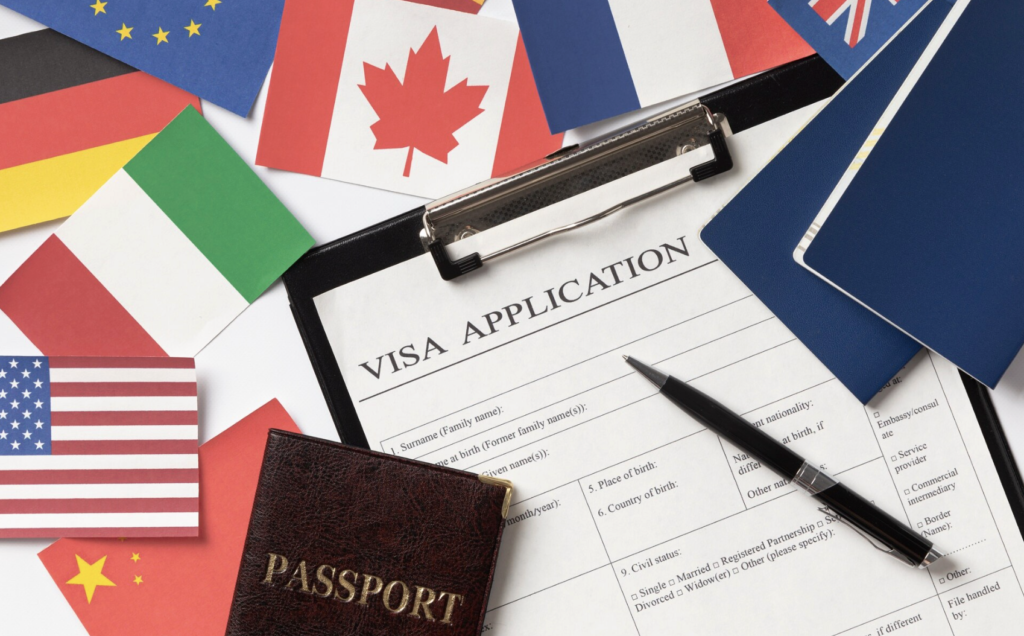
How to Complete SIGEMIG: Step-by-Step Guide
The official SIGEMIG portal is at sigemig.gob.bo. Complete the form in English or Spanish. You will need the following before you start:
- Your passport (must be valid for at least 6 months from your arrival date)
- Your flight details (departure city, arrival city, flight number, date)
- Your address in Bolivia for the first night (hotel name and address is sufficient)
- An email address where your QR code will be sent
Step 1: Go to the Official SIGEMIG Portal
Open sigemig.gob.bo in your browser. The website works on mobile and desktop. Use the official URL — there are unofficial sites that charge a fee to “process” your registration, which is entirely unnecessary.
Step 2: Select Your Travel Direction
Choose “Ingreso” (entry into Bolivia) or “Egreso” (exit from Bolivia). For your first arrival, select Ingreso.
Step 3: Enter Your Passport Details
Enter your full name as it appears on your passport, your passport number, nationality, date of birth, and passport expiry date. These must match your passport exactly. Any discrepancy can cause issues at the border.
Step 4: Enter Your Travel Details
Select your entry point: El Alto International Airport (La Paz), Viru Viru Airport (Santa Cruz), or one of the land border crossings. Enter your travel date and flight number if arriving by air.
Step 5: Enter Your Address in Bolivia
Enter the name and address of your first accommodation in Bolivia. If you have not booked yet, a hotel in the city of your entry point is acceptable. You can change hotels after arrival — this is just for the registration form.
Book accommodation with free cancellation: Search Bolivia hotels on Booking.com — free cancellation on most properties
Step 6: Declare Any Goods (Optional)
The system may ask if you are carrying more than the allowed cash amount (USD 10,000) or prohibited goods. Declare honestly — this is a legal requirement.
Step 7: Submit and Save Your QR Code
Submit the form. SIGEMIG sends your QR code to the email address you provided. Download this QR code and save it on your phone. Print a copy if possible. You will need it at check-in and at the border.
How far in advance can you complete SIGEMIG? The system accepts submissions up to 72 hours before your scheduled arrival. You cannot submit it earlier than this. Set a reminder to complete it the evening before your travel day.
Travel Insurance for Bolivia: What the Border May Ask For
Travel insurance is not legally mandatory for every visitor entering Bolivia. However, Bolivia’s immigration officers at certain land border crossings — particularly Desaguadero (Peru-Bolivia border) and Tambo Quemado (Chile-Bolivia) — do sometimes request proof of travel insurance as a condition of entry.
Even if the border officer does not ask for it, travel insurance is essential in Bolivia for practical reasons. La Paz sits at 3,660 meters. The Altiplano reaches 4,500 meters. Emergency medical treatment at altitude is expensive, and evacuation to a major hospital from a remote area can cost USD 8,000 to USD 20,000.
Our Recommendation: SafetyWing
SafetyWing Nomad Insurance is the best option for most Bolivia travelers. It covers all six Andean countries in a single subscription, includes high-altitude trekking up to 6,000 meters, and can be purchased after you have already left home — something no other major insurer allows.
| Insurer | Price (4 weeks) | Medical coverage | High-altitude cover | Buy while travelling? | Best for |
|---|---|---|---|---|---|
| SafetyWing | From USD 56 | USD 250,000 | Up to 6,000m | Yes | Most travelers |
| IATI Seguros | From EUR 65 | EUR 150,000 | Yes | No | European travelers |
| AseguraTuViaje | Varies | Varies | Varies | No | Latin American travelers |
Read our full review: Best Travel Insurance for South America 2026
Complete Document Checklist for Entering Bolivia
Bring physical and digital copies of every document on this list. Immigration officers at land borders sometimes request documents that airport officers never ask for. Being over-prepared costs nothing.
| Document | Required? | Notes |
|---|---|---|
| Passport | Yes — mandatory | Must be valid for at least 6 months from arrival date. Must have at least 2 blank pages for stamps. |
| SIGEMIG QR code | Yes — mandatory for all visitors | Download from sigemig.gob.bo. Save on phone and email. Print a backup copy. |
| Travel insurance certificate | Sometimes requested | More commonly checked at land borders. Always carry it regardless. |
| Onward travel proof | Sometimes requested | A flight booking out of Bolivia or to another country. A bus ticket also works. |
| Hotel booking confirmation | Sometimes requested | Your first night’s accommodation. Free-cancellation bookings are acceptable. |
| Yellow Fever vaccination card | Sometimes required | Required if arriving from countries with active Yellow Fever transmission. Carry it if your route includes Amazon regions. |
| Sufficient funds proof | Rarely requested | General guideline: USD 50 per day of stay. A bank card and cash backup covers this. |
Bolivia Entry Points: Airports and Land Borders
El Alto International Airport (La Paz) — LPB
This is the main entry point for most first-time visitors and for anyone flying into Bolivia from Lima, Bogota, Buenos Aires, or Santiago. El Alto Airport sits at 4,061 meters — the highest international airport in the world. Altitude sickness can begin within hours of landing. Plan to spend your first 24 hours at low activity, drink plenty of water, and have altitude medication (acetazolamide / Diamox) ready.
Immigration at El Alto is straightforward. Scan your SIGEMIG QR code at the automated kiosk (if available) or hand it to the officer. Declare your address in Bolivia. Receive your entry stamp. The whole process takes 5 to 20 minutes depending on the queue.
Viru Viru International Airport (Santa Cruz) — VVI
Bolivia’s second international airport serves travelers arriving from Brazil, Argentina, and other international routes. The immigration process is identical to El Alto. Santa Cruz sits at 416 meters — a dramatically different altitude that makes it a popular acclimatization entry point for travelers who then travel up to La Paz by bus or air.
Desaguadero — Peru/Bolivia Land Border
The most commonly used land border for travelers on the Cusco–La Paz route. This crossing is at 3,800 meters on the shores of Lake Titicaca. Process time varies from 30 minutes to 3 hours depending on traffic. A Bolivia entry stamp and SIGEMIG code are required. This border is active 24 hours but most overland buses cross in the morning.
Tambo Quemado — Chile/Bolivia Land Border
Used by travelers on the Arica–La Paz or Iquique–La Paz route. Sits at 4,695 meters — one of the world’s highest international road crossings. Processing is typically fast. Be prepared for cold temperatures regardless of the time of year.
Villazón — Argentina/Bolivia Land Border
Connects to La Quiaca on the Argentine side. A common crossing for budget travelers on the Buenos Aires–La Paz route by long-distance bus. Standard SIGEMIG requirements apply.
How Long Can You Stay in Bolivia?
The standard tourist stay for most visa-exempt nationalities is 90 days within a 12-month period. For US citizens (since December 2025), this is 90 cumulative days within 365 days from your first entry.
EU citizens who are citizens of Andean Community nations (Colombia, Ecuador, Peru, Bolivia) have reciprocal extended-stay arrangements. For most European nationals, the 90-day limit applies.
If you need to stay longer than 90 days, the options are: exit Bolivia and re-enter (the clock resets, but only if 365 days have passed since your previous 90-day count began), or apply for a longer-stay visa at Bolivia’s immigration office (DIGEMIG) in La Paz. A 30-day extension costs approximately BOB 275 (around USD 40) and must be applied for before your tourist stamp expires.
What Happens If You Overstay in Bolivia?
Overstaying your Bolivian tourist stamp is a serious issue. When you exit, immigration will calculate the days overstayed. You will be charged a fine of BOB 50 (approximately USD 7) per day overstayed. Beyond the fine, overstayers are typically flagged in the SIGEMIG system, which can cause problems on future entries.
For overstays of more than 90 days, Bolivia’s immigration authority has discretion to impose a ban on future entry. This is rare but documented. Track your days carefully and do not let the situation develop through inattention.
Costs Breakdown: Entering Bolivia as a First-Time Visitor
| Item | Cost | Notes |
|---|---|---|
| Tourist visa (US, EU, UK, Canada, Australia) | Free | No visa required for these nationalities in 2026 |
| SIGEMIG registration | Free | Official portal is sigemig.gob.bo — beware of unofficial fee-charging sites |
| Entry tax (airport) | Included in flight ticket | Bolivia’s airport entry tax is collected at point of sale for flights |
| Yellow Fever vaccination | USD 15–40 (if not already vaccinated) | One-time cost, lifetime protection |
| Travel insurance (4 weeks) | From USD 56 | SafetyWing from USD 56/4 weeks. Essential — do not skip. |
| 30-day extension (if needed) | BOB 275 (~USD 40) | Applied for at DIGEMIG offices in La Paz before your stamp expires |
| Overstay fine | BOB 50/day (~USD 7/day) | Avoid entirely by tracking your days |
Bolivia Entry Tips for First-Time Visitors
Complete SIGEMIG at least 24 hours before your flight
The 72-hour window closes the moment you board. Do not complete SIGEMIG at the gate. Do it the evening before your travel day and save the QR code in at least two places (phone photos, email, screenshot).
Carry physical cash in bolivianos for your first days
ATMs in La Paz work reliably but can run out of cash during peak tourism periods. In Uyuni, there is a single ATM that regularly empties. Carry enough bolivianos — or USD as a backup — for your first 2–3 days before you can reliably access a working ATM.
Plan for altitude from day one
If flying into El Alto (La Paz), you will land at 4,061 meters. Your body needs 24–48 hours to begin adjusting. Rest on your first day, drink water constantly, eat light meals, and have altitude medication available. See our complete Bolivia packing list for the specific medications and items that work at altitude.
Book tours in advance for the Salar de Uyuni
The salt flats sell out during peak season (June–September). Booking a tour in advance also gives you a confirmation to show if border officers ask for proof of itinerary.
Browse Salar de Uyuni tours on Viator — full-day and multi-day options with certified guides.
Book Bolivia tours in Spanish with Civitatis — expert local guides, instant confirmation.
Know your border crossing hours
Not all Bolivia land borders are open 24 hours. Desaguadero operates around the clock but is most efficient in daylight. Tambo Quemado has restricted hours on weekends. Verify the operating hours of your specific crossing before you plan your travel day.
Have proof of onward travel ready
Bolivia’s immigration officers at land borders occasionally ask for proof that you will leave. An onward flight booking, a bus ticket out of Bolivia, or even a booking into a neighboring country all work. If your flights are delayed on the way to Bolivia, keep your flight delay documentation — AirHelp can help you claim compensation for delays over 3 hours.
Get travel insurance before you board
Some border crossings — particularly Desaguadero — ask for proof of insurance. Having it on your phone in advance prevents any issues. SafetyWing can be purchased after you’ve already left home, so even if you forgot before leaving, you can get covered while in transit.
Bolivia Tours and Activities to Book Before You Arrive
Most top Bolivia experiences — the Salar de Uyuni, Death Road cycling, Huayna Potosi climbing, Lake Titicaca boat tours — require advance booking during peak season. Having confirmed tour bookings also strengthens your case with immigration officers who ask about your itinerary.
| Activity | Location | Price range | Book via |
|---|---|---|---|
| Salar de Uyuni full-day tour | Uyuni | USD 40–80 | Viator |
| Death Road cycling | La Paz | USD 60–120 | Viator |
| Huayna Potosi 2-day climb | La Paz / Cordillera Real | USD 150–250 | Viator |
| Copacabana and Isla del Sol | La Paz / Lake Titicaca | USD 35–70 | Viator |
| Tiwanaku ruins | La Paz | USD 25–55 | Civitatis |

Frequently Asked Questions: Bolivia Visa Requirements 2026
Do US citizens need a visa to visit Bolivia in 2026?
No. As of December 1, 2025, US citizens no longer need a visa to enter Bolivia. A valid passport and completed SIGEMIG registration are sufficient for stays of up to 90 days within a 12-month period.
What is SIGEMIG and how do I complete it?
SIGEMIG is Bolivia’s mandatory digital pre-registration system for all foreign visitors. Complete it at sigemig.gob.bo within 72 hours before your arrival. It generates a QR code that you present at check-in and at the border. The system is free and takes 8 to 12 minutes.
How far in advance should I complete SIGEMIG?
The system only accepts registrations within 72 hours of your scheduled arrival. Complete it the evening before your travel day and save the QR code to your phone, email, and a printed copy if possible.
Is travel insurance required to enter Bolivia?
Travel insurance is not legally mandatory for all visitors, but some land border crossings — particularly Desaguadero — request proof of insurance. Regardless of whether the border asks for it, insurance is strongly recommended given the high-altitude environment and remote nature of many Bolivia destinations. Medical evacuation from altitude areas costs USD 8,000 to USD 20,000.
How long can I stay in Bolivia on a tourist entry?
Most visa-exempt nationalities (US, EU, UK, Canada, Australia) can stay up to 90 days within a 12-month period. These are cumulative days — if you leave and return within 12 months, the days count toward your total. A 30-day extension costs approximately USD 40 and must be applied for before your entry stamp expires.
Do I need a Yellow Fever vaccination to enter Bolivia?
A Yellow Fever vaccination certificate may be required if you are arriving from a country with active Yellow Fever transmission, or if your route includes Amazon jungle regions. Carry your International Certificate of Vaccination (the yellow card) regardless, as requirements vary and can be requested at any border point.
What are the main airports for entering Bolivia?
The two main international airports are El Alto International Airport in La Paz (LPB) and Viru Viru International Airport in Santa Cruz (VVI). La Paz is the more common entry point for travelers coming from Peru or Chile. Santa Cruz receives flights from Brazil and Argentina.
Can I enter Bolivia by land from Peru?
Yes. The most commonly used land crossing is Desaguadero, on the shores of Lake Titicaca, connecting Puno (Peru) with La Paz (Bolivia). The crossing is open 24 hours. Complete your SIGEMIG before crossing and have your passport, insurance, and onward travel proof ready. See our Copacabana Bolivia travel guide for the full route from Peru.
What happens if I forget to complete SIGEMIG?
Airlines may deny boarding if you cannot show your SIGEMIG QR code at check-in. At land borders, you may face an extended delay while officers manually process your entry. Complete SIGEMIG in advance — it is free and takes under 15 minutes.
What should I do if my flight to Bolivia is delayed or cancelled?
If your flight is delayed by more than 3 hours or cancelled, you may be entitled to compensation. AirHelp handles the claim process on your behalf and only charges a fee if you win. This is particularly useful for long-haul Bolivia connections through Lima, Bogota, or Santiago, where delays cascade across multiple segments.
Related Guides
- Visa Requirements for All Six Andean Countries 2026
- Best Travel Insurance for South America 2026
- Bolivia Packing List 2026: Complete Altitude Gear Guide
- La Paz Bolivia Travel Guide 2026
- Copacabana Bolivia and Lake Titicaca Guide 2026
Disclosure: This article contains affiliate links. If you purchase travel insurance, book flights, or reserve accommodation through our links, Uncover the Andes earns a commission at no extra cost to you. We only recommend products we genuinely use and believe in.