Most visitors to Argentina picture tango in Buenos Aires, glaciers in Patagonia and wine in Mendoza. Very few picture the far northwest, and that is exactly why it feels so special. Here the Andes turn into striped mountains of red, green, purple and ochre, adobe villages sit beside cactus forests, and a white salt flat stretches to the horizon at 3,450 meters. The provinces of Salta and Jujuy share more culture with Bolivia and Peru than with the Pampas, and the food, music and landscapes reflect it.
This guide covers everything you need to plan the region in 2026: the best bases, the Quebrada de Humahuaca and its villages, the famous Serranía de Hornocal, Salinas Grandes, the wine town of Cafayate and the scenic loop to Cachi. You will also find route options, a realistic budget, altitude advice, a day-by-day itinerary and answers to the questions travelers ask most. If you are still building your bigger trip, start with our Argentina travel guide and come back here for the details.
Why Visit Salta and Jujuy in 2026
Northwest Argentina rewards travelers who like big landscapes without big crowds. Compared with Patagonia, distances between highlights are short, buses are frequent and accommodation is cheaper. In one week you can sleep beside a seven-colored mountain, stand on a salt flat, see a ridge with fourteen colors at 4,350 meters and finish with a glass of Torrontés among vineyards that are among the highest in the world.
- Landscapes you will not find elsewhere in Argentina: painted mountains, deep red canyons, giant cardón cactus and high-altitude salt flats.
- A living Andean culture: Quechua and Kolla traditions, carnival in February, Pachamama ceremonies in August and markets selling llama wool and coca leaves.
- Easy logistics: two airports, a good bus network and short drives between villages.
- Value for money: guesthouses, empanadas and regional wine cost a fraction of Patagonia prices.
- A natural overland link: the region connects north to Bolivia and west to Chile’s Atacama Desert, which makes it a perfect stage on a longer Andes route.
The Quebrada de Humahuaca was declared a UNESCO World Heritage Site in 2003 for its 10,000 years of continuous human use as a trade route between the high plateau and the lowlands. Walking through Tilcara’s reconstructed pre-Inca fortress or Humahuaca’s cobbled lanes, you feel that history everywhere.
Salta vs Jujuy: Which Base Is Better?
The two provinces sit next to each other, and most travelers visit both. The main question is where to sleep. Salta city is larger, more polished and better connected, while Jujuy’s villages put you right inside the scenery. Many people split their stay: a few nights in Salta for the city and the Cafayate or Cachi loops, then a few nights in Purmamarca, Tilcara or Humahuaca for the Quebrada.
| Base | Altitude | Best for | Pros | Cons |
|---|---|---|---|---|
| Salta city | 1,150 m | First and last nights, Cafayate and Cachi trips | Colonial center, museums, many hotels, airport with direct flights | 2 to 4 hours from the Quebrada villages |
| San Salvador de Jujuy | 1,260 m | Transit only | Airport and main bus terminal for the Quebrada | Little to see in the city itself |
| Purmamarca | 2,330 m | Seven Colors hill, Salinas Grandes | Iconic views, charming adobe village | Small, can feel touristy at midday, fewer budget beds |
| Tilcara | 2,470 m | Hikes, Pucará, a lively evening atmosphere | Central location, good restaurants and hostels | Busy on holiday weekends |
| Humahuaca | 2,940 m | Hornocal, Iruya trip | Closest base to the Hornocal, authentic feel | Colder nights, higher altitude |
If you only have time for one base in the Quebrada, choose Tilcara. It sits in the middle of the valley, so Purmamarca and Humahuaca are both day trips, and it has the widest choice of guesthouses and restaurants.
Where to stay
Sleep inside the painted mountains
From adobe guesthouses in Purmamarca to boutique hotels in Salta’s historic center, compare real reviews and book with free cancellation on most rooms.
✓ Free cancellation on most rooms · ★ Verified guest reviews · ⌂ Pay at the property options
Salta City: What to See in Salta La Linda
Salta earns its nickname, “La Linda” (the beautiful), with one of the best-preserved colonial centers in Argentina. Plan at least one full day here before heading into the mountains, ideally two if you also want to do the Cafayate loop from the city.
Plaza 9 de Julio and the historic center
The main square is lined with arcades, cafés and the pink Cathedral. One block away, the bright red and gold Church of San Francisco is the most photographed building in the city. In the evening the plaza fills with families, and the arcades are a good place for coffee and a slice of quesillo cheese with cayote jam.
MAAM, the High Mountain Archaeology Museum
The Museo de Arqueología de Alta Montaña is the most important museum in the region. It displays the story of the Llullaillaco children, three Inca children found near the summit of a 6,739-meter volcano in 1999 and preserved by the cold for five centuries. Only one of the children is shown at a time, in rotation, in a climate-controlled case. It is moving, respectful and essential context for understanding the Inca presence in the Andes.
Cerro San Bernardo
A cable car climbs from Parque San Martín to the top of Cerro San Bernardo, where you get a panoramic view over the city and the Lerma Valley. You can also walk up a staircase path in about 45 minutes to an hour, then ride the cable car down.
Peñas and food
At night, head to Calle Balcarce for a peña, a restaurant with live folk music where locals sing zambas and chacareras between plates of empanadas, tamales and humita. Salteña empanadas are small, juicy and usually baked in a clay oven; order a dozen for the table and try the beef cut with a knife (cortada a cuchillo).
Quebrada de Humahuaca: The Villages and What to Do
The Quebrada is a 155-kilometer valley that runs north from San Salvador de Jujuy toward the Bolivian border along National Route 9. The road climbs gently from about 1,300 to almost 3,000 meters, and each village has its own character. Public buses connect them all several times a day, so you can hop between villages without a car.
Purmamarca and the Hill of Seven Colors
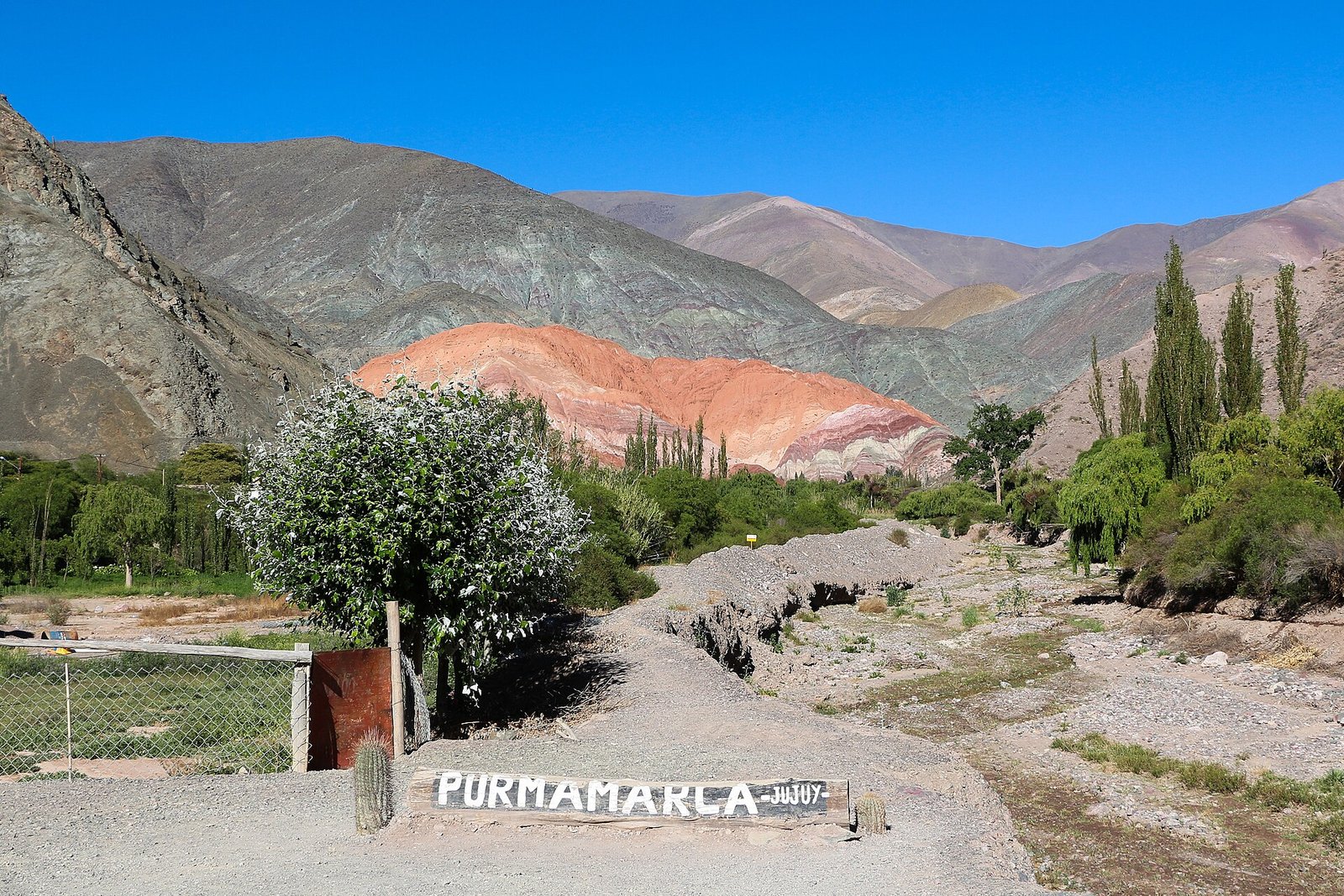
Purmamarca is the postcard of northwest Argentina. Behind the village rises the Cerro de los Siete Colores, a hill striped in layers of sedimentary rock that range from red and pink to green and yellow. For the best light, see it in the early morning when the sun hits the colors directly. The Paseo de los Colorados is an easy loop walk of about 3 kilometers around red rock formations just outside the village, and it takes 1 to 1.5 hours at a relaxed pace.
Tilcara and the Pucará
Tilcara’s main attraction is the Pucará, a pre-Inca hilltop fortress partly reconstructed in the 20th century, with a botanical garden of giant cardón cactus. Beyond the Pucará, Tilcara is a great hiking base. The walk to the Garganta del Diablo waterfall takes around 2 to 3 hours round trip, and the full-day hike to Laguna de Volcán or the Quebrada de las Señoritas near Uquía are rewarding options for fit travelers.
Uquía
This tiny village between Tilcara and Humahuaca is home to a 17th-century church famous for its paintings of armed angels, the ángeles arcabuceros, dressed as Spanish nobles carrying muskets. Combine it with the short red-canyon walk of the Quebrada de las Señoritas.
Humahuaca
The largest town in the Quebrada has narrow cobbled streets, a busy market and the Monumento a los Héroes de la Independencia overlooking the plaza. At noon, a mechanical statue of San Francisco Solano appears from the clock tower of the town hall, which always gathers a small crowd. Humahuaca is also the jumping-off point for the Hornocal and for the remote village of Iruya.
Serranía de Hornocal: The Mountain of 14 Colors
If one image defines Jujuy on social media, it is the Hornocal: a long ridge of zigzagging layers in shades of pink, ochre, green and purple, often called the mountain of fourteen colors. The viewpoint sits at about 4,350 meters, roughly 25 kilometers east of Humahuaca on a winding gravel road.
- How to get there: there is no public bus. Take a shared taxi or 4×4 from Humahuaca’s plaza, usually USD 30 to 50 for the round trip shared among a group, or join a tour from Salta, Purmamarca or Tilcara.
- Entrance fee: a small community fee, only a few US dollars, is collected at the access road. Carry cash in pesos.
- Best time: mid to late afternoon, when the sun lights the ridge from the front and the colors look strongest.
- Altitude: this is higher than Machu Picchu or La Paz. Walk slowly, drink water and avoid going on your first day in the region.
- Weather: it is windy and cold even in summer. Bring a warm jacket, gloves and sunscreen.
From the viewpoint, a path drops toward a lower mirador that gets you closer to the stripes. Going down is easy, but climbing back up at that altitude is hard work, so give yourself time and turn around early if you feel dizzy.
Salinas Grandes: Walking on a White Salt Flat
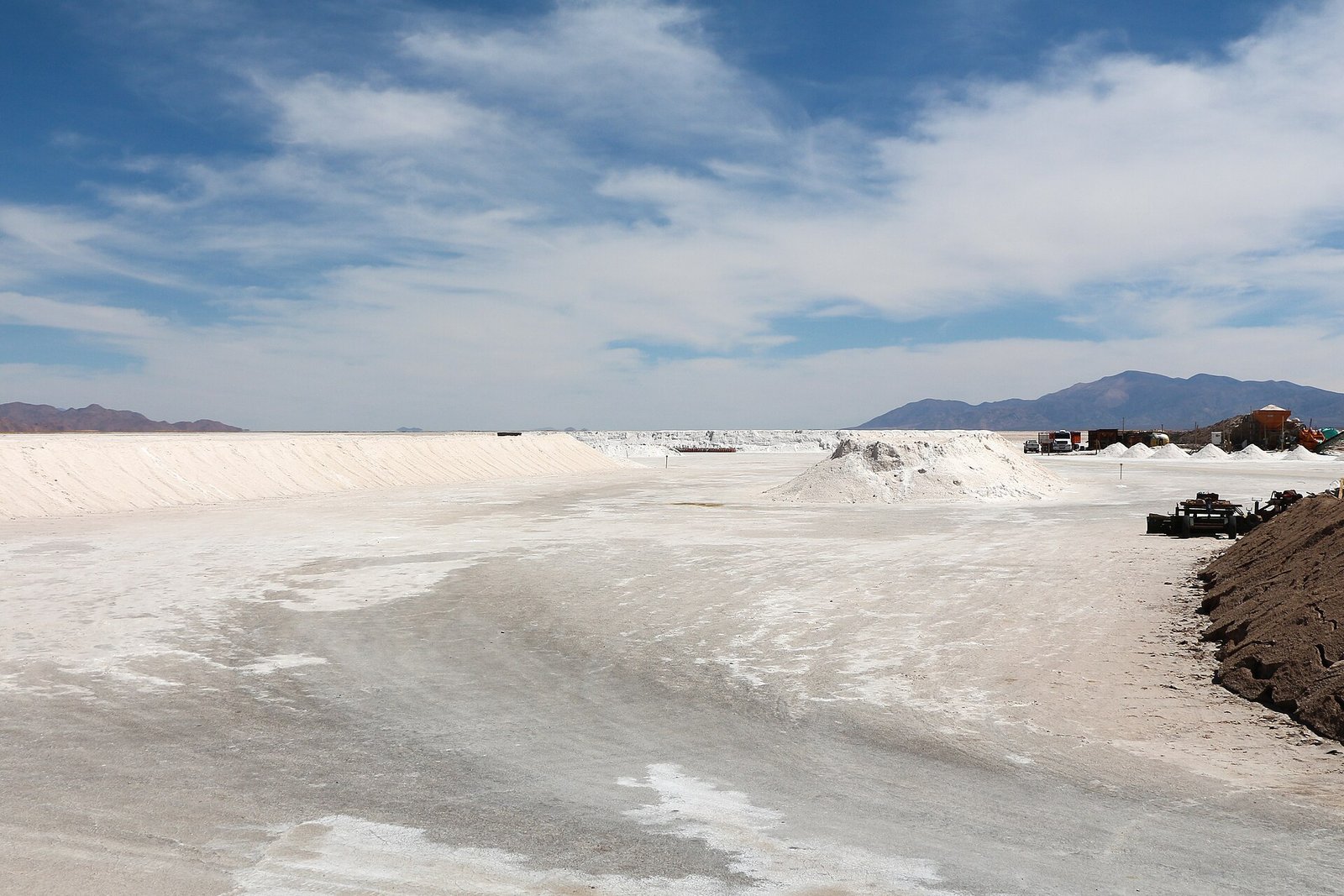
Salinas Grandes is one of the largest salt flats in Argentina, spread across the border between Salta and Jujuy at about 3,450 meters. It is smaller than Bolivia’s Salar de Uyuni, but it is far easier to reach. From Purmamarca, the road climbs the Cuesta de Lipán, a dramatic series of switchbacks that tops out near 4,170 meters, then drops onto the white plain about 65 kilometers from the village.
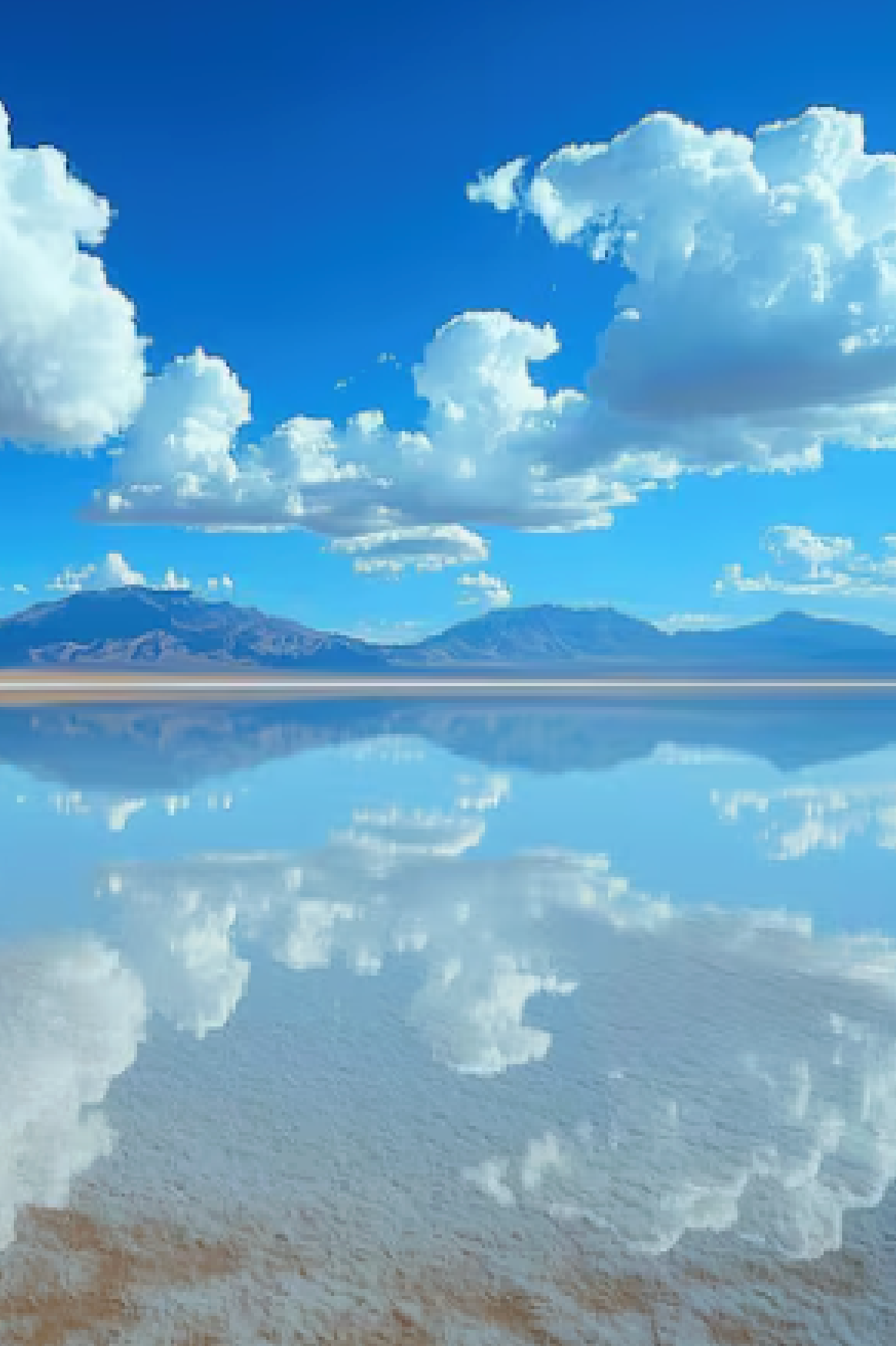
Local Kolla communities manage the visitor area. You pay a small fee for a short guided walk to the rectangular brine pools where salt is harvested, and they explain how salt is extracted and sold. You can also take the classic perspective photos with toy dinosaurs or water bottles. In the wet season, between January and March, a thin layer of water sometimes creates a mirror effect.
If you plan to continue to Bolivia, Salinas Grandes is a fun preview, but not a substitute. Our guide to Salar de Uyuni tours explains why the full three-day trip across the Bolivian salt flat is worth it.
Tours & experiences
Hornocal, salt flats and canyons
Skip the logistics with guided day trips from Salta and Jujuy to the Quebrada de Humahuaca, Salinas Grandes and Cafayate, with Spanish and English-speaking guides.
✓ Free cancellation up to 24 h · ★ Thousands of reviews · ✈ Hotel pickup on many tours
Cafayate and the Quebrada de las Conchas
South of Salta, the wine town of Cafayate sits at about 1,680 meters in the Calchaquí Valleys. It is famous for Torrontés, an aromatic white wine that thrives at altitude, and for high-elevation Malbec and Tannat. The town is relaxed, with a leafy plaza, artisan ice cream (try the wine-flavored scoops) and many bodegas within walking or cycling distance.
The journey there is half the fun. National Route 68 runs through the Quebrada de las Conchas, a red sandstone canyon with formations such as the Garganta del Diablo, a narrow gorge you can walk into, and the Anfiteatro, a natural amphitheater with remarkable acoustics. Musicians often play there for tips.
- Distance: about 185 kilometers from Salta, around 3.5 to 4 hours by bus or 3 hours by car without stops.
- Day trip or overnight: a day tour from Salta covers the canyon and one or two wineries, but staying one night lets you enjoy the town at a slower pace.
- Wineries to visit: El Esteco, Piattelli, Domingo Hermanos and smaller family bodegas offer tastings, most with a modest fee.
- Bike option: rent a bicycle in town and cycle between bodegas, or take the bus partway into the canyon and ride back.
Wine lovers who also plan to visit Mendoza can compare the two regions in our Mendoza wine tours guide.
Cachi and the Cuesta del Obispo Loop
Cachi is a white-washed colonial village at about 2,280 meters, framed by the snowy Nevado de Cachi. Getting there is spectacular: from Salta, Route 33 climbs through a cloud forest and up the Cuesta del Obispo to Piedra del Molino at around 3,350 meters, then crosses the Parque Nacional Los Cardones on a straight road known as the Recta de Tin Tin, lined with giant candelabra cacti.
With a rental car, many travelers drive a loop: Salta to Cachi on day one, then south along the famous Route 40 through the Quebrada de las Flechas, an area of jagged angled rock, to Cafayate on day two, and back to Salta through the Quebrada de las Conchas on day three. Part of Route 40 on this stretch is gravel, so drive slowly and check conditions after heavy rain.
Tren a las Nubes and Other Highlights
The Tren a las Nubes (Train to the Clouds) is one of the highest railways in the world. Today’s version combines a bus ride from Salta to San Antonio de los Cobres with a short train journey to the La Polvorilla viaduct, which stands at about 4,220 meters. It is a long day for a relatively short train section, so think of it as an altitude road trip with a railway finale. Check the official schedule before you go, since departures are usually limited to certain days of the week and can change by season.
Other options worth considering if you have extra days:
- Iruya: a village clinging to a mountainside at the end of a dramatic gravel road from Humahuaca, about 3 hours each way by bus. Stay overnight to make it worth the trip.
- Yungas cloud forests: Calilegua National Park offers a green, humid contrast to the dry Quebrada.
- Termas de Reyes: hot springs a short drive from San Salvador de Jujuy.
- Carnival: in February, the Quebrada celebrates one of the most colorful carnivals in South America. Book accommodation months ahead.
How to Get to Salta and Jujuy
By air
Salta’s Martín Miguel de Güemes Airport (SLA) has several daily flights from Buenos Aires, a trip of about 2 hours, plus seasonal routes from other Argentine cities. San Salvador de Jujuy’s airport (JUJ) also receives flights from Buenos Aires and is the closer option for the Quebrada. A smart plan is to fly into one and out of the other.
By bus
Long-distance buses connect Salta with Buenos Aires, Mendoza, Córdoba and Tucumán. From Buenos Aires the ride takes about 20 hours, so most travelers fly. Within the region, buses run frequently between Salta and San Salvador de Jujuy (around 2 hours) and from Jujuy up the Quebrada.
Overland from Chile and Bolivia
From San Pedro de Atacama in Chile, buses cross the Paso de Jama to Purmamarca, Jujuy and Salta several times a week, a scenic journey of around 9 to 12 hours depending on the border. From Bolivia, cross at Villazón and La Quiaca, about 2 hours north of Humahuaca, then continue south by bus. These routes make the region a natural link on an overland trip; see our San Pedro de Atacama guide and our one-month Andes backpacking itinerary.
Before you travel, double-check entry rules in our Argentina visa requirements guide.
Cheap flights
Fly into Salta for less
Compare every airline flying to Salta and Jujuy from Buenos Aires and beyond, and set a price alert so you book when fares drop.
✓ Hundreds of airlines compared · Free price alerts · ✓ No booking fees from Skyscanner
Getting Around: Bus, Tour or Rental Car?
| Option | Approx. cost (2026) | Best for | Watch out for |
|---|---|---|---|
| Local buses | USD 2 to 8 per leg between villages | Budget travelers based in the Quebrada | No service to the Hornocal or Salinas Grandes stop on most routes |
| Day tours from Salta | USD 45 to 90 per person | Short stays, no driving | Long days, 10 to 12 hours, little time at each stop |
| Shared taxi or remis | USD 30 to 50 round trip to the Hornocal, per vehicle | Specific spots without public transport | Agree the price and waiting time before leaving |
| Rental car | USD 45 to 80 per day plus fuel | Cafayate and Cachi loop, flexibility, photography | Gravel on parts of Route 40, cash-only fuel stations in remote areas |
For most people, the best combination is a rental car for the Salta, Cachi and Cafayate loop, then buses and one or two short taxi trips in the Quebrada. Driving the Cuesta de Lipán and the Hornocal road yourself is possible, but the altitude and gravel make a local driver a relaxing choice.
Altitude: How to Stay Healthy in the Northwest
The altitude in this region sneaks up on people. Salta city is low, but within a couple of hours you can be standing at 4,170 meters on the Cuesta de Lipán or 4,350 meters at the Hornocal. Your body needs time to adjust, so plan your route to climb gradually.
- Spend your first night in Salta, then move up to Purmamarca or Tilcara before visiting the Hornocal or Salinas Grandes.
- Drink plenty of water and keep alcohol light for the first couple of nights at altitude.
- Try coca tea or chew coca leaves, which are legal and widely sold in Jujuy.
- Walk slowly, especially on stairs and short climbs at the viewpoints.
- Speak to a doctor before your trip if you have heart or lung conditions, or if you have had altitude sickness before.
Our complete guide to altitude sickness in the Andes covers symptoms, prevention and when to descend.
✓ Gear we recommend
A pocket pulse oximeter for high-altitude days
A small fingertip pulse oximeter lets you check your blood oxygen at places like the Hornocal or Salinas Grandes and spot early warning signs before they become a problem. It weighs almost nothing and runs on AAA batteries.
As an Amazon Associate we earn from qualifying purchases.
Best Time to Visit Salta and Jujuy
| Season | Months | Weather | Verdict |
|---|---|---|---|
| Dry autumn | April to June | Sunny days, cool nights, clear skies | Excellent: great light and few crowds |
| Dry winter | July to August | Very cold nights, frost at altitude, sunny days | Good, but July is busy with Argentine school holidays |
| Spring | September to November | Warming up, windy, still mostly dry | Excellent: ideal for hiking and road trips |
| Rainy summer | December to March | Afternoon storms, green valleys, possible landslides | Fair: carnival is fun, but roads can close after rain |
The sweet spots are April to June and September to November. In summer, heavy rain can trigger mudslides on the Quebrada roads and the Iruya road, so build in a spare day if you travel between January and March.
How Much Does a Trip to Salta and Jujuy Cost?
Argentina’s prices have been volatile for years, and in 2026 many travelers find the country more expensive in dollar terms than a few years ago. Even so, the northwest remains one of the better-value regions. Here is a realistic daily budget per person, excluding flights.
| Item | Budget | Mid-range | Comfort |
|---|---|---|---|
| Accommodation (per night) | USD 15 to 25 (hostel dorm or simple room) | USD 45 to 80 (guesthouse, double room shared) | USD 120+ (boutique hotel) |
| Food (per day) | USD 12 to 18 | USD 25 to 40 | USD 60+ |
| Transport (per day, average) | USD 5 to 10 (buses) | USD 20 to 40 (tours, taxis) | USD 60+ (rental car or private driver) |
| Activities and fees | USD 5 to 10 | USD 15 to 30 | USD 40+ |
| Daily total | USD 40 to 60 | USD 90 to 150 | USD 220+ |
Cash is still useful in villages. Cards are accepted in most hotels and restaurants in Salta, Purmamarca and Tilcara, and foreign cards often get a favorable exchange rate, but small shops, community fees and remote fuel stations may only take pesos. For the bigger picture on costs across the continent, see our real South America budget.
Travel insurance
Explore the high Andes fully covered
Remote roads, high altitude and long bus rides are part of the adventure. Get medical cover built for long trips from about USD 1.60 per day, even if you are already traveling.
✓ 180+ countries · ⚕ Hospital and emergency cover · Cancel anytime
7-Day Salta and Jujuy Itinerary
This route climbs gradually to help you acclimatize and combines public transport with a few tours. Adjust it if you rent a car.
- Day 1, Salta: arrive, explore the plaza, San Francisco church and MAAM, ride the cable car up Cerro San Bernardo and finish at a peña.
- Day 2, Cafayate: travel through the Quebrada de las Conchas, stop at the Garganta del Diablo and the Anfiteatro, and visit two wineries. Overnight in Cafayate or return to Salta.
- Day 3, Purmamarca: travel north to Purmamarca, walk the Paseo de los Colorados in the afternoon and see the Seven Colors hill at sunset.
- Day 4, Salinas Grandes: morning trip over the Cuesta de Lipán to the salt flat, then continue to Tilcara in the afternoon.
- Day 5, Tilcara: visit the Pucará and botanical garden, then hike to the Garganta del Diablo waterfall.
- Day 6, Humahuaca and the Hornocal: stop in Uquía on the way, explore Humahuaca and take a shared taxi to the Hornocal in the afternoon.
- Day 7, departure or onward travel: return to Jujuy airport, or continue north to La Quiaca and Bolivia.
With ten days, add an overnight in Iruya and a separate night in Cachi. With five days, skip Cafayate and focus on the Quebrada.
Safety Tips for Northwest Argentina
Salta and Jujuy are among the calmest parts of Argentina for travelers. The main risks come from the environment rather than crime: altitude, strong sun, cold nights and road conditions. Take normal city precautions in Salta and San Salvador de Jujuy, especially around bus terminals at night, and keep valuables out of sight.
- Use sunscreen of SPF 50 and sunglasses; the sun at altitude burns quickly.
- Drive only in daylight on mountain roads and fill the tank whenever you can.
- Carry some cash, a power bank and offline maps; mobile signal disappears between villages.
- Respect local communities: ask before photographing people and pay community fees without bargaining.
A reliable eSIM helps a lot here, since Wi-Fi in small villages can be slow. Our best eSIM for South America guide compares options that work in Argentina.
✓ Gear we recommend
A packable down jacket for cold Andean nights
Even in summer, viewpoints like the Hornocal and the Cuesta de Lipán are windy and cold. A light down jacket that packs into its own pocket is the single most useful clothing item for this trip.
As an Amazon Associate we earn from qualifying purchases.
What to Pack for Salta and Jujuy
- Layers: a base layer, a fleece and a packable down jacket for the evenings and high viewpoints.
- A windproof shell, a warm hat and light gloves.
- Comfortable hiking shoes with good grip for gravel paths.
- Sunscreen, lip balm with SPF, sunglasses and a wide-brimmed hat.
- A refillable water bottle and some snacks for long drives.
- Cash in pesos for small purchases and community fees.
For a complete list built around high altitude, see our Andes packing list, which works just as well for northwest Argentina.
Flight delayed? Cancelled?
Get up to USD 650 back
Domestic flights to Salta and Jujuy are sometimes delayed or cancelled. If your journey touched an EU or covered route, you may be entitled to compensation. Check your flight in two minutes.
No win, no fee · ⚖ Millions of passengers helped · ✓ Free eligibility check
Frequently Asked Questions
Is it better to visit Salta or Jujuy?
Visit both if you can. Salta city is the better base for culture, food and the Cafayate and Cachi trips, while the Jujuy villages of Purmamarca, Tilcara and Humahuaca put you inside the Quebrada de Humahuaca and close to the Hornocal and Salinas Grandes.
How many days do you need in Salta and Jujuy?
Plan at least five days to see the Quebrada and Salinas Grandes, and seven to ten days if you also want Cafayate, Cachi or Iruya. Rushing the route also makes altitude sickness more likely.
How high is the Hornocal viewpoint?
The main Hornocal viewpoint sits at about 4,350 meters above sea level, which is higher than La Paz or Machu Picchu. Visit after a few days in the region and walk slowly.
Can you visit the Hornocal by public transport?
No public bus goes to the Hornocal. From Humahuaca you can take a shared taxi or 4×4 for roughly USD 30 to 50 round trip per vehicle, or join a tour from Salta, Purmamarca or Tilcara.
Is Salinas Grandes worth it if I am going to Uyuni?
Yes, as a short and easy experience. Salinas Grandes is a half-day trip from Purmamarca, while Salar de Uyuni in Bolivia is much larger and usually visited on a three-day tour. They complement each other.
What is the best month to visit northwest Argentina?
April to June and September to November offer dry weather, clear skies and fewer crowds. Summer brings rain and possible road closures, and July is busy with local holidays.
Do I need a car in Salta and Jujuy?
Not for the Quebrada de Humahuaca, where buses connect the villages. A rental car is very useful for the Cachi and Cafayate loop and for photographers who want sunrise and sunset at specific viewpoints.
Is Salta safe for tourists?
Salta and Jujuy are among the safest regions in Argentina for travelers. Use normal city precautions in Salta and San Salvador de Jujuy, and focus on altitude, sun and road safety in the mountains.
Can I cross from Jujuy to Bolivia or Chile?
Yes. Cross to Bolivia at La Quiaca and Villazón, about two hours north of Humahuaca, or take a bus over the Paso de Jama from Jujuy or Salta to San Pedro de Atacama in Chile.
How much money do I need per day in Salta and Jujuy?
Budget travelers can manage on about USD 40 to 60 per day, mid-range travelers should plan USD 90 to 150, and comfortable travel with a rental car or private driver costs USD 220 or more per day.
Final Thoughts: Argentina’s Most Colorful Corner
Salta and Jujuy show a side of Argentina that surprises almost everyone: Andean, colorful, quiet and full of history. Give yourself enough days to climb slowly, see the Hornocal in the afternoon light, walk on the Salinas Grandes and toast the trip with a glass of Torrontés in Cafayate. Then decide whether to continue north into Bolivia or west to the Atacama Desert.
Start by booking your first nights in Salta and your flight from Buenos Aires, then plan the Quebrada around the season. If you are combining the region with the rest of the country, our Buenos Aires travel guide and travel insurance comparison for South America will help you finish your plan.