The Andes do not ease you in. You can land in Cusco at 3,399 meters (11,152 ft) feeling fine, and wake up at 3 a.m. with a pounding headache. Altitude sickness — known locally as soroche — is the most common health problem travelers face in the high Andes, and one of the most preventable. It is not about fitness: marathon runners get it, and couch potatoes sometimes sail through. What matters is how fast you climb, how you spend your first 48 hours, and whether you spot the warning signs early.
This guide covers the whole cordillera, from Quito to the Bolivian Altiplano. You will learn what it is, which symptoms are normal and which are red flags, how many nights to spend at each altitude, and how to build an itinerary that climbs gradually. For Cusco and Machu Picchu specifically, our dedicated guide to altitude sickness in Cusco and Machu Picchu goes deeper on that corridor; our roundup of things to know before traveling in the Andes covers the wider picture.
Key takeaways
- Altitude sickness can affect anyone above 2,500 m (8,200 ft).
- Climb gradually: above 3,000 m, raise your sleeping altitude by no more than 500 m a day, and add rest days.
- Most mild symptoms fade in 24–48 hours with rest and no further ascent.
- Confusion, loss of coordination, breathlessness at rest or a cough with pink frothy sputum: emergencies — descend immediately.
- Plan your route around altitude — sleep low, and put the highest destinations last.
What Is Altitude Sickness?
As you climb, the air gets thinner: lower pressure means every breath delivers fewer oxygen molecules to your blood. Your body responds with faster breathing, a higher heart rate and, over days, more red blood cells. That adaptation — acclimatization — takes time. Altitude sickness happens when you ascend faster than your body can adapt.
Doctors group it into three forms. Acute mountain sickness (AMS) is the common, mild version: headache plus nausea, dizziness, fatigue or poor sleep. High-altitude cerebral edema (HACE) is dangerous brain swelling that can develop from untreated AMS; high-altitude pulmonary edema (HAPE) is fluid in the lungs — the form that kills most often at altitude. HACE and HAPE are rare below 4,000 m and usually follow a rapid ascent combined with ignoring early symptoms, which is why early symptoms matter.
Risk rises sharply above 2,500 m, and almost every classic Andes itinerary crosses that line: Cusco, La Paz, Puno and Potosí all sit above 3,300 m. What you can control is your ascent profile, your first days’ exertion, and how honestly you respond to symptoms.
Symptoms and Red Flags: What Is Normal and What Is Not
Feeling a bit off on day one is normal: faster breathing on stairs, light sleep, a mild headache, unusual tiredness. These usually peak on the first night and improve over 24–48 hours if you take it easy.
Treat these as red flags: stop ascending, rest, and — if they worsen — descend and get medical help:
- A headache that does not respond to rest, fluids and simple pain relief, or keeps getting worse.
- Repeated vomiting, or being unable to keep fluids down.
- Dizziness progressing to unsteadiness: inability to walk heel-to-toe in a straight line is a HACE warning sign.
- Confusion, unusual drowsiness, irritability or any behavior change noticed by companions.
- Breathlessness at rest or a persistent cough — especially with pink, frothy sputum (HAPE signs).
- Symptoms that appear or worsen after several days at the same altitude instead of improving.
Companions often spot deterioration before the sick person does, so agree in advance that nobody hides symptoms to avoid “ruining the trip.” It is also why proper cover is non-negotiable in the mountains; our guide to the best travel insurance for South America explains the coverage to look for.
Andean City Altitudes Compared: Where You Will Sleep
What matters most is not the highest point you visit, but the altitude where you sleep: a day trip to a 5,000 m pass with a night at 3,400 m is far easier than sleeping at 4,000 m. Use this table to plan your route:
| City / Base | Altitude | Recommended acclimatization nights | Notes |
|---|---|---|---|
| Quito, Ecuador | 2,850 m (9,350 ft) | 1–2 nights | A gentle first step from sea level. |
| Huaraz, Peru | 3,052 m (10,013 ft) | 2 nights | Cordillera Blanca gateway; easy day hikes before big treks. |
| Cusco, Peru | 3,399 m (11,152 ft) | 2–3 nights | Or sleep lower at first, in the Sacred Valley (2,800–2,900 m). |
| La Paz, Bolivia | 3,640 m (11,942 ft) | 2–3 nights | El Alto airport sits at 4,061 m — descend into the city and rest. |
| Uyuni, Bolivia | 3,656 m (11,995 ft) | 2 nights before multi-day tours | Salar tours climb to 4,800–5,000 m; arrive acclimatized. |
| Puno, Peru | 3,827 m (12,556 ft) | 2–3 nights | Reach it gradually via Cusco or Arequipa. |
| Potosí, Bolivia | 4,067 m (13,343 ft) | 3 nights at intermediate altitude first | One of the world’s highest cities; never a first high stop. |
One example: flying into La Paz and heading straight to the Salar de Uyuni is the classic mistake; two nights in La Paz first — planned with our La Paz travel guide — transforms the same tour. On the salt flats, our sister site’s guide to altitude sickness in Uyuni covers multi-day salar expeditions and their high-altitude refuges.
How to Acclimatize: A Step-by-Step Strategy
Climb in stages. Flying from sea level to a high city? The first 24 hours are for resting, not sightseeing: walk slowly and skip the viewpoint hike. Above 3,000 m, raise your sleeping altitude by no more than 500 m per night, with a rest day every two or three days.
Sleep low whenever the geography allows. In Peru, the Sacred Valley (Pisac, Ollantaytambo) sits several hundred meters below Cusco and makes an ideal first base — many travelers feel better visiting Cusco after the valley. In Bolivia, Sucre (2,810 m) is a gentle stepping stone.
Follow “climb high, sleep low.” From a comfortable base, daytime excursions to higher viewpoints or passes — returning to sleep lower — actively help acclimatization.
Keep the first days alcohol-free and light. Alcohol and sleeping pills depress breathing during sleep and mask symptoms. Avoid heavy exertion for the first 48 hours at any new altitude.
Build buffer days into the itinerary. The cheapest altitude insurance is time: with zero slack, one bad night forces a health-versus-booking choice. Put the highest experience — the Inca Trail, the Salar, the big summit hike — after your acclimatization days.
Eating, Drinking and Sleeping at Altitude
Hydration. Dry air and faster breathing dehydrate you quietly. Drink regularly — enough that your urine stays pale — without forcing extreme volumes. Water, soups and herbal teas all count.
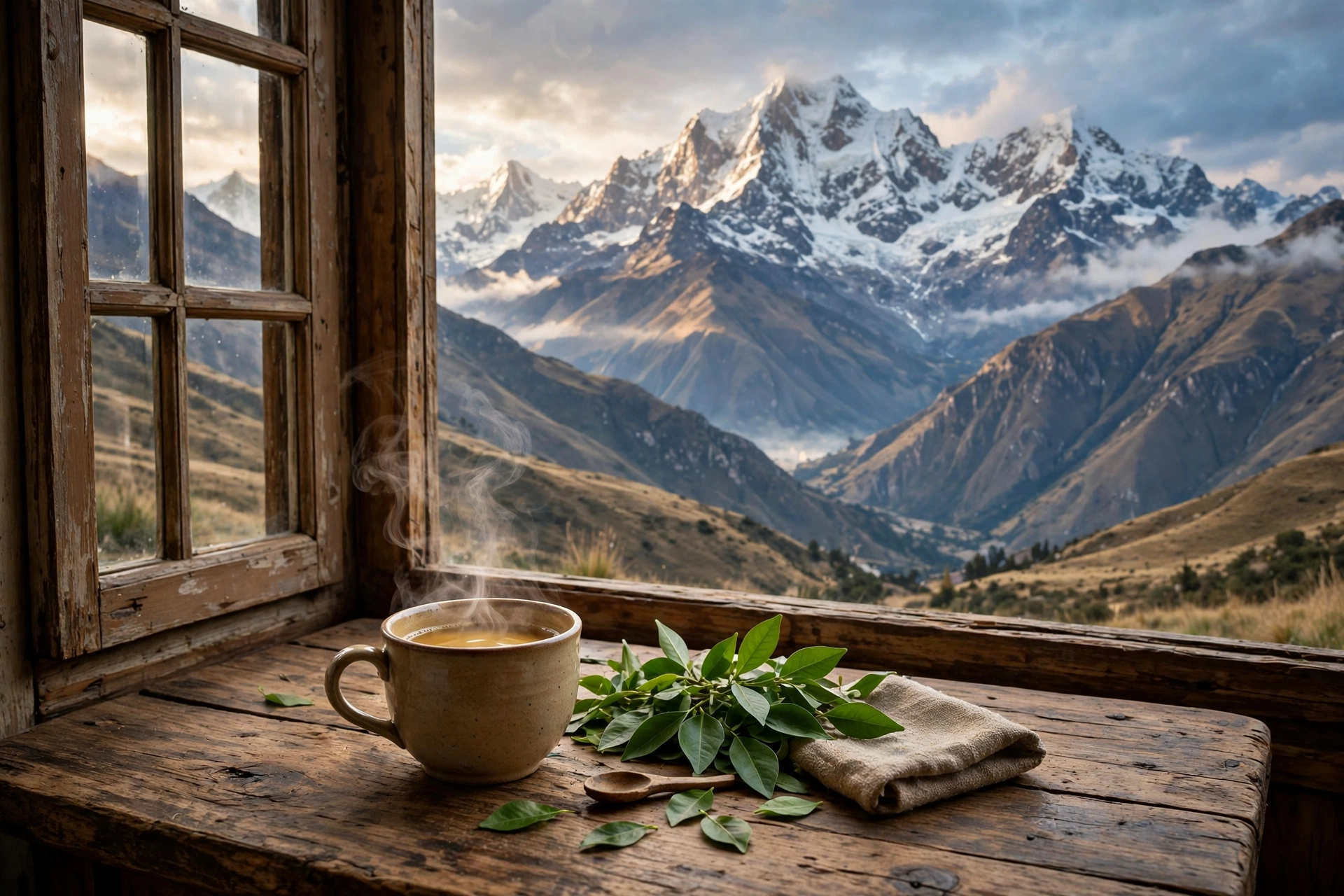
Coca tea and local remedies. Mate de coca has been used in the Andes for centuries, and many travelers find it soothing for mild headaches and digestion. It is legal in Peru and Bolivia, but cannot be taken home to most countries. Treat it as a ritual, not a treatment — never a substitute for rest or descent. Local soroche pills typically combine caffeine and a painkiller, which can mask a worsening headache.
Food. Appetite often drops at altitude. Eat smaller, carbohydrate-rich meals — soups, rice, potatoes, pasta — and go easy on heavy food and big late dinners at first. Quinoa soup and a light caldo de gallina are ideal.
Sleep. Light, broken sleep and periodic breathing are common and usually harmless in the first nights. If poor sleep persists beyond two or three nights at the same altitude, your body is still struggling — delay ascending further.
Medication: What to Discuss With Your Doctor
This section is general educational information, not medical advice. Before a high-altitude trip, talk with your doctor or a travel-medicine clinic — ideally four to six weeks ahead — especially with heart, lung or blood-pressure conditions, pregnancy, or previous altitude sickness.
Topics travelers commonly discuss with their doctor include whether a preventive medication such as acetazolamide is appropriate for their itinerary and health profile,. Doctors may discuss painkillers, anti-nausea options, and why sedative sleeping tablets are discouraged at altitude. Only a clinician who knows your history can weigh the benefits and side effects for you — never take someone else’s prescription medicine, and never let medication become a license to climb faster. No pill replaces gradual ascent; symptoms that break through medication mean stop and descend.
Vaccinations are a separate pre-trip topic; check our overview of yellow fever vaccine requirements for South America in 2026 before you fly.
When to Descend and Seek Help
If symptoms are getting worse, go down. Descending even 500–1,000 m often produces dramatic improvement within hours. Do not wait for a sick person to “sleep it off” if they show confusion, loss of coordination, breathlessness at rest or a worsening cough — those are emergencies requiring immediate descent and medical attention.
In practice: alert your guide or hotel staff early. Hotels in Cusco, La Paz and Puno know soroche well; many have oxygen and can arrange a doctor. Oxygen and rest can stabilize mild cases, but they are a bridge, not a cure — anyone who needs oxygen to feel better should not ascend further. On a trek, trust your guide’s descent decisions and never pressure them to push on.
Kids, Older Travelers and Other Special Cases
Children get altitude sickness too, and young kids cannot describe a headache clearly. Watch for unusual fussiness, poor appetite, vomiting and disturbed sleep. Pediatric guidance favors slower ascents and lower sleeping altitudes; discuss the itinerary with your child’s doctor before nights above 3,500 m.
Older travelers are not automatically at higher risk of AMS, but heart and lung conditions, and their medications, change the equation. A pre-trip medical check and extra rest days are essential.
Travelers with asthma, heart disease, anemia or sleep apnea, and anyone who has previously had HACE or HAPE, should plan with a specialist’s input. Previous severe altitude illness is the strongest predictor of a repeat episode, and calls for a slower profile and possibly doctor-decided preventive treatment. Pregnancy at altitude calls for individualized advice before booking.
Plan Your Trip
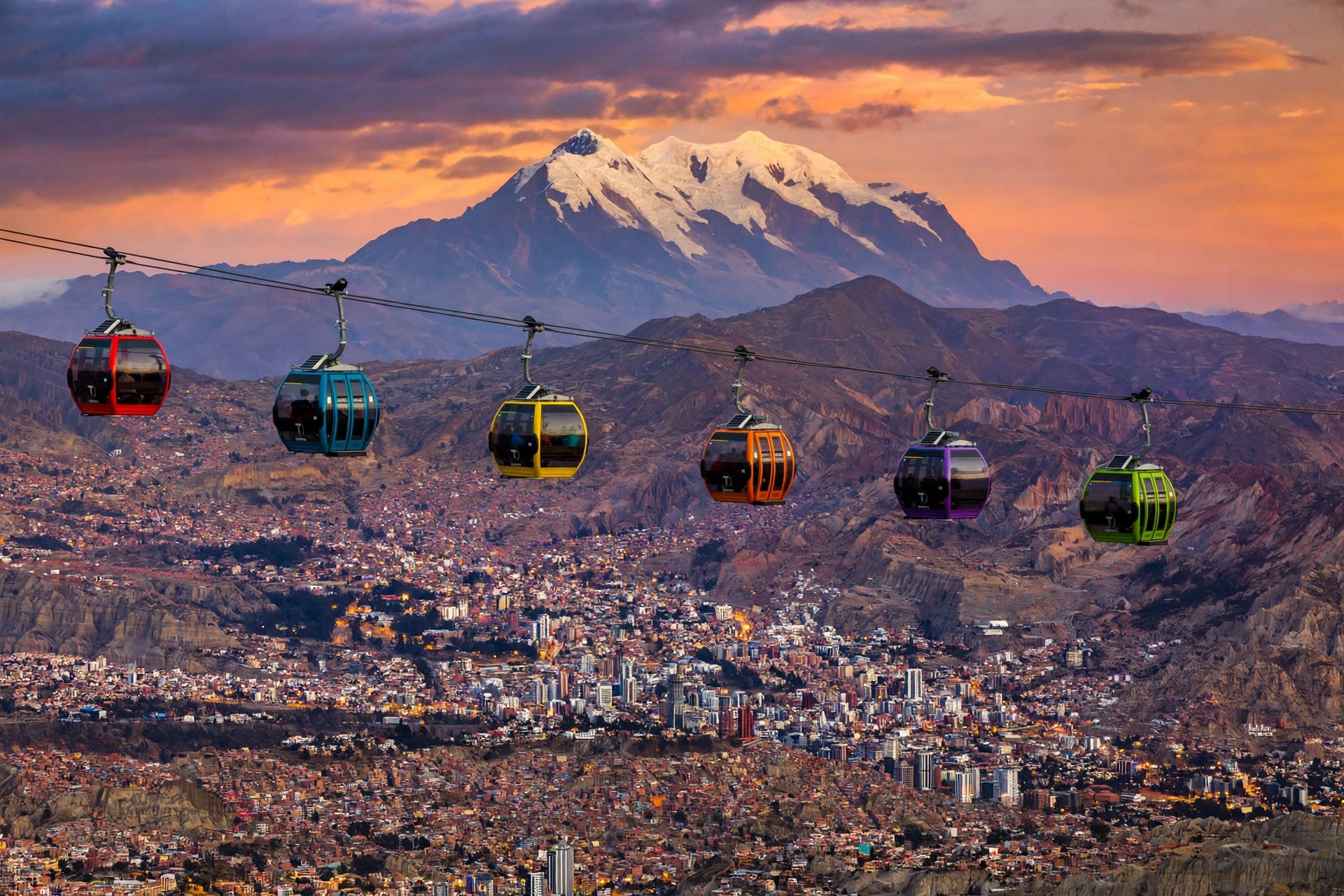
Build your route from low to high and protect those first slow days — in La Paz, the cable cars make a perfect gentle first afternoon of sightseeing. For the salt flats, see our sister site’s guide to the Salar de Uyuni dry season.
Frequently Asked Questions
At what altitude does altitude sickness start?
Most people feel nothing below about 2,500 m (8,200 ft). Above that, risk climbs with altitude and ascent speed; Andean cities between 3,300 m and 4,100 m are where symptoms usually start.
How long does it take to acclimatize?
Basic adjustment takes one to three days — mild symptoms usually fade within 24–48 hours. Fuller acclimatization takes one to two weeks.
Can physically fit people get altitude sickness?
Yes. Fitness does not protect against AMS, and very fit travelers sometimes fare worse because they push harder on the first days. Susceptibility is individual.
Does coca tea prevent altitude sickness?
There is no solid evidence it prevents AMS, but many travelers find it comforting. It never replaces rest, hydration or descent when symptoms are significant.
Should I take altitude medication?
That is a decision for your own doctor, who knows your health history. Preventive medicines exist for fast ascents or previous altitude illness, but they have side effects and interactions. This guide intentionally gives no dosages or prescriptions.
Is it safe to fly directly into Cusco or La Paz?
Millions do it every year, but it is the fastest possible ascent. Plan a restful first 24–48 hours, hydrate, avoid alcohol, and consider sleeping lower.
What should I do if I feel sick on a trek?
Tell your guide immediately, stop ascending, rest and hydrate. If red flags appear — confusion, unsteady walking, breathlessness at rest — descend without delay and seek medical help.
Can children travel to high altitude?
Yes, with extra care: slower ascents, lower sleeping altitudes, and close observation, since young children cannot describe symptoms clearly. Discuss the itinerary with your child’s doctor first.
Does travel insurance cover altitude sickness?
Many policies cover treatment and evacuation, but some exclude activities above certain altitudes. Check the limits before you buy, and keep the emergency number offline.
If I descend and feel better, can I go back up?
Only cautiously, once symptoms have fully resolved, and more slowly than before. If severe symptoms (HACE or HAPE signs) were involved, do not re-ascend without medical clearance.
Disclaimer: This article is general travel information, not medical advice; consult your doctor or a travel-medicine specialist.