
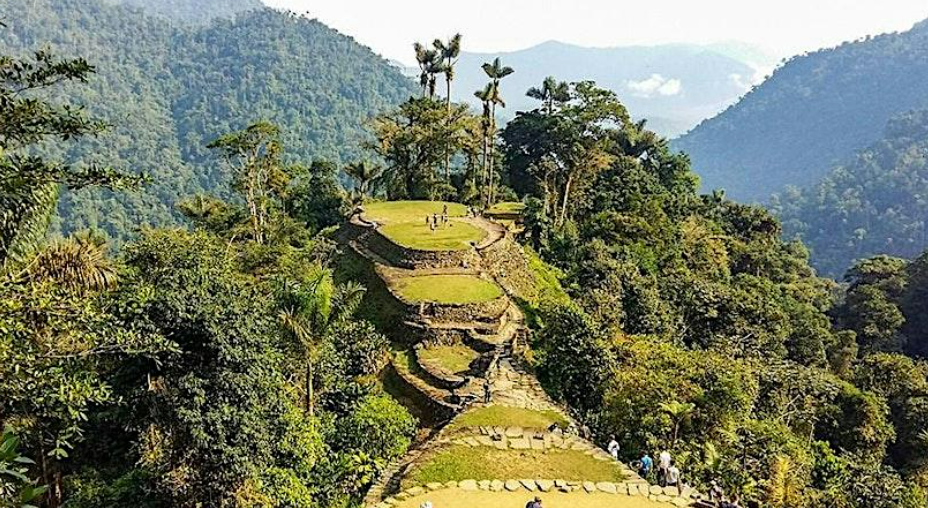
Deep in the jungle of Colombia’s Sierra Nevada de Santa Marta, hidden for centuries beneath the rainforest canopy, lies one of the most impressive archaeological sites in South America. Ciudad Perdida, known to the indigenous peoples of the Sierra as Teyuna, was built by the Tayrona civilization around the 7th century AD, centuries before Machu Picchu. Today the only way to reach it is on foot: a multi-day trek of about 50 kilometers through jungle, river crossings and indigenous villages, ending with a climb of roughly 1,200 stone steps.
The Lost City Trek is one of the great adventures of South America, and it is very different from the Andean treks of Peru or Bolivia. It is hot, humid and muddy rather than cold and high, and it is deeply connected to the living cultures of the Sierra. This guide explains everything you need to know for 2026: regulated prices, the 4-day versus 5-day options, a day-by-day route, the annual closure, what to pack, safety, and how to book from Santa Marta. If you are planning a broader trip, start with our Colombia travel guide.
Lost City Trek at a Glance
| Item | Details |
|---|---|
| Location | Sierra Nevada de Santa Marta, northern Colombia |
| Start point | El Mamey (Machete Pelao), about 2–3 hours by car from Santa Marta |
| Distance | About 50 km round trip (same trail in and out) |
| Duration | 4, 5 or 6 days |
| Site altitude | About 1,200 m |
| Steps to the site | Around 1,200 stone steps |
| Regulated price (2026) | COP 1,860,000 (4 days, promo) / COP 2,150,000 (5 days) |
| Guide required? | Yes, only licensed operators can run the trek |
| Minimum age | 13 years |
| Maximum group size | 18 people |
| Annual closure | A period each year for indigenous cleansing rituals (recently in October) |
The History of Ciudad Perdida
The Tayrona built Teyuna on a series of stone terraces cut into a steep mountain ridge, linked by staircases, paved paths and an ingenious drainage system that still works today. At its peak the city may have been home to a few thousand people, and it was part of a network of settlements across the Sierra. After the Spanish conquest the Tayrona retreated, the city was abandoned and the jungle swallowed it.
The site was rediscovered by treasure hunters in the early 1970s, and archaeologists arrived a few years later to protect and study it. Throughout this time, the indigenous peoples of the Sierra — the Kogui, Wiwa, Arhuaco and Kankuamo, considered descendants of the Tayrona — always knew of the city and consider it a sacred place. Today the site is managed with their participation, and the trail passes through their territory.
Understanding this context transforms the trek. You are not just visiting ruins; you are a guest in a living sacred landscape. The Kogui call themselves the “Elder Brothers” and believe their rituals maintain the balance of the world. Respectful behavior is essential.
Lost City Trek Prices in 2026
Prices for the Lost City Trek are regulated, so all licensed operators charge the same official rate. In 2026 the price is COP 1,860,000 for the 4-day trek (promotional rate) and COP 2,150,000 for the 5-day trek. The 6-day option is usually priced close to the 5-day rate. The price typically includes:
- Transport from Santa Marta to the trailhead and back.
- A bilingual or Spanish-speaking guide and an indigenous guide or translator.
- All meals and drinking water during the trek.
- Accommodation in camps with bunk beds or hammocks and mosquito nets.
- Entrance fee to the archaeological site.
- Basic insurance.
It does not include snacks and drinks purchased at camps, tips for guides and cooks, or mules to carry your bag. Because prices are regulated, the difference between operators lies in the quality of the guides, group size, food and camp choice, not in price. Book through a licensed company and avoid anyone offering a “cheap” unofficial version.
| Option | Price (COP) | Approx. USD | Best for |
|---|---|---|---|
| 4 days | 1,860,000 (promo) | ~US$450–480 | Fit hikers, limited time |
| 5 days | 2,150,000 | ~US$520–550 | Most travelers; more relaxed pace |
| 6 days | Similar to 5-day | ~US$520–560 | Slow pace, families, photographers |
USD figures are approximate and depend on the exchange rate. Bring cash in Colombian pesos for extras; there are no ATMs on the trail.
🎟 TOURS & ACTIVITIES
Book guided tours with local experts
Day trips, treks and experiences led by licensed guides, with free cancellation up to 24 hours before.
✓ Licensed guides · ★ 10M+ happy travelers · ↺ Free cancellation
4 Days vs 5 Days: Which Should You Choose?
All versions follow the same trail and visit the same site; the difference is how many hours you walk each day. The 4-day trek compresses the walking into longer days, which suits fit hikers who handle heat well. The 5-day trek spreads the distance more evenly, adds more time to rest, swim in rivers and enjoy the camps, and is the best choice for most people. The 6-day option is even more relaxed.
| Factor | 4 days | 5 days |
|---|---|---|
| Daily hiking | 6–8 hours on some days | 4–6 hours |
| Fitness needed | Good | Moderate |
| Time at camps | Less | More time to swim and rest |
| Price | Lower (promo rate) | Higher |
| Recommended for | Experienced hikers in a hurry | Most travelers |
Day-by-Day Route (5-Day Version)
Day 1: Santa Marta → El Mamey → first camp
Pick-up in Santa Marta in the morning and a drive of two to three hours to El Mamey, partly on a rough dirt road. After lunch, the trek begins with a hot, steep climb through farmland and forest, followed by a descent to the first camp. Expect around three to four hours of walking. A swim in the river is the perfect reward.
Day 2: Into the Sierra
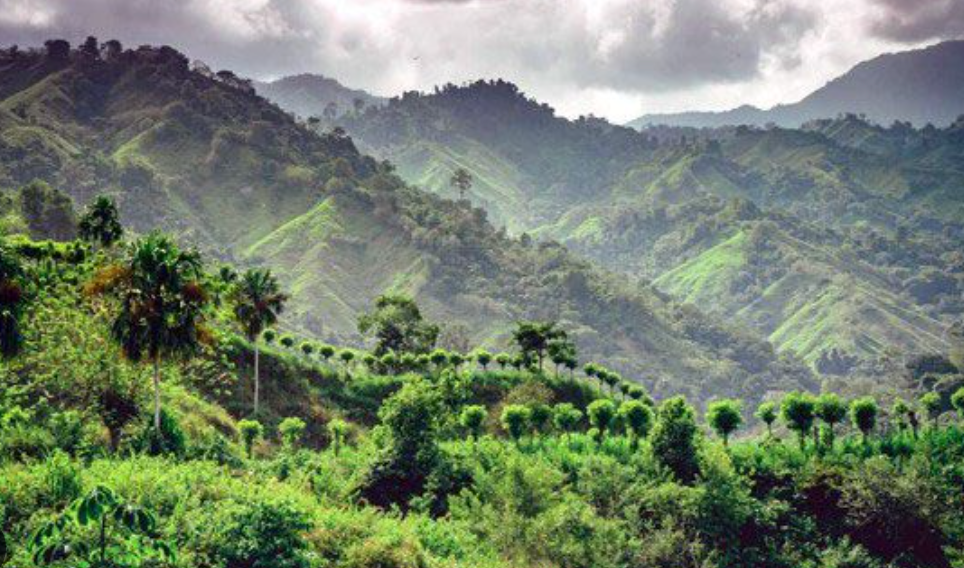
The trail climbs and descends through increasingly dense forest, with views over green ridges. You pass the Kogui village of Mutanyi, where your guide explains traditional customs and the meaning of the round thatched houses. Several river crossings and a long walk bring you to a camp near the Buritaca river.
Day 3: The 1,200 steps to Teyuna
An early start takes you along the river to the base of the site. After crossing the Buritaca, you climb roughly 1,200 moss-covered stone steps through the jungle to the first terraces of Ciudad Perdida. Your guide spends several hours explaining the history, the architecture and the spiritual meaning of the site, and you can meet the soldiers and indigenous authorities who protect it. The highest terraces offer the iconic view of circular platforms surrounded by jungle-covered mountains. Afterwards you descend to camp.
Day 4: The return begins
You walk back along the same trail, staying at one of the earlier camps. Legs are tired, but the familiar trail feels faster.
Day 5: Back to El Mamey and Santa Marta
A final morning of hiking brings you back to El Mamey for lunch before transport to Santa Marta in the afternoon.
How Hard Is the Lost City Trek?
The Lost City Trek is not technical, but it is physically demanding because of the heat, the humidity and the constant ups and downs. Trails turn into slippery mud after rain, and you will cross several rivers, sometimes waist-deep in the wet season. The 1,200 steps to the site are steep and can be slippery. Anyone in reasonable shape can complete it, especially on the 5-day version, but expect to sweat more than on any high-altitude trek.
Unlike treks in Peru or Bolivia, altitude is not a concern here: the site sits around 1,200 meters. Heat exhaustion and dehydration are the real risks. Drink plenty of water, add electrolytes, and walk slowly in the hottest hours.
🛡 TRAVEL INSURANCE
Trek the Andes fully covered
Medical cover built for long trips and nomads, from about $1.60 per day. Sign up even if you are already on the road.
✓ 180+ countries · ⚕ Hospital & emergency cover · ⏱ Cancel anytime
Best Time to Do the Lost City Trek
The trek runs most of the year. The driest months are December to March, with smaller dry spells around June and July. These are also the busiest periods. The wettest months are usually September to November, when river crossings are higher and trails are muddier. Every year the trek closes for a period to allow indigenous communities to perform cleansing rituals at the site; in recent years this has been in October. Always confirm the closure dates with your operator before planning your trip.
| Months | Conditions | Crowds |
|---|---|---|
| December – March | Driest, hottest | Busy |
| April – May | Rains increase | Moderate |
| June – August | Mixed, shorter dry spell | Busy in July |
| September – November | Wettest, highest rivers; closure period | Quiet |
What to Pack for the Lost City Trek
Pack light: you will carry everything on your back for 50 kilometers in hot, humid conditions. A 30–40 liter backpack is ideal. Things never fully dry, so bring quick-dry clothing and keep one set of dry clothes for the evenings in a waterproof bag.
- Trail shoes or light hiking boots with good grip, plus sandals for river crossings and camp.
- Three quick-dry T-shirts and two pairs of shorts or light trousers.
- One dry set of clothes for camp, stored in a dry bag.
- Rain jacket or poncho.
- Strong insect repellent with DEET or picaridin.
- Sunscreen, hat and sunglasses.
- Reusable water bottle (at least 1.5 liters) and electrolyte tablets.
- Headlamp, small towel, toiletries and toilet paper.
- Basic first aid kit with blister plasters.
- Passport copy and cash for snacks and tips.
🛒 GEAR PICK ON AMAZON
Waterproof dry bag
River crossings and daily rain mean everything gets wet on the Lost City Trek. A roll-top dry bag keeps your camp clothes, phone and passport dry.
Health Requirements and Vaccines
The Sierra Nevada is a tropical region. Yellow fever vaccination is recommended for travel in many parts of northern Colombia, and some travelers will need proof of vaccination for onward travel to other countries. Read our guide to yellow fever vaccine requirements for South America and talk to a travel health clinic before you go. Mosquitoes are present, especially at dusk, so use repellent and sleep under the nets provided at camps. Check the latest Colombia entry requirements as well.
How to Book the Lost City Trek
Only a small number of licensed operators are allowed to run the trek, and all of them depart from Santa Marta. You can book online in advance or through hostels and agencies in Santa Marta, Taganga or Palomino. In the high season, book at least a few days ahead; in the low season, you can often join a group leaving the next day. Check reviews for the specific company, ask about group size (maximum 18 people), and confirm whether your guide speaks English.
Minimum age is 13, and operators may ask for medical information. Travel insurance that covers hiking is strongly recommended. Read our guide to the best travel insurance for South America.
🏨 WHERE TO STAY
Book your stay with free cancellation
Hostels, boutique hotels and Andean lodges with verified guest reviews and flexible bookings in case your plans change.
✓ No booking fees · ★ 28M+ listings · ↺ Free cancellation on most stays
Where to Stay Before and After the Trek
Santa Marta is the main base, with a lively historic center, rooftop pools and plenty of hostels. Many trekkers also stay in Taganga (a fishing village nearby) or Palomino (a laid-back beach town an hour east). Most operators let you store luggage for free during the trek. After four or five days in the jungle, a few nights on the Caribbean coast are the perfect reward.
| Base | Vibe | Distance to trailhead |
|---|---|---|
| Santa Marta | City, restaurants, nightlife | 2–3 hours |
| Taganga | Small fishing village, diving | 2.5–3 hours |
| Palomino | Beach, river tubing, relaxed | 1.5–2.5 hours |
| Minca | Mountain village, coffee farms, birds | Pick-up via Santa Marta |
Combining the Lost City with the Caribbean Coast
The Lost City Trek fits naturally into a northern Colombia itinerary. Before or after the trek, spend a day or two in Tayrona National Park, where jungle meets Caribbean beaches, relax in Palomino, explore the coffee farms of Minca, and continue to Cartagena. Our 10-day Colombia itinerary shows how to fit it all together, and our Coffee Triangle guide covers the Andean side of the country.
✈ FIND CHEAP FLIGHTS
Fly to South America for less
Compare hundreds of airlines and booking sites at once and grab the lowest fare for your dates — including budget domestic hops between Andean cities.
✓ Free to use · 🌍 100M+ travelers monthly · 🔔 Price alerts
Safety on the Lost City Trek
The trek is considered safe for tourists. Colombia’s army maintains a presence at the site, the route is controlled by licensed operators, and groups always travel with guides. The main risks are slips on wet trails, river crossings in high water, heat and insects. Follow your guide’s instructions, especially at river crossings. For broader advice on traveling in Colombia, read our article on whether Colombia is safe to travel in 2026.
Respecting Indigenous Communities
The Sierra Nevada is the ancestral land of the Kogui, Wiwa, Arhuaco and Kankuamo. Some areas, including the highest terraces of the site at certain times, are off-limits for spiritual reasons. Always ask before photographing indigenous people, and follow your guide if you are asked not to. Do not give sweets to children; buying the woven bags (mochilas) sold by local communities is a better way to support them. Leave nothing behind, and remember that the jungle and the site are sacred to the people who live here.
Life at the Camps: What to Expect
Camps on the Lost City Trek are simple but well organized. Most consist of a large covered platform with rows of bunk beds or hammocks, each with a mosquito net, plus basic shared toilets and cold showers fed by river water. There is usually electricity for a few hours in the evening at the main camps, but do not count on charging your phone; bring a power bank. Small shops at the camps sell cold drinks, beer, snacks and chocolate at higher prices than in town, which is understandable given that everything arrives by mule.
The food is a pleasant surprise. Cooks travel with each group and prepare three hearty meals a day: eggs and arepas for breakfast, rice, beans, chicken or fish for lunch and dinner, and plenty of fresh tropical fruit. Vegetarian and other dietary requirements can be accommodated if you tell your operator in advance. Most camps sit beside a river with natural swimming holes, and a dip after a long, sweaty day is one of the highlights of the trek.
Nights are warm and noisy with the sounds of the jungle, and you will usually go to sleep early because days start before sunrise. Earplugs are a good idea in shared dormitories.
Tips for a Better Lost City Trek
- Start each day early. Walking in the cooler hours before 11:00 am makes a huge difference.
- Change into dry clothes every evening. Keep one set completely dry for sleeping.
- Protect your feet. Wet socks cause blisters; bring several pairs and air your feet at breaks.
- Hire a mule if needed. For a fee, mules can carry your bag between camps, which helps if you struggle with heat.
- Bring cash for tips. Tipping guides, translators and cooks at the end is customary.
- Listen to your indigenous guide. The cultural explanations are what make this trek unique.
- Keep your phone in a waterproof case. Sudden downpours are common even in the dry season.
Lost City Trek vs Machu Picchu
Travelers often compare the two. Machu Picchu is larger, more famous and more photogenic in the classic sense, but it receives thousands of visitors every day. Ciudad Perdida is older, more remote and far quieter; on many days only a few dozen people reach the site. The trek is hotter and wetter, while the Inca Trail is colder and higher. Ideally, do both. Read our Machu Picchu travel guide to plan the Peruvian half of the comparison.
Frequently Asked Questions
How much does the Lost City Trek cost in 2026?
Prices are regulated. In 2026 the 4-day trek costs COP 1,860,000 (promotional rate) and the 5-day trek costs COP 2,150,000, including transport, guides, food, accommodation and the site entrance.
How long is the Lost City Trek?
The trek is about 50 km round trip on the same trail and takes 4, 5 or 6 days. The final approach to the site involves around 1,200 stone steps.
Can I do the Lost City Trek without a guide?
No. The trek can only be done with licensed operators, and every group must travel with a guide. Independent hiking is not permitted.
Is the Lost City Trek hard?
It is moderately difficult. It is not technical or high, but the heat, humidity, mud, river crossings and steep climbs make it physically demanding. The 5-day version is easier.
When is the Lost City Trek closed?
The trek closes for a period every year so indigenous communities can perform cleansing rituals at the site; in recent years this has been in October. Confirm current dates with your operator.
What is the minimum age for the Lost City Trek?
The minimum age is 13 years. Groups are limited to a maximum of 18 people.
Is Ciudad Perdida older than Machu Picchu?
Yes. Ciudad Perdida was built by the Tayrona around the 7th century AD, about 650 years before Machu Picchu.
Do I need a yellow fever vaccine for the Lost City Trek?
Yellow fever vaccination is recommended for parts of northern Colombia. Consult a travel health clinic and check requirements for any onward travel.
What should I pack for the Lost City Trek?
Pack light: quick-dry clothes, a dry set for camp in a dry bag, trail shoes, sandals, rain jacket, insect repellent, sunscreen, water bottle, electrolytes and a headlamp.
Where does the Lost City Trek start?
Tours start with pick-up in Santa Marta and a 2–3 hour drive to the village of El Mamey (Machete Pelao), where the hike begins.
Conclusion: A Journey into Colombia’s Sacred Jungle
The Lost City Trek is one of the most rewarding adventures in South America. It is hot, muddy and demanding, but the reward is extraordinary: an ancient city of stone terraces emerging from the jungle, river swims after long days of walking, and a rare chance to learn about the living cultures of the Sierra Nevada. Choose the 5-day version if you can, pack light, respect the communities whose land you cross, and you will return to Santa Marta with stories to tell for years.
Keep planning with our Colombia travel guide, our 10-day Colombia itinerary, and, if you plan to stay longer, our Medellín digital nomad guide.