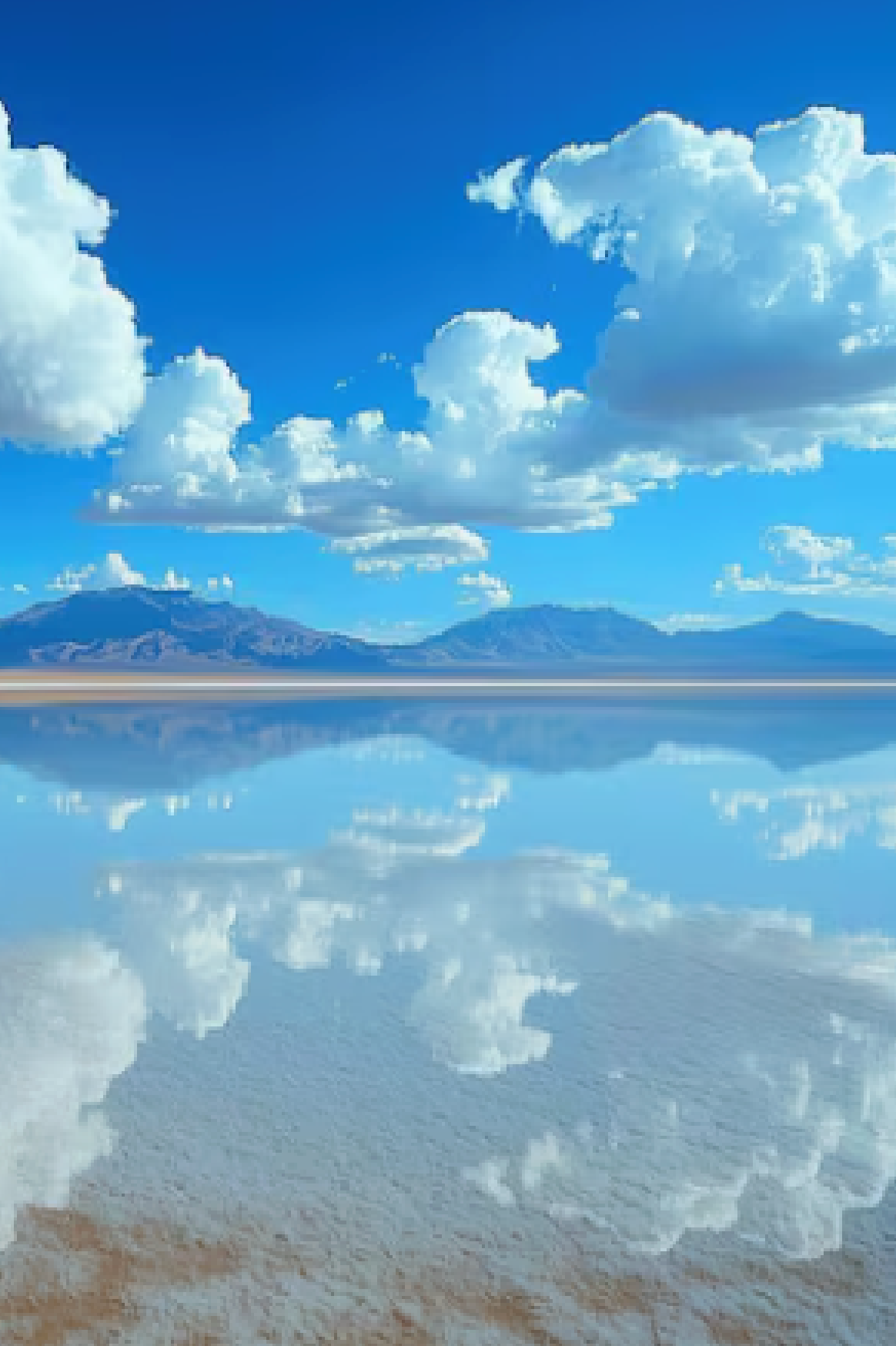

The W Trek through Torres del Paine is one of the most rewarding multi-day hikes in South America, and also one of the most heavily booked, with refuges and campsites operating on strict capacity limits that sell out months ahead in peak season. This guide covers exactly what the trek involves, what permits and bookings you actually need, realistic costs, and a day-by-day breakdown of the route, so you can plan a trip that gets you onto the trail with confirmed beds rather than scrambling for availability once you arrive in Chilean Patagonia.
What the W Trek Actually Is
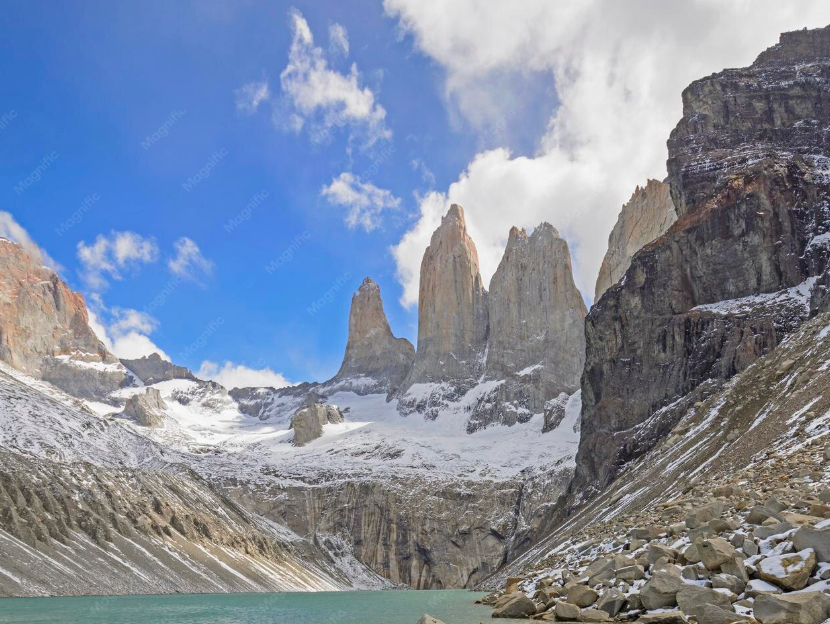
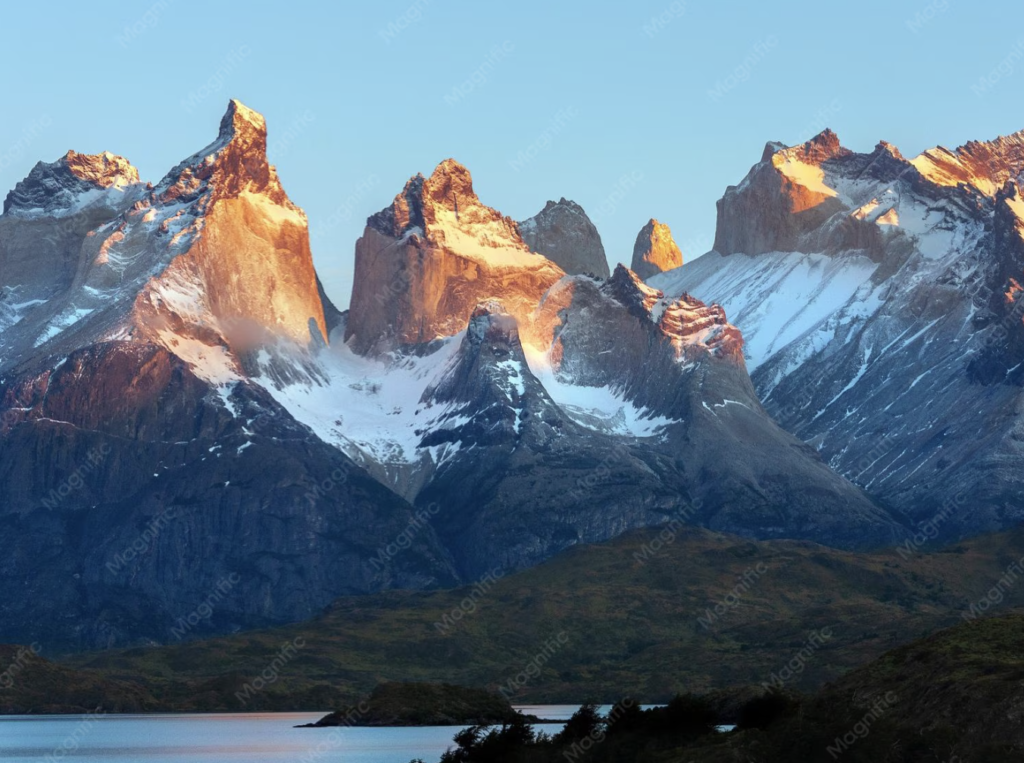
The W Trek gets its name from the shape it traces on a map, roughly 80 kilometers covered over four to five days, tracing three major valleys into the heart of Torres del Paine National Park: the Torres viewpoint to the east, the French Valley in the middle, and Grey Glacier to the west. It’s considered a moderate-to-challenging trek accessible to reasonably fit hikers without technical climbing experience, distinct from the longer O Circuit (the full loop around the massif, typically eight to nine days) which adds considerably more remote, less-supported terrain for experienced multi-day trekkers.
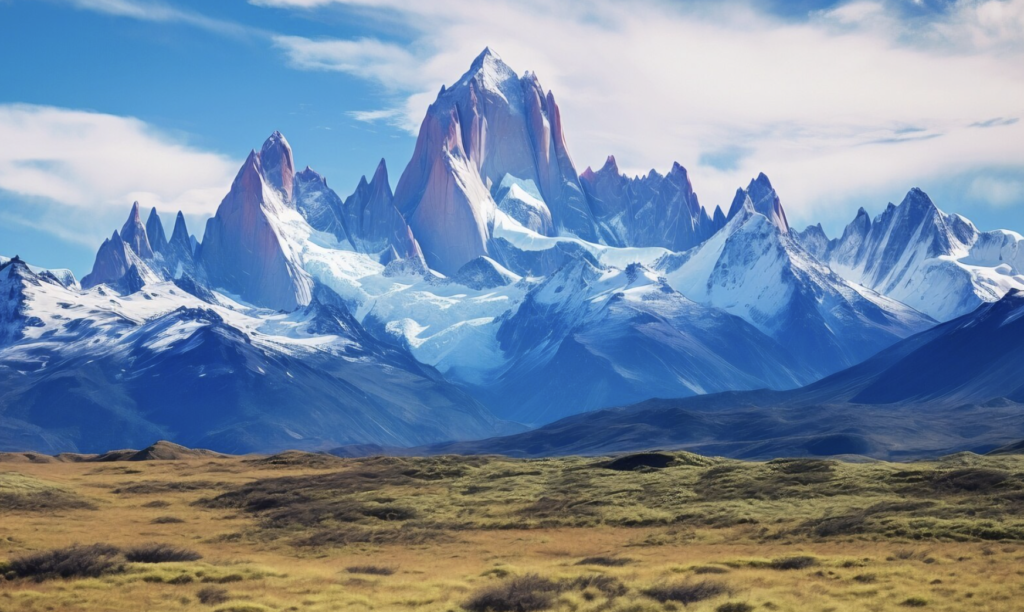
Table: W Trek Planning Essentials
| Detail | What to Know |
|---|---|
| Distance | Roughly 80 km total over 4-5 days |
| Difficulty | Moderate to challenging, no technical climbing required |
| Best season | October through April (Southern Hemisphere spring through autumn) |
| Booking lead time | 3-6+ months ahead for peak season (December-February) refuges and campsites |
| Park entrance fee | Paid separately from refuge/camping bookings, required for all visitors |
| Gateway town | Puerto Natales, roughly 2 hours from the park entrance |
Why Booking the W Trek Is Genuinely Time-Sensitive
Unlike many treks where you can show up and find a campsite, Torres del Paine’s refuges and campsites operate on strict, regulated capacity limits enforced by the park administration, a policy designed to protect the park’s fragile ecosystem from overtourism. This means every night of your W Trek needs a confirmed reservation at a specific refuge or campsite before you start, not just a general plan to “figure it out” once you’re on the trail. Peak season (December through February, the Southern Hemisphere summer) sees the most severe booking pressure, with the most popular refuges reported selling out three to six months in advance, while shoulder season (October-November and March-April) offers somewhat more flexibility but still rewards early booking.
BOOK YOUR PUERTO NATALES STAY
Rest Before And After — The Trek
Puerto Natales is your gateway town for gear, permits and a real bed before and after the circuit. Free cancellation on most rooms.
No booking fees · Flexible cancellation · Verified stays
Refuges vs Camping: Understanding Your Accommodation Options
Along the W Trek route, you have two main accommodation categories: refuges (mountain huts with dormitory-style beds, meals, and basic facilities) and designated campsites (some with equipment rental available, others requiring you to carry your own tent). Refuges offer considerably more comfort, hot meals, real beds, and shelter from Patagonia’s famously unpredictable weather, but cost significantly more and sell out faster given their limited capacity. Campsites are more budget-friendly and, at sites offering equipment rental, let you avoid carrying a full tent and sleeping setup, though they still require advance booking and offer less protection from the wind and rain that can roll in with little warning. Most trekkers mix both, using refuges for a couple of nights and camping for others, based on budget and what’s actually available when they book.
Day-by-Day Route Breakdown
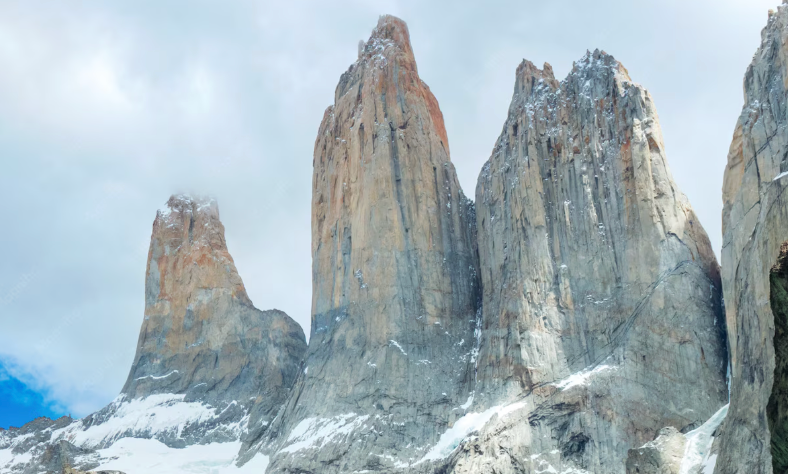
A typical five-day W Trek runs roughly as follows: Day one, arrive at the park and hike to your first refuge or campsite near the base of the trek, often a shorter introductory day. Day two, the hike up to the Torres viewpoint, the trek’s most iconic vista and one of its most physically demanding days given the steep final ascent. Day three, moving west toward the French Valley, with a side hike up into the valley itself offering some of the park’s most dramatic mountain views. In the day four, continuing west toward Grey Glacier, with views of the glacier’s massive ice face and, for some itineraries, an optional glacier boat excursion. Day five, the return hike out and transport back to Puerto Natales. Many trekkers compress this into four days by combining some sections, while those wanting more time to enjoy each valley extend to six.
BOOK YOUR TREK SUPPORT
Trek With Confidence — Guided Options Available
From day tours to full guided W Circuit support, licensed operators know current refuge availability. Free cancellation on most bookings.
Local guides · Free cancellation · Instant confirmation
Realistic Cost Breakdown
The W Trek’s total cost varies enormously based on your accommodation choices: a fully camping-based trek with your own gear runs considerably cheaper than a refuge-based trek with meals included, and most trekkers land somewhere in between with a mix of both. Beyond accommodation, budget for the park entrance fee (paid separately and required regardless of your accommodation choices), transport from Puerto Natales to the park entrance and between trailheads within the park, and food if you’re not booking refuge meal packages. First-time trekkers often underestimate the cumulative cost of refuge stays specifically, since nightly rates for beds with meals included add up quickly across four or five nights compared to a budget camping-based approach.
Weather and Packing: Patagonia’s Notorious Wind
Torres del Paine’s weather is famous for changing dramatically within a single day, strong winds (genuinely strong enough to affect balance on exposed sections), sudden rain, and temperature swings that can catch underprepared hikers off guard even in the height of summer. Layering is essential rather than optional here, and a genuinely windproof outer shell matters more on this trek than almost anywhere else in the Andes covered in this series. Waterproof, broken-in hiking boots are equally critical given how quickly trail conditions can shift from dry to muddy, and packing a pack cover or waterproof liner protects your gear from sudden downpours that arrive with little warning.
GEAR UP FOR PATAGONIA
Pack For The Wind — Essential Trekking Gear
Patagonia’s notoriously strong winds and shifting weather demand the right layers and gear. Ready before you fly.
Fast shipping · Trusted reviews · Ready before you fly
Getting to the Park: Puerto Natales as Your Base
Puerto Natales serves as the standard gateway town for the W Trek, roughly two hours by bus or transfer from the park entrance, and is where most trekkers handle final gear rental, grocery shopping for camping meals, and permit confirmation before heading in. Spending a night in Puerto Natales both before and after your trek, rather than trying to arrive and start hiking the same day, gives you a buffer for any transport delays and a proper rest and shower after four or five days on the trail. See our full Chile Patagonia travel guide for how the W Trek fits into a broader Patagonia itinerary.
Two Companies, Two Booking Systems
One detail that trips up first-time planners: refuges and campsites along the W Trek aren’t managed by a single company or a single booking portal. Different sections of the route are operated by different concessionaires, each running its own reservation system with its own account setup, payment process, and availability calendar. This means putting together a full W Trek itinerary often means booking across more than one platform separately, then cross-checking that your nights actually connect into a workable route, rather than reserving everything in one transaction the way you might for a single hotel chain. Build in extra time for this step alone.
Confirming five consecutive nights of accommodation across separate systems, each with its own login and calendar, is genuinely the most time-consuming part of planning this trek, and it’s exactly the kind of logistics load a guided operator absorbs on your behalf if you’d rather not manage it yourself.
Food and Water on the Trail
If you’re staying in refuges, meal packages (breakfast, packed lunch, dinner) are typically available to book alongside your bed, which removes the need to carry cooking gear or several days of food. Campers have more flexibility but need to plan meals carefully, since resupply options inside the park are limited to what refuges sell at their small shops, often at a premium and with inconsistent stock. Water is generally available from streams along much of the route and is commonly drunk untreated by hikers, though carrying a filter or purification tablets is a reasonable precaution if you have a sensitive stomach or prefer not to rely on trail water quality varying by season.
Should You Go Guided or Independent?
The W Trek is genuinely doable independently for hikers comfortable navigating well-marked trails and managing their own multi-day logistics, and a significant share of trekkers do exactly this. Going with a guided group removes the booking complexity entirely (the operator handles refuge and campsite reservations as part of your package), adds a knowledgeable guide for wildlife spotting and trail conditions, and can be worth the premium for first-time long-distance trekkers or anyone uneasy about navigating Chile’s booking systems independently. Budget-conscious and experienced trekkers more often go independent, accepting the extra planning work in exchange for lower costs and full control over their itinerary.
Altitude, Terrain and Physical Demands
The W Trek doesn’t reach the extreme altitudes you’d encounter in Peru or Bolivia, so altitude sickness is a minor concern compared to, say, a Cusco or La Paz itinerary. The physical challenge here comes instead from long daily distances, some steep and exposed sections (particularly the final push to the Torres viewpoint), and Patagonia’s wind actively working against you on ridgelines. Trekking poles are worth packing for the descents, and breaking in your boots well before you fly is not optional advice, it’s the difference between an enjoyable trek and a miserable one by day three.
Combining the W Trek With the Rest of Patagonia
Most travelers don’t fly all the way to Chilean Patagonia just for the W Trek alone. Pairing it with time in El Calafate for Perito Moreno Glacier across the Argentine border, or extending north through the Carretera Austral, turns a single trek into a full Patagonia circuit worth two to three weeks. If photography is a priority alongside the hiking itself, our Patagonia southern Andes photography guide and dedicated Torres del Paine photography guide cover the specific light windows and viewpoints worth timing your hike around.
Common Mistakes First-Time W Trekkers Make
The single biggest mistake is underestimating booking lead time and assuming refuges work like a hostel you can book a few weeks out; by the time many first-timers start looking, their preferred dates in peak season are already gone. The second is under-packing for wind specifically, bringing a jacket that’s warm but not genuinely windproof, then struggling on exposed ridgelines. The third is overpacking food weight when refuge meal plans were available and would have saved several kilograms of pack weight across the trek. Learning from these before you go, rather than on the trail, makes a meaningful difference to how much you actually enjoy the hike.
Before You Go: Round Out Your Trek Prep
- Check Chile’s entry requirements: review our Chile visa requirements guide.
- Compare boots built for this exact trail: see our best waterproof hiking boots for Patagonia guide.
- Pick the right pack for multi-day trekking: read our best expedition backpacks for Andes trekking comparison.
- Get travel insurance with trekking coverage: compare options in our best travel insurance for South America guide.
What a Sample Packing List Looks Like
Beyond the obvious (boots, backpack, layers), a few items consistently make the difference between a comfortable W Trek and a rough one. A genuinely windproof, waterproof outer shell sits at the top of that list, since Patagonia’s weather can shift from calm sunshine to driving horizontal rain within an hour, even in the middle of summer. Thermal base layers matter even in the warmest months, since temperatures drop sharply once the sun dips or the wind picks up on exposed ridgelines.
A dry bag or waterproof pack liner protects electronics, sleeping bags, and spare clothing from sudden downpours, and is worth the small extra weight. Trekking poles help enormously on the steeper descents, particularly toward the end of longer days when legs are tired and loose scree sections demand extra stability. A headlamp, basic first aid kit, blister treatment, and a reusable water bottle round out the essentials most guides and refuge staff recommend as non-negotiable.
How the W Trek Compares to Other Patagonia Multi-Day Hikes
Torres del Paine’s W Trek is often the first Patagonia trek travelers consider, but it’s worth knowing how it stacks up against alternatives if your schedule or preferences point elsewhere. El Chaltén, across the border in Argentina, offers day hikes to Laguna de los Tres and Laguna Torre that require no advance refuge booking at all, since accommodation is based in town rather than on the trail, a genuinely simpler logistics picture for travelers short on planning time. The O Circuit, Torres del Paine’s full loop, delivers a more remote, less-crowded experience than the W but demands significantly more advance planning, fitness, and time. For travelers who want Patagonia’s iconic scenery without the multi-month booking lead time the W Trek increasingly requires, day-hiking bases like El Chaltén are worth serious consideration as an alternative or complement to a Torres del Paine itinerary.
Travel Insurance for Multi-Day Trekking
Standard travel insurance policies don’t always cover multi-day backcountry trekking by default, and it’s worth confirming your policy specifically covers hiking at the distances and remoteness the W Trek involves before you rely on it. Evacuation coverage matters more here than on a typical city-based trip, given how far some sections of the route sit from the nearest road access. Check the fine print on any policy against the specific activity level of a multi-day Patagonia trek rather than assuming general travel coverage extends to it automatically.
Beyond evacuation, look for coverage on trip interruption and gear loss too, since remote refuges and multi-leg transport connections add more points where a delay or lost bag can cascade into missed trail days. A policy built for adventure travel specifically, rather than a generic city-trip plan, is the safer bet for a trek of this length and remoteness.
Cell Service and Staying Connected on the Trail
Cell coverage inside Torres del Paine National Park is minimal to nonexistent along most of the trail, with reception generally limited to areas near some refuges rather than continuous coverage. Treat the days on trail as genuinely offline, and let anyone expecting to hear from you know in advance not to worry about silence for several days. For the connectivity you’ll want before and after the trek, in Puerto Natales and while traveling elsewhere in Chile and neighboring countries, our best eSIM for South America guide covers current country-by-country coverage options worth setting up before you fly.
Frequently Asked Questions About the W Trek
Here are the questions we hear most often from travelers planning their first Torres del Paine trek.
1. How far in advance should I book refuges and campsites?
Three to six months ahead for peak season (December-February); shoulder season allows somewhat more flexibility.
2. Is the W Trek suitable for beginners?
It’s moderate to challenging and doesn’t require technical climbing, but reasonable fitness and multi-day hiking stamina are needed.
3. What’s the difference between the W Trek and the O Circuit?
The W Trek covers roughly 80 km over 4-5 days along three valleys; the O Circuit is a longer, more remote 8-9 day full loop.
4. Do I need to book a park entrance permit separately?
Yes, the park entrance fee is separate from refuge and campsite bookings and required for all visitors.
5. Can I camp for free without booking?
No, all campsites within the park require advance reservation under current park regulations.
6. What’s the best season to hike the W Trek?
October through April, with December-February being peak season and also the most heavily booked.
7. Should I bring my own tent or rent one?
Some campsites offer equipment rental; check availability when booking if you’d rather not carry a full camping setup.
8. Is guided or independent trekking better for first-timers?
Guided removes booking complexity and adds trail knowledge; independent offers lower cost and more control for confident hikers.
9. How windy does it actually get?
Genuinely strong enough to affect balance on exposed sections; a windproof shell is essential gear, not optional.
10. What’s the closest town to stay in before and after the trek?
Puerto Natales, roughly two hours from the park entrance, serves as the standard gateway town.
A Quick Note on Sustainability
Torres del Paine’s strict capacity limits on refuges and campsites aren’t just a booking inconvenience, they’re a direct response to the park’s popularity and fragility, and they’re part of why the trail still looks the way it does today. Sticking to marked paths, packing out all waste, and respecting fire restrictions (open fires have caused serious damage to the park historically) all matter more here than on lower-traffic trails, given how many thousands of hikers pass through the same narrow corridors each season.
Choosing lightweight, reusable gear over single-use plastics for the trail, and carrying a refillable bottle rather than buying bottled water at refuges, are small habits that add up across the thousands of trekkers the park hosts each season.
Conclusion
The W Trek delivers some of the most striking mountain scenery in South America, but only for trekkers who treat the booking process with the same seriousness as the hike itself, given how tightly refuges and campsites are capacity-controlled. Book your accommodation three to six months ahead for peak season, pack genuinely wind-ready gear, and decide early whether guided or independent trekking fits your experience level, and Torres del Paine delivers on every bit of its reputation as one of the Andes’ essential multi-day treks.