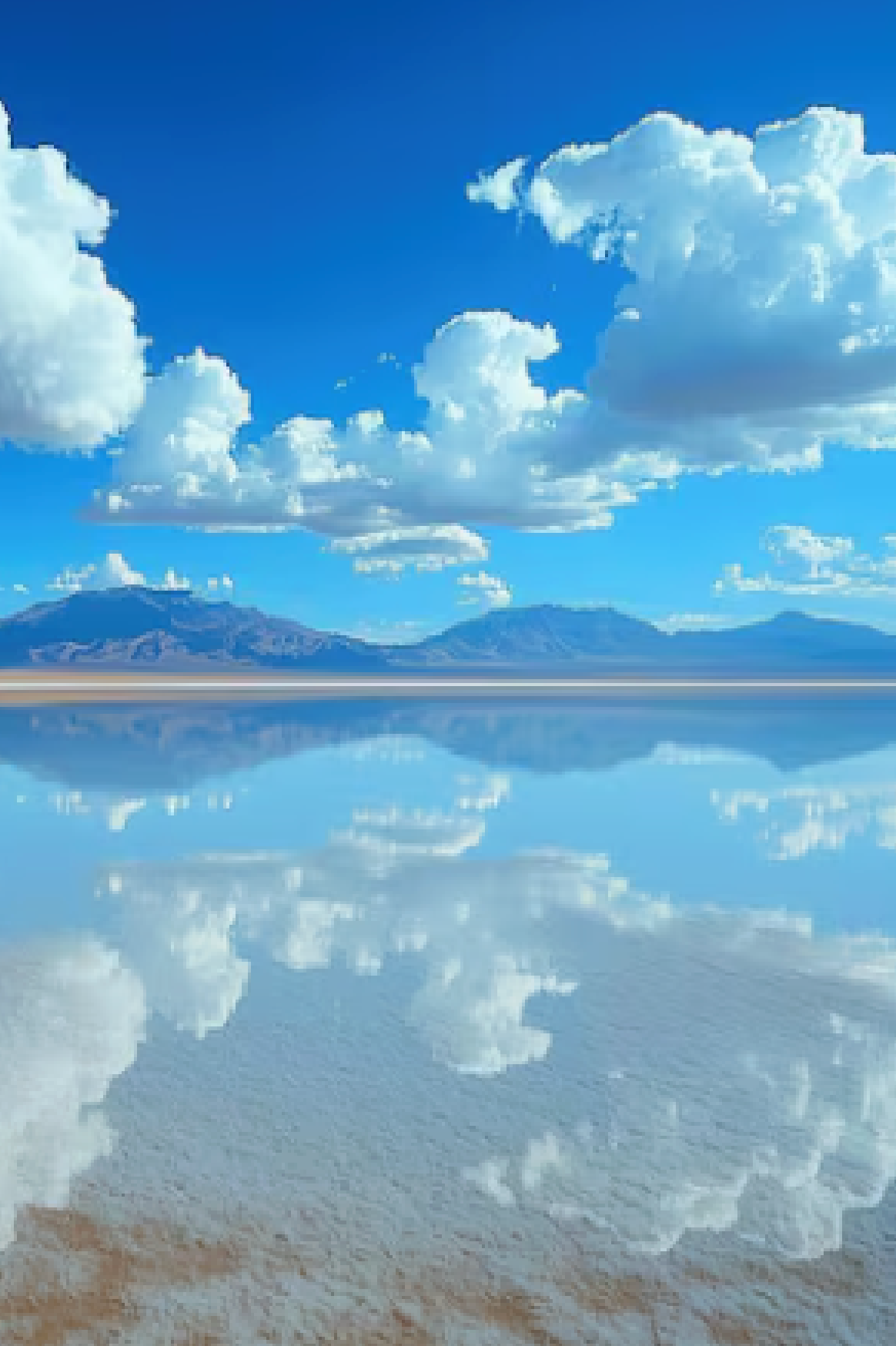

The Salar de Uyuni, the world’s largest salt flat, is one of South America’s most photographed landscapes, and also one of the most confusing to actually book, given how many operators, route lengths, and price tiers exist for what looks on the surface like a single simple tour. This guide breaks down the real difference between a 1-day and a 3-day Uyuni tour, what each actually costs, how far ahead to book, and the logistics that make this one of Bolivia’s most rewarding but least straightforward day trips to plan.
1-Day vs 3-Day: What You’re Actually Choosing Between
A 1-day tour covers the salt flat itself, typically including the Isla Incahuasi cactus island, the dry season mirror effect or wet season reflection shots depending on when you visit, and the train cemetery near Uyuni town, all within a single long day starting and ending in Uyuni. A 3-day tour extends far beyond the salt flat itself, continuing south into the Eduardo Avaroa National Reserve to reach Laguna Colorada’s flamingo colonies, geothermal geysers, hot springs, and a genuinely otherworldly high-altitude desert landscape most 1-day visitors never see. The two are different trips, not just different lengths of the same trip, and understanding that before you book prevents the common disappointment of a 1-day tourist mistakenly expecting the flamingo and geyser scenery they’d only seen in the multi-day tour photos.
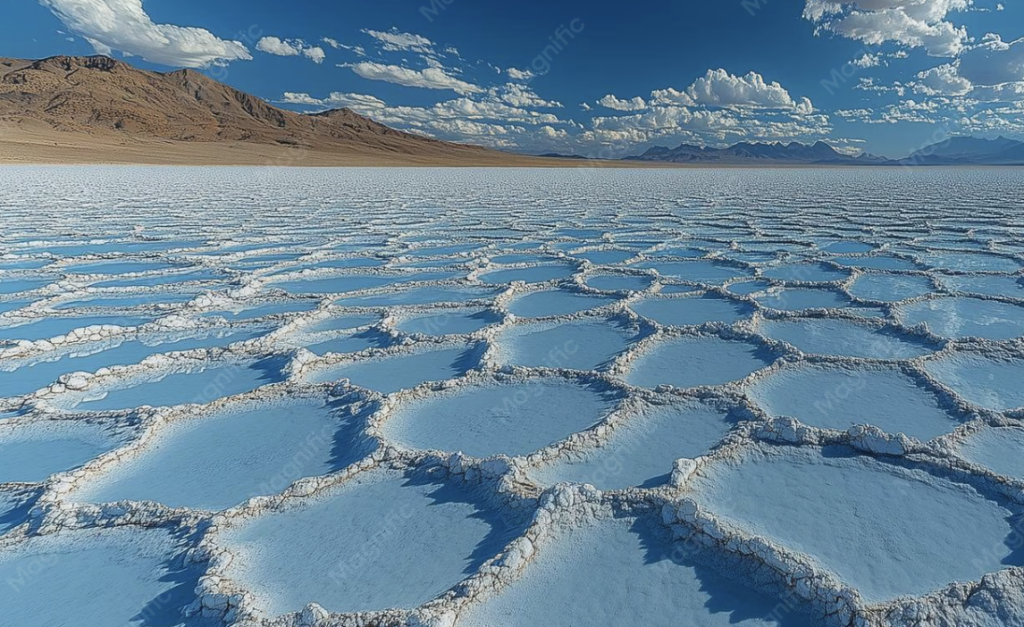
Table: 1-Day vs 3-Day Uyuni Tour Comparison
| Factor | 1-Day Tour | 3-Day Tour |
|---|---|---|
| Covers | Salt flat, Incahuasi island, train cemetery | Salt flat plus Laguna Colorada, geysers, hot springs, flamingos |
| Typical starting point | Uyuni town | Uyuni town, often ending in Chile (San Pedro de Atacama) or returning to Uyuni |
| Accommodation | None needed, single day | Basic salt-block or simple hostels en route |
| Best for | Short layovers, tight budgets, time-limited itineraries | Travelers prioritizing landscape variety and photography |
| Booking lead time | Days to a couple weeks in most seasons | 1-3 weeks recommended, longer in peak dry season (July-October) |
BOOK YOUR SALT FLAT TOUR
See The Uyuni Salt Flats — The Right Way
Licensed local operators run daily 1-day and multi-day departures with vetted drivers and current route conditions. Free cancellation on most tours.
Local operators · Free cancellation · Instant confirmation
When to Visit: Dry Season vs Wet Season
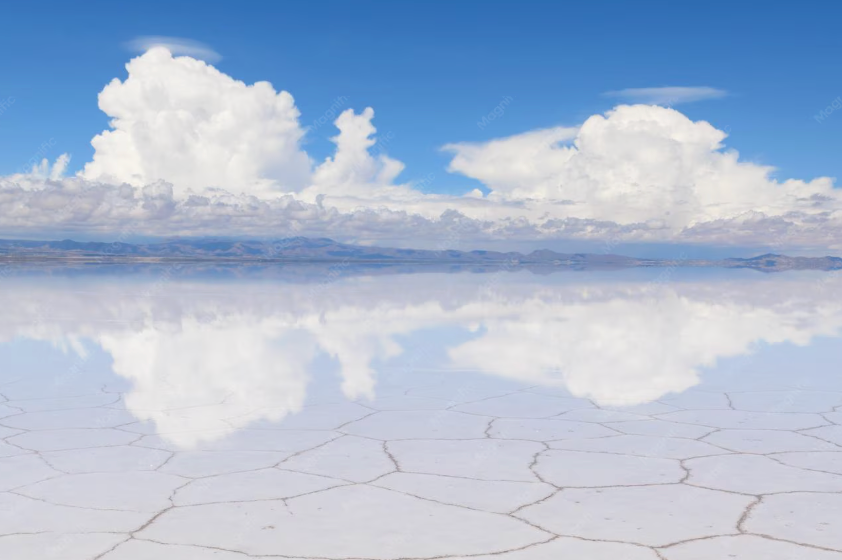
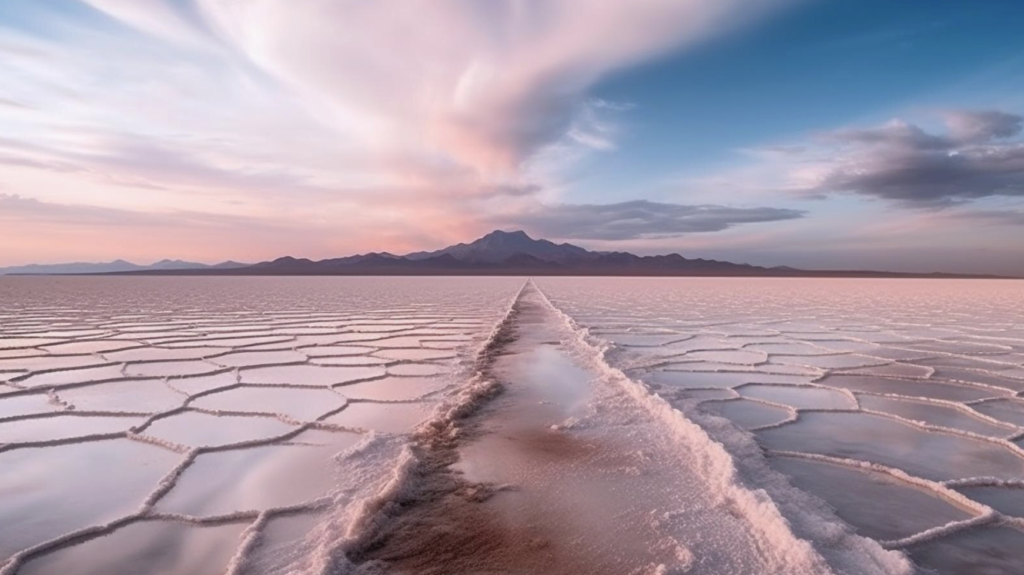
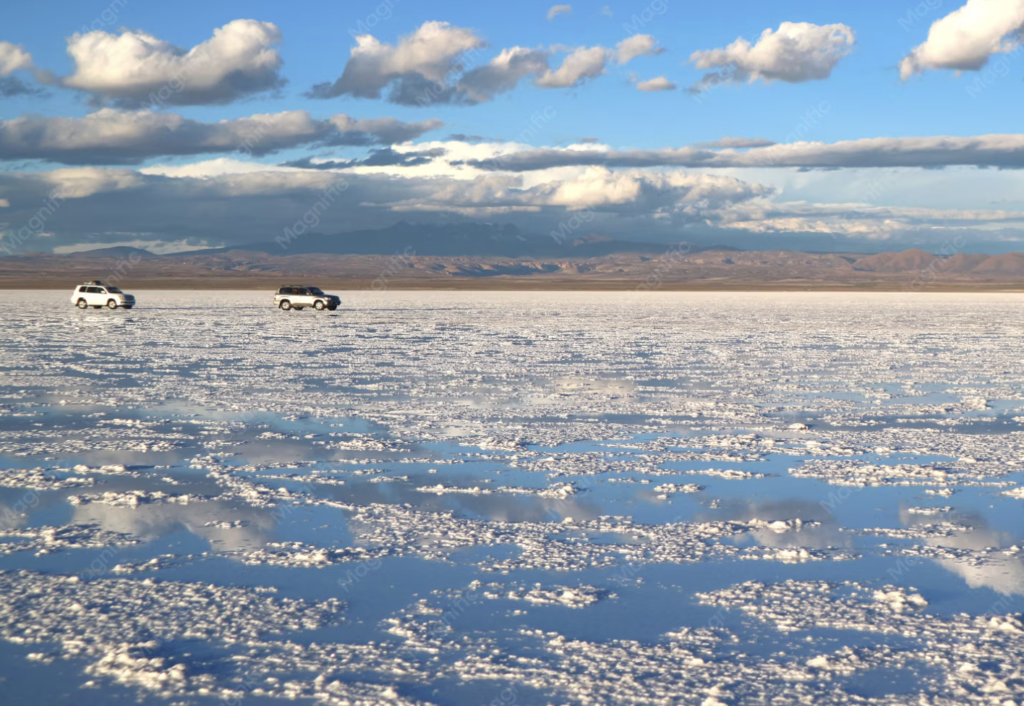
The Salar de Uyuni transforms completely between seasons. Dry season (roughly May through November) delivers the cracked white salt-hexagon landscape most travelers picture, firm ground for driving and walking, and the classic perspective-trick photography opportunities the salt flat is famous for. Wet season (December through April) floods a thin layer of water across the salt, creating the mirror effect that makes the sky and salt flat indistinguishable, arguably even more visually striking but with less predictable access depending on flood depth and current road conditions. Neither season is objectively better, they’re simply different photographic and logistical experiences, and our dedicated Salar de Uyuni dry season vs wet season guide breaks down exactly which months deliver which look.
How Much a Uyuni Tour Actually Costs
Pricing varies by operator, group size, and route, but 1-day tours are consistently the budget-friendly entry point, while 3-day tours cost meaningfully more given the added transport, food, and basic accommodation across three days. Group tours (shared 4×4 vehicles with other travelers) bring costs down substantially compared to private tours, which offer more flexibility on stops and pacing at a premium. Watch for what’s actually included: some budget listings exclude the Isla Incahuasi entrance fee, park entrance fees for the Eduardo Avaroa reserve on 3-day routes, or return transport if your tour ends in Chile rather than back in Uyuni, all of which add real cost on top of the advertised tour price.
MULTI-DAY DEALS AVAILABLE
Add Laguna Colorada — And The Geysers
The 3-day route into the Eduardo Avaroa reserve covers flamingos, hot springs and sunrise geysers most 1-day tours skip entirely. Compare 1-day vs 3-day pricing before you book.
Best value routes · English-speaking guides available · Flexible dates
Booking Logistics: Uyuni Town vs Advance Online Booking
Unlike Torres del Paine’s tightly capacity-controlled system, Uyuni tours have historically been bookable in person once you arrive in Uyuni town, with dozens of agencies clustered around the town center. That said, booking in advance online, particularly for peak dry season months (July-October) when tour vehicles fill up fastest, removes the uncertainty of comparing agencies in person and gives you a confirmed departure before you arrive. If flying in on a tight schedule, advance booking is the safer choice; if you have flexibility and want to compare operators, agencies, and prices in person, arriving and booking in Uyuni town remains a viable and common approach.
Altitude and Health Considerations
The Salar de Uyuni sits at roughly 3,650 meters, and the Eduardo Avaroa reserve on 3-day routes climbs considerably higher, with Laguna Colorada and the geyser fields sitting above 4,300 meters. This is genuinely high altitude, and altitude sickness is a real risk, particularly for travelers arriving directly from lower elevations without acclimatization time in La Paz or Sucre first. Spend at least a couple of days at altitude before starting a Uyuni tour if possible, stay hydrated throughout, and take any symptoms (headache, nausea, dizziness) seriously rather than pushing through them on a remote route with limited medical access.
PROTECT YOUR TRIP
High Altitude, Remote Roads — Insure The Trip
Laguna Colorada sits above 4,300 meters with no hospitals for hours in any direction. Confirm your policy covers it. Flexible monthly plans built for remote travel.
Evacuation coverage · Monthly plans · Sign up in minutes
What to Pack for a Uyuni Tour
Days on the salt flat and surrounding altiplano swing from intense sun to genuinely freezing nights, particularly on 3-day tours that camp or stay in basic lodges at high altitude. Sunglasses and sunscreen are non-negotiable given the sun’s reflection off the white salt surface, which burns skin far faster than travelers expect. Warm layers for nights (temperatures can drop well below freezing even when days are warm) matter more than most first-timers pack for, and a headlamp is genuinely useful on 3-day tours with early sunrise geyser viewings and basic accommodation without reliable lighting. See our full Bolivia packing list guide for a complete altitude-specific breakdown.
Combining Uyuni With the Rest of Bolivia
Most Uyuni tours fit into a broader Bolivia itinerary rather than standing alone, commonly paired with La Paz for Death Road and the Teleférico network, or with a crossing into Chile’s Atacama Desert for travelers continuing south. Our La Paz Bolivia travel guide and Machu Picchu, Salar de Uyuni and Copacabana guide both cover how to sequence these stops efficiently, and if you’re continuing on to Chile’s Atacama after a 3-day tour that ends near the border, our San Pedro de Atacama guide picks up exactly where many 3-day Uyuni routes leave off.
Entry Requirements and Visa Prep Before You Go
Confirm your Bolivia entry requirements well before booking any tour, since visa processing (where required) needs to be sorted before you arrive, not at the tour agency. Our Bolivia visa requirements guide covers the current SIGEMIG form process, costs, and nationality-specific requirements for 2026.
Photography Tips Specific to Each Route
The salt flat’s famous forced-perspective photos (tiny dinosaurs, giant travelers) work best with a small object, a wide lens, and patience for the right light, typically covered in more depth in our dedicated photography guides. If flamingos and geysers are the priority, timing matters considerably more than technique, since flamingo activity at Laguna Colorada and geyser eruptions both follow specific daily patterns worth planning your 3-day itinerary around. Night sky photographers should check our Milky Way photography guide for the specific new-moon windows that make the salt flat one of South America’s best astrophotography locations, and for the mirror effect specifically, our mirror effect photography guide covers the exact water-depth and timing conditions that produce the strongest reflections.
Choosing a Reliable Tour Operator
Uyuni’s tour market has historically had a wide quality range between agencies, from well-maintained vehicles with experienced drivers to budget operators cutting corners on vehicle maintenance for genuinely remote desert routes. Reading recent reviews specifically (not just an agency’s overall rating, but reviews from the last few months) matters more here than on most standard city tours, since driver quality and vehicle condition can shift between seasons as agencies scale staff up and down. Confirm your tour includes an English-speaking guide if you need one, since not all budget operators provide this by default, and ask directly about group size, since smaller shared groups (4-6 people per vehicle) generally deliver a more comfortable multi-day experience than larger, more crowded departures.
What a Typical 3-Day Itinerary Looks Like
Day one typically covers the salt flat itself in the morning (Incahuasi island, the classic perspective photos, and the train cemetery near Uyuni), then continues south toward the edge of the altiplano, often stopping at colored lagoons en route. In the Day two pushes deeper into the Eduardo Avaroa reserve, reaching Laguna Colorada’s flamingo colonies and, depending on the route, additional lagoons and rock formations shaped by centuries of wind erosion. Day three starts early for the geyser fields (best viewed at sunrise when the geothermal activity is most visually dramatic against the cold morning air) followed by the hot springs, before either returning to Uyuni or continuing on to the Chilean border for travelers connecting to San Pedro de Atacama. Exact stops vary meaningfully between operators, so confirm your specific itinerary rather than assuming all 3-day tours follow an identical route.
Food, Accommodation and Comfort on Multi-Day Tours
Meals on 3-day tours are typically included in the tour price and prepared by the driver-guide team, ranging from simple but filling meals to genuinely good home-style cooking depending on the operator, another reason recent reviews matter when choosing between agencies. Accommodation on the route is basic by design, often salt-block hostels near the salt flat itself (walls literally built from salt bricks) and simple mountain lodges further into the reserve, with shared rooms and limited hot water common rather than an exception. Travelers expecting hotel-standard comfort on a 3-day tour will be disappointed; travelers who understand this is a genuinely remote desert expedition with basic but functional facilities tend to enjoy it considerably more. Bringing a few snacks, a reusable water bottle, and basic toiletries (some lodges have limited hot water windows rather than continuous supply) smooths out the rougher edges of the multi-day route.
Vehicle Safety and What to Ask Before Booking
The 3-day route crosses genuinely remote terrain with limited cell coverage and long stretches between any form of help, which makes vehicle condition and driver experience more important here than on almost any other tour in this guide series. Ask specifically about the age and condition of the 4×4 vehicle you’ll be riding in, whether the operator carries spare tires and basic repair equipment (a reasonable expectation given how remote some sections of the route are), and how many years the driver has run this specific route. These aren’t excessive questions for a desert route reaching over 4,300 meters with minimal infrastructure, they’re standard due diligence that reputable operators answer readily and budget operators sometimes avoid.
Currency, Cash and Payment on the Route
Bolivia remains largely cash-based outside major cities, and the Uyuni tour route offers essentially no card payment options once you leave town. Bring enough Bolivian bolivianos in cash for your entire multi-day tour before departing Uyuni, including a buffer for tips (customary for drivers and guides on multi-day tours), any optional entrance fees not included in your package, and small purchases at the rare stops along the route. ATMs in Uyuni town itself can be unreliable or run out of cash during peak season, so withdrawing before you’re down to your last few days in Bolivia, rather than waiting until just before your tour departs, avoids an entirely avoidable last-minute scramble.
Common Mistakes First-Time Uyuni Visitors Make
The most common mistake is booking a 1-day tour expecting flamingo and geyser scenery from a friend’s photos, then discovering those specific sights only appear on the 3-day route into the Eduardo Avaroa reserve. The second is underestimating sun exposure, since the salt flat’s white surface reflects sunlight intensely enough to cause sunburn even on cool, overcast days, catching travelers who assumed cooler air meant lower UV risk. The third is skipping acclimatization before the higher-altitude 3-day route, arriving directly from sea level and struggling with altitude symptoms in a genuinely remote setting with limited medical access. Planning around these three points alone meaningfully improves how much you enjoy the trip.
Sustainability and Responsible Tourism at the Salar
The Salar de Uyuni is an active lithium extraction site as well as a tourist destination, and increasing visitor numbers have raised real concerns about waste management and vehicle traffic damaging the salt crust in heavily trafficked areas. Choosing operators who stick to established routes rather than driving freely across untouched salt, packing out all waste rather than leaving it for wind to scatter, and avoiding single-use plastics where possible all help preserve a landscape that’s genuinely irreplaceable. These choices cost nothing extra and make a meaningful difference given the volume of tours running through the same salt flat corridors each season.
Connectivity on the Route
Cell coverage is minimal to nonexistent for most of the 3-day route once you leave Uyuni town, with signal appearing only intermittently near a few of the larger settlements the route passes through. Treat the multi-day tour as genuinely offline, download any maps, translation tools, or entertainment you might want in advance, and let anyone expecting to hear from you know not to worry about a few days of silence. Set up connectivity for Uyuni town itself and the rest of your Bolivia trip before you head out; our best eSIM for South America guide covers current Bolivia coverage options worth activating before your tour begins.
Is Travel Insurance Worth It for a Uyuni Tour?
Given the altitude, remoteness, and basic vehicle-based travel involved in the 3-day route specifically, travel insurance with genuine evacuation coverage is worth confirming before you book rather than assuming a standard policy covers it. Check that your policy explicitly covers high-altitude travel and remote 4×4 tours, since some standard plans exclude activities above a certain elevation or in areas without nearby medical facilities. This matters considerably more for the 3-day route into the reserve than the shorter 1-day salt flat visit, given how far the geyser fields and Laguna Colorada sit from the nearest hospital.
Beyond evacuation, look for coverage on trip interruption too, since a delayed flight into Uyuni or a missed connection can cascade into a missed tour departure, and confirm whether your specific policy requires notifying them before undertaking high-altitude activities.
These are small checks that take a few minutes before booking and can save considerable stress if anything goes wrong on a route this remote.
Ultimately, the operators worth booking are the ones transparent about all of this upfront, pricing, inclusions, vehicle age, and route specifics, rather than leaving travelers to piece it together after arriving in Uyuni town.
A short conversation with the operator before booking, asking direct questions rather than relying only on the listing description, is worth the five minutes it takes.
It also gives you a useful signal for how responsive that operator will be if something needs adjusting once you’re already on the road.
Small signals like this, communication style, transparency, and willingness to answer specific questions directly, tend to predict overall trip quality better than price alone.
Frequently Asked Questions About Salar de Uyuni Tours
Here are the questions we hear most often from travelers planning their first Uyuni trip.
1. Should I book a 1-day or 3-day Uyuni tour?
Choose 1-day for a tight schedule or budget; choose 3-day if flamingos, geysers and hot springs matter to you as much as the salt flat itself.
2. Is it better to book online in advance or in Uyuni town?
Advance booking removes uncertainty, especially in peak season (July-October); booking in town works well if you have flexibility to compare agencies.
3. What’s the difference between dry season and wet season tours?
Dry season shows the cracked white salt landscape; wet season creates the mirror-reflection effect. Both are popular for different reasons.
4. How high in altitude does a 3-day tour go?
Laguna Colorada and the geyser fields sit above 4,300 meters, considerably higher than the salt flat itself at roughly 3,650 meters.
5. Do I need to acclimatize before a Uyuni tour?
Yes, spending a few days at altitude beforehand (La Paz or Sucre) significantly reduces altitude sickness risk on the higher 3-day route.
More questions ..
6. Can a 3-day tour end in Chile instead of Uyuni?
Yes, many 3-day tours end near San Pedro de Atacama, a common routing for travelers continuing south into Chile.
7. What’s included in the tour price?
Varies by operator, always check whether park entrance fees and the Isla Incahuasi fee are included before booking.
8. Is a private tour worth the extra cost over a group tour?
Only if flexible pacing and custom stops matter to you specifically; group tours cover the same core sights at lower cost.
9. What should I pack that first-timers forget?
Warm layers for freezing nights and strong sunscreen, both frequently underestimated given how extreme the temperature and sun exposure swings are.
10. Is the Salar de Uyuni worth visiting in both seasons?
Yes, they’re different enough experiences that repeat visitors often come back specifically to see the season they missed the first time.
Conclusion
Salar de Uyuni tours reward travelers who understand what they’re actually booking rather than assuming all “Uyuni tours” cover the same ground: a 1-day trip and a 3-day trip are genuinely different experiences with different costs, altitude demands, and photography opportunities.
Match your tour length to what you actually want to see, acclimatize before pushing into the higher-altitude 3-day route, and pack for genuinely extreme temperature swings, and the Salar de Uyuni delivers some of the most striking landscape photography anywhere in South America.