

Huaraz is quietly becoming one of the most talked-about trekking bases in South America. New direct flights from Lima have cut travel time to a fraction of the old 8-hour bus ride, and word is finally spreading that the Cordillera Blanca and Cordillera Huayhuash rival anything in Nepal or Patagonia for scenery, minus the crowds you now find on the Inca Trail. This guide covers everything you need to plan a Huaraz trekking trip in 2026: the best routes, real costs, permits, altitude prep, and when to go.
Why Huaraz is trending in 2026
For years, Huaraz sat in the shadow of Cusco as Peru’s other major trekking hub, mostly known to hardcore mountaineers. That’s changing fast. New direct flights connecting Lima to Huaraz’s Comandante FAP Germán Arias Graziani Airport have made the region dramatically more accessible, cutting what used to be an all-day overland journey down to about an hour in the air. Combined with a broader 2026 shift toward remote, less-crowded adventure destinations across South America, Huaraz is seeing a real jump in international interest.
The appeal is simple: glaciated 6,000-meter peaks, turquoise glacial lakes, and multi-day circuits that feel genuinely remote, all reachable from a laid-back mountain town with a well-developed trekking infrastructure (guides, gear rental shops, and acclimatization-friendly accommodation).
Best treks in the Huaraz region
Santa Cruz Trek (4 days)
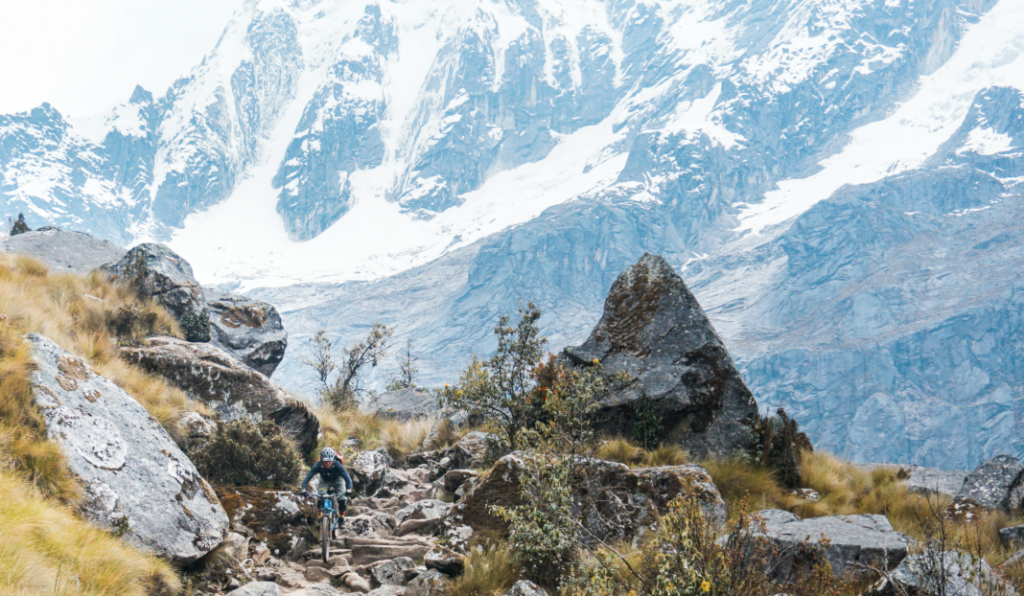
The classic introduction to the Cordillera Blanca: 54 km over four days, crossing Punta Union Pass at 4,750 m, with jaw-dropping views of Alpamayo and Taullipara peaks along the way. It’s considered the most accessible multi-day trek in the region and can be done independently or with a guided group.
Laguna 69 (day hike)
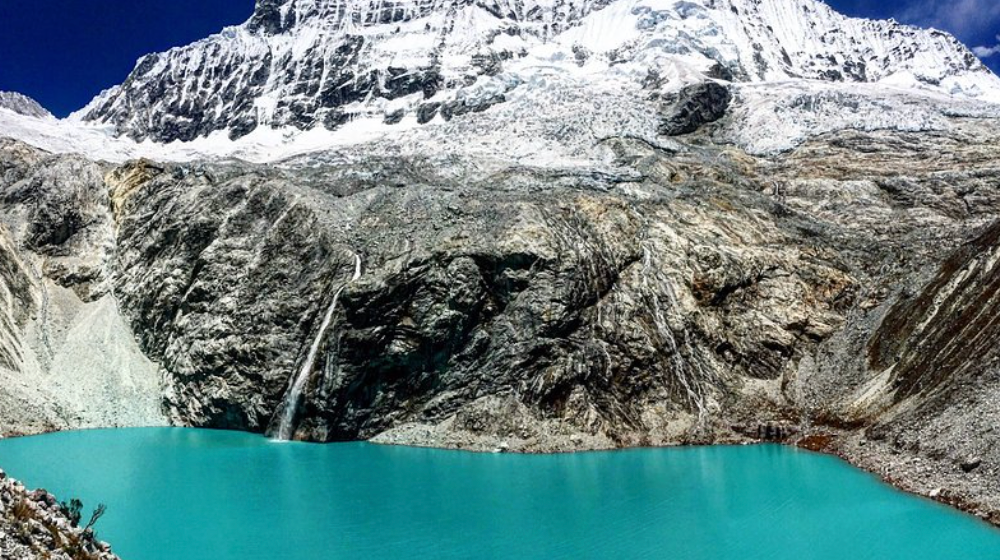
The single most popular day hike out of Huaraz: a turquoise glacial lake sitting at the base of Nevado Chacraraju. It’s a demanding but doable day trip, and most visitors do it as an acclimatization hike before attempting a longer trek.
Cordillera Huayhuash Circuit (8-12 days)
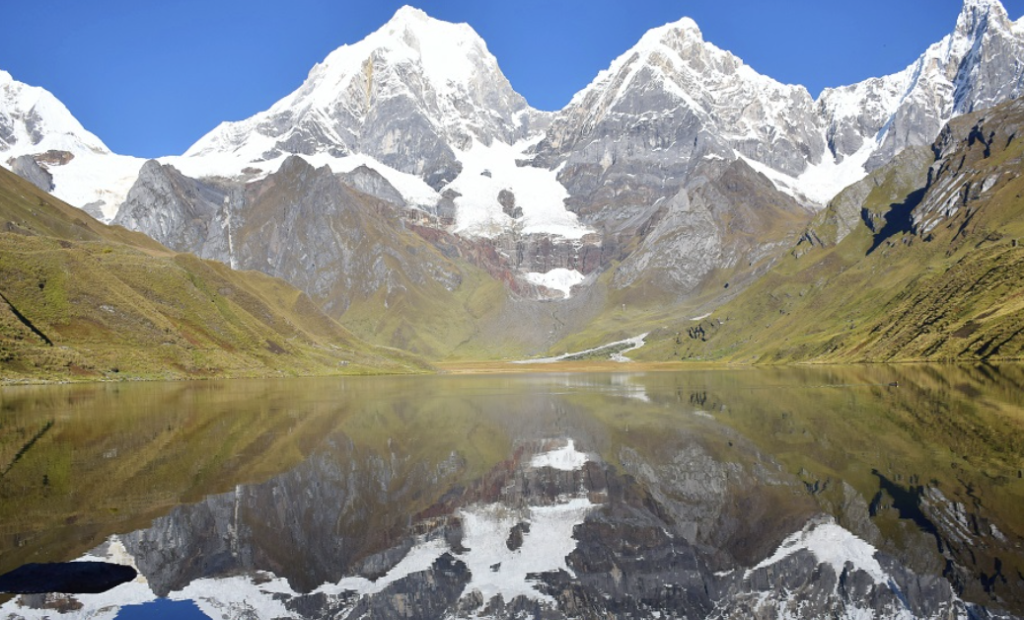
The big one. Often ranked among the best treks in the world, the full Huayhuash circuit is longer, more remote, and considerably more demanding than Santa Cruz, crossing multiple high passes above 4,600 m with almost no cell signal or easy exit points. It typically costs more than Santa Cruz because of the extra days, pack animals, and transportation to more remote trailheads.
If you’re coming from Cusco first, it’s worth reading our Inca Trail Guide 2026 for a sense of how permits and logistics compare between the two regions.
✈ COMPARE FARES IN SECONDS
Find Flights to Lima & Huaraz
Search hundreds of airlines at once. Skyscanner compares every route option, including the new Lima-Huaraz connections, so you lock in the best fare before it disappears.
100M+ travelers trust Skyscanner · Free to use · No hidden fees
Cost breakdown: what treks actually cost in 2026
| Trek | Duration | Guided cost (per person) | Max altitude |
|---|---|---|---|
| Laguna 69 (day hike) | 1 day | $29-$54.50 | 4,600 m |
| Santa Cruz Trek | 4 days | $360-$990 | 4,750 m |
| Cordillera Huayhuash Circuit | 8-12 days | $800-$1,110 | 5,000+ m |
On top of guided trek prices, every hiker entering Huascarán National Park pays park fees in cash at the entrance or through their guide, roughly S/65 (about $18 USD) for multi-day treks, and S/30 for single-day entries like Laguna 69.
Permits and national park fees
Most of the popular routes, including Santa Cruz and Laguna 69, fall inside Huascarán National Park, a UNESCO Biosphere Reserve. Entry requires paying the national park fee in cash (soles) at the ranger checkpoint, which your guide typically handles if you’re on a tour. Independent trekkers need to budget cash for this and carry their passport, since rangers do check IDs at some checkpoints.
Unlike the Inca Trail, there’s no fixed permit quota system for Santa Cruz or Huayhuash, so you don’t need to book months in advance the way you would for Machu Picchu — though guided departures still fill up in peak season (June-August).
⚕ HIGH-ALTITUDE TREKS NEED COVERAGE
Get Travel Insurance Before You Go
Multi-day treks above 4,000m carry real risk. SafetyWing covers medical emergencies, evacuation and trip delays from $45/month, with worldwide coverage that works for remote trekking routes.
Used by 400K+ travelers worldwide · Cancel anytime
Altitude: the real challenge of Huaraz treks
Huaraz itself sits at 3,052 m, and most treks climb well above 4,000 m, with high passes over 4,700-5,000 m. This is higher than most of the Inca Trail, and altitude sickness is the number one reason trekkers cut trips short. Spend at least 2-3 full days acclimatizing in Huaraz before attempting Santa Cruz, and closer to 4-5 days before Huayhuash. Laguna 69 makes an excellent acclimatization day hike.
Gear you actually need
Trekking poles are non-negotiable for both Santa Cruz and Huayhuash: the steep, loose-scree descents from Punta Union and other high passes are brutal on knees without them. Water quality on the trail is another concern that catches first-timers off guard — glacial streams look pristine but can carry giardia and other pathogens, so a reliable filter is essential rather than optional.
Recommended on Amazon
Sawyer Squeeze Water Filtration System
The go-to filter recommended by South America trekking guides for glacial stream water. Removes bacteria, protozoa and microplastics without chemicals or batteries.
SKIP THE PLANNING HEADACHE
Book Guided Treks & Local Experts in Huaraz
Not ready to plan Santa Cruz or Huayhuash solo? Compare guided multi-day treks, acclimatization day hikes and local transport with vetted operators, with free cancellation up to 24h before.
Rated 4.7/5 by over 2M travelers
When to go: best trekking season
The dry season, roughly May through September, is by far the best window for both Santa Cruz and Huayhuash: stable weather, clear mountain views, and firm trail conditions. June-August is also peak season, meaning busier trails and higher guided-tour prices. Shoulder months (May and September) offer a good balance of decent weather and fewer crowds. The wet season (November-March) brings frequent afternoon rain, muddy trails, and a higher risk of trek cancellations, so it’s best avoided for serious multi-day routes.
How to get to Huaraz
By air, LATAM and other regional carriers now fly direct from Lima to Huaraz in roughly an hour, a game-changer compared to the traditional 7-8 hour overnight bus. The bus option is still the budget choice and is comfortable on reputable companies (Cruz del Sur, Movil Tours), typically running $15-30 one-way, but it eats an entire travel day each direction. If your itinerary also includes Cusco, check our Cusco Travel Guide 2026 for how to sequence both regions without wasting days on internal flights.
Where to stay in Huaraz
Huaraz has a well-developed budget-to-midrange hostel and guesthouse scene geared entirely toward trekkers, with most properties offering luggage storage, gear rental partnerships, and staff who can help arrange last-minute guided departures. Booking a few nights before and after your trek gives you a buffer for altitude acclimatization and, frankly, a hot shower and real bed after days on the trail.
WHERE TO STAY
Hotels & Hostels — Best Prices Guaranteed
From trekker hostels to boutique stays. Compare 28 million listings on Booking.com near Huaraz’s Plaza de Armas. Free cancellation on most rooms, with no booking fees ever.
No booking fees · Pay at the property · Trusted by millions worldwide
Common mistakes to avoid
Underestimating altitude is the biggest one — trekkers who fly in from sea level and head straight onto the trail without acclimatizing in Huaraz first are far more likely to get sick or have to turn back. Skipping travel insurance is another costly mistake: evacuation from a remote pass in Huayhuash, if needed, is expensive and logistically complex without coverage. Finally, don’t underestimate water needs on dry-season treks — carry more than you think you’ll need, and always treat water from streams regardless of how clear it looks.
Sample 4-day Santa Cruz itinerary
Day 1: Drive from Huaraz to the trailhead at Cashapampa, hike to the first campsite near Llamacorral, gaining altitude gradually alongside the Santa Cruz river valley.
Day 2: Continue up-valley toward Taullipampa, with the first close-up views of Alpamayo and Taullipara peaks. This is typically the most scenic camp of the trek.
Day 3: The big day — climb to Punta Union Pass at 4,750m for panoramic views in both directions, then descend to camp near Huaripampa Valley.
Day 4: Finish the descent to Vaqueria and transfer back to Huaraz, usually arriving in the late afternoon.
Sample 8-day Huayhuash itinerary
Recommended on Amazon
Cascade Mountain Tech Trekking Poles
Lightweight aircraft-grade aluminum poles with quick-lock adjustment, built for the steep, loose terrain of high passes like Punta Union.
A full Huayhuash circuit typically strings together 6-8 high-altitude campsites, crossing passes like Punta Cuyoc (5,000m) and Punta Trapecio, circling the range counter-clockwise with rest days built in for the toughest sections. Operators vary the exact route depending on trail and weather conditions, so treat any fixed day-by-day plan as a rough guide rather than a fixed schedule.
Huaraz vs. Cusco: which should you prioritize?
If you only have time for one region, the choice comes down to what you’re after. Cusco and the Inca Trail deliver a mix of world-class archaeology (Machu Picchu) and trekking, but require permits booked months ahead and come with heavier crowds. Huaraz is purely about mountain scenery and trekking, with far more flexibility on timing and noticeably fewer other trekkers on the trail, especially on Huayhuash. Many travelers with two or more weeks in Peru do both, using the new direct flights to link them efficiently.
What to pack: full checklist
Beyond trekking poles and a water filter, plan for genuine temperature swings: warm and sunny during the day, well below freezing at night on both Santa Cruz and Huayhuash. A 4-season sleeping bag rated to at least -10°C, a warm insulated jacket, thermal base layers, and a headlamp with spare batteries are all essential rather than optional. Sun protection matters more than people expect at this altitude — UV exposure is intense even on cloudy days, so bring high-SPF sunscreen, sunglasses rated for glacier travel, and a wide-brim hat.
For footwear, waterproof hiking boots with solid ankle support are non-negotiable given the loose scree on pass descents; trail runners are not recommended for either route. Gaiters help keep scree and mud out of your boots on the steeper sections.
Where to eat and recover in Huaraz
Huaraz has a genuinely good food scene for a mountain town this size, largely built around trekkers refueling before and after multi-day routes. Look for hearty Peruvian classics like trout from local high-altitude lakes, and don’t skip a bowl of caldo de gallina (chicken soup) on your first night back in town — it’s the local cure for a few days of trail fatigue. Coca tea, widely available everywhere, is the go-to local remedy for altitude symptoms during your acclimatization days.
A quick note on the region’s geology
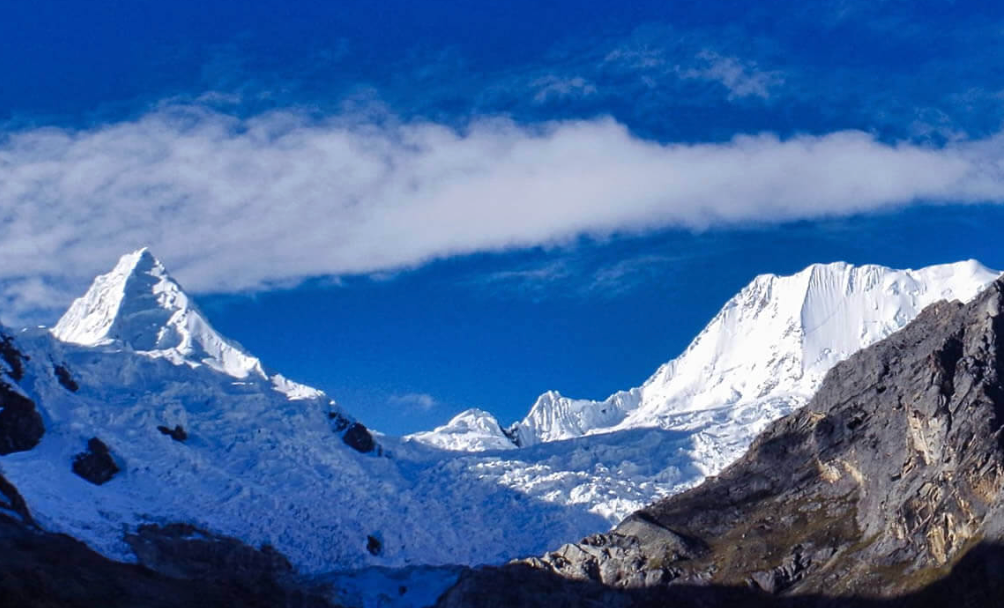
The Cordillera Blanca is the highest tropical mountain range in the world, packing more than 30 peaks above 6,000m into a relatively compact stretch of the Peruvian Andes. That density of glaciated summits so close together is exactly what makes multi-day circuits like Santa Cruz and Huayhuash so visually dramatic compared to ranges where high peaks are more spread out — you’re rarely more than a day’s walk from another jaw-dropping viewpoint.
Connectivity and staying in touch on the trail
Cell signal disappears almost entirely once you’re a few hours into either trek, especially on Huayhuash where entire days pass without any coverage. If you’re trekking independently rather than with a guide, a satellite communicator is a serious safety consideration given how remote some sections are, since a twisted ankle or altitude emergency far from the trailhead can otherwise mean a long, difficult evacuation. Guided groups typically carry their own emergency communication gear, which is one more reason many first-time visitors choose not to go fully independent on Huayhuash specifically.
Budgeting for a full Huaraz trip
Beyond the trek itself, budget for a few nights of hostel or guesthouse accommodation in Huaraz before and after (roughly $15-40/night), meals in town ($5-15 per meal), gear rental if you don’t want to bring your own sleeping bag or trekking poles ($5-15/day per item), and the Lima-Huaraz flight or bus. All-in, a full week combining a Santa Cruz trek with acclimatization days in town typically runs $600-900 per person for a mid-range guided experience, excluding international flights to Peru.
Booking ahead vs. arranging locally
Unlike the Inca Trail, you don’t need to book Santa Cruz or Huayhuash months in advance — most trekkers arrange a guided departure once they arrive in Huaraz, comparing agencies in person over a day or two. That said, peak season (June-August) departures for popular routes can fill up within a few days, so booking at least a week ahead once you’re in town, or reserving online before you fly in, removes one source of stress from an already logistically complex trip.
If you’re combining Huaraz with other parts of the Andes, our 30 Most Beautiful Places in South America’s Andes roundup is a good starting point for building out the rest of your route.
Fitness level and training
Neither Santa Cruz nor Huayhuash requires technical climbing skills, but both demand solid cardiovascular fitness and, more importantly, willingness to move slowly at altitude. Training with regular hiking, stair climbing, or running in the months before your trip helps, but no amount of sea-level fitness fully substitutes for proper acclimatization once you’re above 3,000m. Trekkers who arrive fit but skip acclimatization days still struggle more than moderately fit trekkers who take altitude seriously and build in rest time.
Whichever route you choose, give yourself buffer days on both ends of the trip. Weather delays, transport hiccups and the occasional extra acclimatization day are common enough in the Cordillera Blanca that a rigid, back-to-back itinerary tends to add unnecessary stress to what should be one of the highlights of a South America trip.
Whether you’re chasing a single epic day hike at Laguna 69 or committing to the full Huayhuash circuit, Huaraz rewards the effort it takes to get there — and in 2026, getting there just got a lot easier.
Quick reference summary
Fly or bus in from Lima, spend 2-3 days acclimatizing in Huaraz at 3,052m, choose between the 4-day Santa Cruz trek or the 8-12 day Huayhuash circuit depending on your time and fitness, budget $360-$1,110 per person for a guided trek depending on route, and go between May and September for the best weather. Bring trekking poles, a real water filter, and travel insurance that actually covers high-altitude trekking evacuation.
None of this requires elite mountaineering experience — just realistic expectations about altitude, decent gear, and enough time built into your trip to let your body adjust.
Huaraz has been a well-kept secret among serious mountaineers for decades — 2026 is simply the year it stops being one for everyone else too.
FLIGHT DELAYED? CANCELED?
Claim Up To €600 in Compensation
Was your flight to Peru delayed, canceled or overbooked in the last 3 years? You may be owed compensation. AirHelp handles all the paperwork — you get paid.
No win, no fee · 2M+ passengers helped · Free 2-minute check
Frequently Asked Questions About Trekking Near Huaraz
How do I get from Lima to Huaraz?
By direct flight (about 1 hour) or overnight bus (7-8 hours). Flights are newer and pricier but save an entire travel day each way.
Do I need a permit for Santa Cruz or Huayhuash?
There’s no fixed quota system like the Inca Trail, but you do pay Huascarán National Park entrance fees in cash at the trailhead, roughly S/65 for multi-day treks.
How hard is the Huayhuash Circuit compared to Santa Cruz?
Significantly harder: longer, more remote, more high passes above 4,600m, and far fewer easy exit points if something goes wrong.
What’s the best time of year to trek near Huaraz?
The dry season, May through September, with June-August as peak season for stable weather but busier trails.
Do I need a guide for Santa Cruz?
Not strictly required and it’s doable independently, but a guide handles logistics, pack animals and park fees, which many first-timers find worth the cost.
How much altitude sickness risk is there?
Significant. Huaraz sits at 3,052m and most treks climb above 4,000-5,000m. Spend at least 2-3 days acclimatizing before Santa Cruz and 4-5 before Huayhuash.
Is the water safe to drink on the trail?
No, not without treatment. Glacial streams look clean but can carry giardia and other pathogens; use a filter like the Sawyer Squeeze.
Can I combine Huaraz with Cusco and Machu Picchu in one trip?
Yes, it’s a popular combination. Factor in an internal flight or long bus ride between regions and enough days to acclimatize separately for each.
How much does a guided Huayhuash trek cost?
Typically between $800 and $1,110 per person for 8-12 days, depending on group size and operator.
Is Huaraz safe for solo travelers?
Yes, it’s a well-established trekking hub with a strong tourism infrastructure, though standard precautions around gear storage and remote trail sections still apply.
Conclusion: get there before everyone else does
Huaraz still has that increasingly rare quality in South American trekking: routes that feel genuinely remote, without the permit lotteries and crowd management of the Inca Trail. With direct flights now cutting access time from Lima to about an hour, 2026 is a good window to go before the secret is fully out. Start with a few acclimatization days in town, pick Santa Cruz if you have four days or Huayhuash if you have ten, and pack a real water filter and trekking poles — you’ll use both constantly.
Planning a longer Peru itinerary? Check our Machu Picchu Travel Guide 2026 and Peru Entry Requirements 2026 for the rest of your trip.