

Medellín has spent the last decade transforming from a cautionary tale into one of the most talked-about digital nomad bases in the world, and in 2026 the momentum shows no sign of slowing. Perfect year-round spring weather, one of the lowest-cost digital nomad visas anywhere, genuinely fast internet, and a coworking scene that rivals cities twice its size have made it a default stop on the South America remote-work circuit. This guide covers what it actually costs to live here, which neighborhood to pick, the visa process, and what nobody tells you before you land.
Why Medellín, and why now
Medellín sits at roughly 1,500m elevation in a valley that gives it what locals call ‘eternal spring’ — daytime highs in the low-to-mid 20s°C (mid 70s°F) year-round, with almost none of the seasonal weather swings that push nomads out of other cities. Add a genuinely low cost of living relative to quality of life, a large existing expat and remote-work community, and one of the most accessible digital nomad visas in the region, and it’s easy to see why Medellín keeps showing up at the top of digital nomad city rankings.
✈ COMPARE FARES IN SECONDS
Find Flights to Medellín (MDE)
Search hundreds of airlines at once. Skyscanner compares every route into José María Córdova International so you lock in the best fare before it disappears.
100M+ travelers trust Skyscanner · Free to use, no hidden fees
Cost of living: what you’ll actually spend
| Lifestyle | Monthly budget | What it covers |
|---|---|---|
| Lean nomad | $1,200-$1,500 | Shared or budget apartment, local food, occasional coworking |
| Comfortable | $1,800-$3,000 | 1BR in El Poblado/Laureles, regular coworking, dining out often |
| High-end expat | $3,000-$5,000 | Premium apartment, private gym, frequent travel, full-time help |
For context, local households typically live on $500-$700 USD per month, so expat costs run noticeably higher than local costs even at the lean end — you’re paying more for the same city than most residents do.
Best neighborhoods for remote workers
El Poblado
The most popular expat neighborhood, packed with coworking spaces, specialty coffee shops, and the widest range of restaurants in the city. Expect $700-$1,200 for a furnished one-bedroom. It’s also the most touristy and, correspondingly, the priciest and most nightlife-heavy option.
Laureles
A leafy, more residential alternative to El Poblado, popular with nomads who want a genuinely local feel without sacrificing walkability, cafes and decent internet. Similar quality of life for $500-$800, making it the better value pick for longer stays.
Envigado and Sabaneta
Technically separate municipalities just south of Medellín proper, these are calmer, more affordable options ($300-$700 for a one-bedroom) connected to the rest of the city by metro, popular with nomads who want lower costs without moving far from the action.
| Neighborhood | 1BR furnished rent | Vibe |
|---|---|---|
| El Poblado | $700-$1,200 | Touristy, nightlife, most coworking spaces |
| Laureles | $500-$800 | Local, walkable, better value |
| Envigado/Sabaneta | $300-$700 | Quiet, affordable, still metro-connected |
WHERE TO STAY
Apartments & Stays — Best Prices Guaranteed
Testing neighborhoods before you commit to a lease? Compare furnished apartments and boutique stays across El Poblado, Laureles and Envigado on Booking.com. Free cancellation on most listings.
No booking fees · Pay at the property · Trusted by millions worldwide
Colombia’s digital nomad visa
Colombia’s V-type digital nomad visa is one of the most accessible in the region: it requires proof of remote income of only about $684 USD a month (roughly three times the local minimum wage), a remote work contract or proof of self-employment, and basic health insurance coverage. It’s valid for up to two years, making it one of the longest-duration nomad visas available anywhere, and the application can be handled online without needing to be in Colombia in advance.
For a broader comparison of nomad visa requirements across the region, see our 50 Things to Know Before Traveling to South America’s Andes.
Internet, coworking and infrastructure
Home fiber internet runs about $20-25/month and is reliable in the main expat neighborhoods, a big part of why Medellín became a nomad hub in the first place. Coworking spaces are dense in El Poblado and Laureles, with hot-desk day passes typically running $8-15 and monthly memberships around $80-150. Mobile data is cheap and coverage is solid across the city, though it thins out quickly once you head into the surrounding hills.

Safety: what’s actually true in 2026
Medellín’s reputation has shifted dramatically since the 1990s, and the neighborhoods where expats actually live — El Poblado, Laureles, Envigado — are calm, with most residents going about daily life without incident. The main real risk nomads should plan around is phone and bag snatching, particularly around El Poblado at night and in crowded tourist areas; keep expensive electronics low-profile and avoid displaying phones openly on the street after dark. Broader city-wide violent crime, which dominated Medellín’s old reputation, is largely not a factor in the areas nomads spend time in.
Daily life: coffee shops, gyms and getting around
The Medellín Metro is the backbone of daily life for nomads not living in walking distance of everything they need — it’s clean, cheap (about $0.85 per ride) and connects to the Metrocable gondola system that reaches hillside neighborhoods buses struggle with. El Poblado and Laureles both have a genuinely good specialty coffee scene, several well-equipped gyms with month-to-month memberships, and enough English-speaking staff in the main expat zones that basic Spanish, while helpful, isn’t strictly required to get by day-to-day.
Recommended on Amazon
Soundcore by Anker Q20i Noise Cancelling Headphones
Budget-friendly active noise cancellation that makes working from busy coworking spaces and coffee shops actually bearable, without the price tag of premium brands.
Common mistakes first-time nomads make
Signing a long lease in El Poblado before comparing Laureles is the most common regret — many nomads discover after a month that they’d rather have the local feel and lower rent of Laureles or Envigado. Underestimating the elevation is another one: at 1,500m, Medellín isn’t extreme altitude, but newcomers arriving directly from sea level sometimes feel more tired than expected in the first few days. Finally, treating safety advice too casually or, at the other extreme, being so cautious it limits genuinely safe exploration, are both common overcorrections — the honest middle ground is standard city awareness, not paranoia.
Banking and money
Most nomads get by on a mix of a foreign debit card (Wise and Charles Schwab are popular for fee-free ATM withdrawals) and cash for smaller vendors, since many local businesses still prefer efectivo. Opening a local Colombian bank account is possible but generally only worth the paperwork for those planning to stay long-term, since it typically requires the digital nomad visa or another long-stay permit rather than a tourist stamp. Nequi and Daviplata, Colombia’s popular mobile payment apps, are widely used locally and worth setting up if you’re staying more than a few weeks — many small businesses and even street vendors accept them.
Healthcare for nomads
Medellín has some of the best private healthcare in Colombia, with several JCI-accredited hospitals and English-speaking doctors in the main expat areas, at a fraction of US or European private healthcare costs. A basic doctor’s visit typically runs $20-40 out of pocket, which is one reason many nomads skip comprehensive local insurance and instead rely on a nomad-focused international plan that covers both routine care and emergencies.
Medellín vs. other digital nomad hubs
Compared to Mexico City, Medellín generally runs cheaper on rent and daily expenses while offering more consistent weather, though CDMX has a larger job market and more direct flight connections to the US. Compared to Bali, Medellín offers a much easier visa process and closer proximity to North America, though Bali has a longer-established remote work culture and arguably more scenic surroundings. For nomads based in the Americas specifically, Medellín’s time zone alignment with US business hours is a real practical advantage that Southeast Asia hubs can’t match.
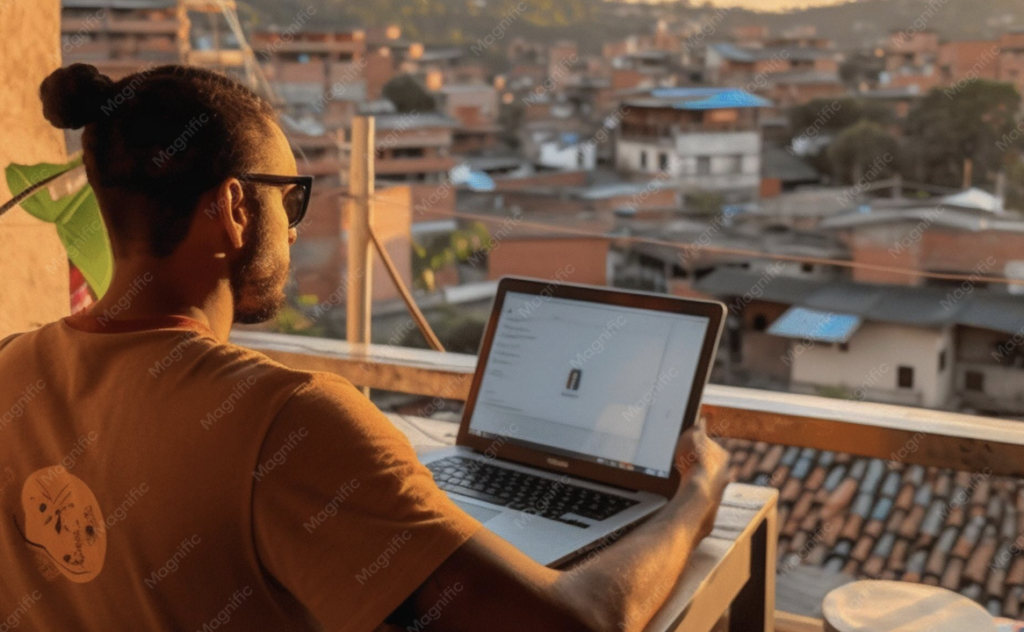
Food scene: what to expect and what it costs
Medellín’s food scene has grown well beyond the traditional bandeja paisa (the enormous local platter of beans, rice, meat and avocado) into a genuinely international restaurant landscape, especially in El Poblado and Laureles, with everything from Peruvian and Japanese fusion to solid Italian and a growing specialty coffee culture. A meal at a mid-range restaurant runs $8-15 per person, a set lunch menu (menu del dia) at a local spot is often $4-6, and even a nice dinner out with drinks rarely exceeds $30-40 per person outside the most upscale options. Grocery costs are similarly low, especially if you shop at local markets rather than the imported-goods sections of upscale supermarkets.
Community and events
Medellín has one of the most active digital nomad and expat communities in Latin America, with regular meetups, language exchanges, and coworking-hosted networking events happening most weeks in El Poblado and Laureles. Facebook groups and apps like Meetup are the easiest way to plug in quickly, and many nomads find they have an active social calendar within their first two weeks simply by showing up to a few of these recurring events.
Weekend trips worth taking
Guatapé
A colorful lakeside town about two hours from Medellín, famous for its painted zócalos (decorative baseboards) and the massive rock formation of El Peñol, which you can climb for panoramic reservoir views. It’s easily doable as a day trip or overnight.
Comuna 13
Once one of the most dangerous neighborhoods in the city, now a striking example of urban transformation through public art, outdoor escalators and community tourism. A guided tour here is one of the most eye-opening things to do in Medellín and directly supports the local community.
Coffee Triangle (Eje Cafetero)
A few hours further south, this is the heart of Colombia’s coffee-growing region, with working coffee farms open for tours, colorful colonial towns like Salento, and some of the country’s best hiking in the Cocora Valley among towering wax palms.
🏔 GET OUT OF THE CITY ON WEEKENDS
Book Day Trips & Local Tours from Medellín
Comuna 13, Guatapé and the Coffee Triangle are all within reach. Compare guided day trips and local experiences with vetted operators, with free cancellation up to 24h before most tours.
Rated 4.7/5 by over 2M travelers
Alternatives to the digital nomad visa
Not everyone needs the full digital nomad visa. Many citizens can enter Colombia visa-free as tourists for up to 90 days (extendable to 180 total per year in most cases), which covers plenty of shorter nomad stints without the paperwork of a formal visa application. The tradeoff is that tourist status technically doesn’t authorize remote work the way the nomad visa does, even though enforcement in practice is minimal — travelers planning a longer-term base or wanting to be fully compliant should still go through the proper nomad visa process rather than relying on repeated tourist entries.
Taxes: what nomads need to know
Colombia generally only taxes foreign-sourced income for tax residents, which typically requires spending more than 183 days in the country within a 365-day period. Most digital nomads staying under that threshold, or who structure their time carefully across the year, don’t trigger Colombian tax residency on their foreign income, though this is a genuinely complex area that depends heavily on individual circumstances and home-country tax treaties. Anyone planning to stay long-term should consult a tax professional familiar with both Colombian and their home-country rules rather than relying on general guidance.
First-week checklist
Land, get a local SIM or activate an eSIM at the airport (coverage kicks in immediately in the city), book a short-term furnished apartment or Airbnb for the first two to four weeks rather than committing to a lease sight unseen, set up Nequi for local payments, and spend time in both El Poblado and Laureles before deciding where to base yourself long-term. Joining a coworking space, even just for a week pass, is one of the fastest ways to meet other nomads and get local recommendations that don’t show up in guides.
Is Medellín right for everyone?
Not necessarily. Nomads who prioritize being near the ocean or want a beach-town pace of life will likely be happier in Colombia’s Caribbean coast cities instead. Those who need extensive English-language services beyond the main expat neighborhoods, or who are uncomfortable with a Spanish-first environment outside a few zones, may find the adjustment harder than expected. But for remote workers who want reliable infrastructure, a genuinely low cost of living relative to quality, and a long visa runway without constant border runs, Medellín remains one of the strongest options in the Americas.
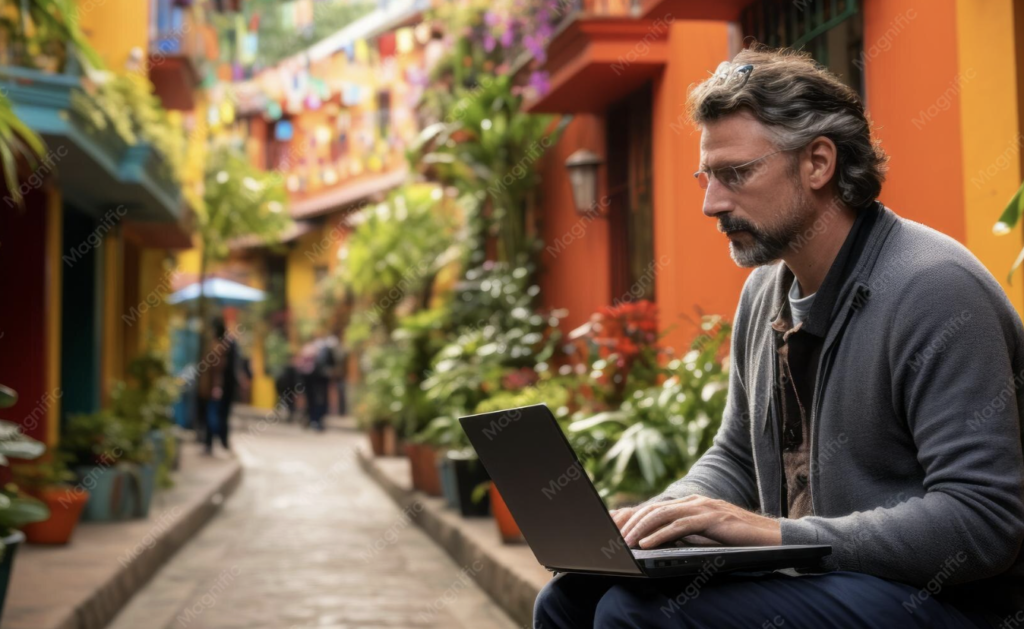
Language: how much Spanish do you actually need
Basic Spanish makes daily life significantly smoother even in the most expat-heavy areas — ordering food, navigating a pharmacy, or dealing with a landlord all go faster with even conversational-level ability. Many nomads arrive with little to no Spanish and manage fine within El Poblado’s bubble, but those who invest even a few weeks in language classes early on consistently report a better overall experience and faster integration into the local social scene beyond other expats. Several coworking spaces run informal language exchanges that make this easier to pick up without committing to formal classes.
Between the language exchanges, active coworking community, and near-constant flow of new arrivals comparing notes online, getting oriented in Medellín is faster than in most cities its size — the hardest part tends to be narrowing down which neighborhood to actually commit to, not finding your footing once you’ve arrived.
Whether you stay for a month or use the full two years the digital nomad visa allows, Medellín in 2026 offers one of the clearest paths in the Americas to combining genuinely good quality of life with a manageable cost of living and a working visa route that doesn’t require an immigration lawyer to navigate.
Just don’t be surprised if, like so many before you, a planned month turns into a planned year.
Recommended on Amazon
Travelon Anti-Theft Classic Backpack
A slash-resistant, lockable daily backpack built for carrying a laptop safely through coworking commutes and coffee-shop hopping in unfamiliar neighborhoods.
Compared to almost anywhere else in Latin America, that’s a decision the city makes remarkably easy to justify.
Book the flight, pick a neighborhood to test first, and give it at least a month before deciding whether Medellín earns a permanent spot on your list of home bases.
And if things don’t click right away, that’s normal too — most nomads say it took a full billing cycle in an apartment before Medellín started feeling less like a trip and more like a temporary home.
Give it that full cycle before making a call either way, and keep your first lease short enough that changing your mind doesn’t cost you much.
A little patience up front saves a lot of hassle later, and Medellín tends to reward exactly that kind of approach.
Quick reference summary
| Category | Details |
|---|---|
| Monthly budget | $1,200-$3,000 depending on lifestyle |
| Best neighborhoods | El Poblado, Laureles, Envigado |
| Visa | Digital nomad visa, ~$684/month income requirement, up to 2 years |
| Internet | $20-25/month fiber, widespread coworking |
| Weather | Spring-like year-round, low-to-mid 20s°C |
With this checklist, the only thing left is booking the flight and figuring out which neighborhood fits you best once you’re actually on the ground.
Frequently Asked Questions About Living in Medellín
How much does it cost to live in Medellín as a digital nomad?
Most nomads live comfortably on $1,200-$1,800/month, with $3,000+ covering a genuinely high-end expat lifestyle.
What’s the best neighborhood for digital nomads?
El Poblado for coworking density and nightlife, Laureles for a calmer, more local, better-value alternative.
How does Colombia’s digital nomad visa work?
It requires proof of remote income of about $684/month, a remote work contract, and health insurance, and is valid for up to two years.
⚕ REQUIRED FOR THE NOMAD VISA
Get Health Insurance That Meets Colombia’s Requirements
Colombia’s digital nomad visa requires proof of health coverage. SafetyWing’s Remote Health plan is built for nomads, starting from $45/month with instant proof of coverage for your visa application.
Used by 400K+ travelers worldwide · Cancel anytime
Is Medellín safe in 2026?
Yes, in the neighborhoods where expats live. The main real risk is phone/bag snatching, not violent crime.
Do I need to speak Spanish to live in Medellín?
Not strictly in El Poblado or Laureles, where English is common among staff, but basic Spanish helps significantly elsewhere.
How’s the internet for remote work?
Fast and reliable — fiber runs $20-25/month, and coworking spaces are dense in the main expat neighborhoods.
What’s the weather like year-round?
Consistently spring-like, low-to-mid 20s°C (mid 70s°F) daily, with minimal seasonal variation.
How do I get around the city?
The Metro and Metrocable gondola system cover most of the city cheaply and reliably; ride-hailing apps fill in the rest.
⚖ FLIGHT DELAYED? CANCELED?
Claim Up To €600 in Compensation
Was your flight to Colombia delayed, canceled or overbooked in the last 3 years? You may be owed compensation. AirHelp handles all the paperwork — you get paid.
No win, no fee · 2M+ passengers helped · Free 2-minute check
What day trips are worth taking from Medellín?
Guatapé (colorful town and lake views), Comuna 13 (transformed neighborhood, street art), and the Coffee Triangle further south.
How long can I stay on the digital nomad visa?
Up to two years, one of the longest validity periods among digital nomad visas currently available worldwide.
Conclusion: is Medellín worth the hype in 2026?
For most remote workers considering a South America base, yes. The combination of year-round spring weather, one of the most accessible digital nomad visas anywhere, genuinely fast internet, and a mature expat infrastructure is hard to match elsewhere in the region. Start with a short-term stay in El Poblado or Laureles before committing to a longer lease, budget realistically above what locals spend, and treat standard city awareness — not paranoia — as the right approach to safety.
Planning to see more of Colombia? Check our Master Colombia Travel Guide and Colombia Entry Requirements 2026.