
1. Introduction: Engineering the Perfect Trans-Andean Altiplano Corridor
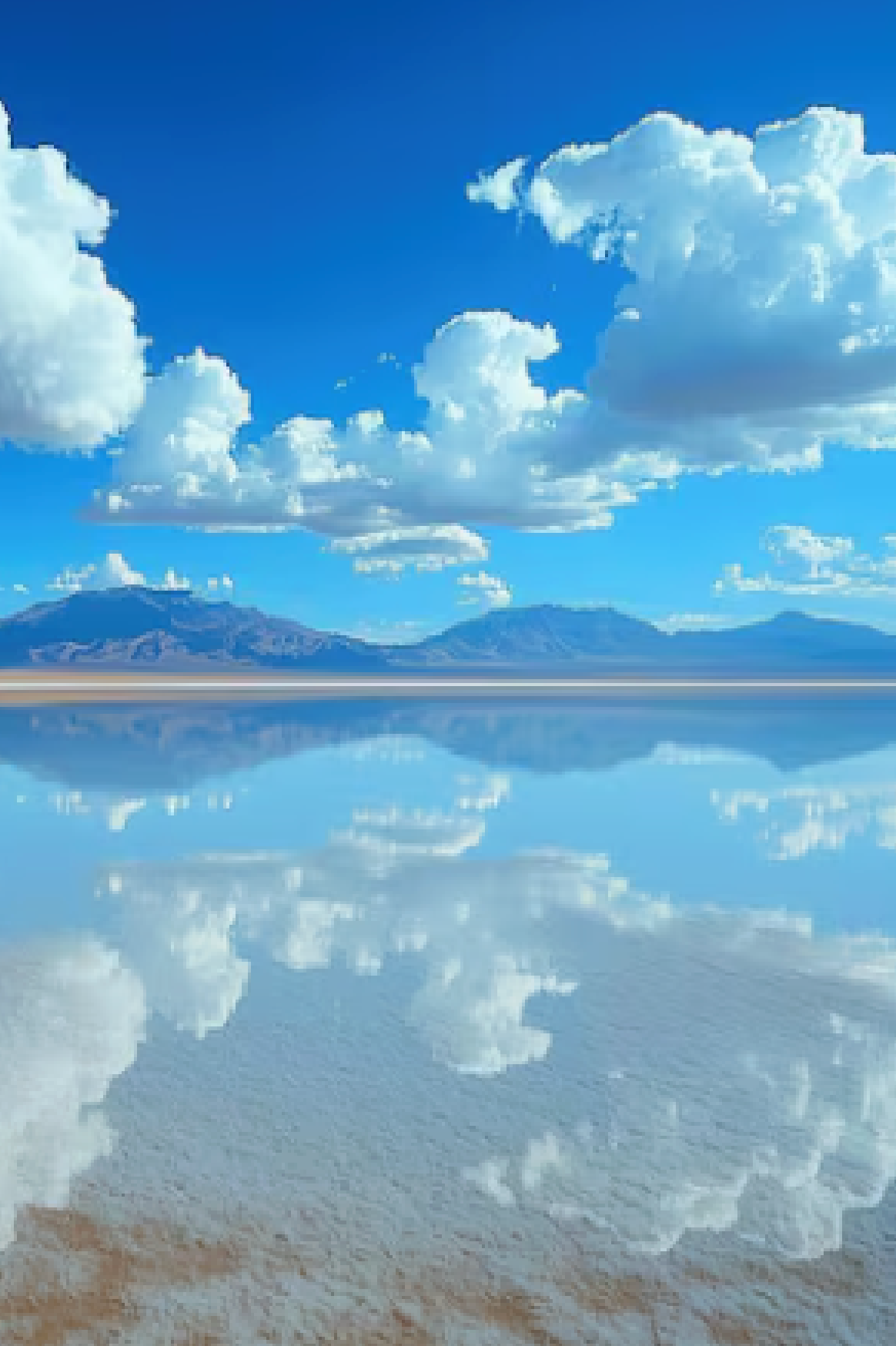
Combining Peru and Bolivia into a single, comprehensive 10-day overland expedition represents one of the most geographically diverse, historically rich, and culturally profound journeys available on the South American continent. This trans-continental path takes you from the dense, humid cloud forests of Machu Picchu, through the high-altitude imperial stone capital of Cusco, across the vast aquatic expanse of Lake Titicaca, and ultimately into the stark, otherworldly white horizons of the Salar de Uyuni—the largest salt flat on Earth.
Historically, this itinerary was a logistical challenge for independent travelers, particularly due to rigid border-crossing regulations and intensive visa application processes. However, under current regulatory frameworks, U.S. citizens do not require a visitor visa to enter Bolivia for tourism purposes, permitting seamless visa-free entry for up to 90 days per calendar year. This massive policy shift completely removes the friction of consulate appointments, upfront visa fees, and spontaneous border complications, transforming the trans-Andean corridor into an open pipeline for adventurous, independent explorers.
Executing this journey in a tight 10-day window requires an analytical approach to logistics, transport synchronization, and physiological management. You will be moving continuously through the Altiplano (the high-altitude Andean plateau), with elevations fluctuating between $2,430\text{ meters}$ ($7,972\text{ feet}$) and over $4,850\text{ meters}$ ($15,912\text{ feet}$). Every single transition must be calculated with precision to maximize content collection and minimize travel exhaustion. This blueprint outlines the exact tactical path to conquer both Andean nations with high efficiency and zero wasted movement.
2. Strategic Overview: Route Architecture and Elevation Matrix
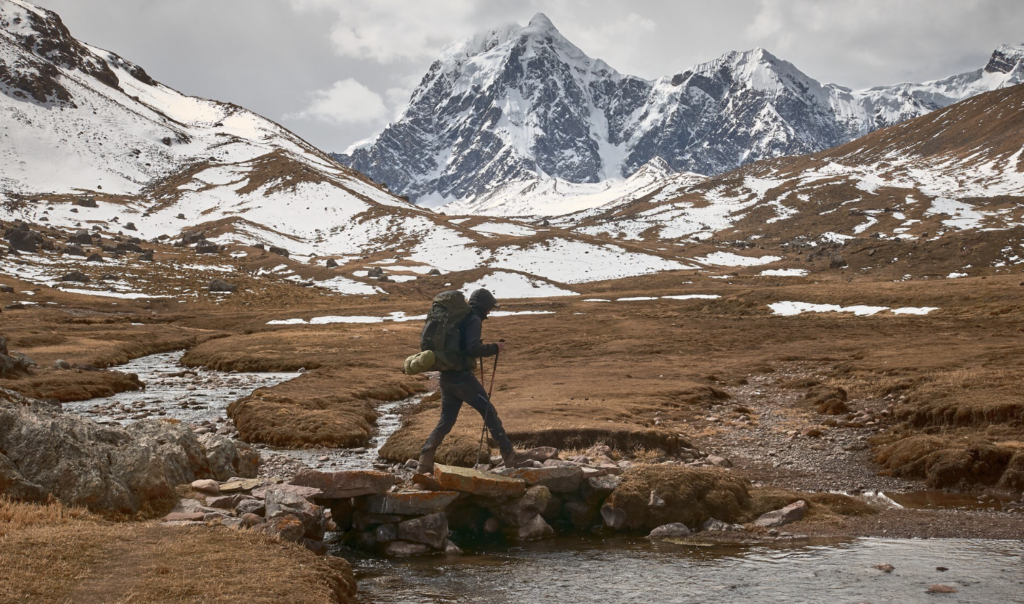
To prevent acute altitude sickness (soroche) from compromising your physical capabilities or forcing unexpected rest days, this itinerary is architected using a progressive elevation ladder. Instead of flying directly into the highest zones, you drop lower into the Sacred Valley early on, before ascending permanently into the intense atmospheric conditions of the Bolivian Altiplano.
3. Pre-Trip Master Checklist: Border Compliance and High-Altitude Assets
Crossing an international land border in the high Andes requires specialized assets. Before departing your home country, you must ensure your gear, medical kit, and documentation meet exact local enforcement standards. Failing to prepare these elements can result in immediate entry refusal at the border or severe physical illness during the desert segments.
Documentation and Compliance Protocols
- Passport Validity Verification: Your physical passport must possess a minimum of 6 months of validity remaining from your exact date of entry into Bolivia. It must contain at least two completely blank, un-stamped pages facing each other for entry/exit stamps.
- The Physical Address of Stay Declaration: When passing through Bolivian immigration at the Kasani or Desaguadero border posts, you are legally required to provide a physical printed copy of your first night’s hotel reservation showing a verifiable street address. Digital copies on cell phones are frequently rejected if cellular service drops or if the officer demands a hard copy for their files.
- The International Yellow Fever Certificate: If your itinerary branches out of the Altiplano into tropical sectors (such as the Amazonian basin, Madidi National Park, or low-lying valleys east of the Andes), the Bolivian government requires a physical International Certificate of Vaccination against Yellow Fever. Keep this tucked inside your passport sleeve.
High-Performance Technical Equipment Assets
- High-Volume Portable Power: High-altitude cold drains lithium-ion smartphone and camera batteries up to 40% faster than standard operating conditions. Carry a minimum of one 20,000mAh Power Bank with Power Delivery (PD) rated at under 100Wh to safely clear airport security screenings.
- Water Filtration Vessels: To eliminate plastic waste and defend against intestinal bacteria, pack a Grayl Geopress or LifeStraw Peak Series purification bottle. This allows you to safely process raw tap water from rural Altiplano hotels.
- UV Protection Arsenal: At $4,000\text{ meters}$, UV radiation increases by over 50% compared to sea level. You must pack polarized Category 3 or 4 sunglasses, broad-spectrum SPF 50+ mineral sunscreen, and protective lip balm to prevent severe blistering.
4. The 10-Day Surgical Itinerary: Day-by-Day Deployment
Day 1: The Cusco Threshold and Forced Acclimatization Protocol
Morning Logistics: Airport Extraction and Safety Routing
Touch down at Alejandro Velasco Astete International Airport (CUZ) in Cusco ($3,400\text{ meters}$ / $11,152\text{ feet}$). The thin mountain air will affect your breathing immediately upon exiting the aircraft. Collect your checked baggage, bypass independent airport drivers inside the terminal, and open your pre-loaded Uber app. Secure a verified ride to the historic center for $12 to $15 PEN ($3.25 to $4 USD). This protects you from the standard “tourist tax” markup applied by unmetered street taxis.
Afternoon Logistics: Strategic Low-Exertion Check-In
Check into a centrally located hotel in the San Blas or Plaza de Armas sector. Properties featuring room-specific oxygen enrichment are highly recommended for the initial 24 hours. Spend the first 4 hours resting horizontally in your room.
Do not attempt to unpack heavily or ascend the steep cobblestone steps of San Blas immediately. Drink a minimum of 1 liter of water mixed with oral rehydration salts. Your body requires massive amounts of fluid to compensate for the respiratory water loss caused by hyperventilation in dry, low-pressure mountain air.
Evening Exploration: Cultural Baseline Walking
Take a slow, low-impact evening walk along the flat, historic corridors of Avenida El Sol. Stop at an authorized exchange office (casa de cambio) to convert US Dollars into clean Peruvian Soles, ensuring your bills are entirely free of tears or marks.
Dine lightly on an easily digestible Andean chicken soup (Dieta de Pollo) or a grain bowl featuring native quinoa at an organic café. Avoid heavy meats, dairy, and alcohol entirely tonight; your digestive tract operates slower at this altitude due to reduced oxygen delivery to internal organs, making heavy meals a primary trigger for mountain headaches and insomnia.
Day 2: The Sacred Valley Descent: Pisac Terraces to Ollantaytambo Fortress
Morning Logistics: Daypack Segregation and Transport Launch
- 07:30 AM – The Valley Exit: Check out of your central Cusco hotel temporarily. Leave your heavy hard-shell luggage or large rolling suitcases with the front desk concierge for secure, free storage. Pack only a lightweight $30\text{L}$ technical daypack for the next 48 hours. This allows you to comply with strict train baggage limits (5 kg / 11 lbs max) enforced by PeruRail and Inca Rail. Meet your pre-arranged private day driver at the hotel entrance.
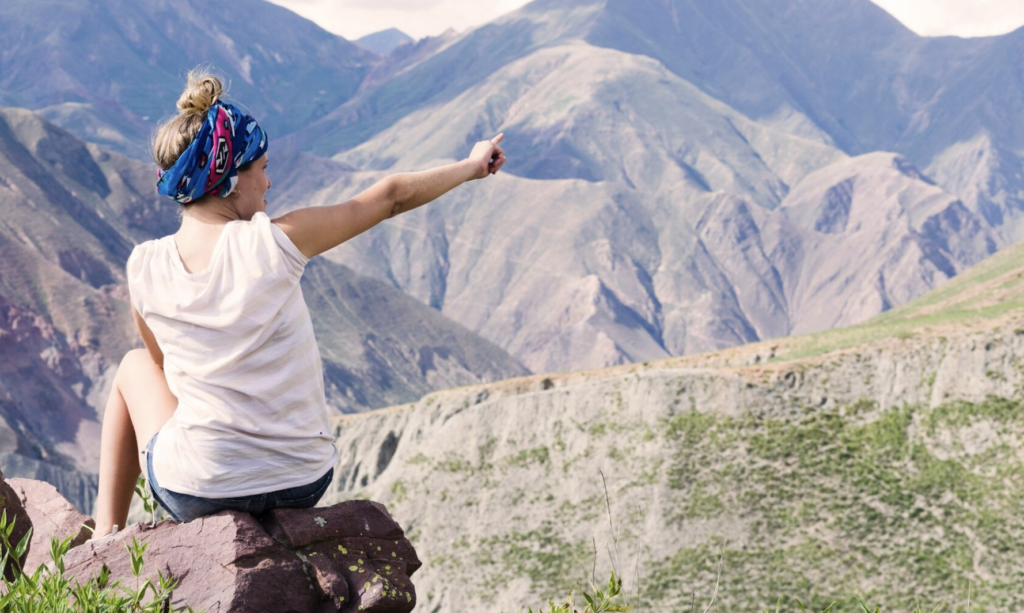
- 08:30 AM – The Pisac Architectural Survey: Ascend the winding mountain roads to the spectacular Royal Incan Estate of Pisac ($3,250\text{ meters}$ / $10,662\text{ feet}$). Purchase your Boleto Turístico General ($130 PEN / $35 USD) cash-only at the outer gate checkpoint.
Walk the spectacular upper agricultural terraces, which function as immense structural retaining walls stabilizing the mountain slope. Photograph the ancient cliffside burial complexes of Tantana Marka, where thousands of Inca mummies were historically placed into natural rock niches.
Afternoon Exploration: The Living Citadel of Ollantaytambo
- 12:30 PM – Valley Refueling: Stop in the town of Urubamba for an organic farm-to-table lunch at El Huacatay, focusing on fresh Urubamba river trout and native corn varieties.
- 02:00 PM – Tactical Hillside Climbing: Drive deeper into the valley where the elevation drops to a more comfortable $2,792\text{ meters}$ ($9,160\text{ feet}$). Enter the massive stone complex of Ollantaytambo, which served as a fortified stronghold for Manco Inca during the Spanish conquest.
Ascend the monumental 200 stone steps leading to the Temple of the Sun. Pace your ascent carefully: take 15 vertical steps, then pause for 30 seconds to regulate your heart rate. Examine the seamless, mortarless fitting of the six giant pink granite monoliths. The stones were hauled across a rushing river from the Cachiccata quarry miles away without the use of draft animals. Sleep in Ollantaytambo tonight to benefit from the thick, oxygen-rich valley air.
Day 3: The Machu Picchu Dawn Assault: Circuit 2 Mastery
Morning Logistics: Rail Synchronization and Shuttle Pipeline
- 05:45 AM – The Early Rail Pipeline: Walk to the Ollantaytambo station and board the morning PeruRail Vistadome Train #301 departing for Aguas Calientes ($2,430\text{ meters}$ / $7,972\text{ feet}$). Watch the landscape transform through the panoramic glass roof windows from dry highland brush to lush high-jungle cloud forest running alongside the roaring Urubamba River.
- 08:30 AM – Sanctuary Shuttle Access: Disembark the train and transfer instantly to the Consettur Shuttle Bus line with your pre-purchased $24 USD round-trip bus ticket. The bus scales the cliffside Hiram Bingham highway, tackling 14 steep switchbacks in 25 minutes flat to drop you at the main entry gates.
Archaeological Survey: Executing the Circuit 2 Blueprint
- 09:15 AM – Technical Citadel Survey: Enter the archaeological site using your long-booked Circuit 2 (Classic Route) Permit. This is the standard of tickets, offering the complete panoramic views from the upper agricultural terraces.
Hire an official, licensed DIRCETUR guide at the gate ($150 to $200 PEN / $40 to $54 USD). Capture your high-resolution media from the iconic Guardian House overlook before descending into the stone city.
Trace the architecture through the Main Gateway, the Royal Sectors, the Temple of the Sun, and the Intihuatana solar hitching post. Observe the Ashlar masonry technique where every stone was shaped to interlock perfectly without mortar. This design allows the structures to shift safely during seismic events without collapsing.
Evening Logistics: Reversal Transit Vector
Descend the mountain via the Consettur bus at 01:30 PM. Eat a late lunch in Aguas Calientes at The Tree House restaurant. Board your return evening Vistadome train back to Ollantaytambo. Your private day driver will be waiting at the station exit to transfer you back up to your central Cusco hotel base, arriving by 09:00 PM.
Day 4: Cusco Content Capture, San Pedro Sourcing, and Night Bus Mobilization
Morning Exploration: The Imperial Wall Audit
Spend the morning capturing media around the historic core of Cusco. Walk along the narrow pedestrian passage of Calle Hatun Rumiyoc to locate and analyze the famous twelve-angled stone, a masterpiece of Incan stone-shaping that showcases perfect structural alignment.
Continue on foot to Qorikancha (The Temple of the Sun). Pay the cash entry fee of $15 PEN ($4 USD) at the gate. Explore the polished, curved stone foundations upon which the Spanish built the Santo Domingo Convent, highlighting the dramatic architectural contrast between European and Incan builders.
Afternoon Logistics: San Pedro Procurement and Packing Calibration
- 02:00 PM – Market Sourcing: Navigate the sensory corridors of the central San Pedro Market. This is your final opportunity to buy lightweight thermal layers, alpaca wool beanies, and heavy winter gloves at local pricing before transitioning into the colder, more remote Bolivian Altiplano.
- 06:00 PM – Final Media Backup: Return to your hotel lobby. Use your high-speed Wi-Fi connection to back up all Peru photo and video files to a secure cloud drive or external SSD. Pack your gear into a single, cohesive unit.
Night Transit: The Sleeper Bus Infrastructure
- 09:30 PM – Terminal Mobilization: Check out of your hotel, retrieve your stored bags from the concierge, and take an Uber to the Terminal Terrestre Cusco. Board a premium overnight sleeper bus operated by Transzela or Bolivia Hop bound for Puno.
Ensure you have booked a Bus Cama configuration, which features extra-wide leather seating that reclines to 160 or 180 degrees. This overnight option costs $25 to $35 USD, allowing you to bypass lodging fees while moving smoothly across the geography. Put on your thermal layers before boarding; the bus will ascend through high mountain passes where interior temperatures can drop rapidly.
Day 5: Lake Titicaca Integration: Floating Islands of Uros and Taquile
Morning Logistics: Port Disembarkation and Launch Logistics
- 05:30 AM – Puno Port Arrival: Arrive at the Puno Terminal Terrestre ($3,812\text{ meters}$ / $12,506\text{ feet}$). The air here is noticeably colder and crisper than in Cusco.
Transfer your large bags into a secure temporary port locker or load them directly onto your pre-booked regional lake vessel. Walk down to the main docks running along the edge of Lake Titicaca, the highest navigable body of water on Earth.
Afternoon Exploration: Totora Reed Engineering and Taquile Textiles
- 07:30 AM – The Floating Reed Platform Audit: Board a motorized launch out to the floating islands of Uros. Observe the specialized engineering methods used by the indigenous Uros people, who build living foundations by stacking layers of buoyant totora reed roots (khili) anchored by long eucalyptus posts driven into the lakebed.
Listen to the community leaders explain how they must constantly add fresh layers of reeds to the surface as the lower levels decay away in the water.
- 11:00 AM – Taquile Island Cultural Trekking: Continue your boat transit across the deep blue waters to the remote island of Taquile. Climb the steep, stone pathways to the main village square.
The textile art here is protected by UNESCO; the intricate weaving and knitting are completed by men using traditional hand spindles, while women handle the spinning of the raw wool yarn. Enjoy a fresh lunch of grilled lake trout (trucha) paired with a hot cup of wild muña mint tea to assist with digestion. Return to the Puno docks by 05:00 PM. Check into a lakeside hotel and get plenty of rest before tomorrow’s border crossing.
Day 6: Cross-Border Transition: Puno to Copacabana and the Descent to La Paz
Morning Logistics: The International Highway Run
- 07:00 AM – Departure to the Border: Board an early morning coach or a guided tourist bus operated by Bolivia Hop from Puno heading south along the lakeside highway toward the Kasani border checkpoint. Ensure your physical documents are arranged inside your daypack for easy access.
The Border Protocol: Navigating the Kasani Checkpoint
- 10:30 AM – Clearing Peruvian Migration: Disembark the bus on the Peruvian side of the border at Kasani. Walk into the Peruvian migration office with your physical passport. Present your details to secure your official Peruvian exit stamp.
Once stamped, collect your daypack, exit the building, and walk across the international line on foot passing beneath the stone welcome archway into Bolivia.
Afternoon Transit: Copacabana and the Lake Tiquina Strait
- 12:00 PM – Copacabana Coastal Stop: Arrive in the beautiful Bolivian lakeside town of Copacabana ($3,841\text{ meters}$ / $12,601\text{ feet}$). Stop to photograph the white Moorish arches of the Basilica of Our Lady of Copacabana. Grab a quick lunch of traditional Bolivian Sajta de Pollo (chicken stewed in yellow ají pepper).
- 02:30 PM – The Tiquina Water Gap: Re-board your bus to head toward La Paz. The highway route requires navigating the unique Strait of Tiquina. Passengers disembark from the coach to ride a small passenger ferry across the water gap, while the large tour bus is balanced across an open wooden motorized barge to make the crossing.
Evening Arrival: Entering the La Paz Urban Basin
- 06:00 PM – Entering the Bowl: Arrive in the dramatic high-altitude urban landscape of La Paz ($3,640\text{ meters}$ / $11,942\text{ feet}$). The city clings to the vertical walls of a massive mountain bowl, with snow-capped Mount Illimani looming in the background.
Take an authorized radio taxi to your hotel in the residential zones of Sopocachi or Calacoto. These lower-elevation neighborhoods offer modern dining options and excellent wind protection.
Day 7: The Altiplano Flight Corridor and Uyuni Salt Flat Deployment
Morning Logistics: Domestic Air Extraction
- 06:00 AM – Flight to the Salt Desert: Take a taxi up the canyon walls to El Alto International Airport (LPB). Board a short domestic flight operated by Amazsonas or BoA (Boliviana de Aviación) heading south to Joya Andina Airport (UYU) in Uyuni ($3,656\text{ meters}$ / $11,994\text{ feet}$).
This flight takes exactly 45 minutes, allowing you to bypass a bumpy, 8-hour overnight bus ride across rough Altiplano roads. Disembark at the small desert airstrip and breathe in the dry, cool air.
Afternoon Exploration: Train Cemetery and the Salt Hexagons
- 09:30 AM – The Iron Graveyard: Meet your specialized 4×4 expedition team directly outside the terminal doors. Your vehicle must be a rugged, high-clearance 4WD vehicle like a Toyota Land Cruiser or Nissan Patrol. Drive first to the iconic Train Cemetery on the desolate outskirts of town. Photograph the rusting iron skeletons of 19th-century steam locomotives, which were abandoned here after the collapse of the local mining boom.
- 12:00 PM – Entering the Great White Void: Drive through the salt-processing village of Colchani, crossing onto the blinding white expanse of the Salar de Uyuni—the world’s largest salt flat, spanning over 10,500 square kilometers. Drive miles out into the center of the solid salt crust, where the horizon completely disappears.
Set up your camera equipment to capture forced-perspective images, using small props placed close to the lens to play with the lack of depth perception.
- 03:30 PM – Incahuasi Cactus Island: Head to Incahuasi Island, a steep volcanic hill rising directly out of the flat sea of white salt. The island is formed from fossilized ancient coral reefs and is covered in giant trichocereus cacti that grow just 1 centimeter per year.
Hike the rocky paths to the island’s summit to watch the sun set over the vast salt flats. Drive to an accommodation built entirely out of solid blocks of locally quarried salt (such as Hotel Luna Salada or Palacio de Sal). Enjoy a dinner seasoned with local pink salt before getting some sleep.
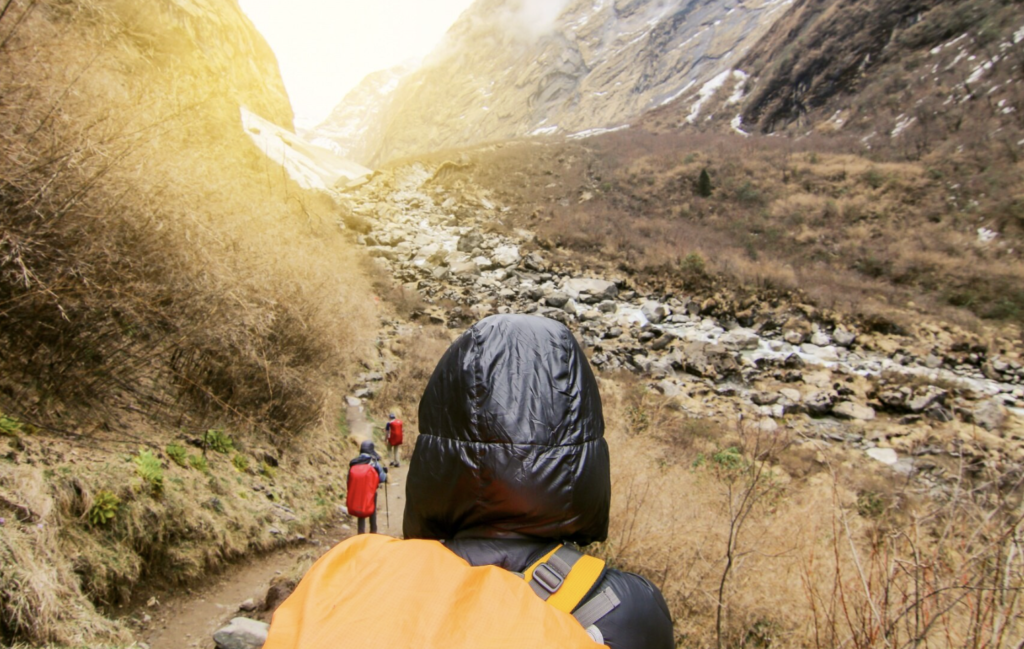
Day 8: High-Desert Geothermal Volcanic Survey: Eduardo Avaroa Reserve
Morning Exploration: Heading into the High Volcanic Desert
- 07:00 AM – Heading South: Fuel up on a breakfast at your salt hotel, pack your thermal gear into the 4×4, and depart early to venture south into the rugged terrain of the Eduardo Avaroa Andean Fauna National Reserve. The trail quickly transitions from flat salt into rough, unpaved sand and gravel tracks as the elevation climbs past 4,000 meters.
Afternoon Exploration: The Stone Tree and Crimson Lagoons
- 10:30 AM – The Chiguana Desert and Árbol de Piedra: Pass through the wide Chiguana Desert, crossing old railway lines flanked by active volcanoes. Stop at the Árbol de Piedra (Stone Tree), a volcanic rock formation carved into a tree-like shape over millennia by harsh, sand-laden winds.
- 02:00 PM – The Crimson Waters of Laguna Colorada: Arrive at the spectacular Laguna Colorada (Red Lagoon). The lake’s vibrant crimson hue is caused by a dense concentration of red algae and minerals, contrasting against bright white borax deposits along the shoreline.
The shallow, mineral-rich waters serve as the primary nesting ground for thousands of rare flamingos. Walk carefully along the designated shoreline paths to photograph the birds against the red water. Fall asleep early at a basic, rustic desert mountain lodge near the geothermal fields, keeping your warm layers on as indoor temperatures regularly dip below freezing.
Day 9: Sol de Mañana Geysers and the La Paz Extraction Return
Morning Exploration: The Freezing Dawn Steam Basin
- 05:00 AM – The Geothermal Dawn Drill: Wake before sunrise to visit the Sol de Mañana Geyser Basin at its peak activity level ($4,850\text{ meters}$ / $15,912\text{ feet}$). Walk carefully among bubbling sulfur mud pools and steam vents shooting columns of high-pressure vapor into the freezing morning air. The sub-zero temperatures create dramatic, thick steam columns that vanish quickly as the mountain sun warms the basin.
Afternoon Logistics: The Emerald Lagoon and Flight Transfer
- 09:00 AM – The Turquoise Waters of Laguna Verde: Drive past the surreal rock landscapes of the Dali Desert to reach Laguna Verde (Green Lagoon), sitting at the base of the Licancabur Volcano. The water contains high concentrations of arsenic, lead, and copper, which create a brilliant turquoise color when stirred up by high morning winds.
- 01:00 PM – Northward Transit Run: Turn back north and complete the drive through the high desert plains back to the town of Uyuni. Head straight to the Joya Andina Airport terminal to catch your evening domestic flight back up to La Paz. Check into your urban hotel base in La Paz for your final night.
Day 10: La Paz Mi Teleférico Transit and International Departure Protocol
Morning Exploration: The Cable Car Transit Grid
- 09:00 AM – Riding the Sky Grid: Spend your final hours riding Mi Teleférico, the world’s highest and longest urban cable car transit network. Walk to the nearest station and hop on the Red, Yellow, or Green lines, which function as the city’s primary public transit system.
Tickets cost just $3 BOB ($0.45 USD) per line. The quiet, electric cable cars glide smoothly over the sprawling neighborhoods below, offering panoramic views of the deep canyon streets and the snow-covered peaks bordering the valley.
Afternoon Logistics: Final Currency Clearing and Airport Departure
- 12:00 PM – Clearing Local Currency: Stop by a local café to spend your remaining Bolivian Boliviano coins on premium single-origin coffee beans or artisanal chocolates.
- 01:00 PM – International Airport Transit: Collect your stored luggage from your hotel lobby and hail a radio taxi up to El Alto International Airport (LPB). Arrive a minimum of 3 full hours before your international flight to navigate airline check-in desks, complete border exit control forms, and pass through security checkpoints smoothly.
5. Comparative Analysis: Overland Logistics vs. Flight Alternatives
When constructing a multi-country Andean itinerary, balancing travel time against your available capital is critical. Here is how the overland route compares to booking flight networks:
6. Top 10 High-Authority Travel FAQs for the Peru-Bolivia Corridor
- Do US citizens need to pay a reciprocal fee at the Bolivian border under the current rules?
No. Under the current regulatory framework, the visa requirement for U.S. citizens has been removed for standard tourism entries up to 90 days. You do not need to pay the historical $160 USD visa sticker fee at land border gates like Kasani or Desaguadero.
- What happens if I lose the small tourist entry slip given to me at the Bolivian border?
If you lose your entry registration slip, you will face significant processing delays and a mandatory fine of approximately $200 BOB ($29 USD) when trying to clear exit migration control. Keep the slip safely tucked inside your physical passport sleeve.
- Is it possible to cross the Peru-Bolivia border on foot without an organized tour?
Yes. Independent travelers can take a local bus from Puno to the Kasani border gate, walk across the international line on foot, complete the immigration paperwork on both sides within 30 minutes, and hop on a local Bolivian minibus (minibús) bound for Copacabana.
- How cold does it realistically get at night in the Salar de Uyuni desert circuits?
During the dry winter months (May to September), night temperatures in the high desert sectors regularly drop to between -10°C and -20°C (14°F to -4°F). Ensure your expedition vehicle has functional internal heating, and pack heavy thermal underwear, a down jacket, and a fleece beanie.
- Can I drive a standard rental car across the Salar de Uyuni independently?
Independent car rentals are strictly banned from entering the salt flats by local authorities. The harsh salt crust quickly corrodes vehicle undercarriages, and navigating the vast white void without landmarks is incredibly disorienting. You must use an experienced local driver with a specialized 4×4 vehicle.
- Are there banks or working ATMs available inside the Eduardo Avaroa Reserve?
No. Once you leave the town of Uyuni, there are absolutely zero working ATMs or banks for the next 3 days of your desert loop. You must carry a minimum of $300 to $400 BOB in physical cash to pay for national park entry fees, public restrooms, and hot showers at local lodges.
- Is the tap water safe to brush teeth with in La Paz or Uyuni?
No. Tap water throughout Bolivia contains harmful metals and bacteria strains. Use bottled water or a reliable water filtration bottle like a Grayl Geopress for everything, including brushing your teeth, to avoid severe digestive illnesses.
- What is the best time of year to see the giant mirror reflection effect on the Salar de Uyuni?
The iconic mirror reflection effect occurs exclusively during the rainy season, from January to March. During these months, a thin layer of rainwater collects on top of the salt crust, creating a massive natural mirror. Note that heavy rains can block vehicle access to deep sites like Incahuasi Island.
- Can I buy a local SIM card that works seamlessly across both Peru and Bolivia?
No. Mobile networks do not span across borders automatically. You must buy a Claro or Movistar SIM card in Peru, then purchase a separate Entel or Tigo SIM card once you cross into Bolivia to ensure reliable data access.
- What is the exact price of the entry ticket to the Eduardo Avaroa National Reserve?
The mandatory cash entry fee for international visitors entering the reserve is $150 BOB ($22 USD). This fee must be paid in physical Bolivian Bolivianos at the main park gate; foreign currencies or credit cards are not accepted.
7. Conclusion: Scale the Andean Altiplano with Complete Confidence
Conquering the trans-Andean overland route from the ancient stone walls of Machu Picchu to the vast salt desert of Uyuni is an incredible travel milestone. By using a step-by-step approach to high-altitude climbing, staying up to date on border rules, and coordinating your transport connections well in advance, you remove the common stresses of international backpacking. Treat the high Altiplano with respect by packing warm layers, protecting your hydration sources, and securing experienced drivers. With proper preparation, you can execute a smooth, unforgettable overland journey across the peaks of South America.
Viaja A Todo El Mundo: Your Borderless Hub for Global Exploration
Looking to expand your horizons beyond the towering peaks of South America? Uncover the Andes operates as the specialized mountain exploration arm of Viaja A Todo El Mundo (viajaatodoelmundo.com), our premier global travel ecosystem. Whether you need to audit the mandatory insurance requirements for crossing European borders, and master the art of lightweight carry-on packing for international flights, or calculate the exact daily cost of living in the heart of the Netherlands, our parent site provides comprehensive guides to keep you traveling smartly, safely, and efficiently. Join our global community of digital explorers and unlock the world today!