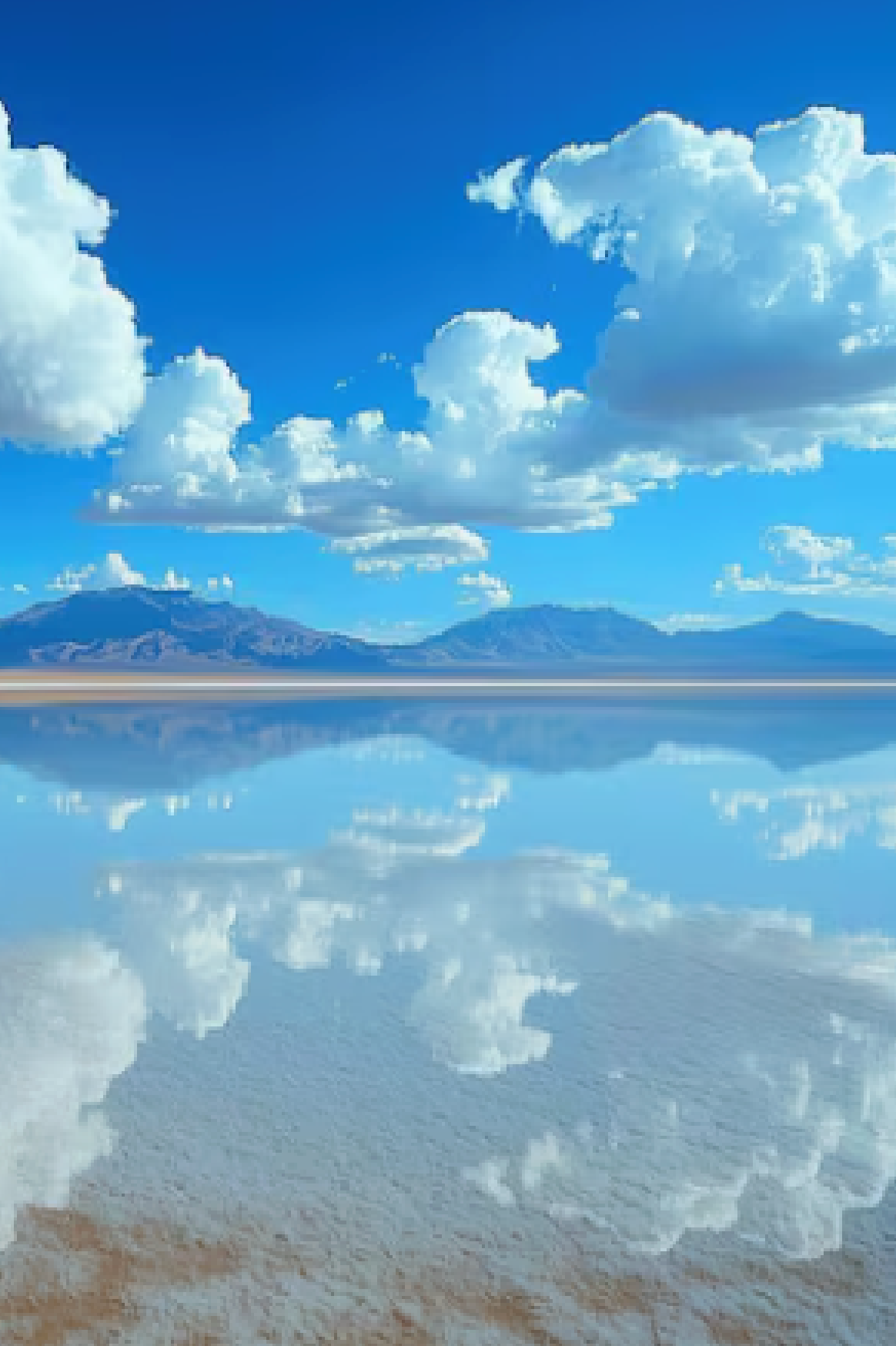

Argentina is one of the most extraordinary countries on Earth — and one of the most underestimated. Visitors come for tango and steak and leave having seen some of the most dramatic landscapes on the planet: glaciers the size of cities, salt flats that stretch to the horizon, rainforests roaring with the force of the world’s widest waterfall, and the jagged granite towers of Patagonia at the end of the world.
At Uncover the Andes, we have been guiding travellers through South America for decades. In this guide we cover the seven regions of Argentina you cannot miss, the practical information you need on money, transport and safety, a seasonal breakdown of the best time to visit each region, and everything you need to book your trip with confidence.
Whether you have ten days or three months, Argentina rewards travellers who arrive prepared. This is that preparation.
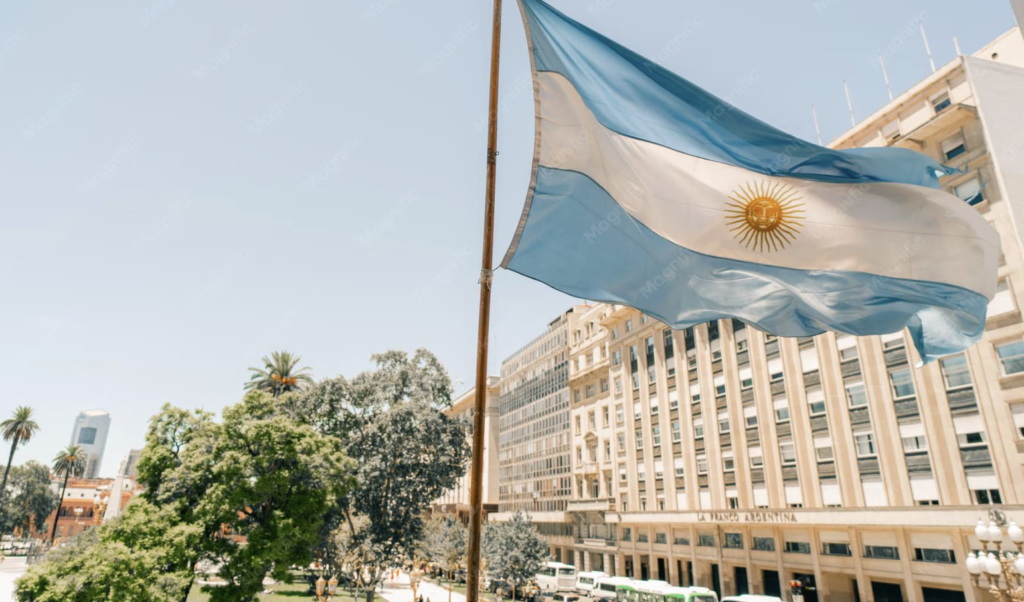
Why Visit Argentina? What Makes It Different from the Rest of South America
Argentina is South America’s second largest country — nearly three times the size of Texas — and it spans more climatic zones than almost any country on Earth. In the same week you can be wine tasting in sun-drenched Mendoza at the foot of the Andes and watching a chunk of glacier the size of a fourteen-storey building calve into a turquoise lake in Patagonia.
What sets Argentina apart from its neighbours is the combination of world-class nature and a genuinely sophisticated urban culture. Buenos Aires is one of the great cities of the world — a city of grand European-style boulevards, avant-garde restaurants, world-famous steak, and a nightlife that does not start until midnight and does not end until the sun rises. It is also one of the most affordable major capitals in the world for foreign visitors.
For travellers coming from Peru or Bolivia on an Andes circuit, Argentina adds Andean wine country (Mendoza sits at the foot of the same mountain range), the spectacular northwest (Salta and Jujuy offer landscapes as dramatic as anything in the Bolivian altiplano), and Patagonia — one of the last great wildernesses on Earth.
| Region | Highlight | Best For | Best Time | Duration |
|---|---|---|---|---|
| Buenos Aires | Culture, food, tango, architecture | City lovers, first-timers | Mar–May / Sep–Nov | 3–5 days |
| Patagonia (South) | Perito Moreno glacier, Fitz Roy, Torres del Paine | Trekkers, nature lovers | Nov–Feb | 7–14 days |
| Mendoza | Malbec wine, Andes views, cycling | Wine lovers, cyclists | Mar–May / Sep–Nov | 3–4 days |
| Iguazu Falls | 275 waterfalls, jungle wildlife | Nature lovers, families | Apr–Sep | 2–3 days |
| Salta & Northwest | Colourful valleys, high-altitude vineyards, colonial towns | Culture, photography | Apr–Jun / Aug–Oct | 4–6 days |
| Lake District (Bariloche) | Lakes, mountains, chocolate, skiing | Outdoor activities, families | Jan–Mar (summer) / Jul (ski) | 3–5 days |
| Ushuaia & Tierra del Fuego | End of the world, penguins, beagle channel | Adventure travellers | Nov–Feb | 2–3 days |
Buenos Aires: South America’s Most Sophisticated City
Buenos Aires is the obligatory starting point for most Argentina trips — and rightly so. The city rewards at least four days of exploration, with neighbourhoods as distinct in character as the arrondissements of Paris.
Neighbourhoods to Know
Palermo Soho and Hollywood are the epicentre of Buenos Aires’s restaurant and café scene — tree-lined streets, independent boutiques and the best concentration of restaurants in the city. San Telmo is the oldest neighbourhood and home to the Sunday antiques fair, tango milongas and colonial architecture. La Boca is the famous colourful waterfront district, though it is best visited as part of an organised tour rather than on foot alone. Recoleta is the grandest neighbourhood, home to the famous cemetery where Eva Perón is buried and to some of the city’s best hotels.
What Not to Miss
- Recoleta Cemetery — one of the world’s great urban cemeteries, with extraordinary mausoleums and the tomb of Eva Perón. Free entry.
- MALBA (Museum of Latin American Art) — world-class collection of 20th-century Latin American art in a stunning building.
- A Tango Show — Buenos Aires is the birthplace of tango. A dinner-and-show at a traditional milonga in San Telmo is non-negotiable.
- La Boca’s Caminito — the colourful pedestrian street. Best visited in the morning and as part of a guided tour.
- San Telmo Sunday Fair — street antiques, street food, tango dancers and local artisans every Sunday.
- Steak at a Parrilla — Argentina’s grass-fed beef is among the finest in the world. Budget ARS 8,000–15,000 for a full dinner with wine.
TOURS & EXPERIENCES
Book Your Argentina Tours with Expert Local Guides
From Perito Moreno glacier hikes to Buenos Aires tango shows and Mendoza wine tours — our trusted partners offer free cancellation and the best-rated local guides in Argentina.
Patagonia: The End of the World and the Beginning of Everything Else
Argentine Patagonia is one of the last great wildernesses on Earth — a region of staggering scale and beauty that genuinely exceeds what photographs prepare you for. The two main bases are El Calafate (gateway to the glaciers) and El Chaltén (gateway to the Fitz Roy trekking circuit).
Perito Moreno Glacier — El Calafate
Perito Moreno is one of the world’s great natural spectacles. At 250 km² it is the third largest reserve of fresh water on Earth — and unlike most glaciers, it is still advancing. The sound of the ice cracking and calving into Lago Argentino is something you will remember for the rest of your life.
The national park entrance fee is approximately USD $31 for foreign visitors (payable in pesos). From the main boardwalks you can watch the glacier for free. For a more immersive experience, book a Minitrekking tour (approx. USD $120–$150), which takes you onto the glacier surface itself with crampons and a guide.
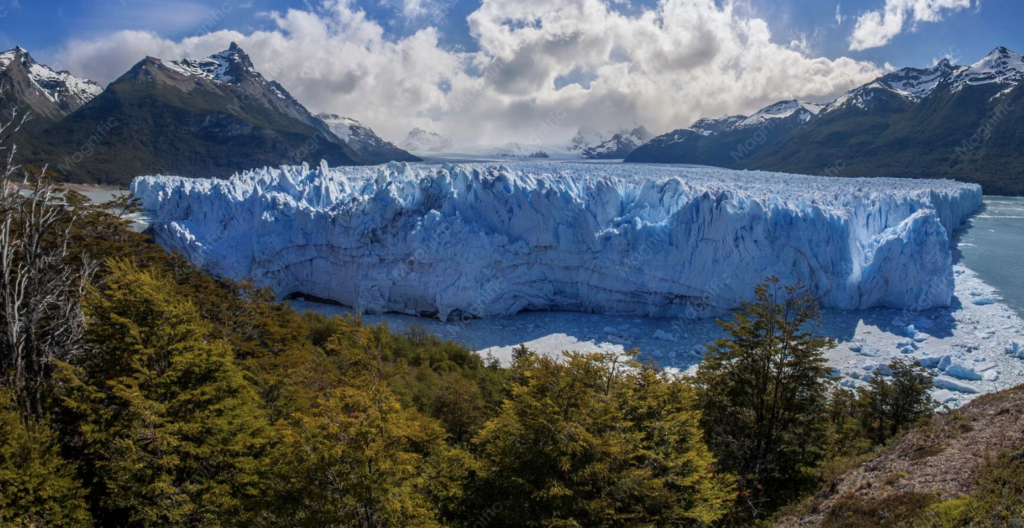
El Chaltén and the Fitz Roy Massif
El Chaltén is Argentina’s trekking capital — a small, purpose-built town in the shadow of the jagged granite spires of Cerro Fitz Roy (3,405m) and Cerro Torre (3,128m). All trails in the Los Glaciares national park here are free of charge. The classic hike is the Laguna de los Tres trail (22 km round trip, 1,200m elevation gain) — a full-day trek with views of Fitz Roy that rank among the finest in the world on a clear day.
| Patagonia Highlight | Location | Entrance / Cost | Duration | Difficulty |
|---|---|---|---|---|
| Perito Moreno Glacier boardwalks | El Calafate | USD ~$31 (park entry) | Half day | Easy |
| Perito Moreno Minitrekking | El Calafate | USD ~$120–$150 (tour) | Full day | Moderate |
| Laguna de los Tres (Fitz Roy) | El Chaltén | Free | Full day (8–10h) | Strenuous |
| Laguna Torre trek | El Chaltén | Free | Full day (6–8h) | Moderate |
| Boat trip on Lago Argentino | El Calafate | USD ~$80–$120 | 4–5 hours | Easy |
| Torres del Paine (Chile side) | Puerto Natales | CLP ~$40,000 (~USD $45) | Multi-day | Moderate–Strenuous |
FIND YOUR FLIGHT
Cheap Flights to Buenos Aires — Search Every Airline at Once
Buenos Aires Ezeiza (EZE) is Argentina’s main international hub. Most connections from Europe and North America route through EZE. Use flexible date search to find the cheapest week to fly — savings of 30–40% are common by shifting travel dates by a few days.
Price alerts available · Best fare guarantee · Compare 1,000+ airlines
Mendoza: Argentina’s Wine Capital at the Foot of the Andes
Mendoza sits at 760 metres above sea level at the base of the Andes — the same mountain range that runs through Bolivia and Peru — and produces over 70% of Argentina’s wine, including the world’s finest Malbec. The combination of high-altitude sunshine, low humidity, snowmelt irrigation and sandy soils creates conditions that produce wines of extraordinary concentration and depth.
Mendoza is also one of the most pleasant cities in Argentina — wide, leafy avenues, excellent restaurants and a relaxed pace that stands in sharp contrast to Buenos Aires. The best approach is to rent a bike and cycle between the bodegas of Luján de Cuyo and the Maipú wine district, stopping for tastings and lunch at your own pace.
Best Mendoza Experiences
- Cycling the Maipú wine route — rent a bike for ARS 5,000–8,000 and visit 4–6 bodegas at your own pace. Most offer free or low-cost tastings.
- High-end bodega visit in Luján de Cuyo — estates like Catena Zapata and Achaval Ferrer offer world-class tasting experiences. Book in advance.
- Aconcagua viewpoint day trip — at 6,961m, Aconcagua is the highest peak in the Americas. Day trips from Mendoza take you to base camp viewpoints.
- Harvest Festival (Vendimia) — held every March, Argentina’s most important wine festival with parades, concerts and grape-crushing ceremonies.
- Rafting on the Mendoza River — class III–IV rapids through Andean scenery, 45 minutes from the city.
BOOK YOUR STAY
Hotels in Mendoza & Buenos Aires — Best Rates Guaranteed
Book your accommodation before you arrive — particularly in Mendoza during harvest season (March) and in Patagonia during peak summer (December–February), when the best properties sell out weeks in advance. Free cancellation on most bookings.
Free cancellation on most bookings · No booking fees · Instant confirmation
The Iguazu Falls and Salta: Argentina’s Other Great Wonders
Iguazu Falls — Puerto Iguazu
Iguazu Falls is one of the most overwhelming natural sights on Earth. Comprising 275 individual falls spread across nearly 3 km of the Iguazu River, the falls are wider than Niagara and taller than Victoria. The Argentine side offers the better walkways — you are at water level, surrounded on three sides by roaring cascades. The iconic Devil’s Throat (Garganta del Diablo) is a horseshoe-shaped chasm 82 metres deep into which fourteen of the largest falls plunge simultaneously.
Entrance to the Argentine national park costs approximately USD $22 for adults in 2026. Most visitors spend one full day on the Argentine side and a second day on the Brazilian side (which offers the best panoramic views). Book your tickets in advance at ventaweb.apn.gob.ar.
Salta and the Northwest — Argentina’s Hidden Gem
The northwest of Argentina — centred on the colonial city of Salta — is one of the most underrated destinations in South America. The landscape rivals anything in Bolivia: the Quebrada de Humahuaca (a UNESCO World Heritage canyon of rainbow-coloured rock) and the Salinas Grandes salt flats (2,200m above sea level, a surreal white expanse) are among the most photogenic places in Argentina. The city of Salta itself is one of the best-preserved colonial cities on the continent, with a relaxed café culture and excellent regional cuisine.
The Cafayate wine valley, 180 km south of Salta, produces Torrontés — Argentina’s signature white grape — at altitudes of 1,700–3,000m, making it one of the highest-altitude wine regions in the world.
| Destination | Altitude | Highlight | Park Entry | Recommended Stay |
|---|---|---|---|---|
| Iguazu Falls (Arg.) | ~200 m | Devil’s Throat walkway | USD ~$22 | 1–2 days |
| Iguazu Falls (Brazil) | ~190 m | Panoramic viewpoint | BRL ~$100 | 1 day |
| Salta city | 1,187 m | Colonial architecture, MAAM museum | Free | 2–3 days |
| Quebrada de Humahuaca | 2,000–3,400 m | Hornocal Rainbow Mountain | Free | 1–2 days |
| Salinas Grandes salt flats | 3,450 m | Bolivia-style salt landscape | Free | Half day |
| Cafayate | 1,683 m | Torrontés wine, red rock canyons | Free | 1–2 days |
Best Time to Visit Argentina: A Month-by-Month Breakdown
Argentina’s size means that the best time to visit depends entirely on which region you are targeting. The country spans 40 degrees of latitude — from the subtropical north near Iguazu to the sub-Antarctic south in Tierra del Fuego — and the seasons are reversed from the Northern Hemisphere.
| Month | Buenos Aires | Patagonia | Mendoza | Iguazu | Salta/Northwest |
|---|---|---|---|---|---|
| Jan–Feb | Hot & humid (32°C) | Peak summer — best weather | Hot & dry (35°C) | Hot, high water | Rainy season |
| Mar–Apr | Warm & pleasant | Shoulder — less crowded | Harvest season — best | Good | Shoulder — good |
| May–Jun | Cool, very pleasant | Off-season — cold | Autumn colours | Best weather | Best season |
| Jul–Aug | Cool (12°C) | Winter — ski season | Cold but sunny | Lower water, fewer crowds | Best season |
| Sep–Oct | Spring — excellent | Shoulder — warming up | Spring flowers | Good | Good |
| Nov–Dec | Warm & busy | Summer begins | Warm & good | Hot, high water | Shoulder |
Our recommendation for first-time visitors: March to May (autumn) is the best overall time to visit Argentina. Buenos Aires is pleasant and uncrowded, Mendoza is in harvest season, Patagonia is transitioning to quieter shoulder season with good prices, and the northwest is at its best. Avoid January in Buenos Aires — locals leave the city and it becomes extremely hot and humid.
How to Get Around Argentina: Transport Guide
Argentina is a vast country and internal transport is a critical part of trip planning. The good news is that the options are excellent.
Domestic Flights
For long distances — particularly Buenos Aires to Patagonia (El Calafate or Bariloche) — flying is the only practical option. One-way domestic flights cost approximately USD $30–$70 on budget carriers. Aerolíneas Argentinas and LATAM are the main carriers. Book well in advance for Patagonia routes in peak season (December–February).
Long-Distance Buses
Argentina has the best long-distance bus network in South America. The buses are modern, punctual, and comfortable — many overnight routes include fully reclining seats (cama suite), meals, and entertainment. Prices range from USD $20–$40 for major routes. Buenos Aires’s Retiro bus terminal connects to every major city in the country.
City Transport
Buenos Aires has an excellent subway system (the Subte) covering the central and northern neighbourhoods, costing approximately ARS 400–500 per trip. For other areas, use Uber or Cabify — both are safe, reliable and significantly cheaper than traditional taxis. Remis (pre-booked private cars) are also widely used.
| Route | Best Transport | Approx. Cost | Duration | Notes |
|---|---|---|---|---|
| Buenos Aires → El Calafate | Domestic flight | USD $50–$100 | 3h 30m | Only viable option — 2,800 km |
| Buenos Aires → Mendoza | Bus (overnight) or flight | USD $25–$60 | 14h bus / 2h flight | Cama bus is excellent and scenic |
| Buenos Aires → Iguazu | Flight | USD $60–$120 | 2h | Bus exists but takes 18h |
| Buenos Aires → Salta | Flight or overnight bus | USD $50–$90 | 2h flight / 20h bus | Flight recommended |
| El Calafate → El Chaltén | Bus | USD $15–$25 | 3h | Daily service, no flights |
| Mendoza city → wineries | Bicycle or remis | USD $5–$30 | 20–40 min | Cycling Maipú is the classic option |
FLIGHT DELAYED? CANCELLED?
Claim Up to 600 EUR — in Compensation
Was your Argentina flight delayed, cancelled or overbooked in the last 3 years? Under EU261 regulation you may be owed up to 600 EUR in compensation. AirHelp handles all the paperwork — you just get paid. No win, no fee.
No win, no fee · 2M+ passengers helped · Free 2-minute check
Argentina Budget Guide: How Much Does a Trip Cost in 2026?
Argentina is exceptional value for foreign visitors in 2026. The combination of a historically high exchange rate and excellent infrastructure means that mid-range travel — comfortable hotels, restaurant meals and tours — costs a fraction of what similar travel costs in Europe or North America.
| Budget Level | Daily Cost (USD) | Accommodation | Food | Activities |
|---|---|---|---|---|
| Budget / Backpacker | USD $40–$60 | Hostel dorm ($12–$20) | Self-catering + cheap parrillas ($10–$15) | Free walking tours, parks |
| Mid-Range | USD $80–$130 | 3-star hotel or B&B ($40–$70) | Restaurants twice daily ($25–$40) | 1 paid tour per day |
| Comfort | USD $150–$250 | 4-star hotel ($80–$140) | Good restaurants + wine ($50–$80) | All tours, tastings |
| Luxury | USD $300+ | 5-star / boutique lodges ($180+) | Top parrillas + fine wine ($100+) | Private guides, helicopter |
Currency tips for Argentina: Always pay in pesos — not USD. While USD is widely understood, merchants who quote in dollars typically offer a worse exchange rate. Use a Wise or Revolut card to withdraw pesos at the official rate, or exchange at a cambio (exchange house) in Buenos Aires for the best rates. The blue dollar market is illegal — avoid it.
Where to save: Domestic flights are the biggest expense. Book at least 6–8 weeks in advance. Mendoza wines from a supermarket cost a fraction of bodega prices. The best steak in Buenos Aires is often at neighbourhood parrillas, not tourist restaurants.
Argentina Safety Guide: What You Need to Know Before You Go
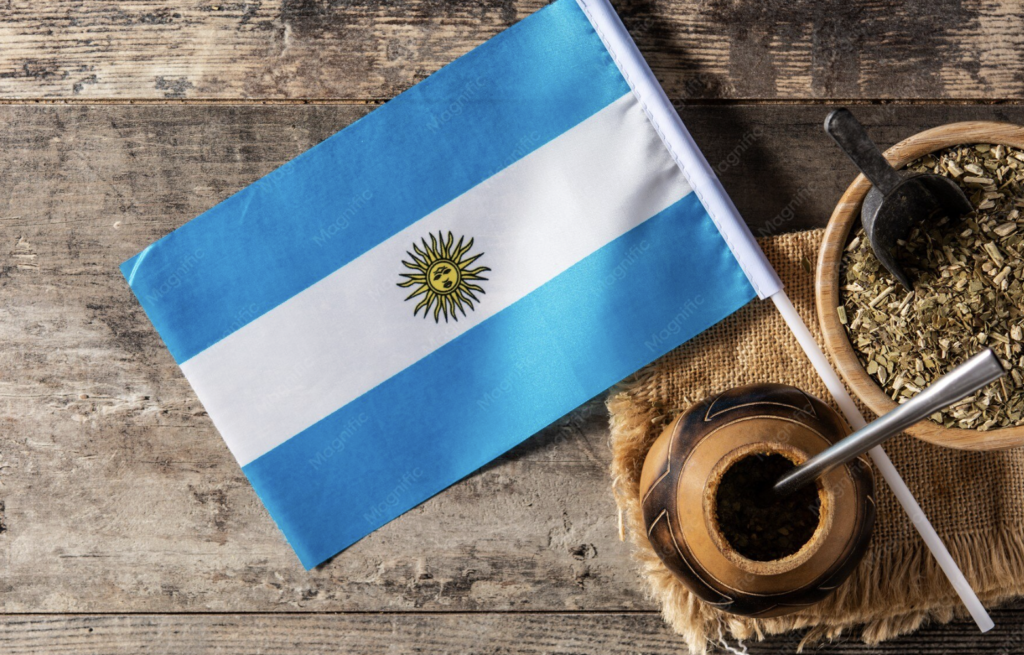
Argentina is rated Level 1 (Exercise Normal Precautions) by the U.S. State Department — the same rating as most of Western Europe. The country is one of the safest in South America for travellers. The primary concern is petty theft in urban areas, particularly Buenos Aires.
- Buenos Aires — use Uber or Cabify rather than street taxis. Keep phones in your pocket on the subway. Avoid La Boca at night and stick to tourist areas after dark. Neighbourhoods like Palermo, Recoleta and San Telmo are very safe.
- Patagonia — extremely safe. The biggest risk is the weather — Patagonian conditions can change within minutes. Always carry a waterproof layer and tell your hostel your planned route before trekking.
- Salta and Northwest — safe and welcoming. The main risk is altitude on high passes — carry water and dress in layers.
- Iguazu — safe tourist area. Standard tourist precautions apply.
- Emergency number — 911 works nationwide in Argentina.
TRAVEL INSURANCE
Don’t Travel Without Coverage — Protect Your Trip Today
Medical emergencies, lost luggage, cancelled flights — one accident can cost thousands. Compare two of the most trusted travel insurers and choose the best fit for your trip.
IATI Seguros
Travel insurance #1 in Spain. Worldwide coverage, 24/7 medical assistance in Spanish and COVID cover included.
✓ Medical cover up to 5,000,000€
✓ Trip cancellation included
✓ Adventure sports covered
+500,000 travellers insured
QUOTE WITH IATI →Asegura Tu Viaje
The leading comparator in Latin America. More than 20 insurers in one place — choose the best option at the best price.
✓ Compare +20 insurers instantly
✓ Worldwide coverage guaranteed
✓ 24/7 support in Spanish
Recommended across LATAM
COMPARE PRICES →Secure booking · Immediate coverage · Free cancellation
Frequently Asked Questions About Travelling to Argentina
Q: Do I need a visa to visit Argentina?
Citizens of the United States, Canada, the European Union, United Kingdom, Australia, New Zealand and most of Latin America do not require a visa to enter Argentina as tourists. Entry is permitted for up to 90 days with a valid passport. Always check your country’s specific requirements at the Argentine consulate website before travel.
Q: What currency does Argentina use and how do I get the best exchange rate?
Argentina uses the Argentine Peso (ARS). As a foreign visitor, use a Wise or Revolut card for ATM withdrawals to get close to the official exchange rate with minimal fees. Avoid exchanging money at airport currency counters — rates are significantly worse. Never use the illegal blue dollar market.
Q: Is Argentina expensive to visit?
No — Argentina is one of the best value destinations in the world for travellers holding foreign currencies. A comfortable mid-range daily budget of USD $80–$130 covers a good hotel, restaurant meals, wine and daily activities. Patagonia lodges in peak season are the main exception — these can be expensive and fill up months in advance.
Q: When is the best time to visit Patagonia?
The Patagonian summer — November to February — is the best time for trekking and glacier visits. December and January offer the most daylight hours (up to 18 hours) and warmest temperatures. February is slightly less crowded. The shoulder months of October and March offer good conditions with fewer visitors and lower prices.
Q: How long should I spend in Argentina?
Ten days covers Buenos Aires, one other destination (Mendoza, Iguazu, or Patagonia) and internal transit time. Two weeks is the sweet spot for a meaningful trip covering Buenos Aires, Mendoza or Iguazu, and Patagonia. A month allows a comprehensive circuit of all major regions. Argentina is large — domestic flights are unavoidable for Patagonia.
Q: Is Buenos Aires safe for solo travellers?
Yes. Buenos Aires is one of the more traveller-friendly capitals in South America. Solo travellers — including women — report generally positive experiences. Stay in established neighbourhoods (Palermo, Recoleta, San Telmo), use app-based transport, and apply standard urban precautions. The hostel scene is excellent for solo travellers.
Q: Do I need travel insurance for Argentina?
Yes, absolutely. Travel insurance is essential for Argentina — particularly for Patagonia, where medical evacuation from remote trekking areas can be extremely expensive. Your policy must explicitly cover adventure activities, medical evacuation and altitude-related illness if you are visiting the northwest or Andes region.
Q: What language is spoken in Argentina?
Spanish is the official language. Argentine Spanish has a distinctive accent and vocabulary influenced by Italian immigration — the vos pronoun replaces tú, and the double-L is pronounced ‘sh’ rather than ‘y’. English is widely spoken in Buenos Aires tourist areas, but much less so in Patagonia and the northwest. Download Google Translate with Spanish offline before you travel.
Q: Can I visit both the Argentine and Brazilian sides of Iguazu Falls?
Yes, and we strongly recommend doing both. The Argentine side offers the up-close walkway experience with the Devil’s Throat. The Brazilian side (a separate national park across the border in Brazil) offers the best panoramic views of the full width of the falls. The border crossing is straightforward — most nationalities can cross without a visa. Allow two full days total.
Q: What vaccinations do I need for Argentina?
No vaccinations are mandatory to enter Argentina. The CDC recommends being up to date on routine vaccinations and considers Hepatitis A, Typhoid, and Yellow Fever (for the Iguazu and northeastern jungle regions) worth discussing with your doctor. Rabies vaccination may be recommended for those trekking in remote rural areas. Consult a travel medicine clinic at least 4–6 weeks before departure.
Final Thoughts: Argentina Is Worth Every Planning Hour
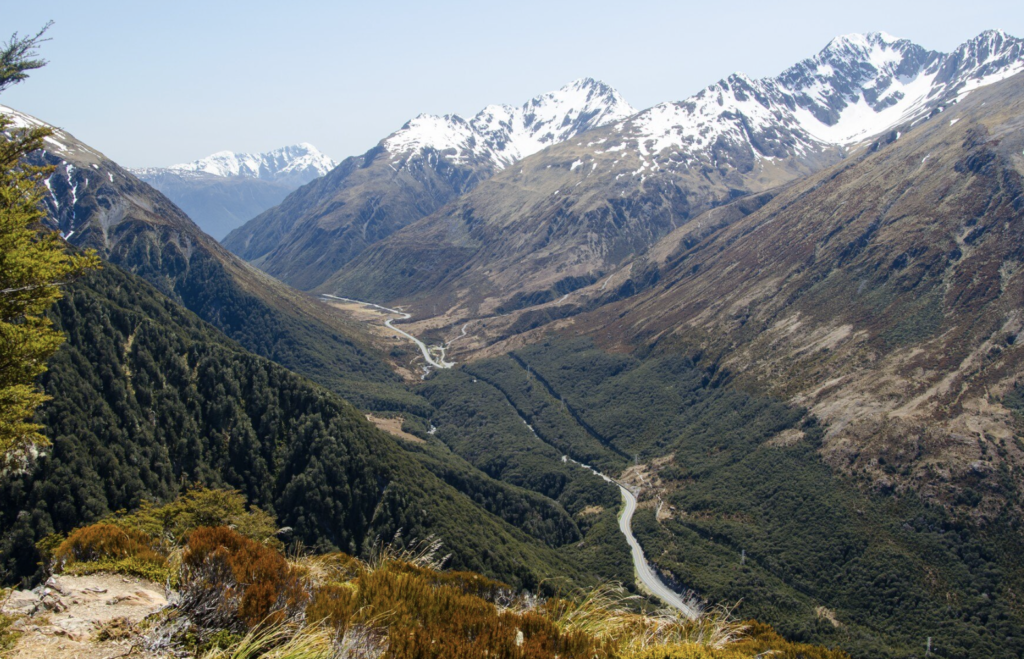
Argentina is a country that asks something of you as a traveller. It is large, complex, seasonally variable, and it rewards the people who show up prepared over those who arrive hoping to improvise. But the returns on that preparation are extraordinary.
Few countries on Earth can offer you a world-class opera house and the best steak dinner of your life one week, and have you standing on the edge of the world’s most magnificent glacier the next. Fewer still can take you from high-altitude Andean wine country to a subtropical jungle of thundering waterfalls in a single domestic flight.
We have been exploring South America our entire lives, and Argentina still surprises us. The northwest — still relatively undiscovered by international tourism — continues to be one of our favourite places on Earth. Patagonia, even for those of us who have visited many times, still takes the breath away.
Start planning. Use the tools and resources in this guide. Get your travel insurance before you book your flights. And when you land in Buenos Aires for the first time and the city reveals itself to you at night from the taxi window, you will know the preparation was worth every hour. Visit our Start Here page for more guides across the Andes and beyond.