
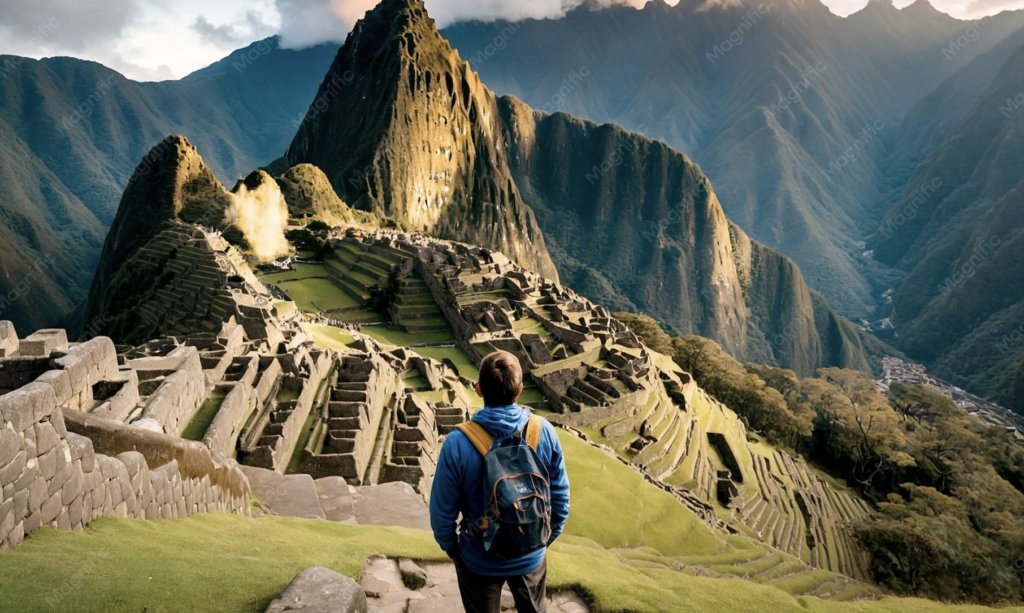
Machu Picchu is one of those places that genuinely earns every superlative. The 15th-century Inca citadel sits at 2,430 metres above sea level on a steep ridge above the Sacred Valley — and nothing you’ve read or seen in photos prepares you for the real thing. But visiting it in 2026 requires more planning than it did five years ago. New timed-entry circuits, advance ticket booking, and strict capacity limits mean the difference between a transformative experience and a day standing in the wrong queue.
This guide covers everything: official ticket booking, how to get to Machu Picchu from Cusco, the four circuits, what to pack, when to go, and insider tips that make the difference between a good visit and a great one. I’ve structured it so you can plan your entire Machu Picchu trip from scratch in one sitting.
If you’re planning a broader Peru trip, start with our Best Time to Visit Peru guide — it covers weather patterns across the entire country including the Sacred Valley and Machu Picchu’s micro-climate. For the full South American context, the 50 Things to Know Before Traveling to the Andes is required reading before any Andean trip.
Machu Picchu Quick Facts (2026)
| Detail | Info |
|---|---|
| Altitude | 2,430 m / 7,972 ft |
| Cusco altitude | 3,400 m / 11,152 ft |
| Nearest town | Aguas Calientes (also called Machu Picchu Pueblo) |
| Entry fee (2026) | $60–$80 USD depending on circuit |
| Huayna Picchu add-on | +$20 USD (very limited slots) |
| Best time to visit | May–September (dry season) |
| Recommended days | 1–2 days at Machu Picchu, 2–3 days in Cusco for acclimatisation |
| Train to Aguas Calientes | 1.5–4 hours from Ollantaytambo or Cusco |
| Bus to the ruins | 25 minutes from Aguas Calientes, $12 each way |
| Opening hours | 06:00–17:30 (last entry at 15:00) |
How to Book Machu Picchu Tickets in 2026
This is the single most important thing to get right. Machu Picchu limits daily visitors to roughly 4,500 per day spread across timed-entry slots. During peak season (June–August), tickets sell out 2–4 weeks in advance. In holiday periods — Christmas, New Year, Inti Raymi (June 24) — book 2 months ahead.
Official Ticket Website
The only legitimate source for Machu Picchu entrance tickets is the official government portal: machupicchu.gob.pe. You select your date, time slot, circuit, and add-ons (Huayna Picchu, Machu Picchu Mountain, Sun Gate). Tickets are non-refundable but can be changed to a different date if done 48 hours in advance.
Circuits 1 Through 4
- Circuit 1 — The classic upper route: terraces, Sun Gate, Temple of the Sun, agricultural sector. Best for photography and the iconic panoramic views. 2–3 hours.
- Circuit 2 — Lower route through the urban sector: Intihuatana stone, Temple of Three Windows, Principal Temple, residential area. Best for understanding Inca architecture. 2–3 hours.
- Circuit 3 — Combination route covering both upper and lower sectors. The most complete experience if you have the full day. 4–5 hours.
- Circuit 4 — Short loop for those with limited time or mobility. Covers the main viewpoints. 1–1.5 hours.
Huayna Picchu add-on: The steep mountain behind the citadel in every classic postcard. Only 400 people per day are permitted. Entry slots: 07:00 and 10:00. This sells out months in advance. If it’s on your list, book it the moment you decide on your travel dates.
Alternatively, book through Viator for package deals that combine train + bus + entry ticket in one transaction:
- Machu Picchu Full Day Tour from Cusco (Panoramic Train)
- Machu Picchu 2-Day Tour with Tourist Train
- Entrance Tickets to Machu Picchu only
How to Get to Machu Picchu from Cusco
There is no road to Machu Picchu. You must take a train to Aguas Calientes and then a bus or hike up to the ruins. Here are all your options:
Option 1: Train from Cusco or Ollantaytambo (Recommended)
Two companies operate the Cusco–Aguas Calientes route: PeruRail and Inca Rail. Both depart from Poroy (Cusco suburb) or Ollantaytambo (Sacred Valley — 1.5 hours closer to Machu Picchu). Most travellers take a Sacred Valley day trip first, then board the train from Ollantaytambo.
- Expedition train: Basic, comfortable, ~$70–$100 each way from Ollantaytambo
- Vistadome: Panoramic windows, snacks included, ~$120–$150 each way
- Hiram Bingham (luxury): Full dining experience, ~$400+ each way
Book directly at perurail.com or incarail.com. Trains fill up for peak season dates — book as soon as you have your entry tickets confirmed.
Option 2: Trek the Inca Trail
The classic 4-day / 3-night hike from KM82 to the Sun Gate is the most rewarding way to arrive. You enter Machu Picchu at dawn through the Sun Gate — one of travel’s genuinely special moments. Only 500 people per day are permitted on the Inca Trail (including guides and porters). Permits sell out in January for the entire year. If this is on your list, book 6–12 months in advance through a licensed operator.
Option 3: Salkantay Trek (No Permit Required)
The alternative trekking route via the 4,638m Salkantay Pass and subtropical cloud forest. 5 days. No permit cap. Arguably more dramatic scenery than the Inca Trail itself. Ends at Aguas Calientes for the same train/bus ascent.
Bus from Aguas Calientes to the Ruins
Buses depart every 15 minutes from the town plaza from 05:30. Journey: 25 minutes. Cost: $12 one way / $24 return. It’s possible to walk up — 1.5–2 hours on a steep, well-marked path — but most visitors take the bus at least one way.
Book your bus transfer in advance through Viator: Bus to the entrance of Machu Picchu.
Best Time to Visit Machu Picchu
The full breakdown of Peru’s seasons is in our Best Time to Visit Peru guide. Here’s the Machu Picchu-specific summary:
Dry Season: May–September (Best Overall)
Clear skies, minimal rain, maximum visibility. June–August is peak tourist season — expect crowds and book tickets 4–8 weeks ahead. May and September are the sweet spot: good weather, manageable crowds. Morning fog in the valleys (which makes for dramatic photography) burns off by 9–10am most days.
Wet Season: November–April
Heavy afternoon rain, landslides possible in January–February. The Inca Trail closes entirely in February for maintenance. However, the site is dramatically less crowded, prices drop significantly, and the vegetation is lush green. If you go in wet season, arrive at opening time (06:00) — mornings are usually clear.
Sunrise vs Afternoon
The first entry slot (06:00) gets you the low-angle morning light, the famous cloud inversion in the valleys, and fewer tourists. The trade-off: you need to be on the first bus from Aguas Calientes at 05:30, which means a 05:00 wake-up. Worth it for photographers and anyone who wants the citadel relatively quiet.
Machu Picchu Packing List
The ruins are at 2,430m — lower than Cusco — but the terrain is uneven stone steps and steep paths. You’ll be on your feet for 4–6 hours. Here’s what to bring:
Footwear
The stone steps at Machu Picchu are worn smooth and become slippery when wet. Waterproof ankle hiking boots with good grip are the right call — not trail runners, not flat sneakers. See our full gear breakdown in the Bolivia Packing List for altitude footwear guidance that applies here too.
→ Waterproof Ankle Hiking Boots on Amazon
Trekking Poles
Optional on the main circuits but essential if you’re adding Huayna Picchu, Machu Picchu Mountain, or the Sun Gate extension. Collapsible poles pack into your daypack on the train. Note: poles are NOT allowed inside the main citadel — leave them at the gate.
→ Collapsible Trekking Poles on Amazon
Rain Jacket / Waterproof Shell
Even in dry season, afternoon weather can change fast in the cloud forest. A packable waterproof jacket weighs almost nothing and saves a ruined visit. Minimum 15,000mm waterproof rating.
→ Packable Waterproof Rain Jacket on Amazon
Daypack (20–30L)
Large bags are restricted inside Machu Picchu. Maximum bag size: 40cm x 35cm x 20cm. If you’re coming from Cusco for the day, pack light — everything in one carry-on daypack. Check it has hip belt support if you’re doing the mountain add-ons.
→ 20–30L Hiking Daypack on Amazon
Altitude Support
Machu Picchu itself is lower than Cusco — you’ll likely feel better at the ruins than in the city. But if you’ve just arrived from sea level, spend 2 nights in Cusco first before heading to Machu Picchu. Coca candy tablets (legal to bring home from Peru) are a mild natural support used by locals.
→ Altitude Support Tablets on Amazon
Merino Base Layer
Early morning at the ruins is cool (12–15°C). By midday it’s warm (18–22°C in dry season). A merino base layer handles the temperature swing without adding bulk — wear it alone at midday or under your rain shell in the morning.
→ Merino Wool Base Layer on Amazon
Sunscreen SPF 50+
UV radiation at altitude is significantly stronger than at sea level. The Machu Picchu terraces offer no shade. Bring SPF 50 minimum — reapply every 2 hours. Quality high-SPF sunscreen is expensive and sometimes hard to find in Aguas Calientes.
Filtered Water Bottle
Tap water in Aguas Calientes is not safe to drink. There is one water refill point inside the Machu Picchu site near the entrance. A filtered water bottle (LifeStraw or Sawyer) saves money on bottled water and reduces plastic waste.
→ Filtered Water Bottle on Amazon
Packing Cubes
If you’re doing a multi-day Machu Picchu trip (Cusco → Sacred Valley → Aguas Calientes → Machu Picchu → Cusco), packing cubes let you access day-trip items without unpacking your main bag every night. Also essential for the Inca Trail or Salkantay porter-carry system.
→ Travel Packing Cubes on Amazon
Camera
Machu Picchu is one of the most photogenic sites on Earth. A mirrorless camera with a wide-angle lens captures the full scale of the ruins and surrounding mountains. If you’re a casual photographer, a modern smartphone is fine — but a spare battery is essential (cold mornings drain batteries fast). Tripods are not permitted inside the citadel.
→ Lightweight Mirrorless Camera on Amazon
✈️ Find flights to Cusco — Compare hundreds of airlines and find the lowest fares for your Peru trip. Search flights on Skyscanner →
🏨 Hotels in Aguas Calientes & Cusco — From budget hostels to luxury lodges above the ruins. Browse hotels on Booking.com →
Acclimatisation: The Most Overlooked Part of Planning
Cusco sits at 3,400m — that’s higher than most peaks in the Alps. Flying directly from sea level to Cusco and immediately heading to Machu Picchu the next morning is the most common mistake first-time visitors make. Even though Machu Picchu is lower than Cusco, the journey to get there — train + bus — starts at Cusco altitude.
Recommended acclimatisation schedule:
- Day 1: Arrive Cusco. Rest, hydrate, eat light. Don’t drink alcohol.
- Day 2: Light Sacred Valley tour (Pisac market, Ollantaytambo ruins) — both are at lower altitude than Cusco.
- Day 3: Machu Picchu. You’ll feel significantly better having spent 2 nights at altitude first.
The acetazolamide note applies here too — consult your doctor before the trip if you’re planning other high-altitude sections. See the Visa Requirements for the Andean Countries guide for pre-trip logistics including health requirements and what to organise before departure.
Where to Stay
Aguas Calientes (Best for Machu Picchu)
Staying in Aguas Calientes puts you 25 minutes from the ruins by bus — you can be on the first bus at 05:30 and have the site almost to yourself for the first 45 minutes. The town itself is a one-street tourist strip with adequate restaurants and hostels, but it’s not a destination in its own right.
Budget: Hospedaje Los Caminantes, Rupa Wasi Ecolodge
Mid-range: Hotel Inti Punku, Gringo Bill’s
Splurge: Belmond Sanctuary Lodge (literally at the ruins entrance — the only hotel at the gate)
Cusco (Best for Exploring the Region)
Base in Cusco and do a day trip to Machu Picchu. The train journey is part of the experience — the route from Ollantaytambo descends through increasingly dramatic cloud forest as you drop in altitude. Cusco has far better food, nightlife, and cultural context than Aguas Calientes.
🛡️ Travel Insurance for Peru — Make sure your policy covers high-altitude trekking (including the Inca Trail, Salkantay, and anything above 4,000m) and emergency medical evacuation. Get covered with SafetyWing →
Insider Tips
- Get there for 06:00 opening. The first 45 minutes before the main crowds arrive — especially on the upper terrace viewpoint — are extraordinary. The cloud inversion in the valley below burns off as the sun rises.
- You can re-enter once. Since the new circuit system was introduced, you can exit and re-enter the site once on your timed ticket. Use this to go back to Aguas Calientes for lunch and return in the afternoon light.
- Bring cash for the bus. The bus company at Aguas Calientes sometimes has card issues. $25–$30 in soles or USD covers a return bus ticket.
- No food inside. You cannot bring food into the citadel (except water). Eat breakfast at your hotel or grab something in Aguas Calientes before the bus.
- Hire a guide. The context of what you’re looking at — the astronomical alignments, the water management system, the building techniques — is dramatically enriched by a licensed Machu Picchu guide. Many tour packages include one; if you’re going independently, hire one at the entrance gate for ~$30–$50.
- The llamas are free-roaming. Yes, really. They’re not a tourist gimmick — they’re used for grazing maintenance on the terraces. Don’t try to touch them.
For the full list of practical Andean travel insights, our 30 Most Beautiful Places in South America’s Andes puts Machu Picchu in the broader regional context and helps you prioritise if Machu Picchu is one stop of many.
🗺️ Book Machu Picchu Tours — Full-day tours, train packages, Huayna Picchu add-ons, and Sacred Valley combos from vetted operators. Browse Machu Picchu tours on Viator →
Frequently Asked Questions — Machu Picchu 2026
How much do Machu Picchu tickets cost in 2026?
Standard entry is approximately $60–$80 USD depending on the circuit selected. Adding Huayna Picchu is an additional $20. Prices are set in Peruvian soles at the official machupicchu.gob.pe portal; the USD equivalent fluctuates slightly with the exchange rate.
How far in advance should I book Machu Picchu tickets?
In peak season (June–August) and holiday periods, book 4–8 weeks ahead — tickets sell out. May and September are safer with 2–3 weeks advance notice. The Inca Trail requires 6–12 months of advance booking year-round.
Can I visit Machu Picchu without a tour?
Yes. You can buy tickets independently on machupicchu.gob.pe, take the train from Ollantaytambo, and explore on your own. However, the site has limited labelling and context — most independent visitors who hire a local guide at the entrance say it was worth every dollar.
What is the best circuit at Machu Picchu?
Circuit 3 (the full combination route) gives the most complete experience. If you have limited time, Circuit 1 covers the most iconic viewpoints. Circuit 2 is best for architecture enthusiasts who want to focus on the urban sector.
Is altitude sickness a problem at Machu Picchu?
Machu Picchu itself is at 2,430m — most visitors from sea level tolerate this well. Cusco, at 3,400m, is where altitude sickness is more common. Spend 2 nights in Cusco before Machu Picchu to acclimatise properly. Drink plenty of water and avoid alcohol on day one.
How long does it take to get from Cusco to Machu Picchu?
Allow approximately 3–4 hours total: taxi from Cusco to Ollantaytambo (~1.5 hours) + train to Aguas Calientes (~1.5 hours) + bus to the ruins (~25 minutes). Most organised tours depart Cusco at 05:30–06:00 to reach Machu Picchu by opening time.
What is the weather like at Machu Picchu?
Dry season (May–September): clear mornings, occasional afternoon clouds, 12–22°C. Wet season (November–April): daily afternoon rain, lush vegetation, fewer tourists. February is the wettest month and the Inca Trail closes entirely. June–August is peak season with best weather but maximum crowds.
Can I bring a large backpack into Machu Picchu?
Bags larger than 40cm x 35cm x 20cm are not permitted. If you’re arriving with a large trekking pack, leave it at your hotel in Aguas Calientes or use the luggage storage facility at the bus station. Bring only what you need for the day in a daypack.
Is the Inca Trail the only trekking option to Machu Picchu?
No. The Salkantay Trek (5 days, no permit cap) and Lares Trek (4 days, community-focused) are popular alternatives. Shorter options include the 1-day Inca Trail (last 12km to Sun Gate) and the Choquequirao–Machu Picchu circuit for serious trekkers.
Do I need travel insurance for Machu Picchu?
Yes, and specifically a policy that covers trekking at altitude and emergency medical evacuation. Standard travel insurance often excludes activities above 3,000m — check the small print. The Best Travel Insurance for South America guide covers the specific policies that work for Andean trekking.
Disclosure: Some links in this article are affiliate links. If you book through them, Uncover the Andes earns a small commission at no extra cost to you. We only recommend products and services we genuinely use and trust.