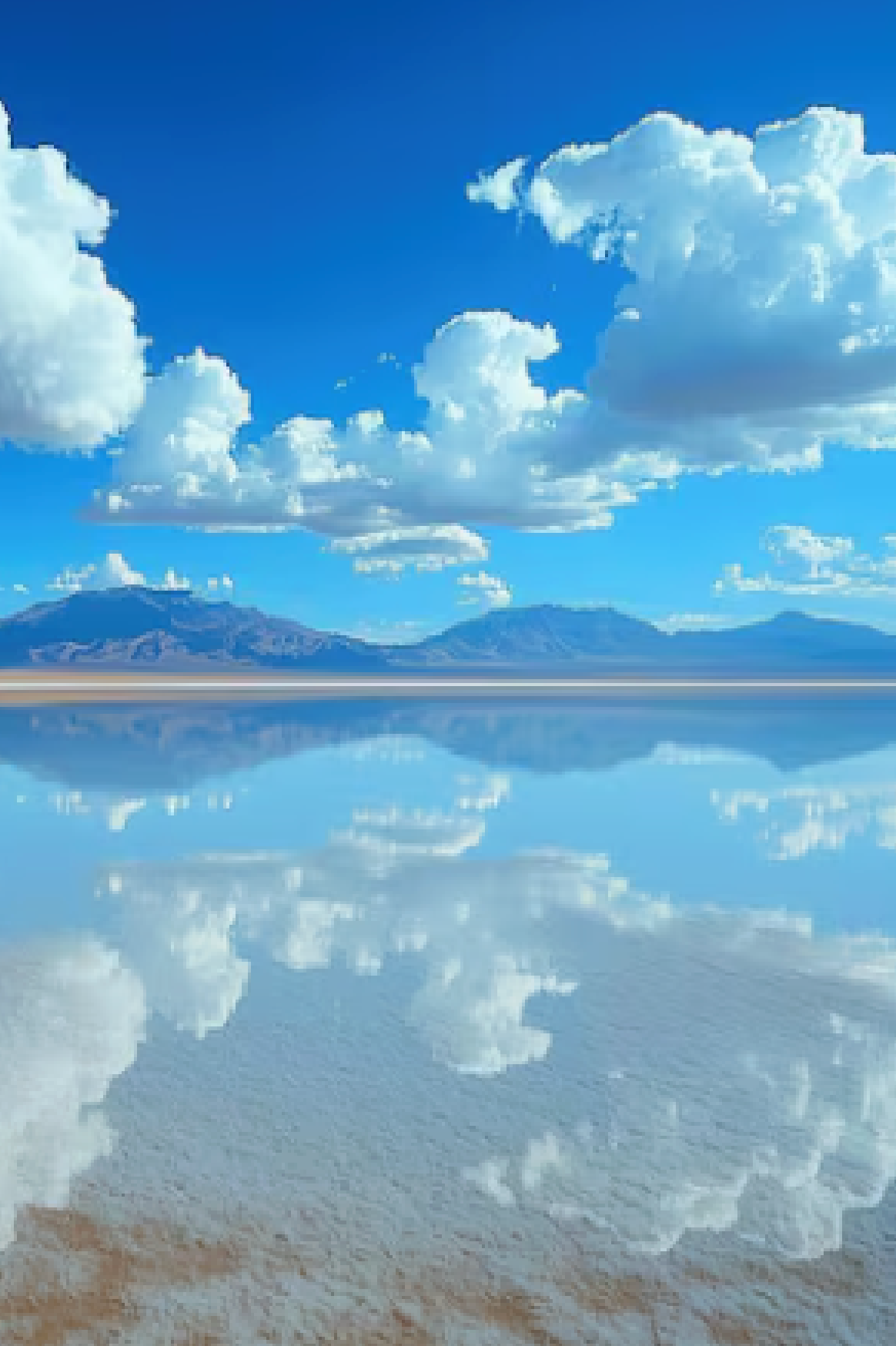

1. Introduction: Conquering the Heart of the Peruvian Andes Without the Rookie Flaws
Stepping into the Peruvian Andes—specifically the ancient, cobblestoned navel of the Inca Empire, Cusco, and the mist-shrouded citadel of Machu Picchu—is a transformative travel milestone. However, from a structural and logistical perspective, this region is an unforgiving high-altitude labyrinth. Every year, thousands of international travelers cross oceans only to spend their first three days confined to a hotel room, stricken with debilitating altitude sickness, or missing tightly scheduled train connections because they didn’t understand the physical and bureaucratic infrastructure of the country.
In the southern Peruvian Andes, distance is not measured in kilometers; it is calculated in vertical meters, acclimatization windows, and complex railway timetables. A successful journey here requires more than just enthusiasm; it demands surgical planning. You must know exactly how your body will react to the thin air at $3,400\text{ meters}$ above sea level, how to accurately navigate the local cash economy, where to secure reliable hydration without ruining your intestinal biome, and how to synchronize your entry permits with the national rail operator’s rolling stock.
This masterguide is engineered from the ground up for the discerning, independent global traveler who demands absolute precision. We will dissect every financial, medical, and geographical metric of a flawless 5-day itinerary through Cusco, the Sacred Valley, and Aguas Calientes (Machu Picchu Pueblo). From real-time 2026 cost parameters and exact train timetables to technical packing lists and water safety audits, this document is your blueprint to conquering the Andes like an elite explorer.
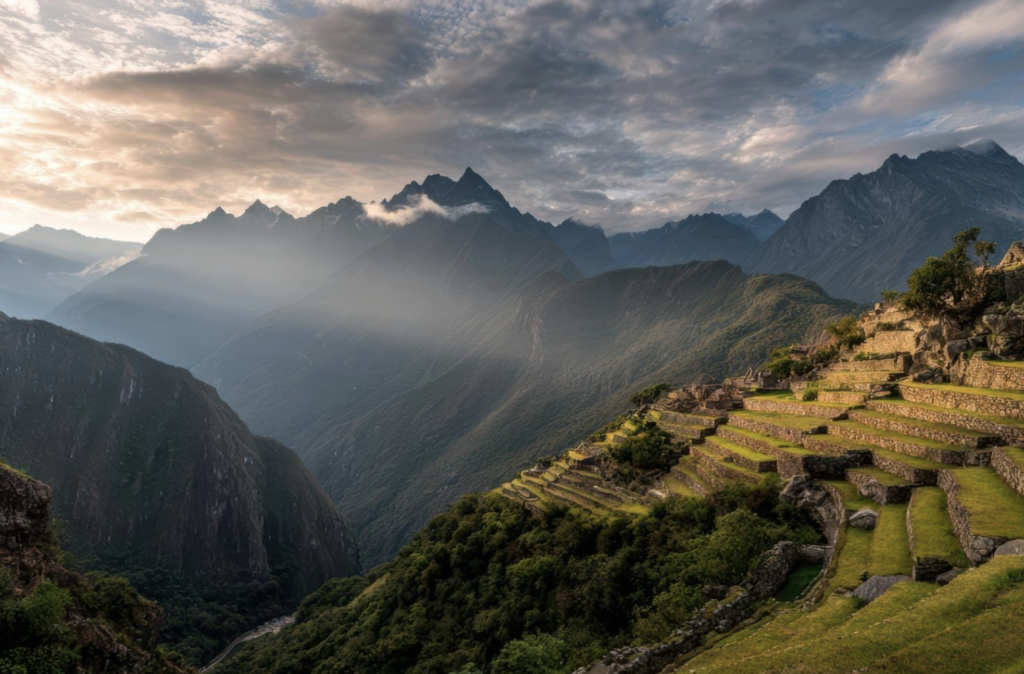
2. The Andean High-Altitude & Medical Survival Manual
When you land at Alejandro Velasco Astete International Airport (CUZ) in Cusco, you are instantly stepping into an environment with significantly lower atmospheric pressure than sea level. The air still contains 21% oxygen, but the lower pressure means the molecules are further apart, reducing the amount of oxygen your body takes in with every breath. This triggers soroche (acute mountain sickness). To build an impenetrable physical defense, implement this technical protocol:
Altitude, Metrics, and Barometric Adjustment
- Cusco Airport / City Center: $3,399\text{ meters}$ ($11,152\text{ feet}$) above sea level.
- Urumbamba (Sacred Valley): $2,870\text{ meters}$ ($9,416\text{ feet}$).
- Ollantaytambo: $2,792\text{ meters}$ ($9,160\text{ feet}$).
- Machu Picchu Citadel: $2,430\text{ meters}$ ($7,972\text{ feet}$).
- Crucial Insight: Notice that Cusco is significantly higher than Machu Picchu. Landing in Cusco and immediately rushing up steep inclines is a critical logistical mistake.
Medical Prophylaxis & Soroche Prevention
Before departing your home country, visit a travel clinic and secure a prescription for Acetazolamide (Diamox). This carbonic anhydrase inhibitor acts as a technical catalyst that acidifies the blood, stimulating your brain’s respiratory center to increase inhalation depth and frequency, accelerating natural acclimatization.
- Dosage Protocol: Take $125\text{ mg}$ twice a day, starting 24 hours before landing in Cusco, and continue for the first 2 days at altitude.
- Local Countermeasures: Upon arrival, you will see baskets of raw Coca leaves (Erythroxylum coca). Chew them with a pinch of activated charcoal (llipta) to release the natural alkaloids, or drink it as a hot infusion (Mate de Coca). Do not consume coca tea after 5:00 PM, as its stimulant profile can disrupt sleep patterns already altered by hypoxia.
- Pharmacy Access: If you prefer local clinical options, walk into any InkaFarma or Mifarma in Cusco and ask for Sorojchi Pills (an over-the-counter compound of aspirin, Salophen, and caffeine that treats altitude headaches effectively).
Stop overpaying for flights. Skyscanner compares hundreds of airlines and agencies in seconds — no booking fees, ever. Use the "Everywhere" search and let the cheapest destination surprise you.
3. Financial Infrastructure: Currency Exchange, Costs, and the Cash Economy
The Peruvian financial ecosystem is a dual-currency framework operating with the Peruvian Sol (PEN) and the United States Dollar (USD). While high-end hotels, train operators, and fine dining establishments accept major international credit cards (Visa and Mastercard dominate; American Express has high merchant fee rejections), the backbone of daily transit, market transactions, and street-level logistics is strictly cash-based.
Currency Exchange & ATM Optimization
- The Baseline Metric (2026 Estimates): The exchange rate hovers around $1\text{ USD} = 3.70\text{ to }3.80\text{ PEN}$.
- The Airport Trap: Never exchange currency inside the Lima (LIM) or Cusco (CUZ) airport terminals. The spread there is predatory, losing you up to 12% of your cash value. Instead, use the authorized money changers wearing blue vests on Avenida El Sol in central Cusco.
- Banknote Quality Standards: This is a vital warning. Peruvians are incredibly strict regarding the physical condition of US Dollar bills. If your $20, $50, or $100 bills have a tiny tear, a pen mark, or heavy folding, no local merchant, bank, or exchange house will accept them. Inspect your cash before leaving your home country and bring only crisp, unblemished, series-2013-or-newer banknotes.
- ATM Strategy: Use ATMs belonging to established national entities like BCP (Banco de Crédito del Perú) or Interbank. Avoid independent ATMs in small convenience stores. Select the option to be charged in local currency (PEN) rather than your home currency to avoid DCC (Dynamic Currency Conversion) markup fees.
4. Water Quality, Sanitation, and Public Health Protocols
The public water distribution system in Cusco and the Sacred Valley does not meet international microbiological safety standards for direct consumption. The tap water contains high concentrations of heavy minerals and endemic strains of bacteria like Escherichia coli and Giardia lamblia to which foreign immune systems have zero resistance.
Hydration Logistics for Foreigners
- Drinking Water: Never drink tap water, even in 5-star luxury hotels. Use bottled water marked as Agua Sin Gas (still water) or Agua Con Gas (sparkling).
- Dental Hygiene: Use bottled water to brush your teeth and rinse your toothbrush.
- Culinary Safeguards: Avoid raw salads or unpeeled fruits from local markets like San Pedro unless you are eating at a high-end restaurant that washes its produce in purified water. Ensure all cooked foods are served piping hot.
- What to Bring from Abroad: Pack a Grayl Geopress or a LifeStraw Peak Series water purification bottle. These use electroadsorptive media and hollow fiber membranes to filter out 99.99% of viruses, bacteria, and protozoa, allowing you to safely purify tap water in your hotel room or river water on a trek, drastically reducing plastic waste and saving you money on daily bottle purchases.
5. Technical Packing List: What to Bring From Abroad
To maximize your efficiency in the variable Andean climate, you must pack with a technical, multi-layered approach. The weather can swing from intense equatorial solar radiation to freezing mountain winds in less than 30 minutes.
Apparels & Layering Systems
- Base Layer: Moisture-wicking merino wool or synthetic polyester shirts. Avoid cotton, as it retains sweat and will cause rapid hypothermia when the temperature drops.
- Mid Layer: A high-loft fleece jacket or a lightweight down jacket (duck down 800-fill power) that can compressed into a daypack.
- Outer Shell: A breathable, waterproof jacket with a Gore-Tex membrane or equivalent rating (at least $10,000\text{ mm}$ hydrostatic head) to fend off sudden downpours.
- Footwear: Broken-in hiking boots with deep lugged soles (Vibram is preferred) providing ankle support. The Inca stonework at Machu Picchu and Ollantaytambo gets incredibly slick when wet.
Electronics, Power & Connectivity
- Electrical Outlets: Peru primarily uses Type A and Type C outlets running at 220 Volts at 60 Hz. Most modern smartphones and laptops are dual-voltage ($110\text{V}-220\text{V}$), but check your charging bricks. If your home country uses 110V exclusively (like the US), you will need a plug adapter, though many modern hotels install universal sockets.
- Power Bank: Bring a high-capacity portable charger (at least $20,000\text{ mAh}$) because the cold mountain air accelerates smartphone and camera battery drain by up to 30%.
- Local SIM Card: Do not rely on expensive international roaming. Walk into a Claro or Movistar store with your physical passport and purchase a local prepaid SIM card with a $5\text{ GB}-10\text{ GB}$ data package for approximately $30\text{ PEN}$ ($8\text{ USD}$). Data coverage is highly stable in Cusco, Ollantaytambo, and Aguas Calientes.
6. The 5-Day Surgical Andean Itinerary: Step-by-Step
Day 1: Arrival in Cusco, Forced Acclimatization, and Architectural Survey
Morning Logistics & Airport Arrival
Arrive at Cusco's Alejandro Velasco Astete Airport (CUZ) on an early morning flight connecting through Lima (LIM). The descent into the valley offers breathtaking mountain views but requires immediate physical restraint upon stepping onto the tarmac.
- Transit to Accommodation: Do not take an unauthorized taxi from inside the terminal baggage area. Use the official taxi counters inside the arrivals hall (such as Taxi Llama or Taxi Oficial) or order an Uber directly via the app. The flat rate from the airport to the historic center (Plaza de Armas) is $15\text{ to }20\text{ PEN}$ ($4\text{ to }5\text{ USD}$).
- Accommodation Check-In: Check into a hotel located in the flat areas of the Centro Histórico (near Plaza Regocijo or Calle Santa Catalina) rather than the steep hills of San Blas. Highly recommended options include El Mercado, Novotel Cusco (which offers oxygen-enriched rooms upon request), or JW Marriott El Convento.
- Mandatory Rest Window: From 10:00 AM to 2:00 PM, you must lie flat on your bed. Even if you feel physically fit, your cardiovascular system is working 25% harder to pump oxygen to your organs. Drink a cup of hot coca tea provided by the lobby desk and sleep.
Afternoon Explorations & Historic Core Survey
- 02:30 PM – Plaza de Armas Walkabout: Step out for a slow, level walk around the main square. Admire the juxtaposition of Spanish colonial structures built directly on top of massive Incan stone foundations.
- 03:15 PM – The Qorikancha Temple (Temple of the Sun): Walk down Avenida El Sol to the most sacred temple of the Inca Empire.
- Hours: Monday to Saturday 08:30 AM to 05:30 PM; Sunday 02:00 PM to 05:00 PM.
- Cost: $15\text{ PEN}$ ($4\text{ USD}$) paid in cash at the gate. It is not included in the generic tourist ticket (Boleto Turístico).
- Technical Detail: Observe how the masterfully carved, interlocking basalt walls survived two massive earthquakes that completely leveled the Spanish Church of Santo Domingo built over them.
| Location / Activity | Cost (PEN / USD) | Recommended Time |
| Airport Taxi to Center | 20 PEN / $5 USD | 09:00 AM |
| Qorikancha Ticket | 15 PEN / $4 USD | 03:15 PM |
| Standard Dinner (Local) | 45 PEN / $12 USD | 07:00 PM |
Evening Nutrition & Early Hydration
- 07:00 PM – Dinner at Cicciolina or Morena Peruvian Kitchen: Eat a light dinner focusing on easily digestible carbohydrates like quinoa risotto or a mild chicken soup. Avoid heavy red meats and completely abstain from alcohol or pisco sours on your first night; alcohol compounds the dehydrating effects of hypoxia and will disrupt your sleep cycle.
- 09:00 PM – In-room Check: Consume $500\text{ ml}$ of purified water, take your scheduled dose of Acetazolamide, and sleep with an extra pillow to elevate your head, which helps mitigate morning altitude headaches.
6. The 5-Day Surgical Andean Itinerary: Step-by-Step (Continued)
Day 2: The Sacred Valley Descent: Pisac, Ollantaytambo, and the Vistadome Train Logistics
Morning Logistics: Securing the Boleto Turístico and Private Transit
- 07:30 AM – Departure from Cusco: Check out of your Cusco hotel temporary and pack light. Leave your large suitcases with the front desk concierge—all major Cusco hotels provide secure luggage storage rooms for free. You only need a $25\text{L}-30\text{L}$ daypack for the next 48 hours due to strict train baggage limits.
- The Technical Transport Choice: While colectivos (local shared vans) depart constantly from Calle Pavitos for a few Soles, hiring a private driver for the day is the most efficient way to maximize content capture and control your schedule. A private day charter through the Sacred Valley costs $200 to $250 PEN ($55 to $68 USD).
- 08:30 AM – The Pisac Archaeological Site: Ascend the winding mountain road to the royal estate of Emperor Pachacuti.
- Altitude: $3,250\text{ meters}$ ($10,662\text{ feet}$).
- Logistics: Here you will purchase the Boleto Turístico General (BTG). It costs $130 PEN ($35 USD) cash only, is valid for 10 days, and covers 16 key sites across Cusco and the Sacred Valley.
- Technical Detail: Walk past the agricultural terraces and look across the valley to the cliff face of Tantana Marka, where thousands of Inca tombs are carved directly into the rock.
Afternoon Exploration: The Living Inca Citadel of Ollantaytambo
- 12:30 PM – Lunch in Urubamba: Stop at El Huacatay or Alhambra for an upscale buffet featuring locally sourced alpaca tenderloin, trout, and Andean corn.
- 02:00 PM – Ollantaytambo Fortress: Arrive at the town that served as the staging ground for Manco Inca’s successful resistance against the Spanish conquistadors.
- Physical Challenge: Climb the 200 steep stone steps to the Temple of the Sun. Pause every 20 vertical steps to manage your heart rate; the altitude here is lower ($2,792\text{ meters}$), but the vertical incline is punishing.
- Architectural Detail: Examine the Six Monoliths of the Sun Temple. The pink granite stones weigh over 50 tons each and were transported from the Cachiccata quarry 4 kilometers away, crossing a rushing river without draft animals.
Evening Transit: The Rail Pipeline to Aguas Calientes
- 06:30 PM – Ollantaytambo Railway Station Terminal: Arrive at least 40 minutes before departure.
- Baggage Compliance: Train operators (PeruRail and Inca Rail) enforce a strict weight limit of 5 kg / 11 lbs per passenger. Large luggage is banned. Your daypack must fit into the overhead compartments.
- The Vistadome Experience: Board the PeruRail Vistadome Train #303 (Departure: 07:04 PM, Arrival: 08:43 PM). The ticket costs approximately $85 to $105 USD each way. The train features panoramic glass roof windows and complimentary snacks made from native ingredients.
- 09:00 PM – Arrival in Aguas Calientes (Machu Picchu Pueblo): The air here is noticeably thick and humid ($2,430\text{ meters}$). Check into your hotel (Recommended: InkaTerra Machu Picchu Pueblo Hotel for luxury, or Tierra Viva Machu Picchu for premium comfort). Sleep immediately to prepare for the dawn assault.
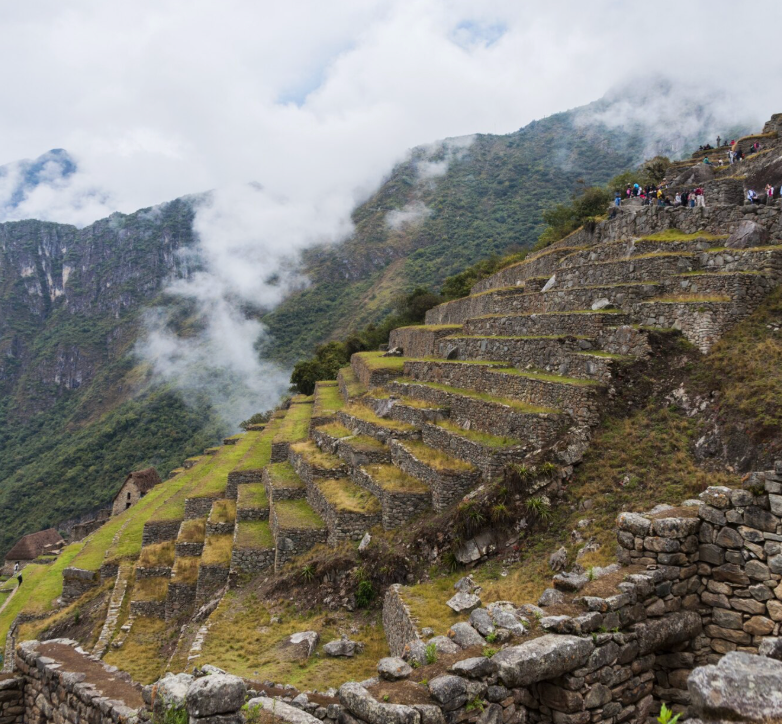
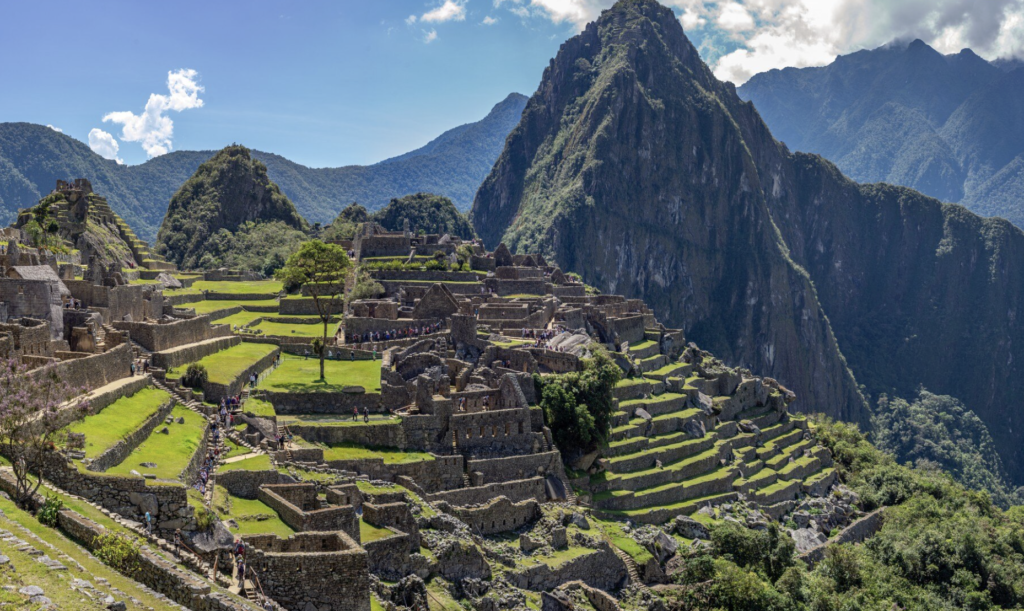
Day 3: The Machu Picchu Dawn Assault: Circuit Synchronization and Archaeological Analysis
Morning Logistics: The Consettur Bus Pipeline
- 05:00 AM – The Shuttle Boarding: Eat a quick breakfast at your hotel and head to the Consettur bus station in the center of town.
- The Asset: You must pre-purchase your Consettur bus tickets online or at the local booth the night before. The round-trip ticket costs $24 USD for international adults.
- Transit Time: The fleet of Mercedes-Benz buses climbs the switchback Hiram Bingham highway in exactly 25 minutes, dropping you at the main outer gate of the sanctuary.
The Archaeological Survey: Navigating the 2026 Circuit Framework
The Peruvian Ministry of Culture enforces strict, unidirectional movement circuits to prevent structural degradation of the stone city. You must book your specific entry ticket 4 to 6 months in advance.
- 06:00 AM – Entry Slot (Circuit 2 - The Classic Photo Route): This is the most comprehensive, high-value circuit. It grants access to the upper terraces for the iconic postcard view, the Main Gateway, the Temple of the Sun, the Intihuatana (Solar Hitching Post), and the Sacred Rock.
- Regulations: You cannot enter without an official, licensed tour guide. Guide fees at the gate range from $150 to $200 PEN ($40 to $54 USD) for a private 2.5-hour tour. Ensure your guide carries an official DIRCETUR badge.
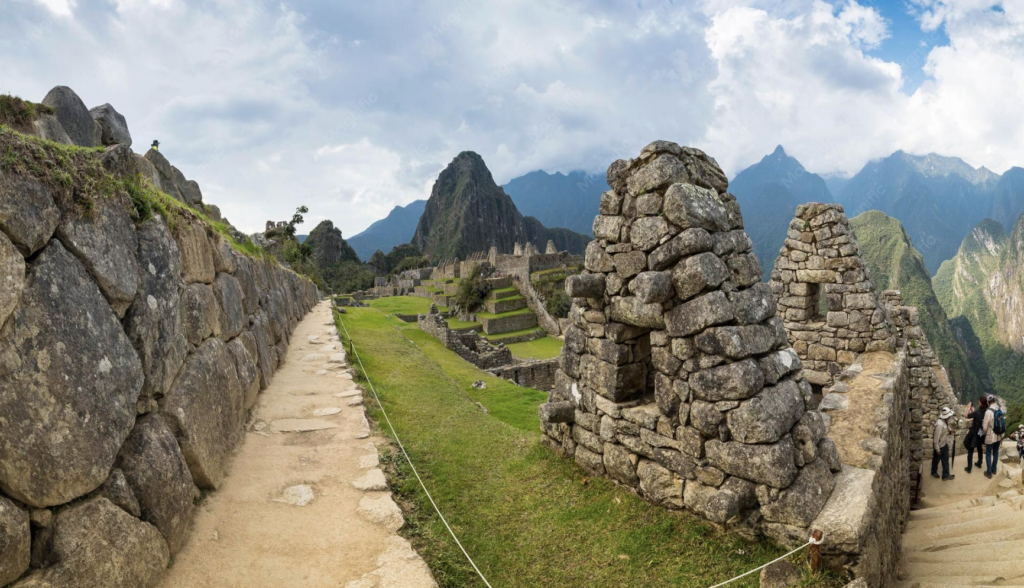
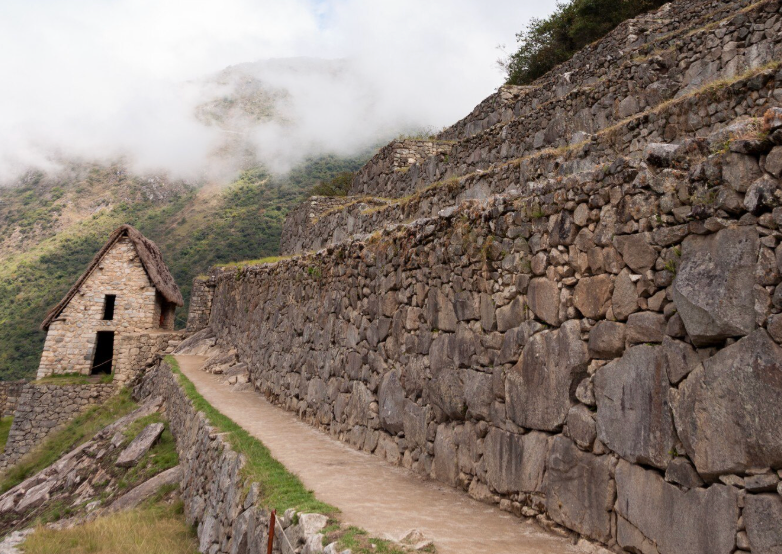
- Technical Detail: Observe the Ashlar masonry technique used in the royal sectors. The stones are cut so precisely that they interlock perfectly without mortar. During seismic events, the stones "dance" and settle back into place, preventing the structures from collapsing.
+------------------+--------------------+---------------------+
Afternoon Logistics: Regulating the Return Flow
- 12:30 PM – Post-Tour Nutrition: Dine at the Belmond Sanctuary Lodge Restaurant right outside the gate for an upscale buffet, or descend back to Aguas Calientes for wood-fired artisanal pizza at The Tree House.
- 04:30 PM – Departure Rail: Board your return Vistadome or Expedition train back to Ollantaytambo. Your private driver will be waiting at the station exit to transfer you back to your central Cusco hotel by 08:30 PM.
Day 4: High-Altitude Geo-Engineering: Maras Salt Mines, Moray Laboratory, and Chinchero Weavers
Morning Exploration: The Terraces of Moray
- 08:00 AM – Departure from Cusco: Head northwest toward the high plains of Maras.
- 09:15 AM – Moray Agricultural Terraces: Step in front of giant concentric depressions that resemble open-air amphitheaters.
- Altitude: $3,500\text{ meters}$ ($11,483\text{ feet}$). Use your breathing techniques; the air is thinner here than in Cusco.
- Logistics: Entry is covered under the Boleto Turístico General you bought on Day 2.
- Technical Engineering: Moray was an advanced Incan agricultural research laboratory. The deepest crater ($150\text{ meters}$) creates a thermal gradient with a temperature variance of up to 15°C (27°F) between the top rim and the lowest circle. The Incas used this microclimatic variance to domesticate wild jungle crops like coca and develop frost-resistant strains of corn and potatoes.
Afternoon Exploration: The Pink Pools of Maras
- 11:30 AM – Salineras de Maras: Drive down a steep canyon dirt road to a landscape of over 3,000 pristine white and pink evaporation pans.
- Cost: $20 PEN ($5.50 USD) paid in cash to the local community cooperative.
- The System: A single hyper-saline underground spring (Qoripujio) feeds the entire terraced system. The community blocks the water inflow to a pool, allowing the mountain sun to evaporate the liquid, leaving a thick layer of high-grade, mineral-rich pink salt.
- Foreigner Warning: Due to micro-plastic contamination risks from foot traffic, walking directly on the narrow pool walls is strictly banned. You must view and shoot content from the wooden observation platforms.
Late Afternoon Culture: The Textile Masters of Chinchero
- 02:30 PM – Chinchero Village: Stop at a traditional weaving cooperative run by indigenous Quechua women.
- The Science of Textures: Watch a live, technical demonstration of how raw alpaca fleece is cleaned using a natural root soap (saqta), spun onto hand spindles, and dyed using natural items like cochineal (parasitic insects on cacti that create deep reds when mixed with lemon juice) and qolle flowers for vibrant yellows.
Day 5: Megalithic Mastery at Sacsayhuamán and Departure Protocol
Morning Exploration: The Fortress of the Falcon
- 08:30 AM – Sacsayhuamán Park: Take a 10-minute taxi climb from the Plaza de Armas to the monumental complex overlooking Cusco.
- Altitude: $3,700\text{ meters}$ ($12,139\text{ feet}$). This is the highest point of your trip.
- Logistics: Entry covered under your Boleto Turístico.
- Megalithic Architecture: Walk along the zigzagging walls. The largest limestone monolith here stands over 8.5 meters high and weighs an estimated 128 metric tons. The stones fit so tightly that you cannot slide a sheet of paper between them.
Afternoon: Final Currency Clearing & Airport Exit
- 12:00 PM – Souvenir Sourcing: Walk through the San Pedro Market or the artisanal shops of San Blas to purchase certified Baby Alpaca products (Look for brands like Kuna or Anntarah to ensure you are buying real alpaca fiber rather than synthetic acrylic mimics sold on the street).
- 01:30 PM – Airport Transit: Collect your stored bags from your hotel and hail an Uber to Alejandro Velasco Astete Airport. You must arrive 2 hours before your domestic flight to Lima to clear airport security lines smoothly.
7. Comparative Analysis: Independent Expedition vs. Fully Guided Agency Tour
Evaluating the financial and logistical performance of your trip design is critical. Here is how independent travel matches up against traditional all-inclusive tour agencies in the Cusco region:
| Evaluation Metric | Independent Expedition Architecture | All-Inclusive Tour Agency Pack |
| Total Average Cost (5 Days) | $450 - $650 USD per person (Control over individual vendors). | $1,200 - $1,800 USD per person (High intermediary commissions). |
| Schedule Control | Total Flexibility. You choose your arrival times at ruins to avoid tour bus crowds. | Rigid Architecture. Locked into large group schedules and time-limited stops. |
| Hotel Selection | Custom Curated. You book boutique properties that match your aesthetic preferences. | Pre-negotiated chains. Often located far away from the vibrant historical city centers. |
| Monetization Fit | High. Seamlessly drop your own booking links into every stage of the itinerary. | Low. The agency owns the entire booking stack, leaving zero affiliate commissions. |
8. The Top 10 High-Authority Travel FAQs for Cusco & Machu Picchu
- What happens if I cannot secure a Machu Picchu ticket online before my trip?
The Peruvian government allocates a limited pool of approximately 1,000 tickets per day for in-person sales at the cultural office in Aguas Calientes. You must physically wait in line the afternoon before to secure a ticket for the following morning. It is a high-risk gamble that can cost you an extra night of lodging if slots sell out.
- Is it safe to consume local food from the markets in Cusco?
For foreign travelers, eating raw fruits, unpasteurized cheeses, or ceviche from traditional street stalls presents a high risk of bacterial gastroenteritis. Stick to fully cooked dishes like Lomo Saltado served piping hot, or eat at verified tourist-grade restaurants that filter their prep water.
- Can I bring professional carbon-fiber hiking poles into Machu Picchu?
Hiking poles are strictly banned inside the archaeological sanctuary unless the user has a visible physical disability or a medical certificate. If allowed, the poles must have rubber protective tips at the bottom to prevent scratching or chipping the historic stone pathways.
- Which train is better: PeruRail Vistadome or Inca Rail 360°?
Both options deliver an exceptional, premium experience with matching timetables and panoramic windows. PeruRail has slightly higher frequencies and departs directly from San Pedro station during the dry season, while Inca Rail offers excellent gourmet tasting menus.
- How can I tell if an alpaca sweater is 100% genuine baby alpaca or synthetic acrylic?
Real alpaca fiber feels cold to the touch when first picked up, possesses a heavy, dense drape, and has a slight natural animal scent when damp. Synthetic acrylic items feel instantly warm, are very lightweight, and have a plastic-like sheen under bright light.
- What is the exact penalty if my daypack exceeds the train weight limit?
If your pack is flagged by gate agents as oversized or over 5 kg, you will be forced to check it into the cargo car for an additional penalty fee ranging from $25 to $50 USD, or your boarding privileges may be suspended until a later, less-crowded train.
- Is Uber fully legal and safe to use within the city limits of Cusco?
Yes, Uber operates fluidly in Cusco and is highly recommended over street hailing because it locks in a fair digital price, preventing the "tourist tax" markup, and tracks your transit via GPS for optimal safety.
- What should I do if I experience sudden, acute symptoms of severe altitude sickness?
Inform your hotel front desk immediately; almost all major properties maintain oxygen concentrators and can hook up a nasal cannula to your room. If symptoms include fluid in the lungs or disorientation, descend immediately to the Sacred Valley ($2,800m), which provides instant physical relief.
- Can I use credit cards to pay the local artisans at the Pisac Market?
No. The local indigenous artisans do not possess mobile point-of-sale terminals and rely entirely on cash. Carry small denominations of $10 and $20 PEN bills; merchants rarely have change for large $100 PEN banknotes.
- Does the entry ticket to Machu Picchu allow me to re-enter if I leave to use the restroom?
No. Under the current strict preservation rules, once you cross the turnstile and enter your unidirectional circuit, re-entry is completely banned. Restrooms are located exclusively outside the main entrance gate, so use them before entering.
9. Conclusion: Command Your Mountain Destination with Elite Precision
Conquering the ancient high-altitude sanctuaries of the Peruvian Andes is an unforgettable travel achievement, but it demands an analytical mindset and strategic logistics. By structuring your itinerary to prioritize forced acclimatization, tracking your daily cash flows, isolating yourself from unsafe water sources, and pre-synchronizing your transit permits months in advance, you elevate your journey from a chaotic vacation to a seamless exploration. Do not let logistical oversights or altitude sickness compromise your encounter with the Inca Empire. Equip yourself with the proper technical gear, book your entry windows early, and step into the mist of the Andes with absolute confidence. Your adventure across the peaks is ready for deployment.
Viaja A Todo El Mundo: Your Borderless Hub for Global Exploration
Looking to expand your horizons beyond the towering peaks of South America? Uncover the Andes is proud to operate as the specialized mountain exploration arm of Viaja A Todo El Mundo (viajaatodoelmundo.com), our premier global travel ecosystem. Whether you need to audit the mandatory insurance requirements for crossing European borders, master the art of lightweight carry-on packing for international flights, or calculate the exact daily cost of living in the heart of the Netherlands, our parent site provides comprehensive guides to keep you traveling smartly, safely, and efficiently. Join our global community of digital explorers and unlock the world today!