
The classic Inca Trail is one of the most famous hikes on the planet, and that is exactly the problem. Permits are strictly limited, they often sell out months in advance for the dry season, and the trail is closed every February for maintenance. Thousands of travelers arrive in Cusco every year only to discover that their dream trek is fully booked.
The good news is that the mountains around Cusco hide several alternative treks that many experienced hikers consider just as rewarding, and in some ways better. They are quieter, they do not require Inca Trail permits, and they take you through remote Andean villages, glacial passes and cloud forest. This guide compares the five best Inca Trail alternatives in 2026 — Lares, Ausangate, Choquequirao, the Inca Jungle Trek and Salkantay — so you can choose the right one for your fitness, time and budget.
Why Look for an Inca Trail Alternative?
- Permits: the Inca Trail has a daily cap on permits that includes guides and porters, and the best dates sell out early.
- Crowds: during the dry season the Inca Trail can feel busy, while alternatives such as Lares or Ausangate see far fewer hikers.
- Flexibility: most alternatives can be booked a few days or weeks ahead, and some can be hiked independently.
- Price: several alternatives cost significantly less than the Inca Trail.
- Different scenery: glaciers, turquoise lakes, hot springs and traditional weaving communities that the Inca Trail does not visit.
The one thing alternatives cannot offer is the experience of walking through the Sun Gate (Inti Punku) into Machu Picchu at sunrise on an original Inca path. If that moment is essential to you, read our Inca Trail guide and try to book far ahead. Otherwise, read on.
Quick Comparison: The Best Inca Trail Alternatives
| Trek | Days | Max altitude | Difficulty | Ends at Machu Picchu? | Typical guided price |
|---|---|---|---|---|---|
| Lares Trek | 3–4 | ~4,450 m | Moderate | Yes (by train) | US$500–900 |
| Salkantay Trek | 4–5 | ~4,600 m | Moderate–hard | Yes | US$450–800 |
| Inca Jungle Trek | 3–4 | ~4,300 m (by bike) | Easy–moderate | Yes | US$250–450 |
| Choquequirao Trek | 4–5 (or 8–9 to MP) | ~3,100 m (site) / 4,600 m on extension | Hard | Only on extended route | US$450–900 |
| Ausangate Trek | 5–6 | ~5,200 m | Very hard | No | US$600–1,200 |
| Classic Inca Trail (reference) | 4 | ~4,215 m | Moderate–hard | Yes (Sun Gate) | US$700–1,200 |
Prices are typical ranges for small-group guided treks with camping or lodges, meals, guides and Machu Picchu entrance where relevant. Luxury lodge-to-lodge versions cost considerably more.
1. The Lares Trek: Culture and Hot Springs
The Lares Trek is the best choice if you want a cultural experience as much as a hike. Starting from the hot springs town of Lares, north of the Sacred Valley, the route crosses high passes of around 4,400 meters and descends through remote Quechua communities where families herd llamas and alpacas and women still weave in bright traditional patterns. Unlike the Inca Trail, Lares is not a single fixed path but a network of routes, so operators vary the itinerary.
What to expect
- Day 1: Drive from Cusco to Lares, soak in the hot springs, start hiking towards the first community.
- Day 2: Cross the highest pass, with views of glaciers and lagoons, and camp near a village.
- Day 3: Descend to Ollantaytambo and take the train to Aguas Calientes.
- Day 4: Visit Machu Picchu and return to Cusco.
Who it suits
Lares is ideal for travelers with moderate fitness who want fewer crowds and authentic encounters with Andean communities. It is shorter in hiking distance than Salkantay, but the altitude is still significant. Many operators bring school supplies or support community projects along the route.
🎟 TOURS & ACTIVITIES
Book guided tours with local experts
Day trips, treks and experiences led by licensed guides, with free cancellation up to 24 hours before.
✓ Licensed guides · ★ 10M+ happy travelers · ↺ Free cancellation
2. The Salkantay Trek: The Most Popular Alternative
Salkantay is the best-known Inca Trail alternative and for good reason. The route passes beneath the glaciated face of Salkantay mountain (6,271 m), crosses a high pass of about 4,600 meters, then descends dramatically into cloud forest and coffee country before reaching Aguas Calientes and Machu Picchu. In a few days you go from snow and turquoise lakes like Humantay to orchids and hummingbirds.
It is a hard but very achievable trek for fit hikers, and it can be done either camping or staying in mountain lodges. Read our complete Salkantay Trek guide for a day-by-day breakdown, costs and packing list.
3. The Inca Jungle Trek: The Adventure Option
The Inca Jungle Trek is less of a pure hike and more of a multi-sport adventure. Day one usually starts with a long downhill mountain bike ride from the Abra Málaga pass (around 4,300 m) towards the jungle. On the following days you can add white-water rafting on the Urubamba River and ziplining near Santa Teresa, hike along sections of original Inca paths through coffee and fruit plantations, and soak in the Cocalmayo hot springs. The last stretch follows the railway line to Aguas Calientes before visiting Machu Picchu.
Who it suits
This is the best choice for younger travelers, budget backpackers and anyone who wants variety. It is the cheapest guided route to Machu Picchu, requires less hiking fitness than the others, and spends most of the time at lower and warmer altitudes. On the downside, it is less wild and some sections follow roads.
4. The Choquequirao Trek: The “Other” Machu Picchu
Choquequirao is often called the sister city of Machu Picchu. It is a vast Inca complex perched on a ridge above the Apurímac canyon, and large parts of it are still being excavated. Unlike Machu Picchu, which receives thousands of visitors a day, Choquequirao often sees only a handful. The reason is simple: there is no road or train. The only way in is on foot.
The standard route is an out-and-back trek of four to five days from Cachora, roughly 60 kilometers in total. You descend about 1,500 meters to the Apurímac River and then climb about the same on the other side to reach the site. It is relentless, hot in the canyon and cold at night, and it is one of the toughest treks in the region. Experienced hikers can continue for eight or nine days all the way to Machu Picchu, crossing several high passes.
Who it suits
Choquequirao is for strong hikers who want an exceptional archaeological experience without crowds. If you dream of having an Inca city almost to yourself, this is the trek.
🛡 TRAVEL INSURANCE
Trek the Andes fully covered
Medical cover built for long trips and nomads, from about $1.60 per day. Sign up even if you are already on the road.
✓ 180+ countries · ⚕ Hospital & emergency cover · ⏱ Cancel anytime
5. The Ausangate Trek: The Wildest Challenge
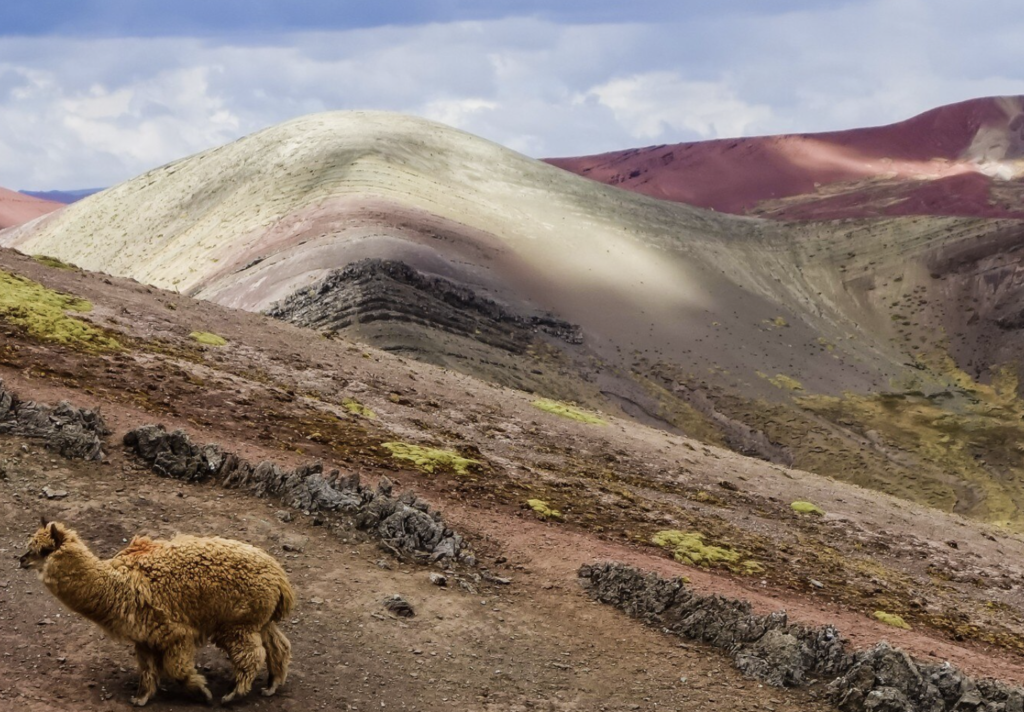
Ausangate is the highest and most spectacular trek in the Cusco region. The route circles the sacred Ausangate mountain (6,384 m), crossing several passes above 5,000 meters, passing glaciers, turquoise and red lagoons, hot springs and herds of alpacas grazing in the highest inhabited valleys of the Andes. Some versions include the Rainbow Mountain (Vinicunca) or the quieter Palccoyo, avoiding the crowds that arrive on day trips.
Ausangate does not end at Machu Picchu, so you will need to visit the citadel separately. It is a serious high-altitude expedition: nights well below freezing, long days and very little infrastructure. Proper acclimatization is essential. If you want a taste of the area first, read our comparison of Vinicunca vs Palccoyo and our Rainbow Mountain photography guide.
Difficulty and Altitude Compared
| Trek | Total distance (approx.) | Highest pass | Hardest part | Fitness needed |
|---|---|---|---|---|
| Inca Jungle | ~45 km hiking | Abra Málaga by bike | Hot, humid hiking day | Basic |
| Lares | ~30–35 km | ~4,450 m | Crossing the high pass | Moderate |
| Salkantay | ~70 km | ~4,600 m | Climbing the Salkantay pass | Good |
| Choquequirao | ~60 km (out and back) | Canyon descent/ascent | 1,500 m climb out of the canyon | Very good |
| Ausangate | ~70 km | ~5,200 m | Multiple passes above 5,000 m | Excellent + acclimatization |
Whatever trek you choose, spend at least two or three days in Cusco or the Sacred Valley before starting. Our altitude sickness guide explains how to prepare.
Which Inca Trail Alternative Should You Choose?
| If you want… | Choose |
|---|---|
| Culture and local communities | Lares |
| Spectacular mountain scenery and Machu Picchu | Salkantay |
| Adventure sports on a budget | Inca Jungle |
| An Inca site without crowds | Choquequirao |
| A true high-altitude expedition | Ausangate |
| The shortest option with Inca ruins | Short Inca Trail (1–2 days, permits still needed) |
The Short Inca Trail is worth mentioning: it is a one-day hike from kilometer 104 of the railway, passing the ruins of Wiñay Wayna and entering Machu Picchu through the Sun Gate. It still needs permits, but they are often easier to find than for the four-day trail.
Machu Picchu Tickets and Logistics
Most alternative treks end in Aguas Calientes, the town below Machu Picchu, with the visit on the last day. Machu Picchu entrance tickets are sold for specific circuits and time slots and must be booked in advance, especially in the dry season. Rules have changed in recent years, so check our article on the new Machu Picchu entry rules for 2026 and our Machu Picchu travel guide before you book. Reputable trekking operators usually include the ticket, the bus between Aguas Calientes and the site, and the train back to Ollantaytambo or Cusco.
Guided vs Independent Trekking
Lares, Salkantay, Choquequirao and Ausangate can legally be hiked without a guide, unlike the classic Inca Trail. Going independently can save money and offers more freedom, but it requires good navigation skills, your own camping gear, and comfort with high-altitude conditions far from help. Weather can change quickly and some routes are poorly marked. For most visitors, a small-group guided trek with an experienced local company is the safer and more enjoyable option, and it supports local guides, cooks and arrieros (muleteers).
| Factor | Guided trek | Independent trek |
|---|---|---|
| Cost | Higher (all-inclusive) | Lower (transport, food, gear only) |
| Logistics | Handled for you | You plan everything |
| Safety | Guide with first aid and oxygen | Self-reliant |
| Weight carried | Day pack (mules carry the rest) | Full pack, or hire a mule locally |
| Cultural insight | High (guide explains everything) | Depends on your Spanish |
🏨 WHERE TO STAY
Book your stay with free cancellation
Hostels, boutique hotels and Andean lodges with verified guest reviews and flexible bookings in case your plans change.
✓ No booking fees · ★ 28M+ listings · ↺ Free cancellation on most stays
Best Time to Hike
The dry season, from May to September, is the best time for all these treks: clear skies, dry trails and stunning views. It is also the busiest and coldest period, with freezing nights at high camps. April and October are shoulder months with good conditions and fewer people. The rainy season, from November to March, brings mud, clouds and occasional landslides, especially on the Inca Jungle and Choquequirao routes. Unlike the Inca Trail, the alternatives stay open in February, but conditions can be difficult. See our guide to the best time to visit Peru for month-by-month details.
What to Pack for an Andean Trek
- Broken-in hiking boots with ankle support.
- Thermal base layers and a warm insulated jacket for nights.
- Waterproof jacket and trousers, even in the dry season.
- A warm sleeping bag rated to at least -10 °C for Ausangate, Salkantay and Lares.
- Trekking poles for long descents.
- Sun protection: hat, sunglasses, SPF 50 sunscreen and lip balm.
- Water bottle and purification tablets or filter.
- Insect repellent for the lower, jungle sections.
- Personal first aid kit and any altitude medication prescribed by your doctor.
Our gear guides cover the best high-altitude trekking boots, the best base layers, the best insulation jackets and why choosing the right backpack matters on multi-day treks.
🛒 GEAR PICK ON AMAZON
Lightweight cold-weather sleeping bag
High camps on Salkantay, Lares and Ausangate drop well below freezing. A compressible mummy bag rated to around -10 °C makes the difference between a miserable night and a good one.
How Much Do the Alternatives Cost?
Beyond the trek price, budget for a few extras. Tips for guides, cooks and muleteers are customary and typically add US$40–80 per hiker for a four- or five-day trek. Sleeping bags and poles can be rented in Cusco for around US$5–10 per day each. If your trek does not include Machu Picchu, add the entrance ticket, the bus and the train, which together can easily cost US$150–250.
| Extra cost | Typical amount |
|---|---|
| Sleeping bag rental | US$5–10 per day |
| Trekking poles rental | US$3–5 per day |
| Tips (guide, cook, arrieros) | US$40–80 per hiker |
| Machu Picchu ticket + bus + train (if not included) | US$150–250 |
| Travel insurance covering trekking to 5,000 m+ | Varies by provider |
Make sure your travel insurance covers trekking at the altitudes you will reach. Our guide to the best travel insurance for South America compares the options. For a wider budget picture, see how much it costs to travel the Peruvian Andes.
Responsible Trekking
All these routes pass through fragile environments and communities that depend on agriculture and tourism. Choose operators that pay porters and muleteers fairly, limit loads on animals, and pack out all waste. Respect sacred mountains and lakes, ask before taking photos of people, and buy crafts directly from local weavers. Our guide to eco-friendly trekking in the Andes explains how to minimize your impact.
✈ FIND CHEAP FLIGHTS
Fly to South America for less
Compare hundreds of airlines and booking sites at once and grab the lowest fare for your dates — including budget domestic hops between Andean cities.
✓ Free to use · 🌍 100M+ travelers monthly · 🔔 Price alerts
Beyond Cusco: More Great Treks in Peru
If you love these routes, Peru has even more to offer. The Cordillera Blanca around Huaraz is one of the best trekking regions in the world, with the Santa Cruz and Huayhuash circuits among the most beautiful multi-day hikes in South America. Read our Huaraz and Cordillera Blanca trekking guide. In the south, the Colca Canyon offers short and rewarding canyon treks, covered in our Arequipa and Colca Canyon guide.
How to Train for a High-Altitude Trek
You do not need to be an athlete to complete any of these treks, but preparing your body for several consecutive days of hiking makes the experience far more enjoyable. Start training six to eight weeks before your trip if you can.
- Hike with a loaded pack. Long weekend hikes of four to six hours with a 6–8 kg day pack are the best preparation. Include steep climbs and long descents.
- Build cardio. Running, cycling, swimming or stair climbing three or four times a week improves your endurance at altitude.
- Strengthen your legs and knees. Squats, lunges and step-ups protect your knees on the long descents of Choquequirao and Salkantay.
- Break in your boots. Never start a multi-day trek in new boots. Walk at least 50 km in them first.
- Practice back-to-back days. Hiking two days in a row tells you more about your readiness than a single long hike.
No amount of training at sea level fully prepares you for altitude, so acclimatization in Cusco remains essential. Fit people get altitude sickness too; listen to your body and to your guide.
A Typical Day on Trek
Most guided treks follow a similar daily rhythm. You are woken around 5:00 or 5:30 am with a cup of hot coca tea delivered to your tent. Breakfast is served in a dining tent, and hiking starts shortly after sunrise to make the most of the cool morning. Muleteers pack up camp and overtake you on the trail with your duffel bags. Lunch is often a surprisingly elaborate hot meal prepared by the cook at a midday stop. Afternoons are shorter, and you reach camp with time to rest, wash and enjoy the views before tea time, dinner and an early night under incredible starry skies.
Common Mistakes to Avoid
- Starting a trek the day after arriving in Cusco.
- Choosing the cheapest operator without checking porter conditions and group size.
- Packing too much: duffel weight limits for mules are usually 5–7 kg.
- Forgetting cash for tips, toilets and snacks along the route.
- Not checking that your insurance covers trekking at high altitude.
Frequently Asked Questions
What is the best alternative to the Inca Trail?
For most hikers, the Salkantay Trek is the best overall alternative thanks to its mountain scenery and finish at Machu Picchu. Lares is better for culture, Inca Jungle for adventure on a budget, and Choquequirao for Inca ruins without crowds.
Do I need a permit for the Salkantay or Lares trek?
No. Unlike the classic Inca Trail, Salkantay, Lares, Choquequirao and Ausangate do not require Inca Trail permits. You only need a Machu Picchu entrance ticket if your trek includes the citadel.
Which Inca Trail alternative is the easiest?
The Inca Jungle Trek is the easiest, because the first day is a downhill bike ride and most of the hiking happens at lower altitudes. Lares is the easiest of the pure hiking options.
Which Inca Trail alternative is the hardest?
Ausangate is the hardest, with several passes above 5,000 meters and very cold nights. Choquequirao is also very demanding because of the steep 1,500-meter descent and climb across the Apurímac canyon.
Can I hike the Inca Trail alternatives without a guide?
Yes, Lares, Salkantay, Choquequirao and Ausangate can legally be hiked independently. However, you need navigation skills, camping gear and solid high-altitude experience. Most travelers are safer and more comfortable on a guided trek.
How far in advance should I book an alternative trek?
For the dry season (May to September), book a few weeks ahead, mainly to secure Machu Picchu tickets. In the shoulder and rainy seasons you can often book just a few days in advance in Cusco.
Is the Choquequirao trek worth it?
Yes, if you are a strong hiker. Choquequirao is a huge Inca complex that receives very few visitors, so you can explore it almost alone. The trek is tough, but the reward is exceptional.
Does the Ausangate trek go to Machu Picchu?
No. Ausangate is a circuit around the mountain southeast of Cusco and does not end at Machu Picchu. You must visit Machu Picchu separately by train.
Can I hike these alternatives in February?
Yes. The classic Inca Trail closes in February, but the alternatives stay open. Expect rain, mud and clouds, and choose a flexible operator.
How much do Inca Trail alternatives cost?
In 2026 guided trips typically cost US$250–450 for the Inca Jungle Trek, US$450–800 for Salkantay, US$500–900 for Lares, US$450–900 for Choquequirao, and US$600–1,200 for Ausangate, plus tips and rentals.
Conclusion: The Inca Trail Is Not the Only Way
Missing out on Inca Trail permits can feel like a disaster, but it is often a blessing in disguise. The alternative treks around Cusco offer glaciers, hot springs, remote villages, lost Inca cities and far fewer people. Choose Lares for culture, Salkantay for big mountain scenery, Inca Jungle for adventure, Choquequirao for archaeology and Ausangate for a true expedition. Acclimatize properly, pack well, book a responsible operator, and you will have a trek you will never forget.
Start planning with our Cusco travel guide and our 5-day Cusco, Sacred Valley and Machu Picchu itinerary.